Get early bird tickets to our brand new show
30th-31st May 2026 - time to get your dream home started!
GET TWO FREE TICKETS HERE30th-31st May 2026 - time to get your dream home started!
GET TWO FREE TICKETS HEREEstimate your project costs instantly with Build It's interactive self-build cost calculator
Calculate NowGet an accurate, detailed cost breakdown of your project
Submit plans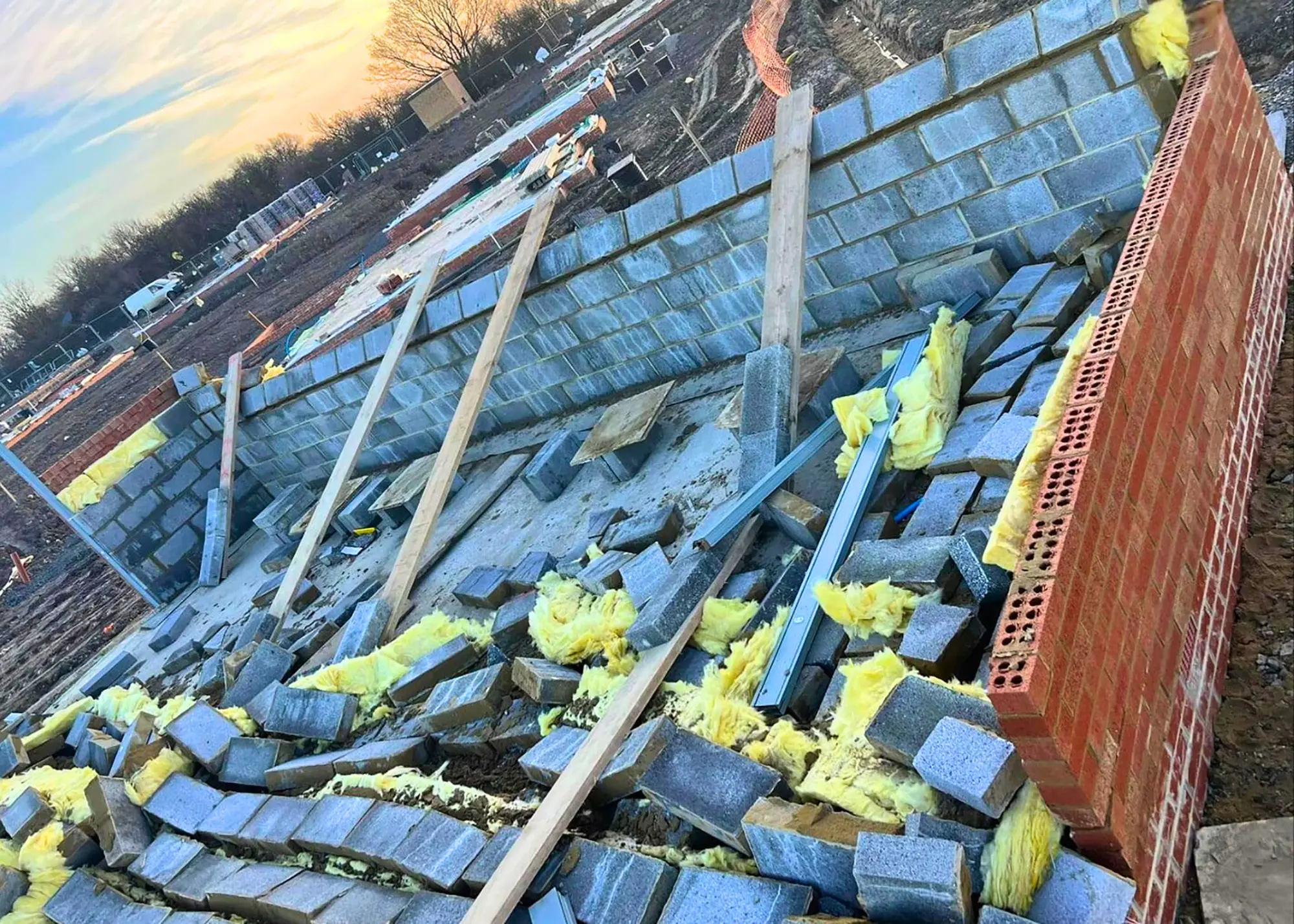

Running a self build site offers great independence, but it comes with some significant legal and safety responsibilities. Whether you are self building a new property or extending an existing one, managing site risk is crucial for protecting lives, project timelines and your investment. With proper planning and systems in place from the outset, it’s possible to keep your building site both compliant and professional.
Many self builders misunderstand who is accountable for site safety. Under the Construction (Design and Management) Regulations 2015 (CDM), anyone commissioning construction work is a client with legal duties to ensure safe planning, management and execution. If you hire others, you will likely appoint a principal designer (for design-phase safety) and a principal contractor (for build-phase risk). However, in many self-managed projects, these roles automatically default back to the client (you, the self builder).
This creates a grey area. Many act as site managers without fully grasping the responsibilities they have taken on. If you are lacking proper documentation, site insurance or temporary works planning, you could face practical, financial and legal risks. Breaching duties under Section 4 of CDM 2015 (Duties of those controlling construction work) or the Health and Safety at Work etc.
Act 1974 can lead to enforcement notices, building site shutdowns or prosecution, even on domestic projects. While defending a prosecution is usually covered under a good site insurance policy, you need to ensure you are managing any potential risks on your site effectively.
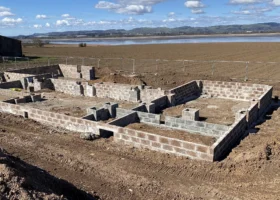
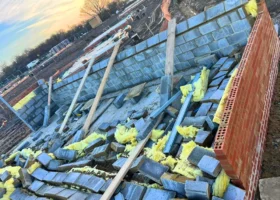
This masonry wall has suffered significant storm damage, causing a blowdown
Some risks on site are obvious: trips, falls, theft and fire. Others are less apparent. Storm blowdowns (where wind topples unbraced masonry) are a frequent cause of site insurance claims, delays, damage and even death and serious injury – particularly on exposed plots. These issues are manageable, but only with a proactive mindset and the correct insurance.
Professional temporary works design is critical. Anything supporting the permanent works – propping, shoring, edge protection and masonry restraint – requires proper engineering oversight. This is not excessive; it’s best practice.
You owe a duty of care to your insurer. A claim could be declined if an on-site incident occurs due to an unapproved or makeshift solution. For example, ad hoc timber bracing of masonry often appears sufficient but is usually ineffective. Regular site inspections help catch issues early and can significantly enhance your site insurance position if something goes wrong. Clear access and signage, PPE requirements, and site rules should be standard, even if you are only bringing in a few trades at a time.
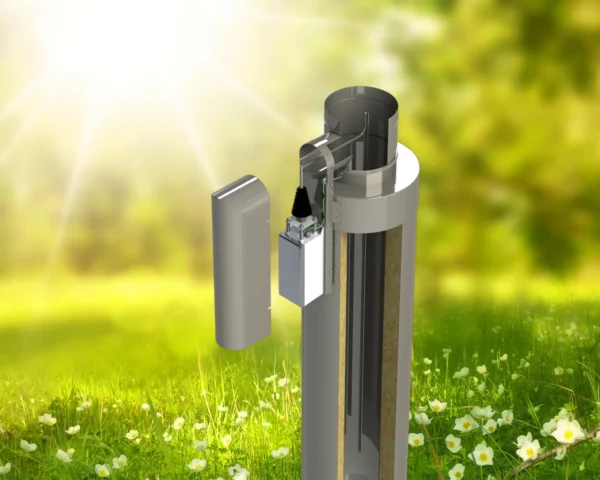
A more professional site is a safer, more insurable site. The right equipment and systems make a real difference. For example, the Brick Bud safety system from Harris Brick Safety was designed to prevent masonry blowdowns. Unlike improvised bracing, this solution is supported by specific temporary works design and engineered load calculations, enabling self builders to protect work in progress and stay compliant without relying on assumptions.
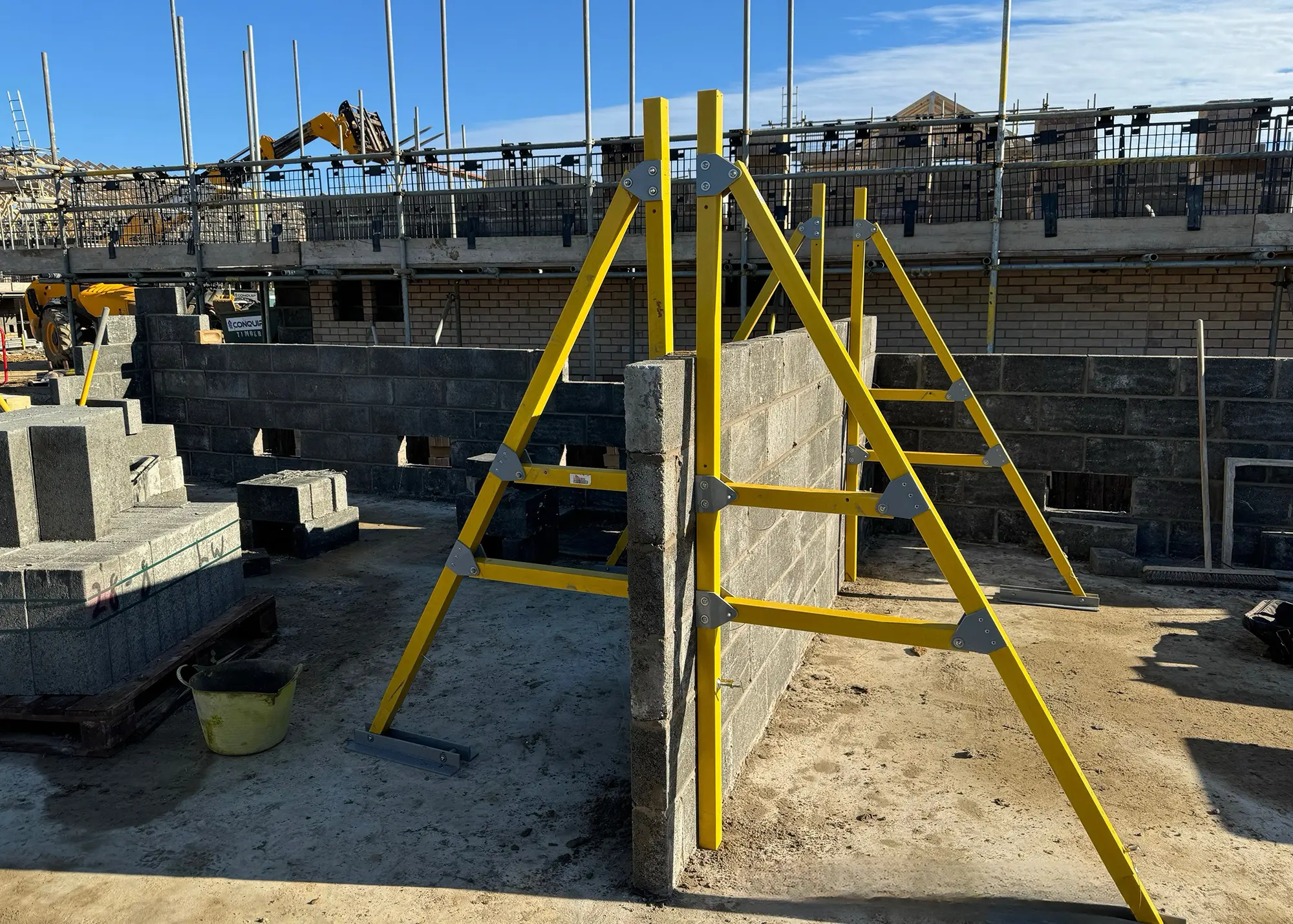
The Brick Bud safety system from Harris Brick Safety helps to protect exposed masonry walls from weather damage
Systems like this don’t just reduce risk; they demonstrate responsible site management, which insurers and lenders increasingly seek. Not to mention, they protect both people and your project’s financial position.
Whether you employ a main contractor or manage your own site, the goal is the same: build the project safely, efficiently and without any legal or financial surprises. This means you need to understand your legal duties and plan for the risks you face upfront.
Having the right site insurance and a 10-year structural warranty is essential. Site safety isn’t merely a checklist; it’s a mindset. The more seriously you approach it, the greater your project’s chances of success.



































 Login/register to save Article for later