


















 Login/register to save Article for later
Marco Curtaz is director at Curtaz Studio. Marco has over 17 years’ experience in creating bespoke contemporary extensions, renovations, interiors and new builds.
- Plan ItBack
- Design ItBack
- Build ItBack
- Homes
- ProductsBack
- CostsBack
- Self Build Cost Calculator
Estimate your project costs instantly with Build It's interactive self-build cost calculator
Calculate Now - Costs & Finance
- Contracts & Warranties
- Build It Estimating Service
Get an accurate, detailed cost breakdown of your project
Submit plans
- EventsBack
Small Loft Conversion Ideas – We Round Up 7 Inspiring Compact Attic Projects
Transforming a small loft into a functional, stylish living space is a challenge – but it’s one that offers incredible potential. With clever design and thoughtful planning, even the most compact attic can become a dream space. Scarlett Deamer explores how to maximise every inch of your small loft and create a cosy yet practical retreat

When it comes to transforming a small loft, every square inch counts. Whether you’re creating a minimalist hideaway, a functional home office or a chic guest room, clever design choices can help you make the most of your compact space. But with limited square footage, it’s crucial to think strategically about layout, storage solutions and the overall flow of the room.
Here I’m showcasing some best design ideas and practical tips for maximising the potential of your small loft conversion, offering inspiration for making even the coziest of spaces feel open, airy, and highly functional.
Jump to small loft FAQs answered by an expert
Small loft conversion with carefully positioned glazing
This small loft conversion by Curtaz Studio, transforms the space into a stylish, functional sophisticated zone that makes the most of every inch. In the primary bedroom, the couple wanted a bathtub but lacked the room for one.
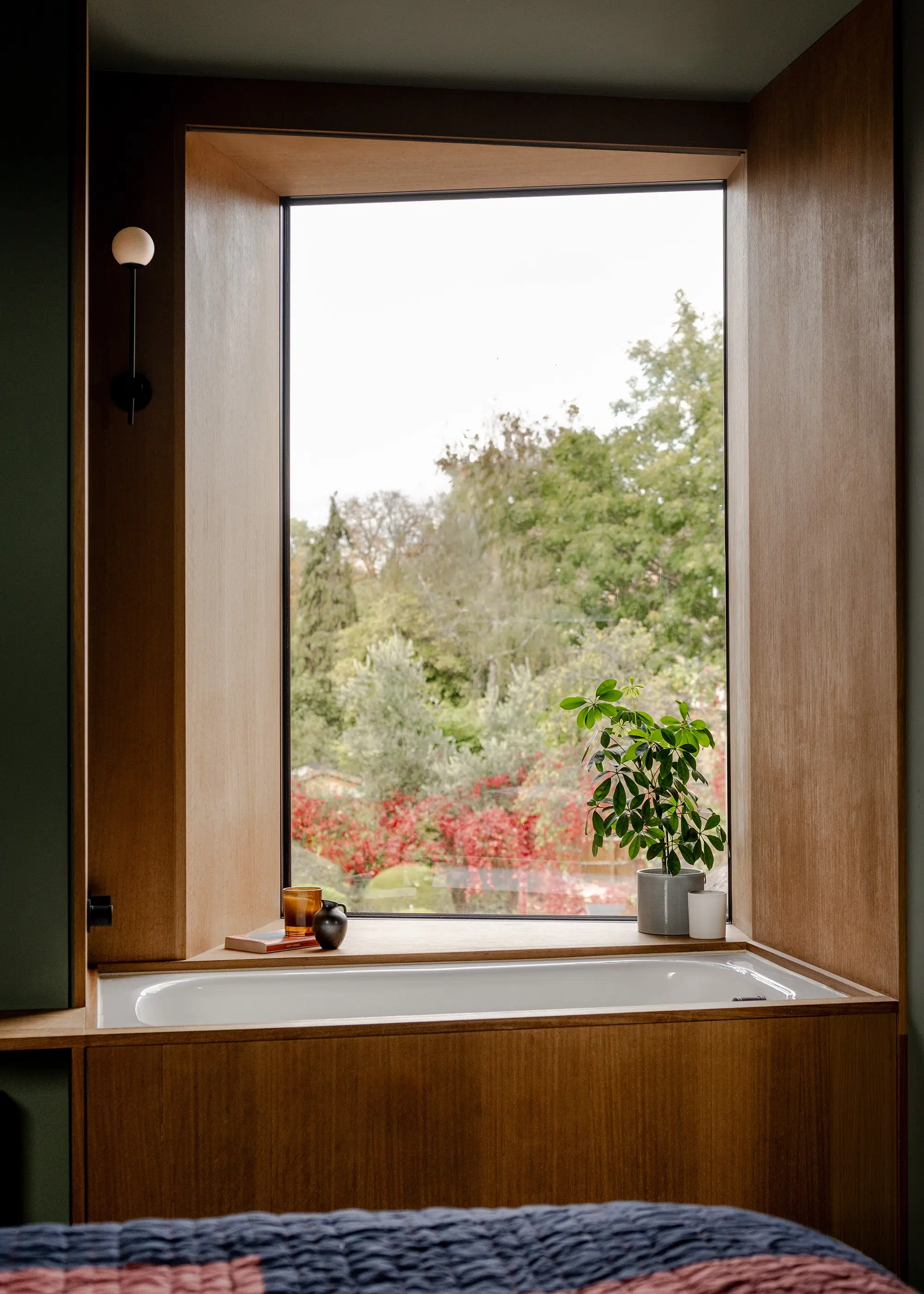
Photo: French + Tye
Inspired by Japanese furo baths, the design includes a hidden bathtub tucked beside the bed, which doubles as a window bench when the lid is closed.
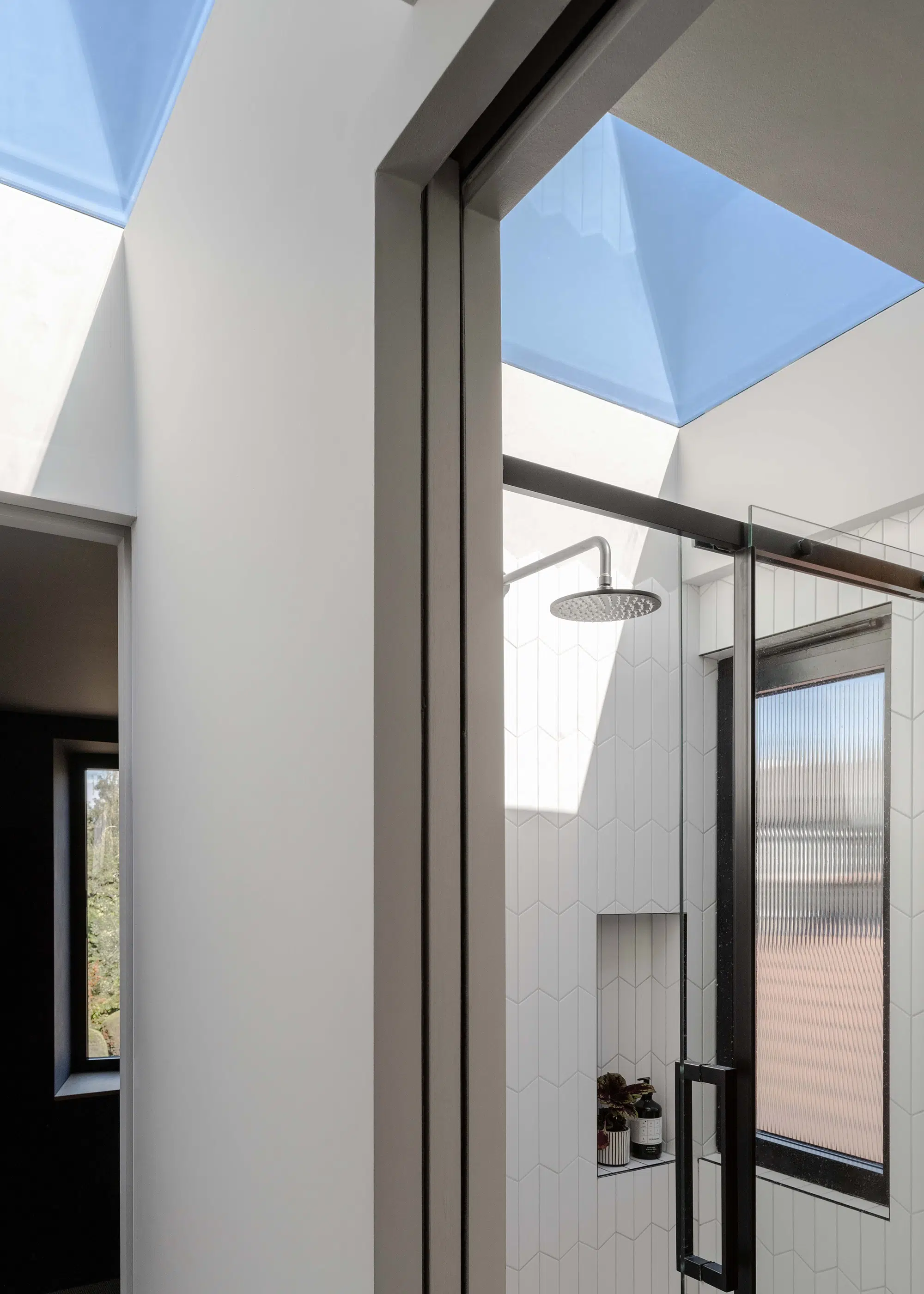
Photo: French + Tye
The loft’s new windows are angled with custom joinery to frame the best views, with dark window frames – physically framing the scenery. A compact shower room completes the space, cleverly using the available room without compromising on comfort or design.
Premium Content
Downloadable E-Guide
Build It's loft conversion downloadable e-guide takes you through the essential considerations, from costs to an estimated project timeline. Click below to find out more.
find out more
Light-filled bedroom loft conversion transformation
The owners of this Victorian semi-detached home in Bedford wanted to transform their vacant attic into a master bedroom and ensuite.
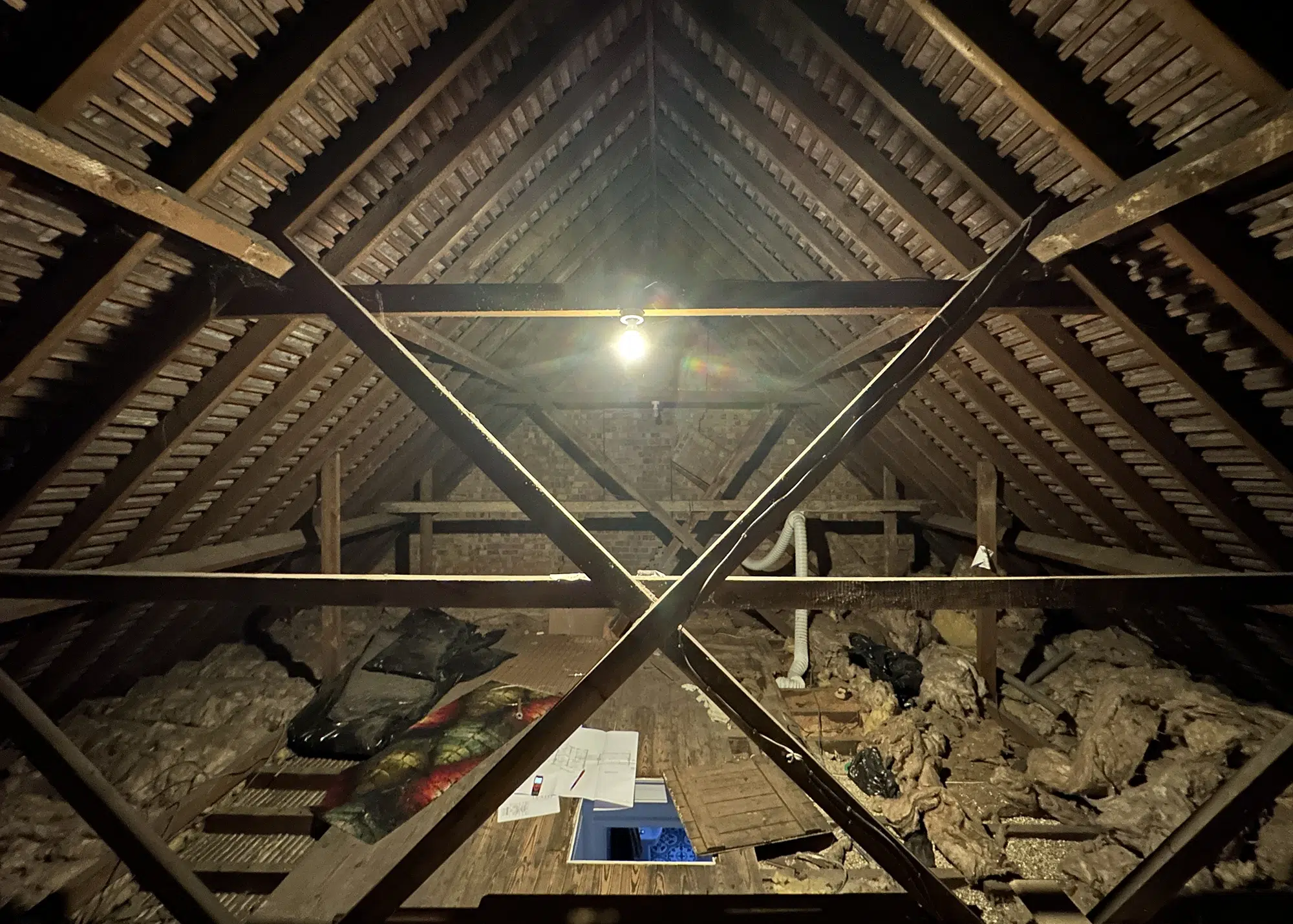
Before the loft conversion
Though the loft was dark and underused but had the potential for a rooflight conversion. To maximise space, DJA Moore Lofts designed a compact staircase with a slightly lower head height, freeing up more room for the bedroom and bathroom.
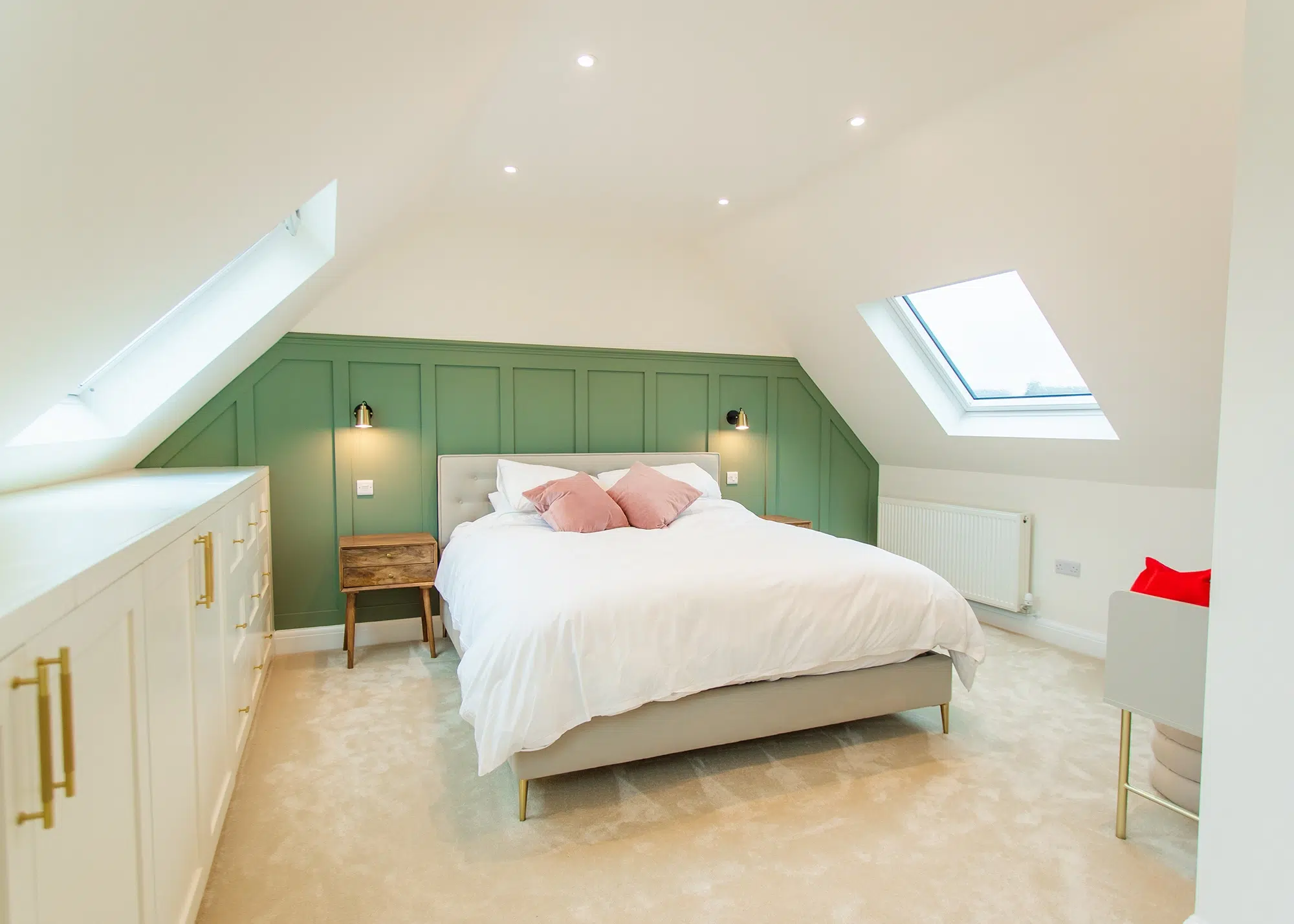
The completed project
In the bedroom, two large rooflights flood the space with natural light, while bespoke built-in joinery optimises the lower wall height, creating functional and stylish storage without wasting any precious space.
Compact attic space transformed with Velux balconies
Maximising daylight and headroom in the attic was a key priority for the homeowners. They chose two Velux Cabrio balconies, which open to enhance views, light and ventilation for the top floor.
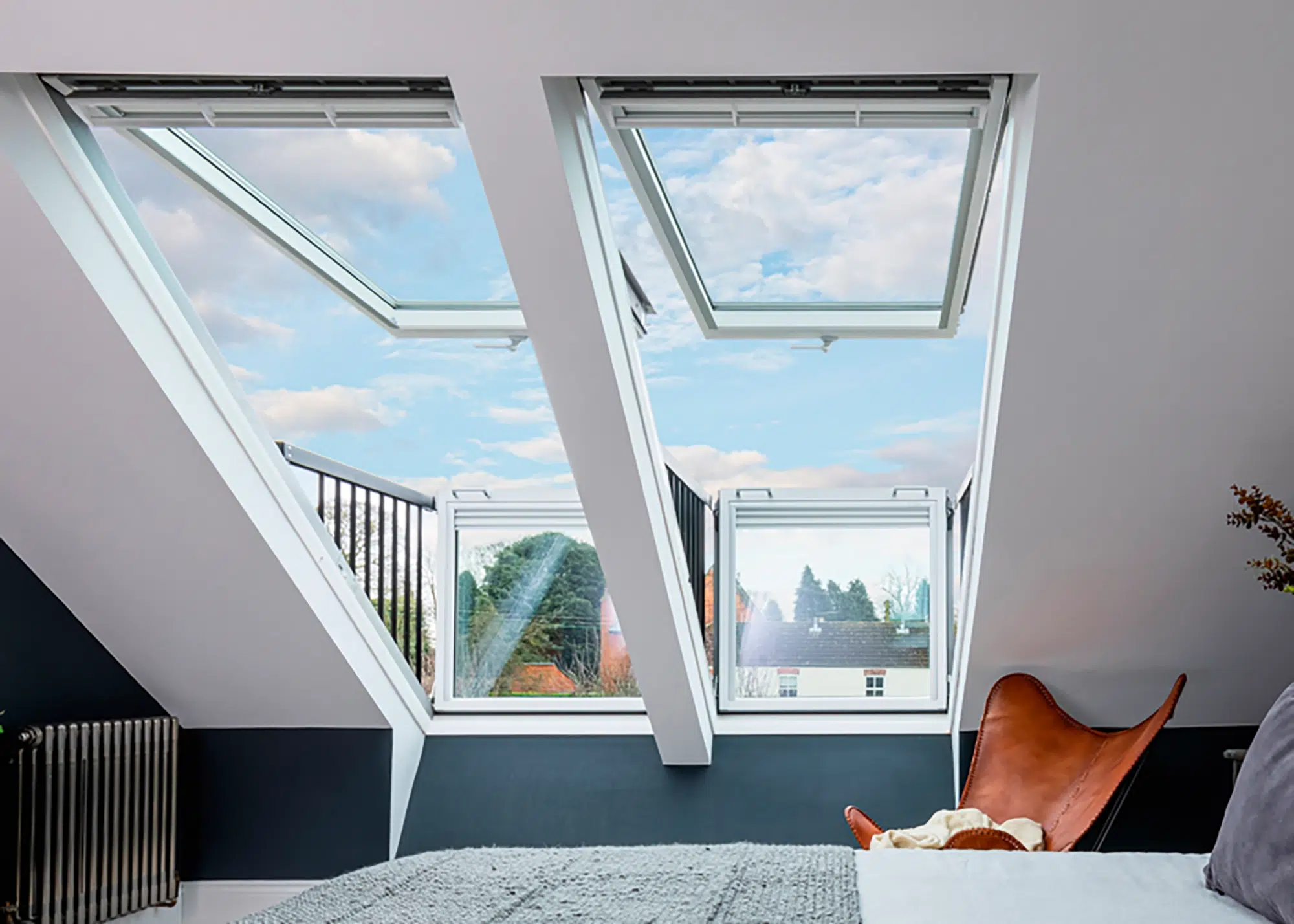
Photo: Velux
The design also provides extra head height, making the compact loft space feel much larger and more open. Built-in blinds offer protection from overheating on sunny days. Suitable for roof pitches between 35° and 53°, the balconies add usable space for enjoying the sun. The top half of the unit can also function as a standard rooflight, offering flexibility in light and airflow.
CLOSER LOOK Victorian terraced home transformed with a clever loft renovation
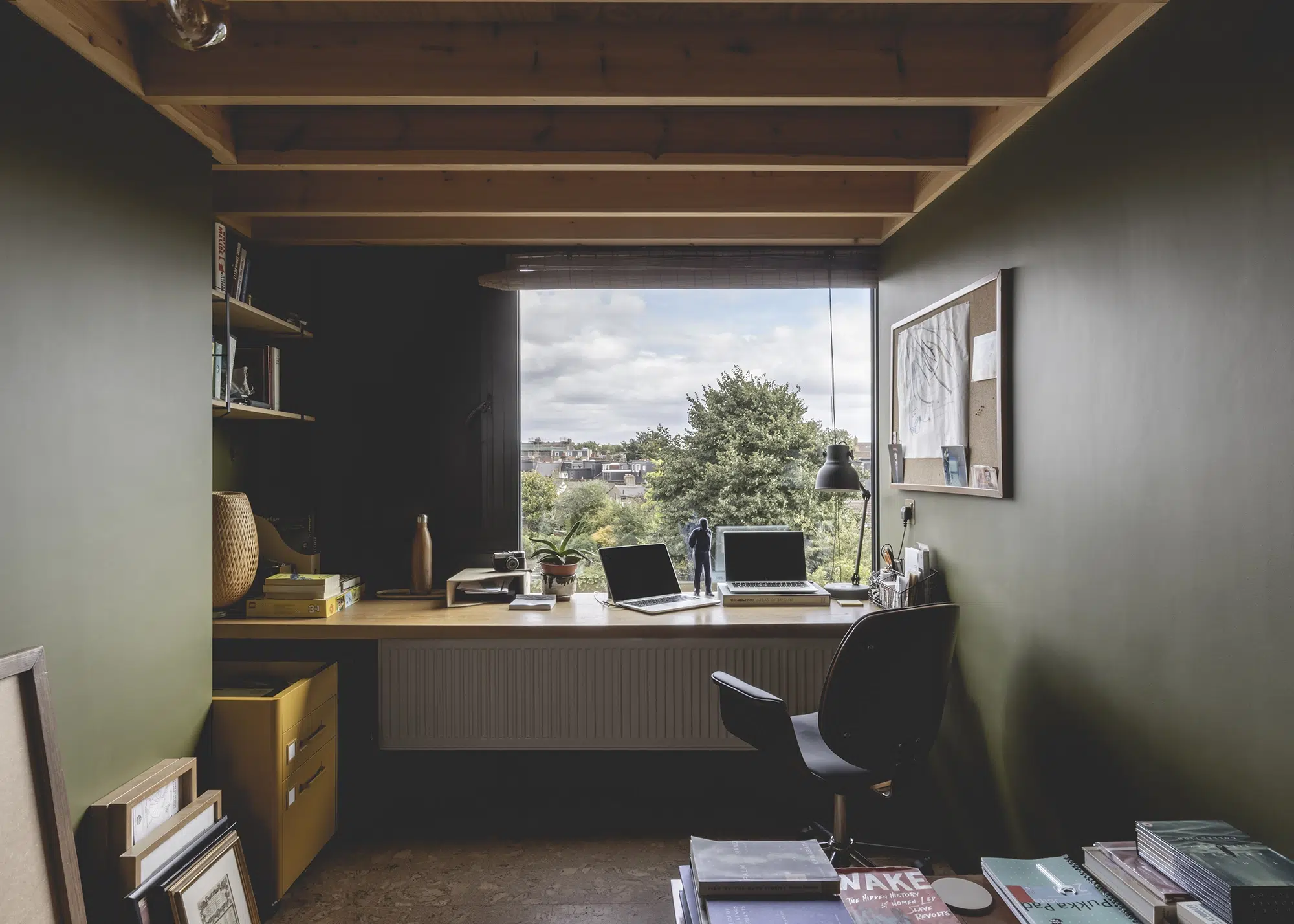
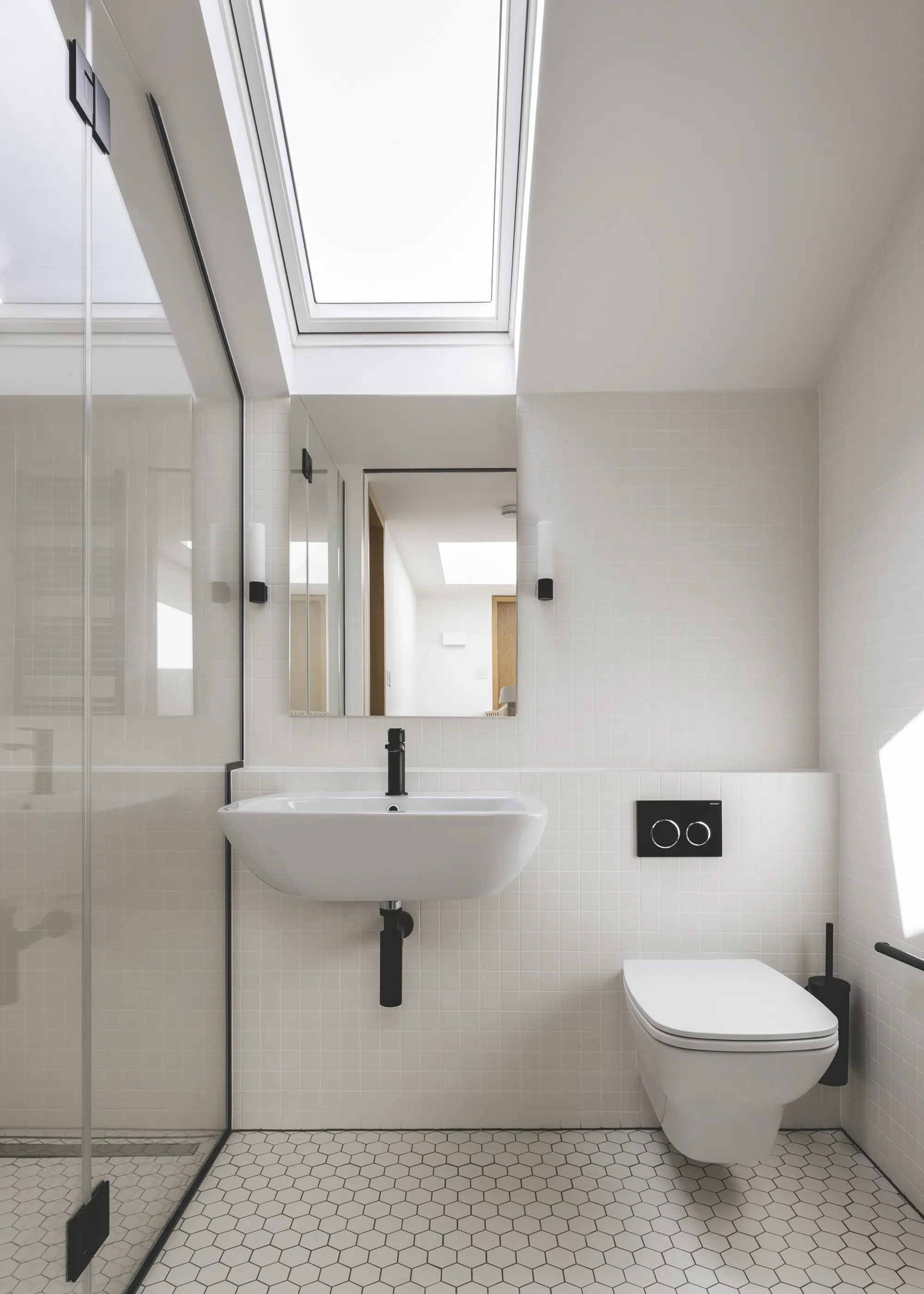
The Storyteller’s Home in Stoke Newington, London, is a Victorian terrace remodeled by Neil Dusheiko Architects to maximise space and functionality, with a loft conversion that creates flexible, efficient workspaces. The top floor of the house is transformed into two light-filled studios, providing the family with dedicated offices while maintaining a sense of openness.
Photos: Billy Bolton Photography
The design cleverly incorporates a sliding window in the main studio and a fixed picture window from IDSystems. These openings allow natural light to flood the space and provide beautiful views of the garden. Both studios feature openable windows and solar film helps reduce the risk of overheating. Overhead glazing promotes cross-ventilation, ensuring a comfortable and productive environment. Textured cork flooring and exposed beams add warmth and character.
Photos: Billy Bolton Photography
“The transformation has created a really versatile family home that can evolve with us as we grow, marking out several distinct spaces – like our detached offices – while also uniting the whole home,” says the owner. The smaller studio includes a built-in desk, making efficient use of space, while the larger studio provides a serene, quiet retreat for work. A compact bathroom on the upper level ensures convenience without compromising the space’s flow.
Unique loft conversion with angular glazing
The DHaus Company renovated this two-bedroom maisonette in North London, extending into the loft to add more living space.
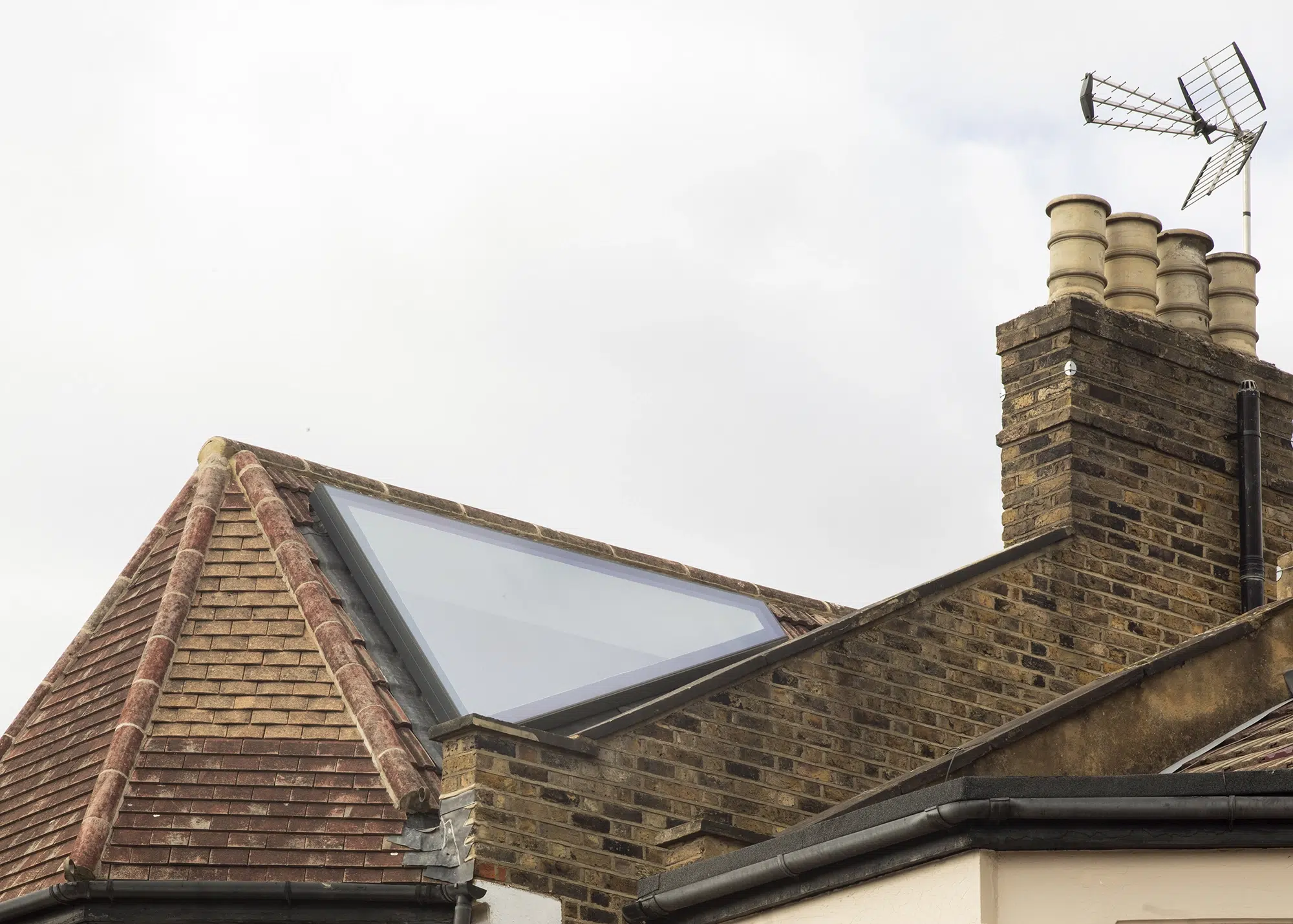
Photo: Richard Chivers
The unique turret roof of the building posed a challenge, so the design introduced new steelwork to create a sleek dormer loft extension that blends seamlessly with the historic structure.
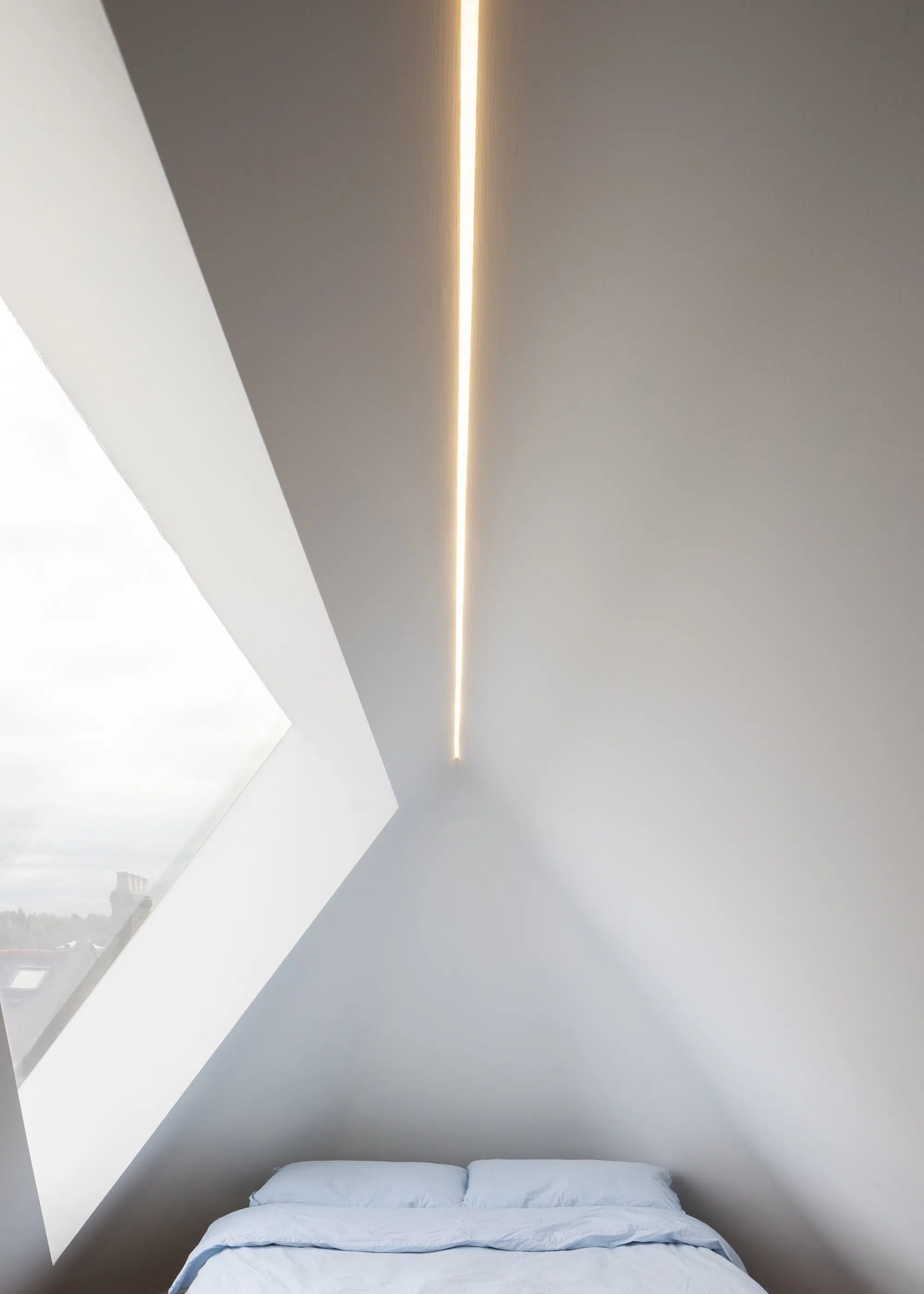
Photo: Richard Chivers
A large triangular rooflight was added to flood the space with natural light while offering panoramic views of the surrounding area. Inside, a subtle line of strip lighting runs along the apex of the turret, providing an elegant solution for illuminating the steeply pitched roof.
Terraced house with a loft extension and balcony space
Burrard House, by Paul Archer Design, is a striking example of how the unique features of a terraced home can be creatively transformed into a light-filled, deceptively spacious living space.
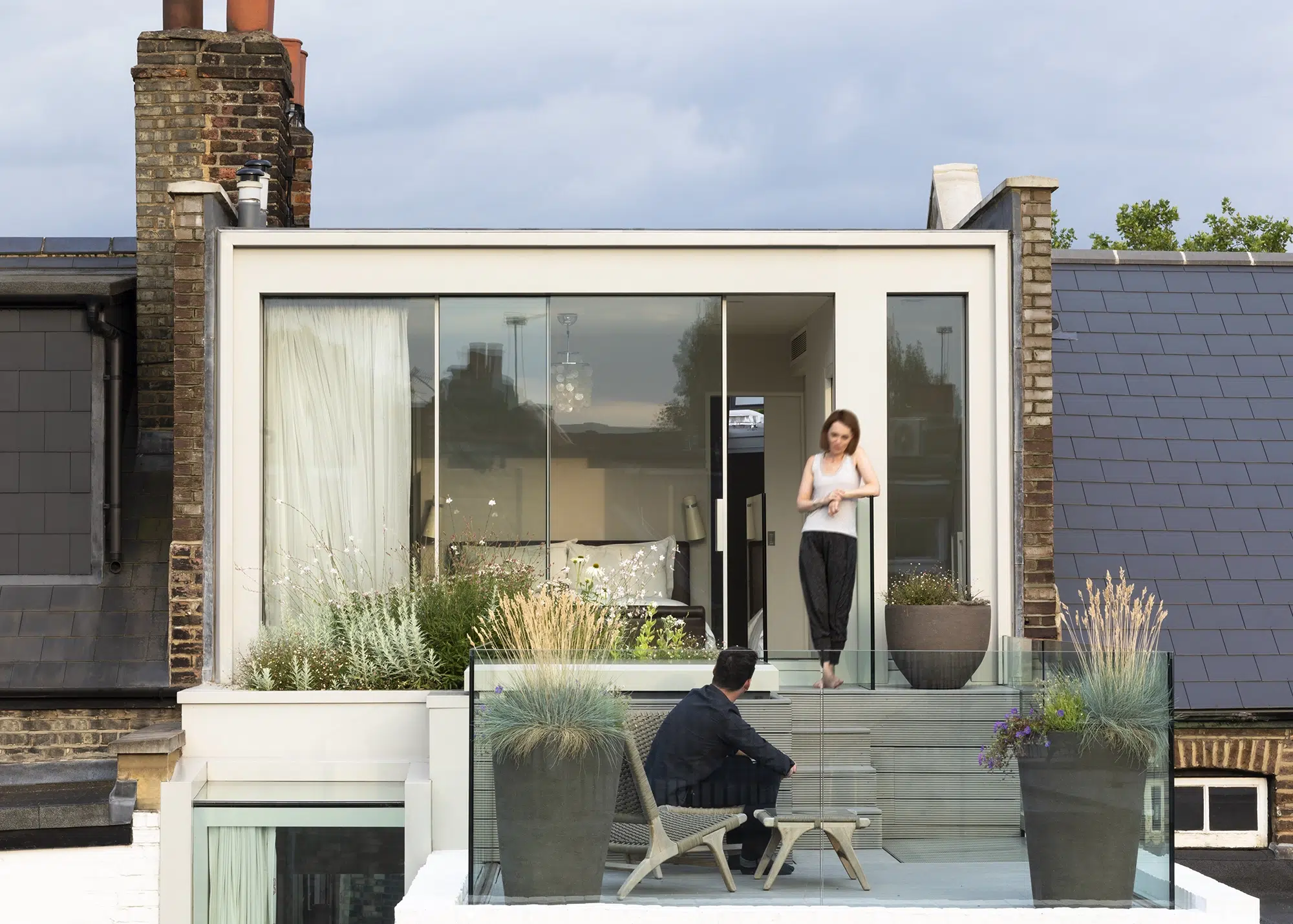
Photo: Ben Blossom
The loft conversion on the upper floor makes full use of the flat roof over the rear closet wing, incorporating a stepped terrace with built-in planters. The master suite occupies the converted loft, with large windows framing views of the new terrace.
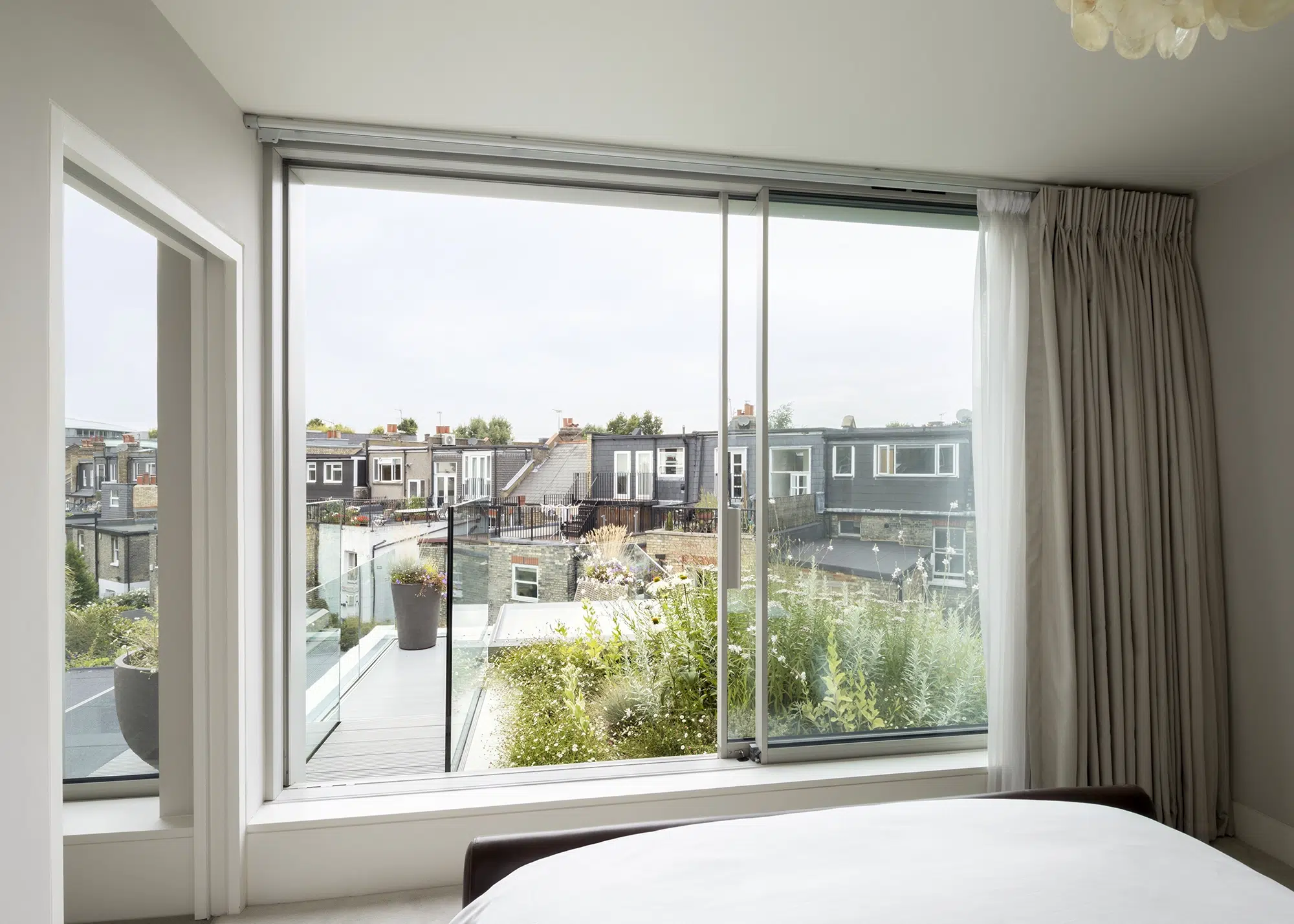
Photo: Ben Blossom
By connecting the interior to the outdoors, the design opens the space, creating a sense of expansiveness that compensates for the limited internal footprint. The varying levels of the planters add additional garden space, softening the boundary between indoors and outdoors while offering significant health benefits.
Rooflight conversion for a protected London home
The owners of this flat in Balham, London, were after an additional bedroom but were unsure what would be suitable due to their home being located in a conservation area.
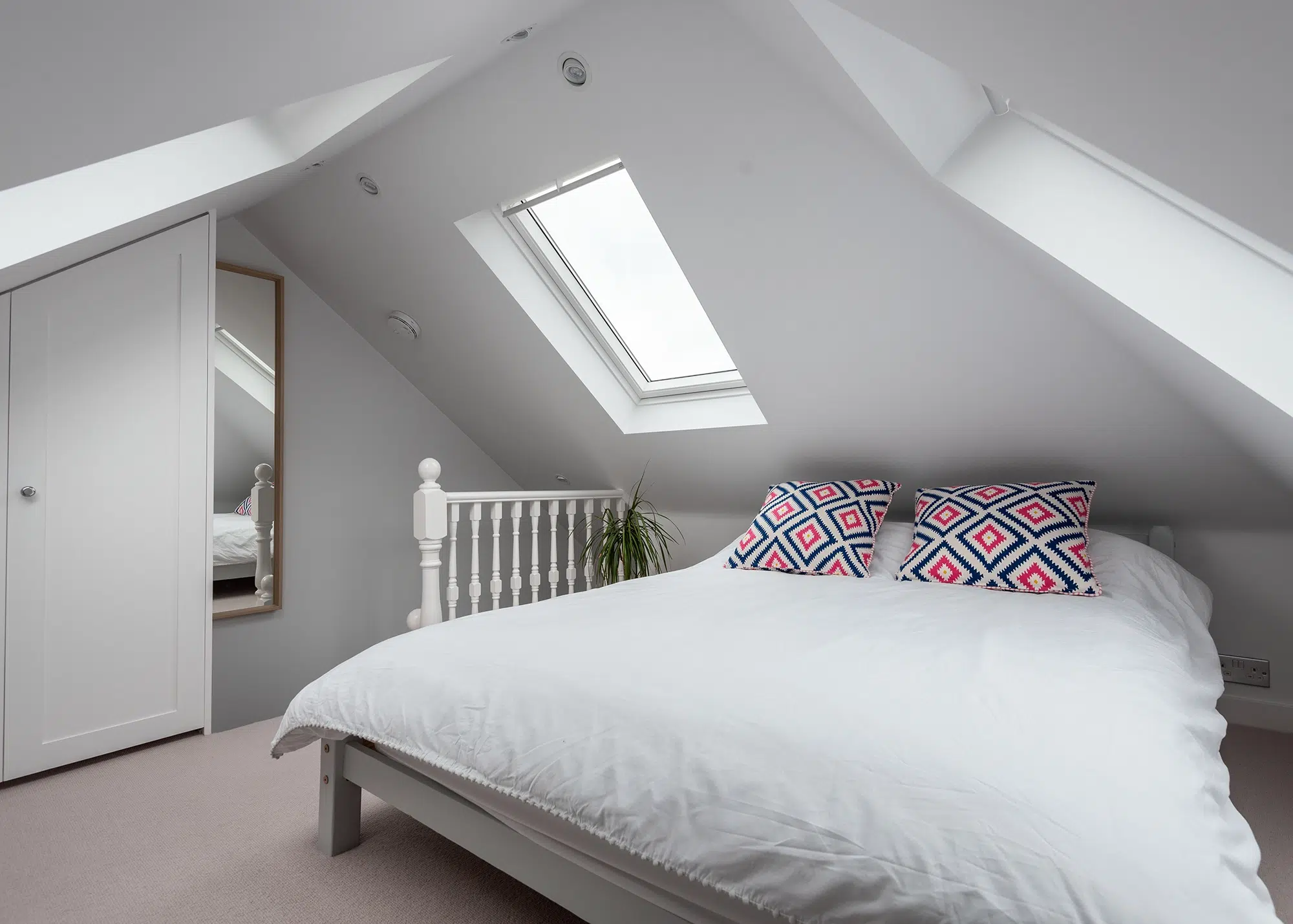
Photo: Simply Lofts
Simply Lofts helped the family develop a clever solution to maximise space and light, with an understated rooflight loft conversion that draws in light from all sides of the protected roof.
Small loft conversion FAQs

What’s the best use for a compact attic space?
If your current floorplan is fairly restrictive and only allows for specific rooms for their own separate functions, then a multi-use space will be the answer to achieving your goals. These can include home offices that double up as general storage or master bedrooms with a bath and sink integrated into the space.
How can you make a compact space comfortable?
The smaller the loft, the easier it is to maintain a comfortable temperature. Since the space has less air volume to heat or cool, it requires less energy to achieve and maintain a comfortable indoor climate. Overheating only becomes an issue if there’s too much glazing, poor solar control (blinds) or no cross-ventilation. Noise is the same no matter how big or small the space is – this can be controlled quite easily, however, as there’s often enough of a gap in the construction for acoustic insulation.
How can you integrate stairs into a small attic without losing living space?
The most efficient placement for your new loft staircase is over the existing flight connecting the stories below. Since the original staircase is already a vertical void, it makes sense to utilise that space instead of creating a new, separate opening for the loft stairs elsewhere in the house.
What design strategies work for sloped ceilings, low walls, eaves and awkward angles?
We usually put an eaves storage wall from where it’s 1.2m high, which is often where the space becomes more suitable for storage rather than everyday living. Installing large Velux rooflights in the sloping ceiling area is also a great way of gaining a bit of headroom (you generally get 0.3m extra headroom where there’s a Velux). This is very useful for small bathrooms, as you can position the basin or WC under the rooflight to create a more practical layout.
What are the minimum dimension or safety requirements for a compact loft conversion?
No matter the size of your loft space, you need to apply the same minimum building standards. This means you need to achieve around 2.3m of headroom (with 2.1m as a minimum where unavoidable).
Scarlett Deamer
You may be interested in

Our sponsors