
















 Login/register to save Article for later

Barry Stirland is director at Rider Stirland Architects. He has over 17 years’ experience in residential architecture, designing bespoke homes and helping clients navigate complex statutory approvals.
Estimate your project costs instantly with Build It's interactive self-build cost calculator
Calculate NowGet an accurate, detailed cost breakdown of your project
Submit plans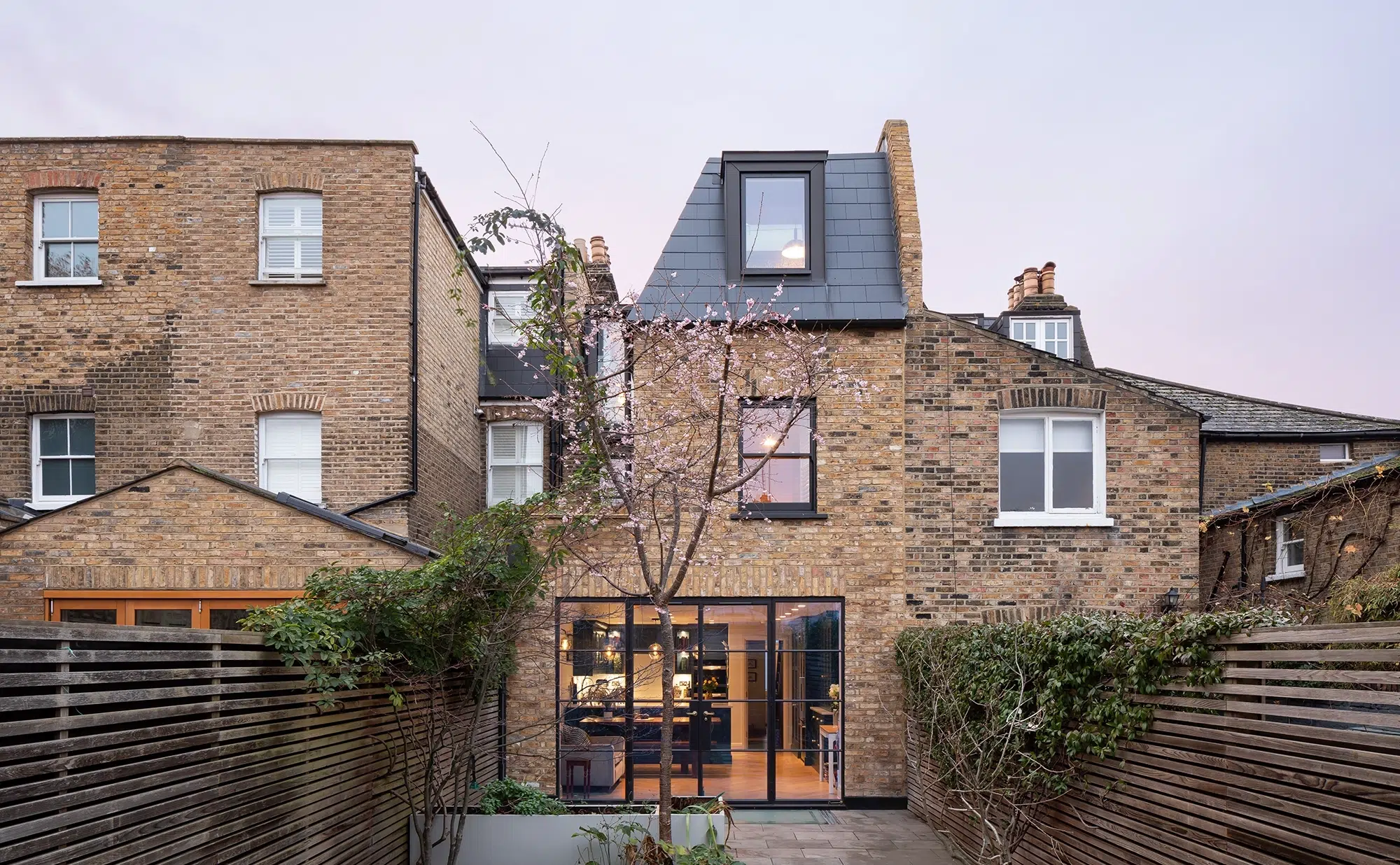

Characterised by their distinctive flat roofs and steeply sloped sides, a mansard loft conversion is ideal for creating full-height rooms with generous headspace and natural light.
Whether you’re planning a new bedroom, home office, or studio, a mansard loft conversion can completely transform the top floor of your home. Though they often require planning permission due to fairly significant structural and visual changes, the investment pays off in both functionality and aesthetics.
A mansard loft conversion involves building out from the existing roof slope at a steep angle – around 72° – to form a near-vertical wall, which is then finished with a flat or shallow-pitched roof.

Unlike box-like dormer roof extensions, mansard conversions are designed to sit flush with the gable (vertical) ends of the roof. This creates a more sleek, seamless appearance which is great for period or terraced properties. They can also be L-shaped to follow the layout of rear extensions, offering even more internal space and design flexibility – a great solution for urban homes with limited expansion options.
A mansard loft conversion is a smart choice for homeowners looking to maximise space without compromising the appearance of their property. “Unlike traditional loft extensions, a mansard’s steep slope means fewer low-pitched angles internally, reducing internal shadowing and dark corners,” says Matt Barber, architectural technologist at Life Size Architecture.
A mansard allows for more flexible internal layouts while maintaining a design that blends seamlessly with the existing structure, so it feels like a natural part of the building rather than a bulky add-on.
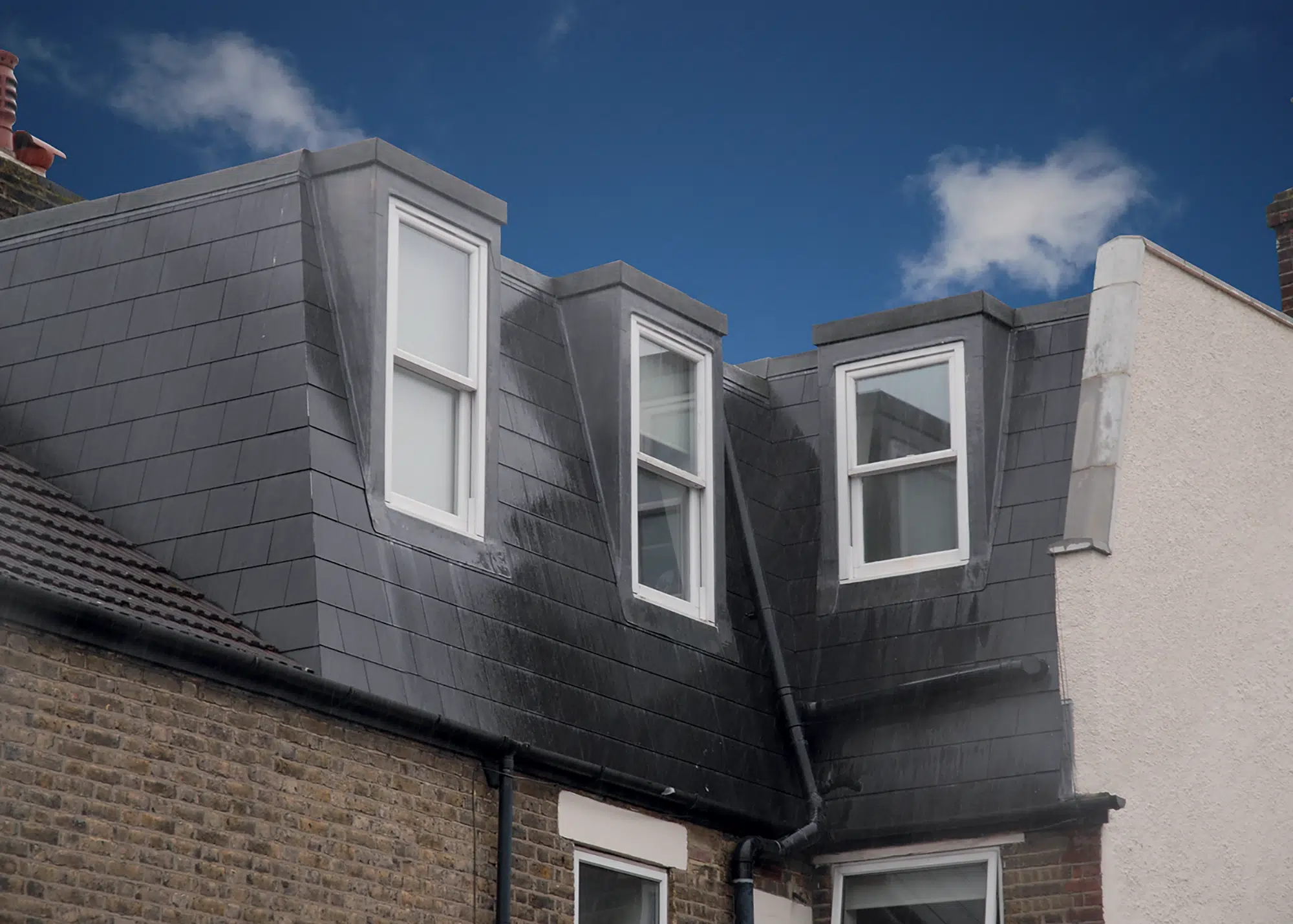
This rear-facing, L-shaped mansard loft by Absolute Lofts offers exceptional space and flexibility by extending over the main house. This layout allows for multiple rooms – perfect for adding a bedroom, bathroom, or home office – while maximising headroom and natural light throughout
Mansards also offer excellent potential for larger and more numerous windows, helping to flood the space with natural light and frame surrounding views. This not only enhances the look and feel of the interior but also doesn’t overpower the house’s original architecture.
There are a number of aspects to consider and assess before deciding whether to go ahead with a mansard loft conversion, including:
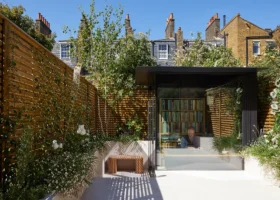
Life Size Architecture designed this beautiful rear and side extension and loft conversion to this home located in a conservation area in Brighton. The architects commissioned Attic Conversions Ltd to carry out the works of the mansard roof addition, which features bifold door openings and a metal balustrade.

The construction process took a total of nine months. The mansard loft conversion has helped to maximise the home within the confines of its plot, all while protecting the original charm of the property with a sensitive contemporary new addition.
Photos: Howard Baker
Premium Content
Build It's loft conversion downloadable e-guide takes you through the essential considerations, from costs to an estimated project timeline. Click below to find out more.
find out more
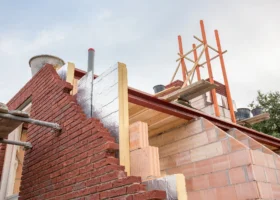
Constructing a mansard loft conversion typically begins with reinforcing the house’s existing foundations if necessary, followed by raising the existing roof (and party walls if you live in a terraced house) to create the required internal head height and volume.
The new mansard structure is then built by forming a rear dormer with a steeply sloping roof section, often using timber and steel beams for structural support. Then flashing, usually made from lead, is installed at all intersections and edges to prevent leaks. “Depending on the size and complexity, a mansard loft conversion could take as little as three months once all the necessary permissions and paperwork is in place,” says Matt.

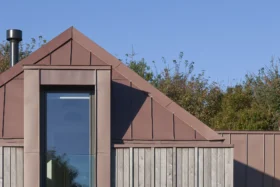
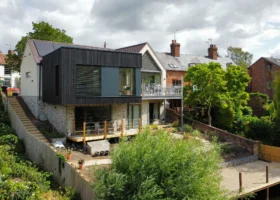
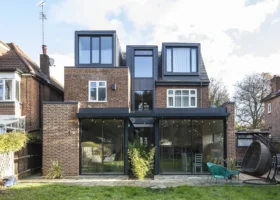
The owners of this terraced London home decided it was time for an upgrade. A new mansard loft conversion, designed by Rider Stirland Architects, has transformed a formerly unused attic space into a light‑filled, luxurious new level. Externally, the elevated roofline is finished in dark zinc and carefully positioned aluminium rooflights. Photo: Adam Scott
A mansard loft conversion almost always requires planning permission, as it significantly alters the roofline, volume and height of the existing property. This is particularly important in a conservation area, where policy is stricter to preserve the architectural character of the neighbourhood.
Building control approval is mandatory for mansard loft conversions. These regulations ensure the conversion is structurally sound, energy efficient, and most importantly, safe. They cover key aspects such as floor strength, fire resistance, ventilation, and insulation. “Expect to upgrade the floors for structure and fire resistance and create protected escape routes as well as proper roof insulation strategies for a compliant and comfortable loft space,” says Matt.
There are several key costs that are involved when undertaking this type of loft conversion. Planning and design fees are the first expense, covering architectural drawings and planning applications. It costs £528 to make a householder planning application in the UK, plus the Planning Portal’s service charge of £70 +VAT.
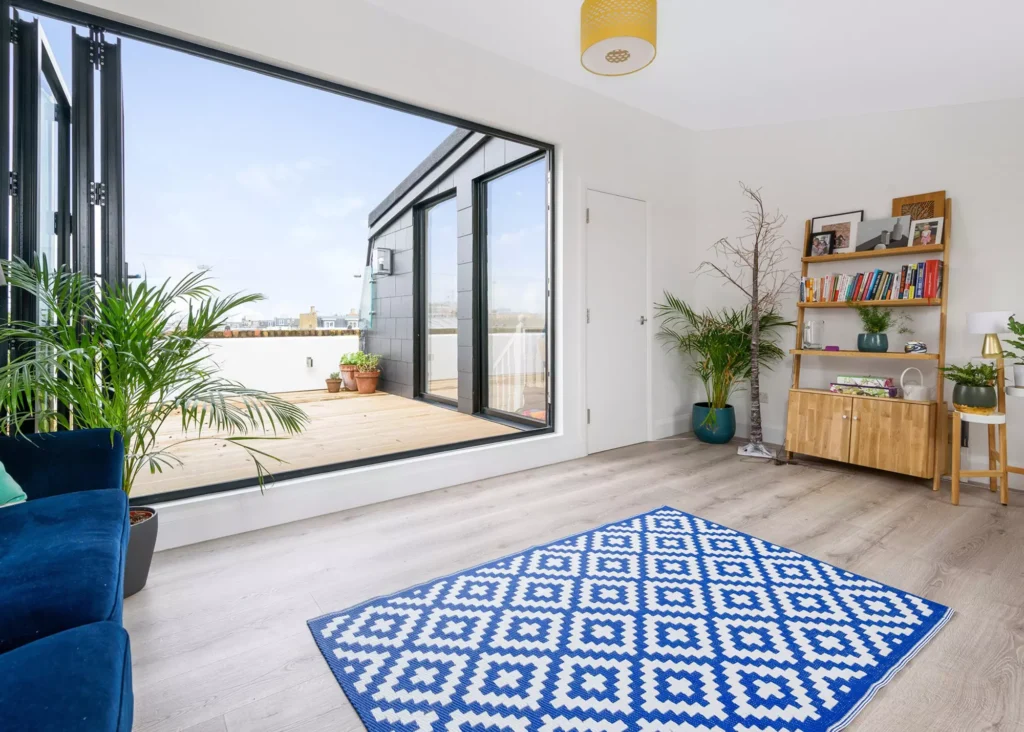
Simply Loft completed a unique front and rear mansard loft conversion in Clapham, creating a tranquil retreat with a roof terrace, office, bold bathroom, and vibrant meditative area. Natural elements, lush plants, and rich colours combine to create a serene space
Build costs form the largest portion, reflecting the structural changes required. “A mansard costs slightly more than a traditional loft conversion – between £2,000–£3,000 per m² depending on the size, specification and the complexity of the build,” says Matt.
If your property is semi-detached or terraced, party wall surveyor fees may apply, so make sure to factor this into your budget. You’ll also need to factor in windows, flooring, insulation and interior finishes such as lighting and built-in storage.
A mansard loft conversion offers unique design flexibility.
Thoughtful design and carefully planning can ensure your new space blends seamlessly with the rest of your home, whether you prefer a modern finish or a period look. The materials, colour palette and architectural details you choose to use will all play a vital role in creating a cohesive, stylish and functional loft space.

Barry Stirland is director at Rider Stirland Architects. He has over 17 years’ experience in residential architecture, designing bespoke homes and helping clients navigate complex statutory approvals.
Terraced houses are often the best candidates for a mansard loft conversion. The cleanest way to achieve this is to raise the existing brick party walls on either side (with the appropriate party wall agreements in place), which then neatly frame the new mansard structure. This approach gives a solid and permanent feel, rather than a flimsy add-on, and allows the new roof form to look like a natural evolution of the house.
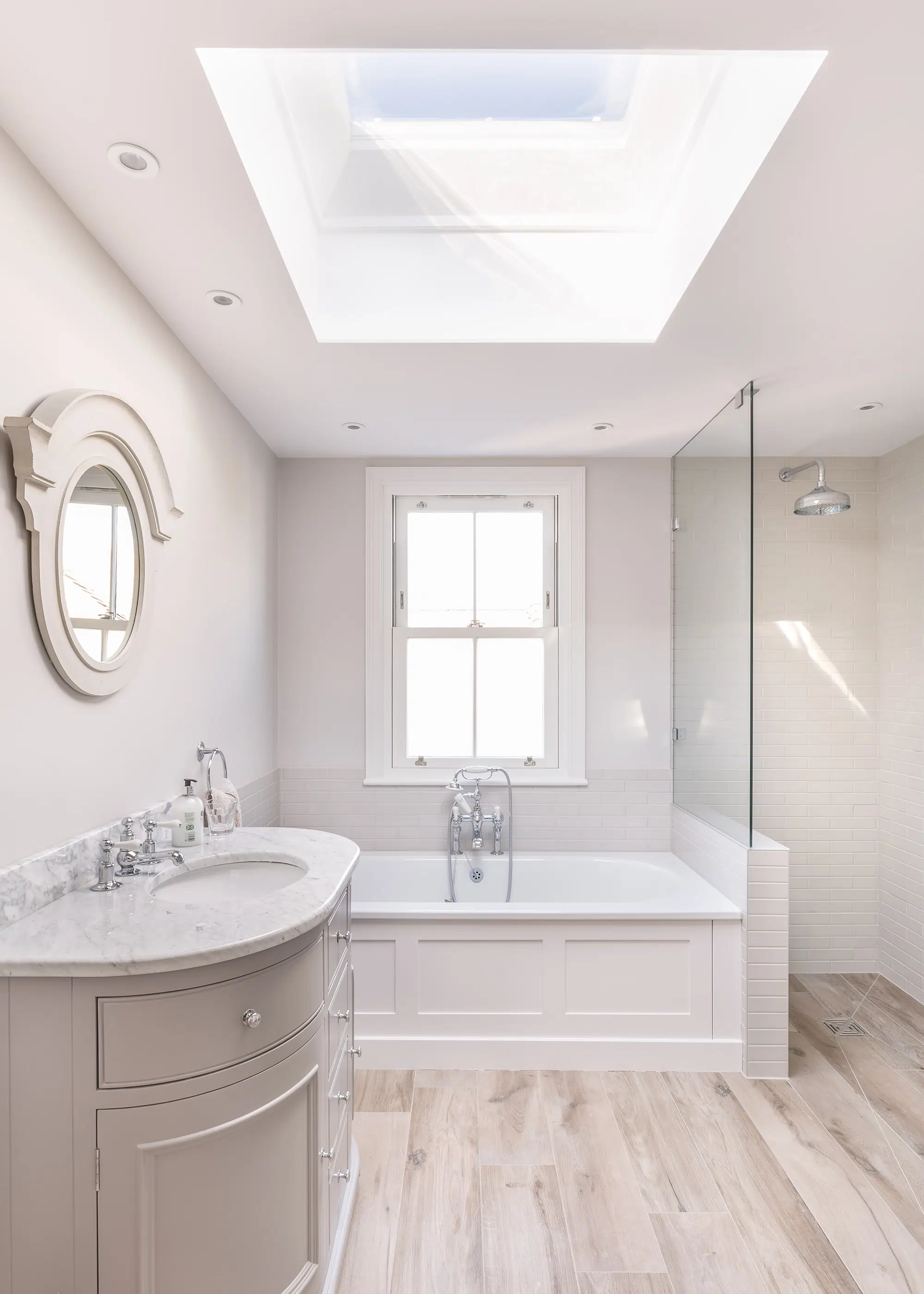
A bathroom often the most transformative element of a loft conversion. Ideally, the bathroom should be stacked above existing bathrooms or service risers, which keeps drainage runs short and neat. Sorting out waste water routes early is key; otherwise, you risk ending up with ugly boxing-out in corners or pipes strapped to the outside of the house.
A small loft bedroom without a bathroom may not tip the balance, but as soon as you introduce an ensuite, you’re asking a lot more of your system. For most of our projects, we recommend moving to an unvented hot water cylinder, paired either with a boiler or an air source heat pump. This gives you good mains pressure for showers and ensures there’s enough hot water to go round.
Insulation is crucial. Building Regulations set a minimum, but we often advise adding 50% more. Beyond that, you start getting diminishing returns, plus you risk shaving valuable cm off the internal floor space. Another overlooked element is solar gain: mansard lofts often come with generous glazing, which is fantastic for natural light but can lead to overheating. Solar control glass on rooflights and south or west-facing windows helps reduce this.
It’s definitely possible, but planning is usually the main hurdle. Local authorities are most concerned about overlooking neighbours and protecting privacy, so careful design is key. Juliette balconies are a simpler win. They don’t project, so they’re often allowed under permitted development rights (though not in conservation areas or other restricted zones). Even though you can’t step out, they can improve the feel of the loft room by allowing you to open the doors wide and bring the outside in.