












 Login/register to save Article for later
James Bernard is director at Plus Rooms, a leading bespoke design and build company, who have been delivering design-led home extensions for over twenty years.
- Plan ItBack
- Design ItBack
- Build ItBack
- Homes
- ProductsBack
- CostsBack
- Self Build Cost Calculator
Estimate your project costs instantly with Build It's interactive self-build cost calculator
Calculate Now - Costs & Finance
- Contracts & Warranties
- Build It Estimating Service
Get an accurate, detailed cost breakdown of your project
Submit plans
- EventsBack
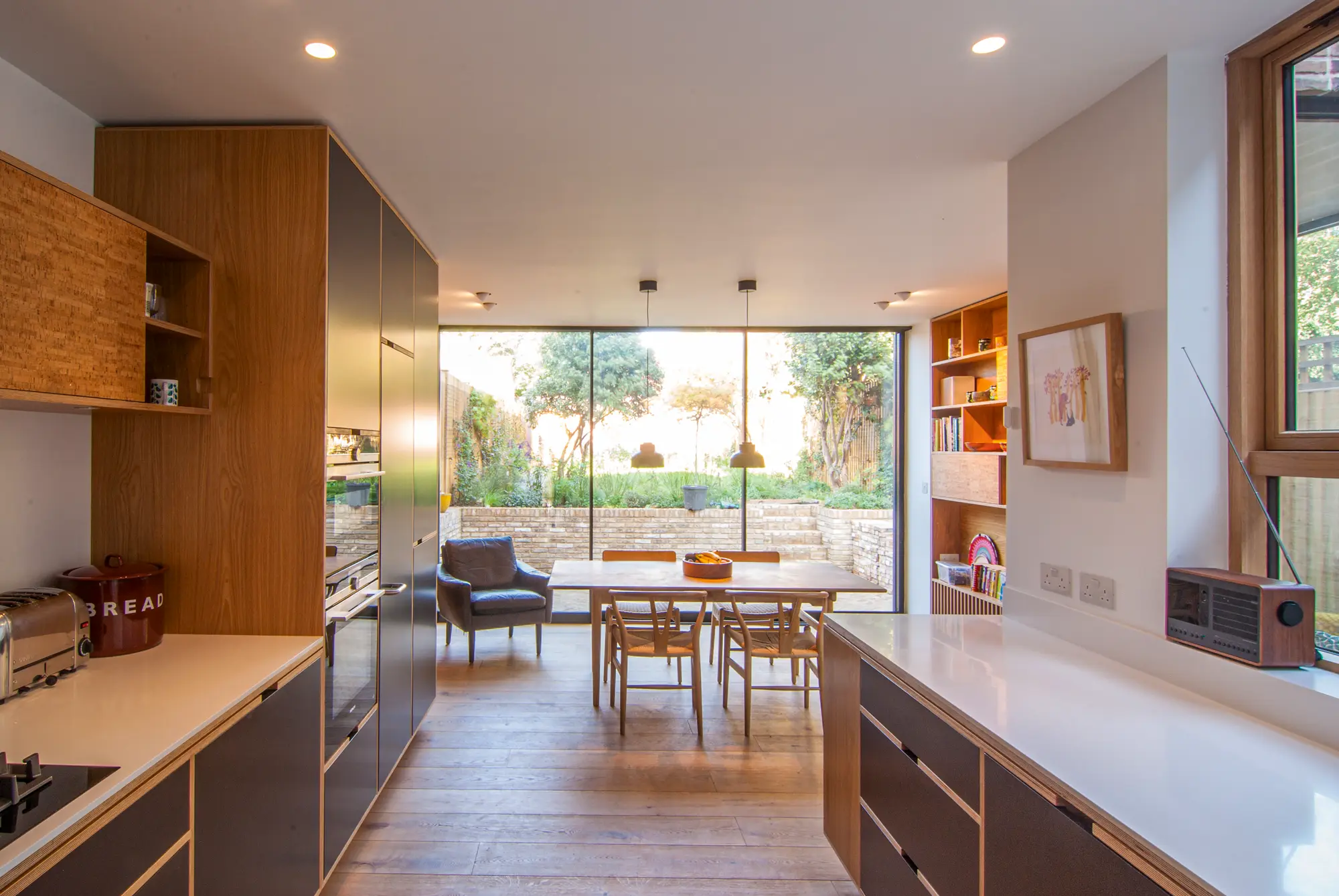
Small House Extension Ideas – 7 Compact Additions with a Big Impact
Adding an extension is often a great solution for homeowners looking to enhance their living space – yet tight footprints can limit what’s possible. Amandine Lefevre rounds up a series of small extension ideas that prove thoughtful planning and flexibility can unlock a home’s full potential, even within a modest floorplan

Often, when homeowners are considering an extension, the first thought is a large, transformative addition that adds generously to the house’s existing footprint and creates new, multifunctional rooms. However, sometimes building bigger isn’t the right answer, and often a smaller, more considered addition can add just the right amount of space.
When building a small extension, it’s important to carefully assess the space’s intended use. Whether you’re adding square footage to create an extended dining room, space for a kitchen island, or even a children’s play area, the design, layout and positioning of entrances and glazing will make a huge impact. It’s best to speak to an architect or designer early on, to ensure you’re maximising the space (and budget) you have available, to create an addition that truly works for you and your lifestyle.
To help get you started, here I’m looking at a collection of seven outstanding examples, and speaking to the extension experts about how to plan, design and build a small addition with a big impact.
Jump to small extension FAQs answered
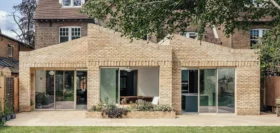
Family home in London upgraded with a 6m² dining room extension
For this renovation of a family home in Leytonstone, Bradley Van der Straeten Architects designed a 6m² extension to make space for a new dining area and widen views onto the garden.
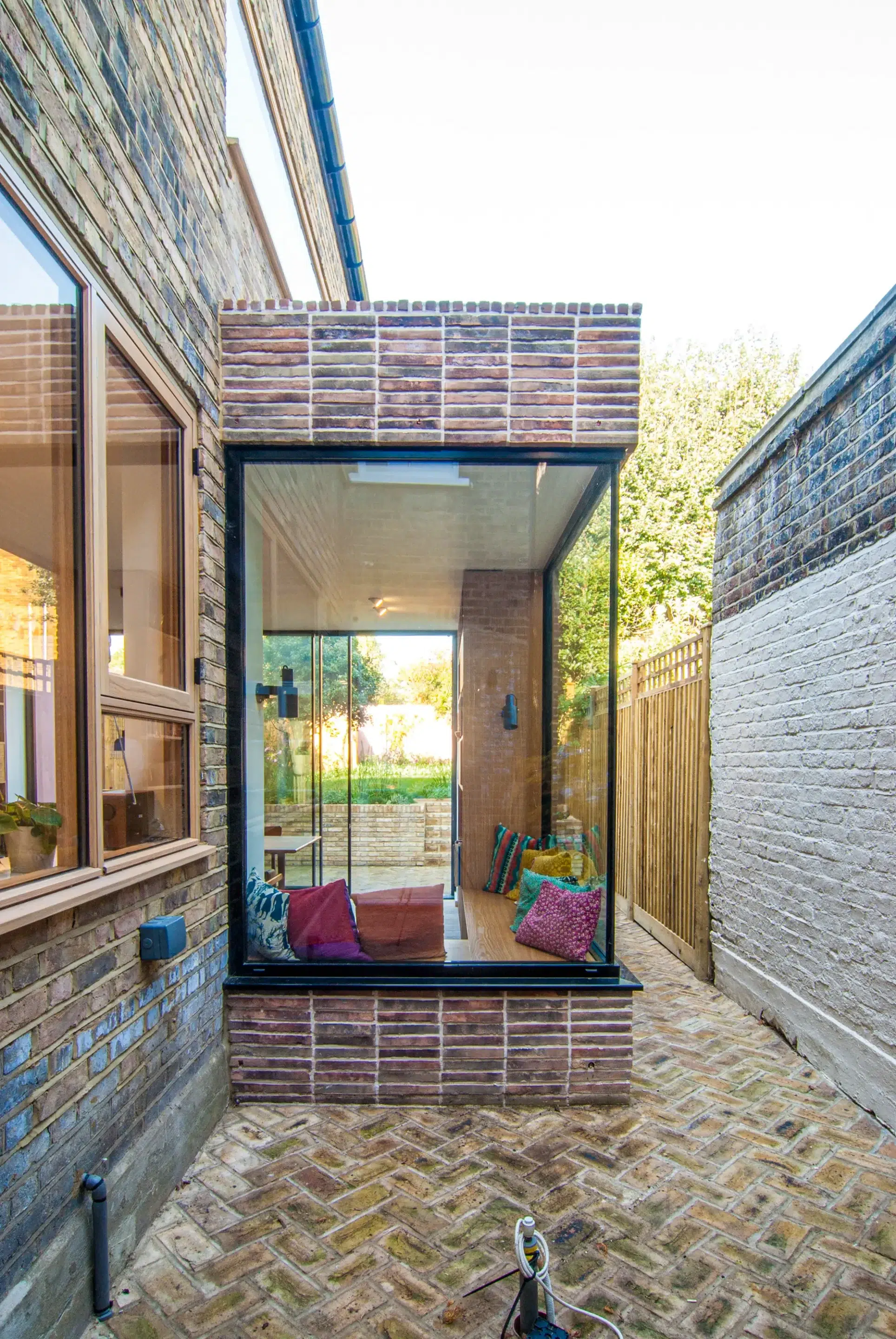
Photo: Bradley Van der Straeten Architects
Slim-framed picture windows creates a sense of openness, with timber bench seating and built-in shelving inside adding warmth and functionality.
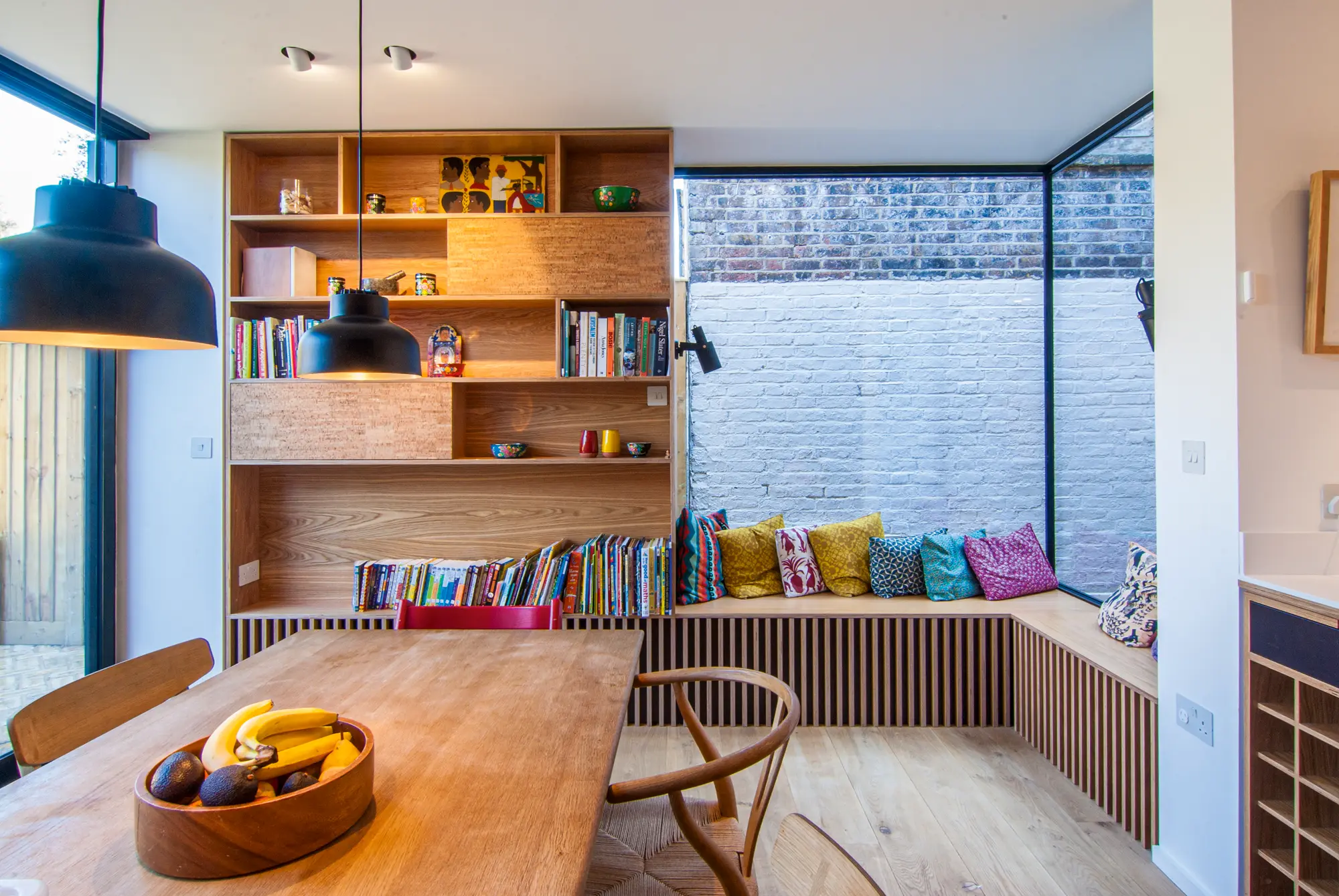
Photo: Bradley Van der Straeten Architects
Externally, the stacked linear brickwork provides a geometric quality, softened by brindle tones.
Photo: Bradley Van der Straeten Architects
Working with a limited budget, the architects opted for an addition that would extend only partly to the side, creating enough space for a large dining table, whilst also allowing light to enter the living areas.
Premium Content
Downloadable E-Guide
Build It’s house extension downloadable e-guide will help you plan, design and construct an addition that enhances your existing property while meeting your needs and budget.
find out more
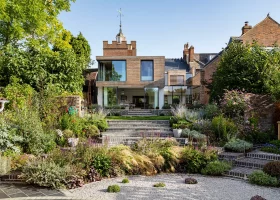
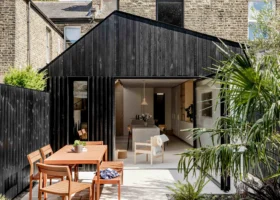
Victorian terrace property extended with a timber frame structure
Having already recently completed a loft conversion to their Victorian mid-terrace property, the owners were looking to proceed with a ground floor kitchen extension, while also improving comfort and prioritising wellbeing throughout.
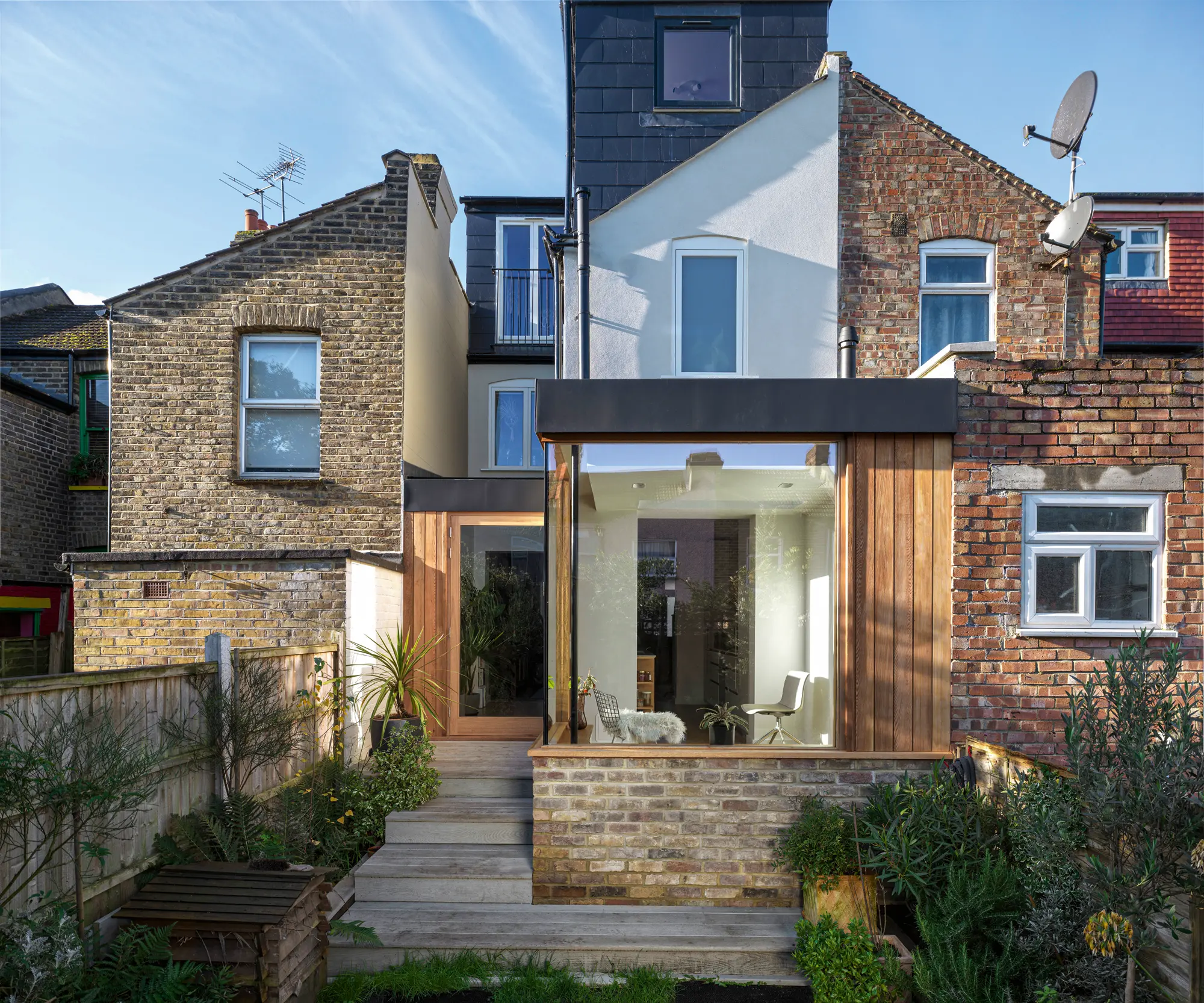
Photo: Brotherton-Lock Photography
Ciarcelluti Mathers Architecture (CMA) designed a 20m² addition, which sought to strike a balance between the clients’ ambitions and a limited budget.
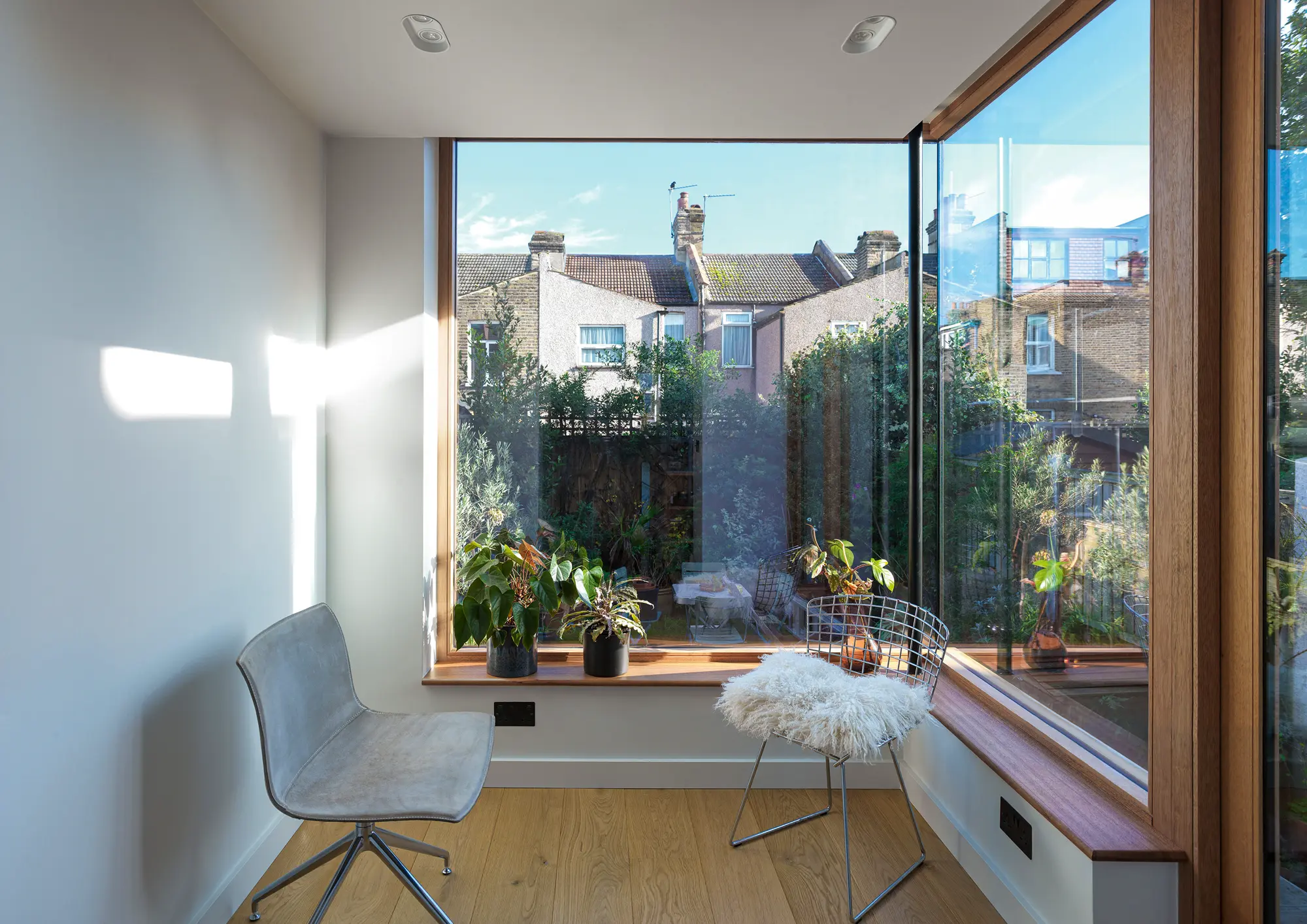
Photo: Brotherton-Lock Photography
A light timber structure was erected to minimise the use of steel in consideration of its environmental impact, while carefully positioned glazing allows the new garden room to capture early light and connect home and garden.
Striking home extension with a bright, eye-catching colour palette
CAN Architects completed a renovation of this terraced house in London, transforming the once disconnected ground floor into an open-plan kitchen and dining area that spills into the garden through a bespoke curved window and oversized glazed door.
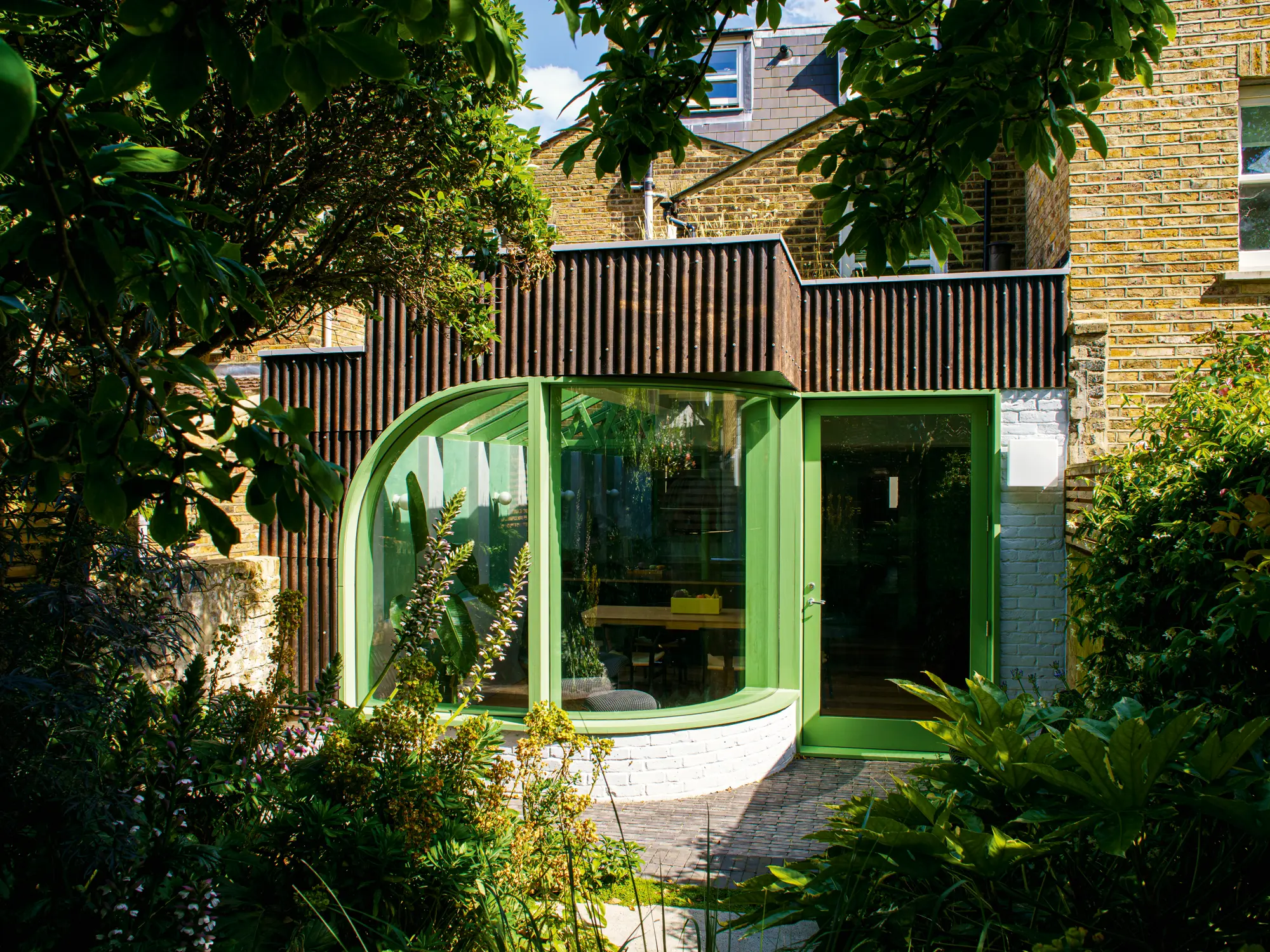
Photo: Rick Pushinsky
The clients sought a home that would reflect their growing family and embrace organic materials, creating a space inspired by nature with tranquil forest references with a timber-led interior palette.
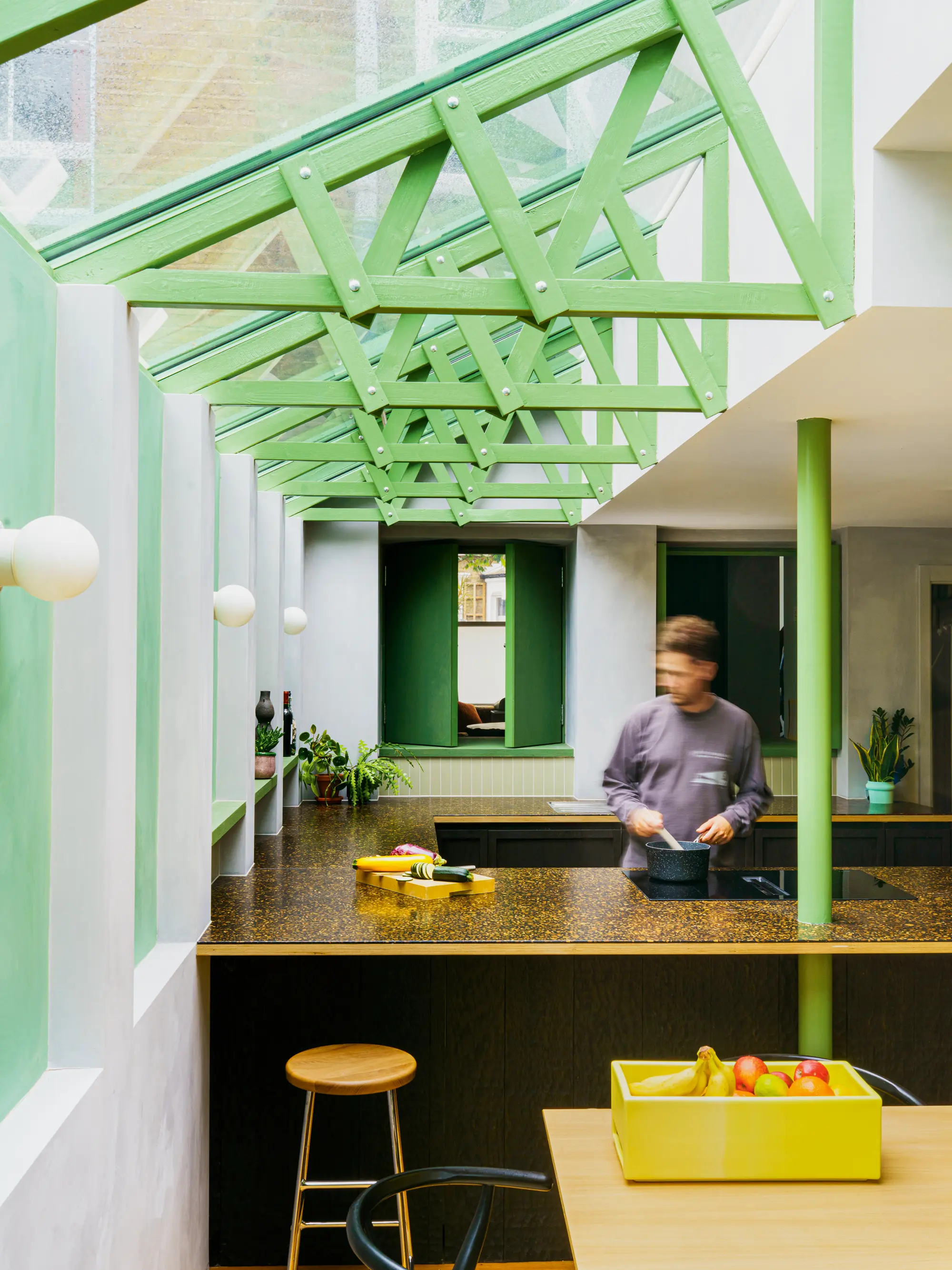
Photo: Rick Pushinsky
Previously disjointed, the nucleus of the home is now a light-filled kitchen accommodated by a small yet impactful, 17m² glulam frame extension at the side and rear.
Maximising a small extension

How do I choose the right fixtures and materials to maximise space and enhance the overall design?
Specifying the right fixtures and materials palette in a small extension typically starts with the kitchen. In a restricted floorplan, every element needs to be considered. Slimline appliances, handleless cabinetry and under-counter sinks help reduce visual bulk, while light colours and reflective finishes make the space feel brighter and more open. Opting for multifunctional features − such as a kitchen island with built-in storage or a boiling water tap − also helps maximise usability without overcrowding the design and space.
What strategies can bring natural light deeper into my home?
Maximising natural light comes down to both structure and finish. Larger windows, skylights and glazed doors can dramatically transform and open up even smaller spaces, while bright colour palettes and reflective surfaces help illuminate a room and draw light deeper into the home. Keeping layouts open, even in areas with a smaller footprint, and avoiding heavy upper cabinetry also allows natural light to flow more freely. Ultimately, these elements should be considered early for maximum impact rather than left as an afterthought.
How can I make use of every available inch of space without creating a cluttered feel?
Eke the most out of the footprint and volume with intelligent design detailing rather than simply adding more. Taking cabinetry up to ceiling height, using clever cupboard systems – such as pull-out storage and deep drawers, for instance – and incorporating wall-mounted solutions all help enhance the way the area is experienced. At the same time, keeping the design minimal and uncluttered ensures the room still feels open and easy to use.
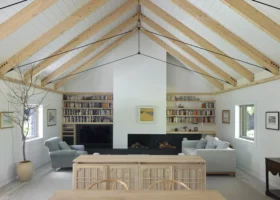
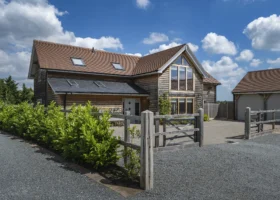
Compact oak frame garden extension
This orangery addition adds 10m² of practical extra living space while enhancing the overall sense of openness.
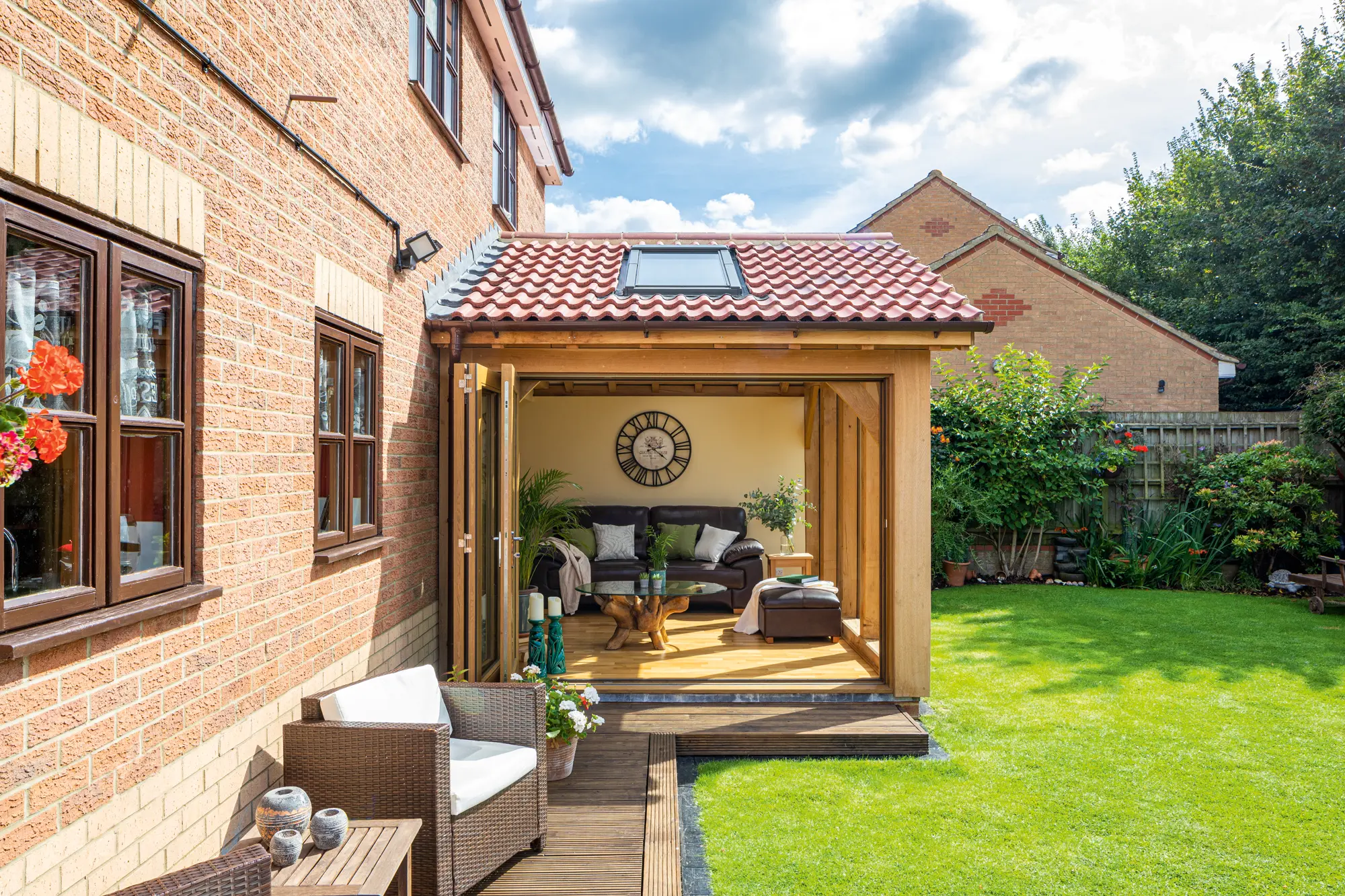
Photo: Katie Pryde
Oakwrights designed a structure that would strengthen the connection between the interior and the garden, allowing the outdoor environment to be enjoyed throughout the year.
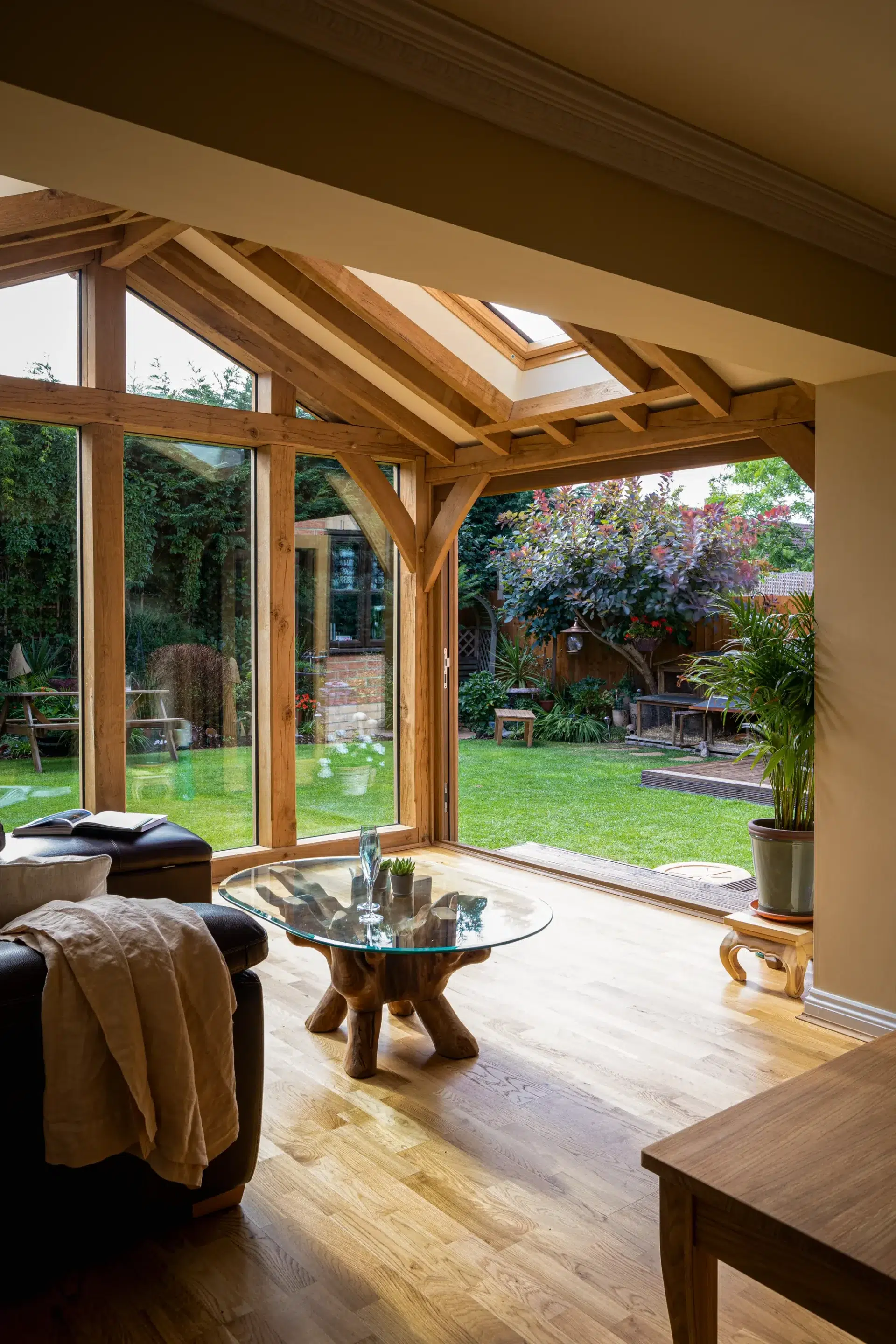
Photo: Katie Pryde
The low roof pitch is thoughtfully designed so that the extension sits neatly below the first floor windows, ensuring it integrates seamlessly with the existing property while allowing light to penetrate deep into the heart of a home bursting with warmth and atmosphere.
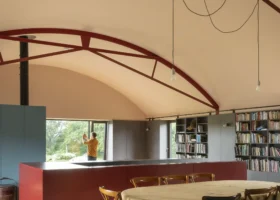
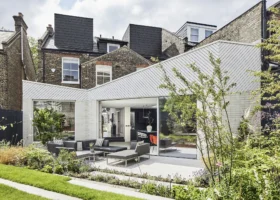
Side and rear kitchen diner extension with a bright, open interior
Turner Architects approached this project with a layout that would play with weight and lightness, designing a sequence of stylish living spaces that are defined by colour and craft as opposed to volume.
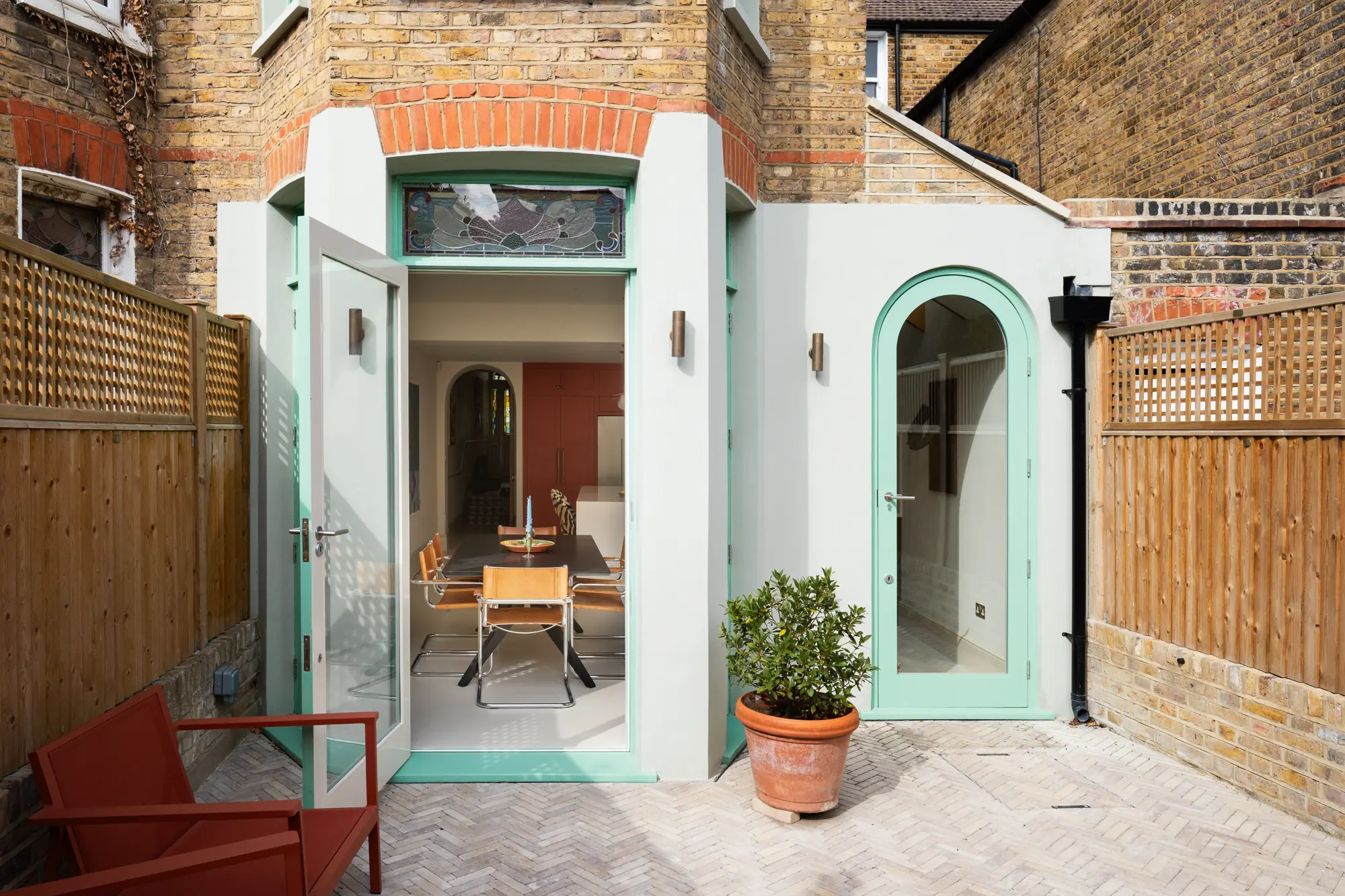
Photo: Adam Scott
At the heart of the home, a new kitchen-diner extension sits beneath rooflights that draw daylight deep into the plan. The contrasting palette of light and dark tones – showcased by the painted joinery, cabinetry and worktops – were considered from the outset, reflecting a conversation between old and new.
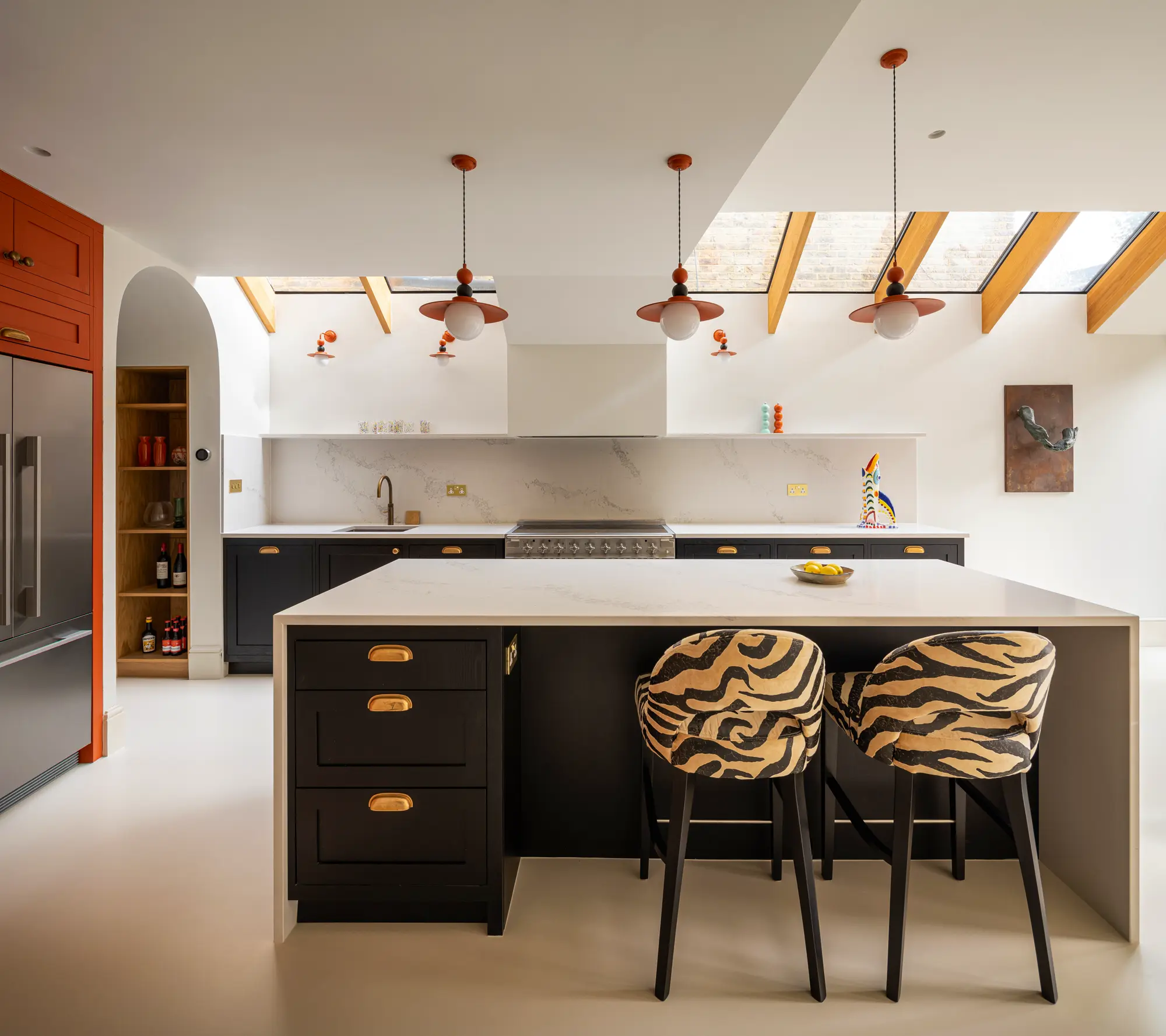
Photo: Adam Scott
Colour and pattern add moments of playfulness and character. Green-framed glazed doors lead out onto a compact brick-laid patio – a perfect urban suntrap.
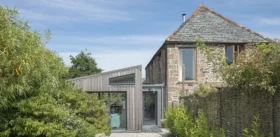
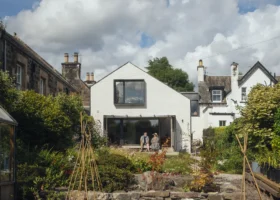
16m² glazed oak frame extension for a home in the Highlands
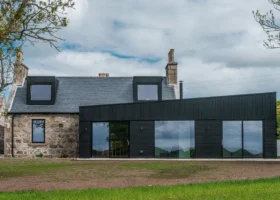
This striking glass-and-timber extension in the Scottish Highlands beautifully strikes the balance between architectural wow factor and practical space, creating maximum impact with just a 16m² floorplan.
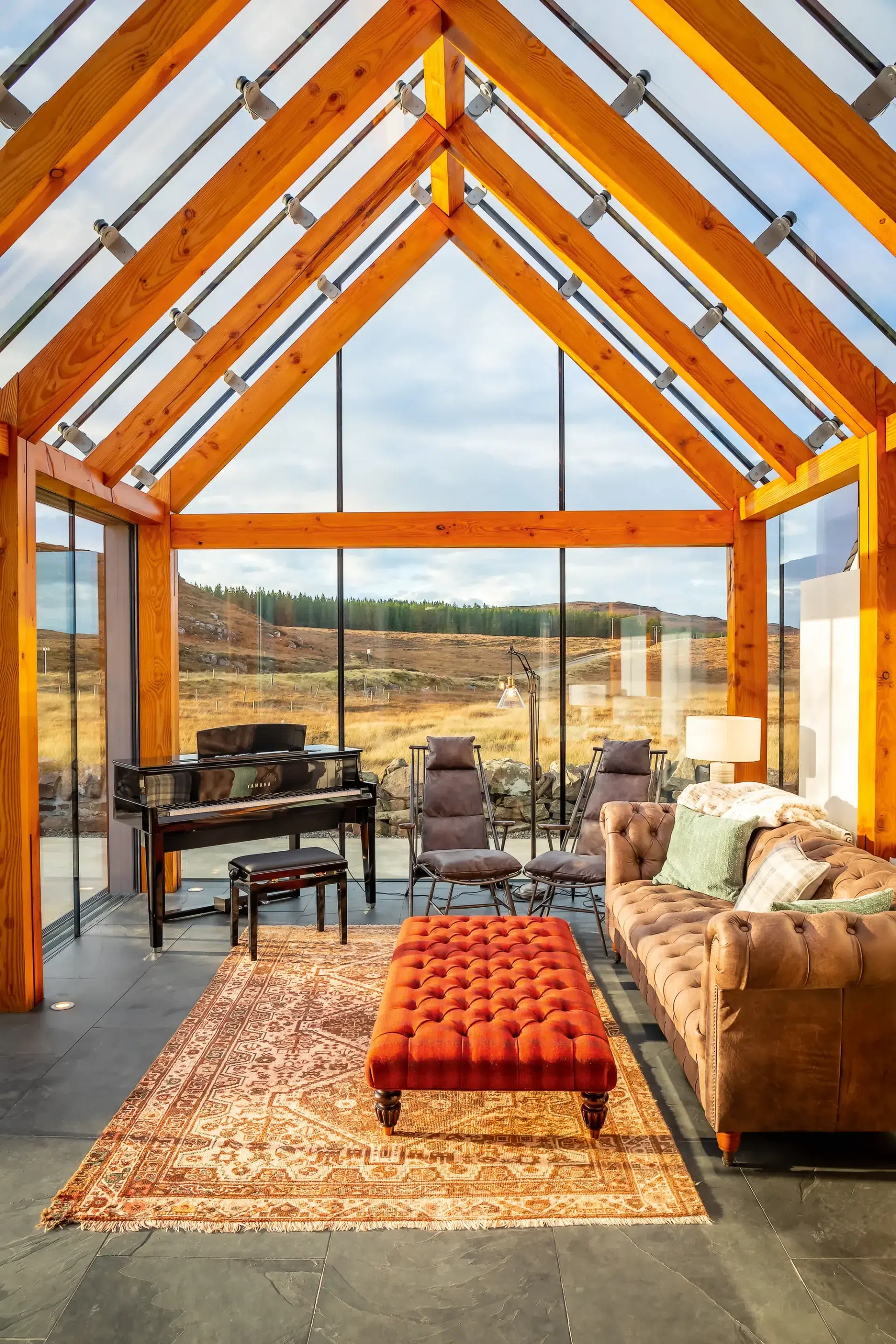
Photo: Eoghan Smith Photography
As part of a complete restoration of three old school buildings into a family home, Blueprint Architecture designed the addition using a glazed structure by Trombe and a kiln-dried Douglas fir frame by Carpenter Oak.
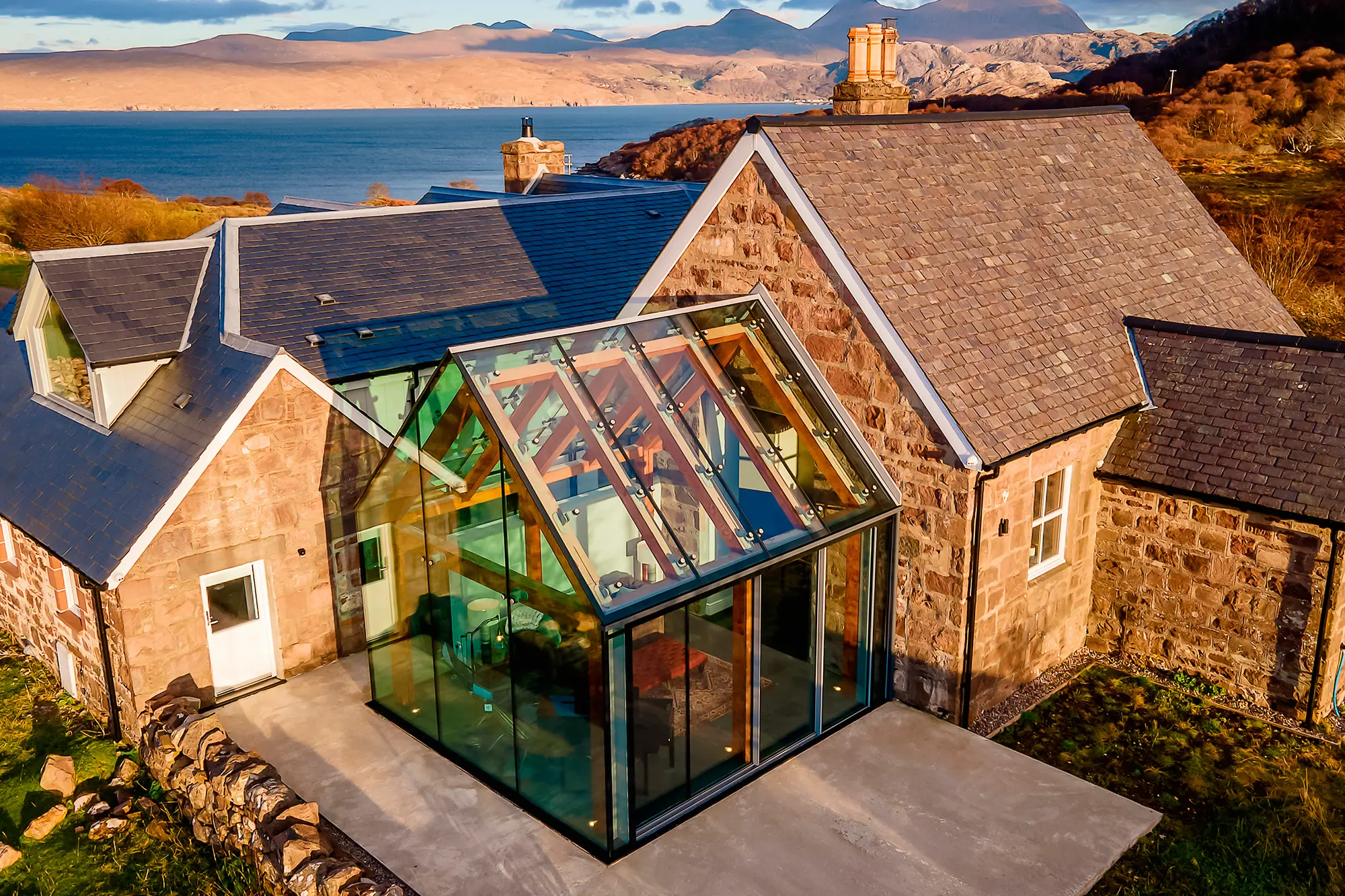
Photo: Eoghan Smith Photography
The new extension allows the homeowners to take full advantage of the incredible views over Lock Torridon.
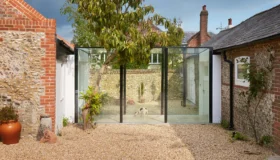
Small 16m² glass box extension for a family home
This project by Paul Archer Design re-imagines a dated London home to suit a growing young family. Originally featuring a tired side infill extension, the practice sought to repurpose the existing plot by opening the disjointed galley kitchen and knocking through to create one main living space.
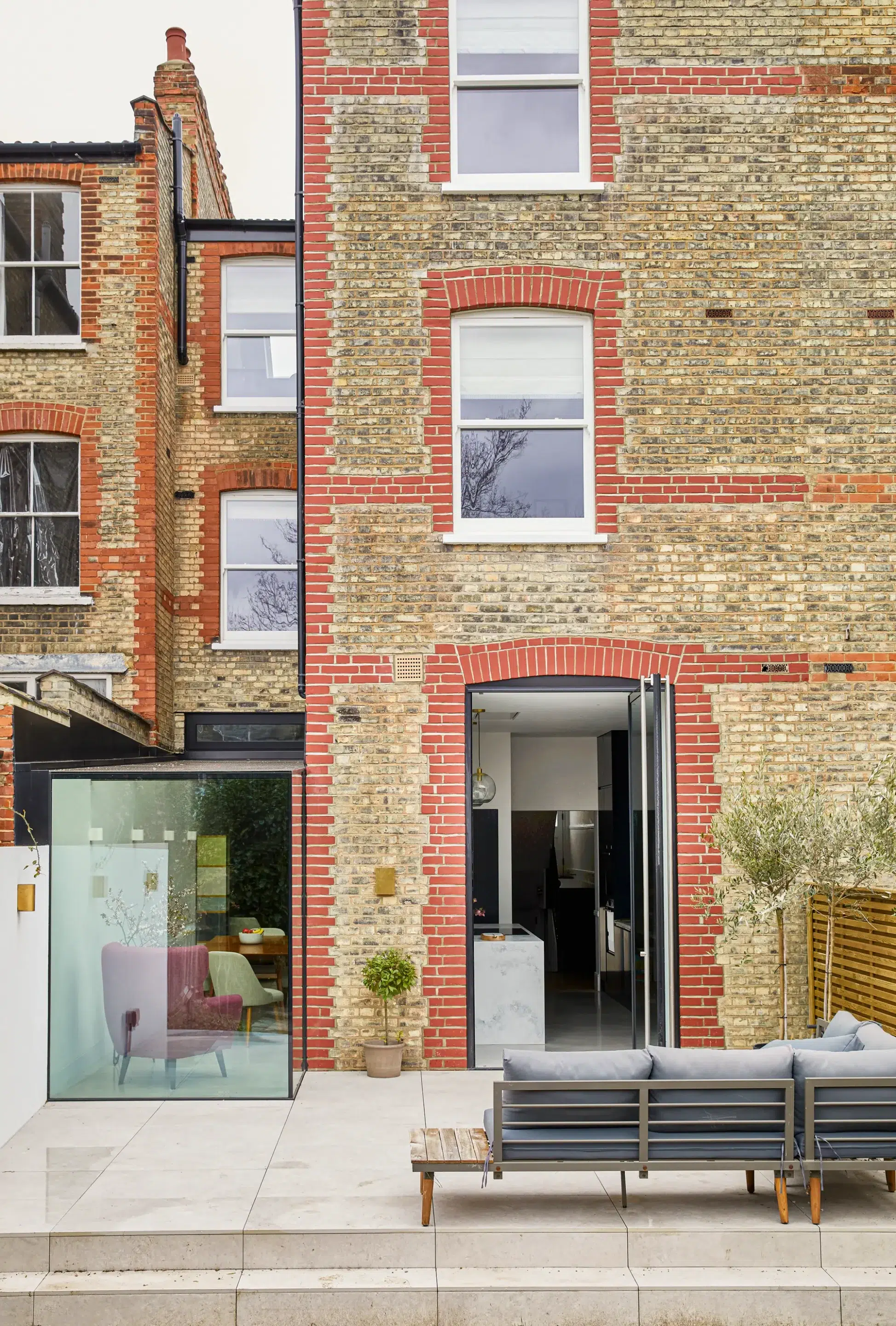
Photo: Helen Cathcart
A large, glazed pivot door and projecting glass box extension flood the interior with daylight, with the additional space now holding a serene reading nook.
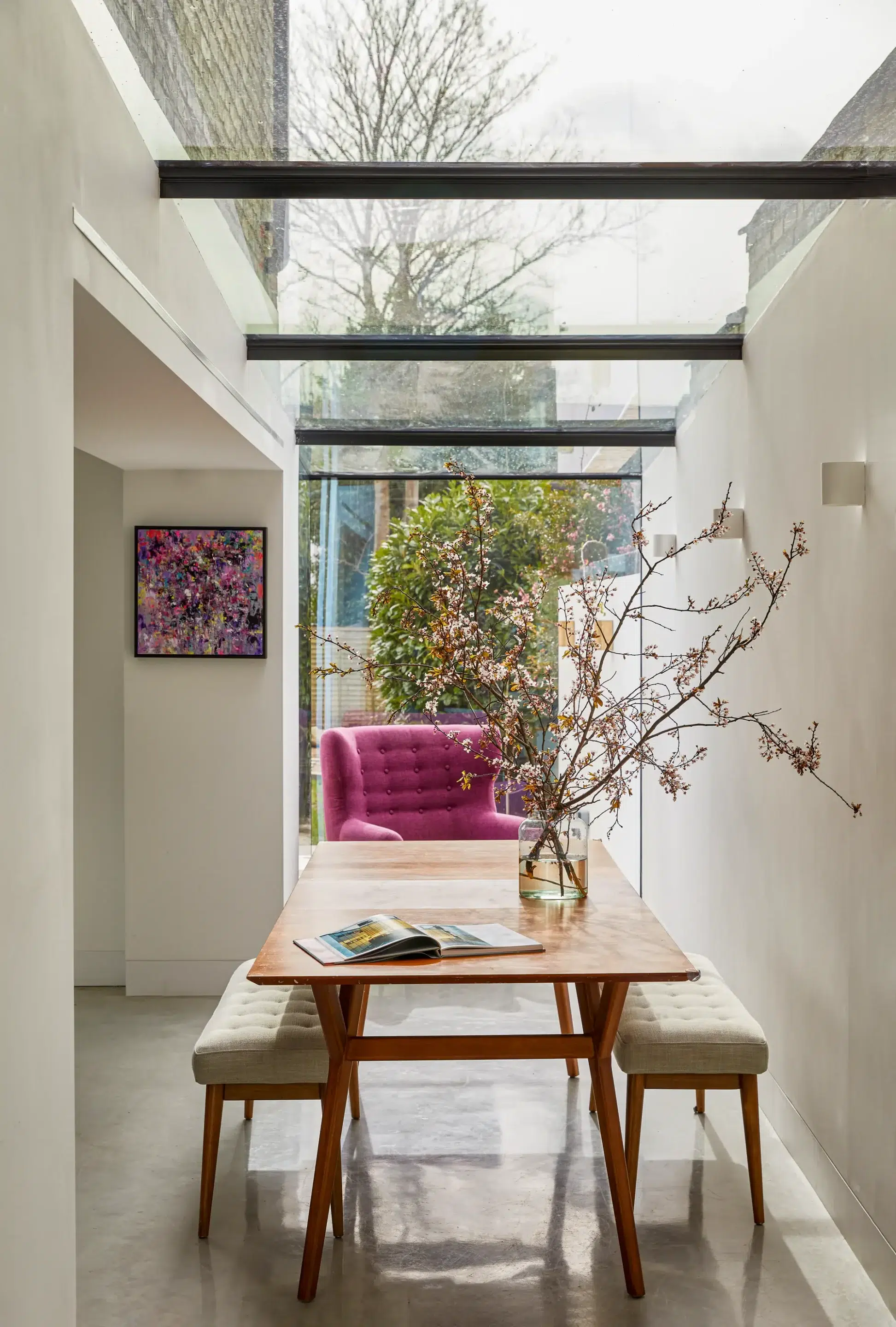
Photo: Helen Cathcart
Despite having a small footprint of just 16m², the addition maximises impact by being intentionally minimal, offering uninterrupted views of the garden, which transform the way the home is experienced from within.
Small extension FAQs

Sean McAlister is director, architect and builder at Pencil and Brick, with a passion for high-quality construction.
Where should you start with a small extension?
Assessing your home’s potential begins with a reality check: where can you actually build? Outwards, upwards or downwards? Often, structural and legal limits shape the solution – as opposed to ambition. So, the goal isn’t just to create additional space; it’s about making the space work as hard as it can.
What are the rules on extending in your area?
While homeowners often start with permitted development rights, experience reflects judgment when it comes to knowing what’s possible in terms of planning. Understanding how policies are interpreted and where the grey areas lie can take years of navigating diverse applications. A design professional can quickly identify opportunity versus risk, and often an initial consultation is enough to establish if an idea has merit and where your budget is best focused.
How does your existing layout work?
In compact extensions, effectiveness comes from sorting out the awkward areas in your home. Often the most meaningful change involves reconfiguring existing rooms; improving light, opening dark corridors or strengthening the connection to the garden with strategic glazing. In certain projects, intentionally removing built space to create a courtyard can transform the home’s entire look, feel and functionality.
Where should you invest when creating a small extension?
Small extensions can be disproportionately expensive due to structural complexity. The right answer is always house-specific. A qualified design expert who balances Building Regulations, party wall considerations and costs will test your assumptions early. That way, every pound you spend actually makes your home work better, so you don’t just get a slightly bigger room that still doesn’t flow.
Who should build your extension?
Be careful when choosing a design professional, as not all will offer the same level of quality. Look for someone who is genuinely passionate about homes, has solid experience and holds the right accreditations. These are good signs they take their work seriously and stand behind what they do.
Amandine Lefevre
You may be interested in

Our sponsors