

- Plan ItBack
- Design ItBack
- Build ItBack
- Homes
- ProductsBack
- CostsBack
- Self Build Cost Calculator
Estimate your project costs instantly with Build It's interactive self-build cost calculator
Calculate Now - Costs & Finance
- Contracts & Warranties
- Build It Estimating Service
Get an accurate, detailed cost breakdown of your project
Submit plans
- EventsBack







 Login/register to save Article for later
10 Reasons Why Your Build Cost Quotes Are Coming in Higher than Expected

You’ve achieved planning permission for the home of your dreams, but the proposed building costs are just way over budget. What do you do? Do you try and find more builders to bid? Or do you go back to the drawing board and attempt another design?
The first step is to understand why they’ve come in too high, as there could be a myriad of reasons. Here, I’m looking at the main factors that could be impacting on your quotes – and what you can do about it.
1. The design is beyond your budget
It is essential to use an architect or professional home designer who fully understands your aims and building costs budget. Sadly, we often come across clients who have plans that they cannot afford. While it is worth remembering that an architect’s skill and passion is in design, sometimes they get carried away with creating something that will look beautiful and be functionally perfect, but it exceeds your budget.
If this is the case, then the designs that you have paid for will need to be changed, incurring further costs. The best solution is to avoid this in the first place by working with an architect who builds regular cost-checks into the pre-planning design process.
your guide to self build costs
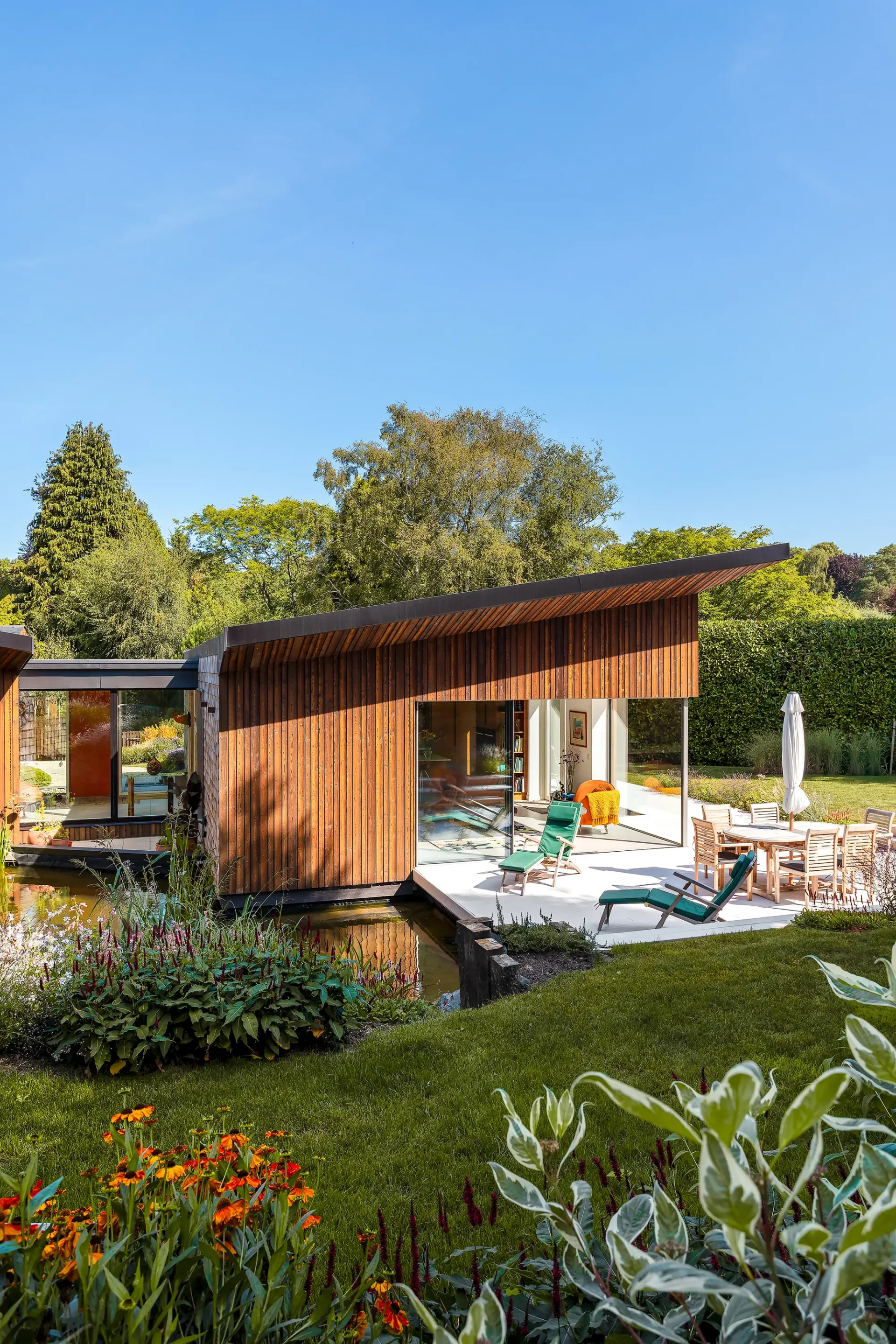
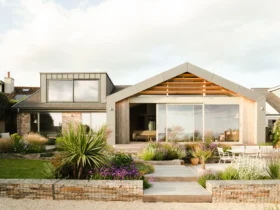
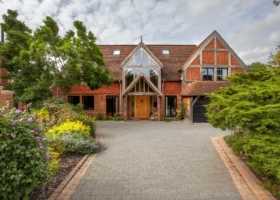
Martin and Mandy Newnum have self built a beautiful new home accompanied by a stunning landscaped garden with water features that run right up to the building. The home was built using an ICF structure and features a split butterfly-style roof. Photo: Katherine Malonda
2. The design features too many complex details
The cost of your project depends on the characteristics specified by your instruction and the architect’s proposal. The design options of buildings are limitless, but if your project is particularly complex or requires specialised skills or equipment, builders may need to charge more to cover these points.
The shape, size and complexity of your project’s design will greatly impact the construction costs. For example, larger buildings with simple, rectangular, regular floor plans and elevations will be less expensive per m² than smaller, unusually-shaped, curved or angular buildings. If you have specific design preferences or unique requests, they are likely to come at a higher cost.
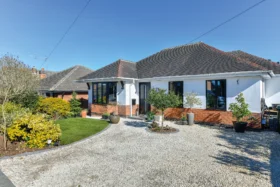
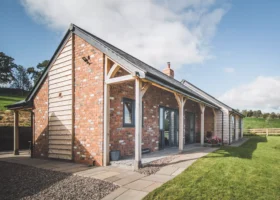
Peter and Sophie Hill bought a 1960s bungalow with the intention of extending. But after being quoted just 10% more to knock down and rebuild on the site instead, they took the plunge and now live in a new energy-efficient home. The self build cost £743,720 (£2,479 per m²). Photo: Kingspan Timber Solutions
3. Your chosen build team is too expensive
Your choice of construction team is a deciding success factor for any project and their work should reflect your priorities. There are architects and builders that are used to planning small home extensions and others who specialise in multi-million-pound builds. Make sure your build team are suited to your project plans, as they could charge a higher rate if they usually offer more premium services than you require.
As is the case in all sectors, certain trades simply cost more than others. Ensure you do your research and appoint a team that fits with your plans. Talk to a trade’s previous clients to get more insight into what they’re like to work with.
4. You need to provide more detail in your project brief
The more accurate and comprehensive your tender brief, the more likely you will get the best builders’ quotes. They may have included a comprehensive scope of work, covering all aspects of the project, while you might have a different, less detailed or smaller scope in mind. Compare the details of what is included in each quote. Equally, if you cannot provide a detailed specification for quotes to be based on then builders may be overestimating for certain elements of your build. Remember that going by assumption only breeds confusion or misinterpretation.
Case study Contemporary turnkey self build in the South Downs National Park
After realising their charming yet cramped terraced home in the centre of Chichester wasn’t offering the space they needed, Jonathan and Joanna Lunn switched on to the idea of self building. The couple found their ideal site, located in the South Downs National Park.
The plot came with planning permission to demolish the existing bungalow and rebuild a traditional-style property in its place. Jonathan and Joanna were keen to keep the build process as stress-free as possible, so they decided to go down the route of enlisting a package home supplier to realise their dream property.
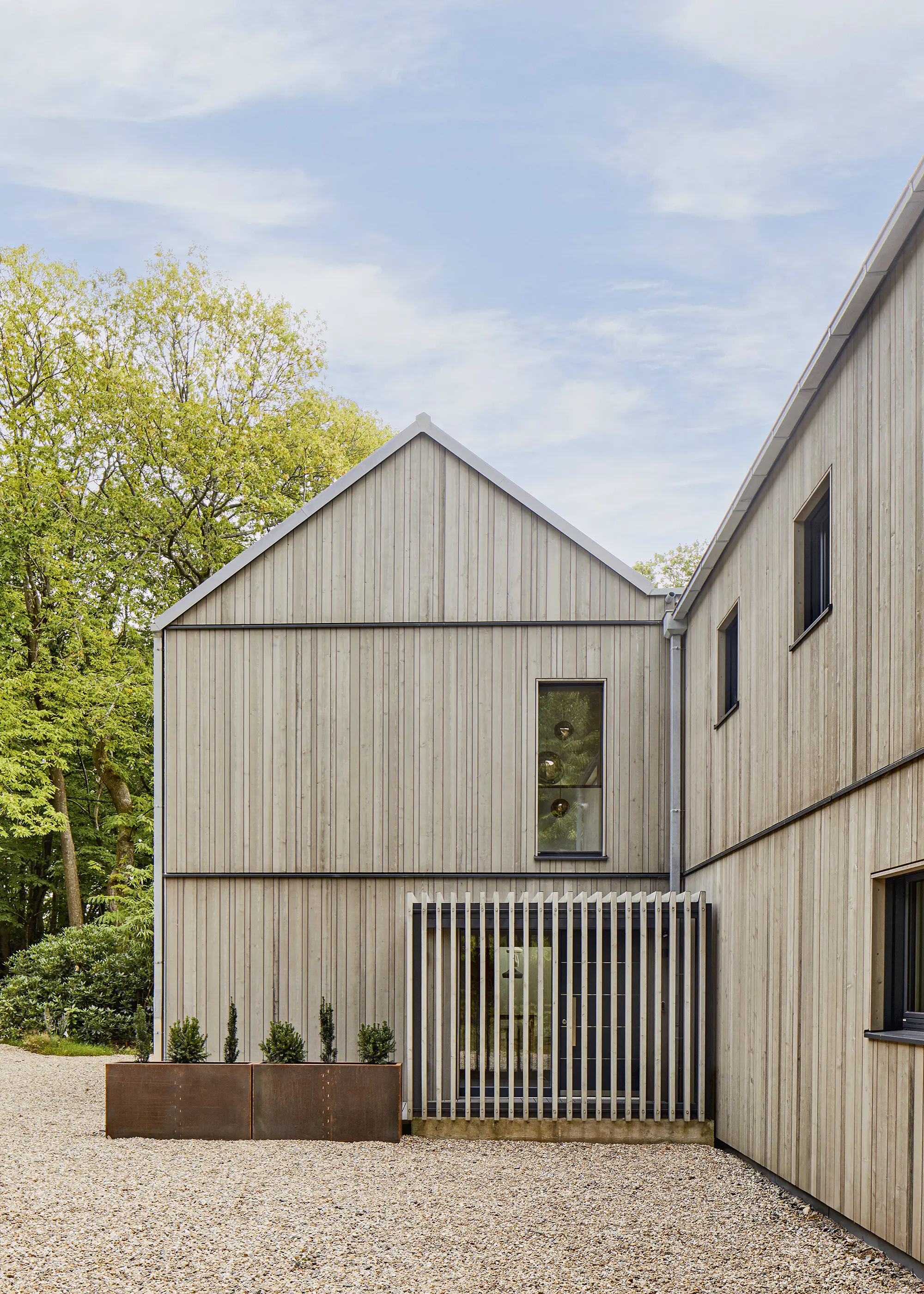
Photo: Baufritz
The couple reached out to German timber frame manufacturer, Baufritz, after receiving recommendations from friends. Although they found their quotes to be seemingly expensive at first, after further investigation, the couple determined Baufritz was the right supplier for them. Jonathan and Joanna opted for the company’s turnkey package, which meant that – once the groundworks and foundations had been arranged – Baufritz would take care of the rest of the build and fit-out.
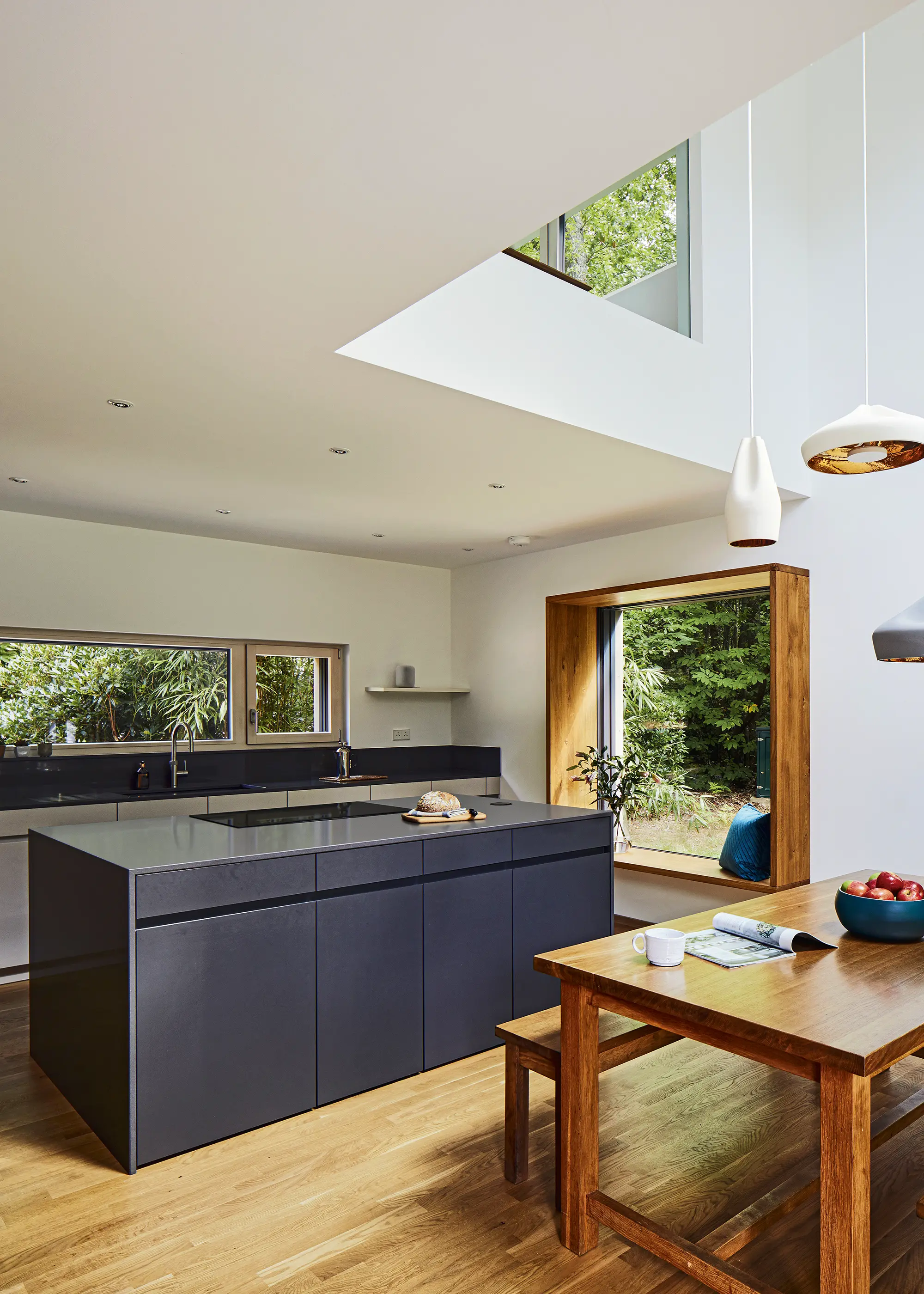
Photo: Baufritz
The final timber-clad home takes on a modern, barn-style aesthetic, allowing the design to sit nicely against the verdant woodland backdrop, while still taking on the contemporary feel Jonathan and Joanna were keen to achieve for their countryside build.
| Location | West Sussex |
| Project route | Turnkey |
| Construction method | Contemporary |
| Plot size | 4 acres |
| Project cost | £1,108,000 (£4,655 per m²) |
5. The quality of building materials hasn’t been accurately specified
Quality is an important consideration and will be remembered long after the cost is forgotten. A project can be completed on time and within a specified budget, but if the finished quality you wanted to achieve is compromised, you will live with it and regret it for a long time.
The choice of materials you use can significantly impact the cost. If the builder is proposing higher-quality materials or finishes than you initially considered, it will drive up the overall price. So, make sure that your tender documents/plans specify your quality requirements. For instance, do you need or want gold taps?
6. Your chosen project route doesn’t match your self build budget
You can complete your scheme in a number of ways. In a traditional procurement method, a client typically appoints consultants to do the design, selects a contractor, and oversees the work until completion. This is likely to produce a favourable outcome on most projects.
The design and build route involves a contractor providing architectural plans and construction in one contract. This offers a competitively priced project to be completed within a specified time frame.
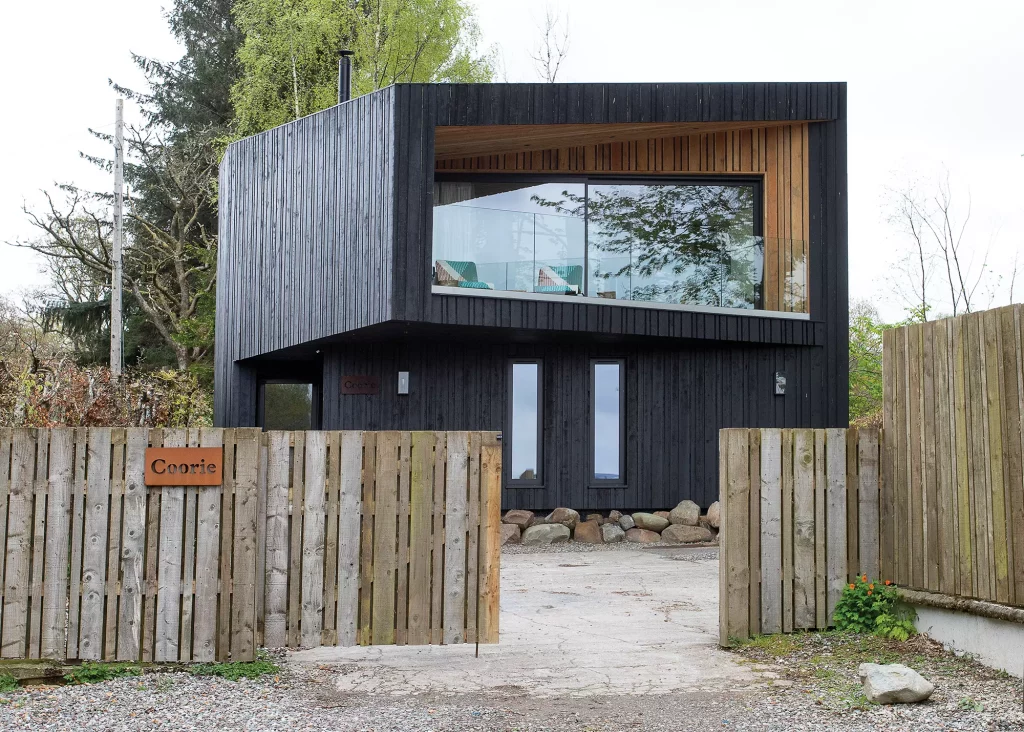
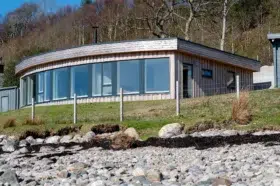
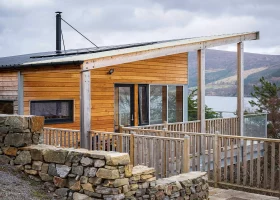
Dene and Debbie Happell have created this contemporary timber frame home in the Trossachs National Park, which pleased local planners following its sympathetic materials and striking design. Completed alongside Cameron Webster Architects and built using Fleming Homes’ timber frame shell, the build cost them a total of £190,000. Photo: Douglas Gibbs
While each has pros and cons, the cost implications will depend on your choices. The overriding factor of cost/quality/time should help you to choose your route. Ensure you do sufficient research and choose a solution that is within your budget.
7. The builder is factoring in the wider economy
The construction market is sensitive to changes in the economic outlook. Things that are happening at the time of your project can have an influence on pricing. Remember, construction activities flourish during economic growth but suffer during downturns. Therefore, if demand is high or there are supply chain disruptions, prices for materials and labour may rise.
Equally, skilled labour is a big cost in any construction project. You may find that your quotes include prices for higher wages for experienced workers, all adding to your quote. It’s therefore a good idea to keep up to date with the state of the markets and know the longer-term view.
8. Your build’s location is more expensive than you anticipated
Construction costs can vary depending on your location. Urban areas tend to have higher labour and material costs than the countryside, however rural locations can demand higher delivery costs. Builders must adhere to local building codes and regulations, which can also vary.
Compliance with these standards may require additional work or materials, again driving up costs. Check out where the local merchants are. Do they stock what you will need? And are there any common local planning constraints that could mean buying higher quality materials than you’d expected?
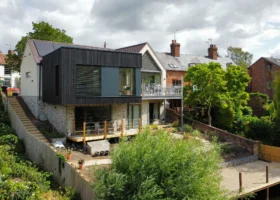
Stunning natural surroundings and far-reaching views gave rise to the design of Esther Horwood’s new home – a striking modern abode nestled on the bank of the River Avon. The build was designed by local AR Design Studio. Most of the planners’ concerns were regarding the size of the house. “We had a bit of a battle and in the end we compromised,” says Andy, director at AR Design Studio. “I think we made the house somewhere between 10% and 20% smaller to get it through.” Photo: Martin Gardner
9. Your builder’s contingency is much higher than you expected
Builders often include a contingency fund in their quotes to cover unexpected issues that may arise during the works. If your project is in an older quirky building or could have potentially unknown structural problems, this contingency fund may be higher. Ensuring as much as possible is outlined in the plans and budget will mitigate any surprises.
10. The builder just doesn’t want the work
Good contractors are often busy and their pricing will take into account the work they already have planned. However, there is the possibility that when builders do not fancy the work or are too busy, they’ll inflate prices. If your preferred firm is too busy, it may be worth a conversation to agree to wait and get booked in at their more typical rate. Beware of builders that can start work immediately — you may have a cowboy on your hands. Always do your research.
James Bryden
You may be interested in