

- Plan ItBack
- Design ItBack
- Build ItBack
- Homes
- ProductsBack
- CostsBack
- Self Build Cost Calculator
Estimate your project costs instantly with Build It's interactive self-build cost calculator
Calculate Now - Costs & Finance
- Contracts & Warranties
- Build It Estimating Service
Get an accurate, detailed cost breakdown of your project
Submit plans
- EventsBack


































































 Login/register to save Article for later
Everything You Need to Know About Insurance & Warranties for a Self Build


Creating your dream house is one of the biggest financial and emotional commitments you’ll ever make, so making sure your self build is protected should be a top priority from the outset. The right insurances and warranties will cover you for design, construction and the final home, long after completion.
Once contracts have been exchanged, it’s vital you make sure any appropriate protections are in place before starting on your build. At this stage, legal ownership and responsibility for the site typically transfers to you, which means any incidents – including trespassers injuring themselves – could quickly become your responsibility. “It’s really important that self builders put the right precautions in place as soon as they take ownership of the site, so they are covered from day one of the project,” says Adele Reid, managing director at ABC+ Warranty.
Why is it essential to protect your project?
Even if the site is only a vacant plot, it is still exposed to risks such as fire, flooding, vandalism or theft – all of which can cause costly delays if the right cover is not arranged. If your home building project is being financed through borrowing, lenders will also expect to see evidence that suitable safeguards are in place before any funds are released. In most cases, this means having two essential layers of protection: site insurance to cover any risks during the construction phase and a structural warranty to protect your finished self build.
What is site insurance & when do you need it?
Sometimes called self build insurance, this is designed to cover the works on your project as they progress. “It covers the risks during the active construction phase –protecting the site and the structure as it evolves,” says Simon Middleton, managing director at Protek. Without the right cover in place, you could be left footing the bill for damage, accidents or any legal claims that occur during the project. One of the main elements included is public liability insurance. This protects you if a member of the public is injured or if someone else’s property is damaged as a result of the building works.
find insurance Providers in Build It’s Directory
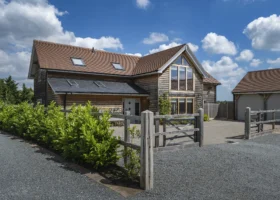
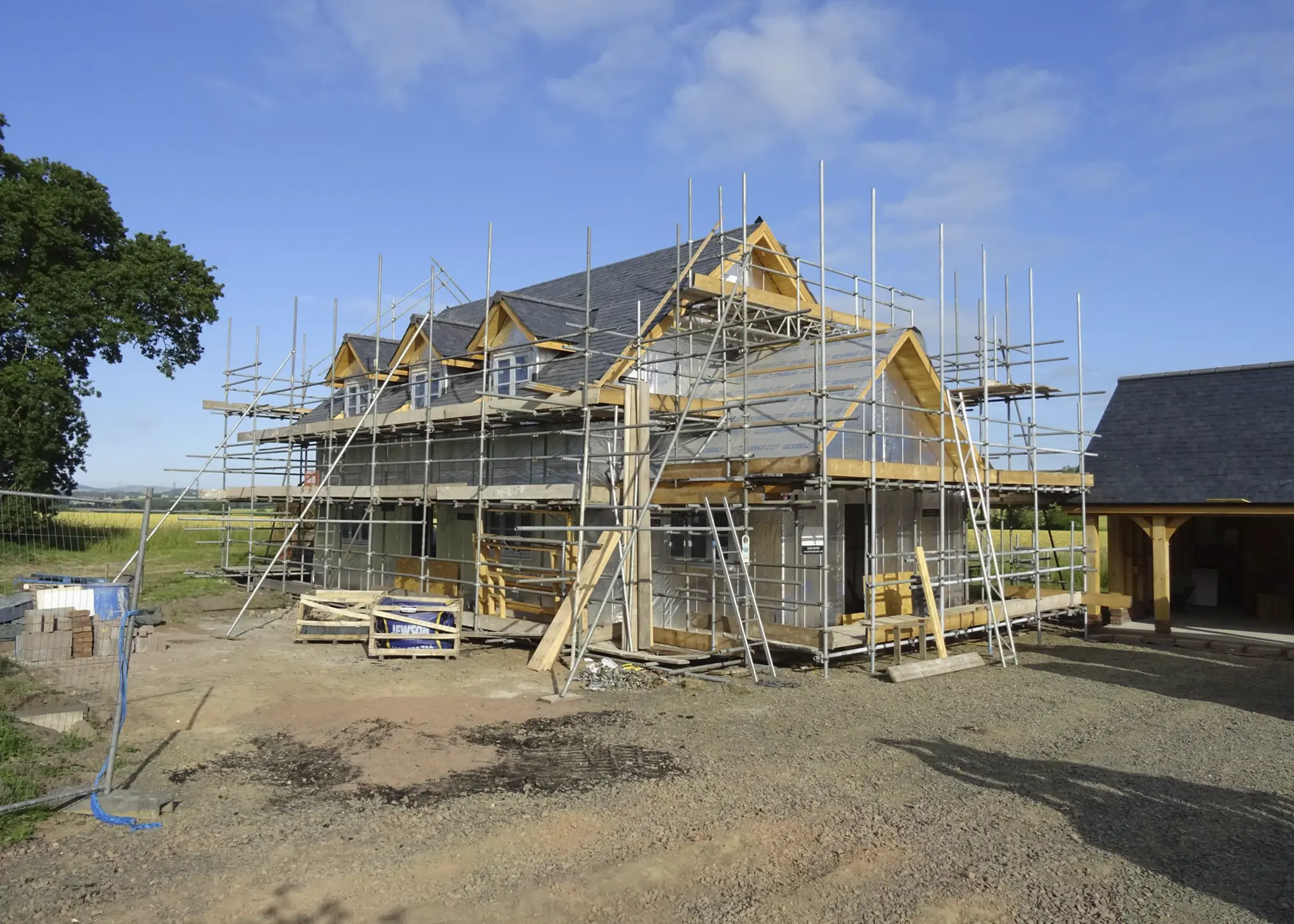
A Fleming Homes timber frame structure
What does site insurance cover?
By far the most sensible and reliable protection is an individual policy taken out for the duration of the construction phase in your name, regardless of whether you have one builder or lots of contractors.
It is important to remember that a builder’s insurance policy only covers the trades own responsibilities, not your risks as a self builder. Site insurance should therefore be arranged before any work begins, including demolition, groundworks or the delivery of materials.
There are multiple providers available, many offering similar packages, but at their core, they should all cover:
- Public liability to cover accidents to any members of the general public. This could include guests, professional stakeholders (planners, surveyors, etc), accidental visitors (postmen and couriers) and unwelcome visitors (vandals, thieves, etc).
- Employers’ liability, which will cover accidents to anyone working on your site, whether they’re tradesmen working directly for you or through another contractor, or friends and relatives helping out.
- Storm damage to the site, its boundaries, any temporary sheds or structures, trees and planting. This also includes the fabric of the new building and any correctly stored but unfixed materials.
- Hired-in plant, which becomes your responsibility the moment it’s delivered to your site by the hirer.
- Theft and vandalism to any of your assets (assuming it’s a result of forced entry and that suitable protection measures are in place).
How much does self build site insurance cost?
Self build insurance typically ranges between 0.5% and 1% of the total self build’s construction cost, although the exact premium will depend on several factors specific to your project. One of the main considerations is the overall value of the build; as with other insurances, the greater the value, the more your policy will cost.
What else will influence the insurance package’s cost?
- The duration of the project can influence pricing, with longer construction timelines generally increasing premiums as the site is exposed to potential risks for a greater period of time.
- Location is another key factor, particularly if the property is being built in an area with higher environmental risks, such as a flood-prone or exposed location.
- The construction method used and the builder’s previous claims history may affect how insurers assess the level of risk they see in your self build plans.
How can your site insurance cover change throughout a project?
It is important to be completely honest with the insurer and to notify them if there are any changes to the project’s design, timeline or total cost. Make sure to keep a record of your purchases and retain each receipt and invoice so you can send these to the provider if necessary. Keeping the insurer up to date helps ensure the policy remains valid and that the build is fully protected throughout construction.
What do people often claim for under site insurance?
Accidental damage (items such as windows and doors, sanitaryware, boilers being dropped or damaged on site) and theft generally make up around 26% of site insurance claims. However, instances of fire damage, water leakage, and weather damage cause the biggest losses – sometimes causing the total loss of your home.
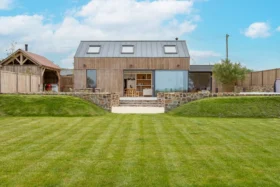
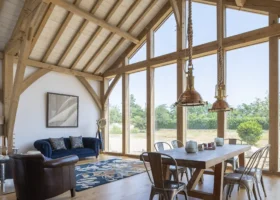
Case study Barn-style timber frame home in the Kent countryside
Julie and Rick Anderson’s plans to buy a bungalow by the sea soon changed after chatting with a farmer at Christmas drinks. Julie’s sister and brother-in-law had just built a new house on the farmer’s land and the next-door site with a large chicken shed on it was available for development. “We hadn’t been thinking about self building, but three gin and tonics later our curiosity piqued,” says Julie. “We visited the farmer the next morning (Boxing Day) and negotiating the plot size and price.”
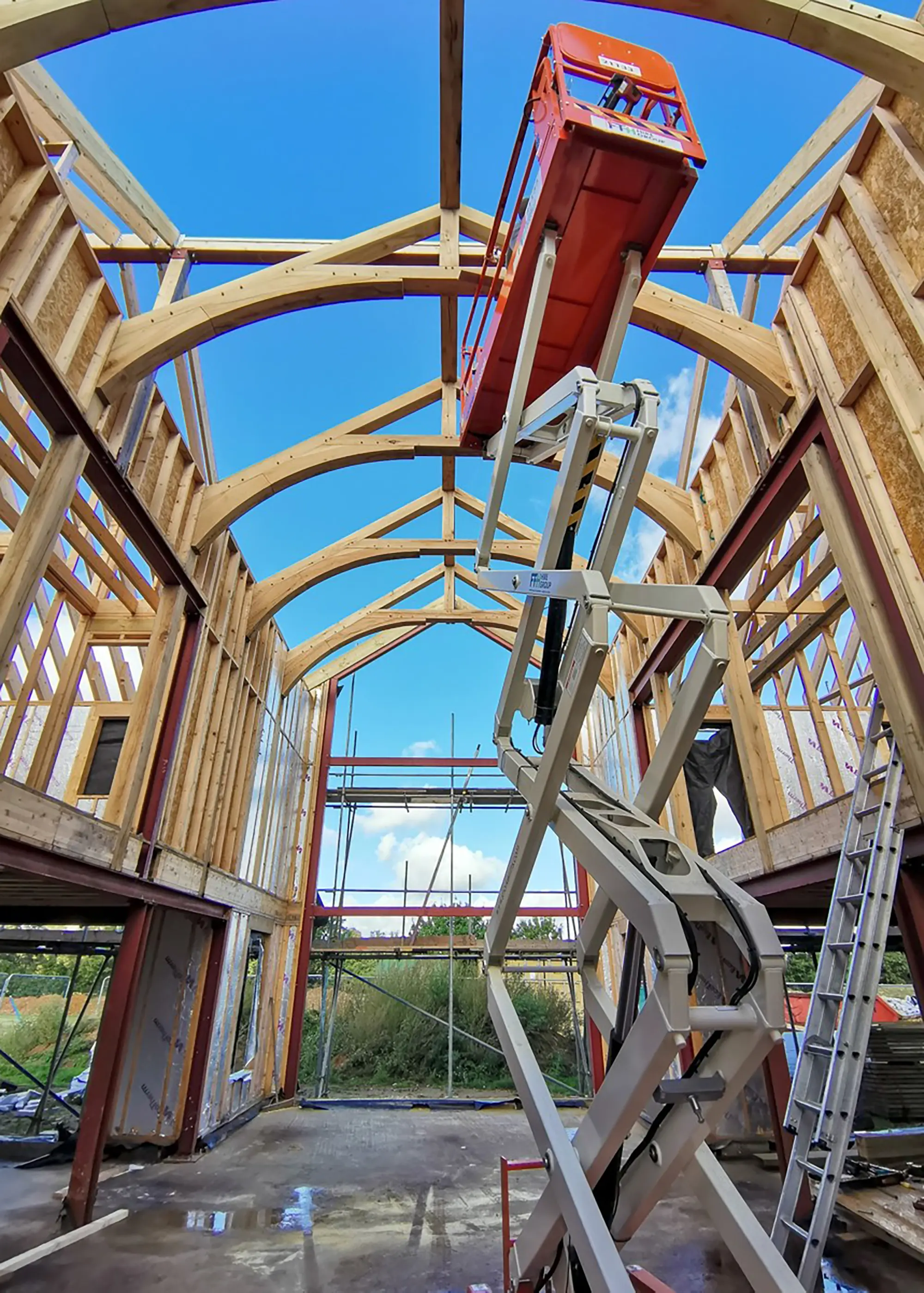
Photo: Rich and Julie Anderson
They worked with James Rich of JRD Architects to come up with a design as close to Passivhaus as possible. “We wanted lots of glass, local Kentish ragstone and cladding we wouldn’t have to paint every year, with oak accents internally,” says Julie. The finished home features a highly-insulated prefabricated timber frame and triple glazing. The couple benefit from underfloor heating, rainwater harvesting and a wastewater recycling unit.

Photo: Katherine Malonda
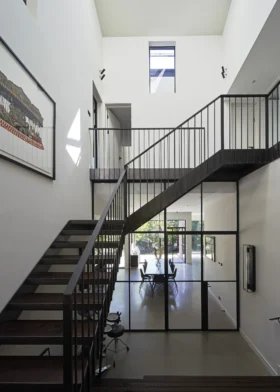
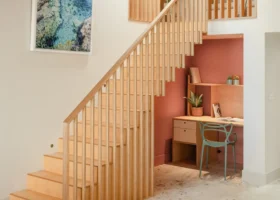
The timing with Covid brought materials shortages and price fluctuations, but things were largely straightforward for the build. The glazing is an expansive and bold feature, with views across the Kent countryside, while the oak staircase is an eye-catching centrepiece. “I never thought I’d have a bespoke home,” says Julie. “I feel so lucky; and it all came about by chance!”
| Type of project | Self build (timber frame) |
| Location | Kent |
| Size | 273m² |
| Project cost | £550,000 |
| Project cost per m² | £2,015 |
What is structural warranty & when do you need it?
Structural warranties focus on significant issues that could affect the stability of the building – and is very different to standard buildings insurance. “A structural warranty covers you against any defects in the design, workmanship and materials that affect the structure for a 10-year period post-completion,” says Simon.
What are the different types of warranty?
Depending on your procurement channel, there are three main types of warranty. The first is provided by a bona fide builder registered with an appropriate provider, so the builder is the registered entity and not you as the client. The NHBC is the largest provider and currently this is the only way to secure one of their new homes warranties.
The second type − and best suited to most bespoke projects − is a self build warranty, where you make the registration and then procure the build using one or more contractors. There are many providers, including Self-Build Zone, Protek and BuildStore.
There are retrospective warranties, where completed houses can be assessed once built. They are pricey and there are only a small number of providers, but may be your only option where finance is subsequently needed on a recently built home.
What does a structural warranty cover?
Typically, the warranty covers major structural parts of the home such as foundations, load-bearing walls, structural floors, roof structures and structural waterproofing systems. It normally excludes items such as cosmetic damage, snagging, small cracks that are not structurally significant and general wear and tear – unless caused by an underlying structural defect. “For example, items such as worn bath sealant which was caused by poor maintenance would not be included,” says Adele.
A structural warranty should usually be arranged shortly before work begins on site. During construction, inspectors will visit at important stages of the build to ensure the work meets the required standards. Missing inspections can sometimes result in higher costs.
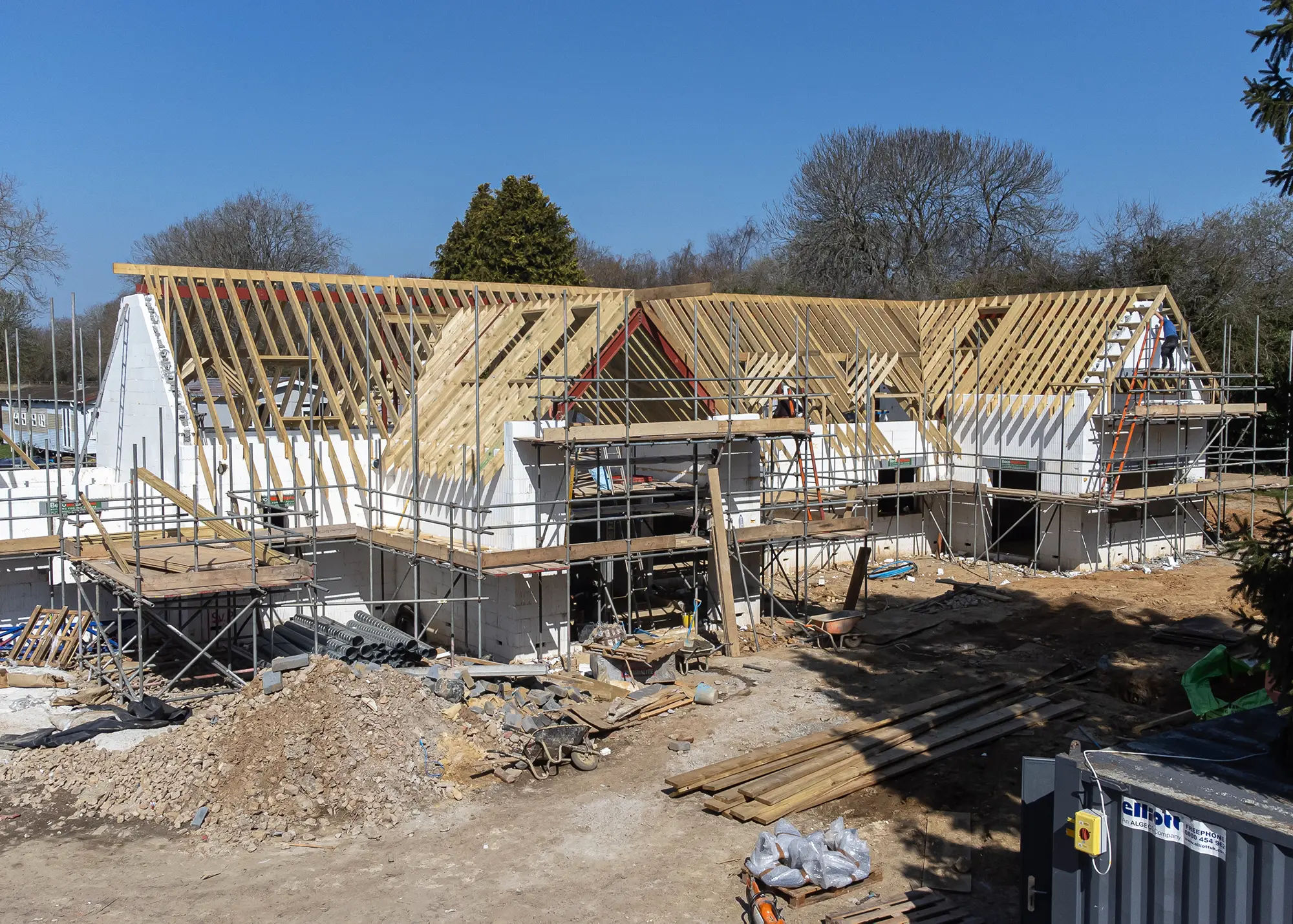
An ICF home in progress, designed by Connected Architecture using the Beco Wallform ICF system. The project was shortlisted in the Best Architect or Designer for a Self Build category at the 2025 Build It Awards
Premium Content
Downloadable E-Guide
Where should you start when planning your home building project? Build It’s in-depth downloadable guide to self building a house contains everything you need to know to make your project a success.
Find out more
How much does structural warranty cost?
The warranty fee (generally around 1% of build costs) is well worth it for peace of mind. For context, the average self build warranty claim is around £39,000, with water damage incidents being the number one cause of problems. “As flooding and water damage plays such a huge role in claims, it highlights how important creating a sound building envelope and waterproofing strategy is for a successful project,” says Simon.
For many people building their own home, having a structural warranty is not optional. Most mortgage providers require one before they will release funds for the project or approve a mortgage on the finished property – so make sure to check with your lender.
What does the small print say?
Before making a final policy selection, have a look at the provider’s FAQs, where any restrictions in cover might be clearly laid out.
For site insurance, grey areas might include:
- Damage to a neighbour’s property, such as a fence or wall. If it’s not clear who caused this then you may feel morally responsible, but your policy is unlikely to provide cover.
- Defective work is not usually protected, ie where a contractor makes a poor job of fitting materials that inadvertently become spoiled.
- Negligent work is not covered, ie where a fundamental error might have been made leading to a potential latent defect (although it might be covered by the structural warranty, depending on the error).
Typical exclusions from a structural warranty include:
- Anything not considered to be a major damage defect, such as shrinkage cracks to walls and ceilings, or damp from internal environmental conditions.
- Problems arising through a lack of appropriate maintenance or works commenced/modified after initial occupation.
- Some external works, for instance steps and paving.
- Any contractual disputes you have with builders.
- Accidental or storm damage, which would be covered by buildings insurance.
What questions should you ask an insurance or warranty provider?
Before committing to site insurance or a structural warranty, ask these questions:
- Is the insurer rated A or above by a recognised ratings agency?
- Are there exclusions for non-standard construction methods?
- What are the excess levels for storm, flood or subsidence claims?
- Will building materials be covered if they are stored off site?
- How are staged inspections scheduled, and what happens if one is missed?
- Is the warranty provider accepted by all major lenders?
Free advice about your projectTalk to the experts about your project and learn from their years of experience at Build It Live. Watch live presentations on a variety of topics and meet hundreds of suppliers, from glazing specialists to build system suppliers and insurance providers. Build It Live takes place three times a year in Kent, Malvern and Exeter. The next show will be on 26th and 27th February 2027 in Maidstone, Kent. Claim a pair of free tickets today and start planning your visit. |
Scarlett Deamer
Tim Doherty

You may be interested in