Structural System Costs – an Expert Explains Why ‘per m²’ Cost Comparisons Don’t Always Work
Weighing up the different structural systems and wondering how each will impact your overall project costs? From timber frame to masonry, project management expert Mark Stevenson looks at how different construction methods compare, and what lies beneath headline costs
Mark Stevenson
One of the biggest misconceptions in self build is that the lowest-cost build system automatically leads to the cheapest overall project. Many self builders therefore set themselves the objective of finding the least cost structural option. The usual assumptions are that masonry is the budget choice, and timber frame slightly more expensive. SIPs and ICF sound specialist, so they must cost more. And oak frame? Well, that’s surely at the luxury end of the spectrum – right?
The reality is slightly more complicated than that. Over the years, I’ve project managed home builds using almost every structural system, from timber frame to SIPs, and, from what I’ve seen, the headline cost rarely represents the actual project budget once all things are considered.
Here I’m taking a closer look at how each individual method can impact overall project costs, and why system-to-system or m² comparisons don’t always work at the early stages.
People often try to compare build systems using a straight cost per m² figure. The thinking is that if one system costs £100 per m² more than another, the difference on a 200m² house must therefore be £20,000. In truth, this simple logic rarely plays out.
Different build systems are delivered in very different ways. A masonry house, for example, might involve separate trades for brickwork/blockwork, insulation, floor joists and structural steelwork, as well as extra site supervision. A timber frame supplier, on the other hand, may provide a fully engineered structural shell delivered and erected as a single package. Then there’re systems like SIPs and ICF, where the structure, insulation and airtightness layers are all built into the product itself, reducing the work on site even further.
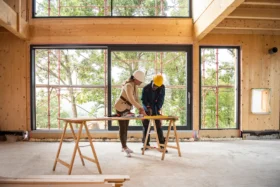
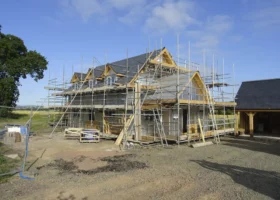
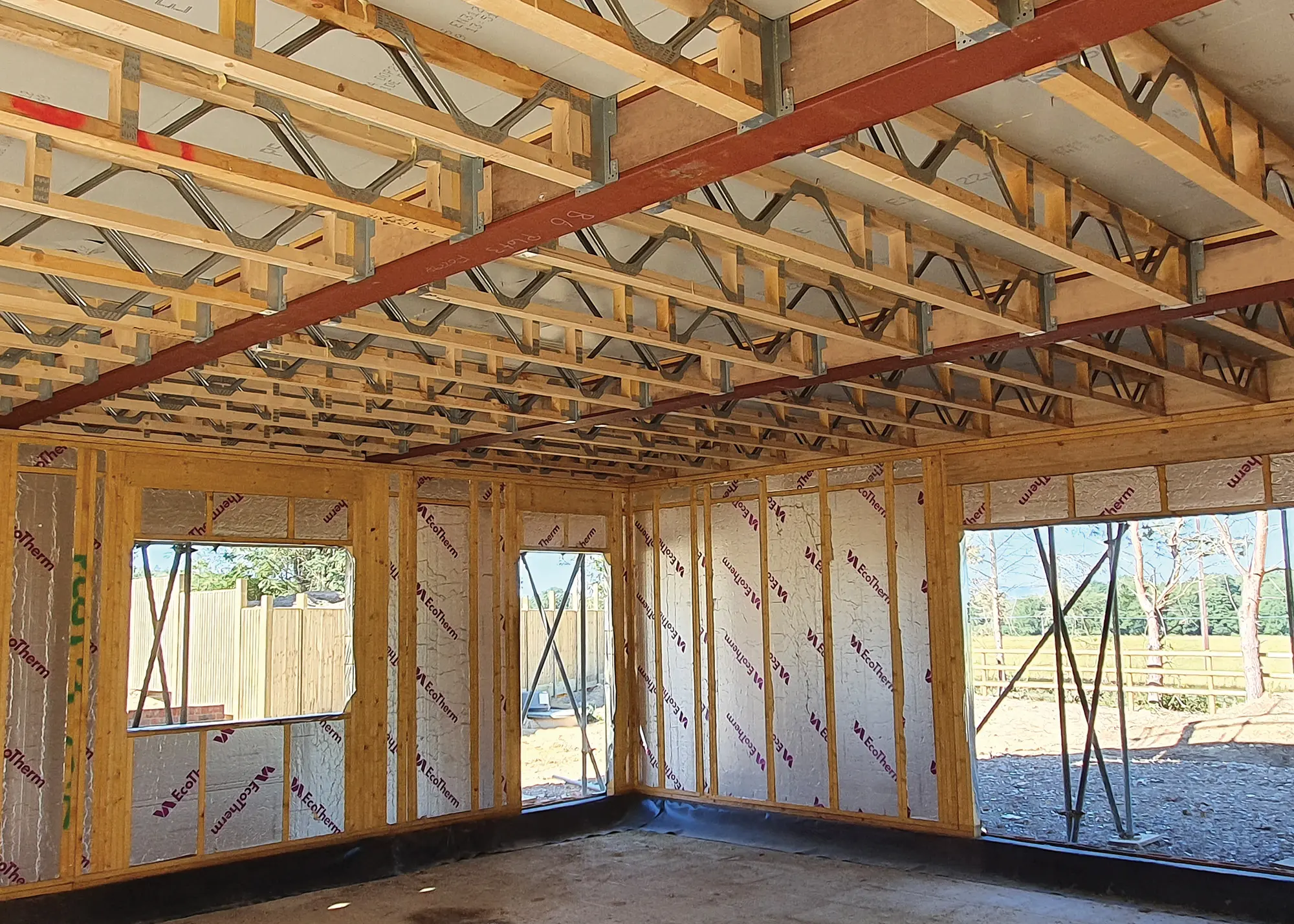
A Harmony Timber Frame home in construction, approaching weathertight stage. The structure features metal web floor joists – a common choice on timber builders to enable easy installation of services
This all means that quotes for different build systems are rarely exactly like-for-like. One provider might include structural design, installation and cranage. Another might be supply-only. Some include insulation and airtightness layers, while others assume that these elements will be installed later by different trades. It’s surprisingly common to find that two systems which look a similar cost are very different once wider implications are considered.
This section looks at the main differences between the four most popular structural systems in the UK and how their characteristics can impact a self build budget.
Masonry
Traditional masonry construction is a popular route in England. The supply chain is well established, materials are widely available and most designers and builders understand the system well. Masonry also allows a degree of flexibility during construction and, if small design changes do occur, a good bricklayer can usually adapt without too much difficulty. In my experience, this familiarity and convenience underpins an assumption that masonry is the least cost option.
Rain check: masonry tends to be slower to build with, plus it relies heavily on the availability of competent trades and good weather. Achieving modern insulation levels and airtightness also requires careful detailing and exceptional workmanship, particularly around junctions where heat loss and air leakage often occur.
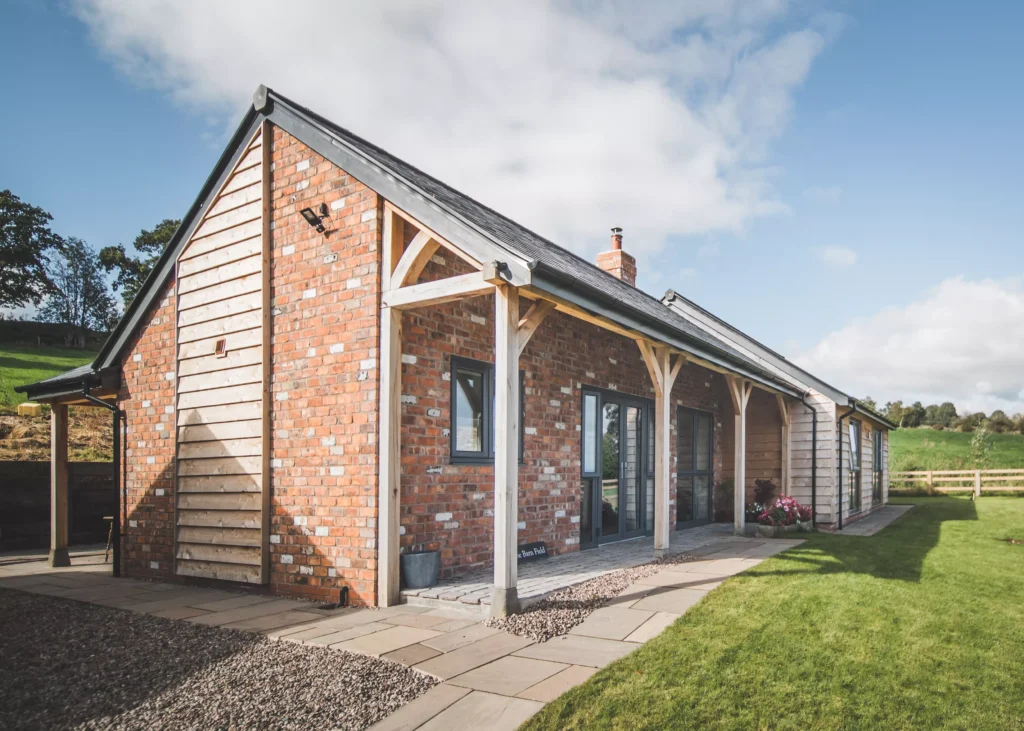
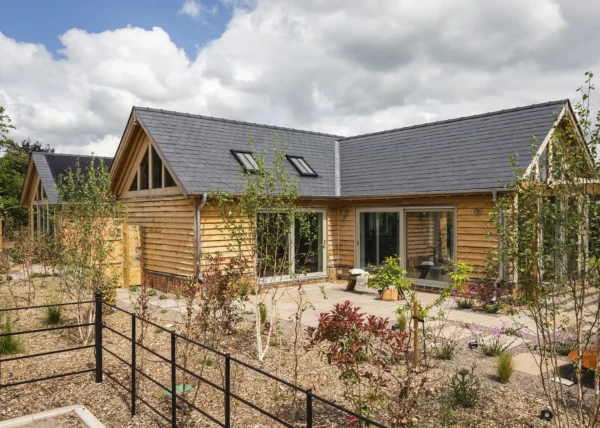
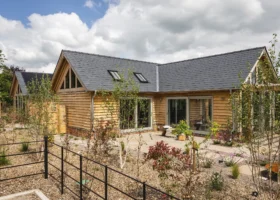
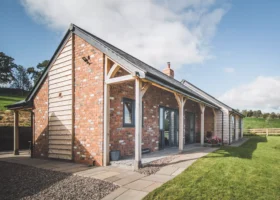
Roger and Helen Francis self built this agricultural-style brick and block bungalow on their farmland plot for a total of £205,725. The home blends handmade, heritage bricks with natural oak beams and horizonal timber cladding. The veranda at the front protects the house from the elements and provides a shaded spot for soaking up the scenery. Photo: Ke-design
Where should you start when planning your home building project? Build It’s in-depth downloadable guide to self building a house contains everything you need to know to make your project a success.
Timber frame is marginally the most popular building system among self builders, many of whom like the convenience of the package approach. Instead of building walls on site, panels are factory manufactured and delivered ready to assemble. Once the foundations are prepared, the structural shell of the house can often be erected in a matter of weeks.
The appeal is a quicker weathertight shell, with less risk of delays due to bad weather and sequencing of trades. The factory-built panels are also very precise and typically incorporate the insulation products and membranes needed to achieve good airtightness and high levels of thermal efficiency. This makes for predictable timescales, fewer quality issues and less risk of cost creep.
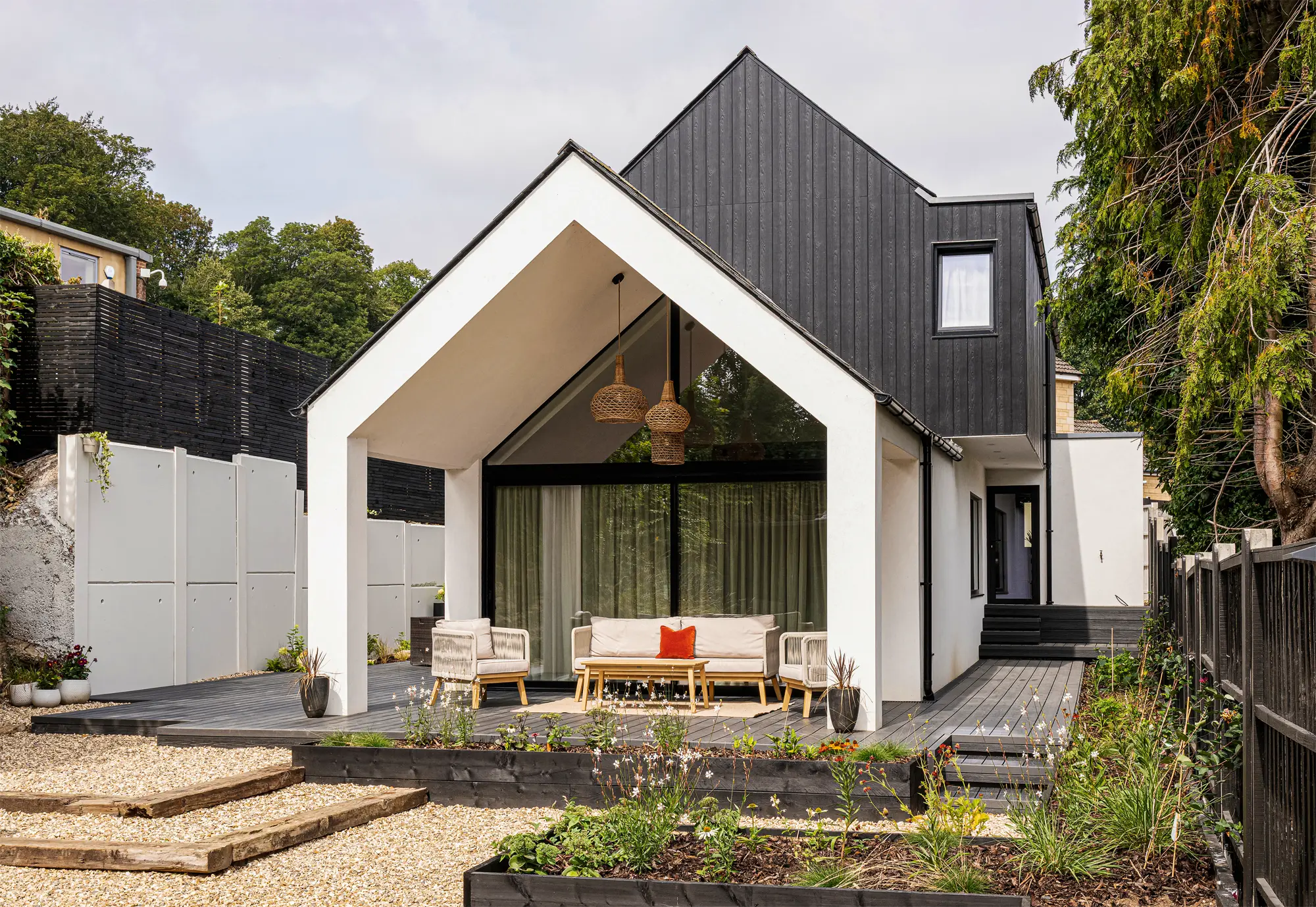
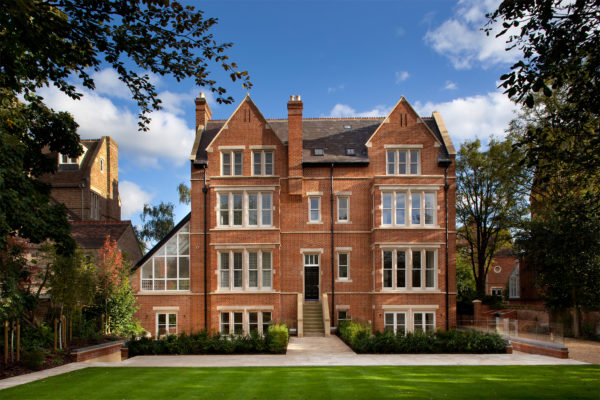
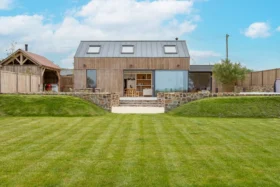
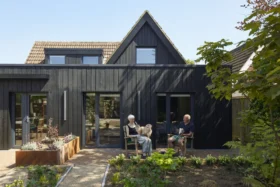
Build It readers Trina and Felipe self built a brand new home in their garden. The house has been finished with a mix of white render and cement fibre cladding, and is made up of a timber frame structure from MBC Timber Frame. The 158m² project cost a total of £540,500. Photo: Pete Helme
Structural insulated panels (SIPs)
Structural insulated panels – usually known simply as SIPs – take the concept of prefabrication a step further. Each panel consists of an insulating core sandwiched between two structural OSB boards, which creates a composite system that combines both strength and thermal performance in a single product.
As with timber frame, the key advantage of this method is consistency. Panels are manufactured under controlled factory conditions, and thermal efficiency is extremely good with unique jointing systems to reduce thermal bridging and air leakage. SIPs can also be used to build insulated roof structures, simplifying the construction process and making it easier to meet modern energy performance targets without complicated detailing – as well as providing the opportunity for habitable lofts.
Whilst the structural SIPs kit can appear expensive when compared with standard masonry materials, the system’s performance benefits and faster construction timescales frequently offset the difference.
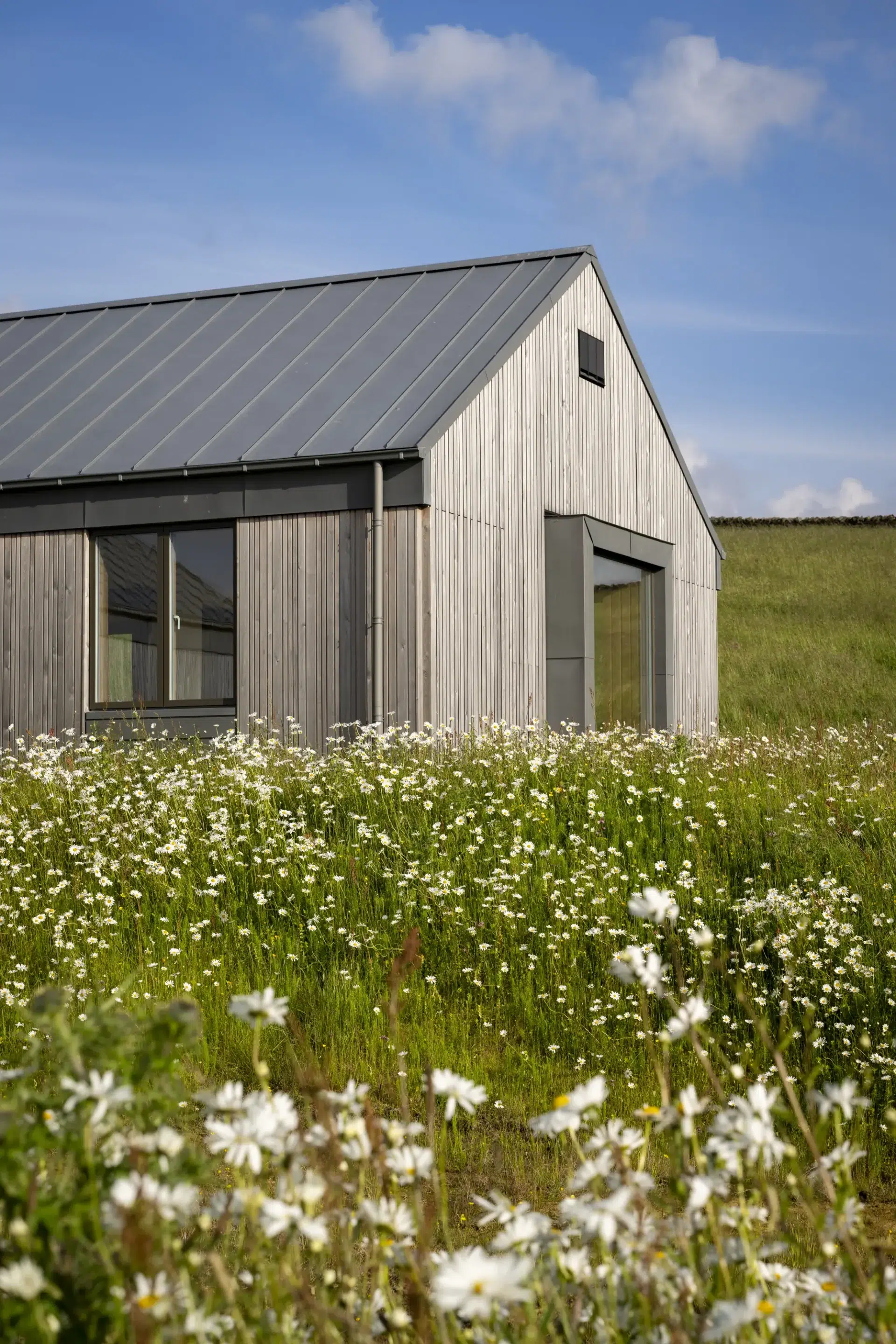
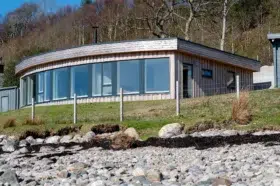
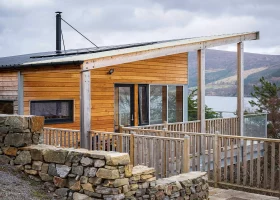
Peter Mouncey and Diana Taylor have self built their forever home in an idyllic rural spot, benefitting from comfortable living spaces year-round as well as beautiful views through their picture window. The couple specified a SIPs structural kit from SIPS@Clays for the build, which were installed in just four weeks. The 300m² cost a total of £444,860 to build. Photo: Simon Vine
Insulated concrete formwork (ICF) is another system that has grown in popularity amongst self builders in recent years. Walls are formed using hollow insulated blocks, which are stacked and then filled with reinforced concrete. The insulation remains in place, creating a high-performance, solid-core wall. The result is a structure that is exceptionally strong, very airtight and extremely durable. It’s a system that works particularly well on complex sites with challenging levels.
Whilst the construction process is simple, and even possible for DIYers to get to grips with, it does require a higher degree of coordination to work alongside other trades building the floors and roof. As a wet building system, weather delays are a bigger risk than with timber structures – especially in winter.
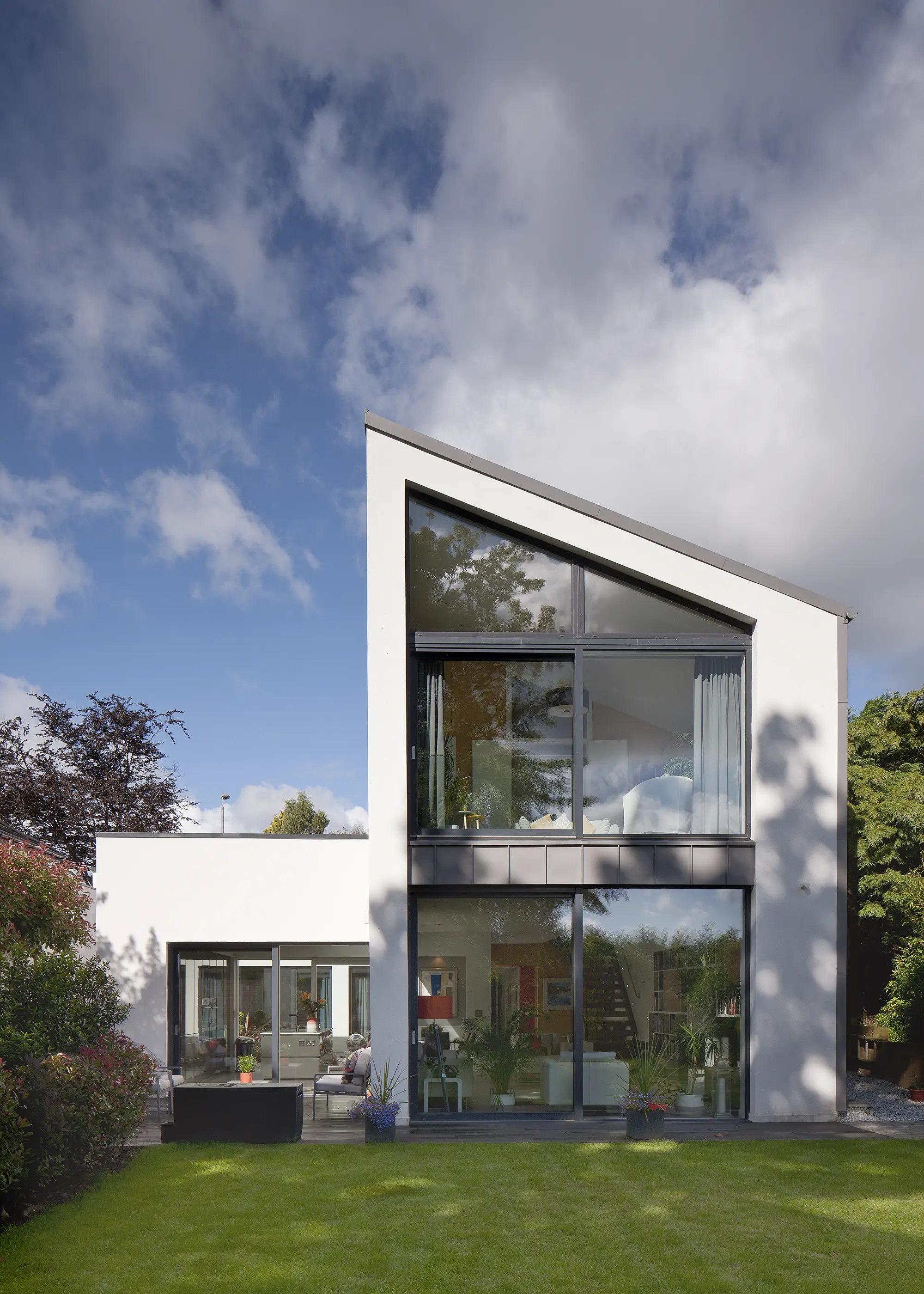
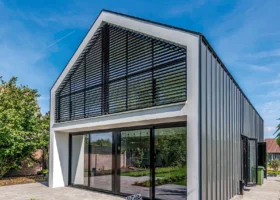
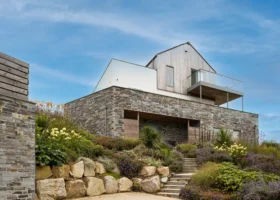
Build It readers Ray and Ruth Davis engaged ICF builders Econekt for their part-subterranean home. ICF allowed ample glazing in the project’s design. The apex gable on the rear elevation has two sets of sliding doors installed above one another across two storeys, creating the feel of a fully glazed facade. The 197m² project cost a total of £541,895. Photo: David Barbour
Oak frame
Oak frame sits slightly apart from the other main self build systems because the structure itself becomes a visible architectural feature. Rather than hiding the frame within the walls, the oak posts and beams are left exposed, creating large open spaces and a distinctive character. The skeleton is then encapsulated with either timber frame or SIPs panels to form the external envelope.
When it comes to cost, this all adds up. But oak’s appeal is usually aesthetic and, whilst it is one of the most expensive build systems, the resale value of an oak frame house usually pays for the extra investment.
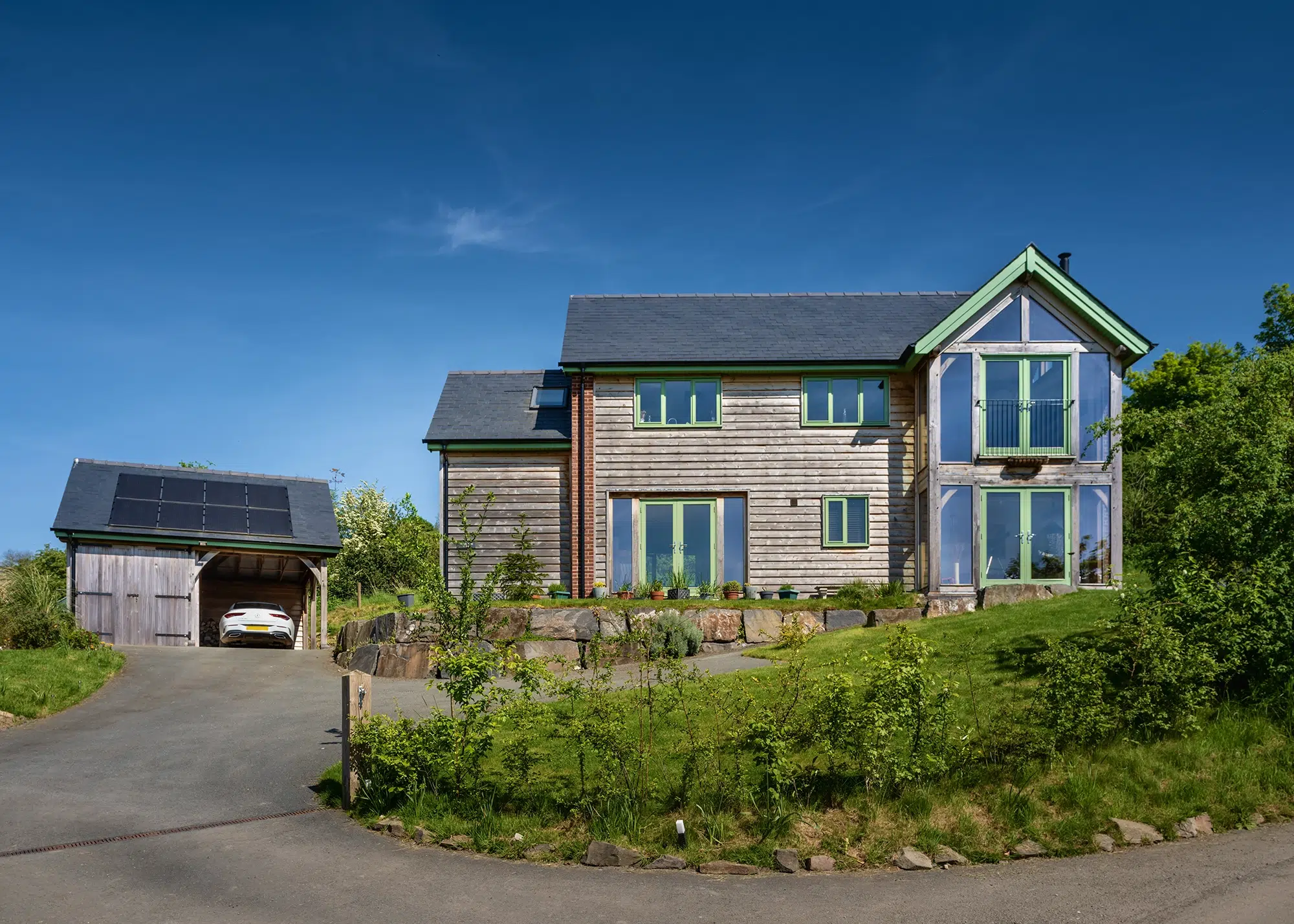
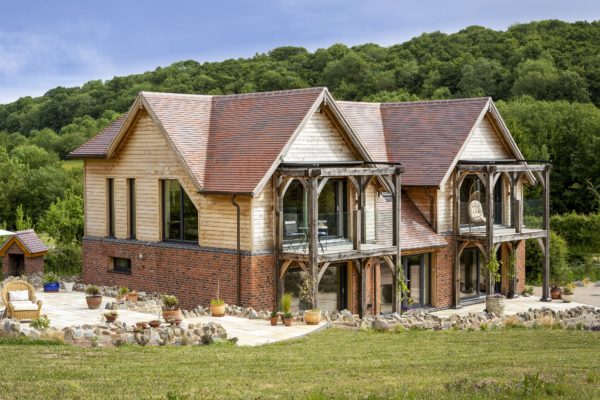
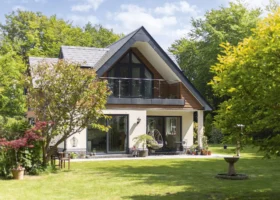
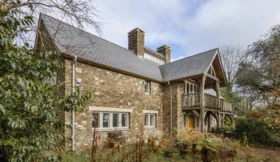
Build It readers Peter and Melinda Young discovered an idyllic hillside plot with a glorious outlook across a valley. Now they live in an oak frame house with an upside-down layout to make the most of these stunning views. The couple worked with Welsh Oak Frame for the build. The 145m² house cost a total of £395,500 to build. Photo: Nikhilesh Haval
Where can cost comparisons go wrong?
One of the most common mistakes I see people make is comparing build systems purely on the initial price of the structure. A system that appears cheaper might require additional trades later to install the insulation, airtightness layers or structural elements that are already included in another build package. By the time everything is tallied up, the apparent saving may have disappeared.
Speed is another factor that’s easy to overlook. A system that erects quickly – with rapid access for follow-on trades and reduced scaffolding costs, site preliminaries and exposure to bad weather – will save money on the overall budget. Conversely, one that appears slightly more expensive at the start can often produce a more efficient, predictable and ultimately better-performing house when finished.
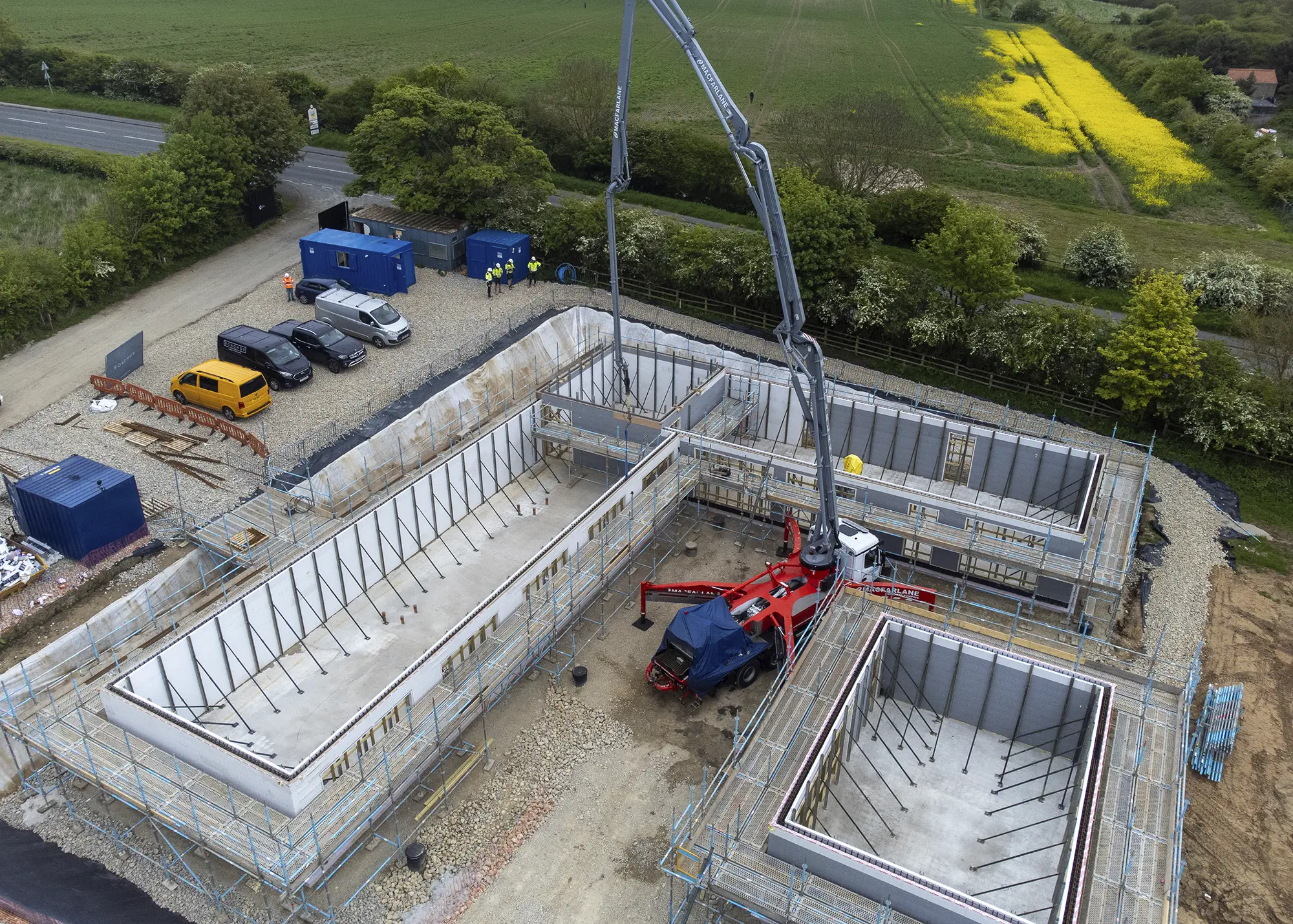
The construction of this home by ICF Bondmor used 484m² of ICF walling with a 412m² insulated raft foundation. The entire build took 60 days to complete, and the finished property has an impressive airtightness level of 0.26m³/hr/m²
In practice, from a cost impact point of view, it must be remembered that the build system usually only accounts for about 25% of the total project budget. So, even if a particular method costs 10% more than an alternative, the impact on your total build budget is actually more like 2.5%. While this still matters, it demonstrates why cost should not be the only consideration when choosing a structural system.
How can you choose the right system for your project?
Whilst cost comparisons often start with a £/m² figure, the reality is that these numbers rarely tell the whole story. What really matters is understanding what each supplier is providing, how the system will be installed and how it sequences in the overall construction programme.
Sites that need to keep disruption to a minimum are best suited to an offsite manufactured system, such as timber frame or SIPs. Challenging ground conditions on the other hand may favour the robustness of ICF. And if fire in construction is a concern, then masonry may be the better bet as it won’t need additional fire mitigations.
Energy performance also plays a role. Systems that deliver excellent efficiency can make it easier to meet Building Regulations targets without adding complex insulation systems or expensive renewable technologies. If good looks are the primary driver, meanwhile, then an oak frame might be the premier choice – provided that’s your persuasion. The key point is that the choice of build system is, more often than not, driven by design and what you’re trying to achieve, rather than cost alone.
To ensure you fully understand the cost implications of one system over another, the best approach is to obtain detailed quotes and always look carefully at the small print. In my experience, once the overall package and service is fully understood, the right system for your project is probably not the cheapest one.
Structural system FAQs
How energy efficient is a timber frame house?
Timber has low thermal conductivity (in comparison to steel and concrete) making it excellent for constructing well insulated homes. Timber frames can be combined with a range of insulation products to reduce heat loss and ensure energy consumption for heating is low. The precision of manufacture in a controlled factory environment enhances airtightness.
Answered by Aron Turney
Aron Turney is build director at Scandia-Hus, a timber frame house builder with over 50 years in the industry. They design and build beautiful, bespoke and remarkably energy-efficient properties for self builders.
Can I reclaim VAT on a timber frame package self build?
Yes, in the UK you may reclaim VAT on eligible building materials and services – including timber frame builds – through the VAT Refund Scheme for DIY Housebuilders, provided this is a new home. VAT Notice 431NB is the scheme that covers VAT reclaims on UK self builds. Note that most labour costs are already zero-rated, so they’re not part of the process. Additionally, items such as furniture, appliances and tool hire are excluded from the scheme. You only have one opportunity to submit a claim, which must be made within three months of receiving the completion certificate. The reward for keeping meticulous records throughout the project is a welcome cash bonus that’s the cherry on top of moving into your new home.
Answered by Sarah Mathieson
Sarah Mathieson is managing director at Fleming Homes, a bespoke timber frame design and build company based in Berwickshire.
What are the foundation requirements for a SIPs self build?
SIPs buildings are relatively lightweight and compatible with many types of house foundations. The primary factor that dictates foundation type is the ground conditions of the site. Trench foundations, piled foundations and ground bearing insulated rafts are all commonly used. Accuracy is vital in the substructure: it must be level, square and engineered in line with the loadings provided by the SIPs manufacturer.
Answered by George Glifford
George Glifford is commercial director at Glosford SIPs, a Hereford-based SIPs supplier offering a complete service for your structural building envelope, using renowned Kingspan TEK wall and roof panels.
What’s included in a SIPs package?
SIPs providers can manufacture and erect the entire superstructure of your build (above DPC level). This includes, but is not limited to, external walls, roof panels, internal partitions, intermediate floor zones and all necessary structural supports. All components are manufactured fully by CNC machinery – at Glosford SIPS, we do that within our factory in Herefordshire. We also provide engineering calculations and design for manufacture drawings for building control submission.
Answered by George Glifford
George Glifford is commercial director at Glosford SIPs, a Hereford-based SIPs supplier offering a complete service for your structural building envelope, using renowned Kingspan TEK wall and roof panels.
What are the sustainable credentials of oak frame?
Cutting down trees might sound like a bit of a contradiction, but in a sustainably managed woodland, suppliers will plant more trees than they fell to create the frame. Look for oak with PEFC and FSC accreditations, which guarantee that the wood comes from a sustainable source.
Offsite manufacture combined with the skills of the craftspeople in the oak frame workshops ensure that – compared to traditional site-led methods – far less waste is produced when constructing your home. Workshop teams select the right piece of oak for the right job.
The frame is built with precision inside the workshop, labelled and erected on site. Off-cuts are sometimes used l in a workshop’s woodburner. Oak is also a biodegradable building material and will naturally be broken down at the end of its lifespan.
Another reason oak is sustainable is because it is a natural insulator. Self builders can also fill the walls with eco-friendly insulation such as sheep’s wool or cellulose. A warm house in winter and a cool house in summer means using less fossil fuel for heating and cooling and creating fewer CO2 emissions.
Answered by Gareth Edmunds
Gareth Edmunds is design director at Welsh Oak Frame, a leading oak frame supplier specialising in bespoke oak frame homes, single storey and double storey extensions.
Mark Stevenson
Mark Stevenson has worked as a construction professional for over 35 years and is a serial self builder. He runs project management consultancy Elsworth Projects and, as chair of NaCSBA, advocates for the interests of self builders and contributes to the success of the emerging custom build industry.

















 Login/register to save Article for later