

- Plan ItBack
- Design ItBack
- Build ItBack
- Homes
- ProductsBack
- CostsBack
- Self Build Cost Calculator
Estimate your project costs instantly with Build It's interactive self-build cost calculator
Calculate Now - Costs & Finance
- Contracts & Warranties
- Build It Estimating Service
Get an accurate, detailed cost breakdown of your project
Submit plans
- EventsBack

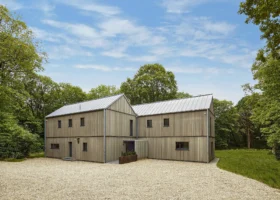
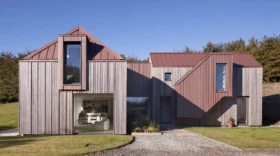
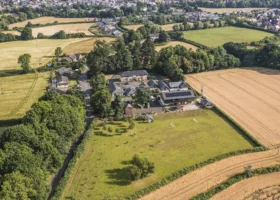
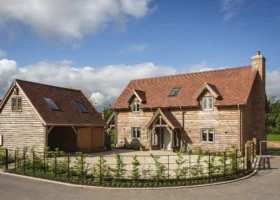
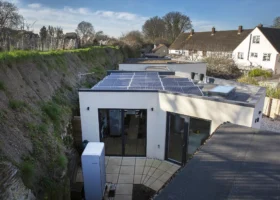
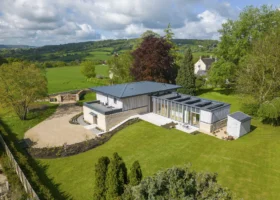
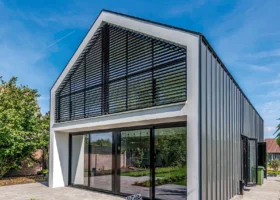
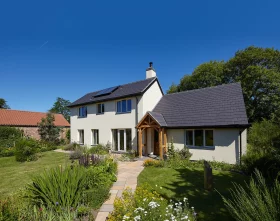
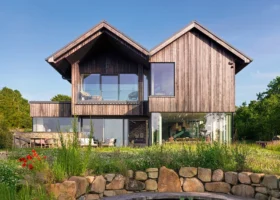
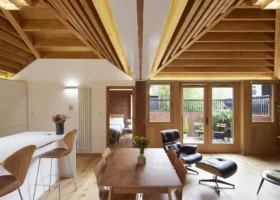
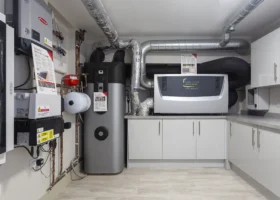
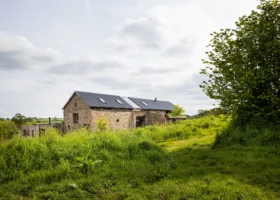
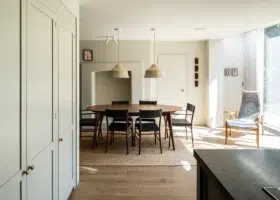
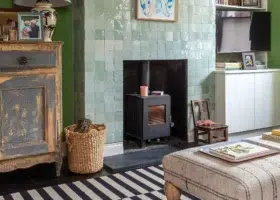
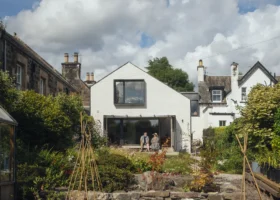
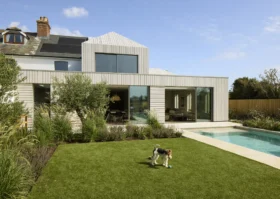
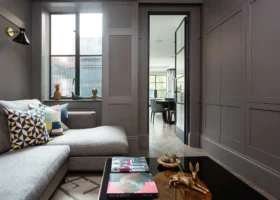
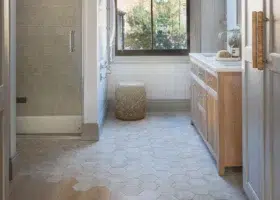

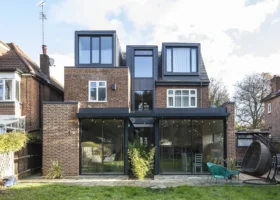
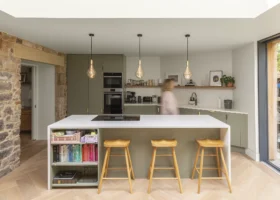
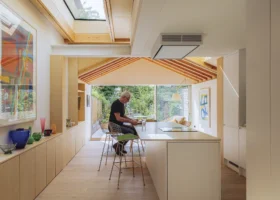
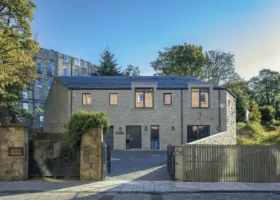
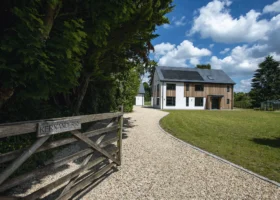
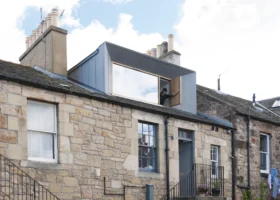
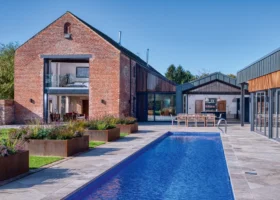
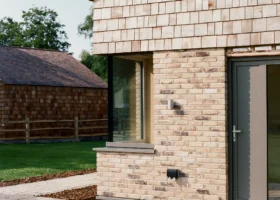
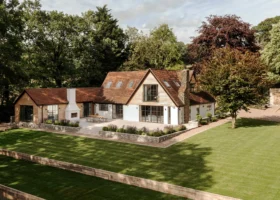
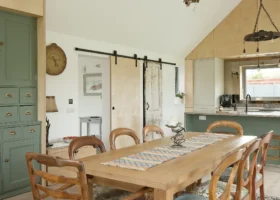
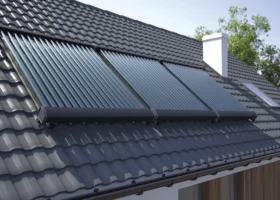


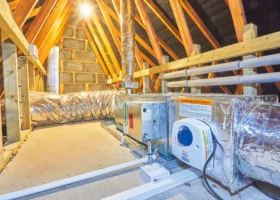
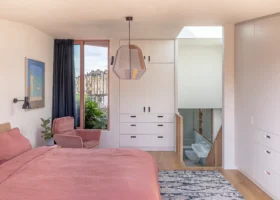
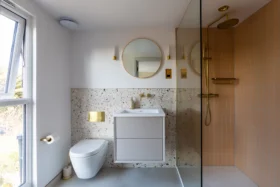
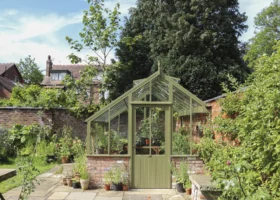
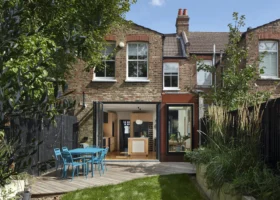

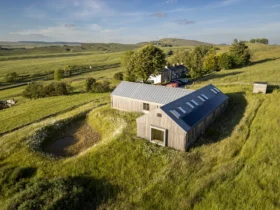
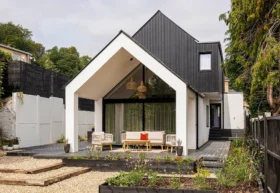
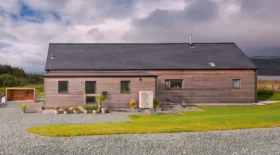
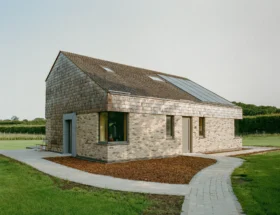
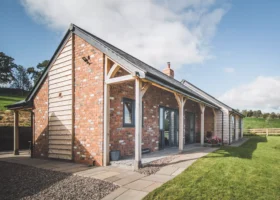
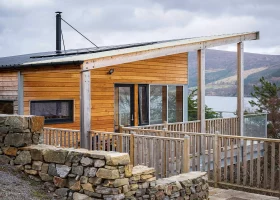
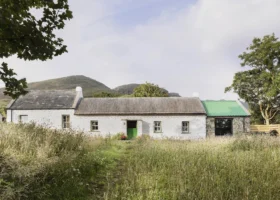
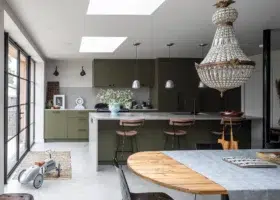
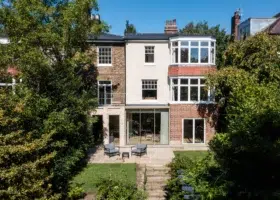
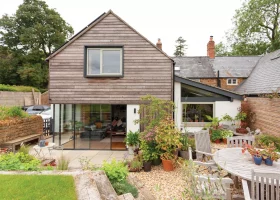

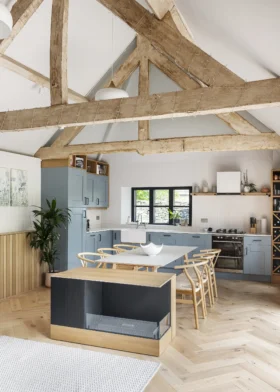
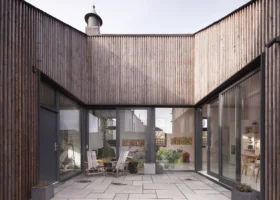
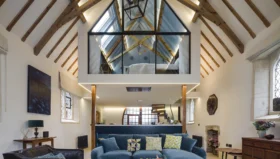
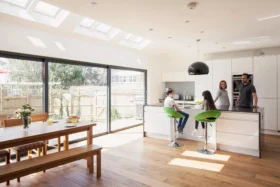
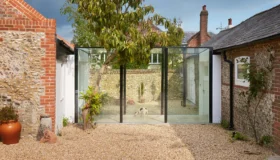
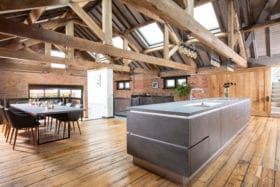
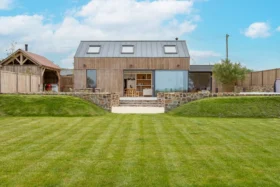

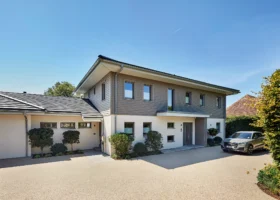
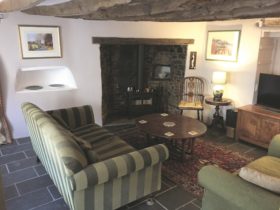
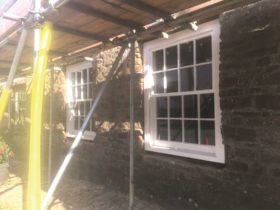
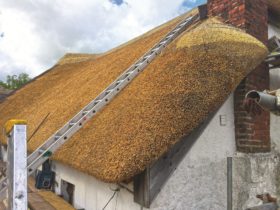
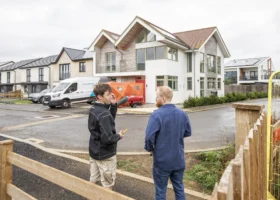
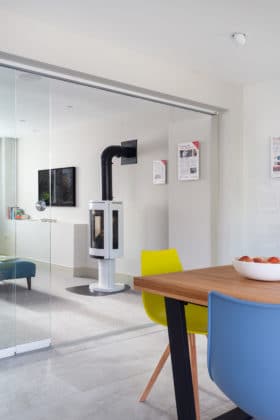


















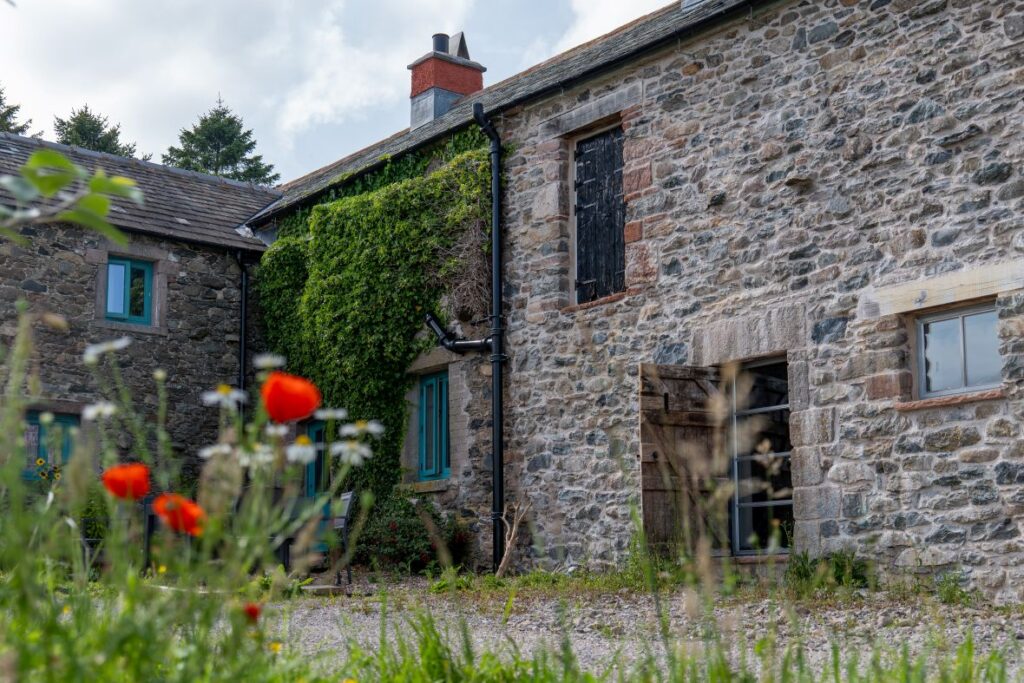

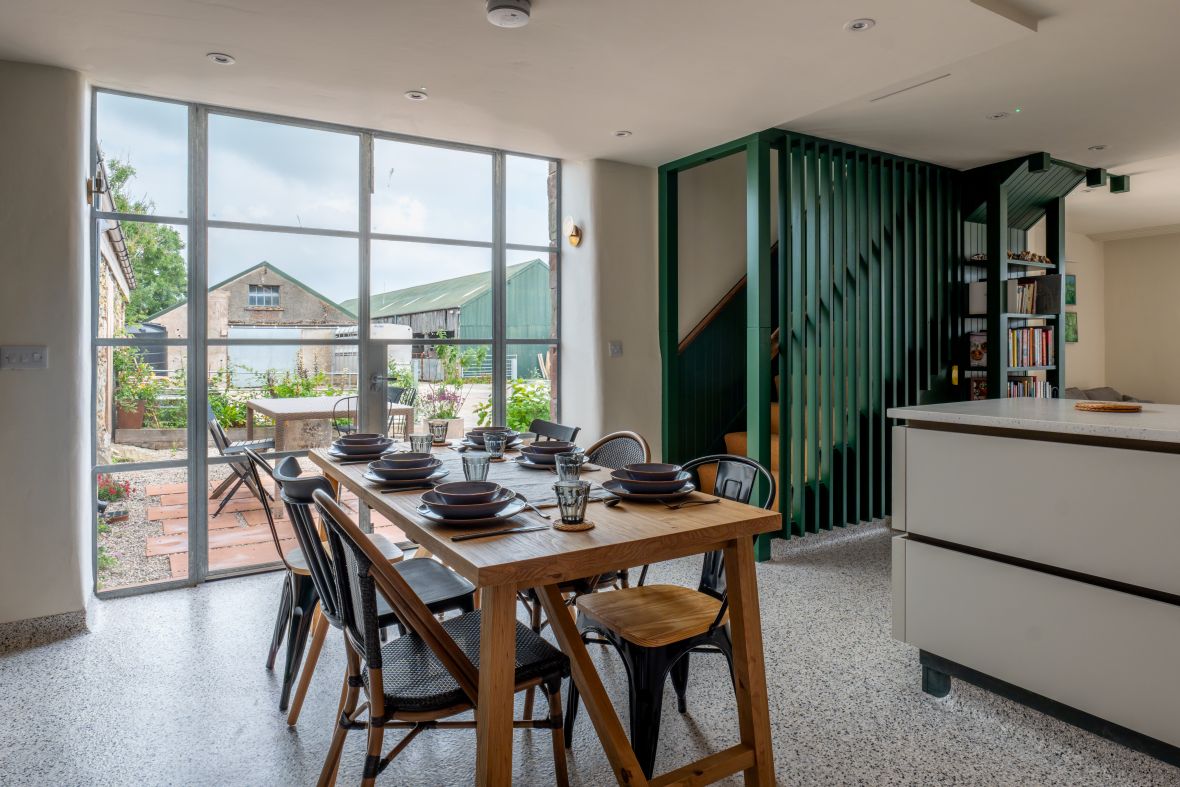
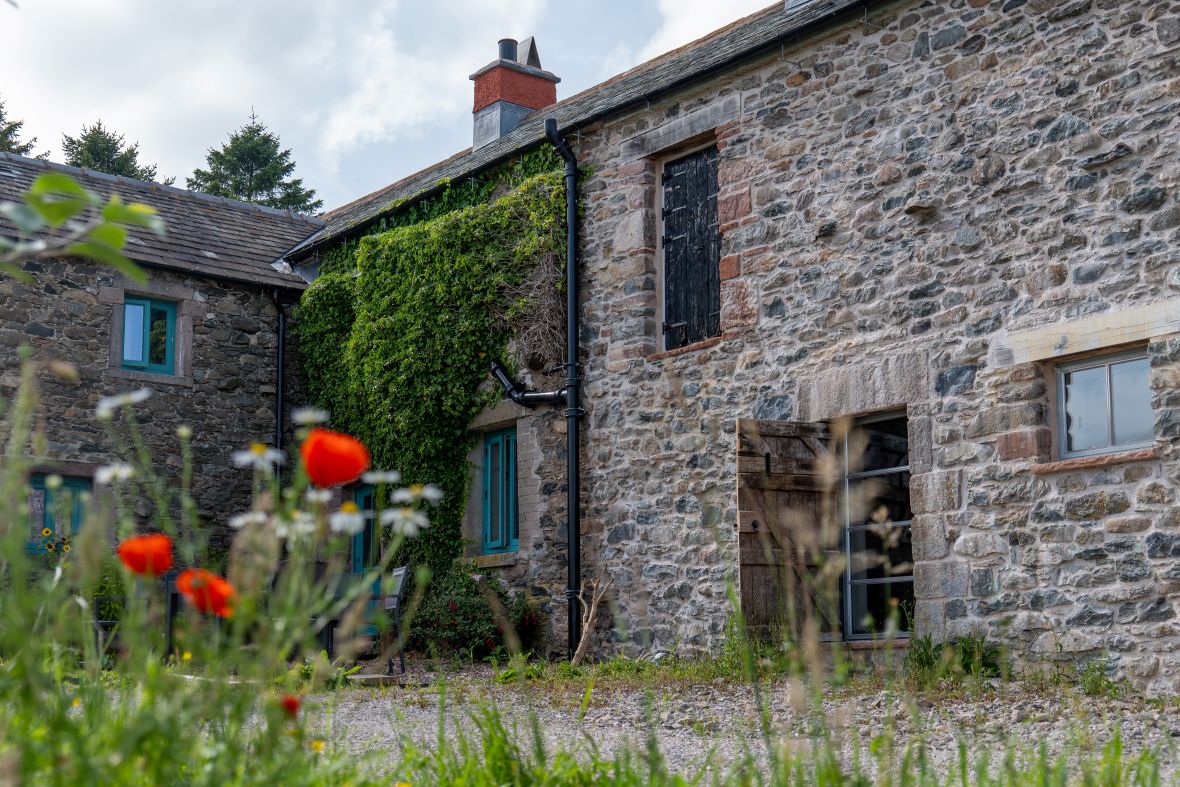
A historic Grade II listed farm house in the Lake District, dating from the mid-17th century, has undergone an extensive renovation with building products to create a well-insulated and energy-efficient sustainable home.
Main contractor Nielsens Ltd and architects O’Neil Associates focused on the approach to ensure that the restored structure would be watertight and airtight, yet fully vapour permeable, allowing the solid walls to breathe. The aesthetic qualities of the materials, internally and externally, were also carefully considered to ensure that the completed work blended with the historic features.
A key component of the restoration was the use of Pro Clima Intello Plus, a hygrosafe airtight vapour control membrane. This specialist membrane allows up to 100 times more moisture vapour to pass through when humidity levels rise, for example due to back drying of moisture vapour through the building element in the summer. This helps protect the building fabric from moisture-related damage, while eliminating the risk of condensation and mould within the living spaces.
To enhance thermal performance, Gutex Thermoroom natural wood fibre insulation boards were selected for the internal wall insulation at the farm house. Manufactured from recycled waste wood chips, this fully breathable insulation board provides excellent thermal improvement, sound insulation and a healthy indoor environment by allowing moisture to pass through the building fabric rather than becoming trapped.
In the cattle shed and barn, Diasen Diathonite Thermactive.037, a lime- and cork-based insulating plaster, was applied by Border Lime Construction. Its capillary-active and highly vapour-open nature makes it especially well-suited to older solid-wall buildings. The plaster helps walls regulate moisture and dry naturally, reducing the risk of condensation and mould while providing strong thermal performance.
Since the completion of the works, the farmhouse and its associated buildings, now produce just 3.7 tonnes of CO₂ per year. This represents a significant improvement, performing far better than the average UK home, which produces around 6 tonnes.
Gallery