














 Login/register to save Article for later
Anthony Cooper is architect at The House Designers and Baufritz, a package home company specialising in prefabricated timber frame construction to create ecological and healthy homes
- Plan ItBack
- Design ItBack
- Build ItBack
- Homes
- ProductsBack
- CostsBack
- Self Build Cost Calculator
Estimate your project costs instantly with Build It's interactive self-build cost calculator
Calculate Now - Costs & Finance
- Contracts & Warranties
- Build It Estimating Service
Get an accurate, detailed cost breakdown of your project
Submit plans
- EventsBack
Compact Self Build House Ideas – How to Maximise a Small Plot with a Wow-Factor Design
Wondering how to maximise a small plot of land? Clever design, thoughtful planning and innovative thinking can transform tight plots and planning constraints into great opportunities. From tiny homes to prefab family houses, Scarlett Deamer showcases eight stunning real-life projects to inspire your compact build

When creating a new home from scratch, it can be easy to believe that the only way to make a statement is by building something large and architecturally impressive. However, not everyone is fortunate enough to have access to rolling countryside with generous plots and spectacular views. Location, budget and planning permission each have an impact on the size of home that you can build on your chosen site. But a smaller footprint doesn’t have to mean a compromise on ambition, character or impact. In fact, working within the limits of a compact plot can often lead to the most inventive and inspiring design solutions.
Here I’m speaking to architects and self build experts about how to design and construct a home on a smaller site, exploring the best ways to maximise space, daylight and functionality.
Brick bungalow built on a challenging urban plot
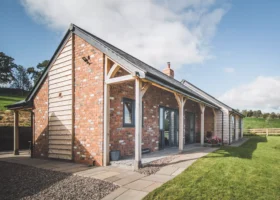
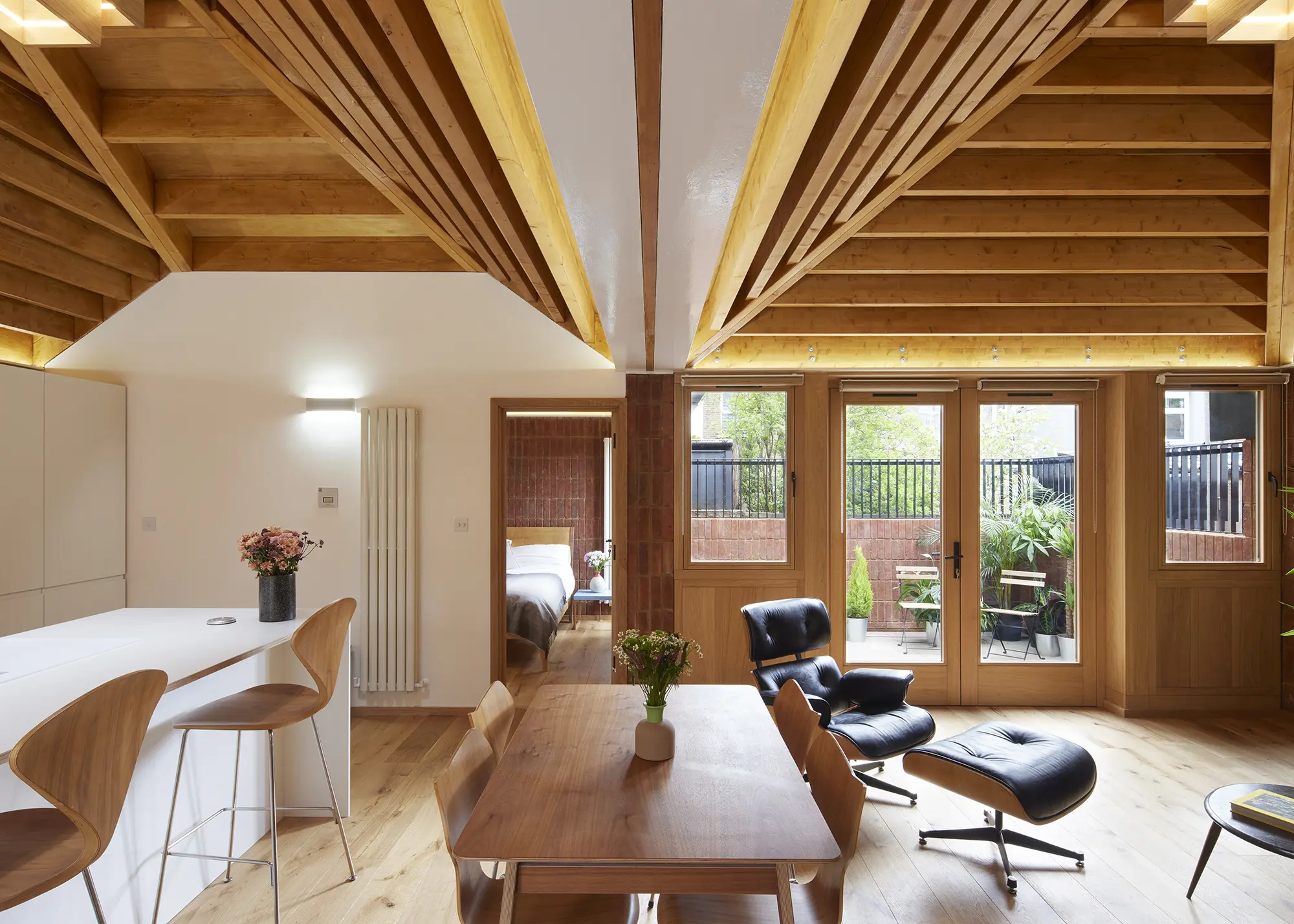
Built on a bustling street in Haringey, London, this brick bungalow slots perfectly into its surroundings. Set on a 110m² piece of family-owned land, the homeowners gave over full control to the architectural team at Satish Jassal Architects to make the most of this challenging plot.
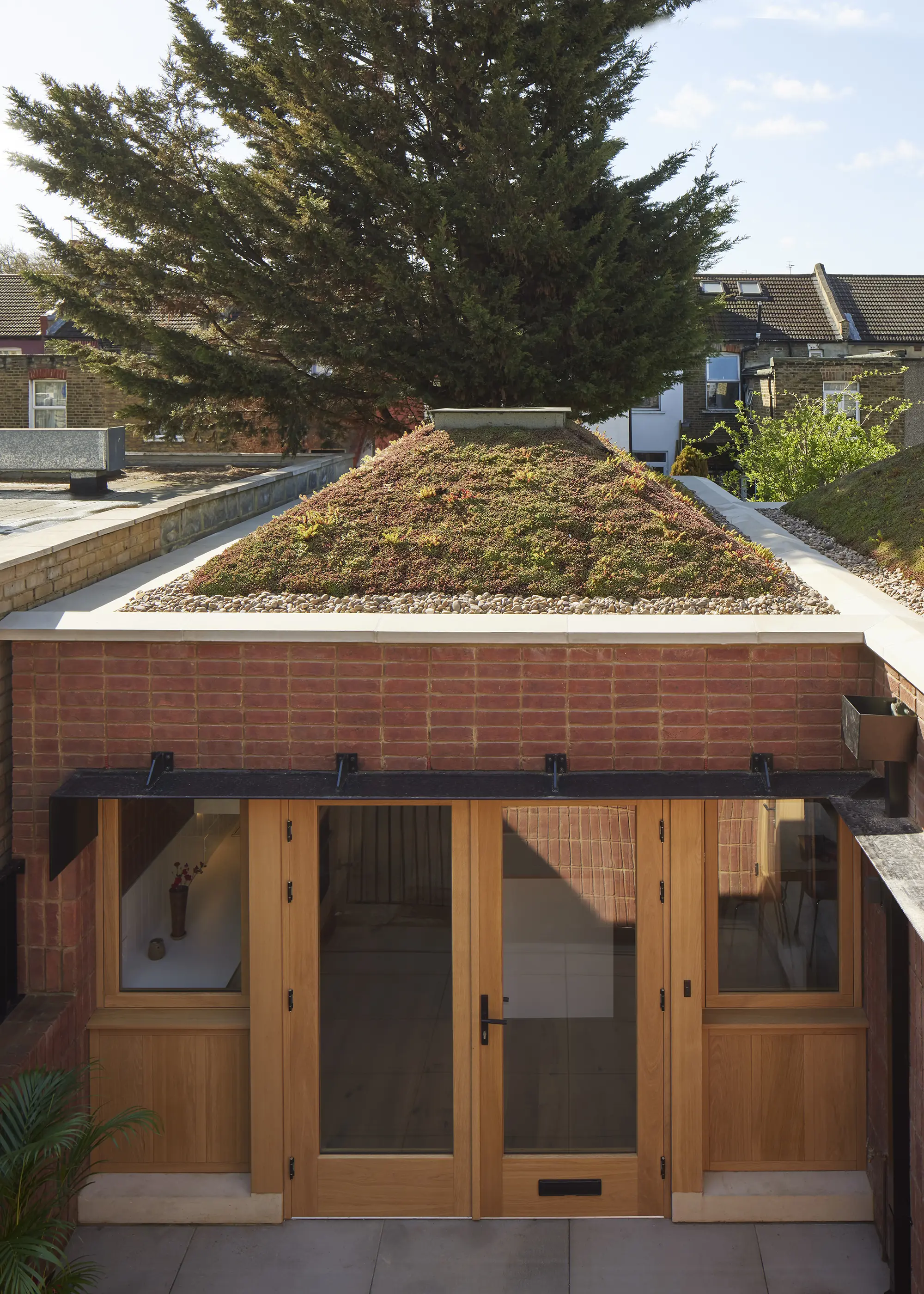
Photo: Richard Chivers
Rooflights punctuate the peak of each roof, allowing natural light to flood the spaces below. An open-plan kitchen and living area sits centrally across the two volumes, with two bedrooms diagonally opposite.
Photo: Richard Chivers
The exterior is made up of brickwork, oak frame glazing on white stone sills and sleek, black steel entrance gates.
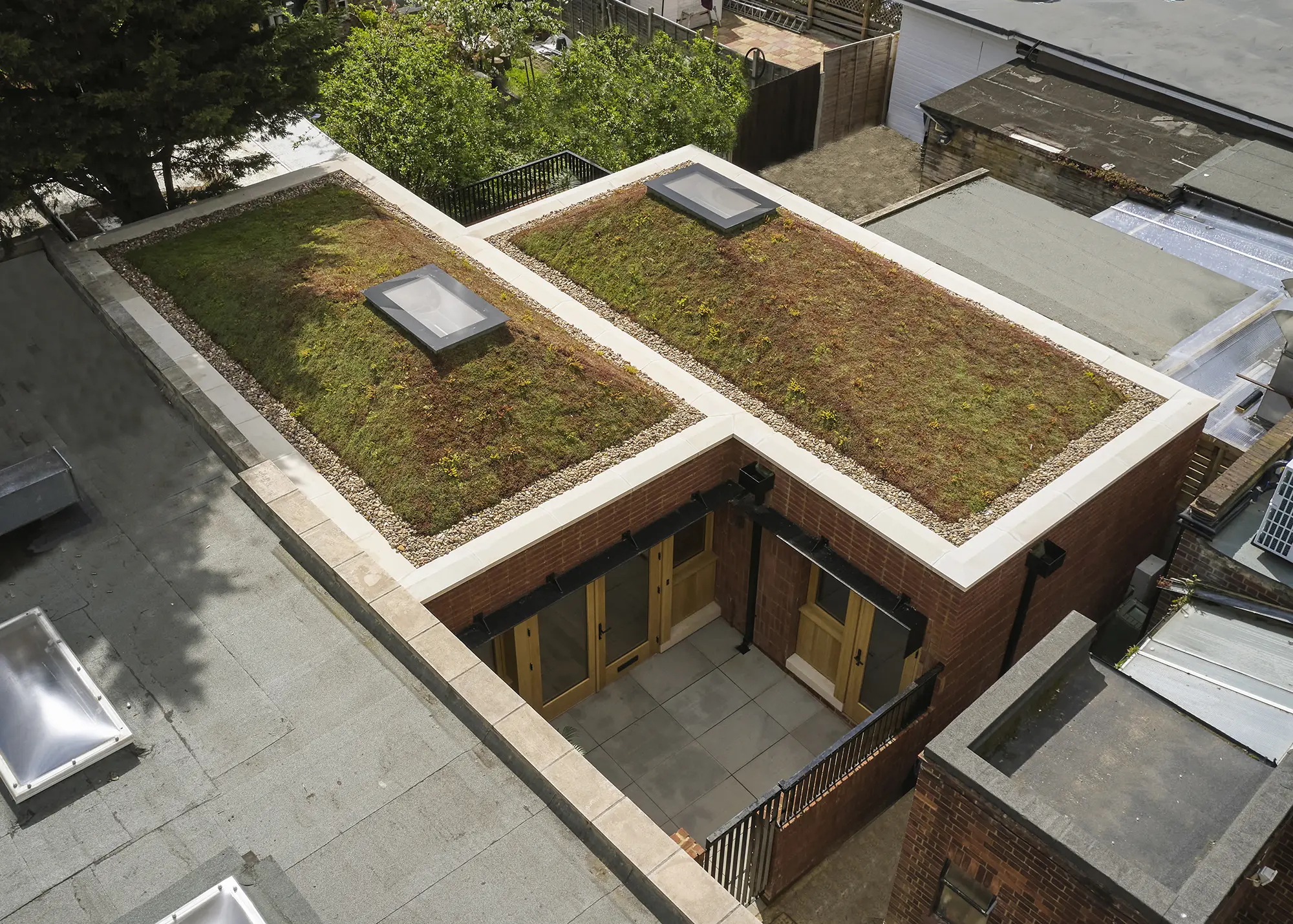
Photo: Richard Chivers
Handmade bricks feature recessed pointing to create a more lived-in feel, enabling the new dwelling to blend into its busy environment. Inside, the crafted brickwork continues, alongside oak flooring and coffered roofs, making this compact bungalow feel warm and spacious.
Mobile timber frame tiny home with glazed sliding doors
Built on a second-hand flat-bed bale trailer, this mobile timber frame tiny home by Freddie Pack and Katie McNie is a masterclass in compact, characterful design. Just 3m wide, the 30m² structure – plus a 10.5m² foldaway deck – sits in Romney Marsh, Kent.
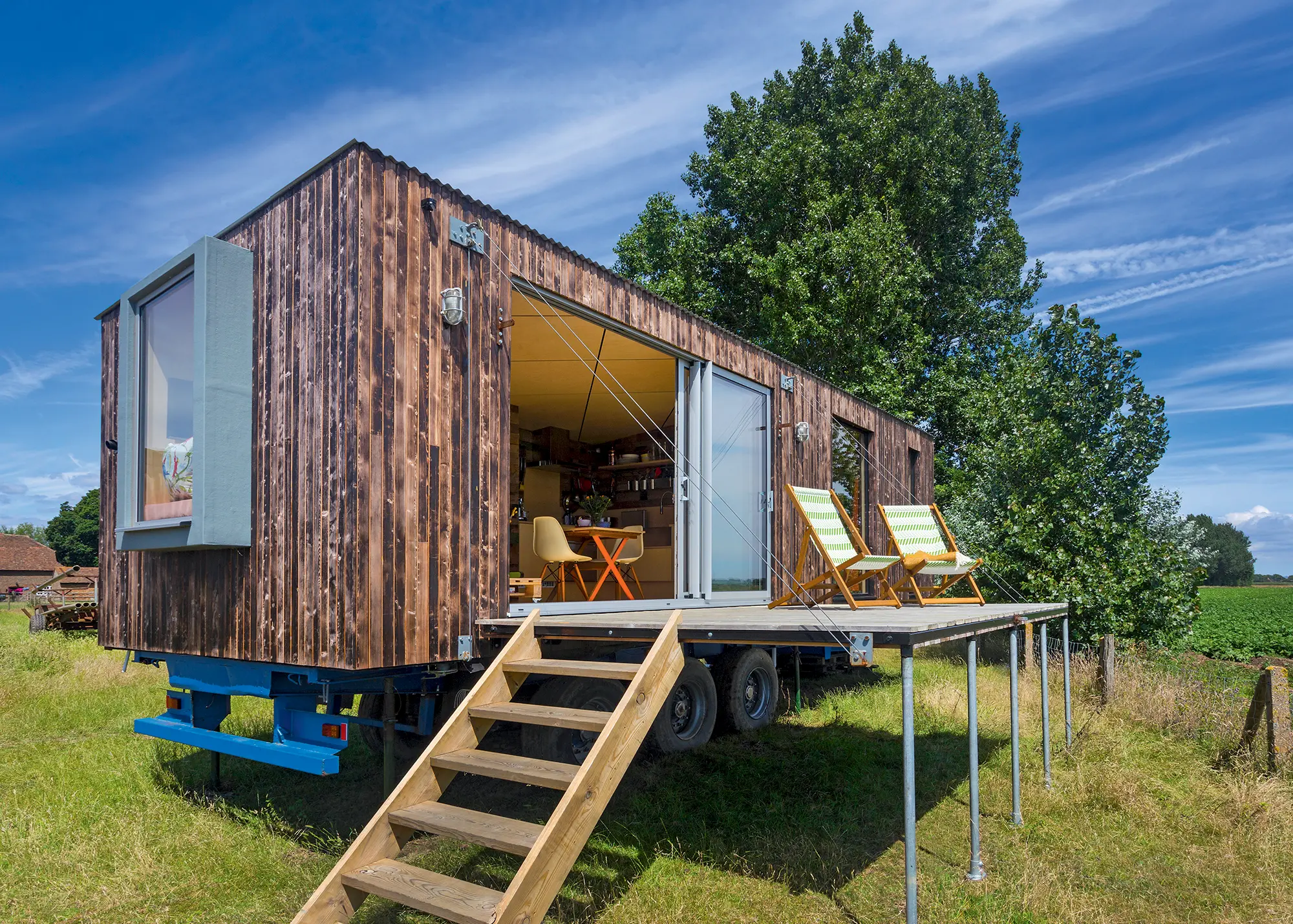
Photo: Richard Gadsby
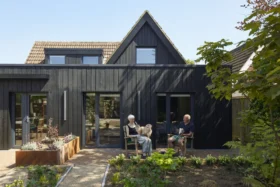
Blackened larch cladding and corrugated steel give it a robust exterior, while birch plywood interiors keep things warm and cosy.
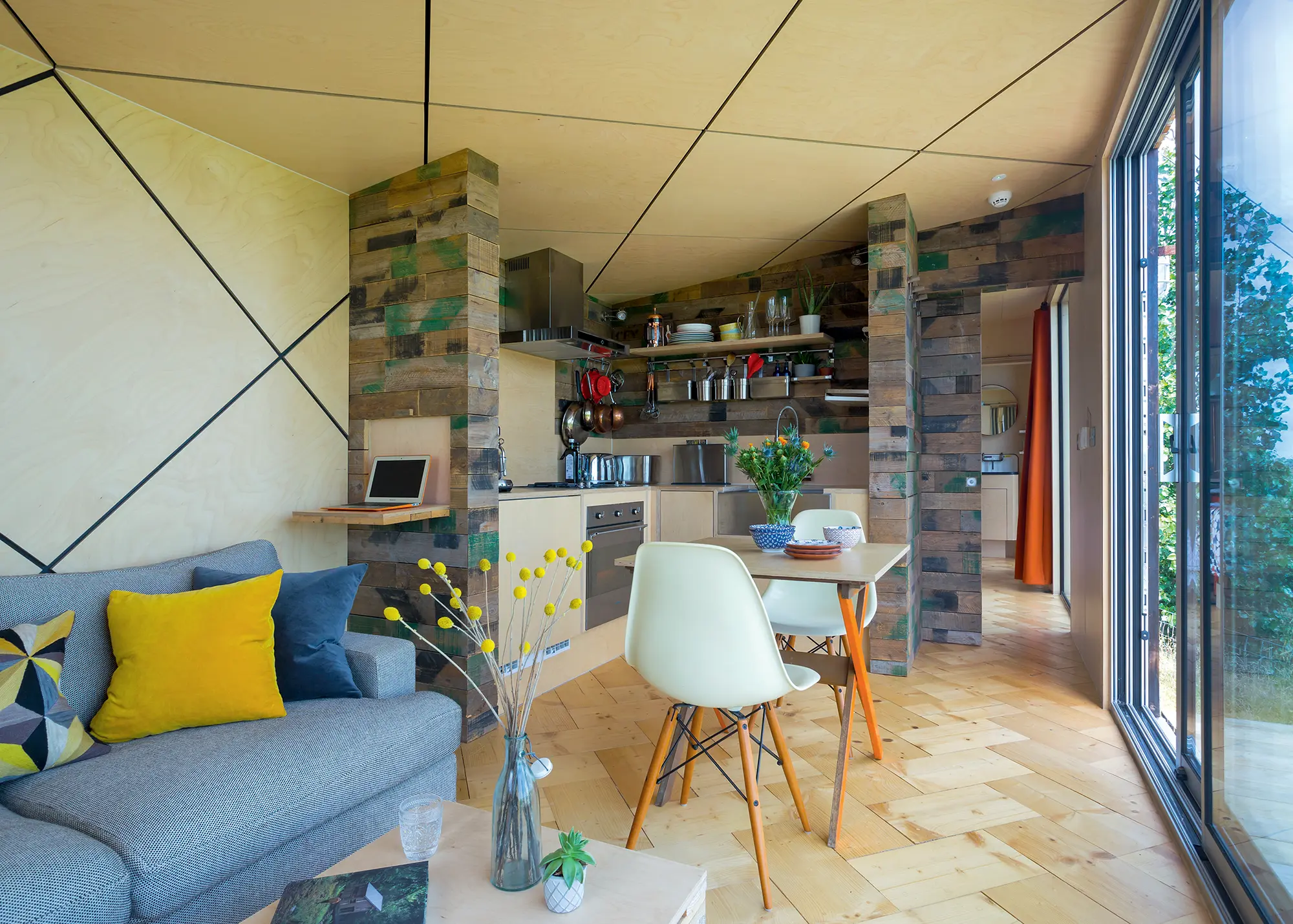
Photo: Richard Gadsby
Large glazed sliding doors, floor-to-ceiling windows and ingenious space-saving ideas, from mirrored doors to a wood store window seat, ensure that the property’s design makes the most of the compact footprint. The design was by RX Architects.
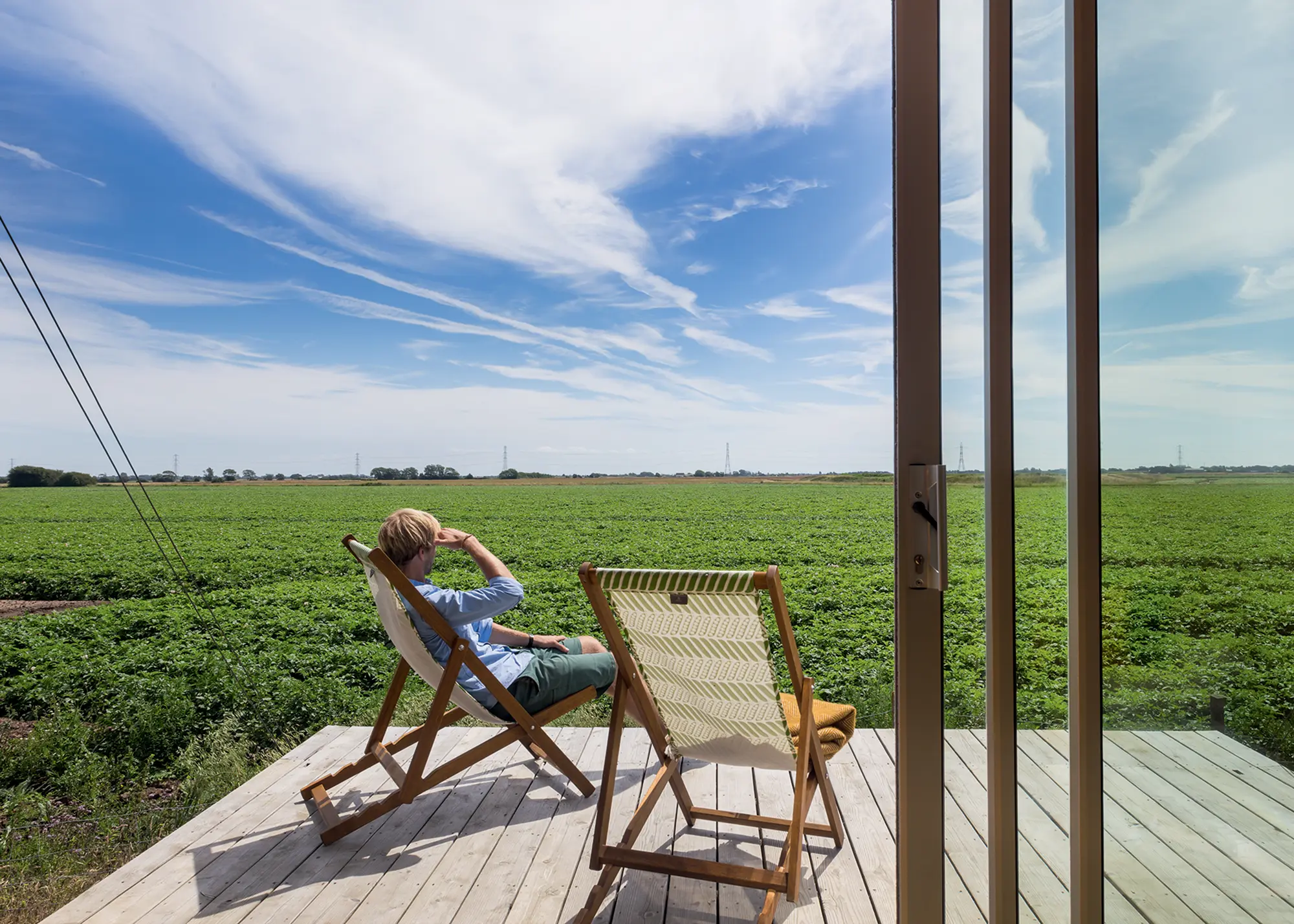
Photo: Richard Gadsby
How to maximise floorspace

What design tricks can give the illusion of more floorspace?
The secret to making a compact home feel expansive lies in visual permeability and the strategic layering of light. Focus on creating long sightlines – such as diagonal views across the floorplan that lead the eye to the landscape. Try to minimise the amount of internal load-bearing walls to create a truly seamless open-plan flow that will help make the space seem larger and airier. Prioritise the rooms you tend to use most and make these as spacious as possible. Arrange primary living spaces nearest the glazing to capture natural light, place the dining area in the communicative centre and tuck the kitchen into the functional core at the rear.
Which fixtures and fittings are best for small spaces?
To enhance the sense of volume, I would suggest using high-level clerestory windows. This doesn’t just improve the air quality of the home via the ventilation they offer, but it also draws your eye upward, celebrating the verticality of the space rather than just the footprint.
Regarding joinery, treat storage solutions as an architectural element. Instead of bulky furniture, use multifunctional dividers. For example, an extra-deep kitchen island can serve as a secret storage hub, with high-precision cabinetry on the kitchen side and hidden general storage on the living room side.
While pocket doors are excellent space-savers for meeting Building Regulations, use them sparingly. They are brilliant for improving the flow through different rooms but can be acoustically less effective for areas such as a ground floor cloakroom or home office.
Which rooms should be bigger, and which should be smaller?
In a compact home, I advocate for a life over laundry ethos. So, look to prioritise generous, high-ceilinged social zones where the family spends 90% of their time, while sacrificing square footage in the bedrooms.
Think of your circulation spaces – such as landings – as flexible areas. Rather than a redundant corridor, a wide landing can serve as a library nook or home office. This loose-fit design allows the house to evolve; a reading room today can easily be partitioned into an additional bedroom or nursery in the future, providing a house that grows with the family.
How can utilising the surrounding area help a home feel larger?
The most effective way to expand a room, without adding to the internal floor area, is to dissolve the boundary between the interior and the landscape. The outside-in principle is a good way to drive your design – aligning interior floor levels with external decking and using consistent materiality to make the terrace a visual extension of living rooms.
It is also worth looking vertically to the roofline. A pitched roof is an opportunity for a master sanctuary. Baufritz’s roof elements are precision-prefabricated in our carbon-neutral factory, so we can plan for complex, high-impact volumes under the eaves from day one. By seeing the potential in every cubic centimetre of the building’s envelope, even the most compact home feels remarkably grand.
Victorian terrace-style new build on a garden plot
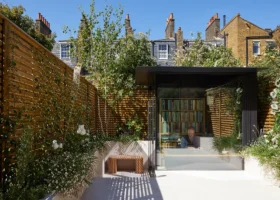
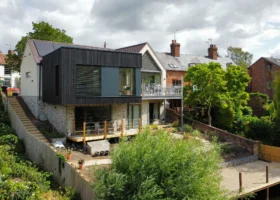
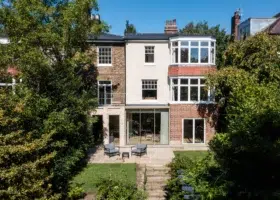
Corner House by 31/44 Architects sits on a former garden plot at the junction of two Victorian streets in London. This three bedroom new build cleverly plays on the typical motifs of its neighbouring suburban townhouses.
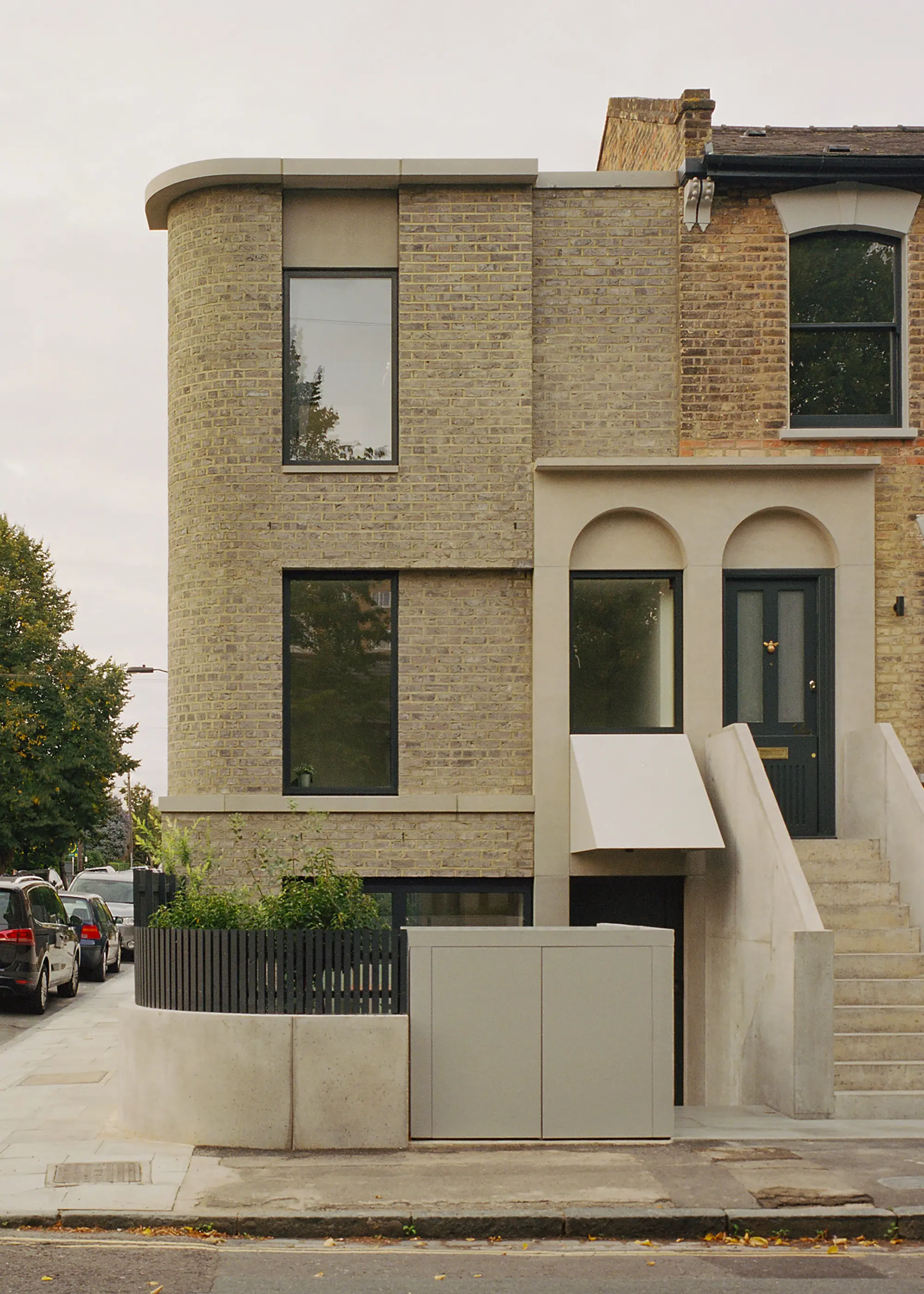
Photo: Rory Gardner
At upper ground level, a picture window and minimalist canopy echo the elaborate entryways of other houses on the street, with the new house actually accessed on the lower storey. The structure is made from grey London stock brick with concrete lintels that draw on the style of the terraces.
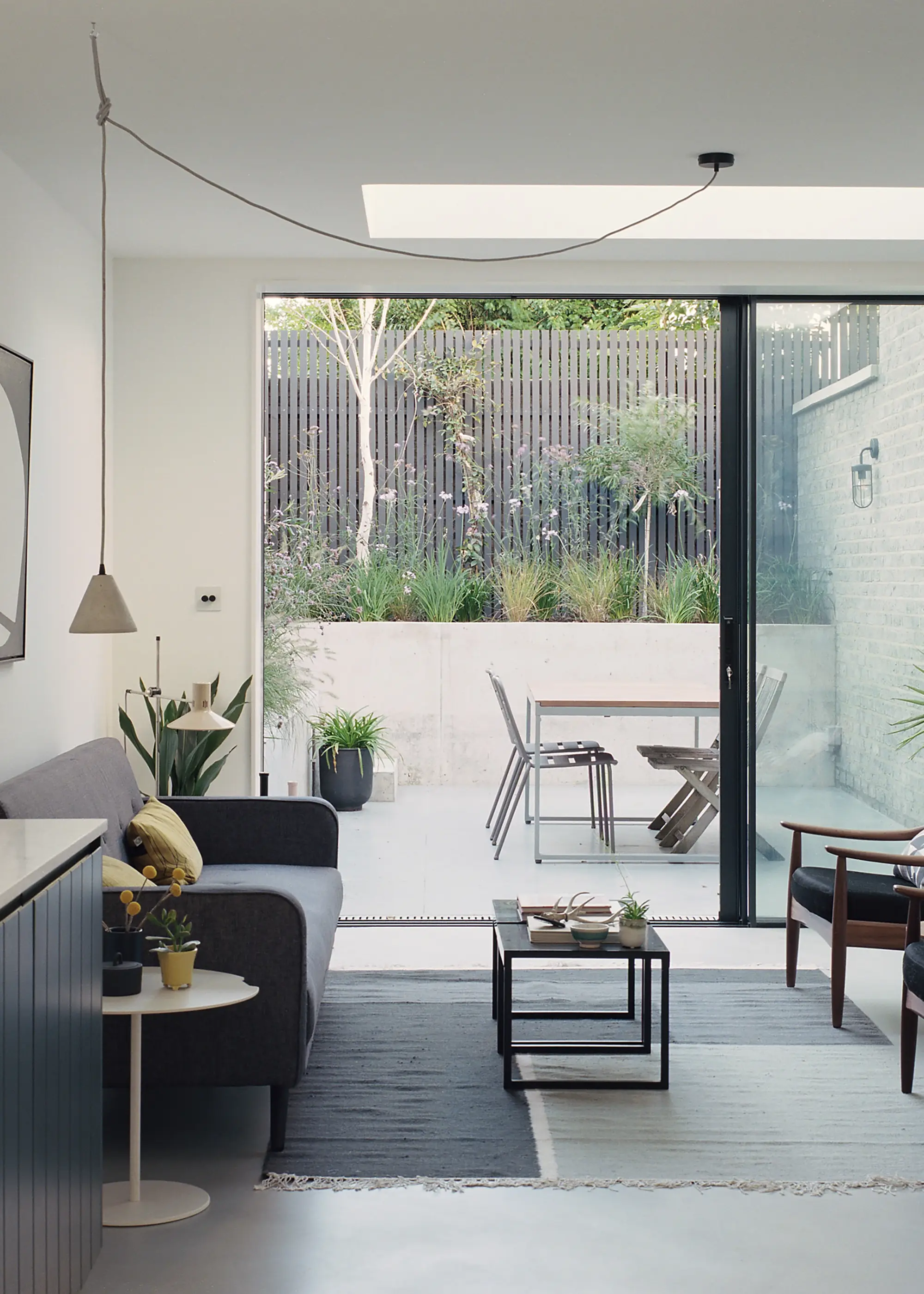
Photo: Rory Gardner
The ground floor features an open-plan kitchen/dining/living area, which helps the narrow floorplan feel spacious. Private gardens to the front and rear expand the layout, with floor to ceiling glazing blurring the boundary between interior and exterior.
70m² self build on a waterside Highland site
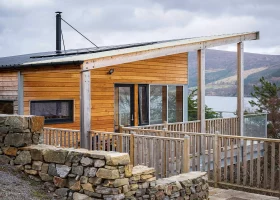
On a challenging Highland site where space and access were limited, this compact 70m² home turns constraint into character. Build It readers Alice and Moz Mikietyn opted for a straightforward, box-like timber frame structure allowing the architecture to focus on light, views and efficiency rather than complexity.
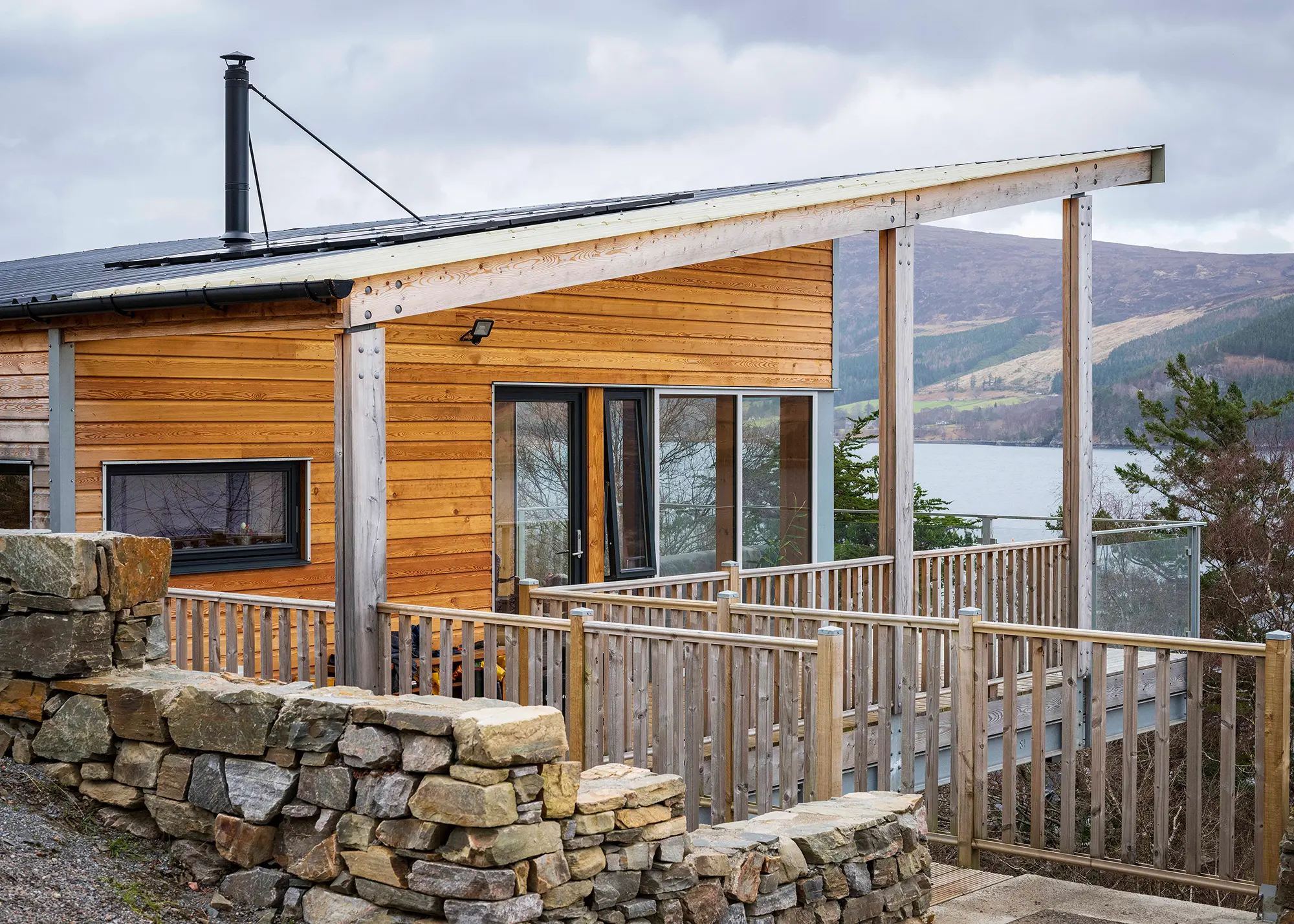
Photo: John Paul
Picture windows are positioned to capture sweeping sea views, while the open-plan kitchen, dining and living area is glazed on three sides to create a bright, airy atmosphere.
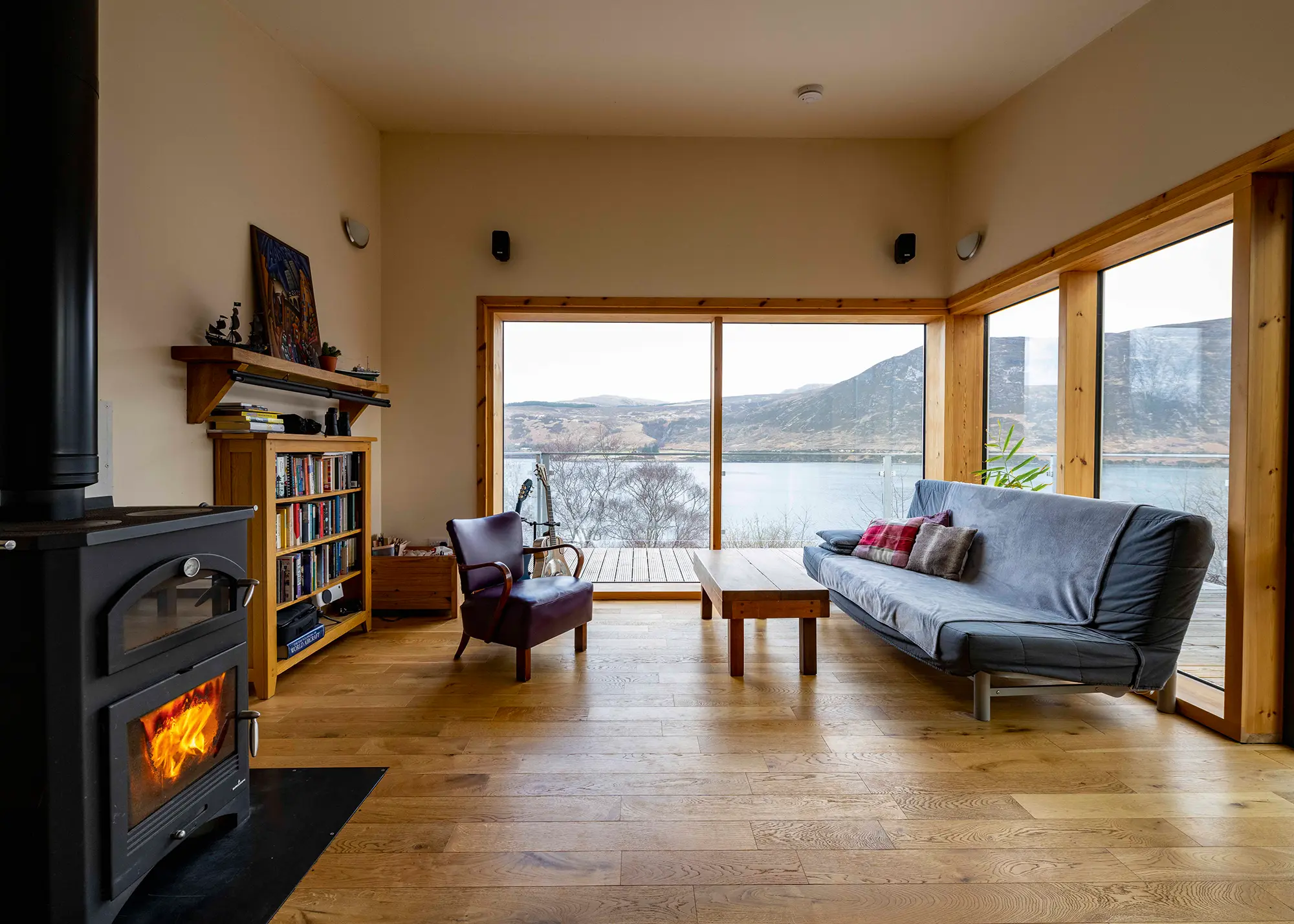
Photo: John Paul
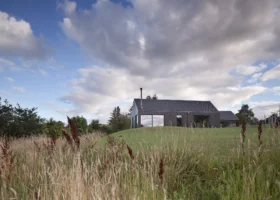
Built around passive heating principles and wrapped in larch cladding, the house includes two bedrooms, an office, mezzanine platforms and wraparound decking, delivering a surprisingly generous, clifftop home within a modest footprint. The home was designed by Northwods Design.
Contextual 68m² timber-clad self build in the Trossachs National Park
Tucked among the trees of the Trossachs National Park, Dene and Debbie Happell‘s 68m² home achieves a balance between compact living and striking design.
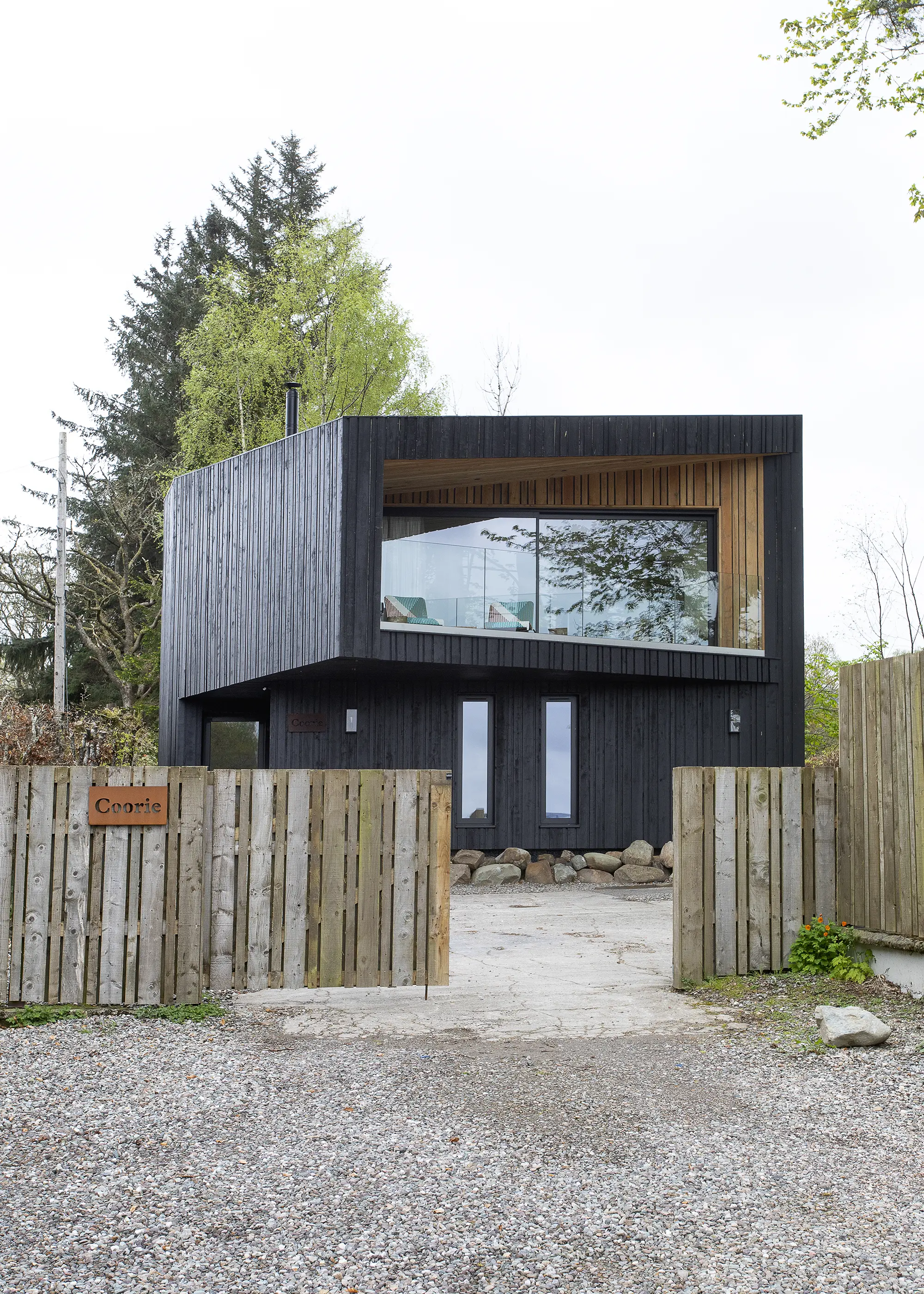
Photo: Douglas Gibb
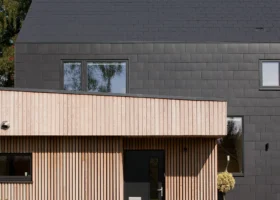
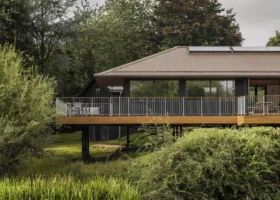
The design was shaped by planning requirements that insisted all trees remain, helping it blend into its woodland setting. Inside, bedrooms occupy the ground floor, while a dramatic open-plan living space opens onto large picture window views of the loch and countryside.
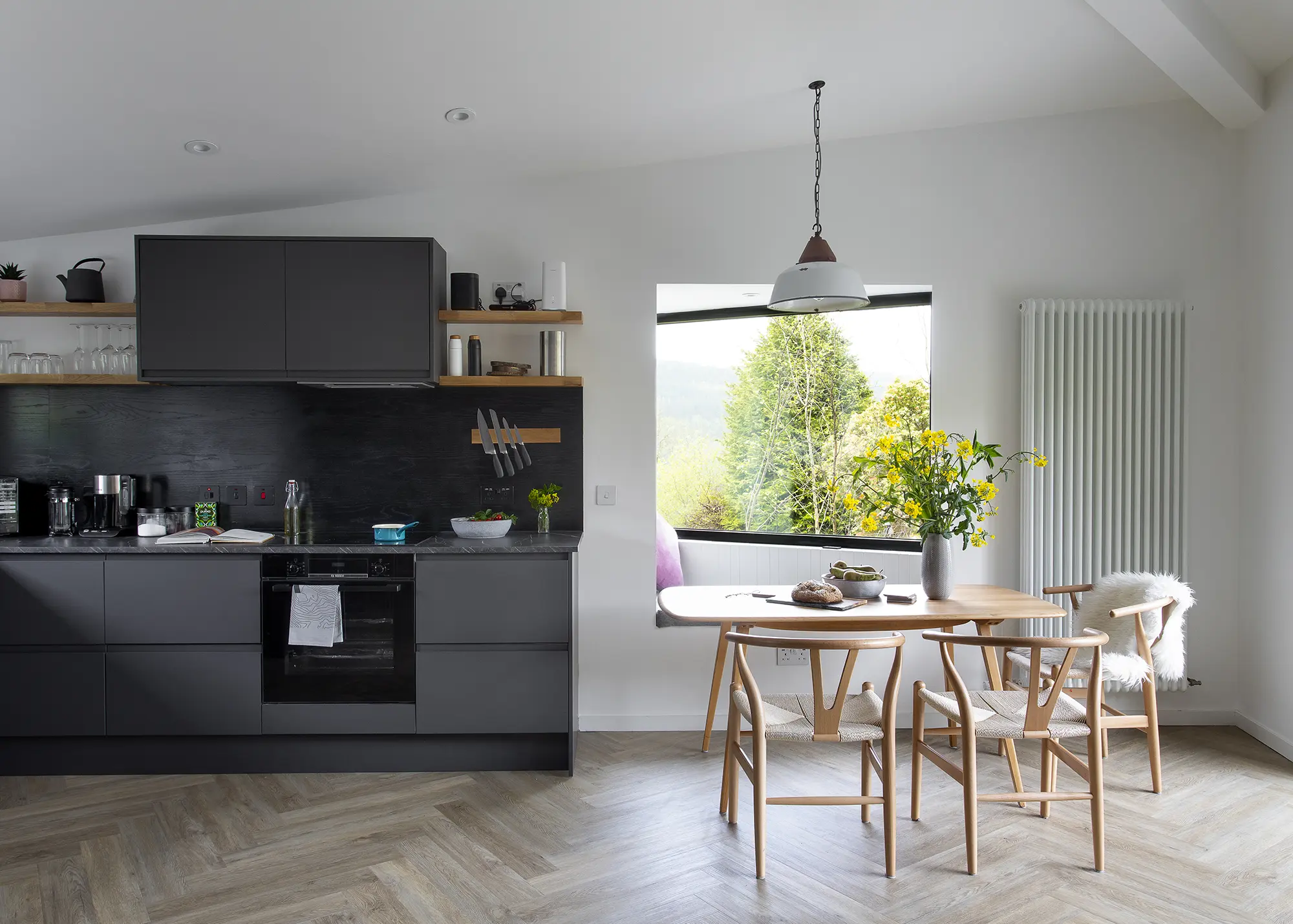
Photo: Douglas Gibb
Triple glazing and thick insulation within the Fleming Homes timber frame deliver impressive energy efficiency in the harsh Scottish climate.
Building a small home

Neil Stephen is director of Dualchas Architects and HebHomes, a package home company delivering architect-designed timber kits as supply + erect or full turnkey across Scotland, the UK & Ireland
How can a self builder focus their budget to maximise a tight plot?
My advice would always be to not build bigger than you really need to. It can be tempting, when setting out on your building adventure, to feel you have to create an architectural feat. Instead, think about what you want out of your home, which rooms will be used most often and the atmosphere you want to have in each. Put your budget into getting the initial design right so you know your house is going to work for you.
Equally important is to put thought and a good portion of your budget into creating an effective building fabric that can help create a comfortable environment without the need for expensive additional systems. Finally, glazing is a more expensive aspect of a home, but putting a little extra into this pot will mean you increase natural light levels, frame spectacular views and blur the boundary between inside and outside to create the illusion of a larger floorplan.
What features are key to consider when designing a small home?
How you respond to the site and the views is key. Survey your plot of land and highlight important aspects – such as the orientation, privacy, neighbours, sun path and views – that can be considered in your design.
High volumes, open-plan space and carefully placed glazing are also important. In a small home, features that enhance light, views and spatial flow can create a strong wow factor. Standout design features such as double-height zones, glazed gables, sliding or pocket doors and mezzanines make spaces feel larger and more dynamic.
What materials and finishes tend to work best in a small space?
With a tighter floorplan, keep the palette limited to enhance the connection between rooms. Distinct aesthetic choices between areas will only emphasise its size. Textured materials will add depth and subtle differentiation without over cluttering your senses. However, there is no need to limit yourself to neutral shades, as painting a whole house white can make the space seem sterile and uninviting. The most important thing to remember is cohesion. Timber-lined walls and ceilings also work well with smaller self builds, as they draw the eye upwards, elongating the interior space.
Adaptable family home built using a prefabricated timber structure
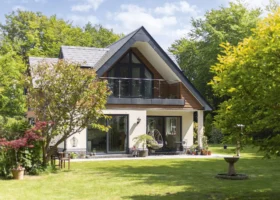
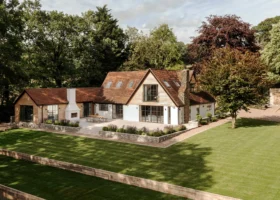
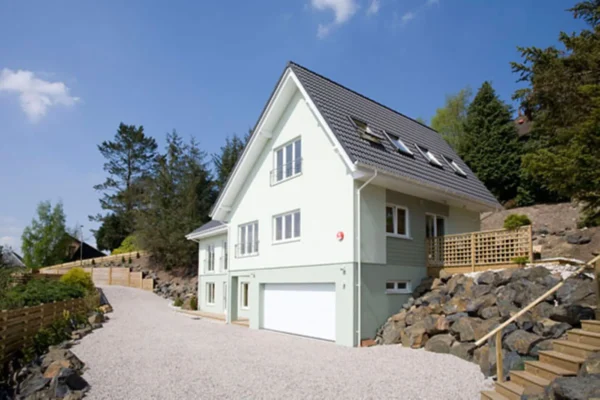
Choosing to follow Lifetime Homes principles from the outset, the owners of this property set out to create a house that could adapt with them over time.
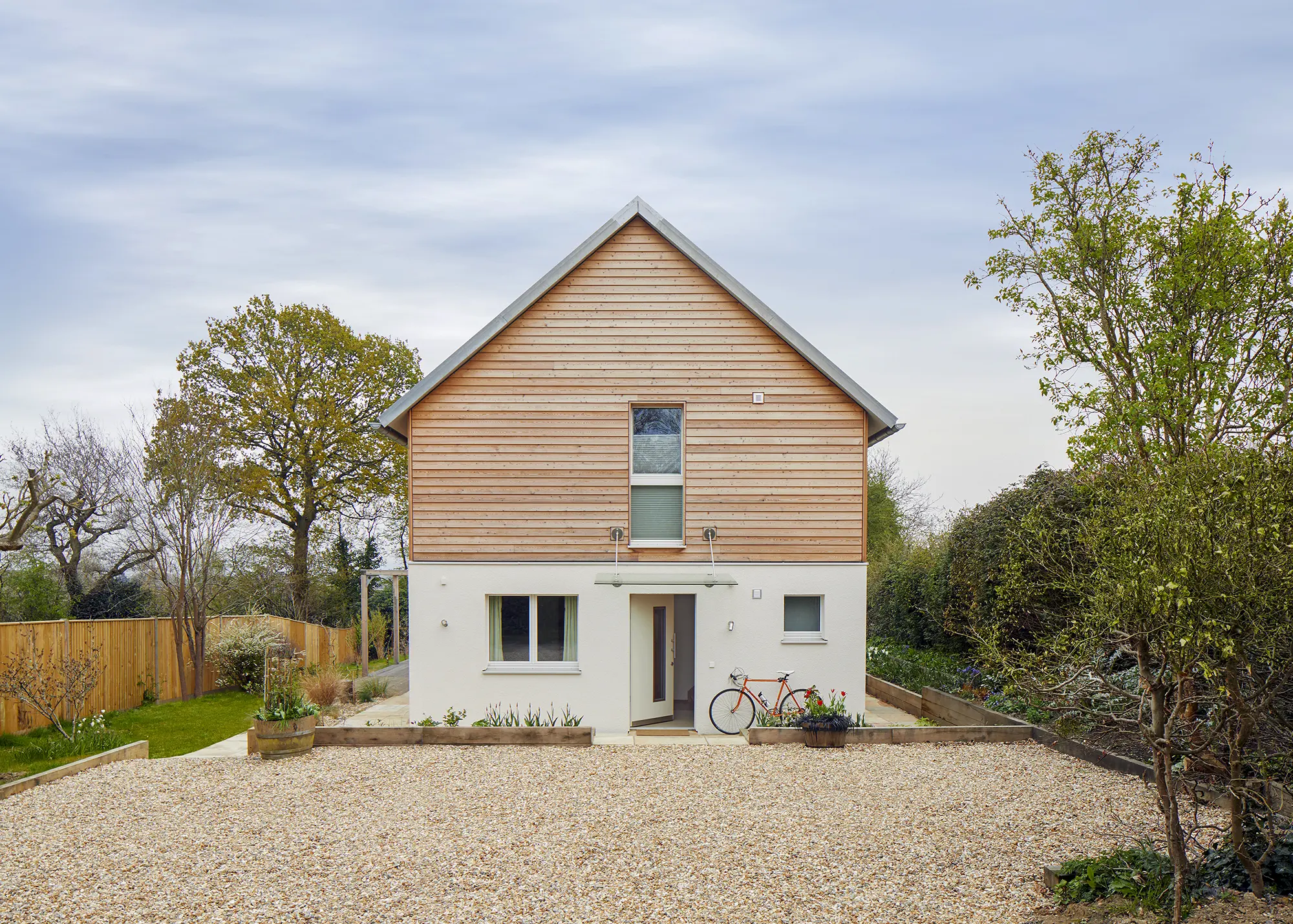
Photo: Baufritz
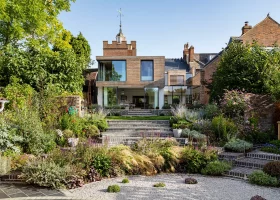
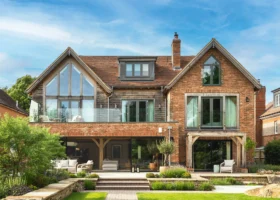
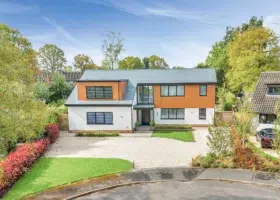
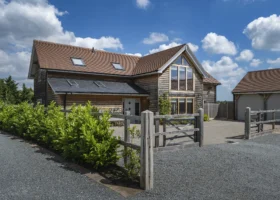
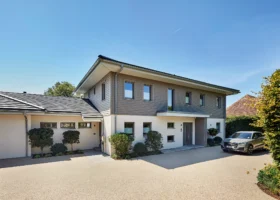
Designed by The House Designers and built by Baufritz, the scheme carefully responds to planning constraints that required it to remain subservient in mass and height to its neighbours.
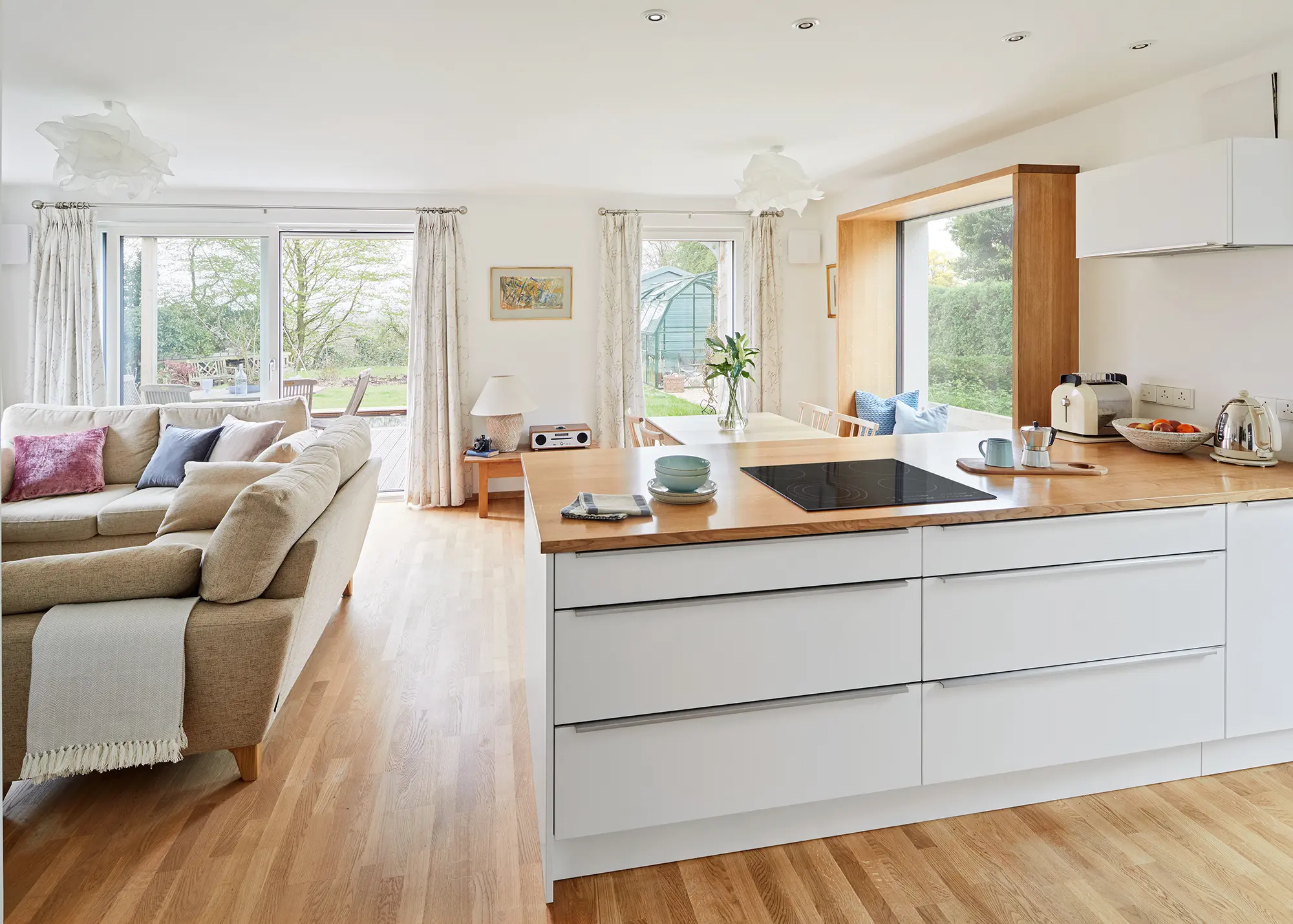
Photo: Baufritz
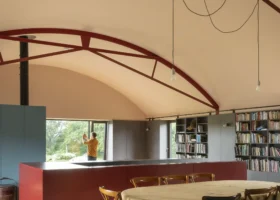
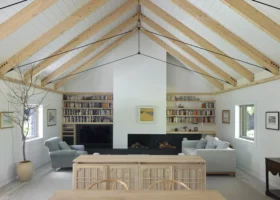
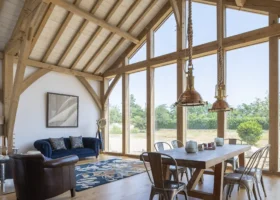
The design enhances the sense of space through a single-room, open-plan ground floor, generous south-facing glazing and strong connections to the outdoor terraces which overlook the South Downs. Bedrooms are discreetly integrated within the loft area, a European-inspired approach that maximises usable space and flexibility.
Unique three-bedroom family home on a corner plot in South London
Built on a small patch of grass bought at auction, this three-bedroom house in South London highlights how creativity can deliver exceptional results on a modest plot.
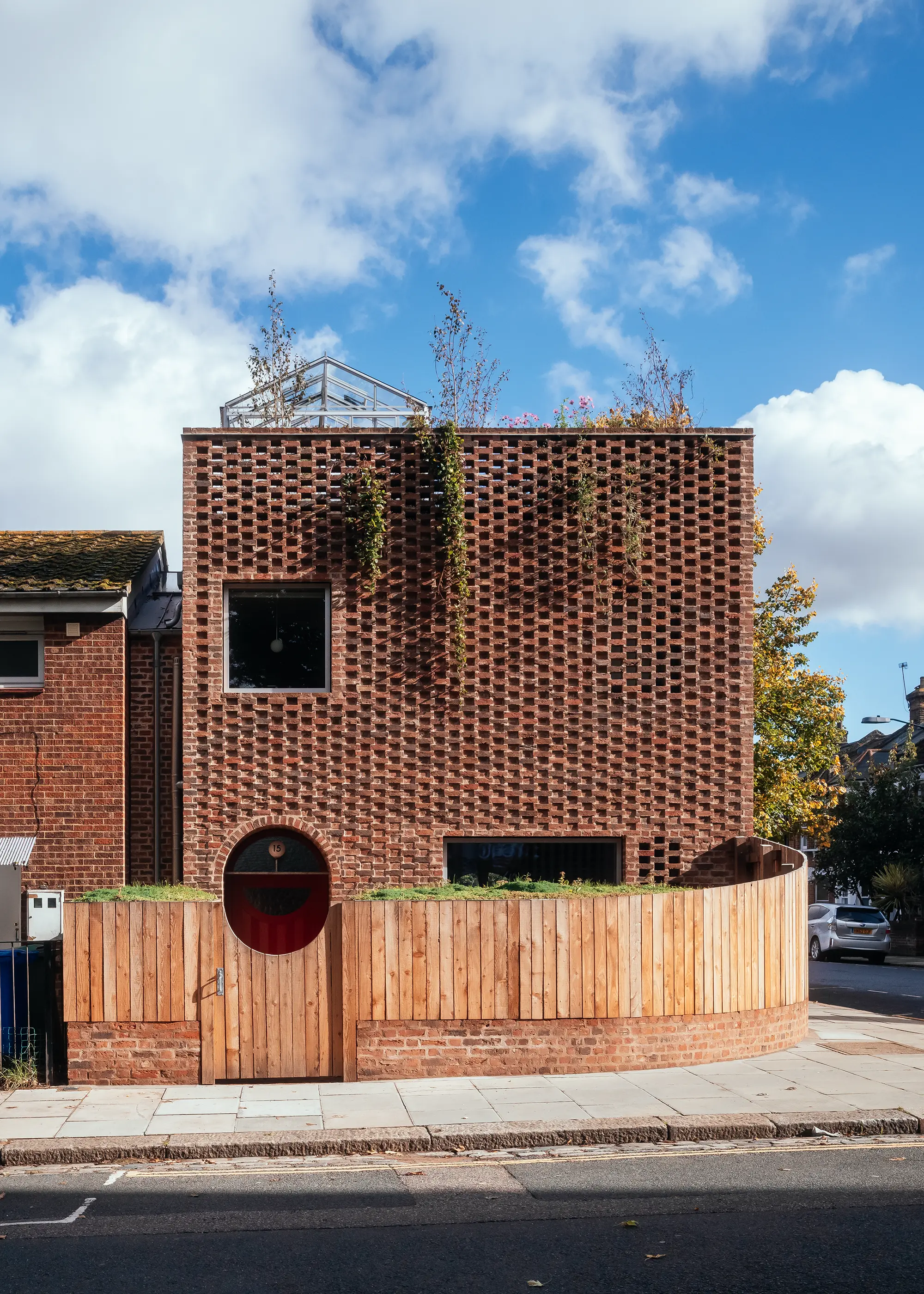
Photo: Jim Stephenson
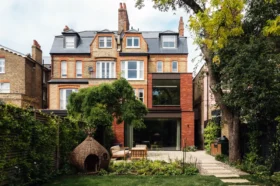
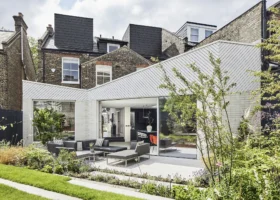
Designed by Surman Weston, the house uses hit-and-miss brickwork to soften its rigid form. A flat roof aligns with the neighbouring ridgeline, creating a discreet third garden above.
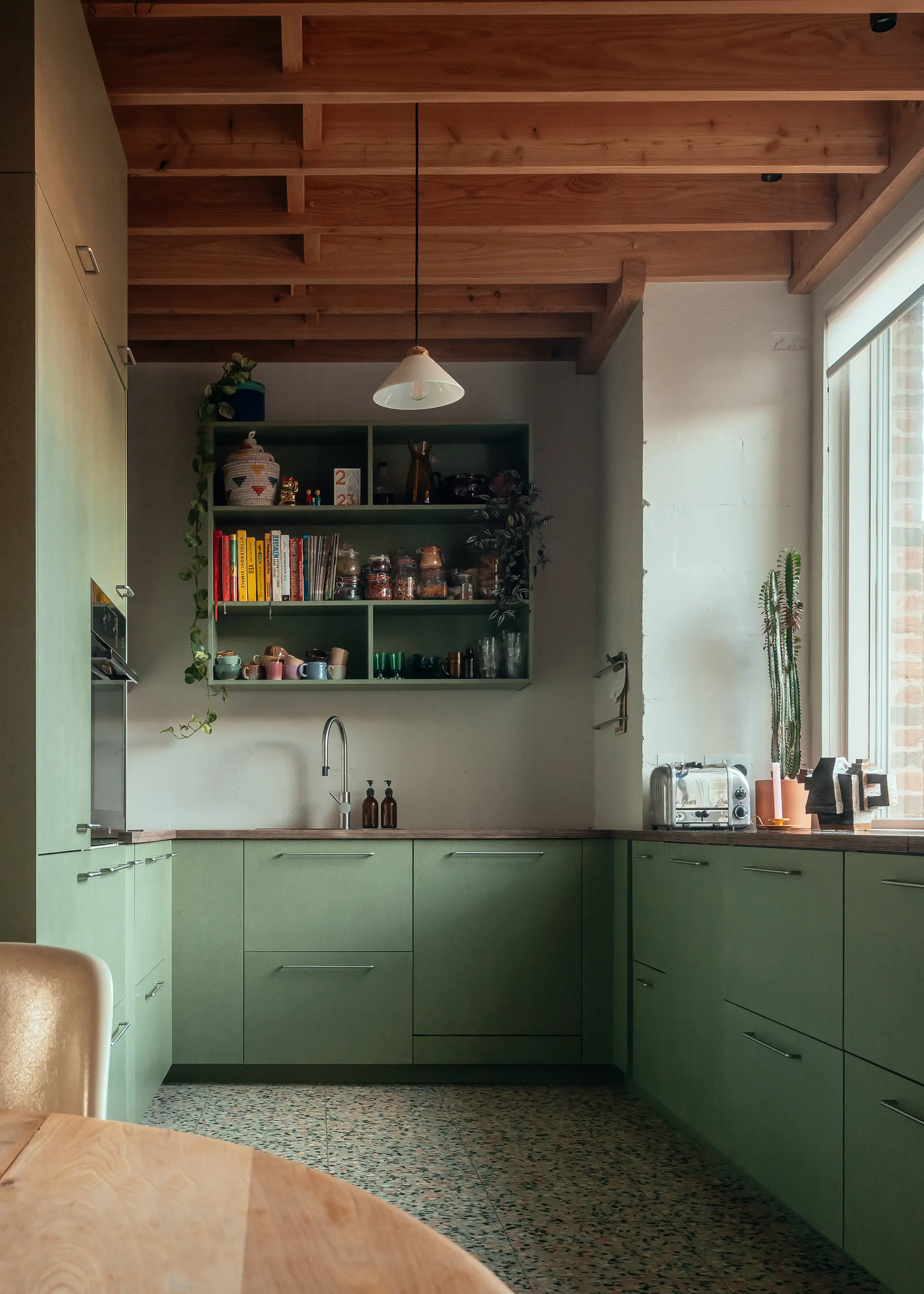
Photo: Jim Stephenson
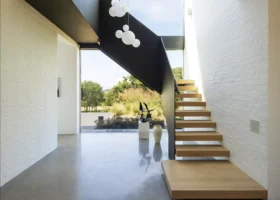
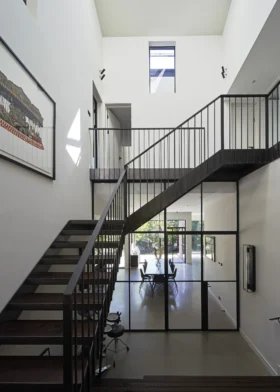
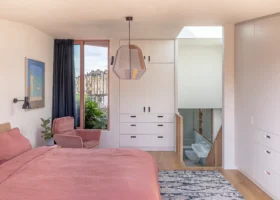
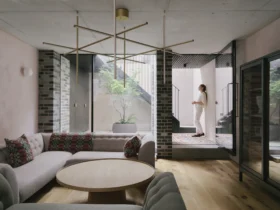
Inside, widened circulation and rooflights pull daylight deep into the plan, while tactile materials and a highly insulated, low-energy envelope ensure comfort and efficiency throughout.
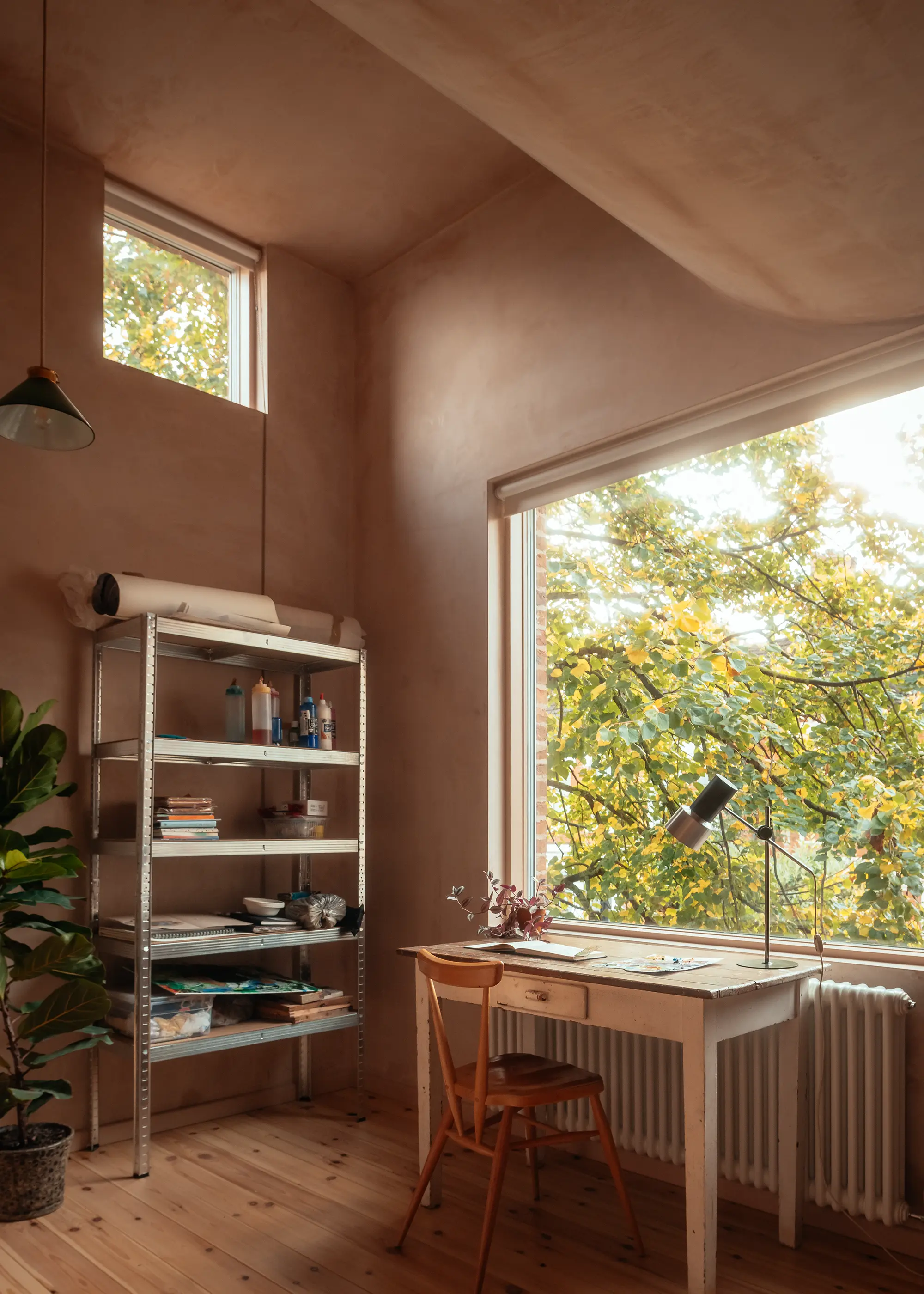
Photo: Jim Stephenson
Scarlett Deamer
Previous Article
Designing & Planning a Plant or Utility Room – Your Complete Guide
You may be interested in
Our sponsors