






























 Login/register to save Article for later
Rebecca Clayton is communications director at IQ Glass, one of the UK’s leading architectural and structural glazing companies specialising in bespoke projects.
- Plan ItBack
- Design ItBack
- Build ItBack
- Homes
- ProductsBack
- CostsBack
- Self Build Cost Calculator
Estimate your project costs instantly with Build It's interactive self-build cost calculator
Calculate Now - Costs & Finance
- Contracts & Warranties
- Build It Estimating Service
Get an accurate, detailed cost breakdown of your project
Submit plans
- EventsBack
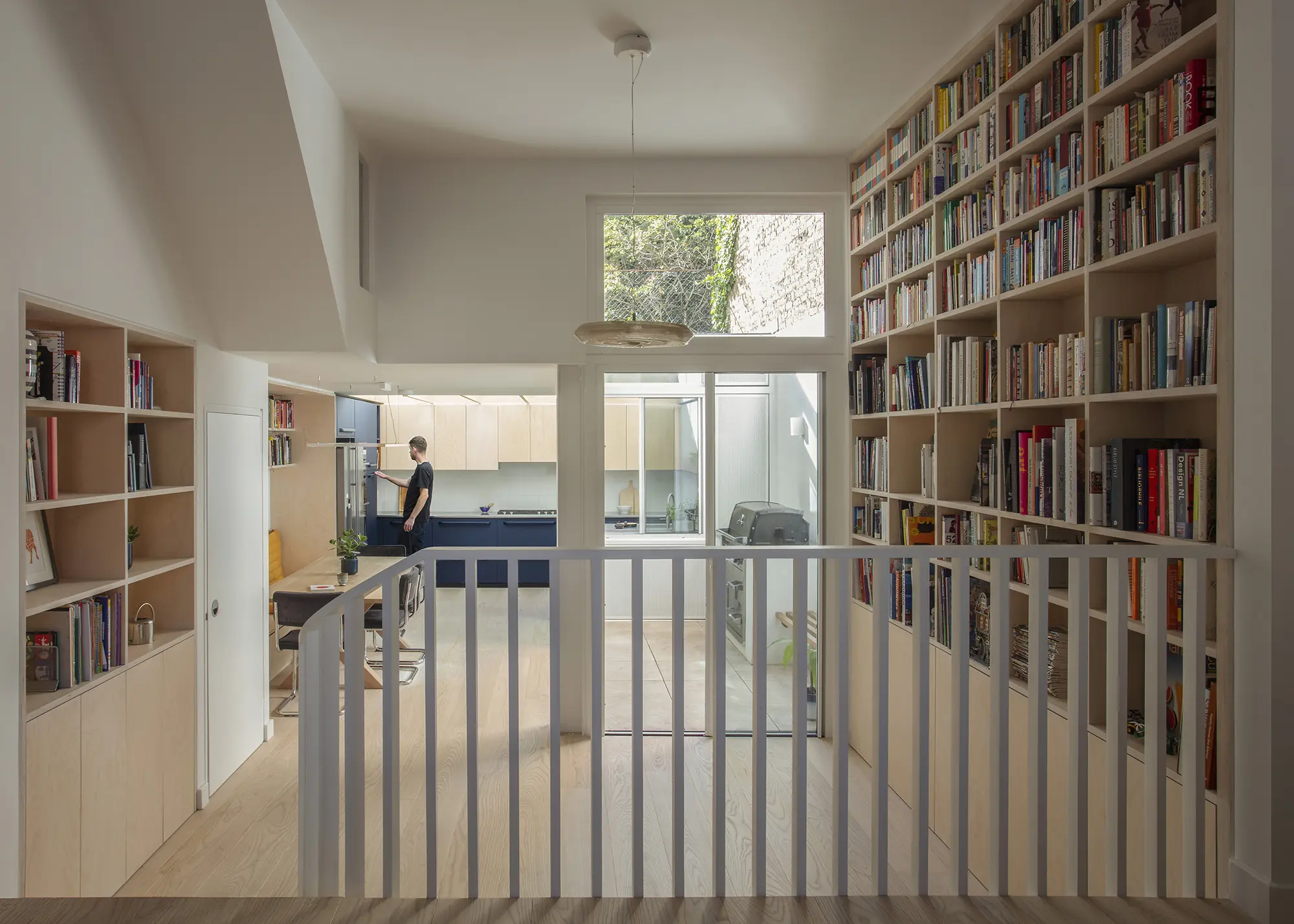
How to Get Internal Windows Right – Great Design Ideas & Interior Glazing Inspiration
Looking for internal window ideas or different ways to get natural light into your home? From doors and windows to striking atriums, Erika Chaffey showcases a range of solutions for maximising light flow and sightlines throughout your house

If you’re after a bright, light-filled and open house, it’s likely you’ve considered an internal window or interior glazing features – but what are the different options and where do internal windows work best? From glazed sliding doors to fixed picture windows, walk-on glazed roofs and glass balustrades for staircases, there are plenty of different ways that glazing can be used around the home to ensure a light, airy space.
So, what’s the best way to incorporate an internal window or glazing feature into your project? Whether you’re building a bespoke home from scratch, renovating an older house and looking to get more natural light into the different rooms, or even adding an extension to your current property, here I’m looking at a collection of 14 great internal window and glazing ideas to inspire your project plans.
Jump to internal window FAQs
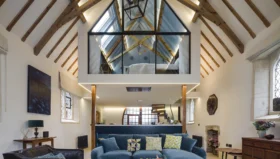
1. A walk-on internal window can help flood your whole home with natural light
Low-maintenance, extremely durable and capable of withstanding heavy foot traffic, glass flooring can create the illusion of space and provide a stylish feature. Anti-slip finishes are available for added convenience, too.
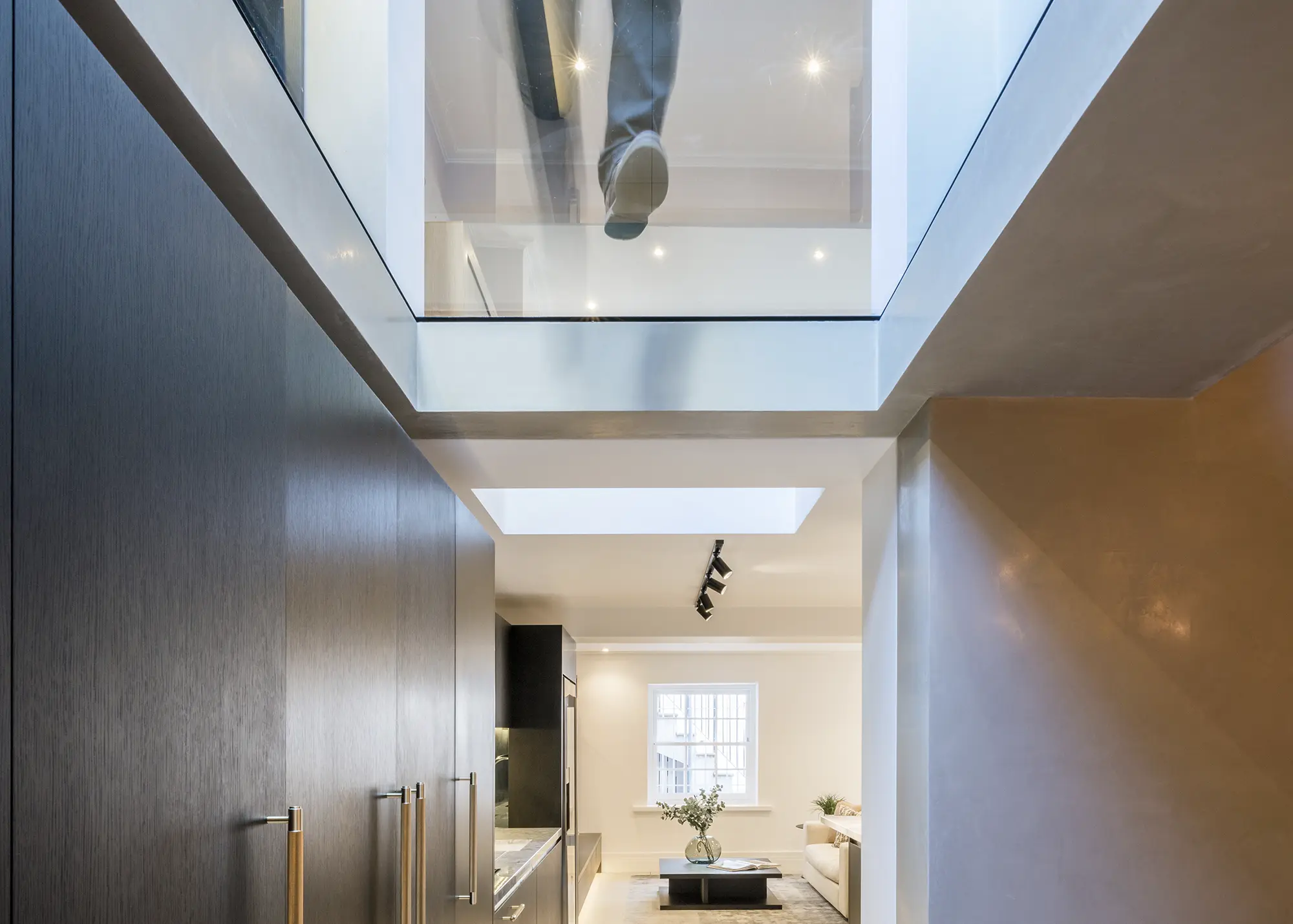
Photo: French + Tye
This double-storey rear extension project features a pair of structural glazed floors, flooding the whole home with light and adding a contemporary edge. The project makes use of IQ Glass’ impressive Invisio flooring as an overhead internal window.
2. Make your space feel bigger by pairing internal windows with glazed doors
In rooms with high ceilings, using glazing or installing an internal window above your doors is a clever way to avoid dark corners and ensure light can reach into each corner of your home.
Photo: Emanuelis Stasaitis
For areas where fully-glazed doors or walls may not be appropriate for privacy reasons, an elevated window enhances light flow while preventing direct sightlines into your space.
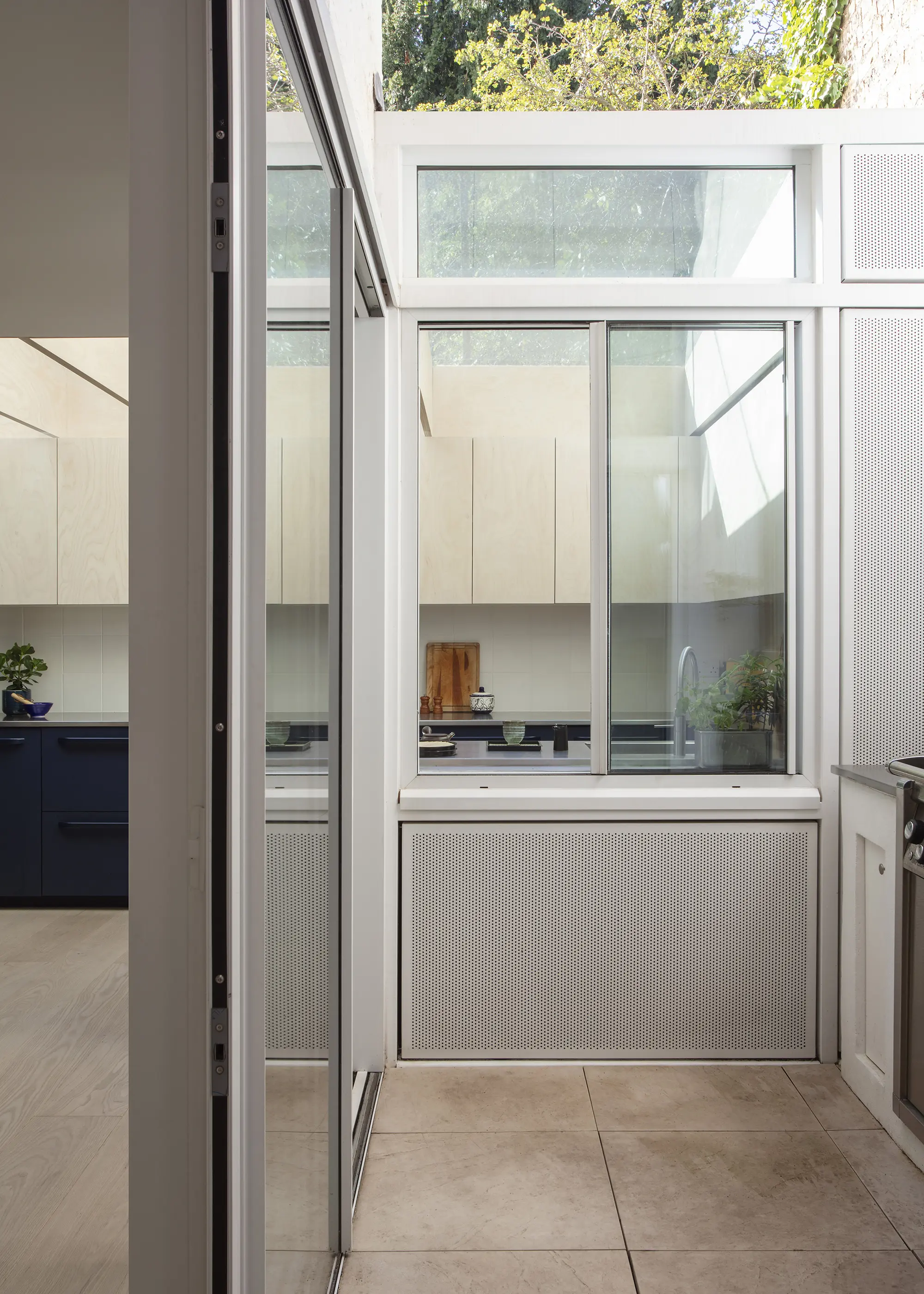
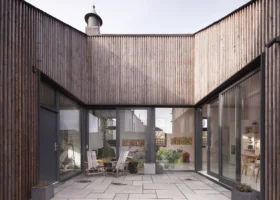
Photo: Emanuelis Stasaitis
Part of an extension project by Yard Architects, this design includes a courtyard suntrap with an added glazed panel above the sliding doors to maximise light from above.
Premium Content
Downloadable E-Guide
Build It’s downloadable e-guide to choosing windows & doors offers ideas and advice on every aspect of planning your home’s glazing and entrances, including expert tips on the key specification decisions you’ll face. Click below to find out more.
find out more
3. Incorporate your internal window ideas into your overall interior design scheme
Internal windows offer excellent sightlines through your home. They help to divide up different open-plan areas while maintaining a strong connection between them, and making your floorplan feel more open.
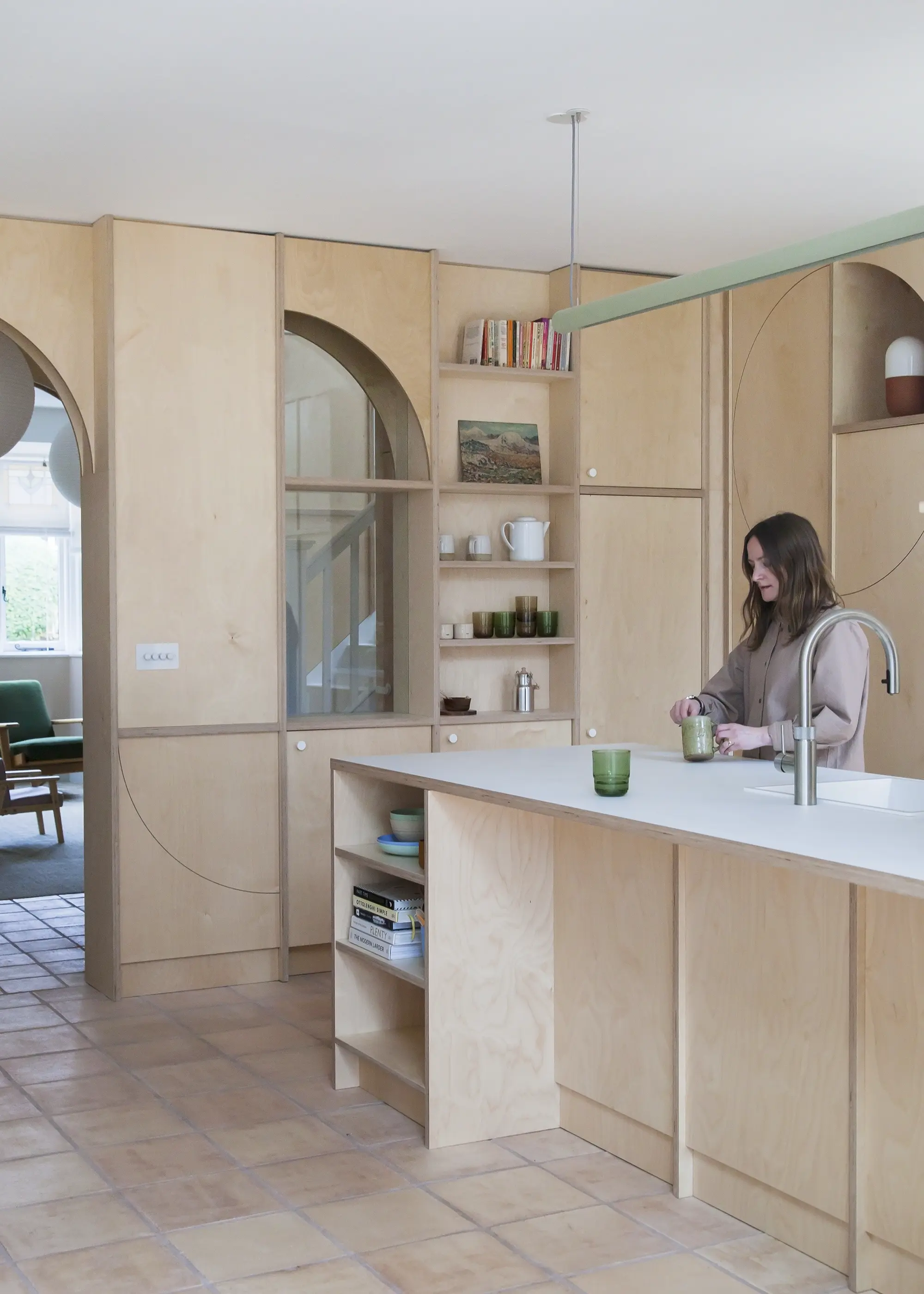
Photo: Megan Taylor
Double-glazed options bring the added benefit of great sound insulation to help establish separate zones, without sacrificing that visual link.
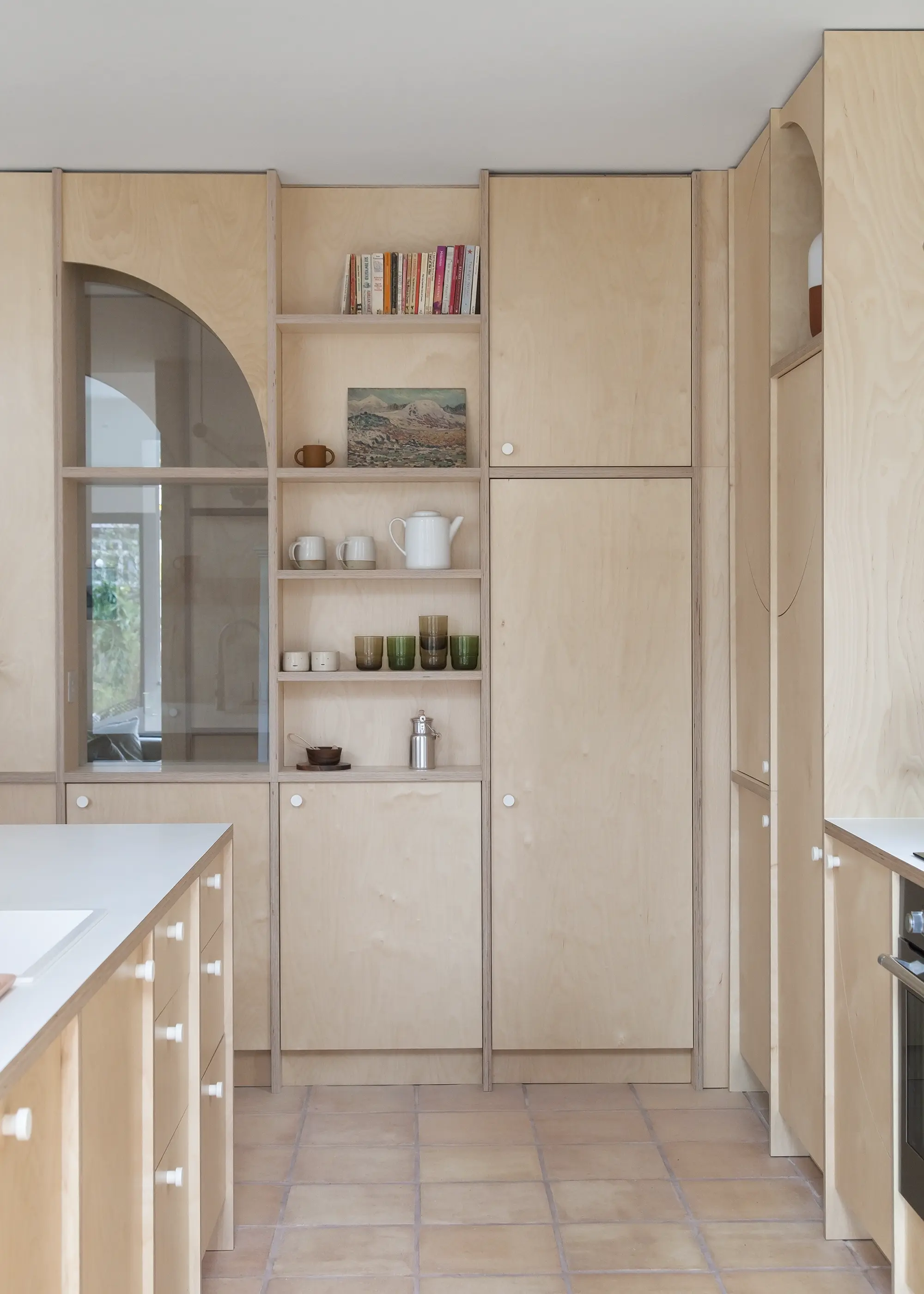
Photo: Megan Taylor
Designed by Nimtim Architects, this quirky curved window connects the kitchen and living room areas, while the soft plywood structure provides a clear distinction between the two uses.
4. Get light into your house with glazed internal doors
Particularly useful in family homes, glazed internal doors enable you to keep an eye on what’s happening in the next room, while working, cooking or relaxing in another.
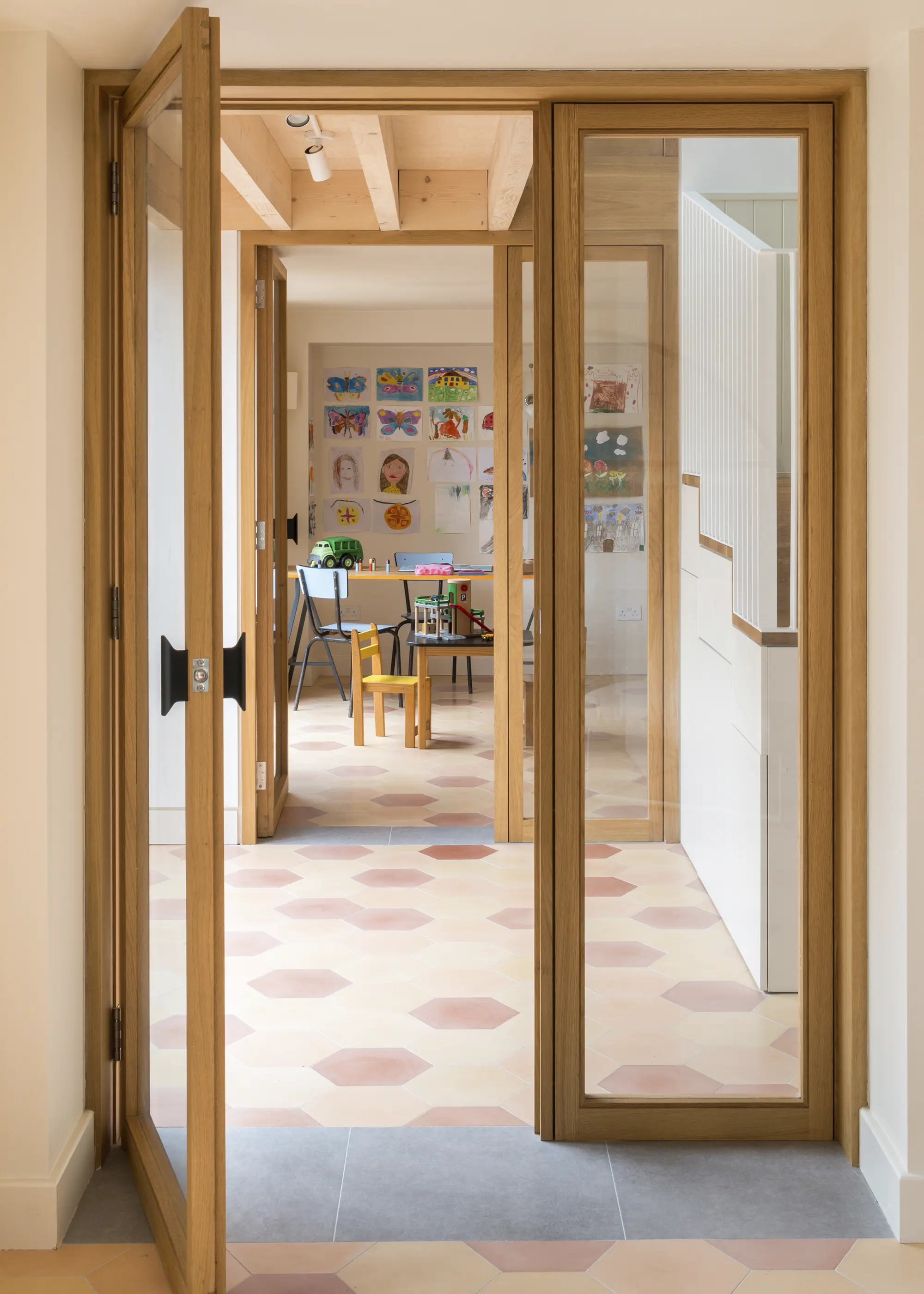
Photo: French + Tye
Part of a complete renovation project, Bradley Van Der Straeten Architects designed these full-height glazed doors that run over two storeys on both sides of the stairwell.
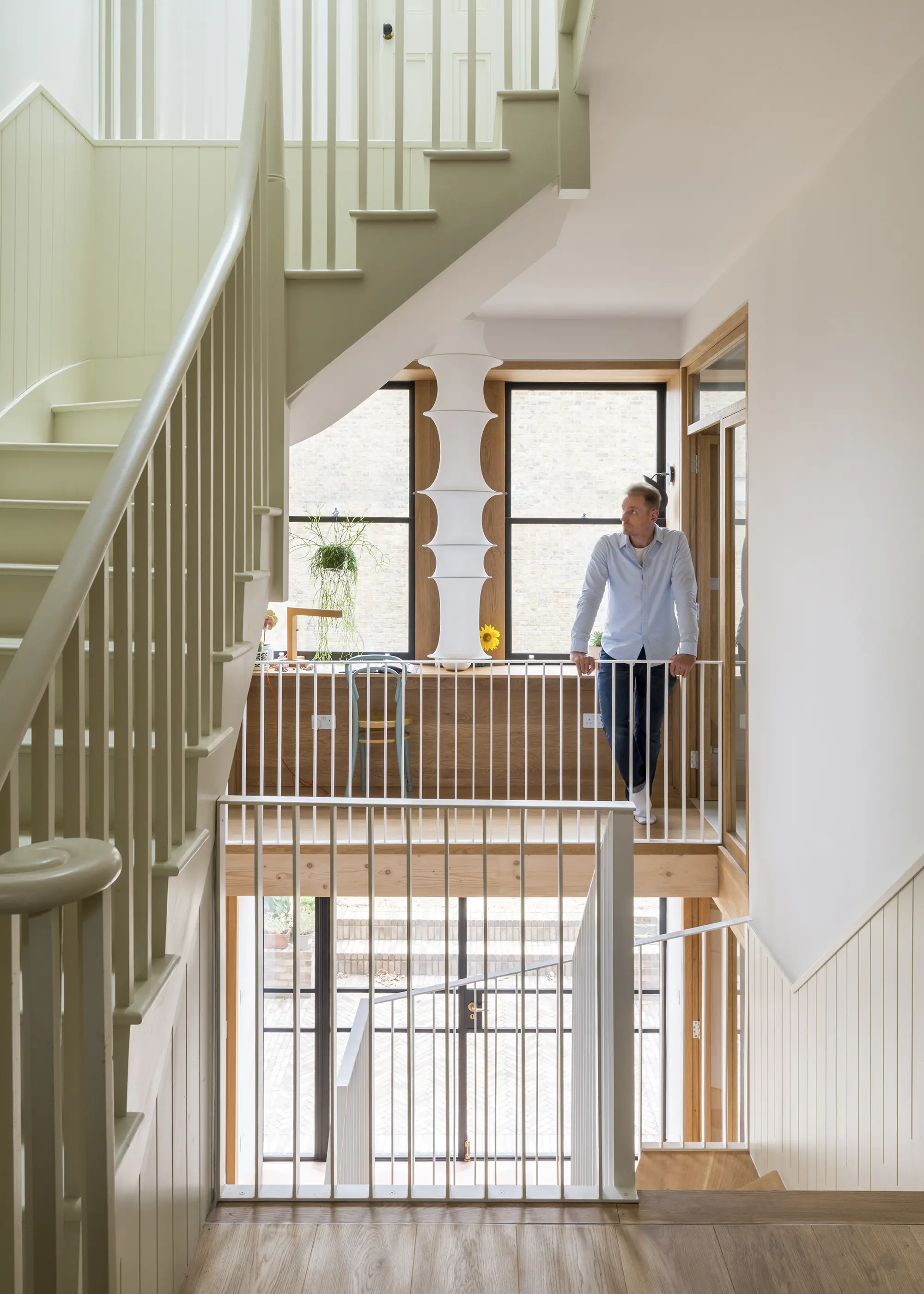
Photo: French + Tye
Complete with warm timber frames, they provide cross views through all the living spaces and help to create the illusion of a fully open-plan layout.
5. Use internal windows as part of a glazed atrium design
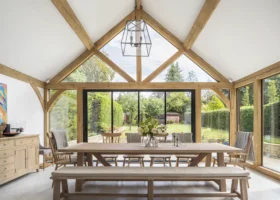
Adding a touch of luxury, an open-air glazed atrium serves as a stunning centrepiece, bringing sunlight into the core of your home. It can strengthen that sought-after indoor-outdoor connection and create a bright, open and airy atmosphere internally.
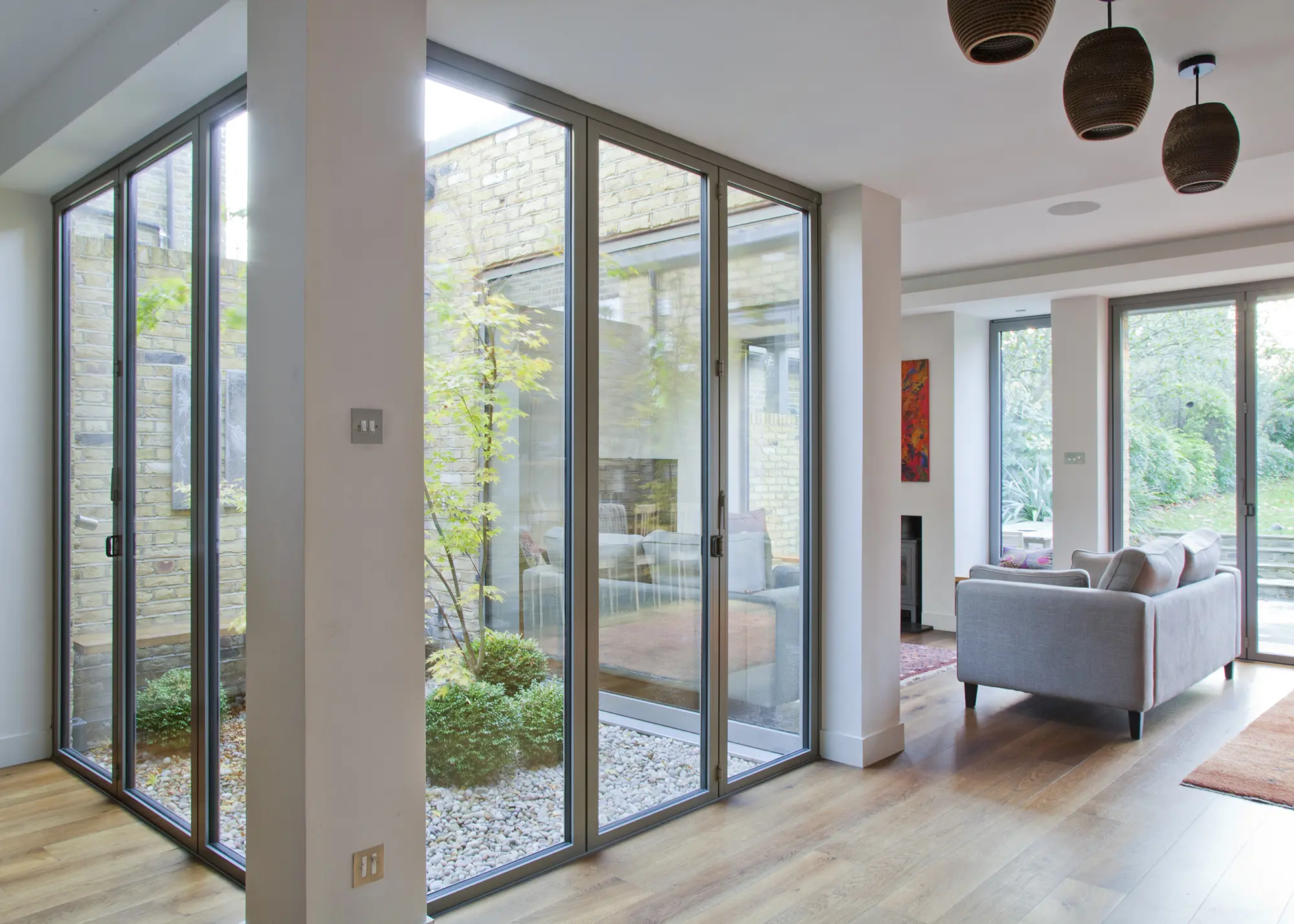
Photo: Clive Sherlock Photography
Opting for a rooflight or overhead internal window can provide a snug courtyard space to enjoy, whatever the weather. Paired with fixed frame glass, the SF75eco aluminium bifold doors from IDSystems start at £850 per m².
6. Divide up your interior spaces with sliding glazed doors
Glazed sliders are ideal for maintaining an effective flow between rooms while saving on space. Frosted or tinted glass options can also help to ensure privacy where necessary.
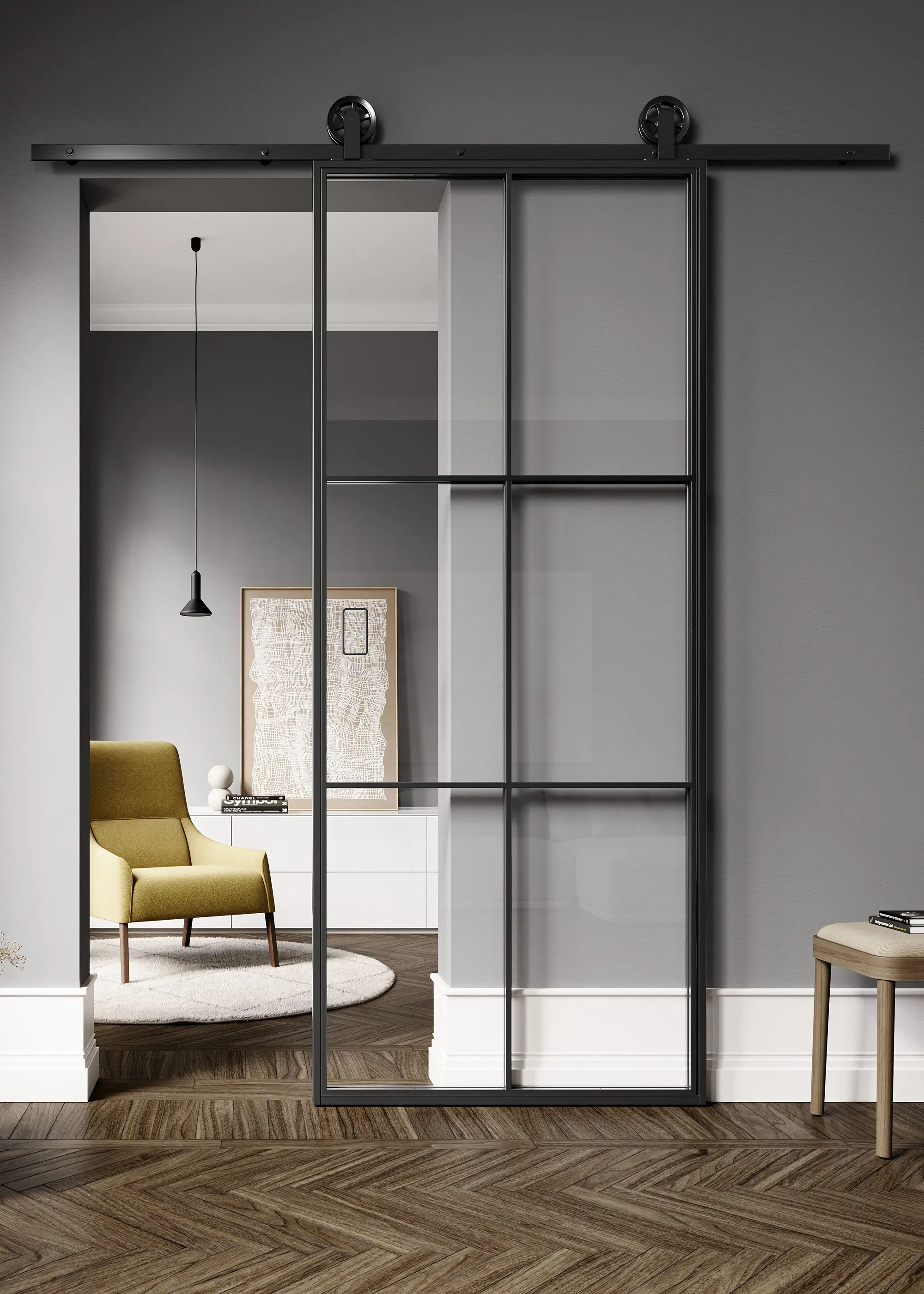
Photo: Hormann
This eye-catching design from Hormann is made with a steel frame and features a statement exposed track and rollers for an industrial look. The glazed doors are available in a single or double leaf option.
7. Section off an open-plan layout with internal windows & heritage-style glazed doors
Paul Archer Design masterminded this family home renovation and extension, which involved excavating to create a spacious, bright and open basement living area and cinema room. The zone is sectioned off with heritage-style glazed doors and fixed internal windows, ensuring natural light can reach the full, open-plan zone without feeling cut off.
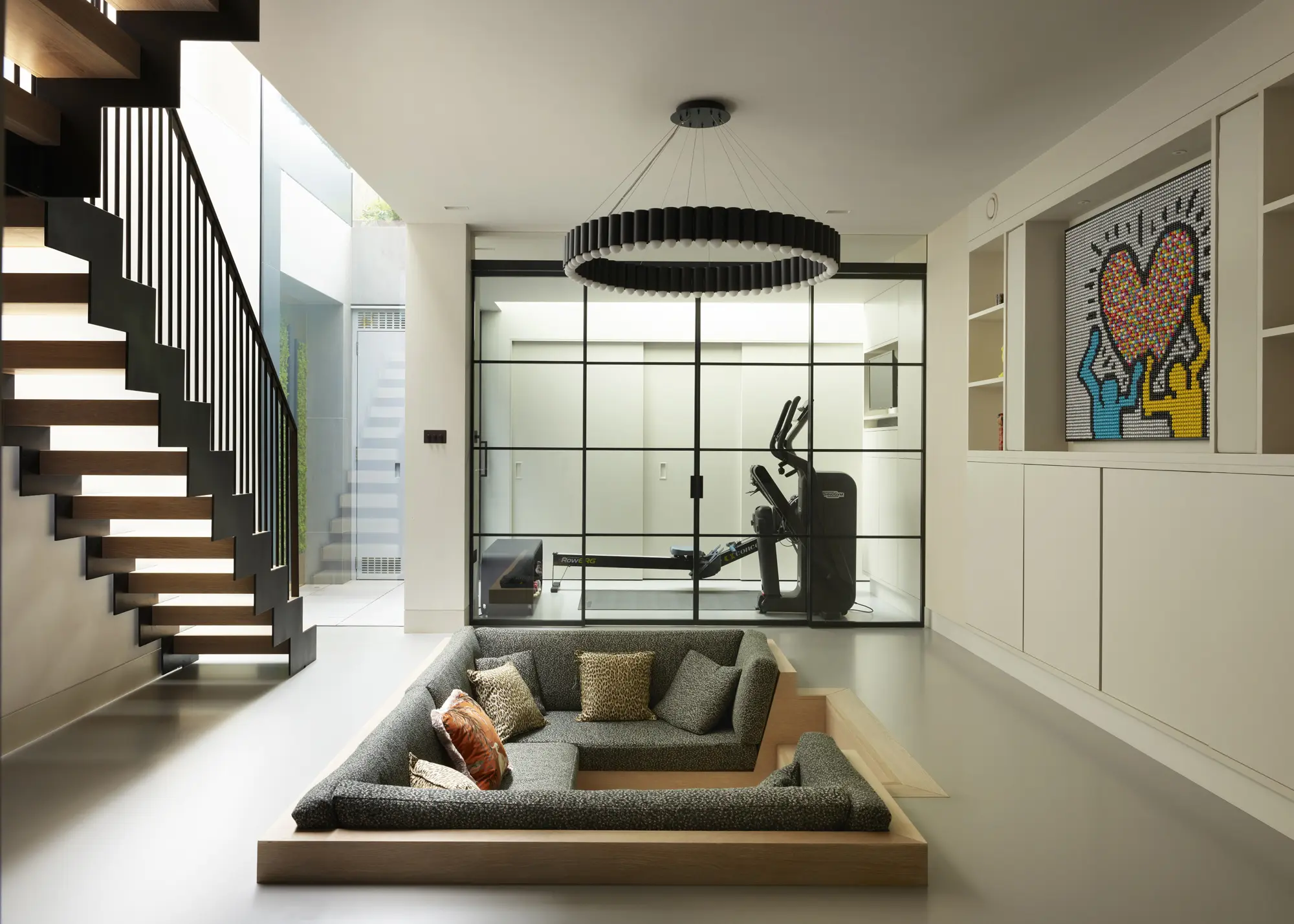
Photo: Rachael Smith
A striking glass infill connects the ground floor to the basement zone, establishing a double-height void over a new staircase leading from the kitchen, dining and living room, down to the new space.
8. Pair your internal windows with glazed room dividers
Fully-glazed room dividers serve as an eye-catching focal point in your interior scheme, and offer a practical solution for incorporating built-in flexibility. Pair them with an internal window to maximise light flow and create wow factor.
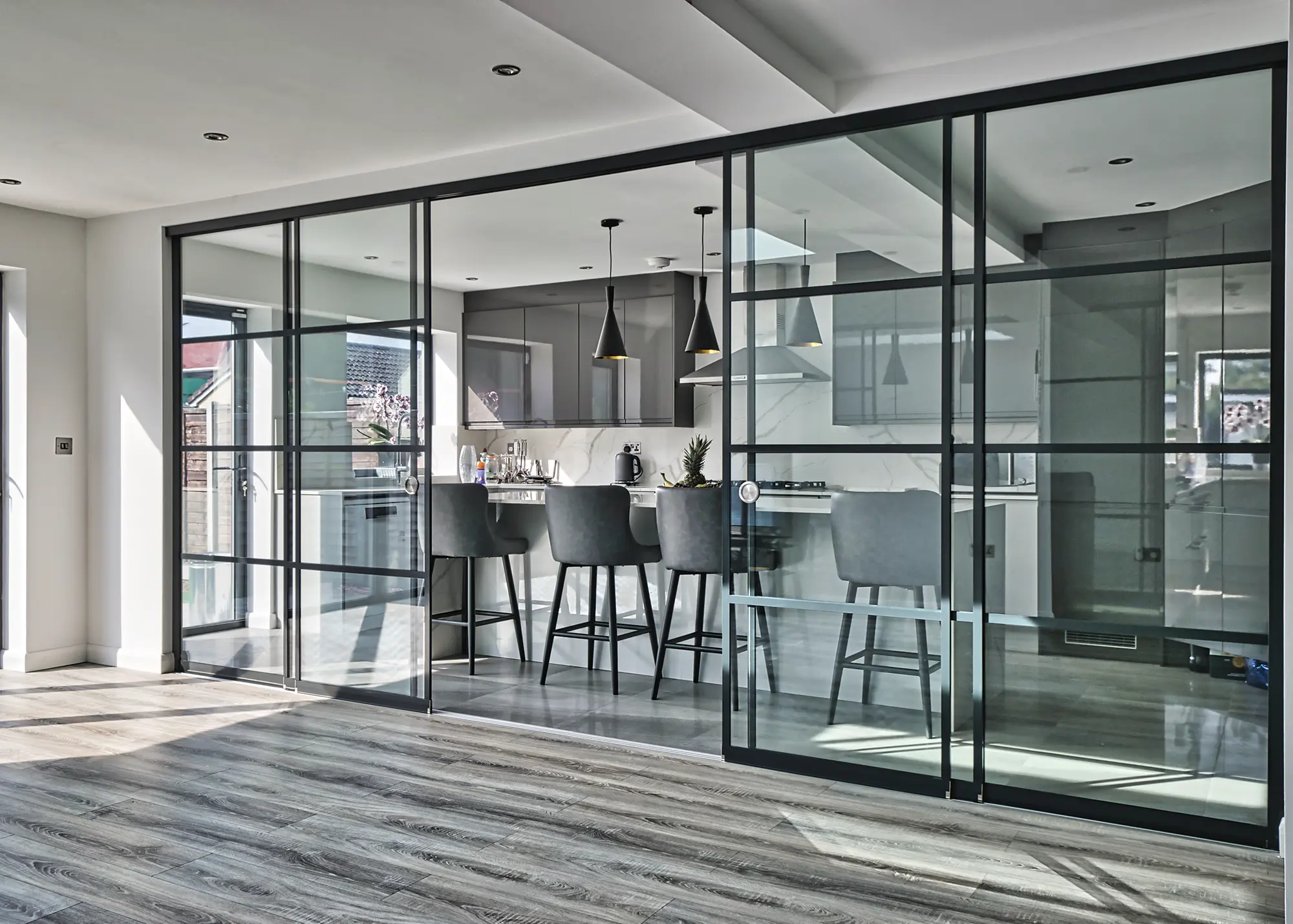
Photo: Tradephotographer.com
They allow you to section your rooms off or open them up into one large open-plan area when needed, all without cutting off light flow between the two zones and beyond. With slim-line black frames and glazing bars, this six-screen centre-opening SF22 glass partition is from IDSystems.
9. Specify a wow-factor glass balustrade for your staircase
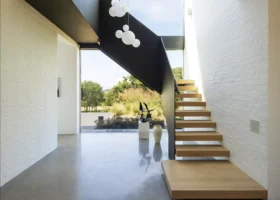
A glazed staircase balustrade helps to maintain the flow of natural light through your floorplan, without your staircase creating a visual barrier. Opting for invisible fixings on your banister, treads or structural elements, creates an ultra-sleek, seamless finish that gives the appearance of a floating flight.
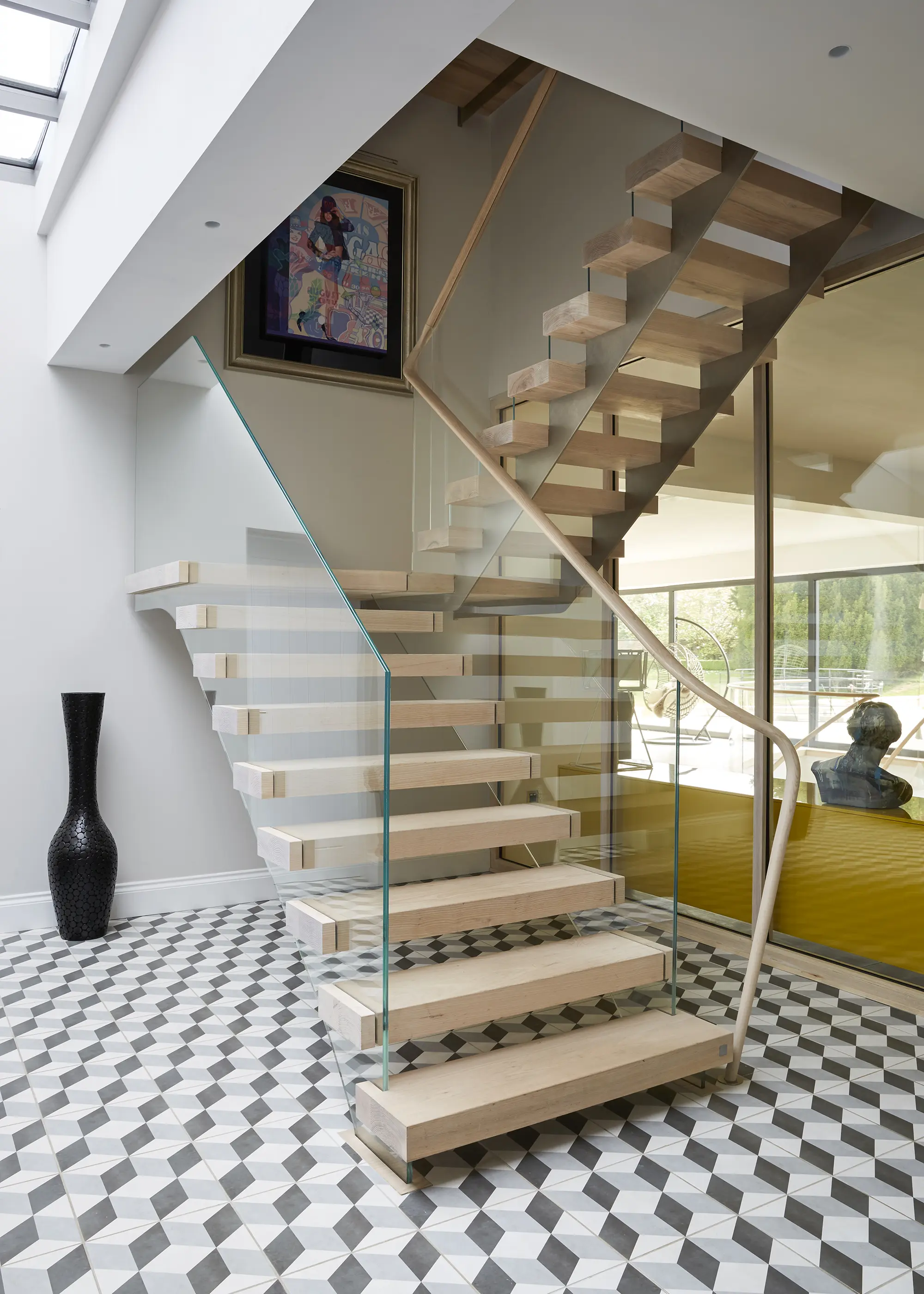
Photo: Bisca
This elegant design by Bisca features a glass balustrade with timber treads, allowing sunlight captured via glazing at the rear of the property to diffuse through to the front of the house.
10. Transform a basement space with internal windows & glazed doors
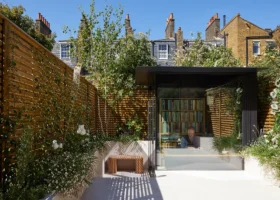
Designed by Yard Architects, this four-storey terraced home, situated in a north London conservation area, has been completely transformed with a rear and basement extension. The subterranean zone adds substantial living space to the house in a location where the possibilities for lightwells are fairly limited by conservation area planning rules.

Photo: Emanuelis Stasaitis
The design uses vertical glazing to draw light and views into the basement, complemented by internal windows and glazed partitions that make the underground space feel as bright and functional as the rest of the house.
11. Add a glazed link to your house design to maximise natural light
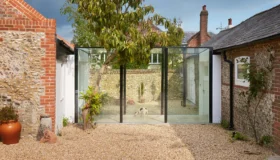
This extension project by Paul Cashin Architects is a lesson in creatively combining old and new. Suetts Farm is a listed, timber frame and brick home near Winchester, which dates back to the 17th century.
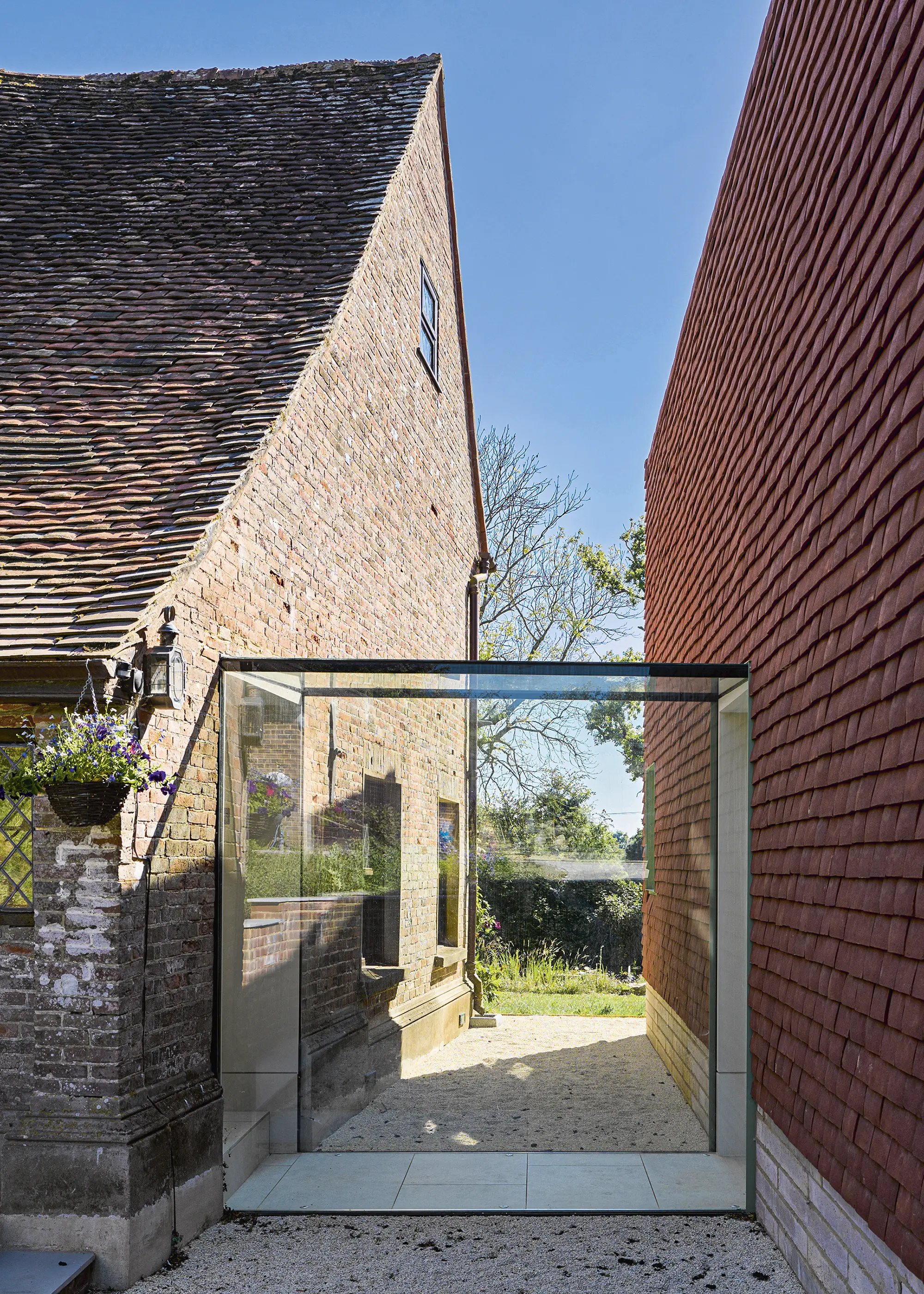
Photo: Lance Mcnulty
The contemporary addition juxtaposes the original dwelling and has been designed as an independent structure, connected to the historic home via a sensitive, frameless glazed link by IQ Glass. A glazed link can be used when connecting two structures, allowing plenty of natural light to reach both zones.
12. Incorporate high-level clerestory widows to ensure light goes further
When Sarah and Ian Bennett relocated from London to Edinburgh five years ago, taking on a major renovation was not on their agenda. Their main priority was to find a traditional property with lots of natural light internally. However, an unusual Victorian villa conversion in a south-west suburb of the city proved an irresistible pull for the couple.
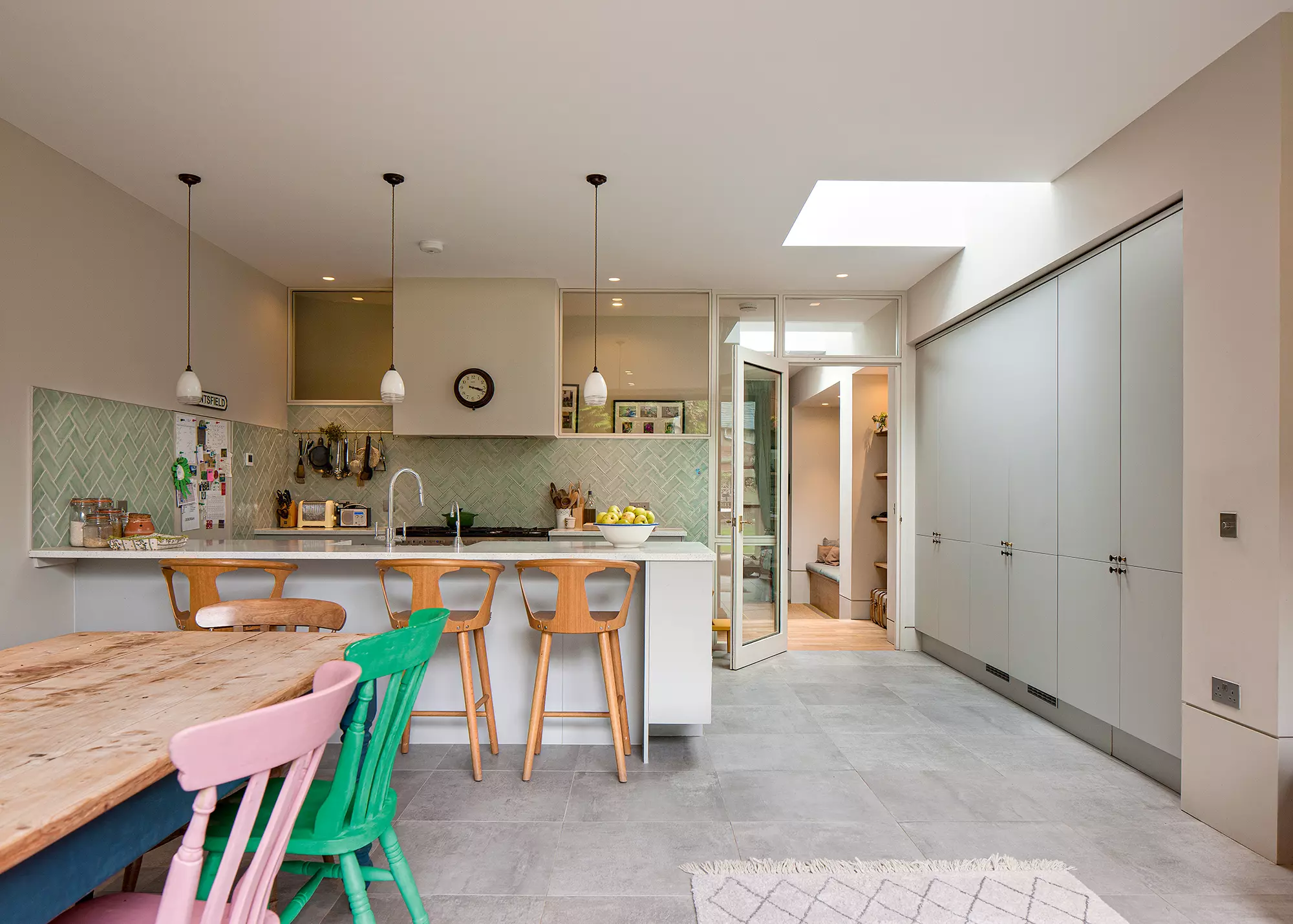
Photo: David Barbour
The couple completely transformed the house with an open-plan kitchen-dining-living space with a 4m-wide span of glazed bifold doors that completely opens up to the garden, maximising sunlight into the space throughout the day. The internal wall features glazed panels above and to the side of the entrance door, with rooflights either side to allow daylight to penetrate deep into the floorplan.
13. Create a sleek interior scheme with architectural glazing
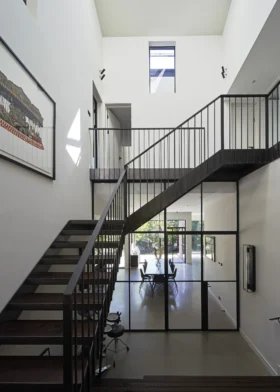
A double-height rear extension transformed this central London home with a contemporary redesign, featuring frameless glass balustrades and internal steel-framed doors from IQ Glass for a sleek finish.
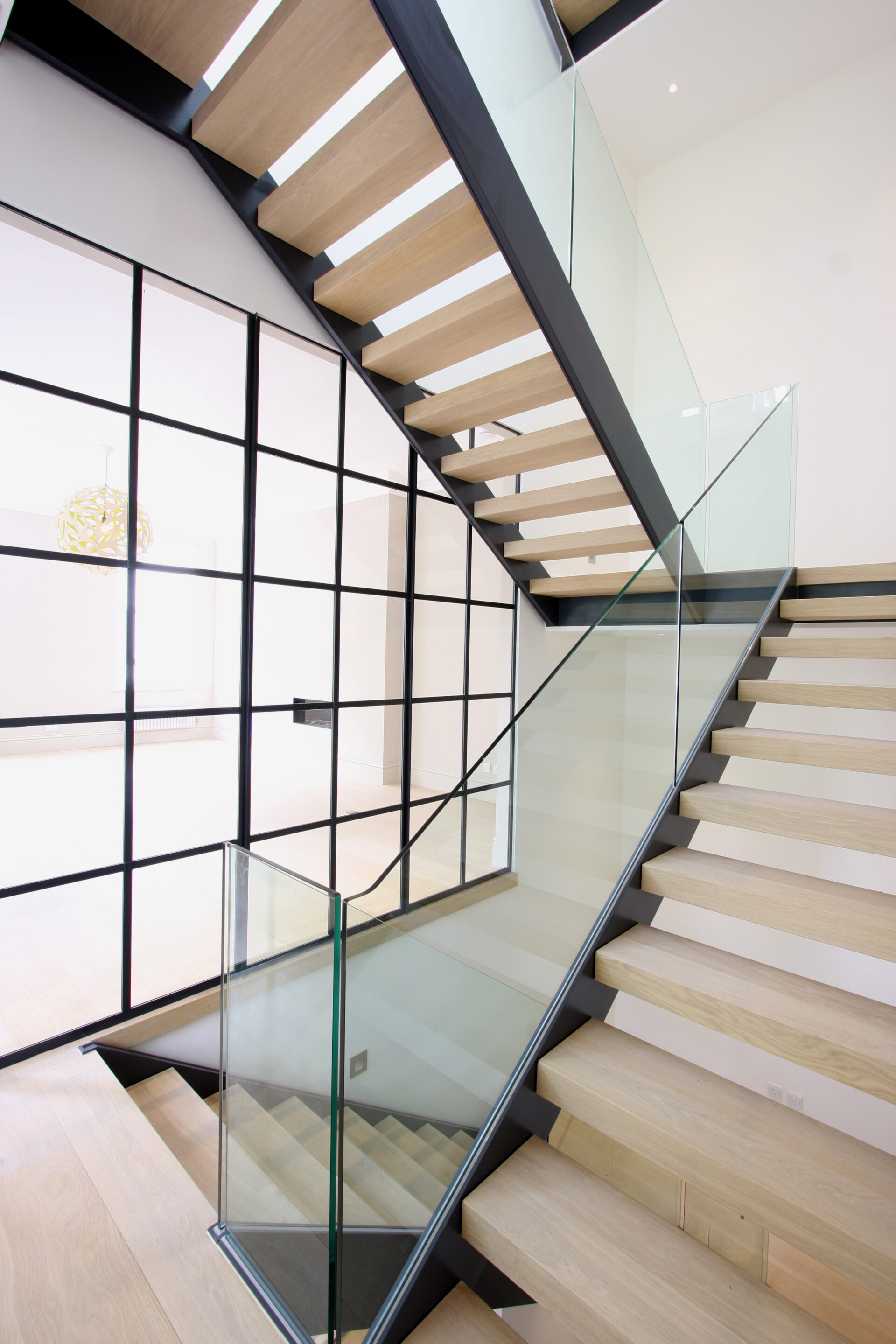
Photo: IQ Glass
14. Add a glazed internal garden to break up an open-plan zone
When Mike and Karuna Wood bought their North London home, they saw a property that was ripe with potential. The 1930s, double-fronted brick house had a large garden at the rear that could easily be built on, while still leaving plenty of room outside. The loft hadn’t been converted either, offering the opportunity to add space and value in the future. “The plot was pretty big and the footprint of the house quite small, so I always knew we’d do some kind of project to increase it. There were lots of options,” says Mike.

The couple worked with Irene Casajuana of CASA Architecture and Design, who suggested an internal glazed rain garden in centre the kitchen-diner to break up the space while creating visual interest. The Japanese-inspired feature is fully glazed and filled with bamboo and other plants. “It sections off what could have been quite a cavernous space and brings nature right inside,” says Mike.
Internal glazing FAQs

Are internal windows a good alternative to removing walls entirely, and can they create a similar sense of openness to an open-plan layout?
In many cases, yes. Internal windows are a very effective way to create the sense of openness people want from open-plan living, but without losing the practical benefits of defined rooms. They allow light and sightlines to travel much deeper into the plan, so spaces feel more generous and visually connected, while still giving you better control over zoning and how each room functions day to day.
We often use frameless glass partitions where the aim is a very minimal look or internal sliding glazed door systems where clients want a little more separation and flexibility. It is not the same as removing a wall altogether, but designed properly, it can create a very similar feeling of openness, often in a more refined and usable way. Where an internal window or glazed screen is replacing part of a wall, however, the homeowner should also confirm with building control whether that element may need to be fire-rated, particularly if it is helping to protect an escape route through the home.
How can internal windows be designed to balance light and privacy?
The key is to remember that glazing does not have to mean complete transparency. Privacy can be built into the design through the position of the window, the size of the glazed opening and the type of glass specified. High-level clerestory windows, partial screens and heritage-style designs with glazing bars can all preserve light flow while limiting direct sightlines.
Glass choice is also important; sandblasted, decorative or diffused glass can soften views between rooms. For spaces that need privacy only some of the time, such as studies, dressing areas or bathrooms, switchable privacy glass is a very strong option.
At what stage in a project should internal windows be specified?
Ideally, internal windows should be considered early, at concept or developed design stage, rather than treated as a late interior add-on. On a self build, that usually means thinking about them before room layouts, wall build-ups and first-fix services are locked in, especially if you are looking at pocket sliding doors, bespoke heritage-style glazing or switchable privacy glass.
Early coordination also matters from a compliance point of view. If an internal window or glazed screen is replacing part of a wall near a protected stair or other escape route, the homeowner should confirm with building control whether that glass section needs to be fire-rated. That is much easier to resolve when the design is still flexible than once openings and wall build-ups have already been decided. We would always advise designing systems such as internal glass partitions, glazed doors or fire-rated entrances into the scheme early so they feel intentional.
Do internal windows have any impact on acoustics?
Yes, they can make a major difference, but the result depends entirely on the specification. A simple glazed screen will usually do more for visual openness than for acoustic privacy, so if the room is a home office, snug, cinema room or utility area, the glazing needs to be designed with acoustics in mind from the outset. Specialist acoustic reduction glass can be incorporated into internal screens, while acoustic layers within the glass can improve sound reduction significantly.
The important point is that acoustics are never just about the pane of glass; the frame, seals, perimeter detailing and door type all affect the in-situ performance. So, internal windows can absolutely support good acoustics, but only when they are specified as a performance element, not just a visual feature.
Can internal windows suit any interior design scheme?
In very contemporary interiors, frameless or ultra-slim systems tend to work best because the sightlines ensure the glass feels almost invisible. In more industrial or heritage schemes, Crittall-style internal windows and doors bring more rhythm and definition and can become a great design feature. For softer interiors, patterned or diffused glass can add warmth and privacy rather than making a room feel too stark. The secret is choosing the right frame language, opening style and glass finish so the internal glazing feels integrated into the wider design scheme.
Erika Chaffey
You may be interested in
Our sponsors