








































 Login/register to save Article for later
Daniel Moore is director of DJ Moore Lofts. Daniel has over 10 years’ experience in helping homeowners realise the potential of their properties by designing stunning loft conversions.
- Plan ItBack
- Design ItBack
- Build ItBack
- Homes
- ProductsBack
- CostsBack
- Self Build Cost Calculator
Estimate your project costs instantly with Build It's interactive self-build cost calculator
Calculate Now - Costs & Finance
- Contracts & Warranties
- Build It Estimating Service
Get an accurate, detailed cost breakdown of your project
Submit plans
- EventsBack
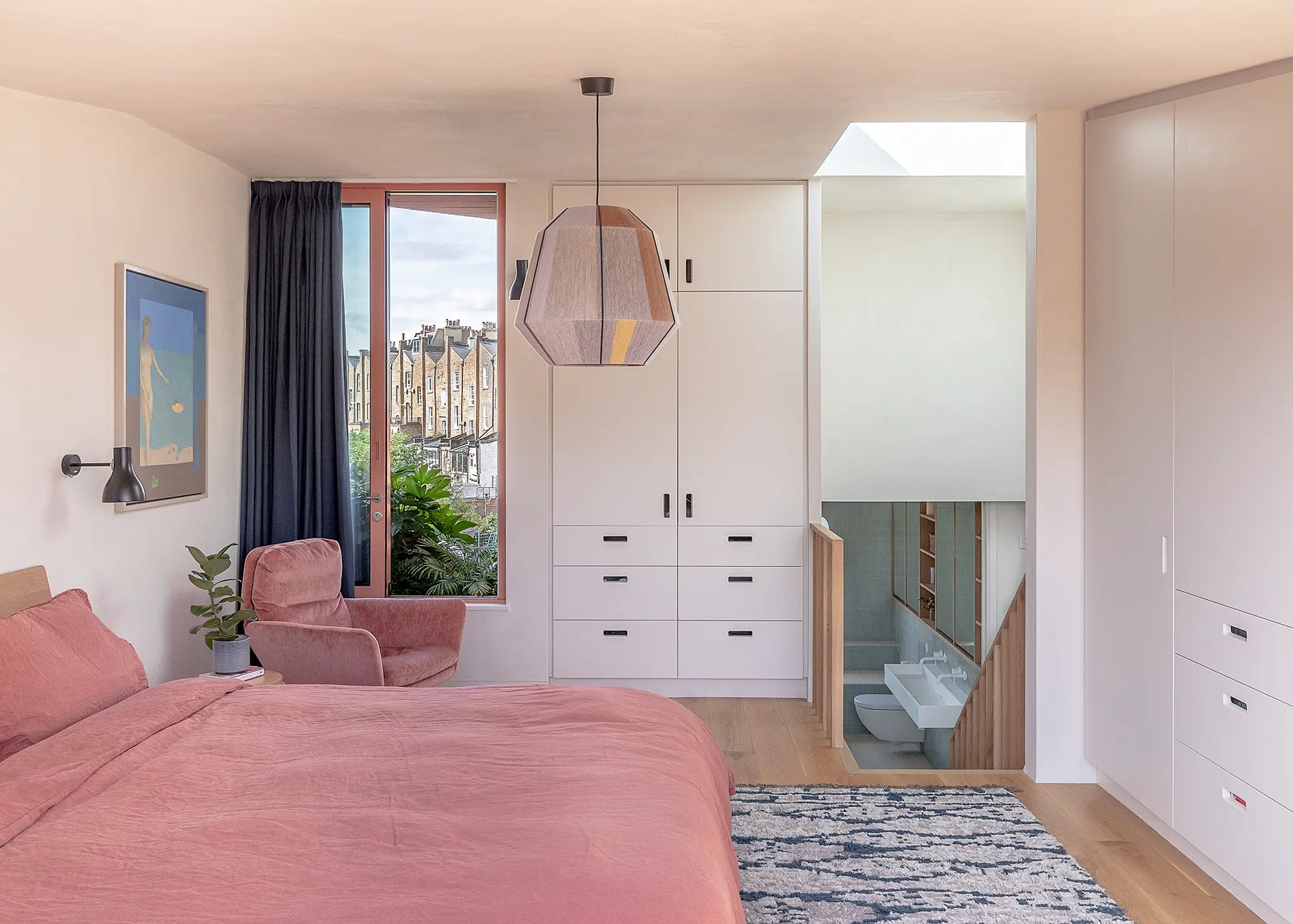
Smart Loft Conversion Storage Solutions & Ideas from Real Projects
Converting your loft and wondering how to fully maximise all available space? Scarlett Deamer looks at how to successfully create functional storage spaces in a loft conversion, and speaks to the experts about the areas that are often overlooked

With sloping roofs, low eaves areas, limited wall height and tight floorplans, loft conversions can be tricky spaces to navigate when it comes to designing and installing adequate storage solutions. Lofts tend to be spaces where we store bulky, seasonal items and often house multi-use rooms, such as bedrooms/office areas – so having the right storage is imperative for its functionality and tidiness.
Here, I’m having a look at when you should start planning your loft storage solutions, some nifty ideas to help it blend into the space and some overlooked areas that are briming with potential.
complete loft conversion guide
Why is it important to start planning your loft conversion storage early on?
As with most parts of your loft conversion project, having a clear idea on how you intend to use the space will help when it comes to creating a suitable design. “List out what you need to store in your loft, how often you will need to access it and how much volume you will actually need,” says Mark Barratt, managing director at CATO Creative.
Having a plan on what you intend to house in your loft and what you will need in the space is hugely important. “Planning your storage early allows you to create solutions which integrate seamlessly into the loft structure, making better use of awkward angles and avoiding compromises later on in regard to space, light and layout,” says Rob Wood, managing director at Simply Loft. A holistic approach allows you to see the area as a whole, creating a design that works structurally, fulfils your requirements and has ample resources for you to live in the rooms.
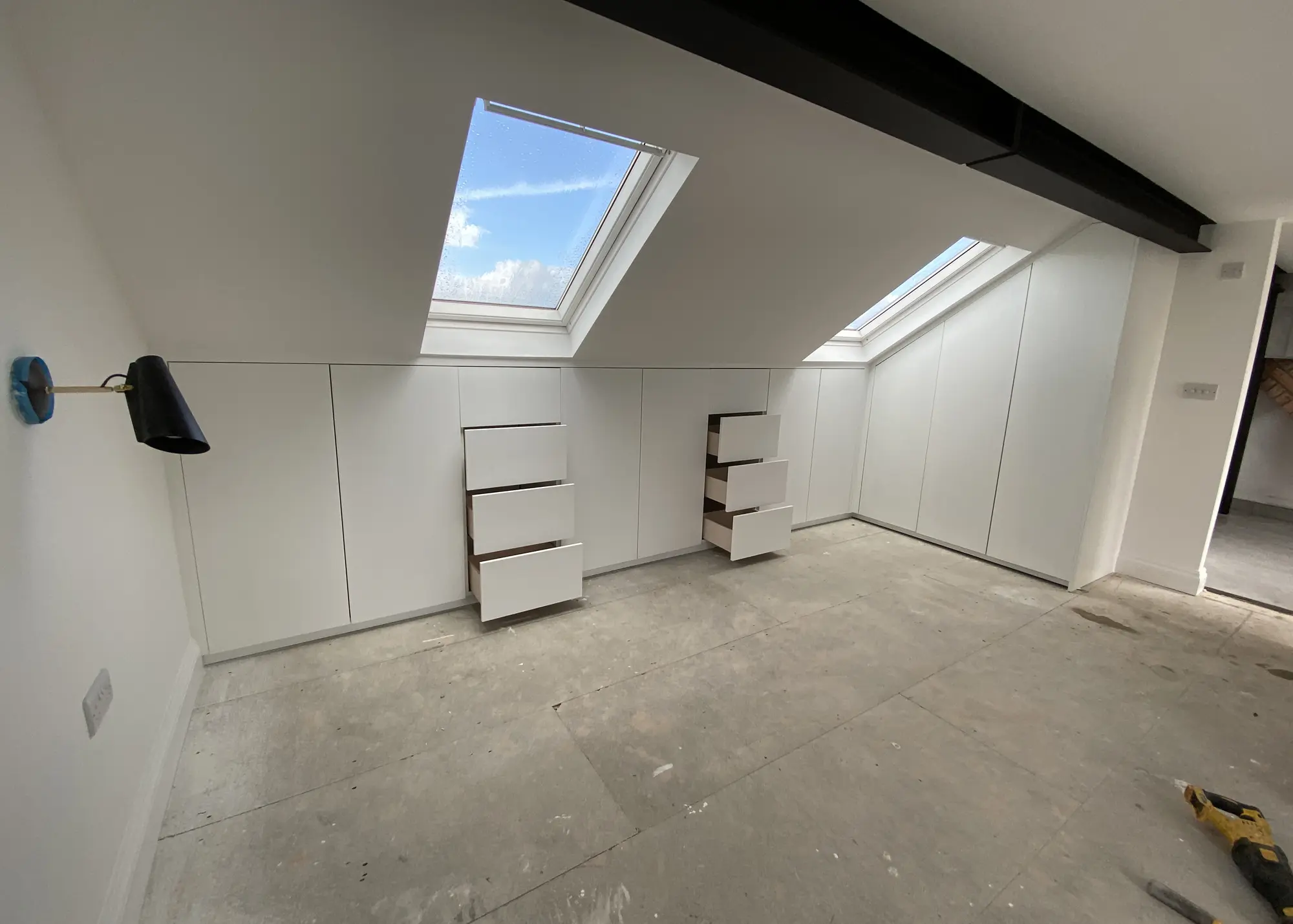
DJ Moore Lofts designed these nifty built-in cabinets in the eaves to make the most of the space behind
Futureproofing is important, and taking time to ponder the future of the loft area is highly beneficial when it comes to planning your storage. “Deciding whether the loft use will change over time, for example a nursery turning into a teenagers room, allows you to create a plan that will still work later on without too much redesign,” says Mark. This will not only help to make the rooms a delight to live in now, but will save time, money and stress later on when the area takes on a new function.
Premium Content
Downloadable E-Guide
Build It's loft conversion downloadable e-guide takes you through the essential considerations, from costs to an estimated project timeline. Click below to find out more.
find out more
What are the different design options for loft storage?
Designing effective loft storage starts with embracing the structure itself, using rafters, steels and knee walls as a framework rather than obstacles. Sloped ceilings and irregular angles mean built-in joinery is far more efficient than freestanding furniture, allowing awkward corners to work harder. Bespoke wardrobes fitted neatly under the eaves are particularly effective, while flush cabinetry that mirrors wall lines helps the space feel calm and intentional.
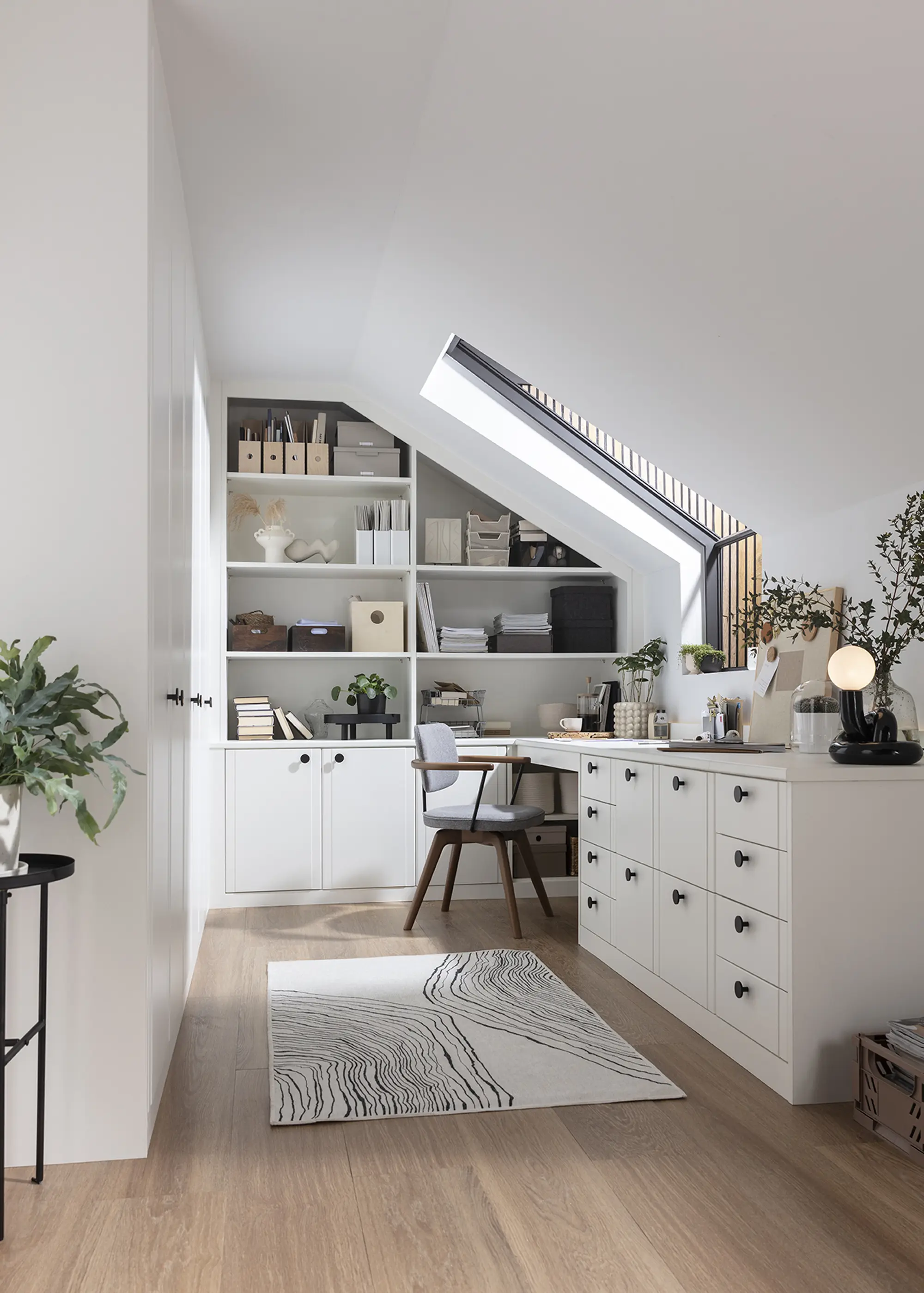
Turn your awkward pitches into stylish bespoke shelving units, just like this one from Sharps
Built-in solutions also help visually simplify a loft space’s interior scheme. “Built-in storage is almost always the best solution as sloped ceilings and odd corners make standard furniture waste space – it can also hide angles that make the area look less like a room and more like a roof eaves,” says Mark.
Case study A London loft conversion with sleek built-in wardrobes
Mike and Karuna Wood instantly saw the potential of the North London home. The 1930s home had a relatively small footprint but a large loft area that hadn’t been converted, offering the chance to add some much-needed space and extra value in the future.
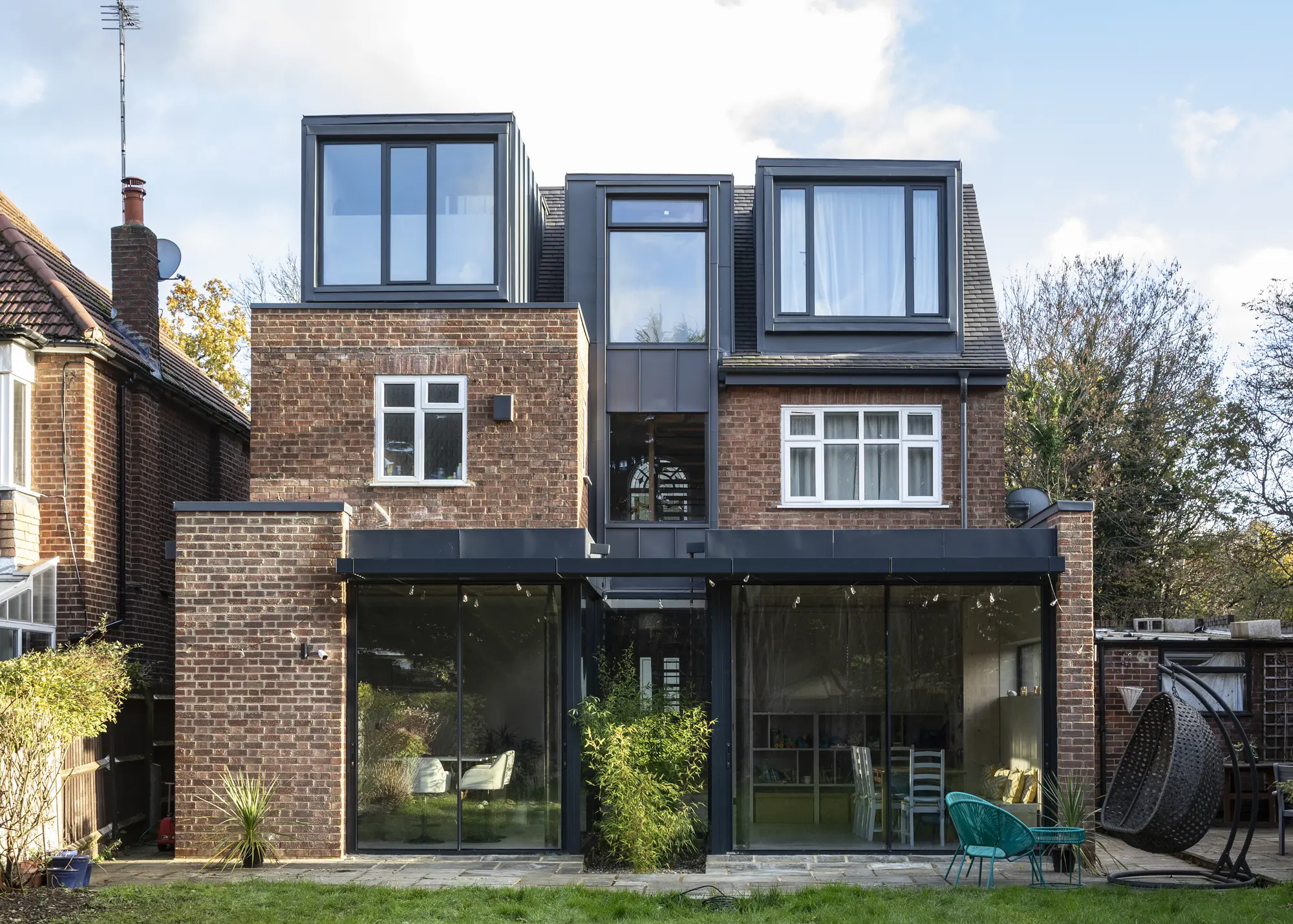
Photo: Adelina Iliev
Alongside a large rear extension, the couple created a roomy loft space by building three large dormers in the newly converted space. This houses a luxurious master bedroom, dressing room and ensuite.
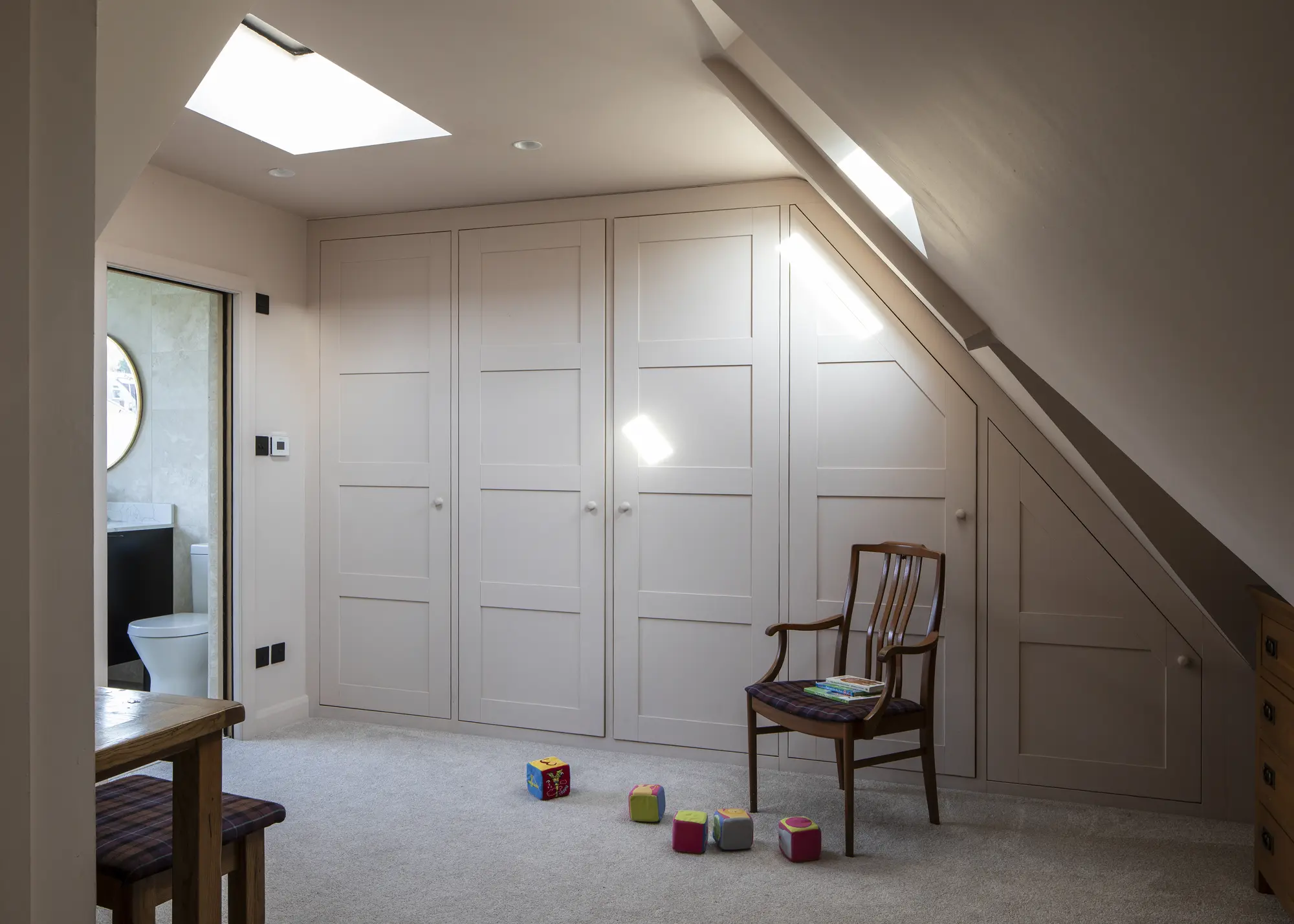
Photo: Adelina Iliev
The dressing room features bespoke, built in wardrobes and storage space – painted the same colour as the surrounding walls to help it blend into the scenery. Within awkward pitched roof angles, freestanding cabinets have been strategically placed to utilise the space.
| Location | North London |
| Type of project | Renovation & extension to a 1930s house |
| Property cost | £850,000 |
| House size | 187m² |
| Project cost | £330,000 |
| Project cost per m² | £1,765 |
| The works took | 49 weeks |
What are the most overlooked loft storage solutions?
At first glance, it might seem that a loft conversion has limited areas to integrate useful storage. However, you need to look at its unique structural elements as opportunities.
Eaves storage
Low-pitched angles can easily be turned into useful, deep-set cupboards. “Incorporating low-hanging rails, drawers and pull-outs in the eaves allows you to capitalise on the back of the area – ensuring that nothing is lost into the space where the roof structure meets the floor,” says Mark.
A contemporary rear extension and loft conversion by Emil Eve Architects has completely transformed this family home in east London. Inside, clever integrated wardrobes and drawers make use of the sloping wall space, without eating into the useable floor area. Photo: Taran Wilkhu
Bathroom storage
Loft bathrooms also offer some chance for effective storage areas. As you need to have a good level of head height in a loft bathroom to accommodate a shower, you normally have to build a new wall away from the eaves.
This creates a triangle area behind the new shower wall full of potential space. “Instead of creating a solid, inaccessible wall behind your shower, you can install integrated storage units to make use out of the dead space,” says Opinder Liddar, director at Lapd Architects. You can also plan in designated niches in your shower and bath area to reduce the need for free-standing toiletry storage.
Loft staircases
A loft staircase presents great potential. The stair void up to the new loft space has great potential for housing household items – making use of an area which is normally wasted. You can either place freestanding cabinets in the area under the stairs or opt for an integrated staircase which has cupboards, shelves and draws already include. Upstairs, you can also incorporate storage into your new flight. “Placing cabinets with magnetic catches over your new stairs is also very handy for storing away bulky items without impeding on the floorspace,” says Opinder.
loft conversion staircase guide
Utilising glazing
Many people also choose to include wide spans of glazing when designing a loft conversion, with large picture windows and bench seating offering a great opportunity to bring in light and create a cosy nook to look out at the scenic views. This seating can easily be turned into a set of low-level cupboards, having the dual purpose of being a viewing platform and storage solution.
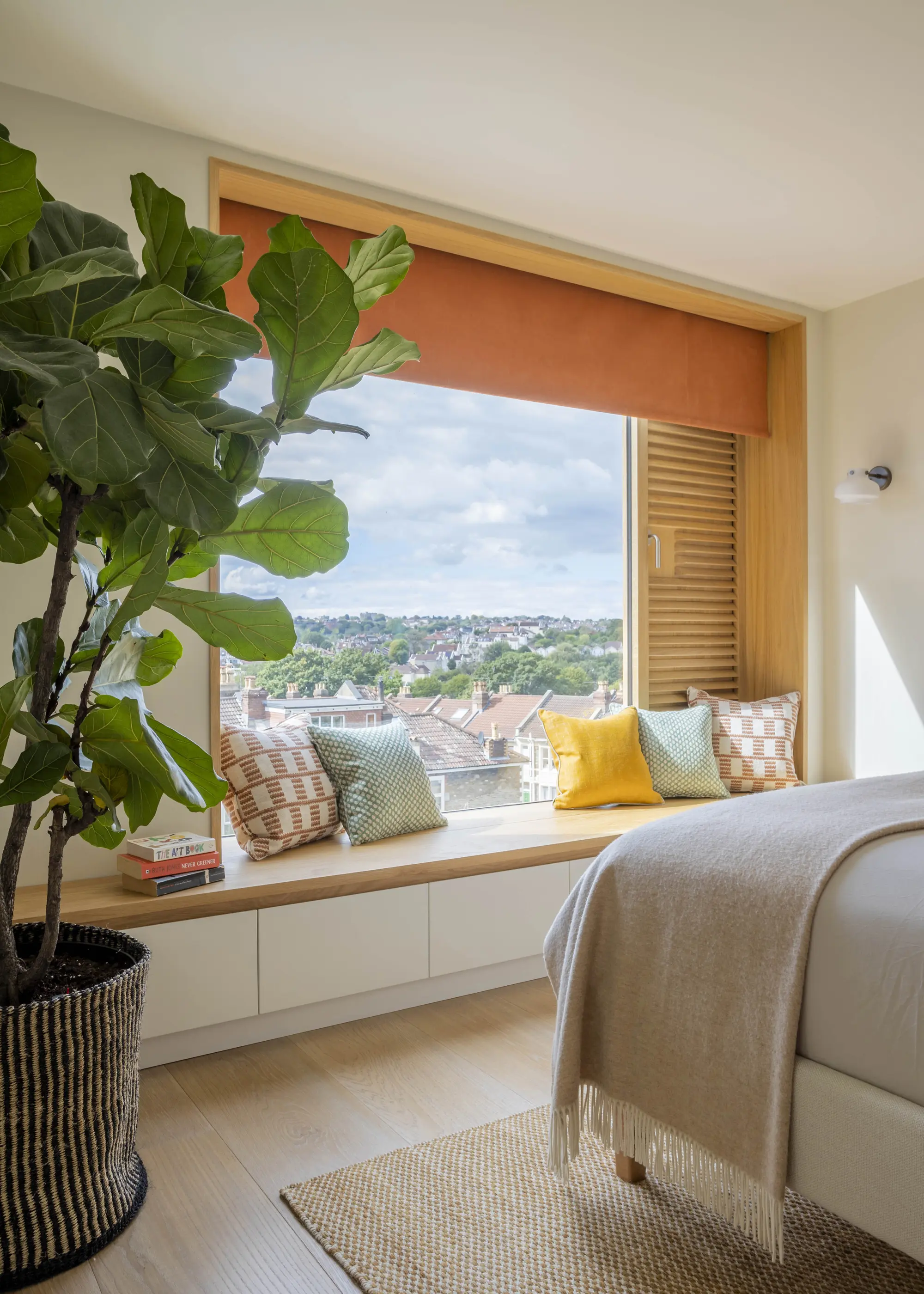
This deep window seat with hidden cabinets, designed by Katy Cronk Interiors, is a great way to create storage that doesn’t look like storage
How can you create storage that blends seamlessly with the space?
Storage works in compact loft spaces best when it quietly complements the scheme and disappears into the architecture, rather than competing with it. “Using flush finishes, handleless internal doors and materials that match the surrounding walls helps storage blend in, so the loft feels calm, uncluttered and well considered, rather than dominated by furniture,” Says Rob.
Matching storage finishes to the surrounding walls further softens the visual impact, so the loft reads as a cohesive whole rather than a series of units. The approach can be adapted to different styles too. “In modern loft conversions, try using large, flush panels with tight shadow gaps, while in more classic interiors you can use joinery-style panelling so the doors read as part of the decorative wall,” says Mark. Even functional elements, such as headboard storage, can be integrated discreetly to maximise space without adding visual clutter.
Loft conversion storage FAQ

Is bespoke storage always necessary in a loft?
Not necessarily. With careful design and planning you can manage to use freestanding and standard wardrobes, and off-the-shelf storage options. This can save you money as you don’t have to go bespoke, but it might just takes a little extra time to smooth out your architectural plans as you’ll need to work with the storage, rather than the storage working with you.
Does built in storage dramatically reduce usable floor space?
As in most cases when you look to use fitted wardrobes and storage, you would use the lower section of space, such as the area with the lowest head height, so as not to waste the fully usable areas.
Can storage be used to hide structural elements like steels or pipes?
Yes, it can. It is a great idea to use wardrobes or designated areas to conceal any soil pipes and boxing where it is unavoidable. This helps you maximise every inch of your loft space.
Can storage be added after a loft conversion is finished?
Some clients find it best to get up and fully occupy the space available in their area. This allows you not to rush into decisions about item placements, giving you the option to plan the room layout as you go along so no mistakes are made. That being said, any integrated storage is best decided upon when the whole structure is being created.
How do you store bulky items in a loft conversion?
Try to design a small storage area in the eaves for items such as Christmas decorations and suitcases. Since this space is usually unused and wasted, it makes sense to utilise it for storage and essentially create a mini loft area in itself.
Scarlett Deamer
You may be interested in
Our sponsors