

- Plan ItBack
- Design ItBack
- Build ItBack
- Homes
- ProductsBack
- CostsBack
- Self Build Cost Calculator
Estimate your project costs instantly with Build It's interactive self-build cost calculator
Calculate Now - Costs & Finance
- Contracts & Warranties
- Build It Estimating Service
Get an accurate, detailed cost breakdown of your project
Submit plans
- EventsBack





















































































 Login/register to save Article for later
What Does the 2026 Warm Homes Plan Mean for UK Homeowners?

The UK government launched the Warm Homes Plan in early January 2026, with a clear aim to help tackle high energy bills and create low-carbon, low-energy homes. It has been described as the UK’s largest green initiative to date, with £15 billion of public funding set to help millions of homeowners save hundreds on their energy bills. “A warm home shouldn’t be a privilege, it should be a basic guarantee for every family in Britain,” says former Prime Minister Keir Starmer.
Under the Warm Homes Plan, homeowners will benefit from various levels of funding and loans to retrofit insulation and install green technology such as solar panels, battery storage and heat pumps. It brings together a range of support options depending on household status and income.
Who is eligible & what can they access?
The plan has been divided into three main pillars, which dictate the level of funding households qualify for. These are:
1) Fully-funded upgrades for low-income households
£5 billion of public investment has been set aside to directly help lower income households. Depending on the house’s suitability, they will pay nothing upfront for the installation of:
- Solar panels and solar batteries (worth up to £12,000).
- Insulation upgrades.
- Low-carbon heating solutions such as air source heat pumps (ASHPs).
- Social housing residents can expect street-wide upgrades to help whole neighbourhoods.
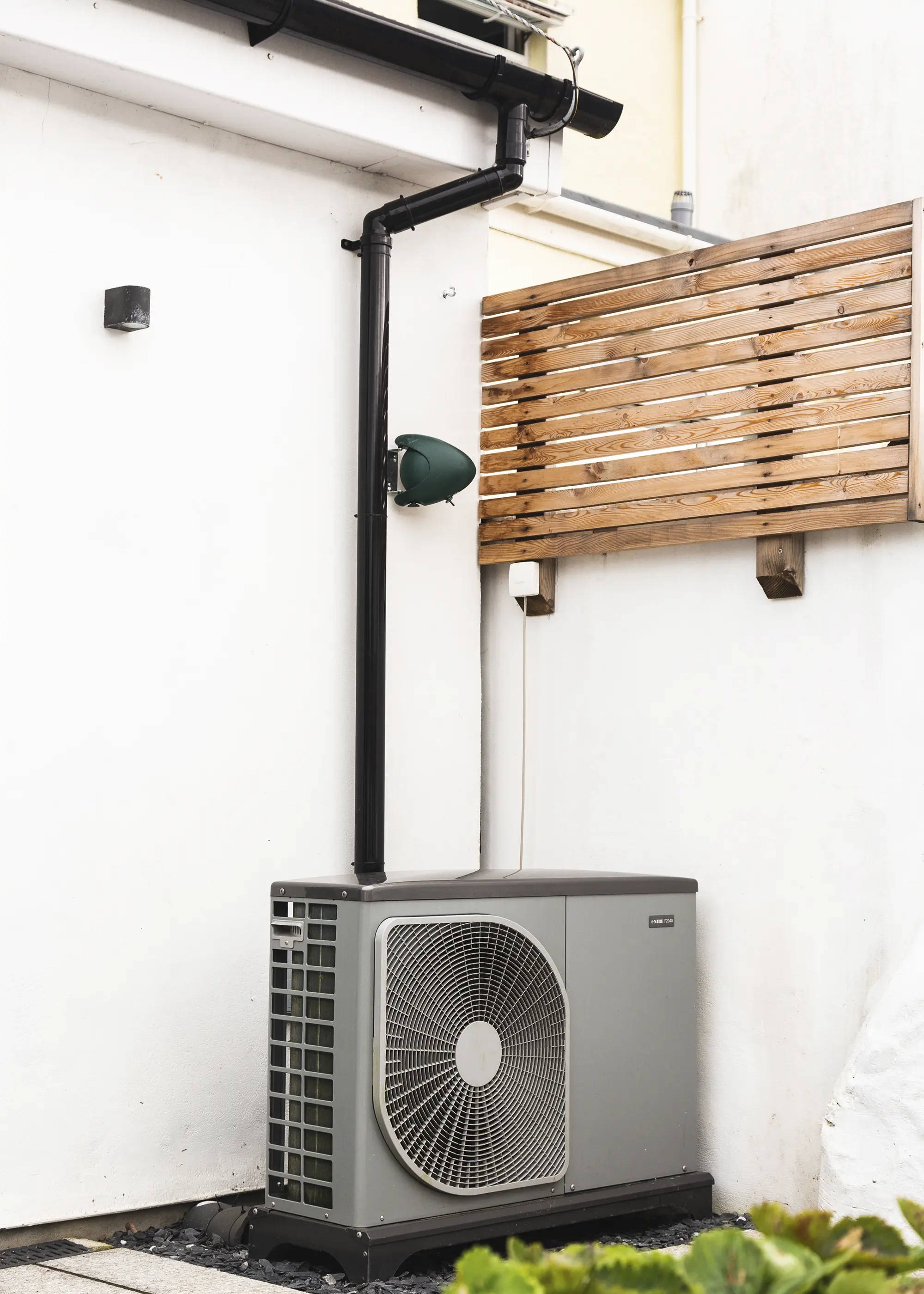
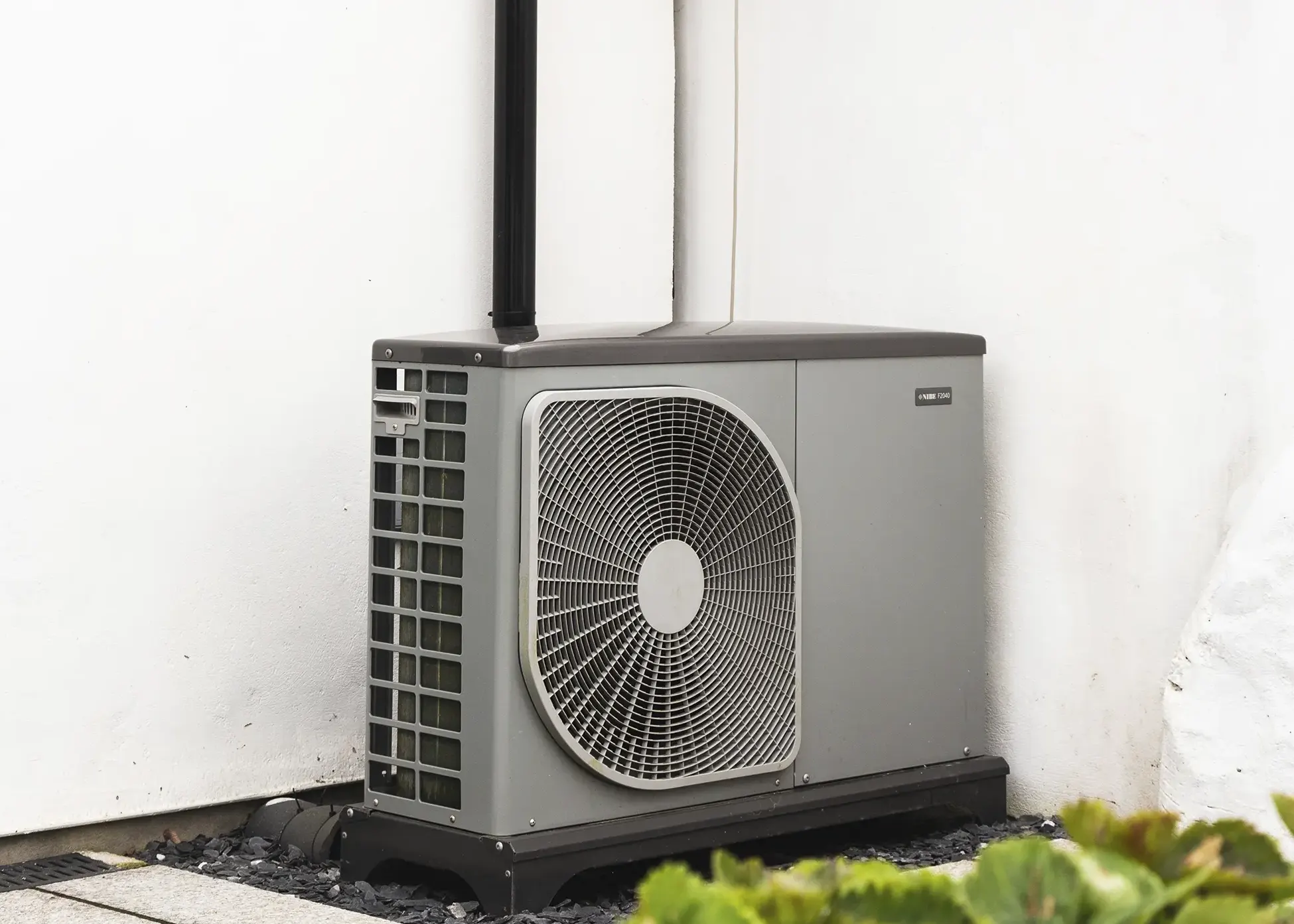
NIBE’s F2040-6 air source heat pump was selected as part of a low-carbon overhaul of this Victorian terraced house, which was also upgraded with insulation and other energy efficiency measures. The setup powers underfloor heating downstairs and radiators upstairs.
2) Options for other households
Even if a household doesn’t qualify for a fully-funded package, there are still options to help reduce the cost of the technology and its installation. These include:
- Zero or low-interest loans for the installation of solar panels, solar batteries and heat pumps. The plan aims to triple the number of homes with solar panels on their rooftops by 2030.
- A continued £7,500 grant under the Boiler Upgrade Scheme (BUS), helping homeowners make the switch from an existing boiler to a low-carbon heat pump.
- Homes running off oil heating can access an enhanced grant of £9,000 to help them make the switch to low-carbon heating.
- A new offer for the installation of air-to-air heat pumps – a different kind of heat pump offering cooling and heating in one.
3) Protections for renters and landlords
Renters will also benefit too, as the plan includes rules for private landlords to make upgrades to their properties. Landlords will be able to access support to make necessary upgrades, which will help an estimated half a million families over the coming years.
Why is the Warm Homes Plan important?
Sustainable heating solutions are a key part of the government’s decarbonisation goals. Solar, heat pumps and batteries, teamed with improved levels of insulation, will help households reduce their energy use and subsequent bills, and increase the electrification of domestic heat sources in the UK.
Premium Content
Downloadable E-Guide
Looking to make your home more efficient, comfortable and ready for the future? We set out the fundamentals – from upgrading your house’s insulation, through to ventilation, retrofitting heat pumps and accessing funding for a project
find out more
How will these tech upgrades help homeowners and renovators long-term?
Solar panels & batteries
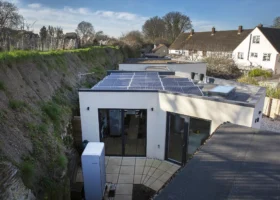
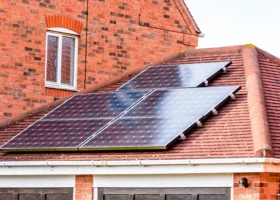
Solar panels are a key part of the Warm Homes initiative. This technology works by taking energy from light (photons) and transforming it into electricity (volts). A cable connects the solar panels to an inverter, which is then linked to your house’s mains. Any electricity that isn’t immediately used on site can be stored in a battery – another key part of the Warm Homes Plan – or sold back to the grid.
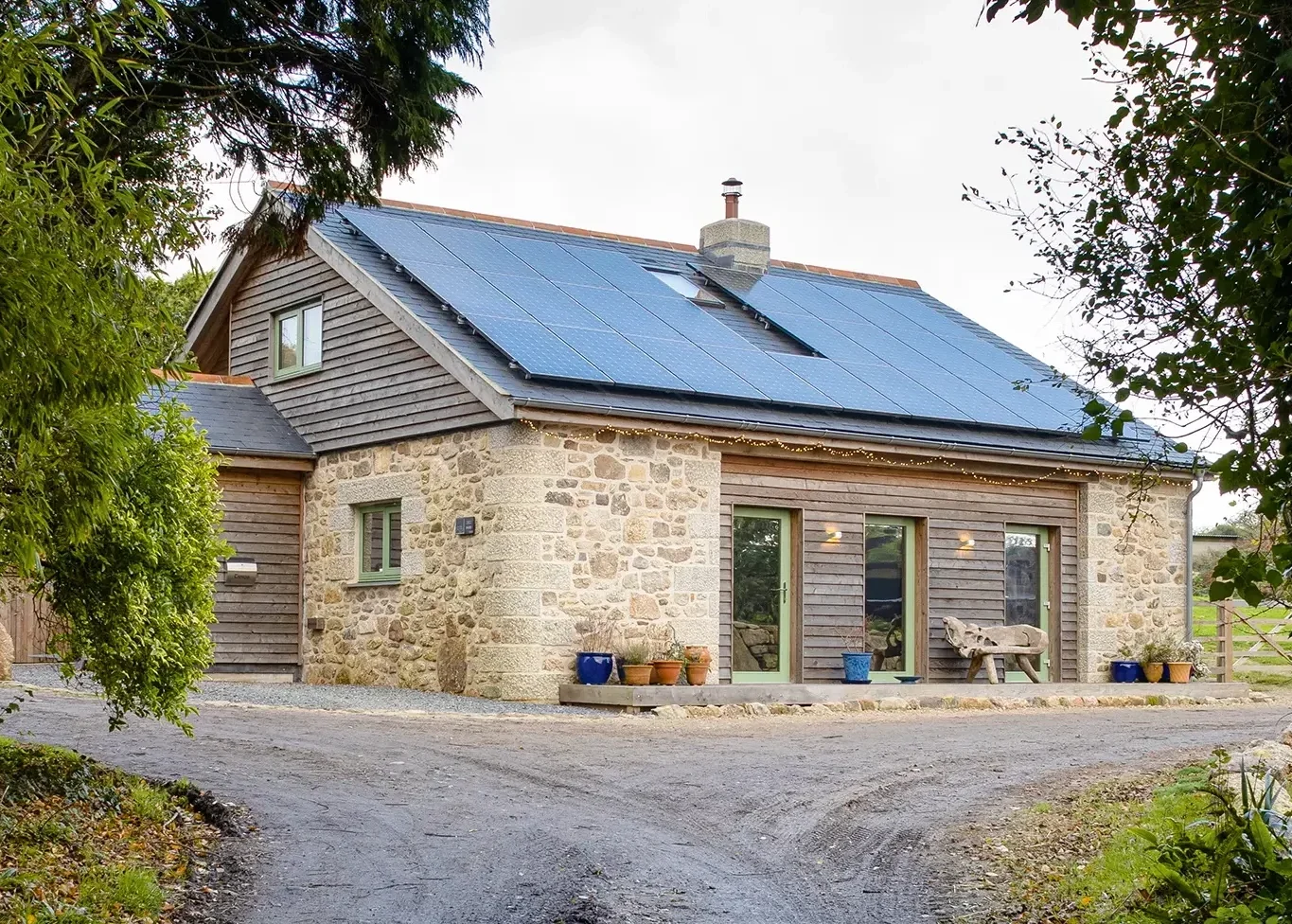
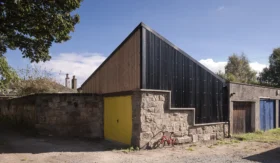
Perry and Sally Morrison’s award-winning eco conversion project features a 9.4kW array of solar panels, hooked up to battery storage, which means they can be self-sufficient for power for a minimum of six months of the year. Photo: Simon Burt
“We’ve seen a real jump in activity across the domestic renewables sector over the past 18 months. Households want to reduce bills, cut carbon emissions and gain greater control over their energy use – and solar is now one of the most accessible ways to achieve all three,” says George Frost, UK Head of Switch Together. “The next step is making sure people understand what support is available and how to access it.”
Heat pumps
A heat pump takes heat from the air outside and, using electricity, increases the temperature to heat water to use in your central heating system. Heat pumps are another key element of the Warm Homes Plan, and have been pushed by the government via the Boiler Upgrade Scheme (BUS) since 2022. Through the BUS, homeowners can access grants of up £7,500 for the installation of a heat pump.
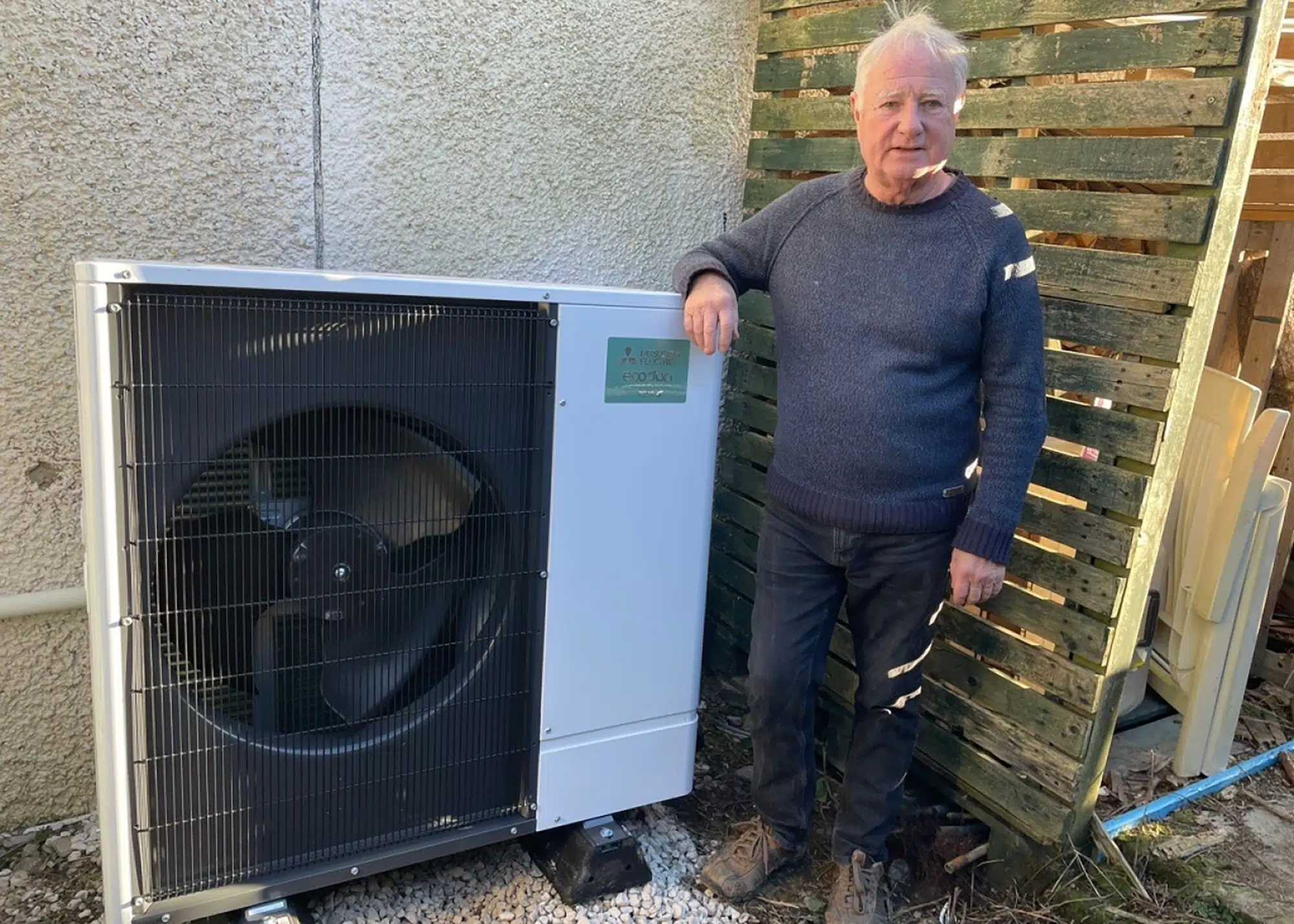
Neil and Anne Clarke replaced their oil boiler with a Mitsubishi Electric Ecodan R290 air source heat pump, delivering up to 75°C flow temperatures without radiator upgrades
To become heat pump-ready, many existing houses require retrofit works such as additional insulation and radiator upgrades. These can add significant cost to a project.
The Warm Homes Plan makes comfortably upgrading to a heat pump much easier, by facilitating installation with grants and loans for the tech itself alongside insulation upgrades. This financial support will help homeowners ensure their heat pump performs to its full potential.
Insulation
Low-carbon heating systems struggle to operate effectively in poorly insulated houses. As part of the Warm Homes Plan, the government pledges to offer grants and loans to help households retrofit insulation.
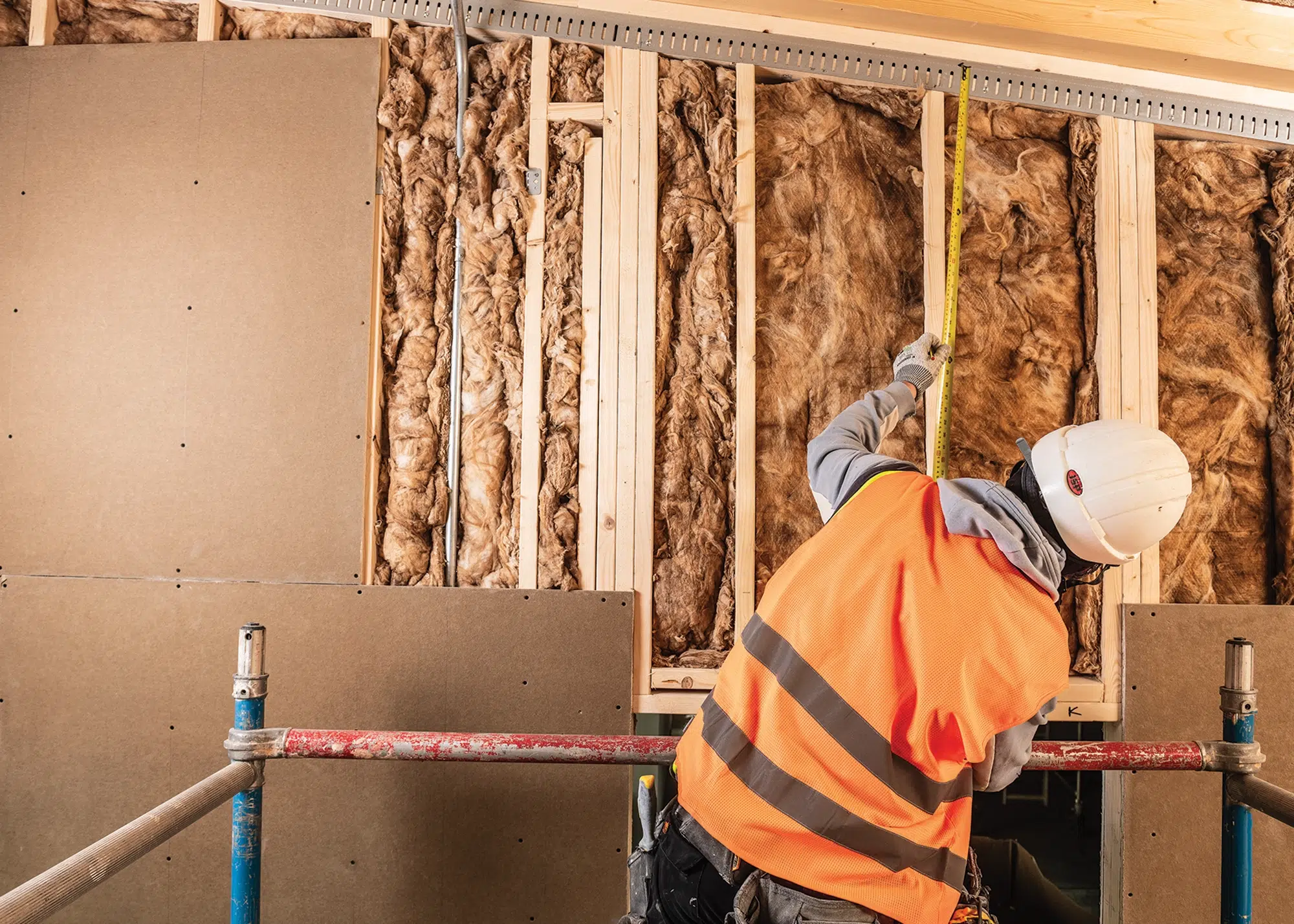
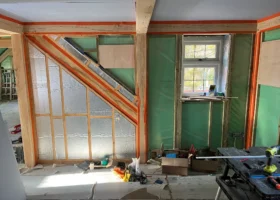
A growing number of healthy alternatives to plasterboard are becoming available to homeowners, including solutions like Adaptavate’s Breathaboard. Rafael Bastos
Upgrades will include loft insulation, cavity wall insulation and external wall insulation. Taken together, these should significantly lower heat loss, reducing energy bills and make switching to low-carbon systems much easier.
The government has not yet announced when financial support for these upgrades will be available under the Warm Homes Plan.
Sander Tel
You may be interested in