Just over two weeks to go until our brand new show!
Build your dream home with confidence
BOOK YOUR TWO FREE TICKETS HEREBuild your dream home with confidence
BOOK YOUR TWO FREE TICKETS HEREEstimate your project costs instantly with Build It's interactive self-build cost calculator
Calculate NowGet an accurate, detailed cost breakdown of your project
Submit plansI am going to self-build for the first time, but I’m not sure how a self-build mortgage works throughout construction. Can you explain this?
The fundamental issue is cashflow. With a self-build mortgage the money for the build is released in stages, either before you start the stage or once the stage has been completed and valued. What you spend during the build will follow a different schedule, depending on the type of build contract you have. You may be due to pay your builder every few weeks and have other payments to make to material suppliers. Therefore, in planning your project you need to ensure that you have the money available to make payments, otherwise delays will occur and builders could go off site and start on other projects.
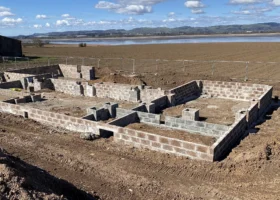
What you get from your mortgage is money at the right time so you can pay your bills. If you take out an arrears stage payment mortgage, you’ll need to have enough cash at the start of your project to pay for the deposit on the land, initial costs, professional fees and the whole cost of your foundations. This is because after you have bought your plot, the next installment of money you get from your mortgage won’t reach you until after your foundations are finished. On an average build, that can mean needing access to over £70,000 during the build in addition to what you get from your mortgage.
Advance stage payment self-build mortgages solve this problem by providing money up front, at the start of each build stage. Therefore before you start work on your foundations, the money for that stage is released to you. The result is that you need access to a much smaller amount of additional cash during your project.
Advance stage payment mortgages are not just for people with lower deposits. Even if you have a substantial amount of cash, an advance stage payment mortgage could be best for you, as it lets you have more control of your money during the project and provides a greater safety net in the form of a larger contingency budget.