Just over two weeks to go until our brand new show!
Build your dream home with confidence
BOOK YOUR TWO FREE TICKETS HEREBuild your dream home with confidence
BOOK YOUR TWO FREE TICKETS HEREEstimate your project costs instantly with Build It's interactive self-build cost calculator
Calculate NowGet an accurate, detailed cost breakdown of your project
Submit plansI’ve heard that self-builders are usually given permission to demolish an existing house and build a new one, as long as it’s not considered derelict. Can you explain why replacing an abandoned dwelling is frowned upon?
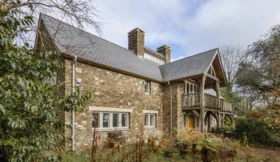
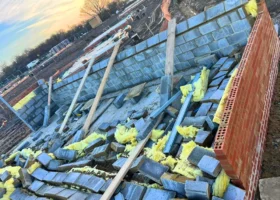
When considering the suitability of an existing house for replacement, council planning officers always look closely at the condition of the building. Dereliction is one of the signs of ‘abandonment’ – in planning terms that means the residential use of the building is judged to have been lost. Other factors taken into account include long periods of vacancy or alternative use, as well as the intentions of the current owners. So, for example, if someone goes into hospital for an extended spell and their house is vandalised and rendered at least semi-derelict, replacement would still be possible as there would have been no intention to abandon the residential use.
The problem is that planning policy is freqeuntly firmly opposed to the building of new houses in the countryside. If the original property is so far gone that it’s basically a ruin, then its replacement would be considered to constitute the construction of a new dwelling and would therefore be resisted. The fact there might have been a house on the site for hundreds of years sadly doesn’t outweigh the current policy dogma. But there are no cast-iron rules on this. A house might be considered just a bit ‘run down’ and acceptable for replacement by one council, but that same property could be seen as derelict by another.