Claim your two free tickets now!
21st-22nd February 2026 - time to get your dream home started!
BOOK HERE21st-22nd February 2026 - time to get your dream home started!
BOOK HEREEstimate your project costs instantly with Build It's interactive self-build cost calculator
Calculate NowGet an accurate, detailed cost breakdown of your project
Submit plans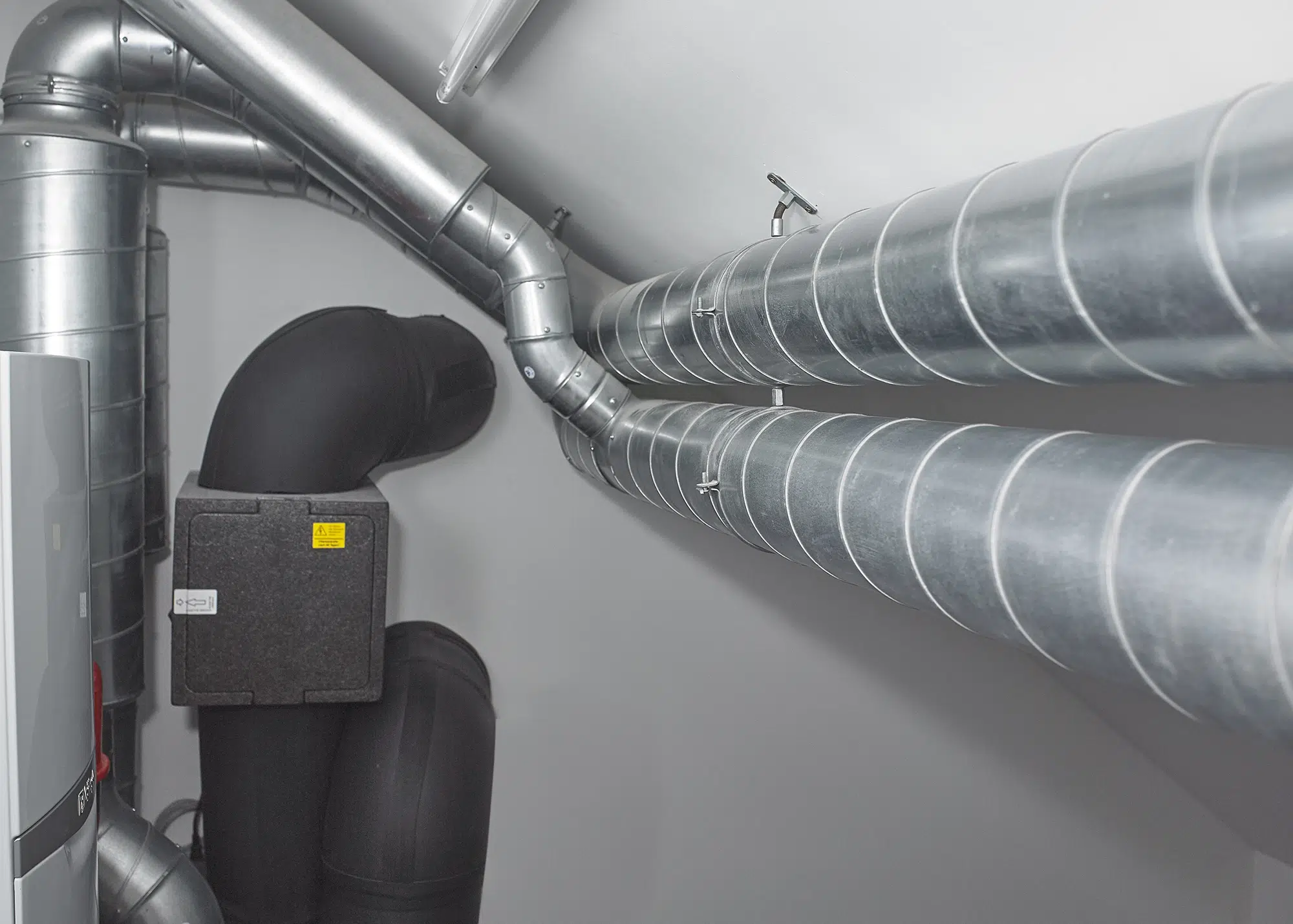

Self building gives you the chance to create a well-insulated, airtight new home that conserves energy and improves your health and wellbeing. Mechanical ventilation and heat recovery (MVHR) is a crucial technology in turning that dream into a reality.
Correctly designed and installed, MVHR will deliver the correct airflow to maintain optimal indoor air quality and comfort in your low-energy home. In turn, this supports the overall health of both the occupants and the fabric of the building – preventing issues like condensation and mould growth. Plus, a well-designed MVHR system will minimise heat loss by recovering heat from the exhaust air. Importantly, it does this super quietly – in fact, that it should be inaudible.
There are two approaches to specifying an MVHR system. The first applies to projects where installing a ventilation system is seen as more of a needs-must solution, purely required to meet Part F of the Building Regulations. In this scenario, it effectively becomes a box-ticking exercise – and almost always a missed opportunity. Yes, you’ll do enough to satisfy the Part F paperwork, but that’s about as far as it goes.

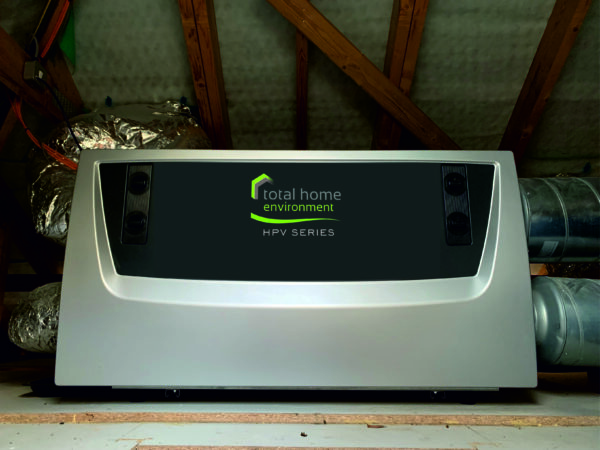
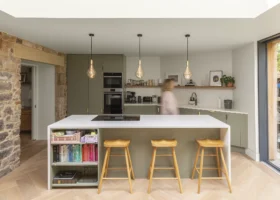
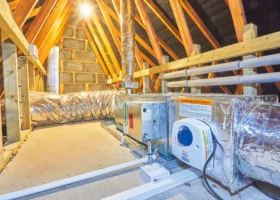
Working with a range of MVHR unit suppliers, including Airfi, gives 21 Degrees flexibility to design the right system for the project – rather than rely on just one brand
The second, and better, path is where a high-quality system is specifically designed to ensure optimal health and comfort for the occupants, protect the building fabric and maximise heat recovery for improved energy efficiency. This will deliver long-term benefits by reducing your bills and ensuring your home performs for you day-in, day-out. So, don’t risk the quality of your build: choose a solution that’s about delivering more than just the minimum standard.
As the popularity of MVHR increases, so too does the risk of inadequate installs from inexperienced designers and trades. When systems fail, 95% of the time the issue can be traced back to the lack of a good design or a poorly executed one. Often, these designs are simply schematics showing where the ducts should be placed but fail to address the key aspects of performance. Working with skilled specialists, who have a track record of project success, is vital to avoid these fundamental issues.
The two core ingredients in an MVHR system are flow rate (the volume of air it moves through the building via the ducting) and decibel rating (how loud the system is). Crucially, these factors should be considered across the whole system – not just the MVHR unit itself.
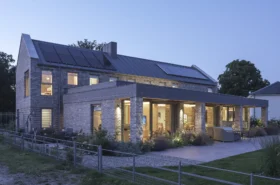
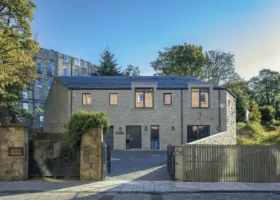
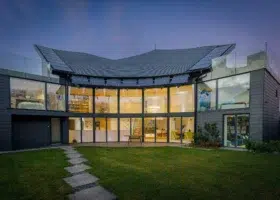
With a super-airtight rating of 0.26 ach@50Pa, quality ventilation and heat recovery was a must in 21 Degrees’ Golcar Passivhaus. The MVHR system design features rigid steel ducting and a Passivhaus certified unit
One of the biggest mistakes is focusing on product specification first. It’s not uncommon to see requirements like “the MVHR unit must be from X manufacturer.” The problem is, this steals focus from system performance, which can only be maximised if there’s flexibility to choose the right products to meet the project goals.
So, instead of specifying a brand, an example of a good brief might be that the MVHR system design must:
The key takeaway is to always prioritise a performance specification over a product specification. The effectiveness of your MVHR system is determined not by the brand or particular unit, but by the quality of the ducting design and how efficiently air moves through it. To achieve best results, the planning and installation phases must address your specific project requirements.


































 Login/register to save Article for later