Early bird tickets now available
21st-22nd February 2026 - time to get your dream home started!
BOOK HERE21st-22nd February 2026 - time to get your dream home started!
BOOK HEREEstimate your project costs instantly with Build It's interactive self-build cost calculator
Calculate NowGet an accurate, detailed cost breakdown of your project
Submit plans

When planning a renovation or new heating system, the humble radiator is often an afterthought. Yet upgrading or refurbishing them can boost efficiency, cut bills, add a stylish statement and prepare your home for low-carbon heating technologies.
Whether you’re restoring beautiful old cast-iron models, replacing dated panels or simply planning for the future, thoughtful radiator choices will pay you back in looks, performance and day-to-day comfort.
So, does it make sense to upgrade or are you better off refurbishing or retaining what you already have? Here’s what to consider before you commit to replacing your home’s radiators.
Radiators are rarely the stars of a renovation, but they play a vital supporting role. If you’re renovating and already intend to upgrade insulation, windows or your heating system, then emitters should form part of the overall strategy. Replacements don’t come cheap, though – so how do you know when to upgrade? Signs that your radiators are reaching the end of their useful life include:
In older, period homes, the original pipework might also be undersized or sludged up, affecting performance across the system. Or perhaps you’ve extended your home or changed the size of some rooms? Your boiler system and radiators can only work efficiently if they’re correctly sized to provide the right output for the space.
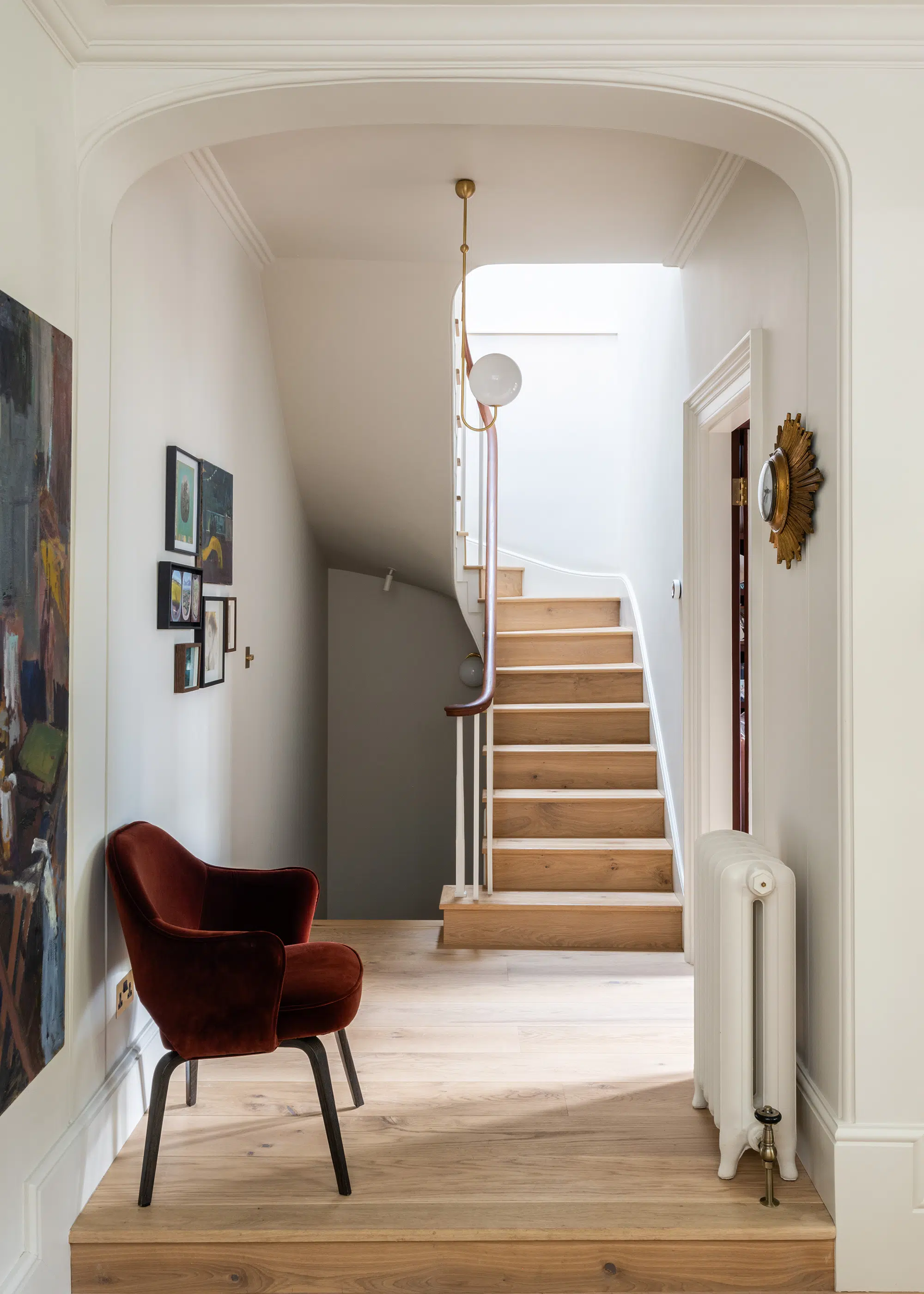
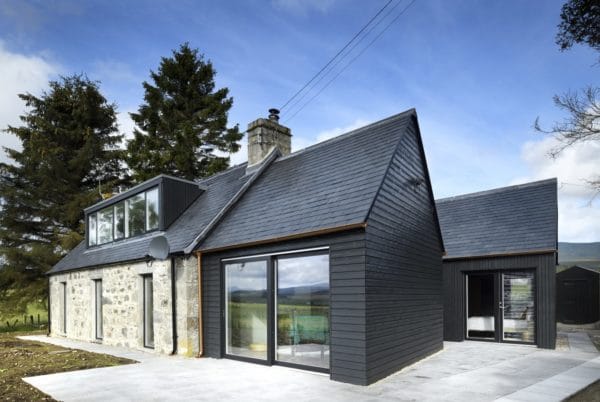
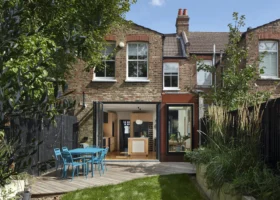
Nicole and David Price considered moving from their home of 25 years, but stripping the building back to its bones and reworking the space gave them the chance to adapt their much-loved house into their perfect property. The renovation involved replacing their current boiler with a new, more economical system, which powers the radiators and underfloor heating on the ground floor. Photo: French + Tye
Note that heat pumps operate at lower flow temperatures than boilers – so if you’re thinking of switching, it’s essential to review your radiator system. They need to be sufficiently large (or high output) to efficiently deliver the comfort temperatures you’re expecting. Even if you’re not planning to ditch the boiler for now, a major renovation could be a good opportunity to upgrade to modern pipework and potentially change some of the radiators, futureproofing your home and making it heat pump ready.
Today’s radiators can be both beautiful and functional – with plenty of choice in terms of the materials, forms, finishes and performance characteristics on offer. Prices vary to match the specification – and note they can really escalate at the luxury end of the market.
Modern, high-efficiency designs can deliver the same output at lower water temperatures compared to conventional radiators. This enables your central heating system to work more efficiently, reduce running costs and complement low-carbon technologies like heat pumps. Features such as double or triple panels, convector fins (the zig-zag strips sitting behind the front panel that increase surface area) and advanced column design enhance your emitters’ performance.
It’s all about choosing the right solution for your requirements. Aluminium radiators, for instance, heat up and cool down quickly – ideal for responsiveness. Steel versions are typically durable, efficient and available in countless shapes and sizes; while cast-iron units are less responsive but retain heat well and add period charm.
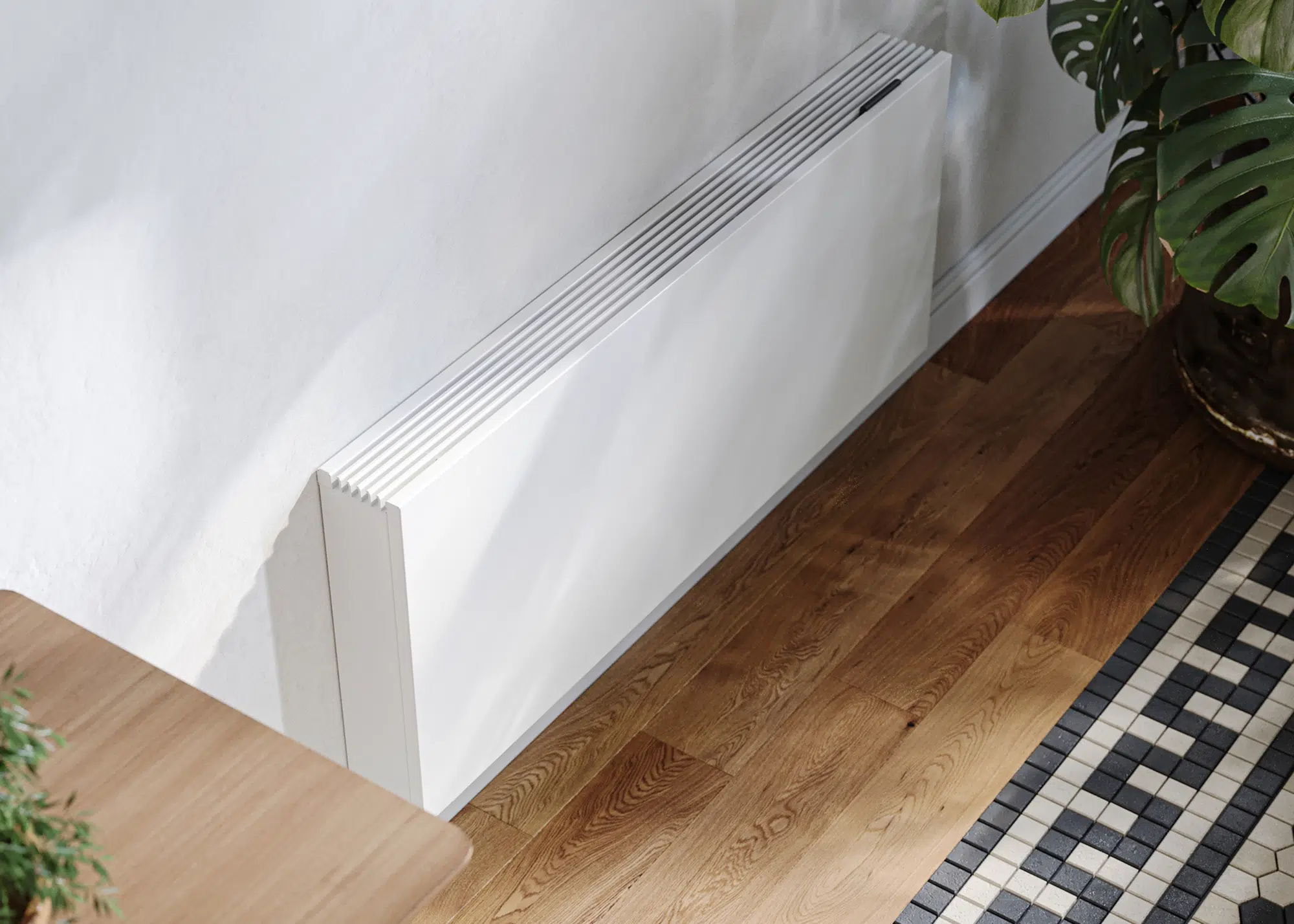
The Radiator Centre’s Strada Hybrid, from £602, is a fan-assisted radiator primarily aimed at low-temperature heat pump systems. A boost mode increases outputs by 20-25% to reach desired room temperatures quicker. Outputs range from 3,217 to 36,682 BTUs (943 to 10,751W) depending on size
We’ve come a long way from the plain white rectangles of old. Sleek vertical models free up wall space; low-profile versions tuck neatly beneath windows; and designer radiators double as sculptural features. Coloured or textured finishes can turn an otherwise practical fixture into a style asset.
Upgrading radiators offers an opportunity to rebalance your heating system. Properly sized, well-positioned units ensure each room in your home warms evenly, helping to eliminate draughty cold spots and reduce wasted energy.
Not every upgrade needs to start from scratch. If you have high-quality period radiators, these can often be refurbished. Cast-iron column designs, in particular, are built to last – so consider having them stripped, repainted and internally flushed to restore their performance.
Don’t assume you need to change every radiator if you’re adding insulation or moving to a heat pump – some of the existing emitters may still be suitable. Your heating engineer can calculate the required outputs at lower flow temperatures and advise on whether the current radiators will suffice or, if not, how many need upgrading. One option is to move panels between different rooms to minimise the number of replacements required. This not only saves money but also reduces waste and – in the case of a period property – could preserve character.
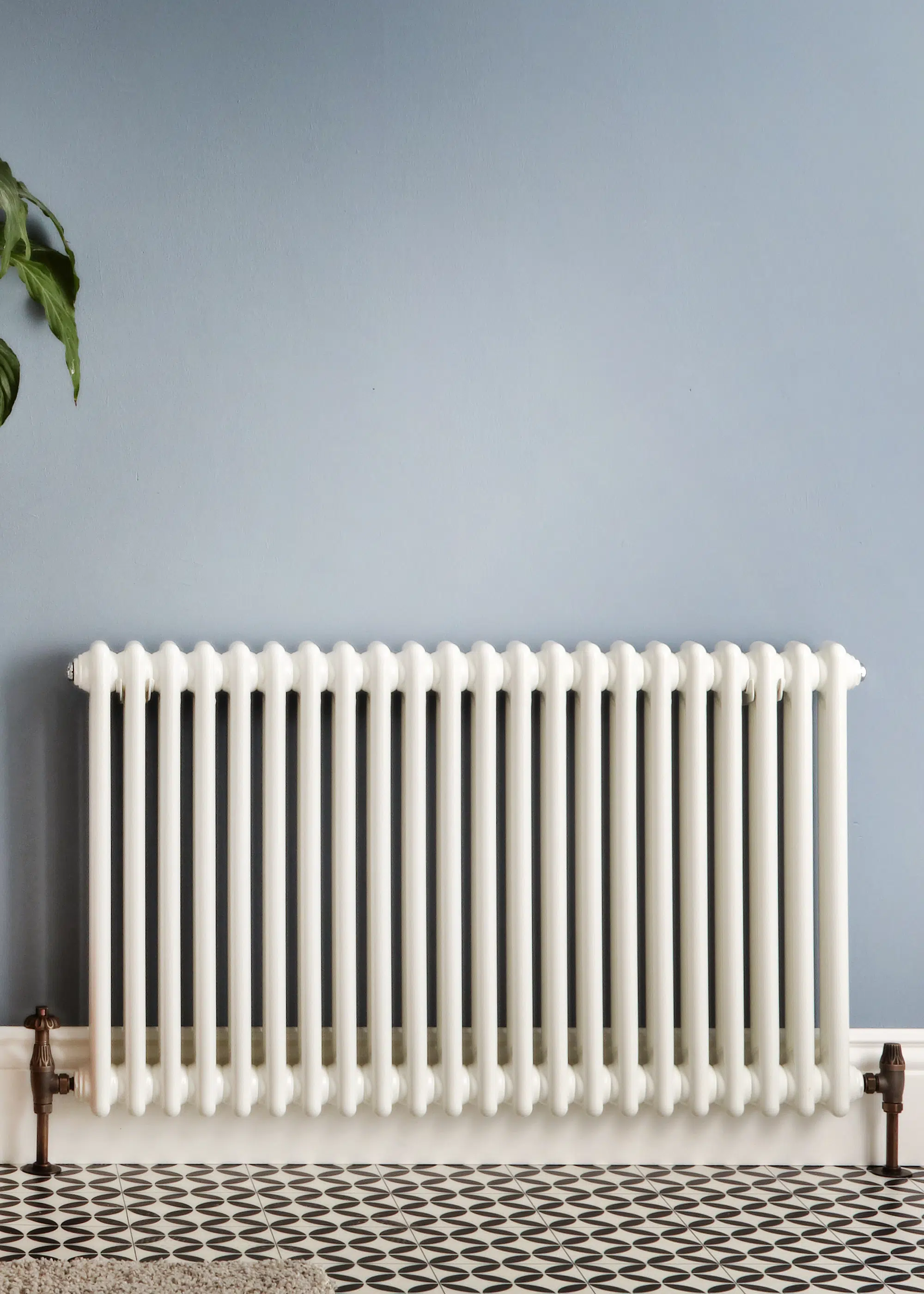
Available in horizontal and vertical styles, the Milano Windsor from Best Heating is a triple-column radiator ideal for achieving a classic look. This 600mm (H) x 1,190mm (W) versions can deliver 5,055 BTUs (1,481W) of heat in a typical boiler-fed system
Moving existing radiators can also be worthwhile if your renovation alters room layouts or your house’s floorplan. Traditionally, the windows were the coldest part of a room – hence radiators were positioned directly beneath them, to warm cold draughts and encourage heat circulation. If you’re installing double or triple glazing, the window won’t be as much of a cold spot, giving added flexibility for radiator placement.
When budgeting for radiator work, consider the condition of the pipework behind the scenes. Old or corroded pipes can restrict water flow and affect system balance. Some types of microbore pipe (narrow copper or plastic tubes popularised in the 1970s and 80s) struggle to deliver sufficient flow in low flow temperature heating systems – you may need to consider stripping out and replumbing.
If you’re lifting and insulating floors as part of a wider renovation project, then it’s well worth assessing whether to replace the pipework at the same time. Doing so while access is easy will be far cheaper than retrofitting later. Expect to spend from around £300–£500 per room for new copper runs, depending on complexity.
Good controls are what separate an efficient system from an inefficient one, so be sure to look at modernising them alongside your radiator upgrade. This way, you’ll enjoy the best possible performance from day one.
Thermostatic radiator valves (TRVs) allow individual room adjustment, preventing energy waste in spaces that don’t need constant heating. Upgrading to modern, liquid-sensor TRVs can improve responsiveness and accuracy – and you can even get smart home controls to help do the job. TRVs can also be a style statement themselves, with different materials and colourways to match any.
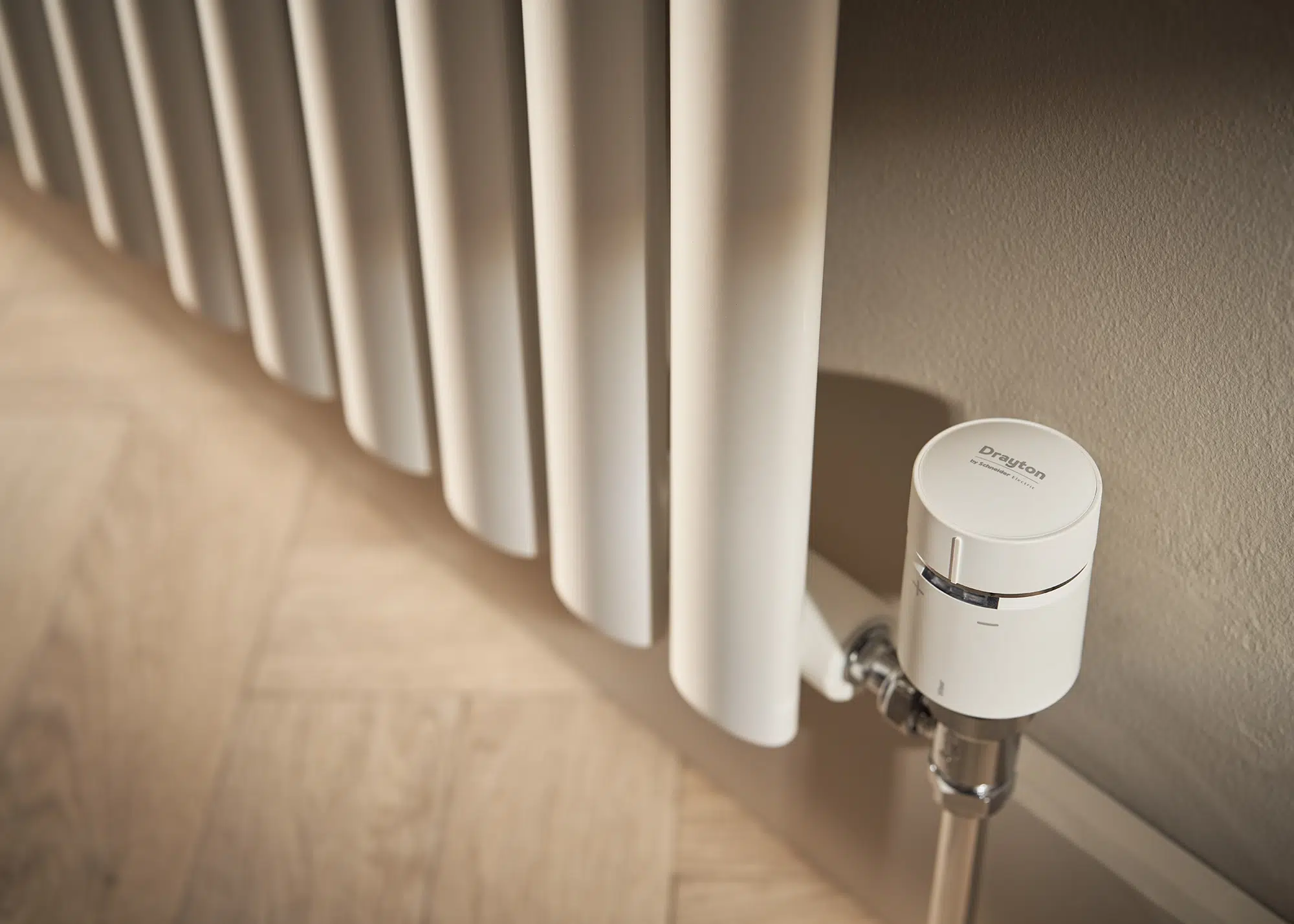
The Wiser smart radiator thermostat fits onto most existing valves to give you independent, room-by-room control. Pair wirelessly with the Wiser Hub to manage your heating from anywhere via a dedicated app
A single central thermostat and programmer is better than nothing but zoned smart controls can take efficiency further – particularly in larger homes. They don’t always deliver the miraculous savings manufacturers claim but can help optimise comfort by learning usage patterns and preventing overheating. For most households, modest but worthwhile energy savings are achievable, especially when paired with upgraded radiators.
While swapping out a single radiator can be a DIY-friendly job, anything more involved – like resizing, rebalancing or rerouting pipework – is best done by a qualified heating engineer or plumber. A professional will calculate sizes and outputs for you, check pressures, balance the system and ensure everything operates safely and efficiently.
Always check your installer’s credentials – especially if you’re undertaking a full system upgrade or integrating a heat pump. Accreditations include Gas Safe for working with gas boilers and MCS (Microgeneration Certification Scheme) for renewable appliances.
Radiator projects vary widely in cost, depending on factors such as the size of your home, insulation values, and the nature of the emitters required – will there be more of them, do you need larger models etc? Here’s a general guide to what to expect in your quotes:
| Item | Typical cost (per item or project) |
|---|---|
| Basic radiator replacement (like-for-like) | £150–£300 |
| Designer radiator | £250–£800+ |
| Whole-house upgrade (8–10 radiators) | £1,500–£3,000 |
| Refurbishing cast iron radiator | £150–£300 each |
| Upgrading controls (TRVs, thermostats) | £30–£200 per room |
| Replacing old pipework | £300–£500 per room |
Remember to budget for system flushing, which will typically cost you £400-£600 for a full house. This oft-neglected step will help prevent sludge build-up and protects your investment.

















































 Login/register to save Article for later