Estimate your project costs instantly with Build It's interactive self-build cost calculator
Calculate NowGet an accurate, detailed cost breakdown of your project
Submit plans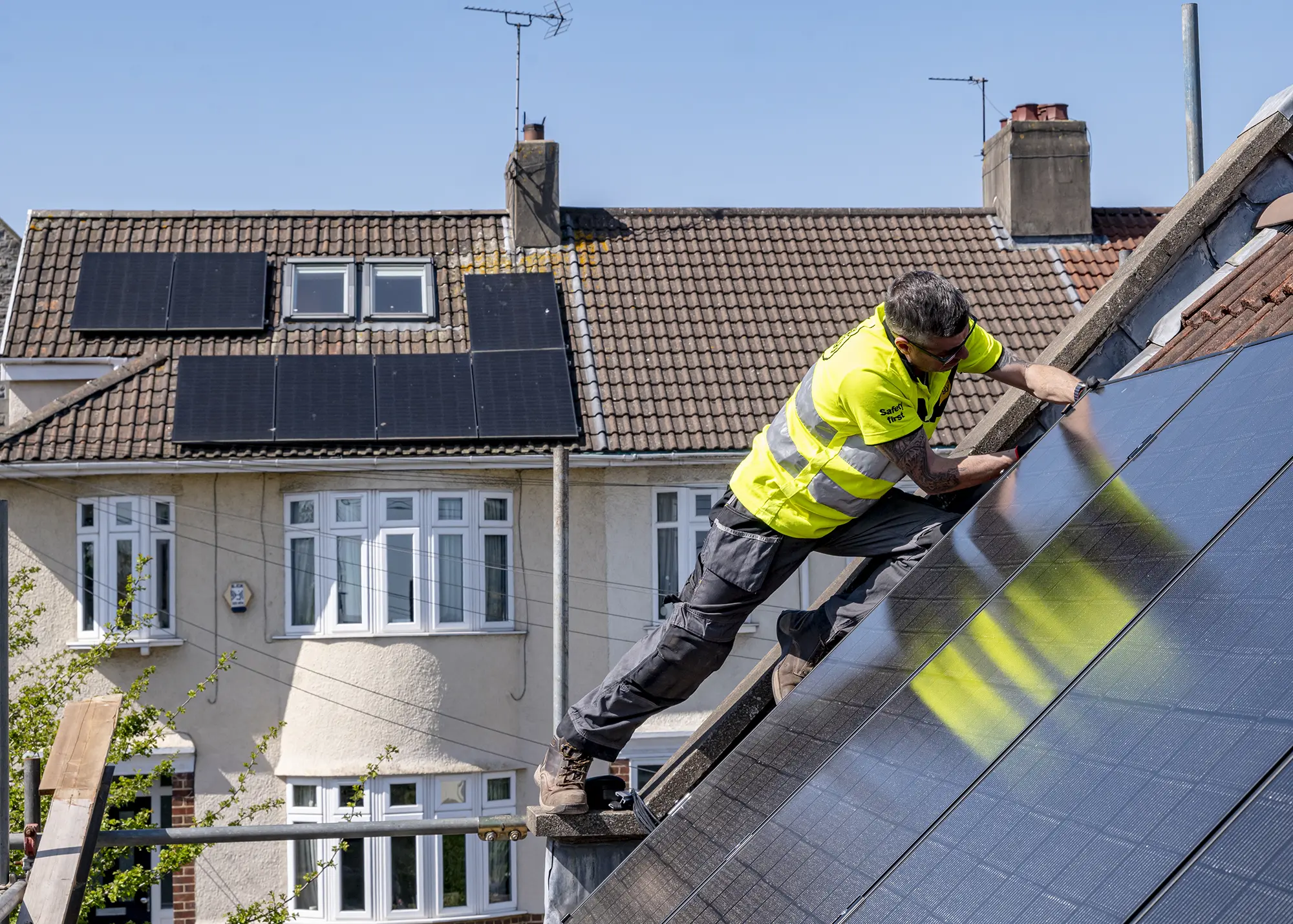

Clean technologies are developing fast, offering homeowners the chance to cut bills and carbon. By combining the likes of solar panels, heat pumps and smart tariffs, you can start to move away from fossil fuels, transforming your home into a powerhouse and taking control of your energy use.
With any retrofit project, the first step to becoming more energy self-sufficient is to improve insulation. Your Energy Performance Certificate (EPC) is a good place to start – potential big wins include loft insulation, which could pay back in just two years, and installing suitable wall insulation. Once you’ve got the fabric right, it’s time to power up.
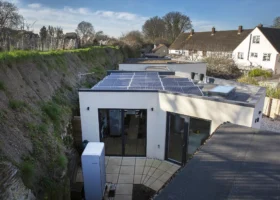
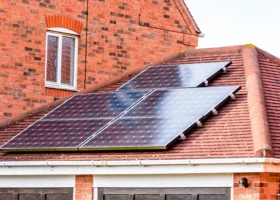
With electricity prices remaining high, fitting solar PV can save you around £300-£900 per year on electricity bills through a combination of savings and selling back excess power via an export tariff. In doing so, you can also add value to your home, while reducing carbon emissions.
Depending on the size of your solar array and how much of the electricity you use yourself, a quality system could pay back in under 10 years. With solar panels lasting 20 to 25 years, you can enjoy those savings well into the future.
Photo: Good Energy
Key factors affecting how many solar panels you install include your budget, the amount of suitable roof space available, household demand and the type of electricity meter you have (single phase or three phase). Fitting as many panels as you can make good sense, as labour and scaffold hire make up a large proportion of the install costs.
A typical 4kWp array (around 12 to 16 panels) might generate around 3,400kWh of electricity per year. Apps let you track generation and usage in real time, enabling you to get best value from your home-grown energy.
Often partnered with solar panels, modern battery systems allow you store and use more of the energy you generate on site. The average household uses about 8kWh of electricity every day, and home battery storage can vary in size from 1.2kWh to 16kWh to suit.
Investing in battery storage lets you make the most of your home’s renewable energy, turning it into a true powerhouse. Paired with dual-rate smart tariffs, like Good Energy’s Smart EV and renewable heat pump tariff, you can charge your battery from the grid during off-peak hours to maximise savings – even on dark, cloudy days when your solar panels aren’t generating as much power.
Switching to an electric vehicle (EV) is another great way to sever ties with fossil fuels and gain greater control over the energy you use. UK cars average 20 miles a day, which equates to about 5kWh of electricity. That’s around £2 on your energy bills each day if you’re on a single-rate tariff – substantially cheaper if you are on a specially designed dual-rate EV tariff. Plus, if you charge up with the power you generate at home, you’ll be adding miles for free.
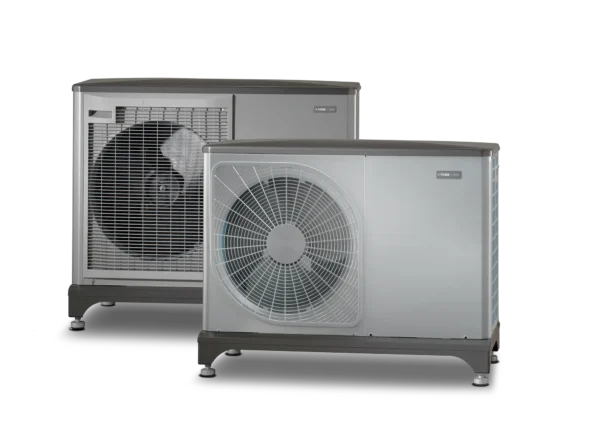
Electrifying your heating is a really important step in becoming more energy self-sufficient. A well-designed heat pump system can generate up to 3.6 units of heat for every unit of electricity it consumes. This makes it one of the most impactful ways to reduce your household carbon emissions and potentially reduce your monthly bills, without compromising on comfort.

Photo: Good Energy
This is because electricity, even if it comes from the grid rather than your own rooftop, is much lower carbon than directly burning oil or gas. Be aware that you will still need to draw electricity from the grid to power your system in the winter months. Joining a specially designed heat pump tariff will help make this cost effective.


































































































 Login/register to save Article for later