

- Plan ItBack
- Design ItBack
- Build ItBack
- Homes
- ProductsBack
- CostsBack
- Self Build Cost Calculator
Estimate your project costs instantly with Build It's interactive self-build cost calculator
Calculate Now - Costs & Finance
- Contracts & Warranties
- Build It Estimating Service
Get an accurate, detailed cost breakdown of your project
Submit plans
- EventsBack
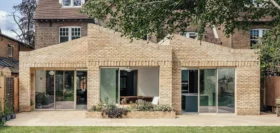

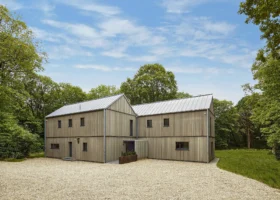
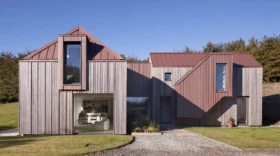
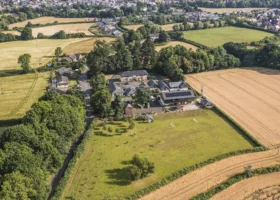
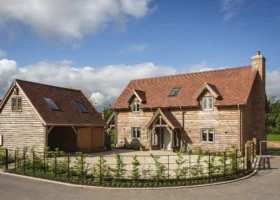
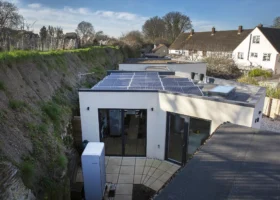
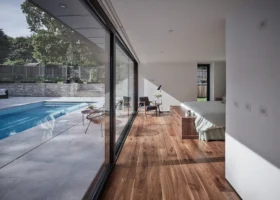
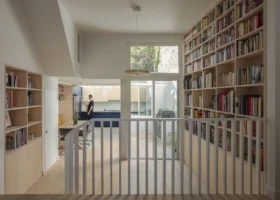
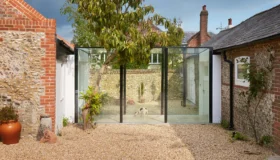
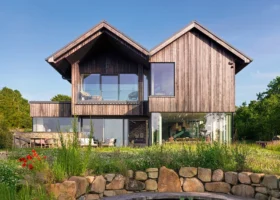
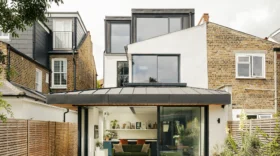
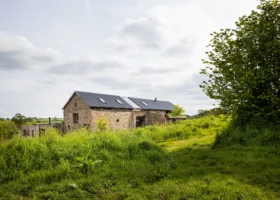
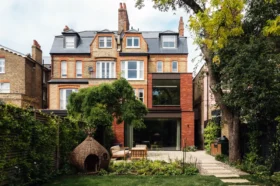
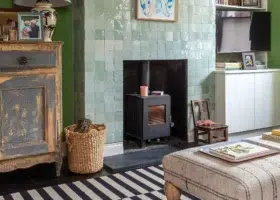
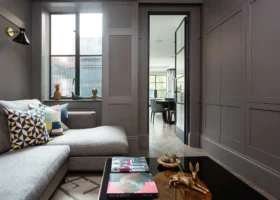
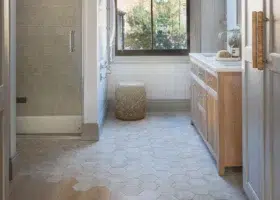
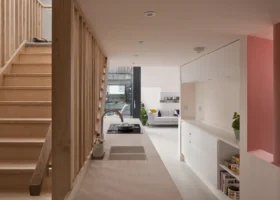
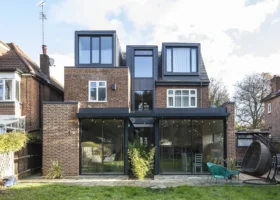
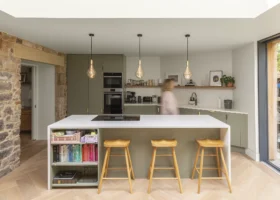
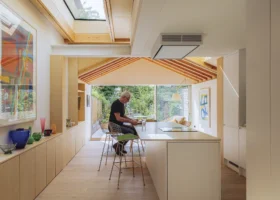
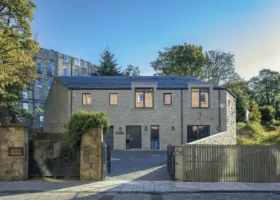
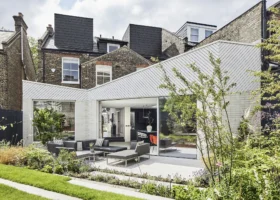
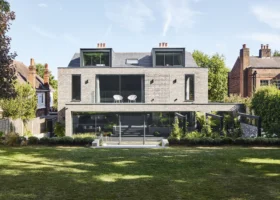
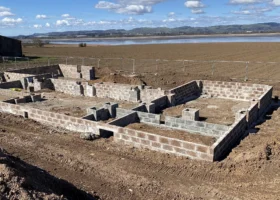
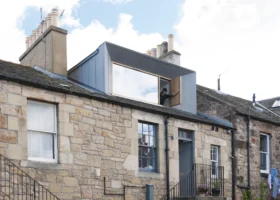
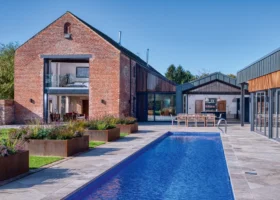
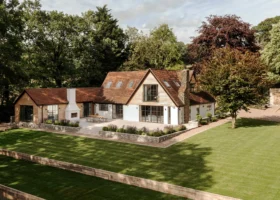

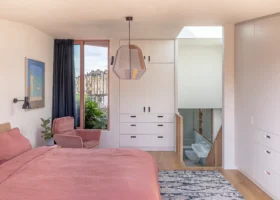
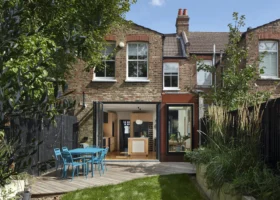
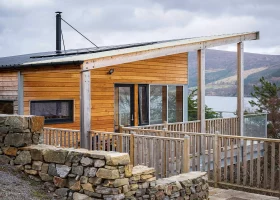
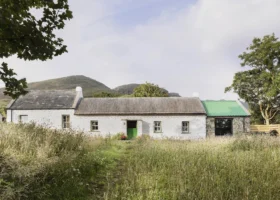
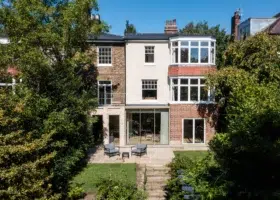
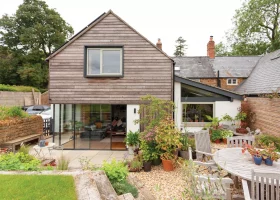
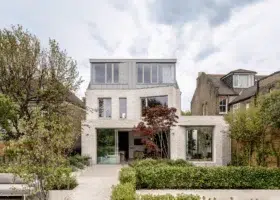
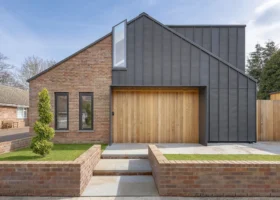
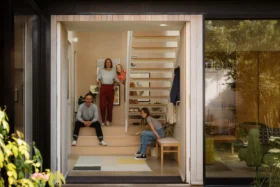
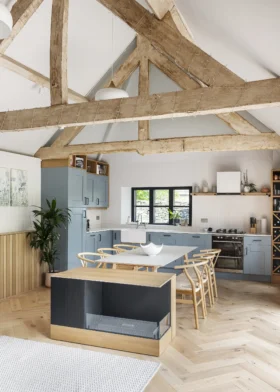
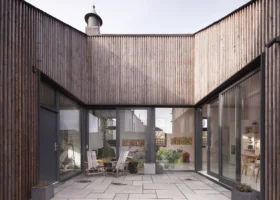
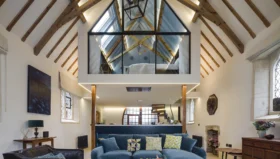
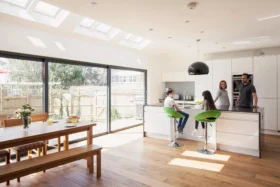
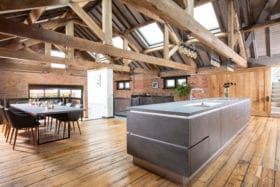
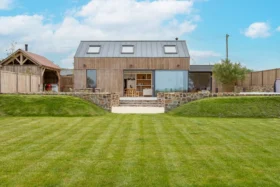

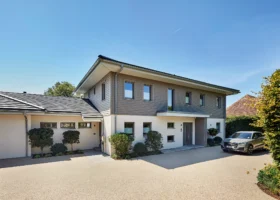
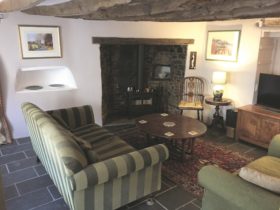
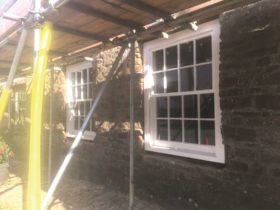
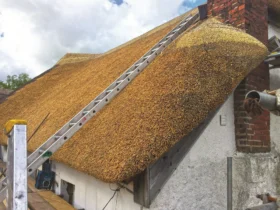

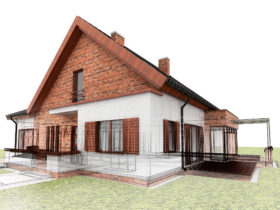

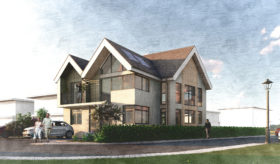
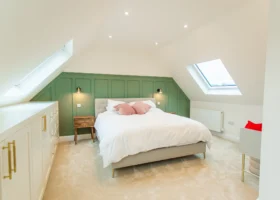
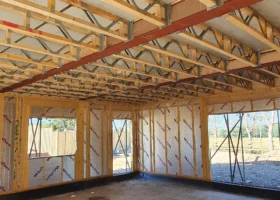
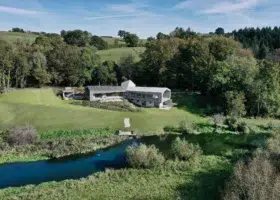




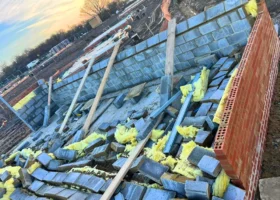




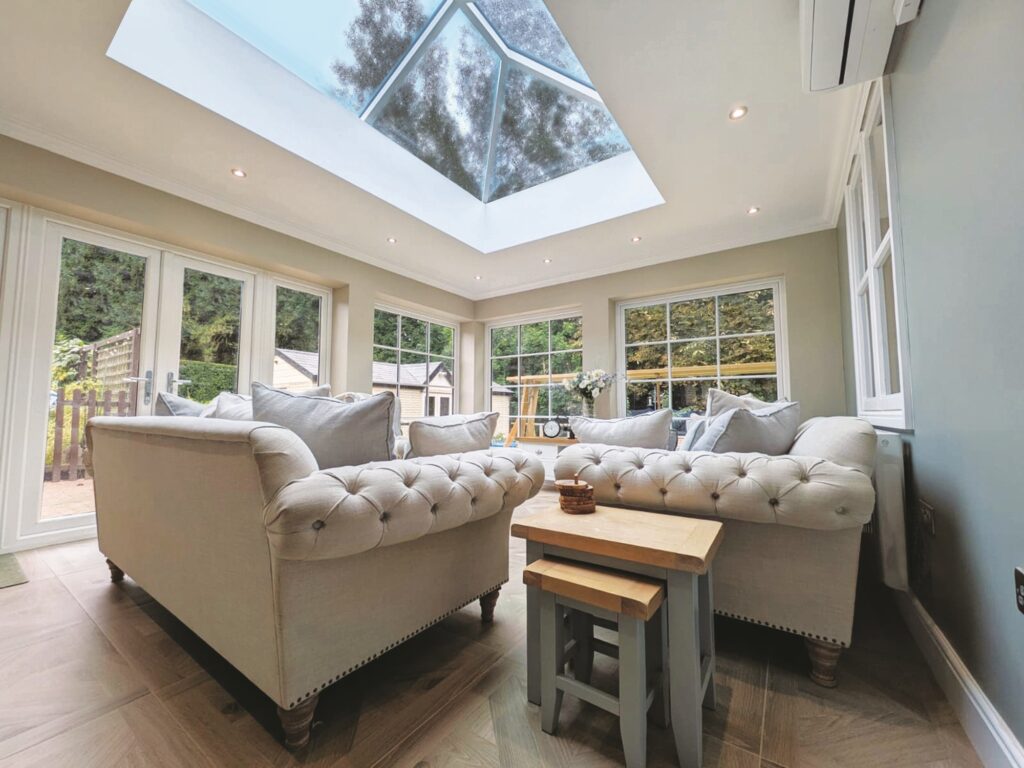

The Project: We worked with the owners of a semi-detached period property in a village, originally built in 1820 as a schoolhouse. A single-storey rear extension was planned to create additional family living space, with a flat roof design chosen to integrate with the existing building and suit the scale and character of the home.
The Requirement: From the outset, daylighting presented a clear challenge. The extension was relatively deep, making it difficult for natural light to reach the centre of the space. Relying solely on vertical glazing risked creating an interior that felt gloomy for much of the year, particularly during the winter months. At the same time, the owners were keen to ensure the new space remained comfortable and usable year-round, with careful consideration given to thermal performance, solar control and glare. The roof opening also needed to work with a flat roof build-up and a large structural aperture, while practical build issues such as handling, installation and site access could not be overlooked.
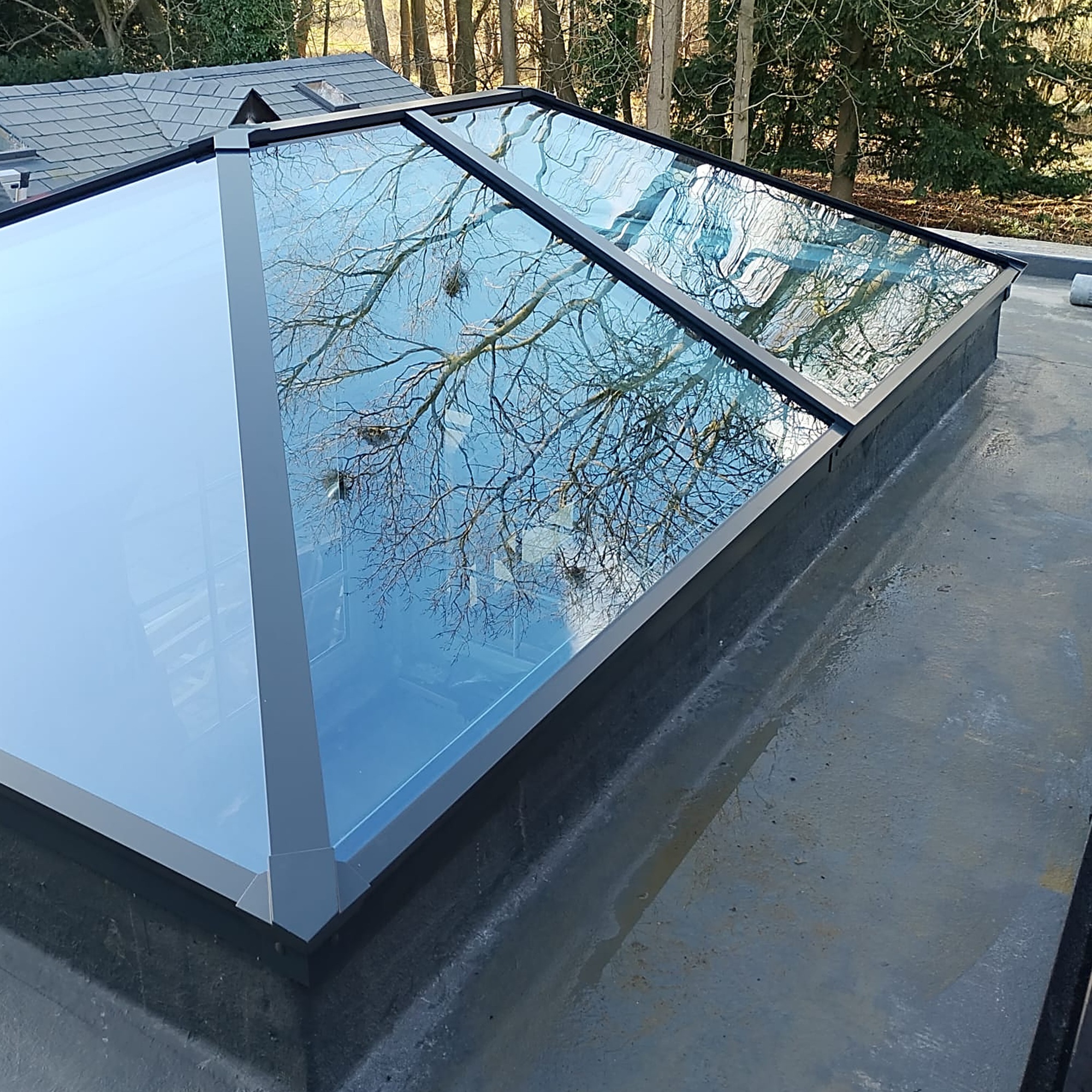
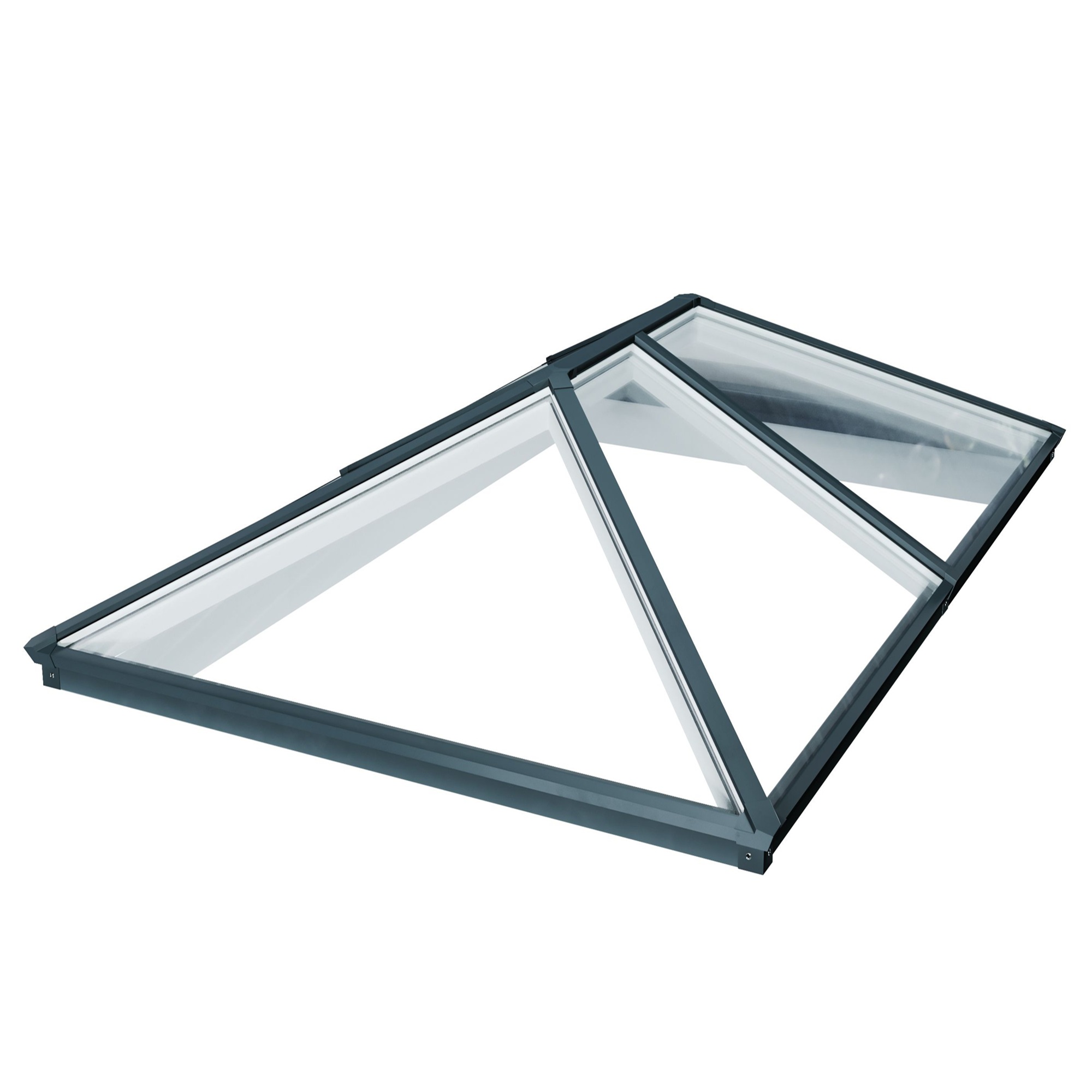
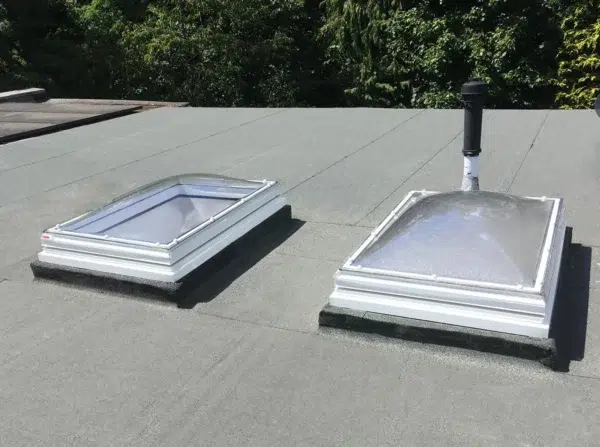
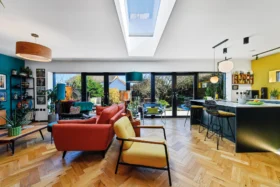
The Solution: We advised that a roof lantern would be the most effective way to introduce daylight deep into the extension and evenly distribute light across the space. A 6-panel Brett Martin roof lantern was specified to suit a 3000mm x 2000mm kerb opening. The lantern features a powder-coated aluminium frame, finished white internally (RAL 9010) and anthracite grey externally (RAL 7016). Double-glazed, self-cleaning glass with a blue tint helps diffuse daylight, reduce glare and limit solar gain, supporting comfortable everyday use of the room. The multi-panel configuration also made handling and installation more manageable on site. With access limited by a narrow village lane, careful delivery planning ensured the lantern could be delivered without causing hold-ups during the build.
The Result: The completed roof lantern has transformed the extension into a bright, practical living space. The project demonstrates how addressing daylight early in the design process can significantly improve flat-roof extensions, and highlights the value of technical advice when balancing light levels, comfort and build practicality.
Gallery