


- Plan ItBack
- Design ItBack
- Build ItBack
- Homes
- ProductsBack
- CostsBack
- Self Build Cost Calculator
Estimate your project costs instantly with Build It's interactive self-build cost calculator
Calculate Now - Costs & Finance
- Contracts & Warranties
- Build It Estimating Service
Get an accurate, detailed cost breakdown of your project
Submit plans
- EventsBack























































 Login/register to save Article for later
Do You Need a Professional Project Manager for Your Self Build? An Expert Shares the Benefits

There’s a slightly uncomfortable truth about self building that, in my opinion, doesn’t get talked about enough: building projects are hard to manage. Run right, they feel controlled and predictable. When they’re not properly coordinated, the opposite happens: delays stack up, costs creep, mistakes happen and stress levels rise.
Good project management is what keeps a build on track. Without it, even relatively straightforward builds can drift off course surprisingly quickly. The core role of a project manager (PM) is to look after the scheme and protect your interests. It sounds obvious, but it’s often misunderstood. Most people assume that their builders are running the job, or the architect is overseeing things on site. Sometimes they are – to a degree – but neither is truly independent in the way a dedicated project manager is.
A professional PM sits between you and the people carrying out the work on your scheme. They coordinate designers, manage contractors, control costs and keep the build moving. More importantly, they make decisions or guide you through them and deal with issues before they risk turning into expensive problems – rather than pressing ahead and explaining them afterwards.
In this guide I’m looking at the different benefits of hiring a professional project manager for your self build, and whether this route could be right for your scheme.
Which project management style is right for your build?
One of biggest misconceptions with project management is that it means the same thing on every job. It doesn’t. At one end of the spectrum, you have traditional contract administration, often used on architect-led projects with a main contractor. The project manager, who is usually the architect, focuses on managing the contract, issuing instructions, certifying payments and ensuring the builder is delivering what was agreed. It’s a formal and largely office-based approach, with periodic site visits.
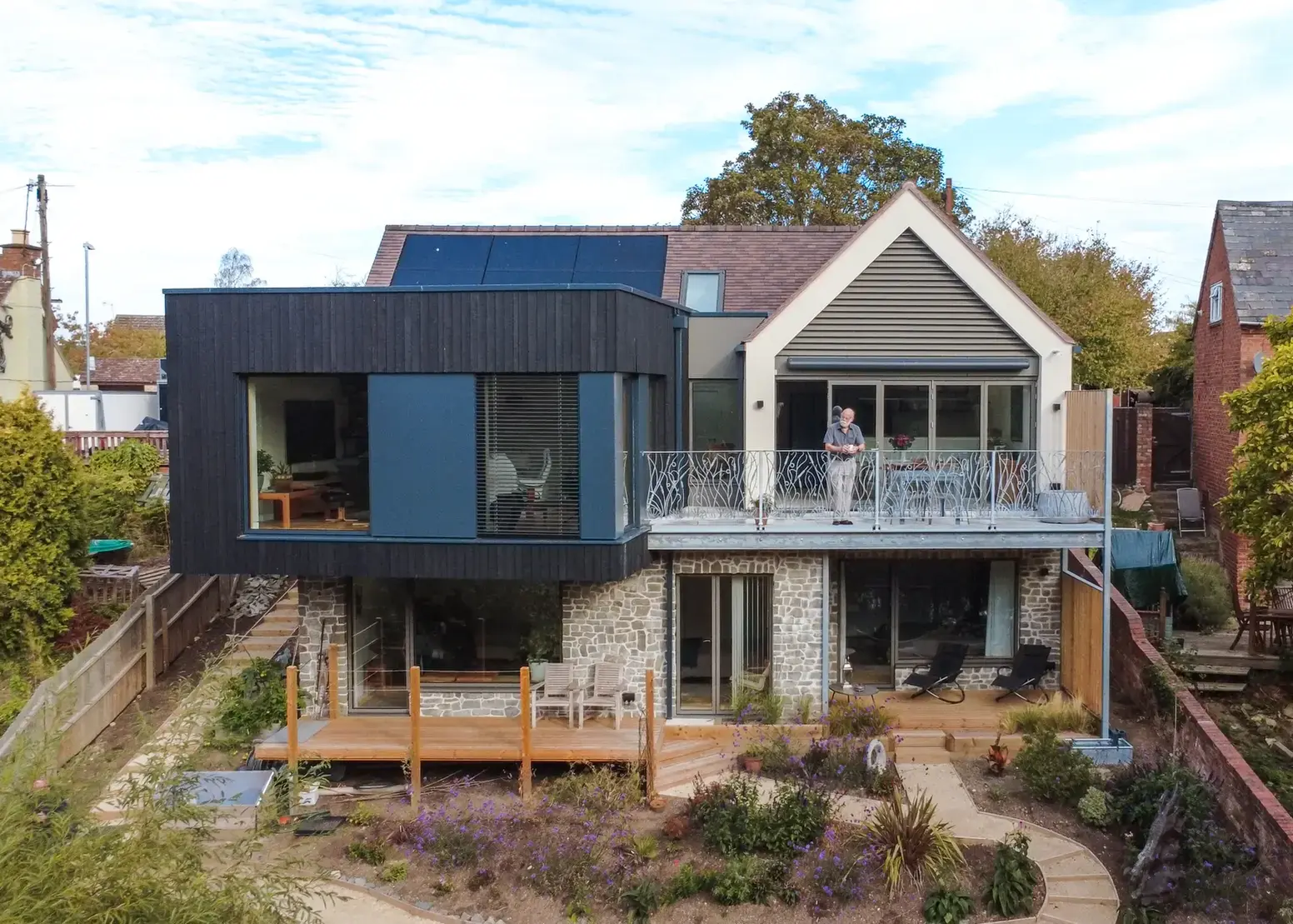
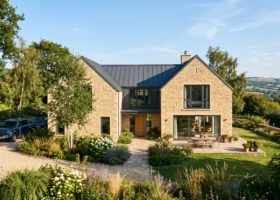
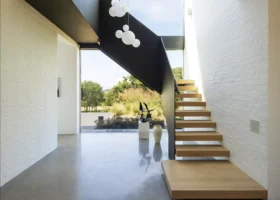
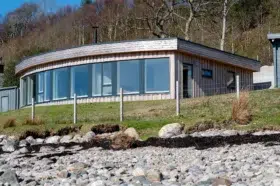
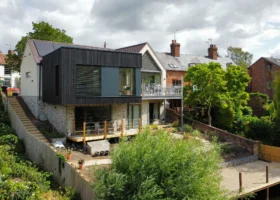
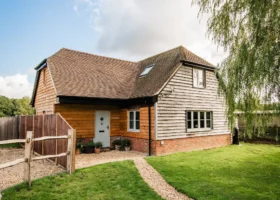
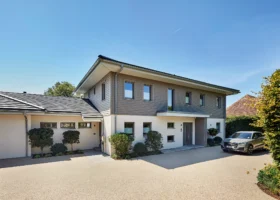
Serial self builders Frank Ainscow and Kerry Mashford have always been at the forefront of innovative sustainable building technologies in previous homes and had their hearts set on a Passivhaus for their final project. The spectacular home was designed by Habitat+ Architects, who also took on project management duties. Photo: Habitat + Architects
At the other end, particularly on self build projects, there’s a far more hands-on route. This is where a project manager is heavily involved with day-to-day site activity, coordinating trades, sequencing works, solving practical problems, keeping up momentum on site and sometimes even rolling their sleeves up when needed.
Both project management models can work well. But in truth they suit very different types of client and project. The best option comes down to how much direct control and involvement you want to have, and how much time you realistically can give to the project.
What are the most common project management mistakes?
Most self builders set off with good intentions. They want to be involved, to understand the process and, quite often, they hope to save money by retaining control and managing things themselves. There’s nothing wrong with this – until the complexity and pressure ramp up.
Sequencing is usually where cracks start to show. Trades overlap, dependencies aren’t understood and, suddenly, the plasterer turns up before the building is even watertight. Then there’s procurement. Materials arrive late, specifications are unclear and substitutions are made without fully understanding the consequences.
In terms of cost, variations creep in, decisions get rushed and, before long, the budget drifts. None of this happens because people are careless. It happens because managing a construction project requires a significant time commitment – and that’s hard to do if you’re working a full-time job alongside your build.
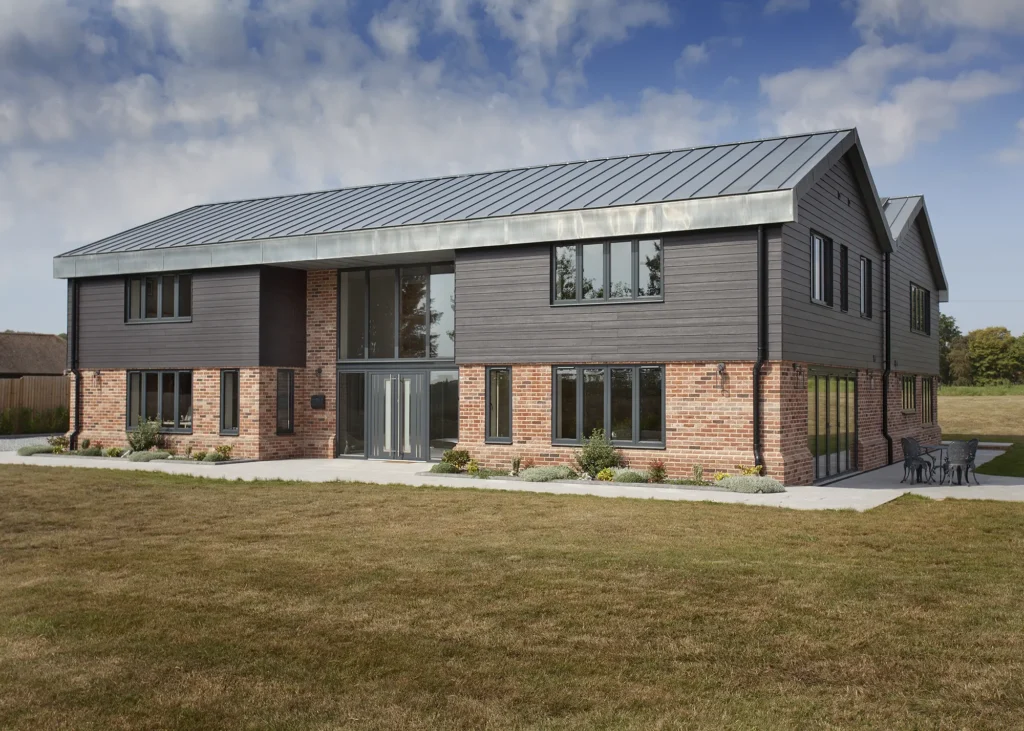
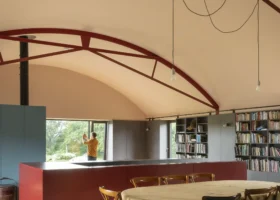
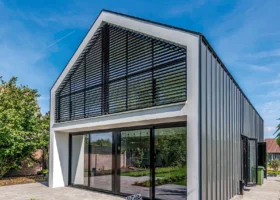
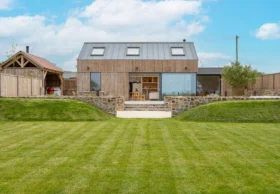
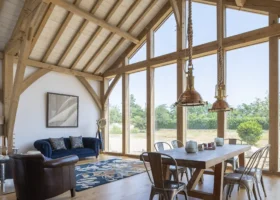
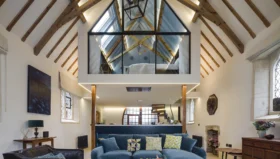
More than 40 years after Martin Gurnett’s father built an atcost barn on the family farm in Essex, Martin and his wife Fiona Jenkins converted the structure into a contemporary home. With no construction experience, Martin decided the best course of action would be to bring in a professional project manager to oversee the build. “We were extremely lucky to be recommended Peter Swarbrick of PGS Development Services,” says Martin. “His 40 years in the business was paramount to the success of the build.” Photo: Lyndon Douglas
How can these mistakes impact the build?
When control is lost, the effects aren’t always immediate. A poorly-installed vapour barrier might not be spotted until condensation appears, for instance. Delays are more obvious – trades waiting around, returning later or redoing work. This all adds cost and is usually preceded by a whole lot of moaning. In the worst cases, disputes arise with builders blaming the designer or vice versa, and the self builder is left with a mess to sort out.
This is where an experienced project manager really earns their keep – by spotting and avoiding these situations wherever possible, and having the authority and clarity to deal with them quickly if they do arise.
Premium Content
Downloadable E-Guide
Where should you start when planning your home building project? Build It’s in-depth downloadable guide to self building a house contains everything you need to know to make your project a success.
Find out more
What is the biggest benefit of hiring a professional project manager?
One of the most significant advantages of using a professional PM is their independence from the supply chain. They’re not trying to win a build contract or scoop an award, so they can focus squarely on what serves the client and the project.
Their job is to protect your interests commercially and technically. This might mean challenging an architectural detail, questioning a variation cost, or applying pressure when time starts to slip. They have to deal with quality issues and, when something isn’t good enough, will insist on rework. In practice, this independence is what gives both you and them control, even when they’re not on site.
Case study A 1960s bungalow in Surrey replaced with an energy-efficient double-storey home
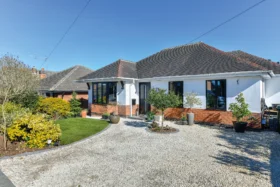
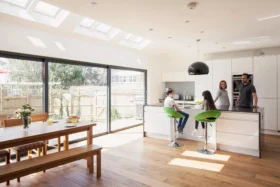
When Peter and Sophie Hill began house hunting, their initial plan was to downsize in preparation for Peter’s retirement, but instead they took a complete U-turn and signed up to a much larger project than they first envisaged. “We’d been unimpressed with new builds and ended up buying a dated bungalow to extend and add a second storey,” says Peter.
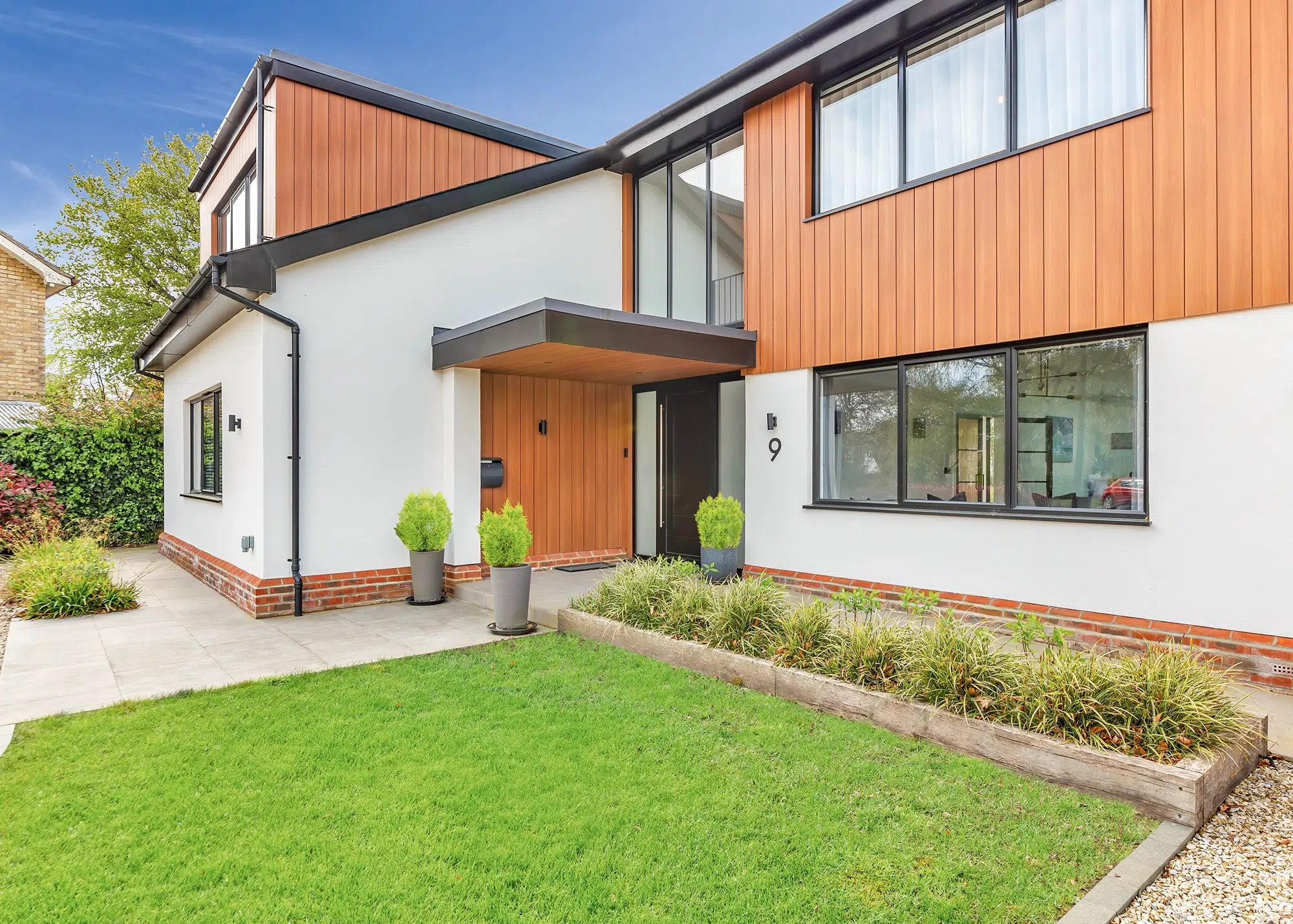
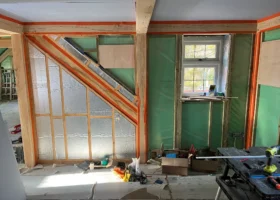
Photo: Kingspan Timber Solutions
The couple lived in the bungalow for two years before progressing with the project. They had clear ideas of what they wanted: a rear extension to square off the back and a second floor above the existing bungalow. The couple drew up a shortlist of four local architects and architectural designers they found online. “We liked that Rik Hall from Arc8 Projects was approachable. As we went through the design process with him, he’d sit with us, we’d discuss ideas, and he’d rough out sketches – it was an easy relationship.”

Photo: Kingspan Timber Solutions
Rik took on the couple’s brief and also simplified the internal layout, and then submitted plans for alterations and additions to the existing bungalow. The planning officer came to site and was in favour of the design, which was approved six weeks later. However, after receiving build quotes sitting at around £617,000, the couple were keen to explore different options. “Rik advised we could probably build from scratch for a little more money, mostly because a self build is VAT-free,” says Sophie. “Also, if we broadly stuck to the approved design, he could re-apply for the new build knowing it was acceptable in principle, and we wouldn’t need to start again with planning.
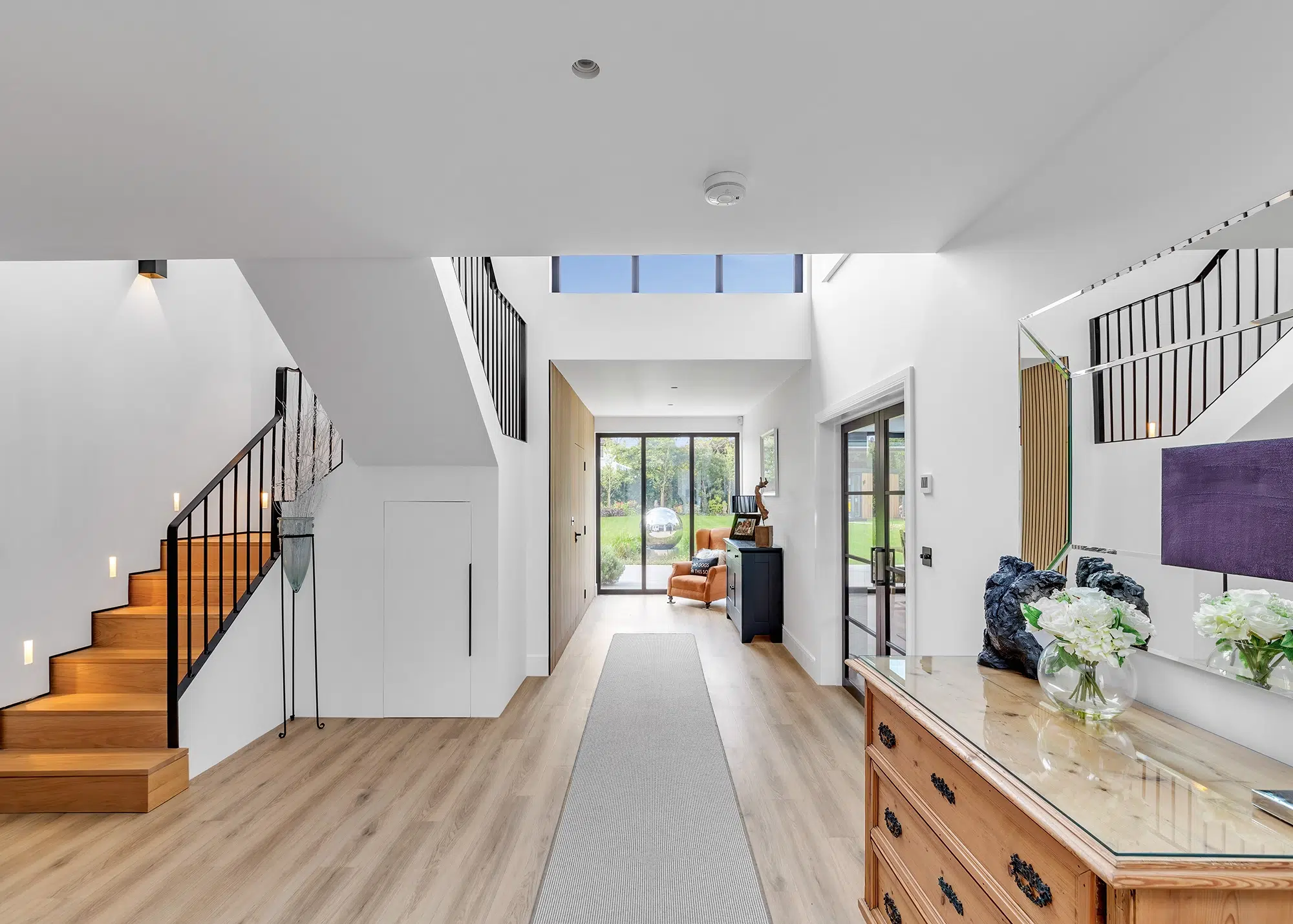
Photo: Kingspan Timber Solutions
Before going back to planning, the couple asked the same building contractors to re-tender – this time quotes came back averaging £651,000. They also approached an independent project manager (PM). “At the time it made sense to go with an independent PM as we didn’t need a house builder as such, but trades to take the project on after our timber supplier had built the superstructure” says Peter. “The PM’s fee was also cheaper than a building contractor’s mark-up.” The PM supplied all the trades and came to site a couple of days a week to keep an eye on progress.
| Location | Surrey |
| Project route | Architect design with independent project manager |
| Construction method | Timber frame |
| Plot size | 0.25 acres |
| Project cost | £743,720 (£2,479 per m²) |
| Building work took | 32 weeks |
What does a well-managed self build project look like?
When a project is well managed, it looks calm and collected. Trades turn up when they should, materials arrive on time and the site feels organised. Behind the scenes, there’s constant coordination. Conversations with suppliers, checking drawings, reviewing details and planning weeks ahead. It’s a continual process of anticipating what’s coming next and removing obstacles before they impact the build. This is the bit that most people don’t see and often underestimate!
Compliance is an area where project management plays a crucial role. On paper, it’s straightforward: fulfil the Principal Contractor duties and build as per the drawings. In reality, it’s more complicated. A good project manager will understand how to comply with the Building Regs and won’t just blindly follow what’s drawn. They’ll check things thoroughly, ensure inspections are booked and resolve compliance issues if they arise.
When will a professional project manager really pay off?
It depends on the complexity, the level of risk you’re comfortable carrying and how much time you can devote to your project. If you’re building a relatively straightforward house, a small builder on a fixed price, with a clear scope of work, should only need a light-touch contract administrator. But as soon as you move towards more individual trades, a bespoke design or anything complex – such as high-performance or sites with logistical challenges – the value of hands-on project management increases dramatically.
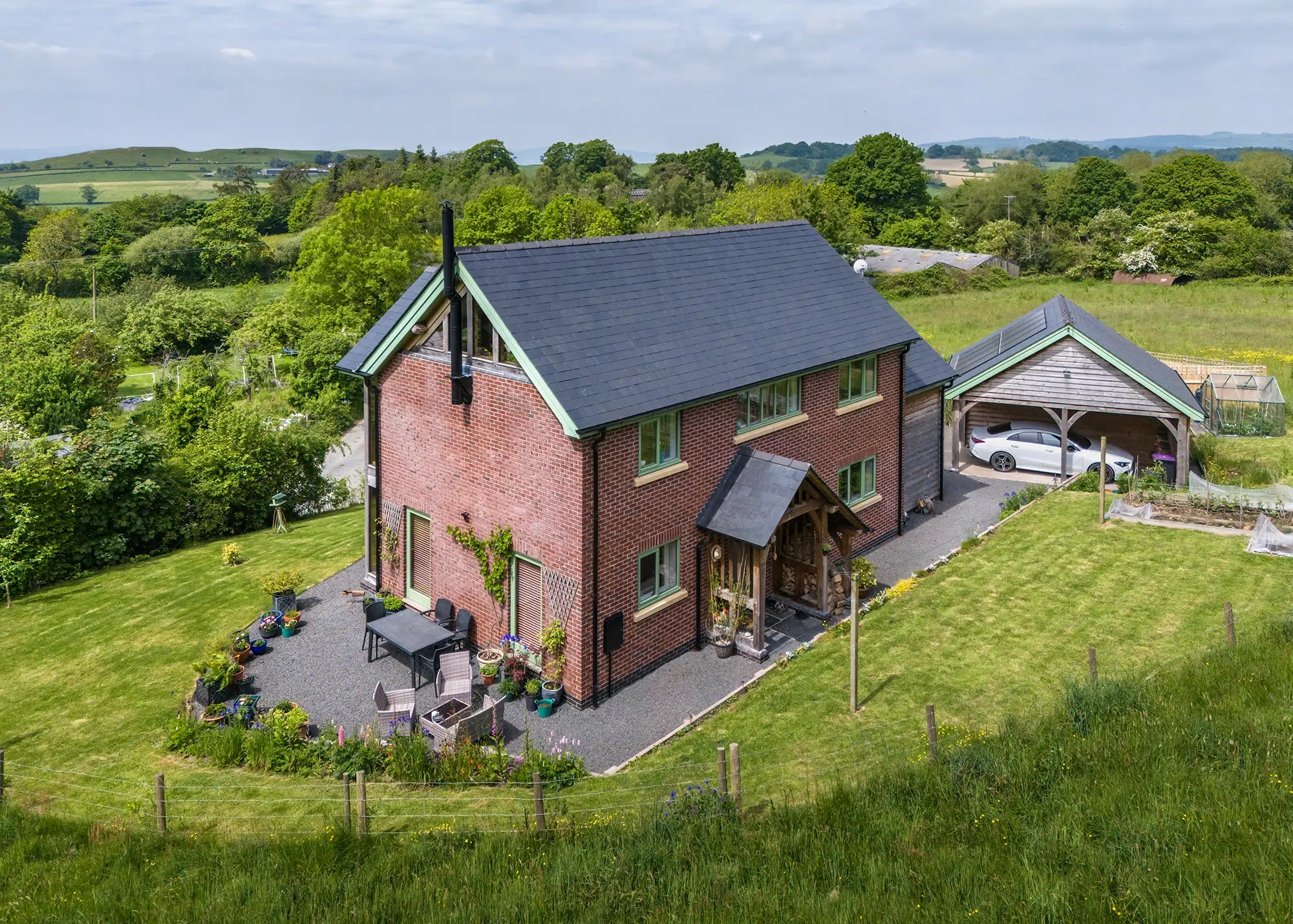
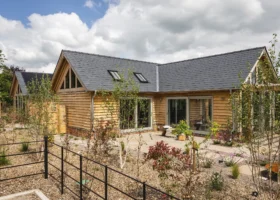
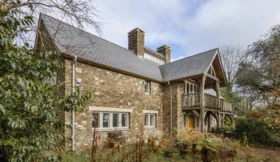
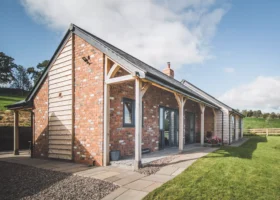
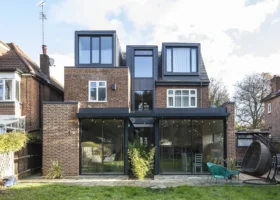
Peter and Melinda Young discovered an idyllic hillside plot with a glorious outlook across a valley. Now they live in an oak frame house with an upside-down layout to make the most of these stunning views. Welsh Oak Frame, who supplied the house’s oak frame structure, suggested Chris Wright at CA Wright Construction to manage the project as they had worked with him on previous projects. Photo: Nikhilesh Haval
Cost is always a consideration. Professional PMs typically charge between 4% and 12% of the build cost, with contract administration the cheapest and full-time project management the most expensive. In practice, good project management can pay for itself, through better procurement, fewer mistakes, tighter control and reduced delays.
Then there’s the question of how much time you have, and how well you’d cope with the stresses and strains of managing a build. It’s not just the time on site; there’s phone calls, decisions to make and problems to solve. A professional PM absorbs much of that pressure and keeps the project moving. The tipping point is often personal, but it’s worth remembering that, on a self build, there’s so much at stake. A good PM will take control, while the best ones will provide the support you need without taking the project away from you. Ultimately, they’ll make sure your home gets delivered – one way or another.
So, do you need a project manager for your build?
- Project management is not the same on every build: some projects need light-touch contract administration, while others need hands-on site coordination.
- A professional PM brings structure, control and clarity to what can be a stressful and unpredictable process.
- Crucially, they’re independent, acting in your best interests rather than those of contractors or suppliers.
- By anticipating problems, maintaining quality and keeping the programme on track, they can help prevent issues escalating into disputes or budget overruns.
- The more complex or bespoke your scheme, and the more individual trades need to be coordinated, the stronger the case for a professional management service.
- Cost matters, but bear in mind a good PM often pays for themselves by reducing mistakes, delays and the pressure on you as the client.
Mark Stevenson
You may be interested in







Comments are closed.