Claim your two free tickets now!
21st-22nd February 2026 - time to get your dream home started!
BOOK HERE21st-22nd February 2026 - time to get your dream home started!
BOOK HEREEstimate your project costs instantly with Build It's interactive self-build cost calculator
Calculate NowGet an accurate, detailed cost breakdown of your project
Submit plans

When people approach an architectural practice for a domestic project, they often think the process starts with drawing plans. In reality, good design begins well before pen is put to paper and continues long after planning permission is granted.
A successful project is the result of a structured, collaborative journey. While every scheme is different in scale and complexity, there are clear stages that help turn aspirations into a high-quality, buildable outcome. Understanding what happens when – and why – will not only help you get the most from your design team, but also protect your budget, programme and peace of mind.
The initial meeting is about defining what you want to achieve. We’ll talk through your ideas, lifestyle needs, site constraints and the wider context of the project to set a design strategy. This includes exploring feasibility, risks and opportunities. We’ll also explain the design process itself and outline what services are likely to be required.
Surprisingly often, we meet people who already have planning permission but aren’t sure what comes next. If the only output you’ve received from a designer is planning drawings and a rough spec, it suggests little attention has been paid to buildability and cost control.
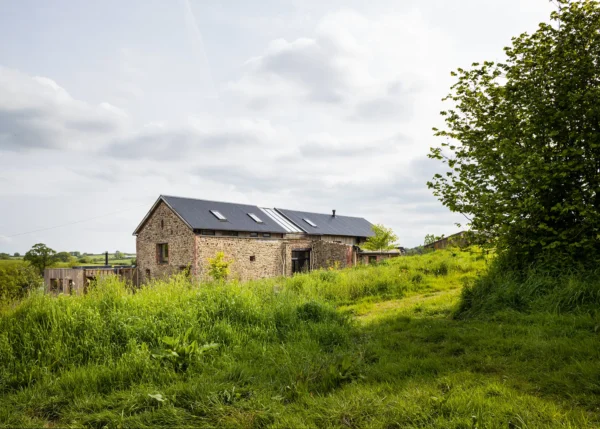
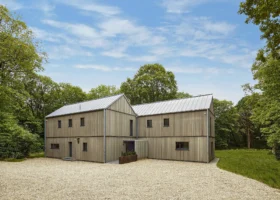
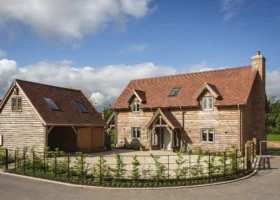
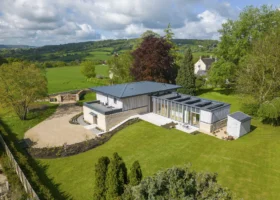
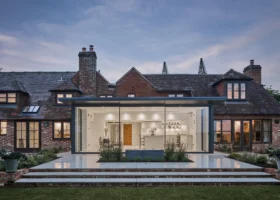
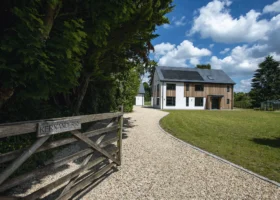
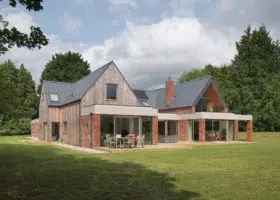
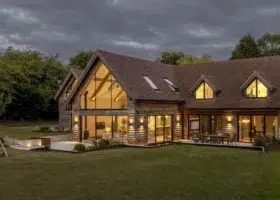
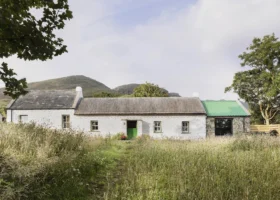
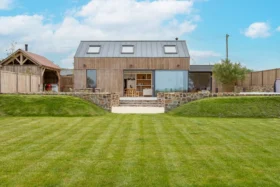
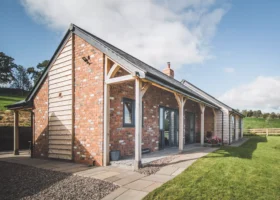
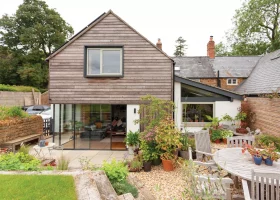
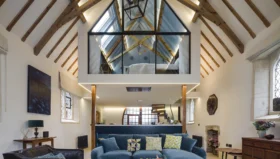
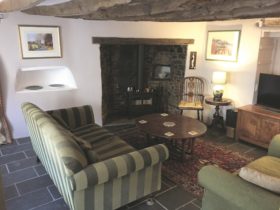
Completed in two phases, via a full service from RSA, this project transforms two cottages into one large, detached dwelling with a fully-glazed rear extension that capitalises on countryside views. Photo: Mikey Reed
The outcome of this stage should be a clear scope of services and a fee proposal, setting out how we’ll work together and what you can expect at each step (including the associated costs). Importantly, this should include what falls out of the designer’s scope, such as external consultants and local authority fees.
Once appointed, the next priority is information. Measured surveys, existing drawings and details like drainage, utilities, planning history etc form the foundation of everything that follows. Alongside this, we’ll develop the project brief collaboratively, and dive deeper into what’s achievable given planning policy, site constraints and your aspirations.
Some clients arrive with a firm budget in mind; others prefer to explore what’s possible first and refine costs later. While there’s no single right approach, having at least a sense of financial limits early on helps to manage expectations and guide sensible design decisions.
This is when your vision starts to emerge on paper. Based on the agreed brief, we’ll typically develop two to four concept schemes. In some cases, constraints with the plot, property or planning dictate a fairly obvious solution; in others, there’s room to explore more creative alternatives.
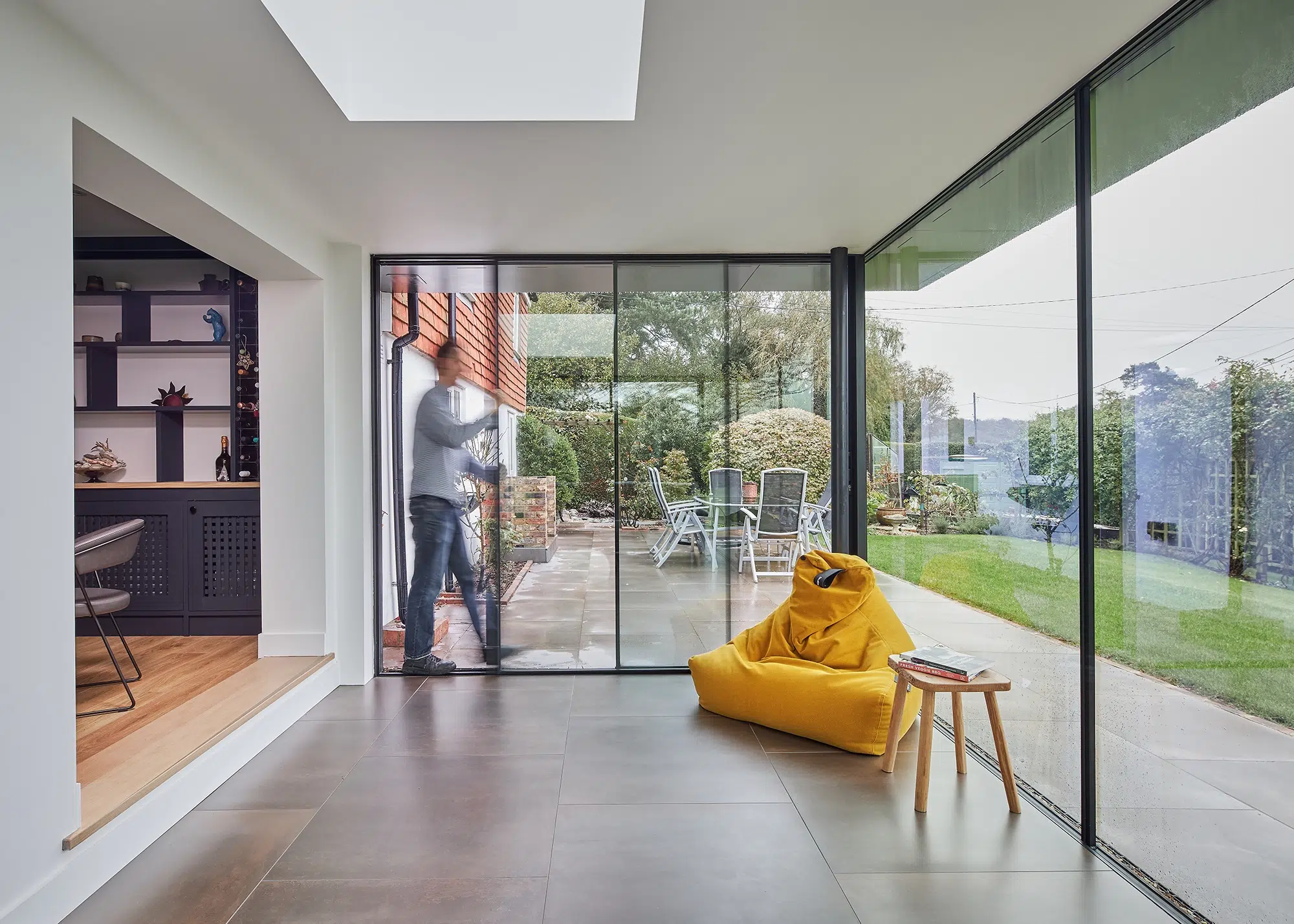
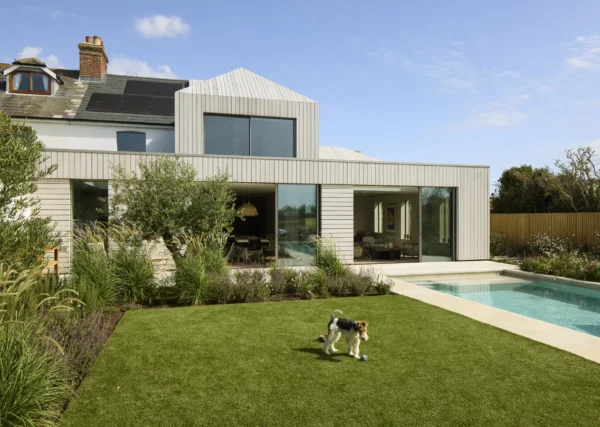
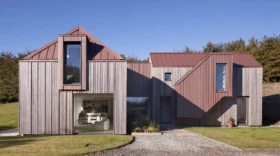
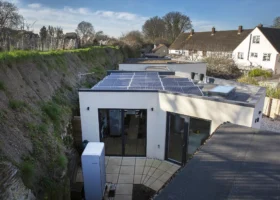
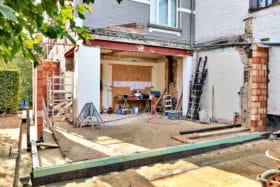
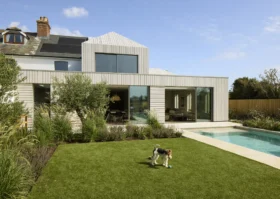
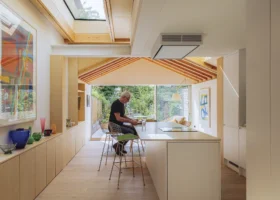
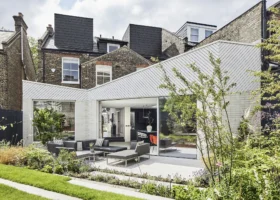
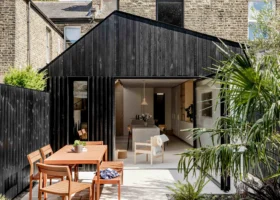
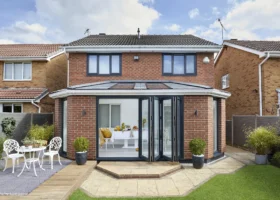
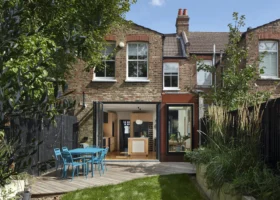
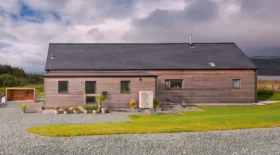
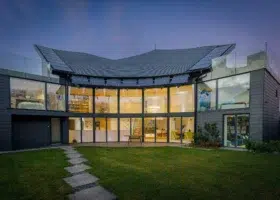
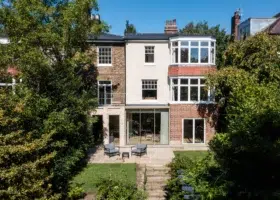
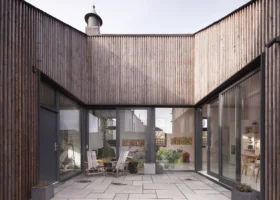
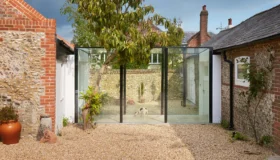
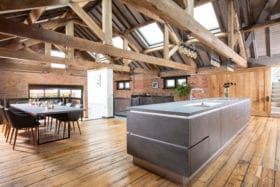
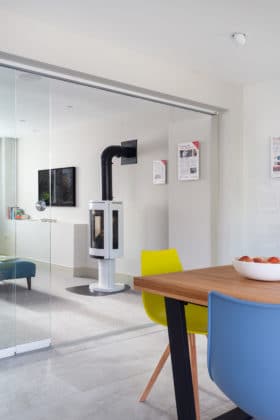
Modern glazed rear extension, internal alterations and refurbishment – including external landscaping works. RSA’s service spanned from concept to Building Regulations approvals, alongside project management to ensure the works were completed to budget and schedule. Photo: Mikey Reed
Challenge is an important part of this phase – expect us to test your initial ideas and, where appropriate, draw on our experience to propose alternatives that might work better for you in terms of light, flow, flexibility or buildability. This often leads to stronger outcomes; but a home designer should also recognise when a client wants a more fixed approach.
Once the overall direction is agreed, the focus shifts to refining the scheme for planning approval. This involves developing drawings, considering the wider context and ensuring the proposal responds sensitively to any constraints – from street scene to listed building controls.
We may now involve other specialists, such as planning consultants, ecologists and tree surveyors. Cost checks can also be useful, either through a quantity surveyor or indicative contractor pricing, to ensure the scheme remains aligned with expectations. Proactively managing the local authority planning process is a key part of the design team’s role – we’ll respond to queries, negotiate amendments where necessary and keep the application moving.
TOP TIPS How to be a good client & get a better resultA collaborative approach, backed by experience and clear communication, is the surest route to a successful project. Here’s how you can help your design team deliver for you:
|
It may not be as glamorous as ideating concepts or winning that all-important planning consent, but this is the most critical stage of the process. Technical design is where the approved scheme is shaped into something that can actually be built to the expected standard.
Here, we develop detailed construction drawings and specifications for Building Regulations and to enable contractors and trades to quote. It’s our role to coordinate everything from structural engineers’ input to thermal calculations, drainage layouts and other technical requirements into a suitably comprehensive package.
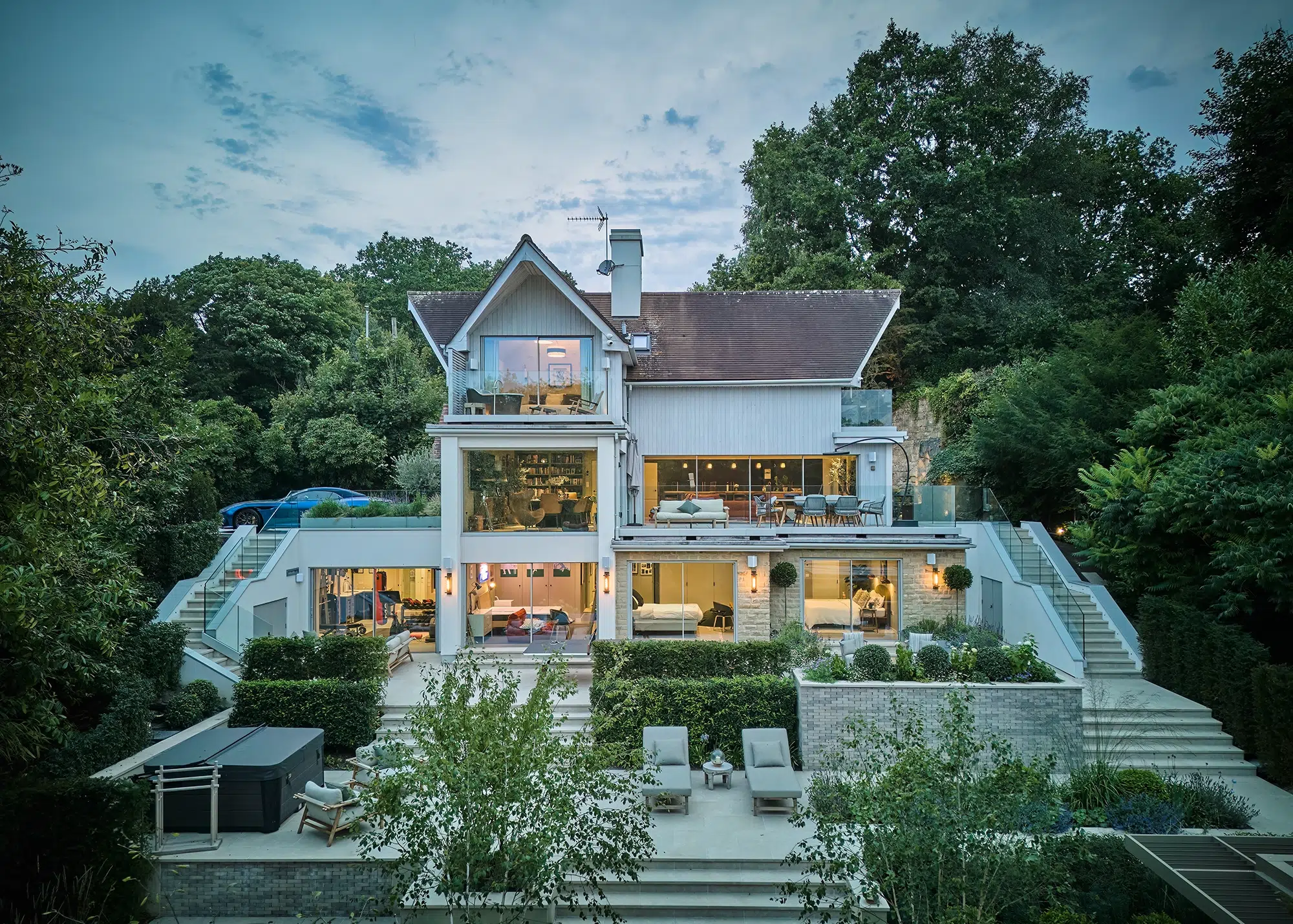
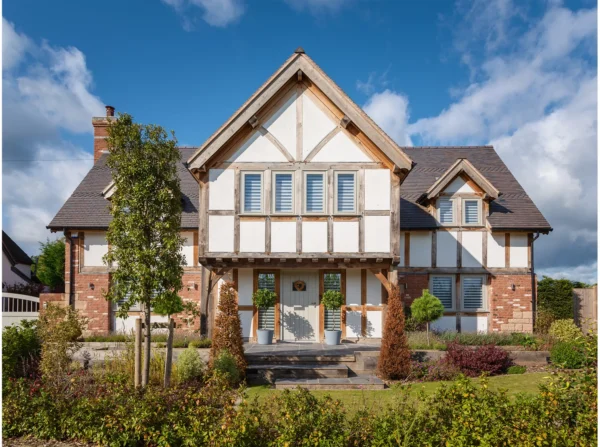
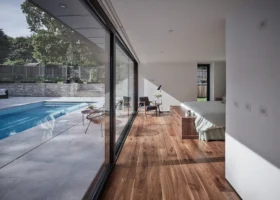
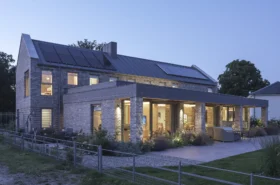
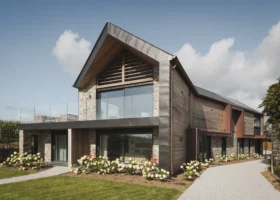
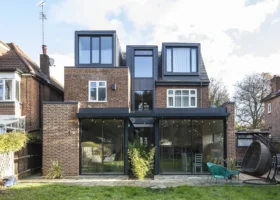
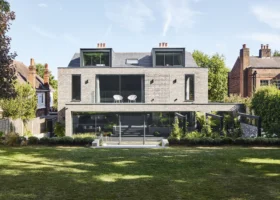
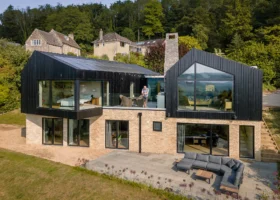
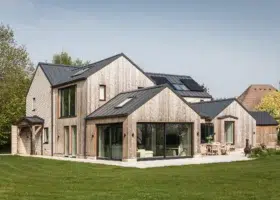
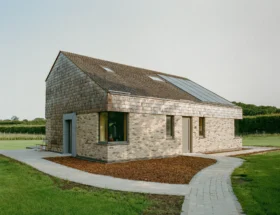
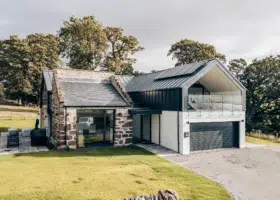
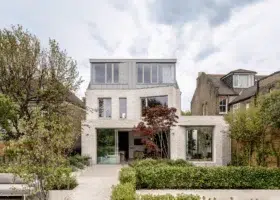
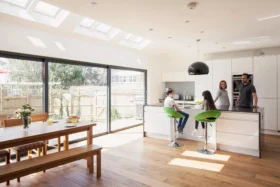
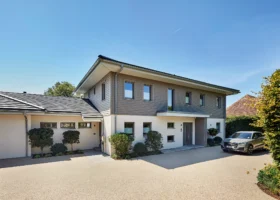
Extensions, full refurbishment and external landscaping works to transform a detached developer-type house into a high-end contemporary home, including underground gym and sauna. RSA provided a comprehensive service, including concept designs, planning, technical design and project management for this exciting project. Photo: Mikey Reed
For many projects, this stage takes longer and costs more than planning design. But the value it brings to a project is immense, fleshing out construction details and locking in decisions to ensure a smooth and efficient build. As a client, engaging in this process can yield dividends, giving you confidence the finished result will align with your expectations.
Good technical design strikes a balance in terms of providing sufficient detail for contractors versus the risk of over-specification. Going into too much detail can be a particular issue on existing buildings, where assumptions sometimes need to be tested on site.
With a robust technical package in place, the project can be priced accurately and quotes compared like-for-like. We typically recommend reaching out to a small number of suitable contractors – usually three or four – to encourage meaningful responses. Good designers will have a pool of contractors they can put forward, in addition to your own preferences. If we know we’re overseeing the tender for you, we may well seek input and cost-checks from contractors earlier in the process, too.
While planning and technical design work is usually completed on a fixed fee basis, at this point it’s common to move to time-based rates. This reflects the variable nature of contractor queries and negotiations.
If we’ve delivered the tender process, many clients then keep us on board during the works. Acting as contract administrator, we can add value by ensuring the works align with the agreed design, dealing with construction questions, signing off payments and helping to maintain quality. It’s another layer of reassurance for a smooth, successful build.














 Login/register to save Article for later