House Render Cost Guide – Here’s What to Budget for External Render Options
Today’s renders offer homeowners a range of stylish finishes, impressive durability and energy-saving benefits. But how much does it actually cost to render a house, and are there any hidden extras to budget for? Anna-Marie DeSouza speaks to industry experts about how much you should set aside for the different render options and installation.
Self builders and renovators love render for its sheer versatility; it can achieve a wide range of designs and finishes, and can be applied in various textures, patterns and colours. Traditional render is a sand and cement mix that’s applied in multiple layers, but there are now a host of modern, high-performance products with added benefits, from thin-coat silicones to through-coloured monocouche and natural cork solutions.
Beyond aesthetics, render acts as a protective layer for the building’s exterior, shielding it from moisture, wind and other weather elements. Some systems can also improve insulation and energy efficiency, and even offer fire resistance depending on type and thickness.
So, how much does it cost to render a house in the UK? When it comes to pricing, there’s more than just the cost of the render itself to factor in. “For instance, the materials and labour to render a typical three-bed house with silicone might cost around £6,500 – but you’ll need to budget a further £2,000-£2,500 for scaffolding,” explains Andy Morrell, construction engineer at estimating experts HBXL. Site factors, such as access, moving downpipes or working around porches and canopies, can all add time and expense.
Here, I’m looking at how much these house rendering options cost:
Silicone systems have become one of the most popular choices for self builders and renovators alike. These products offer a clean, modern finish that resists water ingress, while still allowing walls to breathe. Silicone render is generally applied as a base coat, followed by a thin through-coloured top coat, resulting in a slimmer build-up than traditional cement-based options.
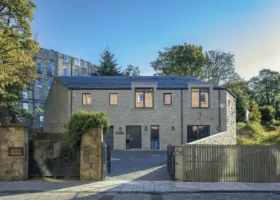
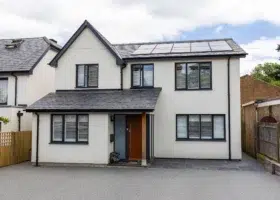
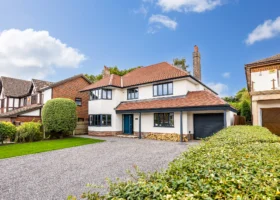
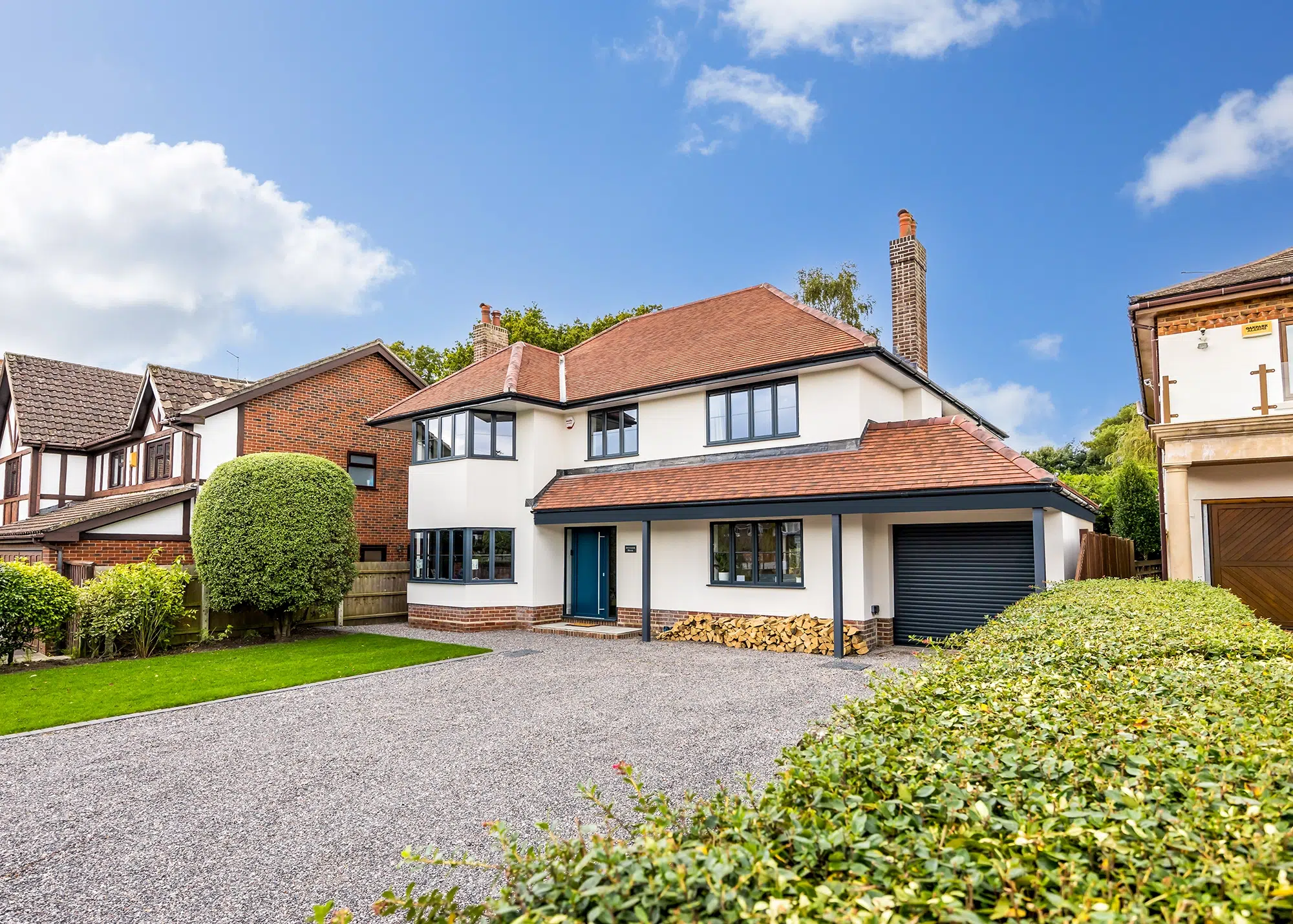
This family home has been finished with K Rend‘s silicone render, creating a sleek, modern finish
“K Rend Silicone K1 through-coloured render pairs functionality with low-maintenance benefits,” says Elaine Gilligan, head of marketing at Saint-Gobain Exterior Solutions (whose brands include K Rend and Weber). “It eradicates the need for repainting and provides vibrant, long-lasting facades, requiring only an annual wash with water and light detergent.” Silicone render is also flexible and resistant to cracking, with the option to integrate a mesh in the base coat to further enhance this quality.
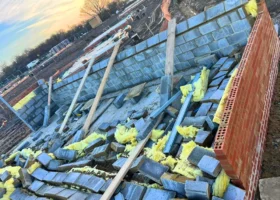
K Rend‘s silicone render is spray-applied for a speedy build (shown here is the base coat install)
This is a high-performance product, with a price tag to match. HBXL suggests budgeting around £70-£90 per m² to install silicone render. An alternative is acrylic thin-coat systems, which are slightly cheaper than silicone and share many of the same benefits – but aren’t breathable and don’t offer quite the same durability.
QUICK ANSWER Silicone Render
Best suited to:Modern self builds or extension projects looking to create a sleek, consistent facade.
Key benefits: Flexible colour options and resists water ingress with minimal upkeep (typically just an annual wash)
Typical build-up: Base coat plus a thin, through-coloured top coat.
Cost: Budget around £80 per m² to install silicone render.
A combination of two French terms – mono (single) and couche (coat) – this type of render creates a through-coloured finish in a single coat, applied in two passes (the second pass is done while the first is still wet). This cement-based product can save both time and resources compared to conventional two-coat render, and is suitable for a range of substrates, including brick, blockwork, external wall insulation (EWI) and render carrier boards.
Monocouche can be applied either by trowel or pump, and in many cases the surface can be scraped back the same day. This means that other trades can return to site more quickly and scaffolding hire periods may be reduced versus other systems. Depending on weather and temperature, this fast turnaround can significantly shorten project timelines.
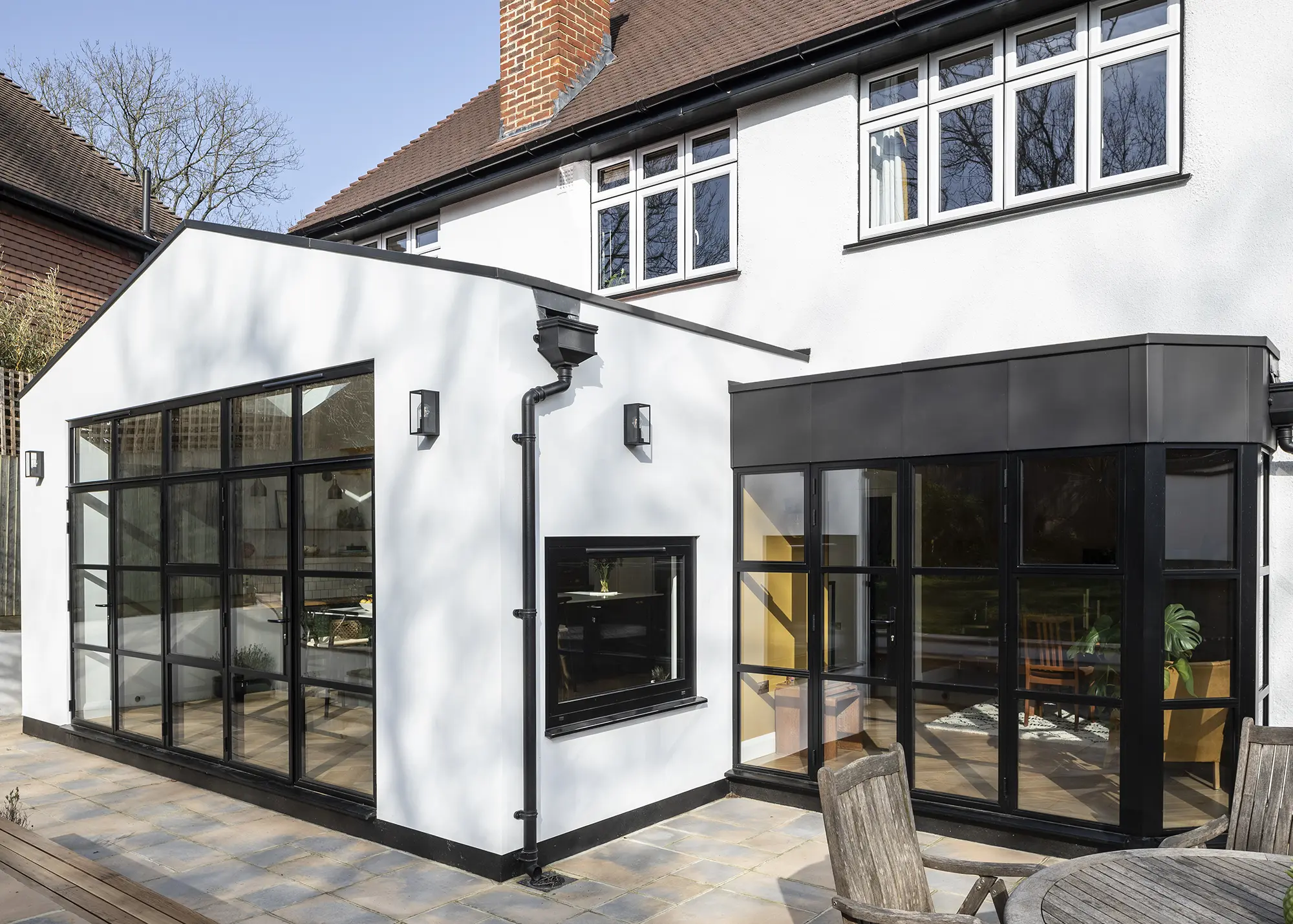
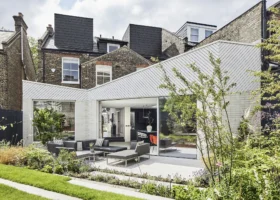
Krystelle and Ed Floyd-Wass have sympathetically renovated and extended their 1930s detached house, breathing life back into it with bold colour and texture. The new extension has been constructed on concrete trench foundations with structural steelwork and rendered blockwork walls. Photo: Adelina Iliev
This type of render also offers a wide choice of colours that are integral to the mix, which removes the need for painting or a separate topcoat. The range of textures is broad, from scraped or roughcast through to dry dash, and the material can even be used to create quoins and other decorative features. The finish is durable and low maintenance, though chips or damage can be harder to disguise than with painted surfaces.
HBXL’s figures suggest monocouche render typically costs £50-£65 per m² for materials and labour. For many self builders and renovators, it strikes a balance between affordability, speed of application and long-lasting, low-maintenance performance.
QUICK ANSWER Monocouche render
Best suited to: Those looking for an easy finish and fast application with a single-coat finish.
Key benefits: Works with a wide range of substrates, can choose from different colours and tints, plus quick turnarounds reduce labour.
Typical build-up: Single coat applied in two passes (while still wet)
Cost: Budget around £60 per m² for materials and labour.
Build It Newsletter
Be the first to hear about the latest project advice, inspiration and product guides from Build It magazine. Also gain free show tickets and special magazine offers.
Cork render
A relative newcomer to the UK market, cork-based render systems are an eco-friendly, high-performance alternative to traditional sand-and-cement. “It reduces heat loss by up to 30%, while also improving energy efficiency, preventing damp and mould,” says Chris Heaton, marketing manager at CorkSol UK.
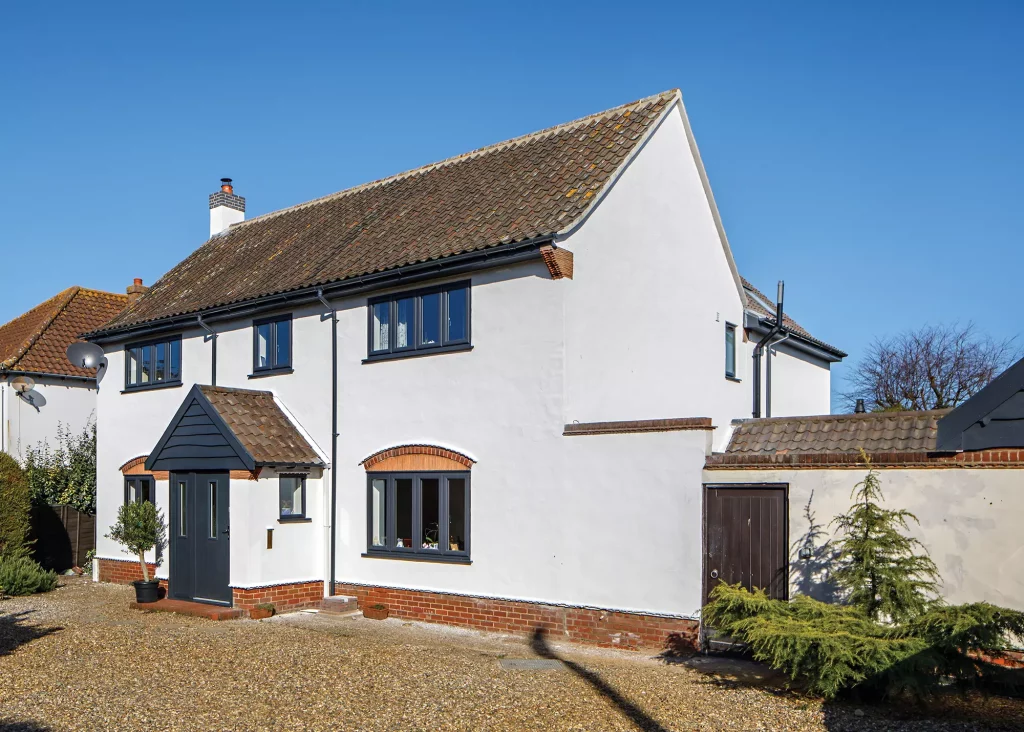
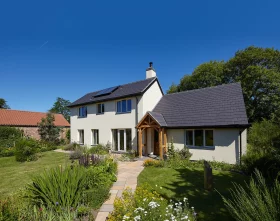
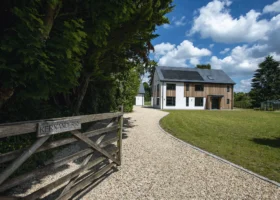
Cork render by CorkSol has been sprayed over the existing walls on this charming property in Norfolk
It provides a long-lasting, weather-resistant finish with built-in fire and crack resilience, as well as impressive green credentials. “As the cork is from the cork oak tree, it is a sustainable material that is harvested every nine years, so there’s no felling off trees,” says Chris. “Cork forests also play a huge role in biodiversity.” Typically spray-applied, CorkSol’s render comes with a 25-year product warranty when applied by an approved installer.
Market averages suggest supply-only costs fall between £40-£50 per m², with installation adding a further £30-£40 per m² depending on project scope. Preparation of the substrate is normally included in the quoted price, but homeowners should set aside additional budget for scaffolding, skips, waste disposal and the provision of power and water on site.
QUICK ANSWER Cork render
Best suited to: Eco homes or sustainable retrofits looking to reduce heat loss
Key benefits: Improves energy efficiency while offering breathability and durability.
While it’s not a modern system, lime render remains the go-to option for many period properties – and has gained greater recognition in recent years. Lime is a natural fit for older solid-wall buildings, offering excellent breathability that helps avoid damp issues caused when moisture gets locked into the structural fabric. The softer curing process of lime render also reduces the risk of cracks emerging due to the natural movement of heritage substrates.
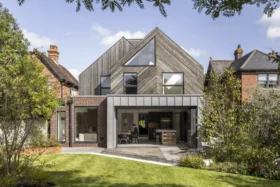
This beautiful renovation project by Woodrow Vizor offers a sleek exterior finish. The project used Warmshell, a system from Lime Green that consists of three main components, namely wood fibre insulation boards, specialists fixings and traditional lime plaster/render – improving thermal performance with natural, healthy and breathable materials. Photo: David Valinsky
In terms of aesthetics, lime render delivers a distinctive natural and chalky finish – whereas modern systems tend to give a sharper aesthetic. It’s often finished in muted paints or paired with limewash, yielding a sympathetic look that blends beautifully with traditional brick, stone or timber buildings. In many conservation areas, lime render is not just preferred but required, ensuring any external upgrades remain in keeping with the surrounding architecture.
However, lime render is labour-intensive to apply and can be sensitive to weather conditions, often requiring longer curing times. Specialist skills are essential, which pushes up the installation cost. Typical prices fall between £55 to £75 per m², positioning lime as more expensive than basic sand-and-cement, but competitive with modern renders.
QUICK ANSWER Lime render
Best suited to: Period home renovations with moisture-sensitive solid walls
Key benefits: Highly breathable, reducing risk of damp and mould in older homes
Typical build-up: Multi-coat lime render, often finished with paint or limewash
Cost: Budget around £65 per m² for lime render.
House render FAQs
What hidden costs should I budget for when rendering a house?
Once you have settled on a render system, there are a number of additional expenses that can tip a project over budget if they are not planned for from the start. One of the biggest oversights is waste disposal. “Removing existing render is actually quite expensive – largely because you have to get rid of old stuff,” says Andy from HBXL.
“This can cost a similar amount to scaffolding.” For a typical three-bed house, scaffolding alone can add £2,000 to £2,500 to the bill. If old render is being replaced, skip hire and disposal fees might come in at around £200 to £400 per week, depending on the size of the project and the amount of material to be removed.
Can weather impact my render application?
Bad weather conditions can increase the overall costs of your house rendering project. Render is sensitive to temperature and moisture, so prolonged periods of rain can stall progress and increase labour time. “On renovation projects, site obstacles can add a lot of time, too,” says Andy from HBXL. “You might have to temporarily move downpipes, work around external lights or deal with porch canopies.”
What kind of prep works do I need to factor into my budget?
Primers, mesh, beading and base coats are vital to ensure a quality finish, but they can add hundreds of pounds to the overall spend. “Always make sure you understand from the applicator what is included in their price and what is extra, and the timeframes are for any project,” says Chris from CorkSol.
Do I need planning permission to render my house?
Rendering a house usually falls under permitted development (PD) rights, meaning you won’t require planning permission. This is on the basis that the render you’re using won’t significantly alter the exterior of your house, or require any structural alterations. Listed buildings require listed building consent (LBC), and homes in conservation areas, national parks or AONBs may need formal permission.
How can I look after a rendered exterior to ensure I'm maximising the investment?
You should inspect the walls for dirt or cracks regularly for a clean, well-maintained facade. You can clean the surface using a low-pressure washer (such as a hose), just avoid high-pressure systems to prevent any damage. For bad stains, use a specialist cleaning product or call in a render professional. Regularly check gutters and downpipes for blockages to prevent water staining the walls.
Anna-Marie is a serial renovator and former editor of Build It magazine. She has also worked for the National Custom and Self Build Association, and is a huge art and architecture fan.



















































 Login/register to save Article for later