Complete Dormer Windows Guide – Design Options, Planning Permission & More
Dormer windows can make a fantastic addition to a self build, renovation or loft extension project – maximising space and light while adding an eye-catching feature to your home's exterior. We delve into how to get them right and the different style options on offer
Dormer windows come in all shapes and sizes, but they’re notoriously difficult to get right in terms of how they blend in with the rest of the dwelling. There’s a fine line between gaining as much space as possible inside and making sure the dormer window looks in proportion with the other external features. Get your dormer windows right and you’ll have a practical, attractive feature; get it wrong and it’ll be an eyesore that ruins your property’s kerb appeal.
Architect Kieran Gaffney from Konishi Gaffney advises creating a model out of card so you can see the project in 3D. “We often do this to visualise the overall design; you’ll quickly see if the balance is right,” he says. The key thing to remember is that bigger does not necessarily mean better when it comes to dormer windows.
Which type of dormer window will best suit your home?
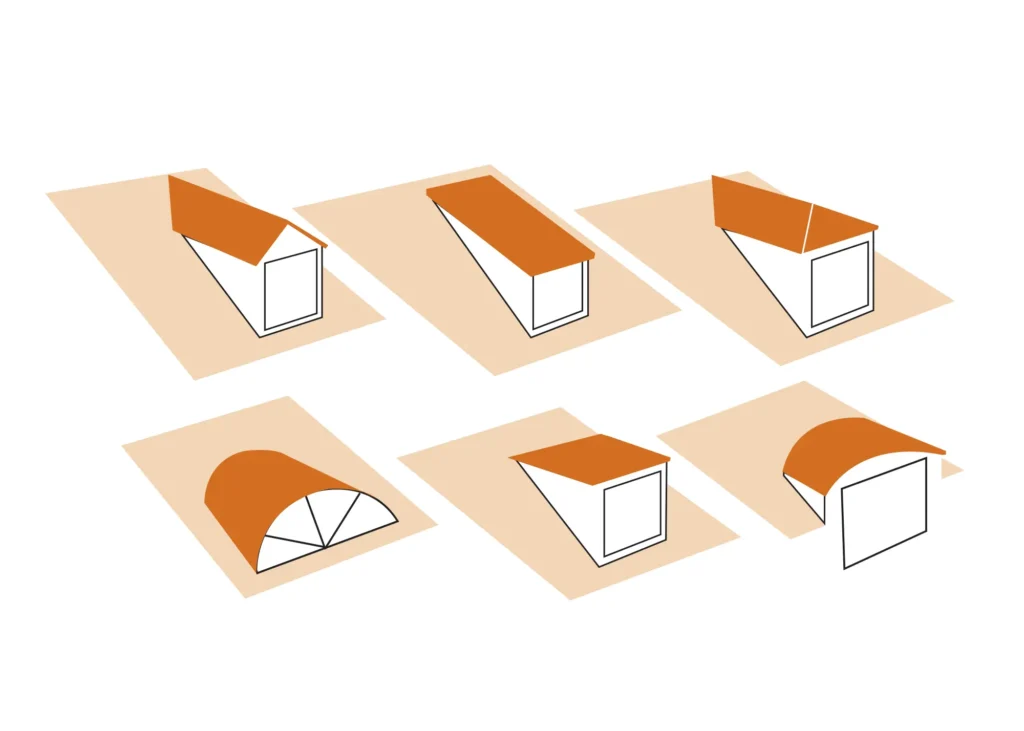
Deciding the right style of dormer windows will largely depend on the outside appearance of your home. The trick is to be consistent, both with shape and materials – for instance, if you’ve got gable ends on your property then go with a gable dormer. Another thing to note is the pitch of the main roof – flat-topped dormers tend to work best on shallow coverings because they don’t need as much height as some other designs, for example.
Here are the main style options for dormer windows – the right shape for your property will depend on the style of the external appearance and the pitch of your roof
While dormer windows at the front of the house will need formal planning permission, rear additions normally fall under permitted development (PD) rights. But remember that rules change depending on where you live, so it’s always advisable to seek guidance from your local authority.
There are also regulations about how much space can be added inside the house – 40m³ for terrace properties and 50m³ for a semi or detached house. Most dormer windows will fit into these brackets, but you may need to re-think if you’re planning to add a full-width style.
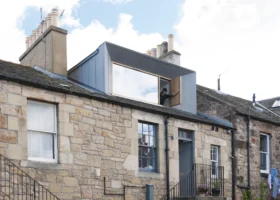
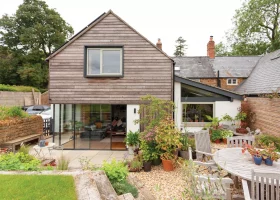
Architectural studio Konishi Gaffney has added this wide, contemporary dormer to an early Edwardian cottage in Edinburgh. The long, thin unit is set back from the edge to limit its perceived size and chamfered edges mean it doesn’t look too boxy. Photo: Alan Craigie
How can you decide what size dormer window is right for your house?
The size of your dormer window will be determined by both your type of property and local planning stipulations. “Dormer windows jut out of the roof shape to create more headroom, but the bigger they get, the uglier they tend to look – the trick is to make sure they do the job while looking aesthetically pleasing outside. Details like this need some expert input, so work with an architect to get it right,” says Kieran Gaffney, director at Konishi Gaffney Architects.
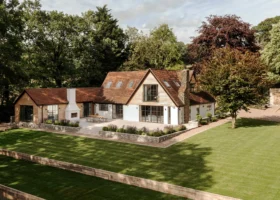
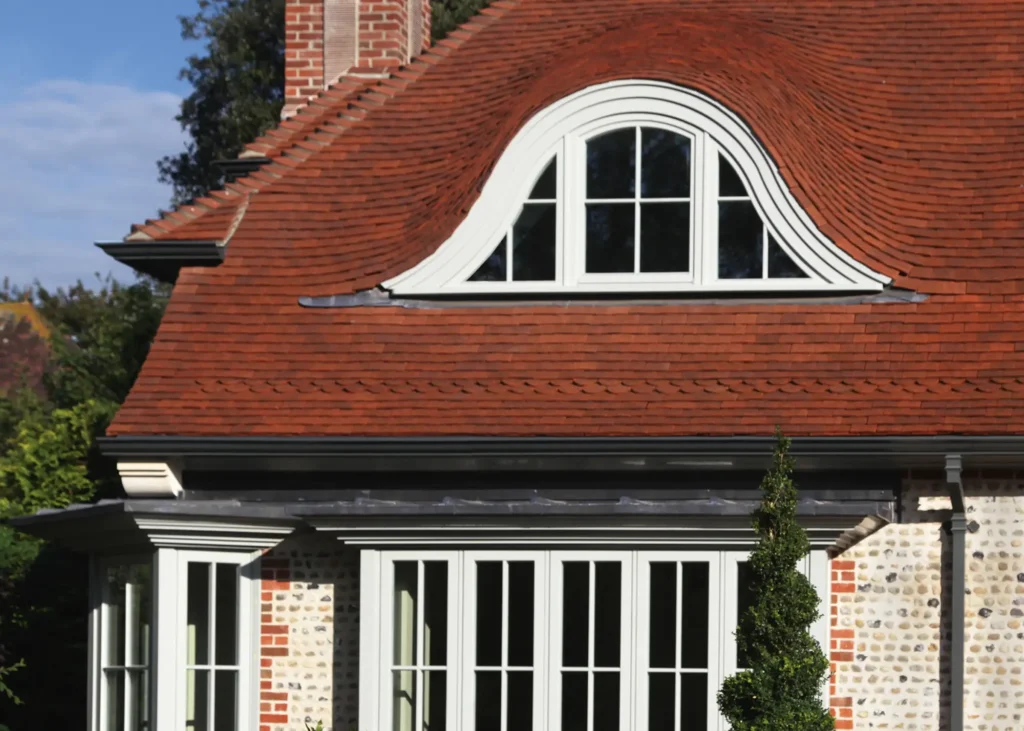
Eyebrow dormers have been included in this new build Arts & Crafts-style house in Sussex. The windows are from the Performance range at 21 Degrees and are triple glazed to offer good energy efficiency. They are tiled in seamlessly with the roof
Planning rules will have a significant impact on how big you choose to go with your dormer window. “Many councils carefully set out where dormers are appropriate, how large they can be, and how they should be detailed,” says Daniel Woolfson, architect at The D Haus company. “Whether you are looking to complete your project under permitted development or are applying for full planning permission will often dictate the maximum size and position of the dormer.”
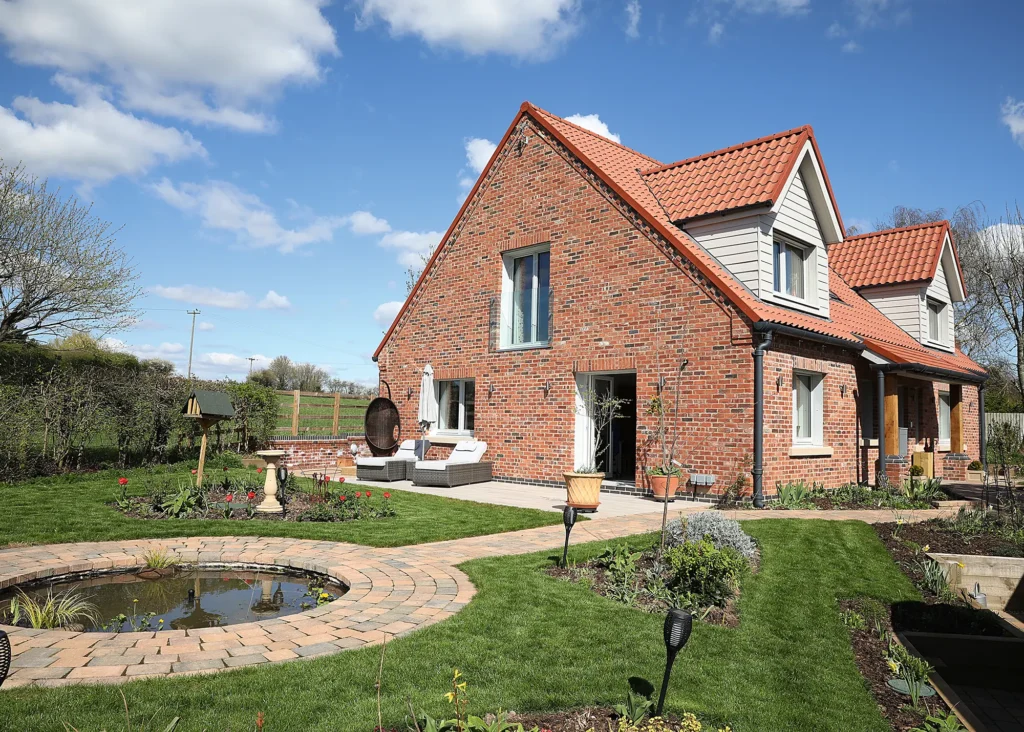
Peter and Sophie Hill bought a 1960s bungalow with the intention of extending. But after being quoted just 10% more to knock down and rebuild, they took the plunge and now live in a new energy-efficient home. The property features a catslide roof at the front, with a large dormer to maximise headroom. Photo: Kingspan Timber Solutions
In any case, consistency is key to achieving a successful design that works with your property’s overall design. “Try to keep dormer windows small and thin and be consistent with style – stick to a sleek appearance if the house is contemporary and use proper traditional details to remain in keeping with a period look. It’s best to avoid using too many materials, so keep it simple,” says Kieran.
“Dormers tend to work best when they relate to existing windows or architectural features below, so they feel integrated rather than added on. The aim is always to balance usable internal space with a dormer that sits comfortably within the roof,” says Daniel.
Premium Content
Downloadable E-Guide
Build It's loft conversion downloadable e-guide takes you through the essential considerations, from costs to an estimated project timeline. Click below to find out more.
Dormers often provide a significant amount of headroom when designed correctly and positioned carefully to maximise floorspace. “If the existing ridge height is over two metres, adding a dormer can help the main part of the room to achieve similar head heights across a much larger area, making the space genuinely usable rather than just marginal,” says Daniel.
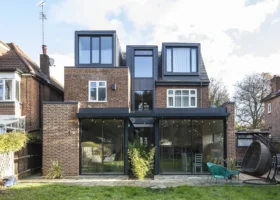
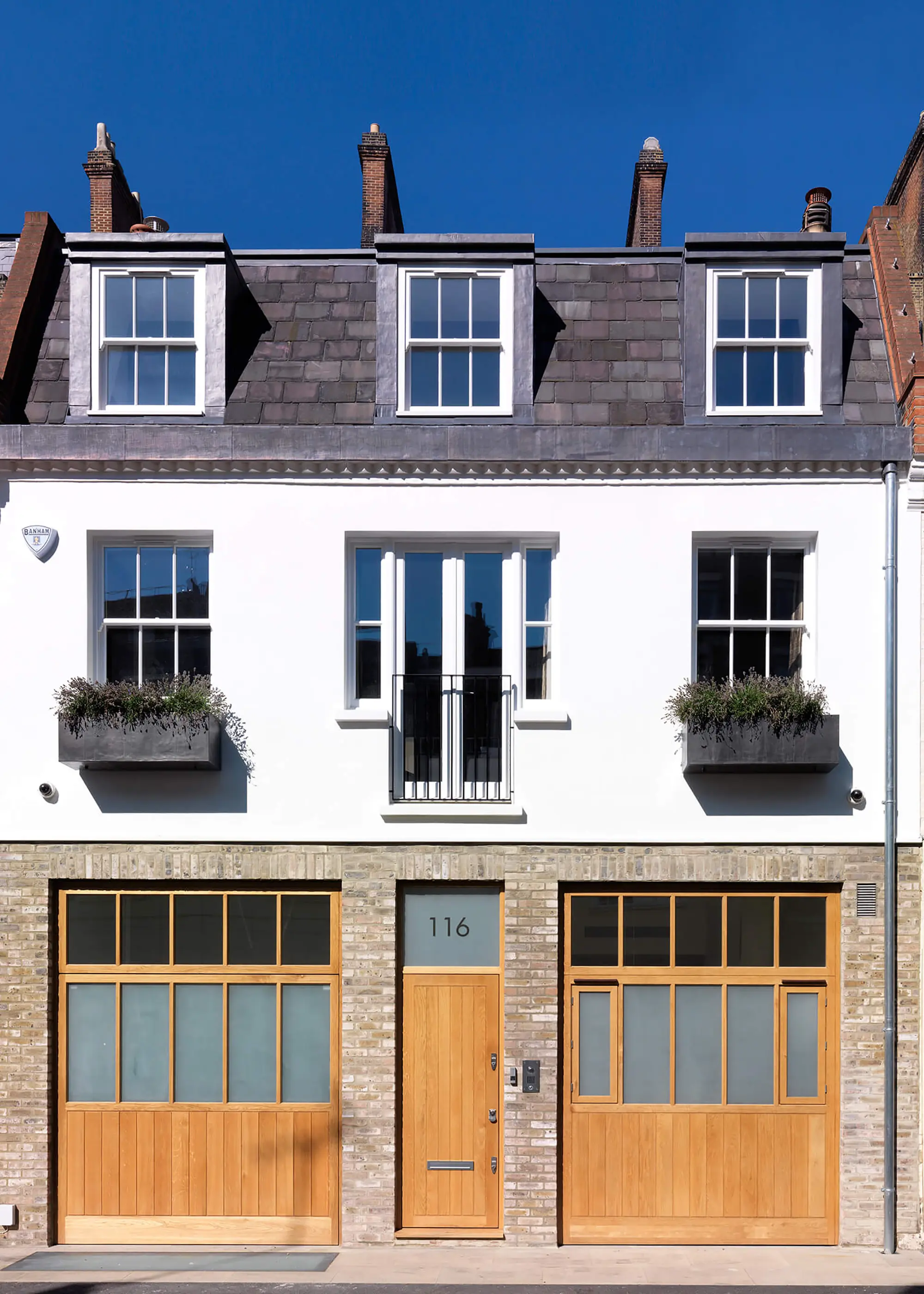
There were only two small dormers in situ when Threefold Architects converted the roof space of this Victorian mews into a master suite. The team decided to add three larger flat-roofed dormers to optimise both space and light on the top floor
The amount of headroom required, however, depends on the particular space and the height of the existing room. “If you’re converting a loft that has a very low ceiling then you’ll need a bigger dormer, but go smaller if you have a deep pitch and can stand up easily inside,” says Kieran.
You’ll need to assess the roof’s structure to ensure that it can support a dormer. “Be aware that traditionally built roofs are often self-supporting, so you may need to bring in additional structural support (usually a ridge beam). Your structural engineer and architect will be able to offer advice on what’s needed,” says Kieran.
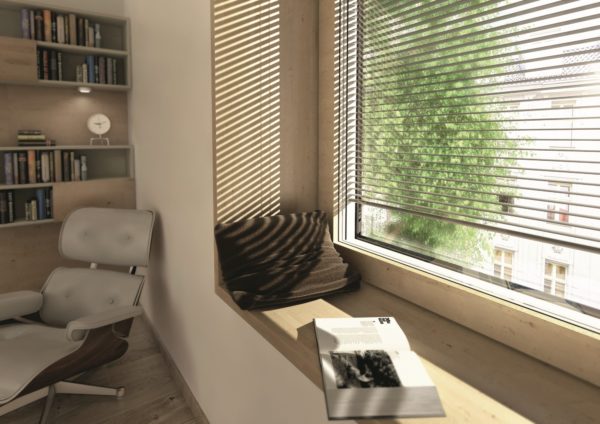
Curtaz Studio Architects completely reimagined this Victorian terraced house in north London, in response to a very particular client brief. The solution came in the form of a dormer loft conversion suite, which comprises a small studio/gym, shower room and master bedroom, flooded with natural light throughout the day. The dormer loft conversion features internal reveals (increasing the angle of visibility from within the space), and an upholstered window seat for reading, or just taking in the view. Photo: French + Tye
It’s important to factor how much headroom you may lose after insulation has been factored into the design. “These build-ups reduce the available space but are essential for comfort and energy performance,” says Daniel. If you are tight on space in the roof, there are options. “In some cases, headroom can be improved by adjusting the floor structure below, such as lowering ceiling joists, which is something we have successfully done on previous projects to maximise usable space where roof heights are tight,” says Daniel.
It is possible to bring a contemporary twist to a dormer window design?
Dormer windows come in a range of shapes and sizes, from charming curves to modern boxy designs, so there are plenty of options depending on your specific design goals. You will, of course, need to prioritise practicality. “Quirky dormer windows can work, but it depends on the roof shape and space needed inside. Consider extending the glass around the edges into the triangular sides for enhanced views and daylight,” says Kieran.
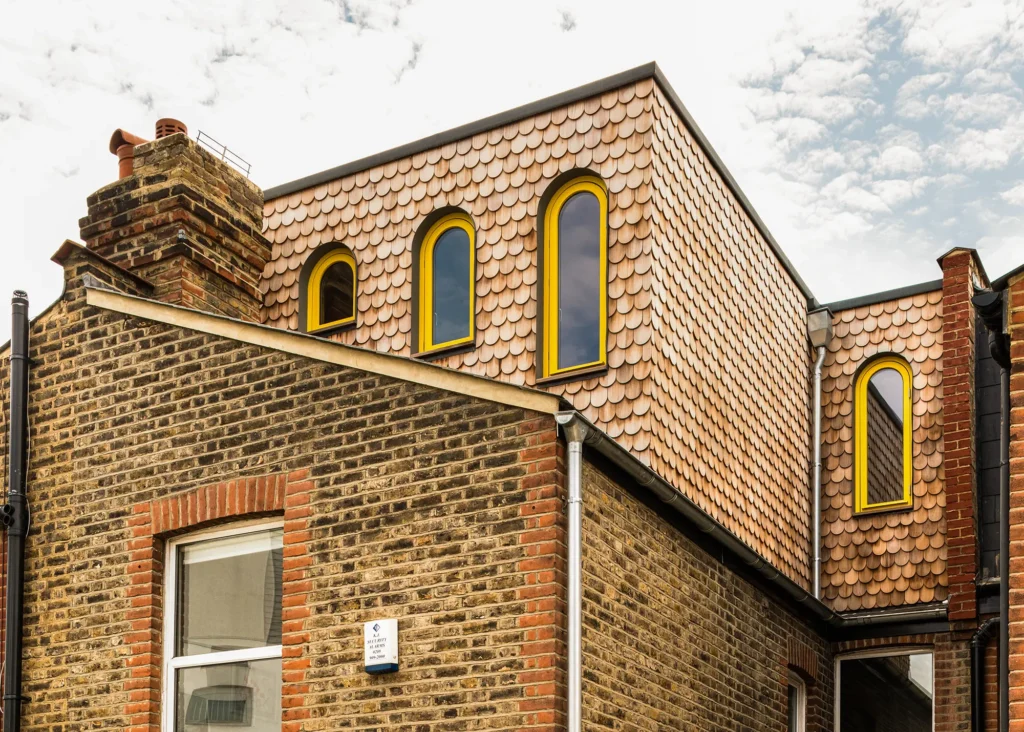
This playful flat roof dormer loft conversion by Office S&M allows for an extra bedroom so each of the owners’ children has their own space. The yellow arch windows and rounded cedar shingles give the dormer a unique aesthetic that successfully contrasts the exterior of the existing house. Photo: French + Tye
Consider the use of cladding materials as these can be used in a whole host of ways to add a touch of flair to the scheme. “Instead of a small pitched-roof dormer with tile cladding, we might design a larger flat-roof addition finished in zinc or powder-coated aluminium,” says Daniel.
Careful use of glazing can also add a modern edge. “The dormer windows themselves can have minimal frames or be grouped to create a wide expanse of glass. We’ve used contemporary detailing, such as frameless glass corners or minimalist Juliet balconies, which help to maximise the feeling of space and improve natural light levels,” says Daniel.
When might a 1.5-storey home with dormer windows be more suitable than a full two-storey self build?
Most contemporary self builds will naturally look to make use of two full-height stories. However, some cottage-style schemes or contextual countryside builds may lean towards a 1.5-storey build with dormers. “While a complete storey is often preferable, there may be reasons why you’re limited. You could face planning restrictions on how tall your house can be, for instance,” says Kieran.
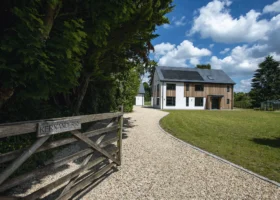
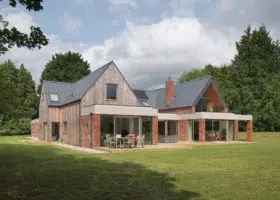
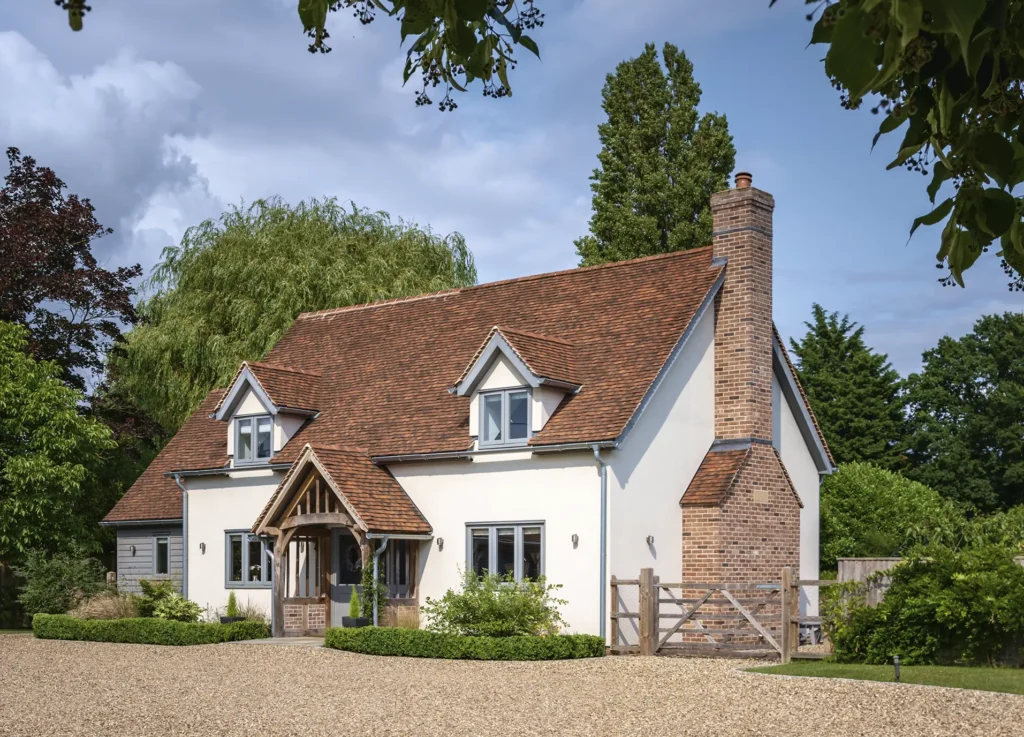
With the help of Welsh Oak Frame, Matt and Sarah Switzer self built their dream cottage-style 1.5 storey home in the essex countryside. The home features a double-storey extension to the rear and charming dormer windows to complement the cottage-style build. Photo: Nikhilesh Haval
The height and composition of the surrounding properties will often dictate whether a dormer roof or full storey is preferred. “Dormer windows are often a smarter choice than building a full extra storey in scenarios where you need to maintain a lower building height or work within an existing street scene,” says Daniel. “By using dormers, you can create usable upstairs rooms without the bulk or weight of a full two-storey structure.”
The drive to live in a modern, thermally efficient home prompted Dominic and Shamim Byrne to trade in their old period home for a bespoke Passivhaus. The efficient chalet-style home features two dormer windows on the front elevation, with the living spaces positioned on the upper storey to maximise views of the rural surroundings. Photo: Katie Lee
Cost is another consideration. “Adding a couple of dormers to utilise roof space and create a 1.5-storey build is usually more economical than constructing an entire new floor with extended walls and roof,” says Daniel. “We would also consider the scale of the house and the overall spatial requirements – if you’re only after a modest floor area upstairs, a dormer roof structure can achieve this.”
The two main considerations are planning permission and Building Regulations. While many dormers can be completed under permitted development rights (meaning you don’t require a full planning application, there are specific rules.
“For example, the dormer should usually be at the rear or side of the house – dormers on the front (principal elevation) always require full planning permission. Plus, a roof extension must not exceed 40m³ (for terraced houses) or 50m³ (for semi-detached or detached houses), and the dormer should be set back at least 20cm from the eaves and no higher than the existing roof ridge,” says Daniel.
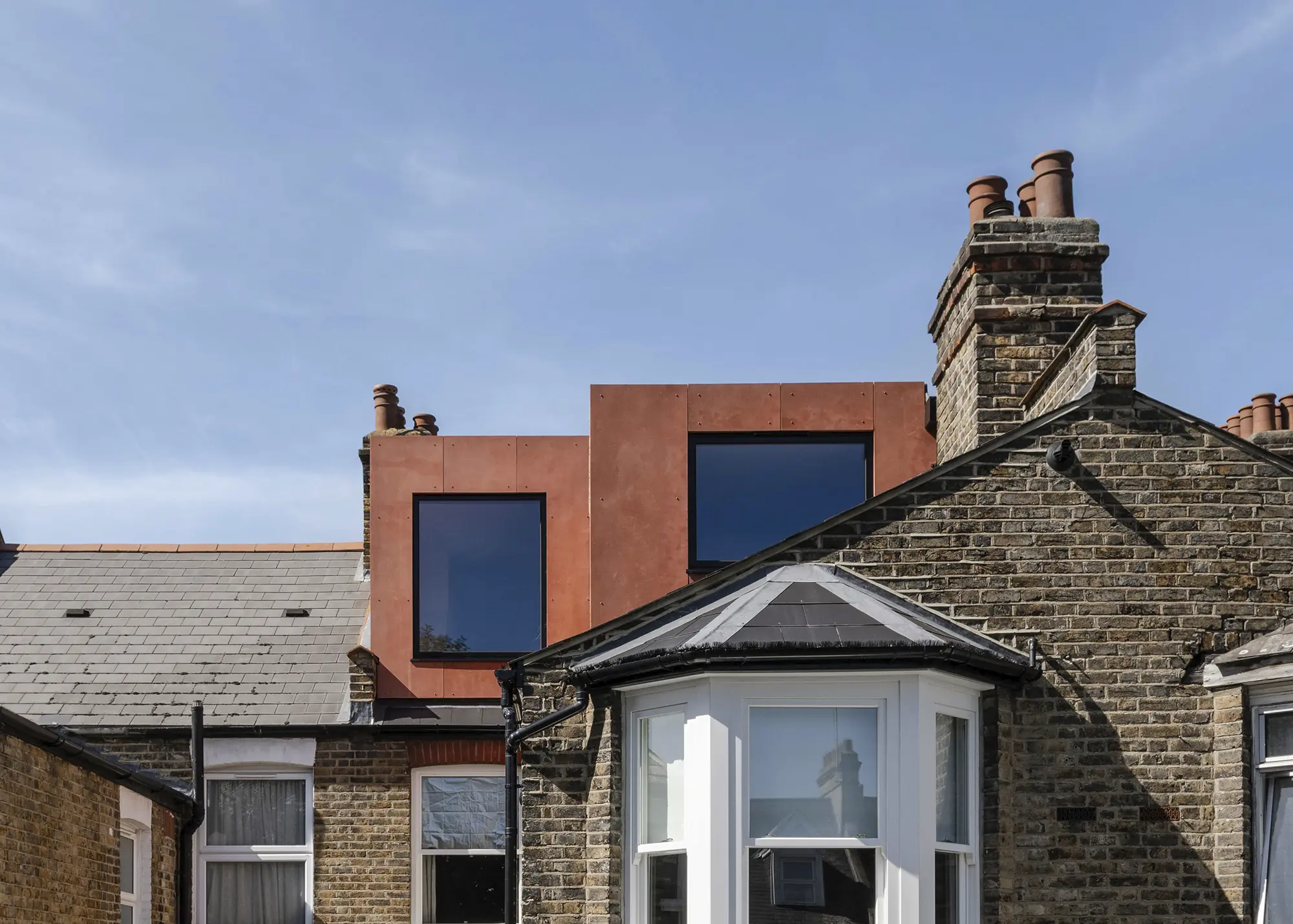
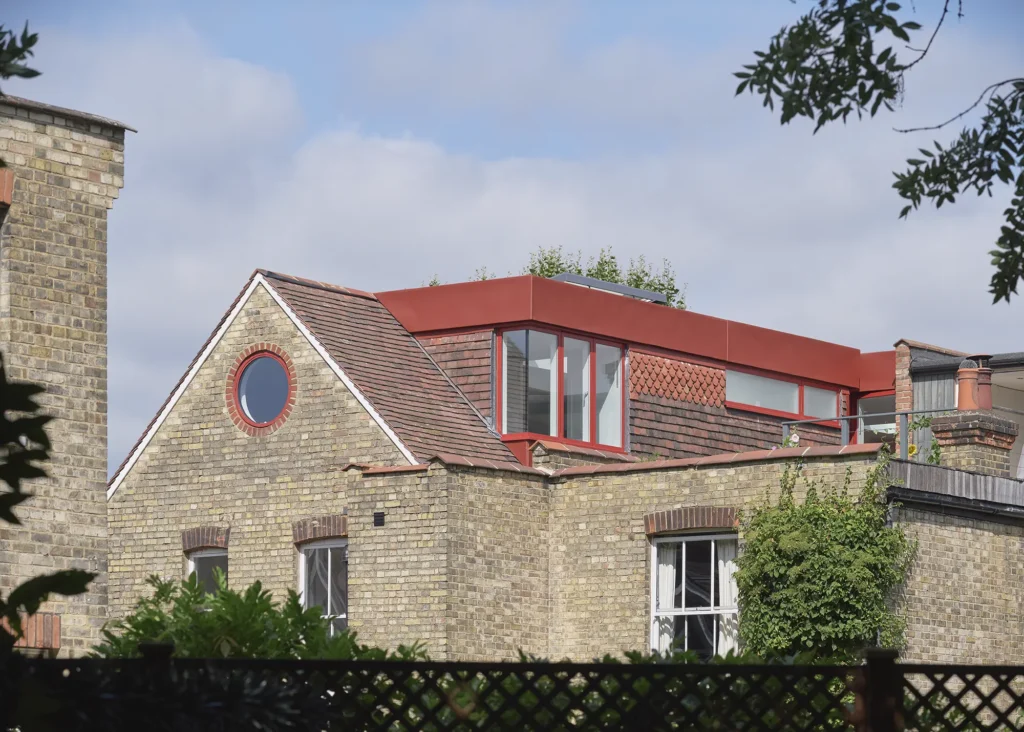
Paul Archer Design are behind this contemporary loft conversion and extension to an Edwardian flat in North London. The former loft area, located on the flat’s second floor, has been completely upgraded to create a new living space with a pitched roof and large, red dormer windows on either side. Photo: Andy Stagg
If your home is listed or located within a conservation area, you’ll face extra restrictions and will likely need planning consent even for small dormers.
Weatherproofing is an important factor to note, as dormers are exposed to all weather conditions and could cause problems if not installed properly. “While you can use almost any window, remember that it’s more exposed to the elements because it’s positioned high. Think about protection against rain; setting the structure slightly back from the building edge or incorporating an overhang are good solutions,” says Kieran. “You’ll also need to make sure it’s safe – there are guidelines to ensure nobody can fall out of high windows, so you might need a barrier of some sort.”
“You’ll probably need to prove that the glass can be cleaned without someone leaning out and risking their safety, too,” says Kieran. “That could mean having the unit opening inwards or demonstrating there’s a safe way of cleaning it.”
Dormer window FAQs
Answered by Ed Stobart
Ed Stobart is technical sales manager at IDSystems. He has 20 years’ experience working closely with thousands of customers, builders and architects to offer advice and support on glazing solutions.
What elements do I need to budget for when designing and building a dormer window?
When budgeting for a dormer project, it’s important to look beyond the visible window itself. Costs will include the design and manufacture of the frame, the material it is made from and specification of the glass, whether that’s high-performance double or triple glazing, low-E coatings, solar control or acoustic glass.
You’ll also need to factor in the cost of installation, which may require scaffolding depending on access. Dormer windows are all made to measure, so frame materials, sizes, opening configurations and hardware will influence costs. You should consider the structural work required to form the dormer itself, plus internal finishes and external cladding. In most cases, the glazing element represents only a proportion of the overall spend, but opting for high-quality systems pays dividends in comfort, energy efficiency and longevity.
How important is insulation in dormer window design?
Insulation is critical in dormer window design and is an area where shortcuts can quickly lead to problems. A dormer introduces new junctions into the roof structure, and if these aren’t insulated and sealed properly, they can become major sources of heat loss and condensation. In addition to the structure, high-performance glazing with low U-values is an important consideration. From experience, many post-installation issues relate not to the glass itself, but to poor insulation detailing around the dormer construction, which can undermine the performance of the entire space.
Should dormer windows match existing windows or can they contrast?
This depends on the particular property and the overall design objectives. For period or traditional homes, matching proportions, frame styles and sightlines can be the most successful approach and may be required by planning authorities, particularly in conservation areas. That doesn’t mean modern glazing can’t be used, but it should be detailed sympathetically. In contemporary homes or architect-led extensions and conversions, a contrasting approach can work very well. Slim-framed aluminium glazing, for example, can create a clear visual distinction between old and new, provided it’s done with balance and intent rather than appearing as an afterthought.
How much natural light do dormer windows provide compared to rooflights?
Dormer windows generally provide less daylight per m2 of glass compared rooflights, as vertical glazing doesn’t capture overhead light in the same way. Rooflights can deliver significantly higher levels of daylight, making them ideal for brightening deep or central areas of a loft. However, dormer windows offer other benefits, such as increased headroom, outward views and more conventional opening options for ventilation. In many loft conversions, the best results are achieved by combining dormer windows with rooflights, creating a well-balanced space that maximises light while remaining comfortable and practical to live in.
Emily Batesmith
Emily Batesmith is Build It's Contributing Editor, and an architecture addict. She has an in-depth understanding of the challenges self-builders and renovators face, as well as a keen eye for design. Alongside writing regular features for Build It, she curates all of our real-life reader homes.
Sander Tel is Build It's Digital Editor. He joined the team as Digital Content Assistant in 2022, with a keen interest in architecture, interiors and house design. Sander looks after all areas of Build It’s digital strategy – writing, creating and editing content for the website, email newsletters, and social media platforms. He's always on the lookout for new, innovative bespoke projects – from unique kitchen extensions to countryside self build houses.
Subscribe to Build It’s newsletters here, and connect with us on Instagram, Facebook&X.



























 Login/register to save Article for later








Comments are closed.