

































 Login/register to save Article for later
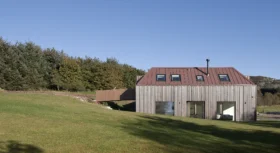
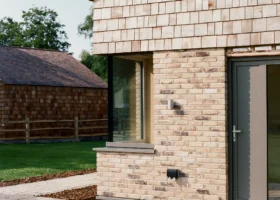
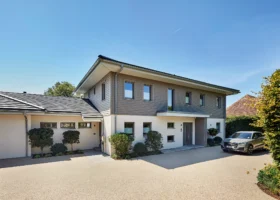
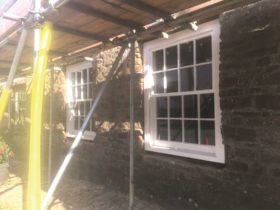
Details of your choice of bricks, roof tiles, windows and other finishes. For a domestic extension, the condition might just require you to use materials that match the existing house. For a self build, you are likely to have to submit details (or even samples) of materials to the council for approval.
- Plan ItBack
- Design ItBack
- Build ItBack
- Homes
- ProductsBack
- CostsBack
- Self Build Cost Calculator
Estimate your project costs instantly with Build It's interactive self-build cost calculator
Calculate Now - Costs & Finance
- Contracts & Warranties
- Build It Estimating Service
Get an accurate, detailed cost breakdown of your project
Submit plans
- EventsBack

What Are Planning Conditions? An Expert Explains How to Deal with Planning Stipulations
What exactly are planning conditions and what do they mean for your self build or extension project? Planning expert Martin Gaine investigates how to avoid, manage, remove and discharge important stipulations from the council

There is nothing quite like the feeling of being granted planning permission for your self build or home extension project, especially if the process has been long and painful. But remember that almost all approvals come with conditions – sometimes a rather long list of them.
It is important to prepare for conditions as part of the planning application process. Unexpected terms will delay your build if you need to discharge them before you start construction and can derail it entirely if they place obligations on you that you weren’t expecting and had not budgeted for. Ignoring problematic stipulations can be tempting, but not a good idea – breaching a condition leaves you open to enforcement action, putting your whole development at risk.
In this article, I’m taking a look at what planning conditions are, why they matter, what you can do to avoid them in the first place and how you can discharge or remove them if you need to.
What are planning conditions & why do they matter?
Conditions are used by councils to clarify details that were not in your planning application (such as what bricks you will use), to control how works will be carried out (setting hours of construction) or to reduce harm (by requiring a window to be fitted with obscured glazing to stop overlooking your neighbours). They are not always a bad thing – they can solve a problem that might have led to a refusal.
There are a couple of standard terms that appear on almost all decision notices. The first gives you three years to start work (or else the permission expires). The second is known as approved plan conditions and lists the planning drawings that the council assessed in making its decision and requires that you build according to those exact plans.
Aside from these, there are then three main kinds of conditions:
- Pre-commencement conditions – requiring you to make changes before works start
- Pre-occupation conditions – needing compliance before a build is occupied for the first time
- Ongoing compliance conditions – which place a continuing obligation on you
Of these, pre-commencement conditions are the most challenging because they require you to make amendments before the development starts. This can come as a shock to those with a team of builders on site ready to start work as soon as planning permission is granted.
Common planning conditions
Materials
Hard & soft landscaping
Confirmation of the trees/shrubs you will plant, as well as any paving and driveway plans. This is important as the council will want your project to promote biodiversity – especially if you’re removing trees to make way for your build.
Parking & access
You may be asked to submit for approval the details of visibility splays (the sightlines onto the main carriageway from your driveway). You’ll also probably need to provide a commitment that they will be maintained in the future. If you have doubts about your ability to fulfil such conditions, it’s best to liaise with the local highway authority to see whether an agreement can be reached.
Detailed plans of parking and turning spaces might be asked for if insufficient detail has been presented in the application. Ensure your plans comply with local standards.
Drainage
Surface water or foul drainage details to highlight how your build will prevent flooding, especially where connections to mains services are not available. Take advice from a reputable supplier of private sewerage systems to ensure your proposed system is suitably located and of adequate capacity.
Working hours
Limits can be imposed on when noisy construction works can take place. This is to prevent disturbing surrounding properties unnecessarily.
Contamination
If site contamination is suspected, for example where industrial premises are being converted or replaced, the council will want to ensure a survey is undertaken. If an issue is found, it will need to be thoroughly investigated and a suitable remediation plan agreed and implemented. This may involve the digging of trial pits, laboratory analysis and removal of contamination for safe disposal. Costs and delays during this process can be considerable.
How to discharge a planning condition
Some council stipulations require you to provide additional details for approval, which you do by submitting a discharge of condition (also known as an approval of details) application. The discharge of condition process is somewhat similar to conventional planning applications – you prepare the drawings or reports, fill out the relevant form (usually on the Planning Portal website) and submit to the council along with the appropriate fee.
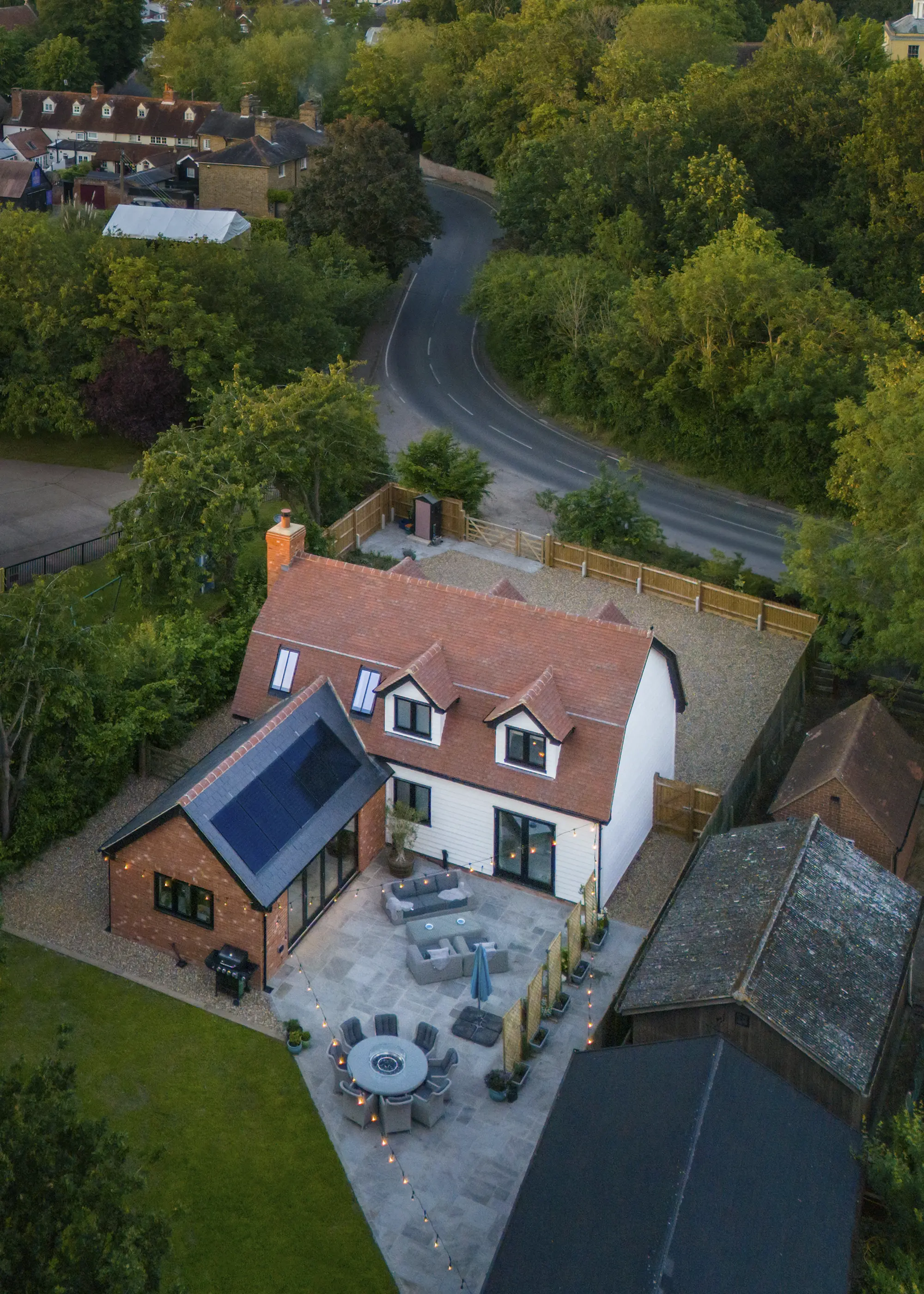
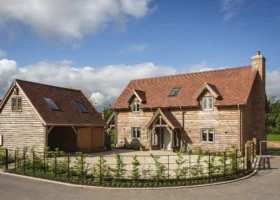
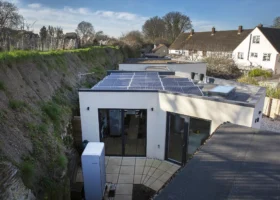
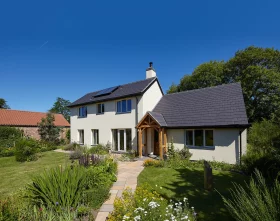
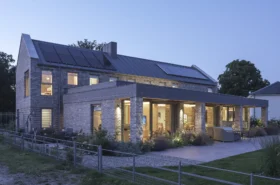
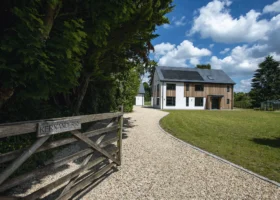
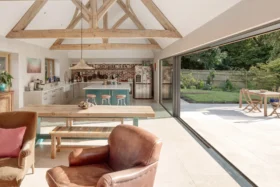
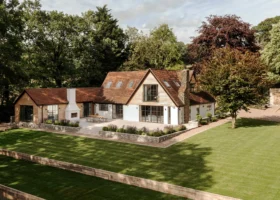
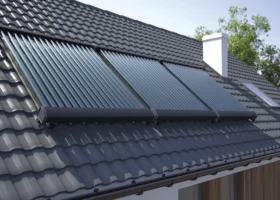
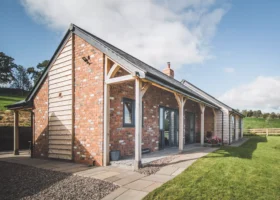
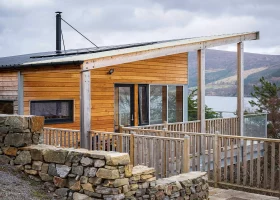
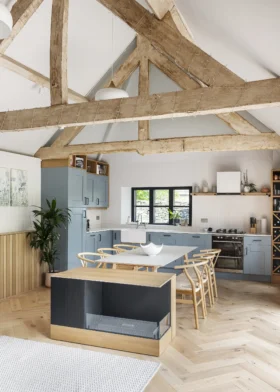
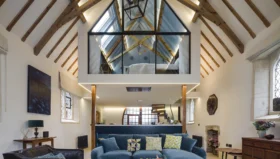
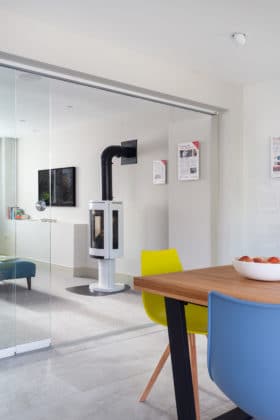
Faced with a decision to either renovate an old mill or take on a plot with lapsed planning, Katy and Alan Pateman crunched the numbers and – with support of a builder friend – embarked on the journey to creating a stylish oak frame cottage. Solar PV panels from Green Building Renewables, were a planning requirement. Photo: Nikhilesh Haval
Similarly to a planning application, a decision typically takes eight weeks and can, of course, be refused if the council isn’t satisfied with what you submit. If refused, you can make a new submission and/or appeal against the council’s decision.
How much does it cost to discharge planning conditions?
- For self builds, it costs £298 to discharge planning conditions.
- For extensions (or other projects related to a householder planning application), it costs £86 to discharge planning conditions.
Is there any way you can avoid stipulations?
Too often, council stipulations can come as a bit of a surprise. It is best to pre-empt them by ensuring your planning application is as complete as possible, so that the council does not need to impose conditions requiring further information to be submitted. You can do this by checking the local council’s policies to work out if they have any requirements you weren’t expecting, such as the need to provide information on sustainability measures, ecology or drainage.
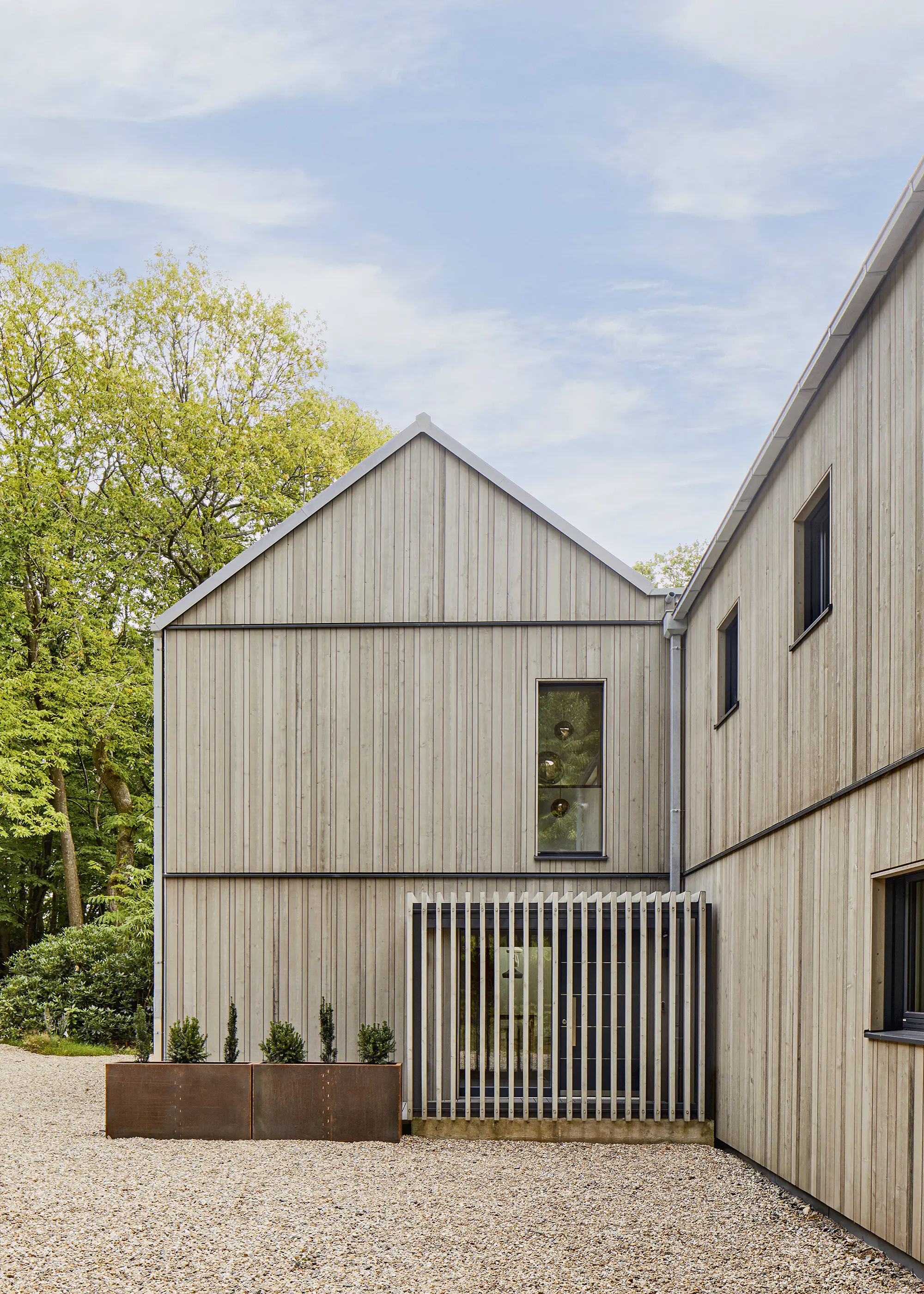
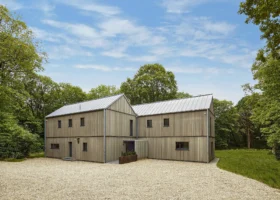
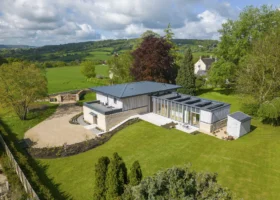
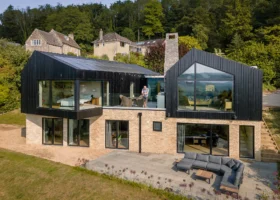
Jonathan and Joanna Lunn left city life behind to build their own contemporary home on a stunning woodland site in the South Downs National Park. The couple also had to pay for ecology surveys as part of the planning process. “There was evidence of bats in the roof of the existing dwelling and, although there weren’t any in the end, our planning conditions required us to build bat boxes into the fascia of the house to accommodate them in future,” adds Jonathan. Photo: Baufritz
You should also try and discuss any proposed amendments with the case officer before the decision is made, to see if they can be avoided, either by persuading them that the condition is not necessary or reasonable, or by providing the required information before the decision is made. You may be able to negotiate the wording of the condition to make it less onerous.
For self builds, it common for stipulations to be imposed requiring details of the choice of materials, the landscaping of the site and the design of enclosures for bicycles and bins, for example. You can avoid these conditions by providing the relevant details with your planning application.
Of course, this advice assumes that you’re in a rush – if you aren’t planning to build for a couple of years, you might prefer to have time to decide on the materials and be quite happy to discharge the condition later. If you’re thinking of selling your site with permission, it makes sense to allow the new owner to decide on the finish.
How to avoid unnecessary planning conditionsThe best way to deal with stipulations is to prevent them being imposed in the first place. You can’t avoid all of them, but you can minimise them. Here are my top tips:
|
Premium Content
Downloadable E-Guide
Not sure where to start with your plot search? Kick-start the journey with Build It’s complete downloadable e-guide to finding the perfect self build site. Click below to find out more.
find out more
Can you challenge unfair planning conditions from the council?
The government’s guidance is that conditions should be used sparingly and only imposed where they are reasonable and necessary for approval to be granted. As the planning system has become more complicated over the years, the number of conditions imposed on planning consents has grown and it’s common for permission for just one house to be subject to a dozen or more conditions. This scattergun approach to conditions by local planning authorities, whereby they impose whatever restrictions they can think of, places an unfair burden on developers and delays development.

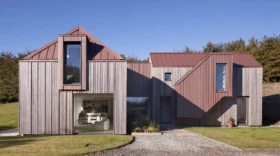
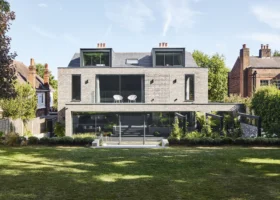
Tin House, designed by Henning Stummel Architects, was built on an old breakers’ yard. It was granted permission on the condition that any contamination was investigated and disposed of – a process that cost around £50,000. Photo: Gavriil Papadiotis
If you have been granted planning but don’t agree with the council’s stipulations, you can appeal against those conditions. You have to appeal within six months of the decision and they can take around six months to be decided. The disadvantage of appealing is that it technically reopens the whole planning application for consideration by the appeal inspector, with the risk that they could decide that further conditions are required or that planning permission shouldn’t have been granted in the first place.
The safer approach, which I would recommend, is to leave your approval intact and make a new, separate application to remove or vary the wording of the problematic conditions (this is also known as a Section 73 application). If successful, then you have new planning permission for your project. If not, you can still fall back on your original consent.
What happens if you breach the conditions set by the council?
It is very risky to ignore conditions that you don’t like. If you start building work without first complying with a pre-commencement requirement, you haven’t started in the eyes of the planning system. This means your permission will expire after three years, so your build is unlawful and at potential risk of enforcement action.

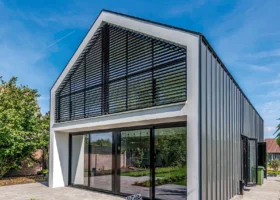
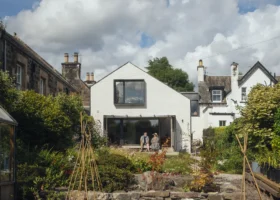
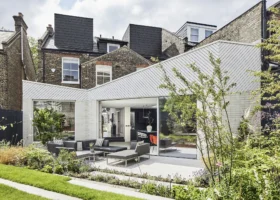
Build It reader Chris Desyllas brought Snug Architects on board to design a chic replacement dwelling. All the side windows have obscured glazing, as required by the council, which prevents direct sightlines to the neighbour’s home. Photo: Richard Gadsby
One of my clients obtained planning permission for a two-storey side extension to his house, subject to him submitting details of a gas resistant membrane that should be installed beneath the structure, because of concerns about gases migrating from a landfill site in the area. He employed a company to check for gas, was told there was none and so pressed on and built extension without the membrane. He was then served an enforcement notice demanding that the extension be demolished (an appeal against the notice is pending).
If you do breach a condition, it will become lawful after 10 years, as long as the local planning authority hasn’t taken enforcement action. You can then apply for a lawful development certificate to confirm that the breach is lawful by virtue of this 10 year rule.
Martin Gaine
You may be interested in
Our sponsors




Comments are closed.