

- Plan ItBack
- Design ItBack
- Build ItBack
- Homes
- ProductsBack
- CostsBack
- Self Build Cost Calculator
Estimate your project costs instantly with Build It's interactive self-build cost calculator
Calculate Now - Costs & Finance
- Contracts & Warranties
- Build It Estimating Service
Get an accurate, detailed cost breakdown of your project
Submit plans
- EventsBack
























 Login/register to save Article for later
Should You Upgrade to Triple-Glazing When Renovating? Here Are the Benefits

In many renovation projects, windows are replaced because they’ve reached the end of their life, not because the upgrade was part of the original plan. Frames may be tired, seals may have failed, draughts may be affecting comfort, or the look and performance of the glazing may simply no longer suit the house.
When that moment arrives, the key question is not just whether to replace like-for-like, but whether it makes sense to step up to triple glazing. In many cases, it does. But it’s not simply a matter of adding another pane of glass. To get the full benefit, you need to look at the whole window, how it’s installed, and how upgrading will improve comfort and performance.
What are the benefits of upgrading to triple-glazing?
The first point to understand is that triple glazing tends to make most sense when you are already replacing your windows. While it’s theoretically possible to squeeze a third pane into an existing double-glazed unit, the gains are limited and the extra weight can put pressure on hardware that was never designed for it.
In practice, complete replacement gives you much more control over the final result. This way, you can improve not only thermal performance, but also airtightness, acoustic comfort, security and ease of use. It also means you’re not relying on an older frame, seals and ironmongery to carry a higher-performing glass specification.
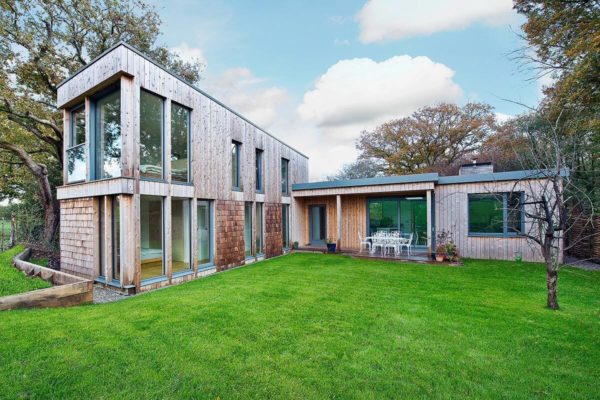
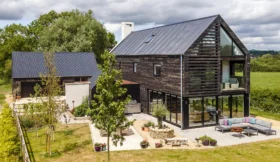
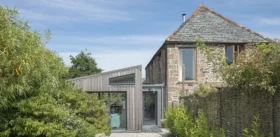
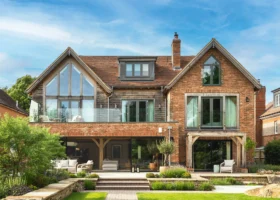
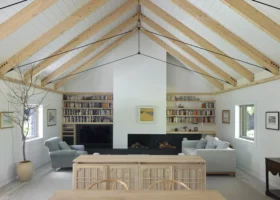
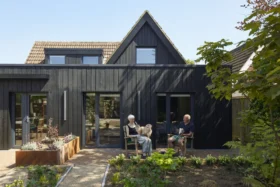
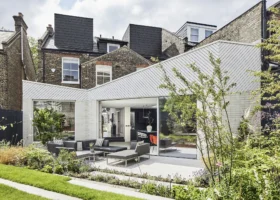
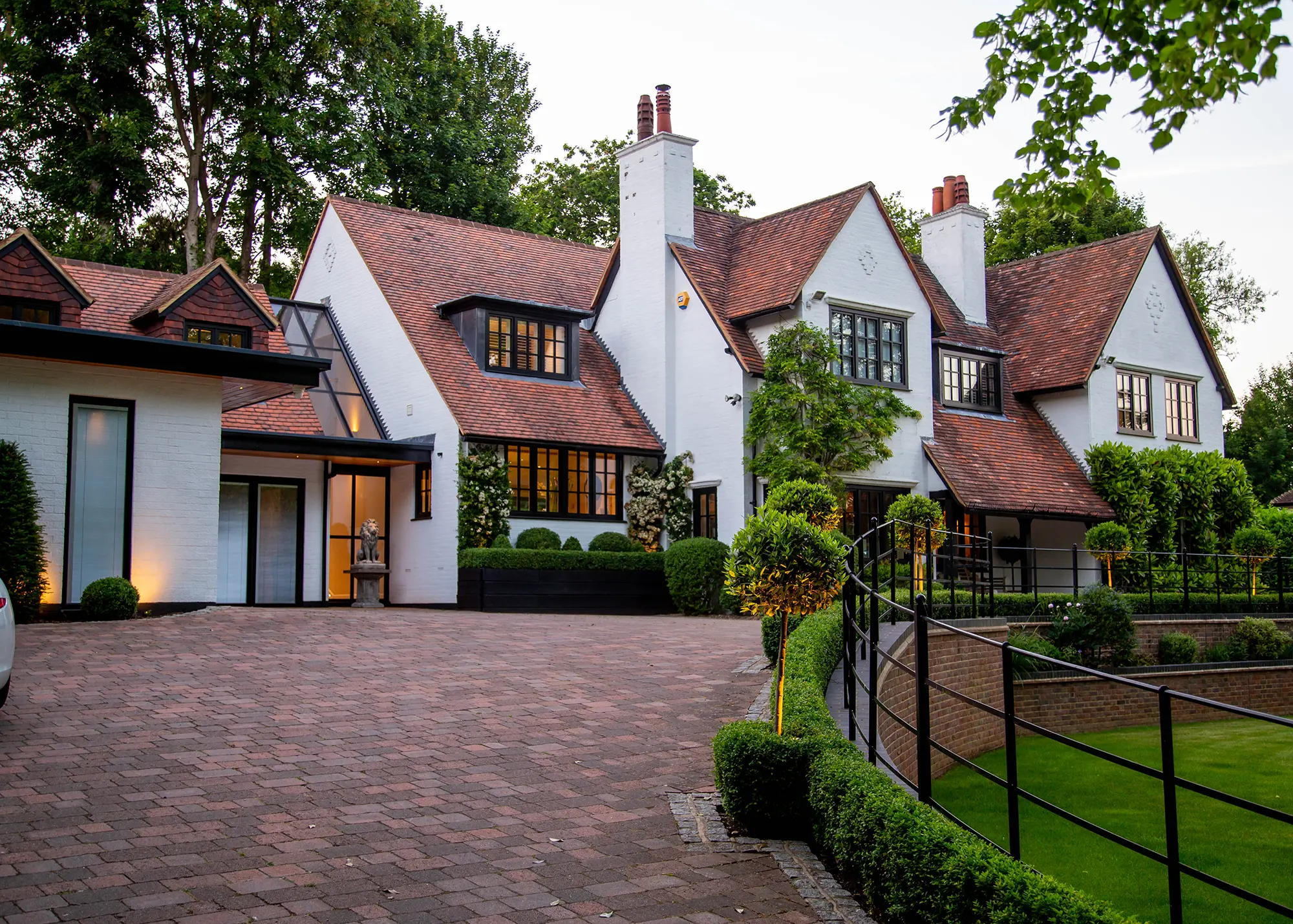
Plant-on glazing bars provide a heritage casement look in this charming project, without compromising the high performance of these Internorm windows
This is important, because it’s easy to read too much into headline figures. Centre-pane performance (the Ug value) is only one part of the picture. What really matters is the whole-window U-value (Uw), which reflects the glazing, frame and edge details.
So, you might see a very strong glass figure, but if the frame is weak, the overall unit will be less impressive. Quality triple glazing can achieve Uw-values as low as 0.62 W/m2K, comfortably ahead of even the best double-glazed units, so it’s ideal for lower-energy homes.
How important is installation?
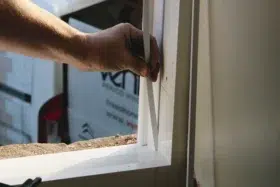
Installation detail matters more than you might realise. If replacement windows are badly fitted, this can lead to air leakage and thermal bridging, reducing the benefits of upgrading. The interface between frame and wall needs careful attention, particularly in renovation projects where existing openings may not be perfectly square or where surrounding fabric is being improved at the same time.
Is triple glazing right for your project?
For many homeowners, the strongest argument for triple glazing is everyday comfort. Better internal surface temperatures can reduce the cold radiation effect you feel when sitting near glazing in winter, while draughts are also easier to tackle in a well-designed replacement system. Outside noise can often be reduced, too, thanks to the glass specification and overall construction of a modern triple-glazed window. In a renovation, those gains are often more noticeable day to day than performance metrics.
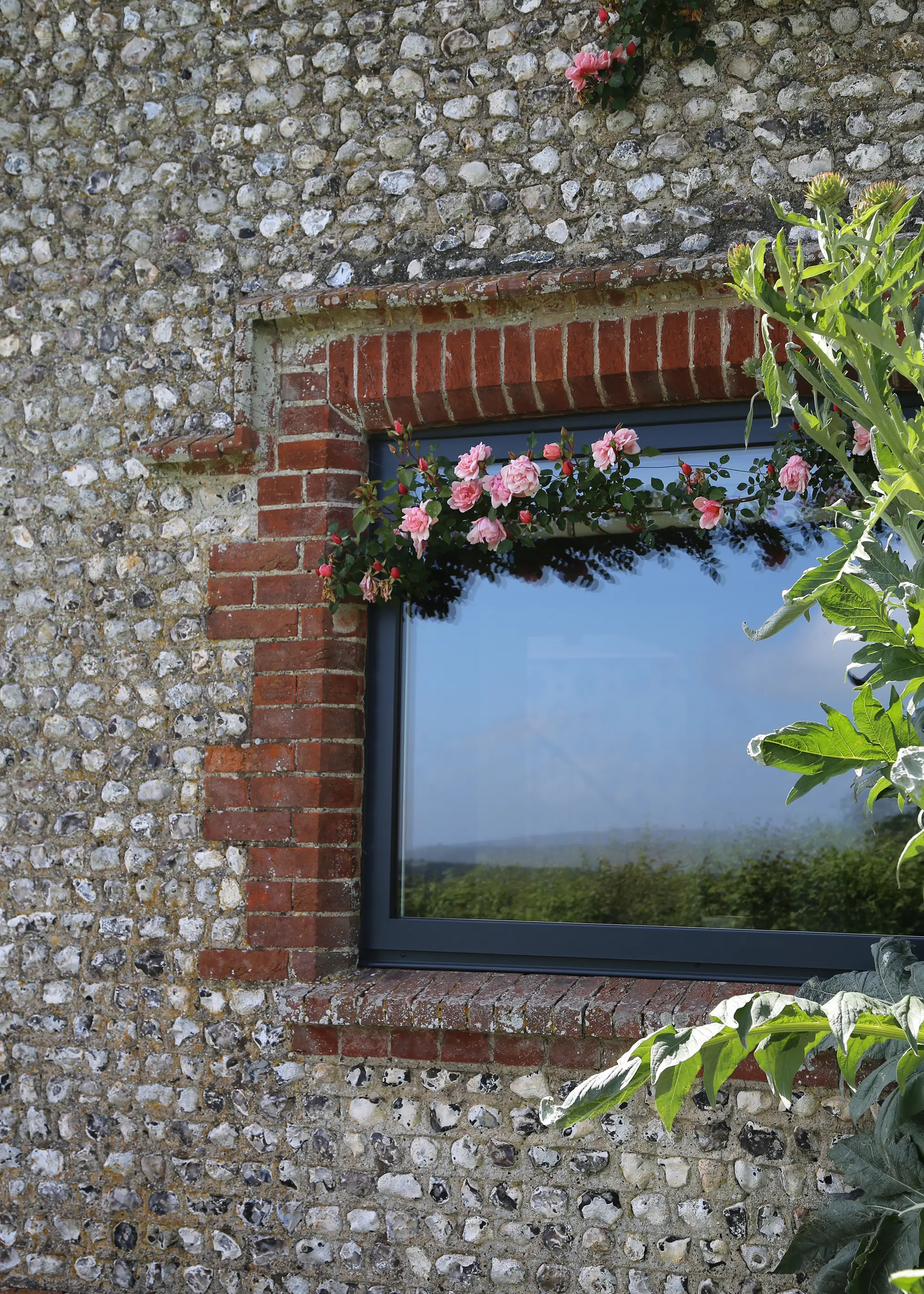
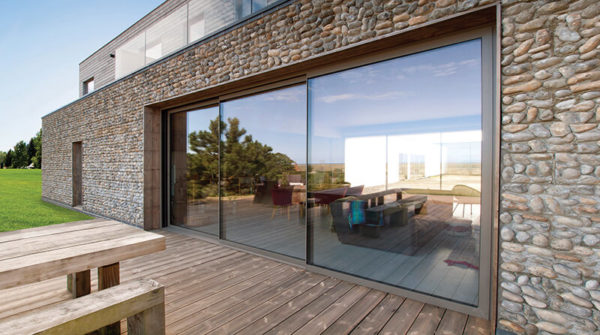
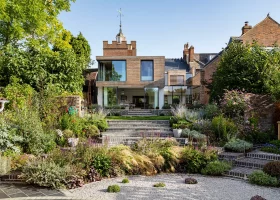
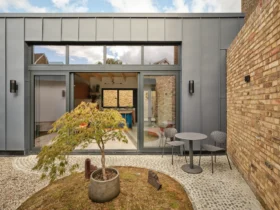
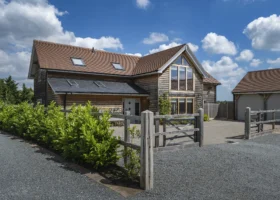
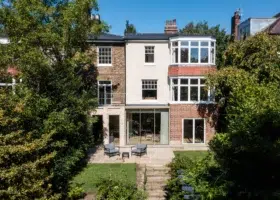
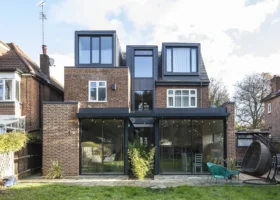
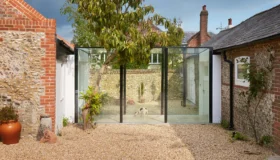
Dark-grey frames and full-scale panes deliver discreet contemporary upgrade to the look and performance of this brick-and-flint home
That said, triple glazing works best when specified with some thought to the wider house. If you’re upgrading insulation and improving airtightness to create a more stable internal climate, higher-performing windows are a logical part of that package. But it doesn’t have to be part of a deep retrofit to make sense. If windows are due for replacement anyway, it’s a sensible moment to ask whether moving straight to triple glazing will deliver a better long-term result.
Ventilation and moisture management need to be part of the conversation. Standard trickle vents are the default on renovations, but they introduce uncontrolled air leakage. On major retrofits, mechanical ventilation with heat recovery (MVHR) delivers fresh air with bill-saving benefits. Pair with Internorm’s tilt-and-turn windows for secure natural ventilation.
When comparing quotes, it pays to look beyond broad claims. Ask what whole-window performance is being offered, how the frame is constructed, what the installation includes, and how airtightness and ventilation will be handled. Assessed on that basis, triple glazing will often prove to be the right specification from the outset.

Internorm Windows UK
You may be interested in