Will the UK Planning System Change in 2026? Our Planning Expert Shares his Predictions
Higher planning fees? Speedier application decisions? Planning expert Martin Gaine explores the changes we saw in 2025 and what we can expect for the future of the planning system
Martin Gaine
Last year was a transformative one for planning. When the new government came into power in the second half of 2024, it announced sweeping changes to the UK’s planning system, but most of those only really started to bite in 2025. We saw the reintroduction of binding housing targets, an unexpected relaxation of green belt rules and sharp rises in planning application fees. If this all goes to plan, 2026 will be the year when more homes are approved and local planning departments finally start to perform better.
Here, I’m looking back at the main changes we saw during 2025 and exploring what 2026 might bring for budding self builders, renovators and home extenders.
Will housing targets change?
The biggest change over the past year has been the return of national housing targets. Labour has committed to delivering 1.5 million new homes in England over the parliament – an average of around 370,000 each year.
There are already mutterings that this target is out of reach. The final numbers for 2025 have not been released yet, but it looks relatively likely that only 200,000 or so new homes have actually been delivered.
Nevertheless, a local housing shortage could make all the difference for a self builder with a difficult site. If a council is not meeting its targets, it should approve planning applications for new homes unless there are very strong reasons to refuse. This can mean that a self build site just outside of a village boundary gets the go ahead, for example, whereas before it would be quickly refused as being contrary to current policy.
Will more people be able to build in the grey belt?
One of the most talked-about changes that came in last year was the introduction of the grey belt, which is defined as previously developed land in a green belt area that is no longer fulfilling its intended purposes.
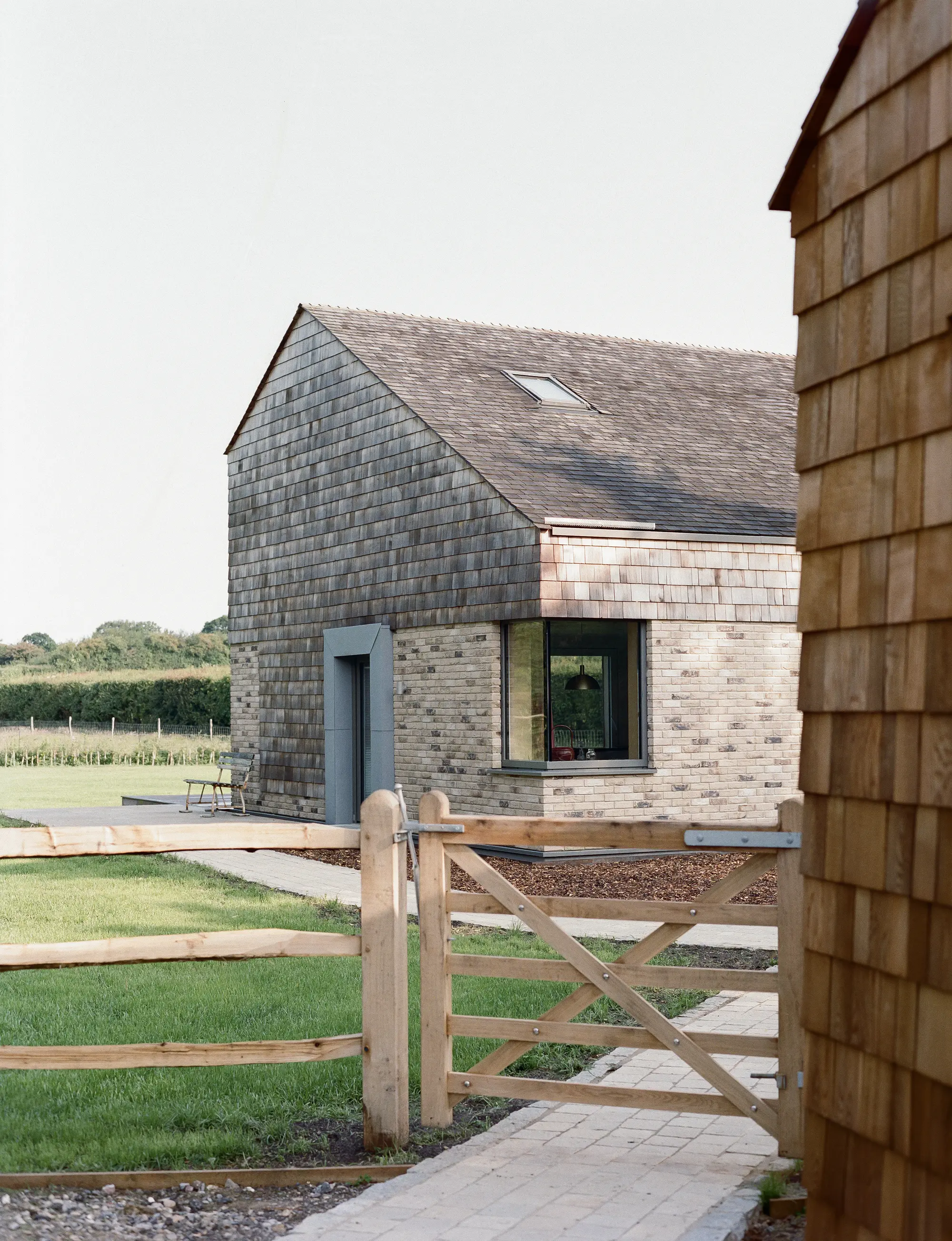
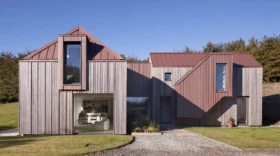
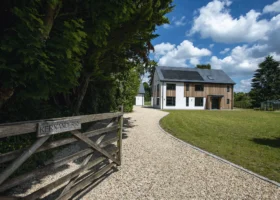
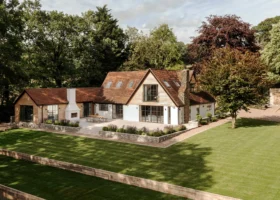
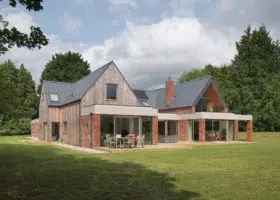
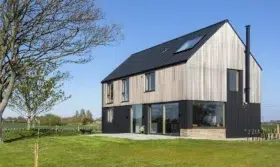
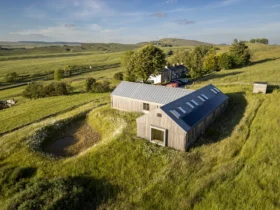
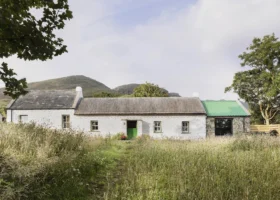
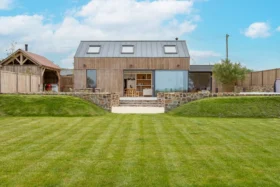
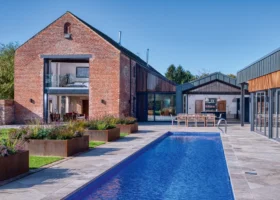
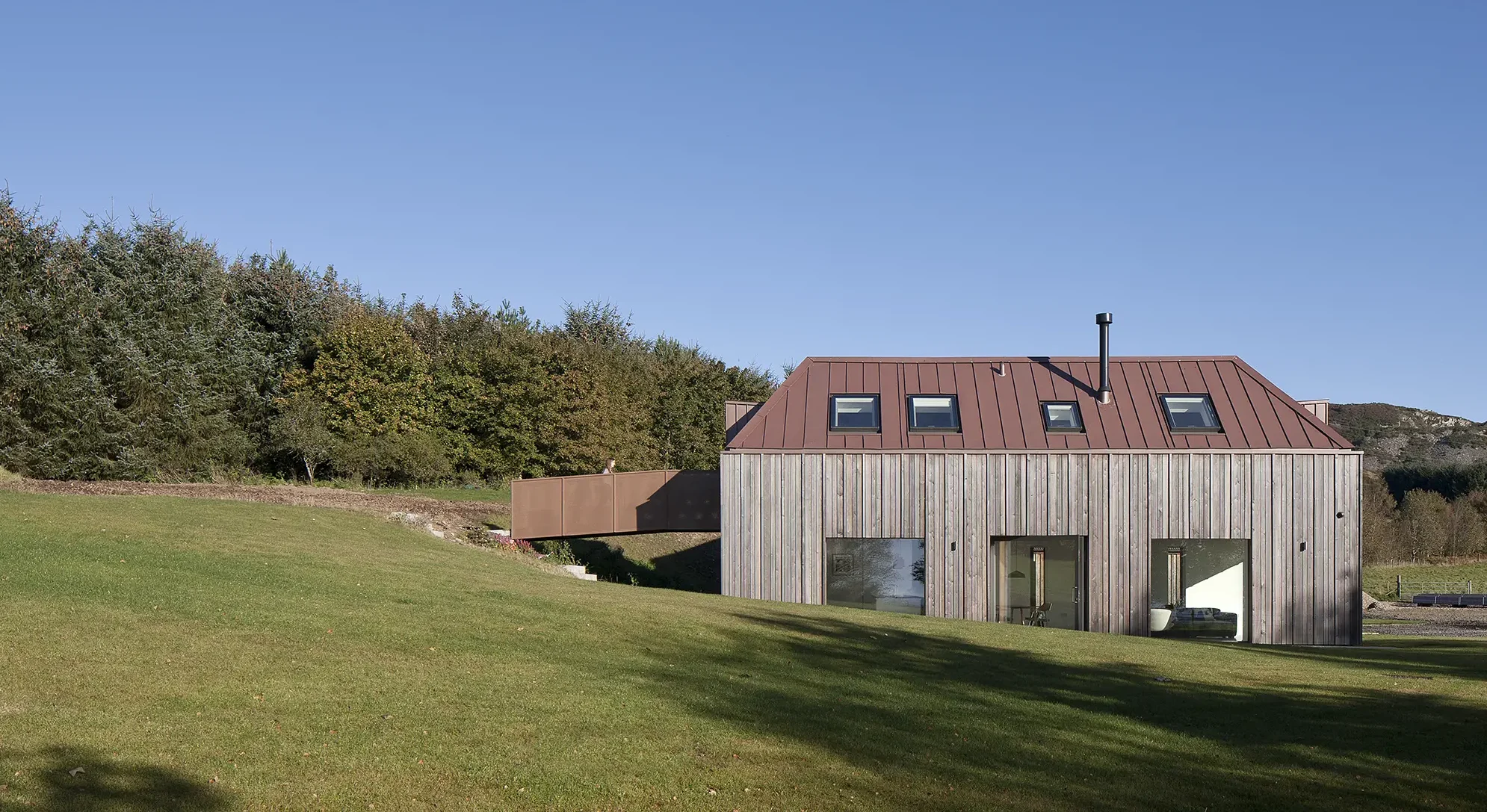
Neil and Sandra Caul built a multi-generational home on a brownfield site; a striking, futureproof farmhouse that’s rooted in the area’s agricultural past. The family used the local council’s brownfield policies to work out the recommended scale of the house and where it should be positioned on the site. The project got the green light without any objections. Photo: David Barbour
Despite some of the headlines, this doesn’t mean that the green belt is suddenly open for development. What it does signify is that a site may now be suitable for new housing if you can persuade the council (or an appeal inspector) that the land is grey belt – especially if the council is not meeting its housing targets.
Premium Content
Downloadable E-Guide
Not sure where to start with your plot search? Kick-start the journey with Build It’s complete downloadable e-guide to finding the perfect self build site. Click below to find out more.
Planning to build a sleek, modern conservatory? Two years ago, the planning application fee to your local council would have been £206. In April this year, that rose to £528, plus £85 now payable to the Planning Portal website for handling your submission.
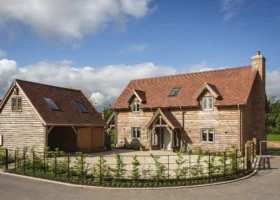
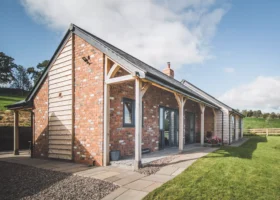
After Build It reader Carolyn Copperwheat’s planning application for a new Passivhaus home was rejected, her planning consultant suggested falling back on the rules around mobile homes – which can be replaced with a permanent house after they’ve been lived in for 10 years. She was able to get approval on the basis that the self build was a replacement dwelling. Photo: Mary Gaudin
Applicants had already lost what was known as the free go. In the past, if an application was refused, it could usually be resubmitted once more without paying a further fee. That is no longer the case. A refusal followed by a revised application means paying the full fee again.
The fee changes are encouraging applicants to put more effort into getting their applications right the first time around. If your request is refused because of simple errors on the plans or because it doesn’t comply with local policies, it has become a much more expensive endeavour to revise it and try again.
2025 has been about pressurising councils to grant permission for more homes and providing them with some extra funding to do it. In 2026, the government will turn its attention to Local Plans. We can expect some improved performance in planning departments but also increased cost and complexity for applicants.
New Local Plans
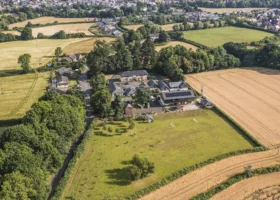
UK planning decisions are supposed to be made in accordance with Local Plans, but some councils have been quite slow at keeping theirs up-to-date. For example, last week, I submitted an application in St Albans that is going to be assessed against policies which were first adopted in 1994.
Photo: iStock.com/Nickbeer
The government wants all councils to have an updated plan by 2028. This is not entirely good news for applicants – self builders have sometimes been able to get permission for new homes simply because local policies were out of date. New policies in up-to-date plans might also create new obligations for self builders – to improve energy efficiency or biodiversity, for example.
But there could also be potential opportunities – councils under pressure to meet housing targets may allocate smaller sites, edge-of-settlement land or plots that are suitable for new homes. It will be a mixed bag, but hopefully we will all see more certainty about what can be approved in an area overall.
For many years, planning departments have been under-resourced, understaffed and overstretched. Even simple plans can languish for months before a decision is made. The government has recognised the problem and increased funding to planning departments. The Autumn 2025 budget earmarked £48 million to recruit and train 350 additional planners. This should provide each council with one extra case officer on average. It will hardly transform the system overnight, but over the course of 2026, it may begin to make a noticeable difference.
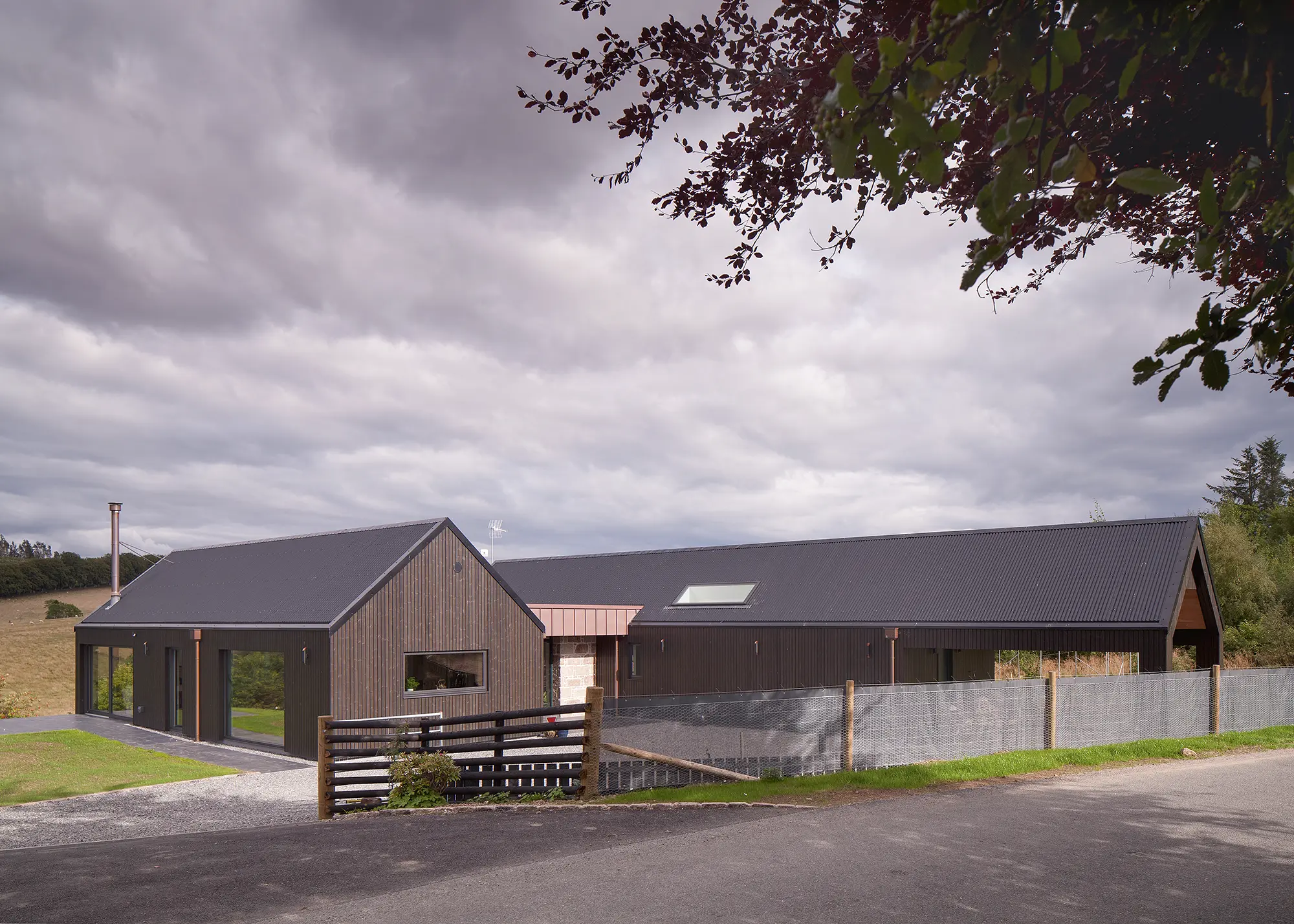
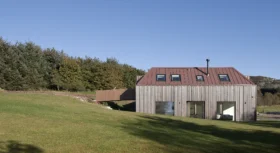
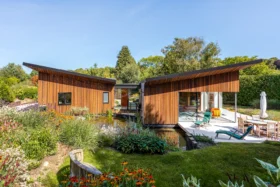
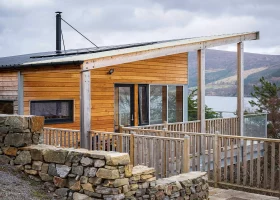
In search of a warmer, more manageable house to enjoy her retirement, Fiona Henderson built a contemporary timber frame home in Aberdeenshire on her own land. The design sailed through planning in just eight weeks, and the work started on site in June 2021. Photo: David Barbour
My hope for 2026 is to see some progress towards a more helpful and responsive service: case officers who pick up the phone, answer emails, carry out site visits and make swift, sensible decisions.
More expensive planning submissions
A big theme of recent years has been the increased complexity of the planning system. There has been a rise in the number of applications that need an energy statement, a flood risk assessment, a biodiversity plan, a marketing report, a tree survey and/or a highways survey. The total cost of creating a complete application has been rising consistently and there is no sign of this reversing.
Applicants must accept this reality and be prepared to invest in good quality plans and all of the technical reports that are requested – incomplete applications will stand no chance of a successful outcome.
My top predictions
We’ll see real progress in housing delivery
Enough cynicism: the government’s planning reforms are genuine and will eventually bear fruit. So, 2026 should be the year we start to see more housing approvals come through, and even some more spades in the ground.
Planning applications will keep getting more expensive
Application fees didn’t change for years but have suddenly jumped. Now that the government has a taste for it, charges will keep rising. Look out for plans to allow local councils to charge their own fees.
Successful applications will be front-loaded
Ever more work must be done before submission: improved drawings, clearer supporting statements and a full set of technical reports. Incomplete or speculative applications now stand little chance of approval.
Planning teams will provide better service
The rapid rise in fees, proposals to boost recruitment and technology-driven productively improvements should, eventually, lead to a better level of performance. We look forward to faster decisions and better communication.
Objections to your planning application may be written by AI
Do you have a neighbour up in arms about your new garden shed? Expect to receive 3,000 words of AI slop referring in excruciating detail to long-forgotten clauses of the Town and Country Planning Act and to random case law references that don’t actually exist.
Martin Gaine
Martin Gaine is one of Build It's planning experts. He runs planning consultancy Just Planning. A former case officer, he has experience on both sides of the planning divide and now specialises in helping homeowners win consent at appeal. He is the author of How to Get Planning Permission: An Insider’s Secrets.




















 Login/register to save Article for later