












 Login/register to save Article for later
Andrew Jones is founder of Andrew Jones The VATMan, a specialist accountancy firm that helps members of the public claim VAT back on new builds and conversion projects.
- Plan ItBack
- Design ItBack
- Build ItBack
- Homes
- ProductsBack
- CostsBack
- Self Build Cost Calculator
Estimate your project costs instantly with Build It's interactive self-build cost calculator
Calculate Now - Costs & Finance
- Contracts & Warranties
- Build It Estimating Service
Get an accurate, detailed cost breakdown of your project
Submit plans
- EventsBack
VAT Reclaims for Conversion Projects – VAT431C Rules Explained
VAT reclaims can help you save a substantial amount of money on a conversion project. If you’re planning on turning a non-residential building into a home – use our guide to navigating the rules surrounding VAT reclaims for conversions (VAT431C)

Before you embark on a conversion project – such as a barn conversion, chapel conversion or industrial conversion – it makes good financial sense to get to grips with the basics on VAT rules for this type of project. Converting an existing building into a new home is a big commitment, and a long-term financial investment. What are the rules for VAT reclaims for conversion projects, though, and can this help you save money later down the line?
Under VAT431C, VAT refunds for DIY housebuilders, you can reclaim the VAT you pay on a labour and qualifying building materials that go into your conversion project. The rules can be a little confusing, however, involving paying two different rates upfront, before reclaiming both from HMRC later on. Here, we take a look at what you need to know about VAT reclaims for conversion projects in the UK.
Is your conversion project eligible for a VAT reclaim?
The first thing you need to do, is work out whether or not your project qualifies for the VAT reclaim scheme. “The building must not have any planning restrictions with regards to its disposal (sale) or in relation to its use in connection with another existing property, and may not be used as a business, sold, rented or leased,” says Andrew Jones of Andrew Jones, The VATman. If you have purchased a completed conversion from a developer or builder, you will not be able to claim for further work – adding a conservatory, for example.
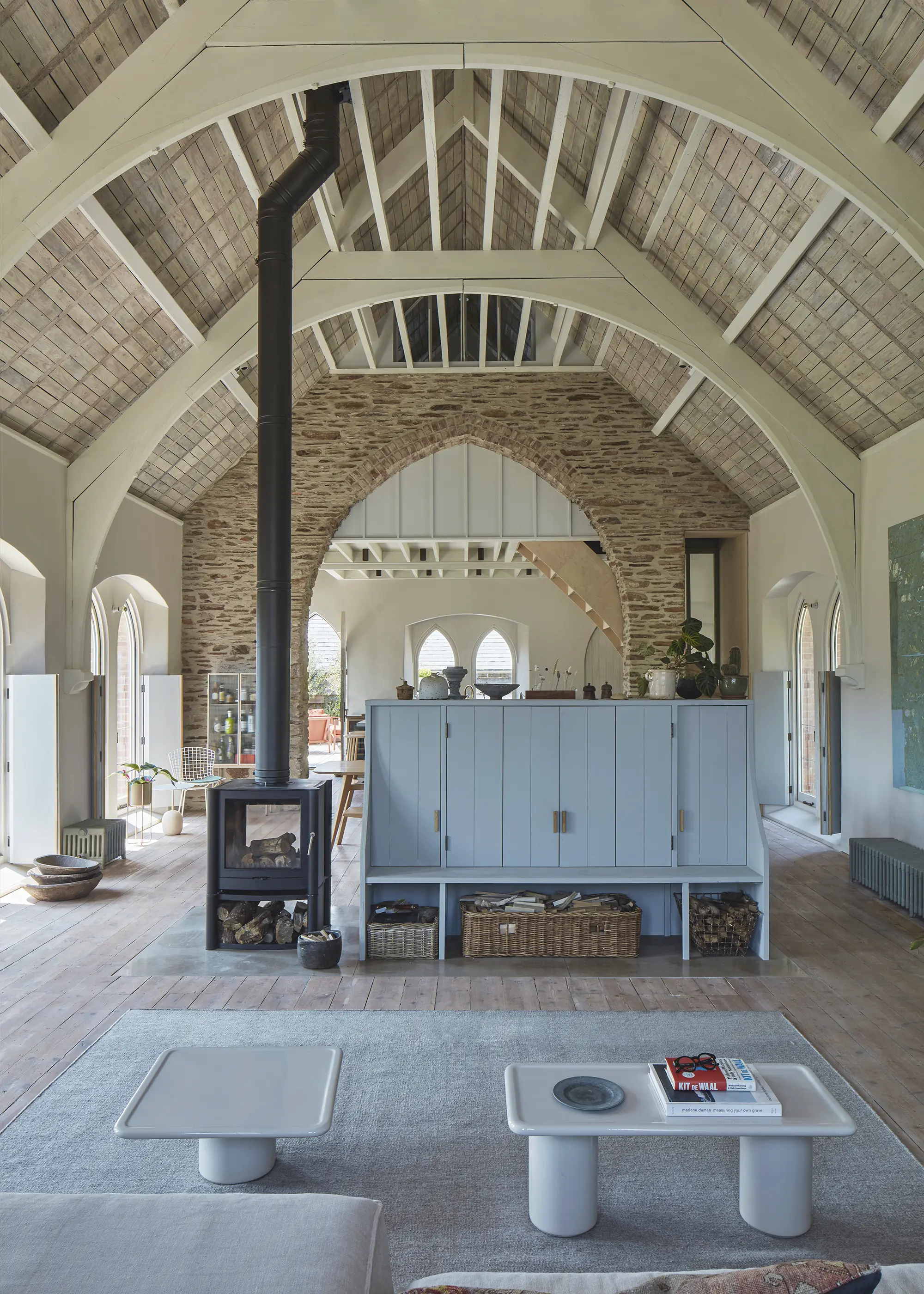
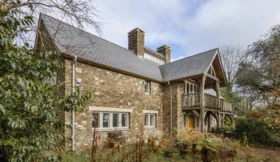
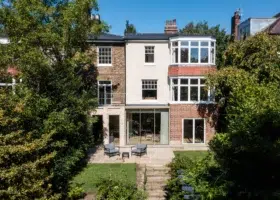
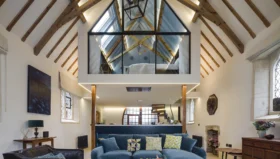
Tucked away into a south Devon area of outstanding natural beauty, Tuckey Design Studio reimagined this former chapel, exposing its grand, ecclesiastical character that had been lost throughout the years while ensuring it was fit for modern living. Photo: James Brittain
According to HMRC, a project eligible for conversion is defined as a non-residential building that either has never been used for residential purposes, or has not been used as such in the 10 years prior to the commencement of work. The most common examples being agricultural buildings such as barns, shops and redundant schools or churches. The end result of the project must be to convert the non-residential building into a dwelling.
If you are planning to carry out work to a building that has previously been used as dwelling, you must adhere to the 10-year rule. The definition here is something that has been adapted or designed for use as someone’s home and has been used in this way. However, the living accommodation does not need to have been self-contained or designed to modern standards.
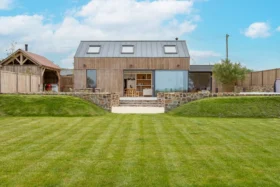
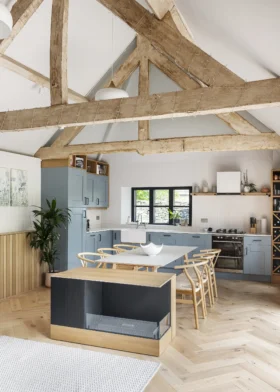
This former barn has been converted by HSSP Architects into a contemporary residence that reaps the full benefits of its glorious setting in rural Leicestershire. The barn conversion’s concrete walls remain in-situ, aside from on the principal elevation, where floor-to-ceiling glazing helps to bring the outdoors in
In addition to this, the 10-year rule requires that you cannot live in the property at any time before the work starts, as this will reset the counter. For your VAT reclaim for a conversion to be valid, you must have evidence that no one has lived in the building for the entire period. Examples of documents that would clarify the non-occupation include data from the electoral register, council tax or a review from your local authority’s empty property officer.
What can you claim for under the VAT431C reclaim scheme for conversions?
Under the VAT reclaim for conversions scheme, VAT431C, you may claim a refund for the builders’ work on a conversion of a non-residential building into a home. This covers the costs relating to work to the fabric of the building, such as installing windows, roofing materials, electrical rewiring etc.
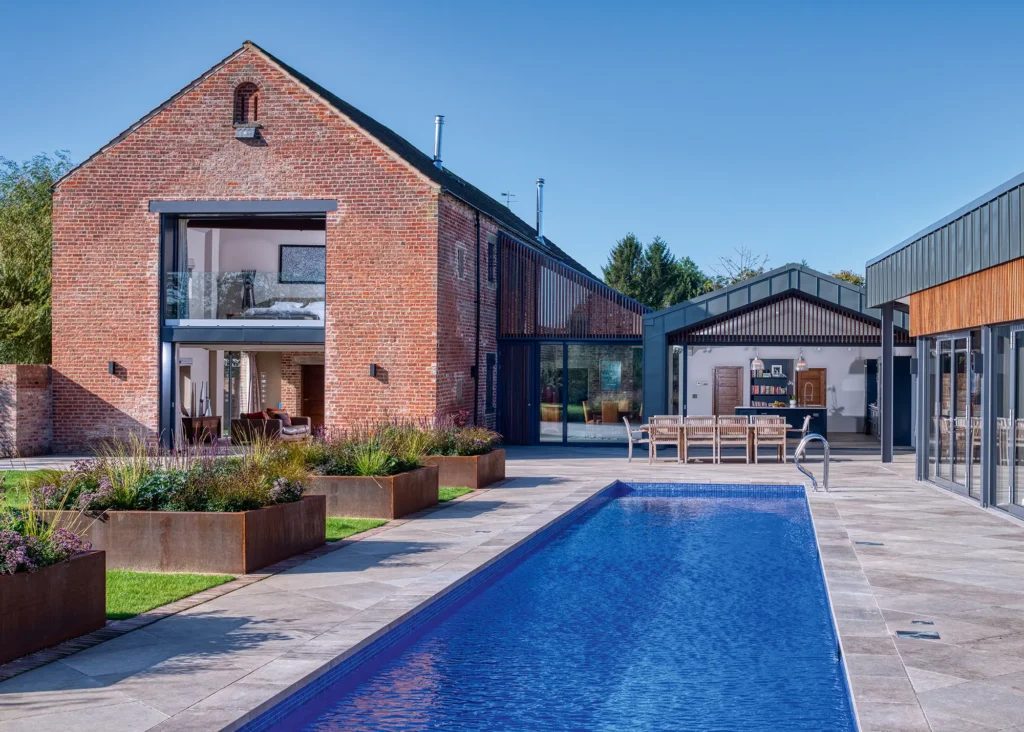
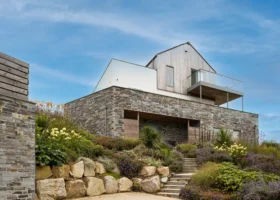
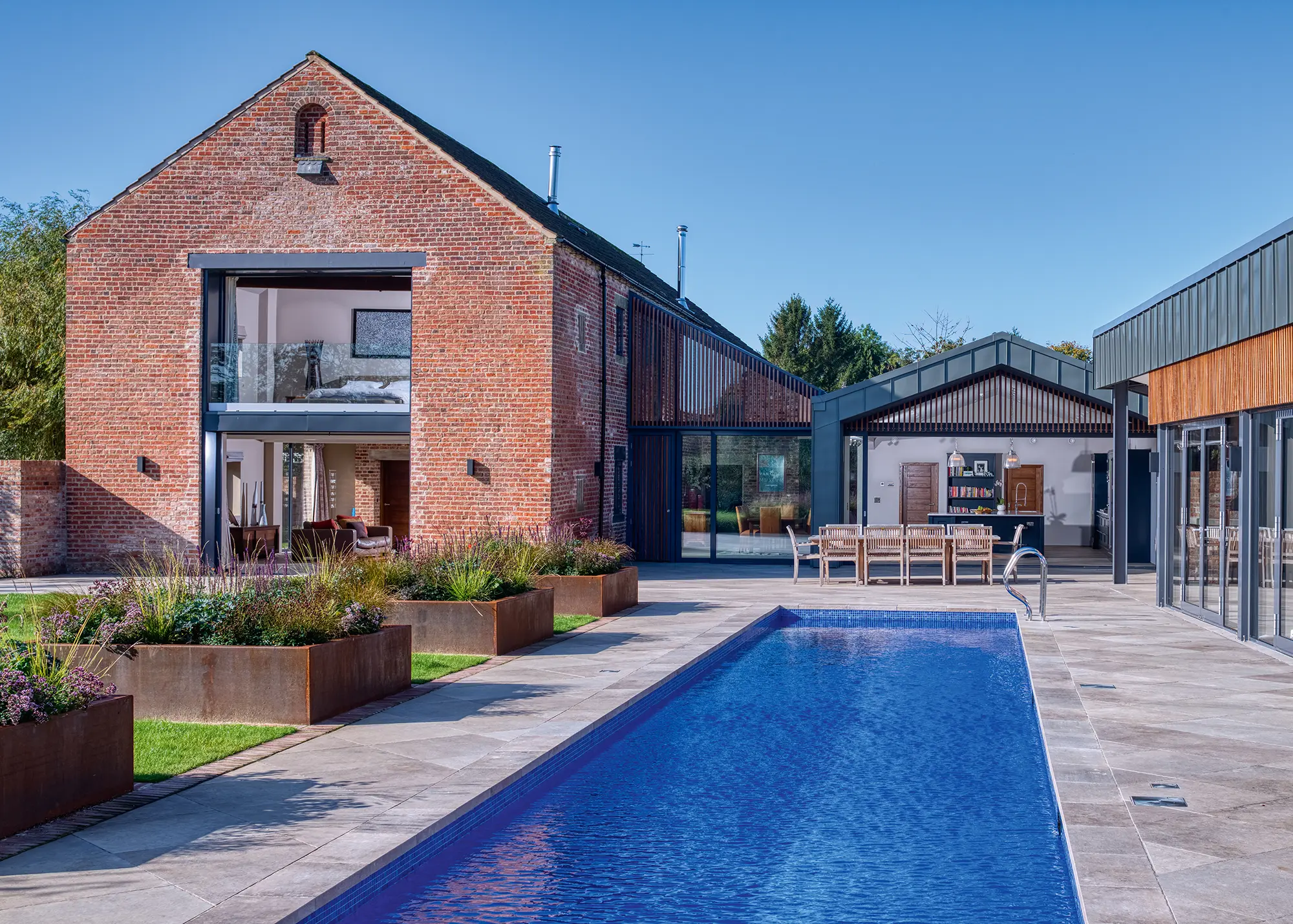
VAT can be reclaimed on building materials used in barn conversions, such as the stunning aluminium Shuco glazing systems prominent on this project in North Yorkshire
“On conversions, you should initially pay 20% VAT for materials purchased from suppliers and a reduced rate of 5% VAT to contractors,” says Andrew. So, any eligible invoices from VAT-registered contractors and trades (whether for labour-only or labour and qualifying materials) should use the reduced 5% rate. If you’re buying materials directly yourself, you’ll need to pay the full 20% at source.
You will then be able to reclaim both types of VAT from HMRC on completion of the project, which effectively makes home conversions zero-rated for VAT. It bears repeating that contractors must invoice at the correct rate of VAT on both materials and labour in the first place.
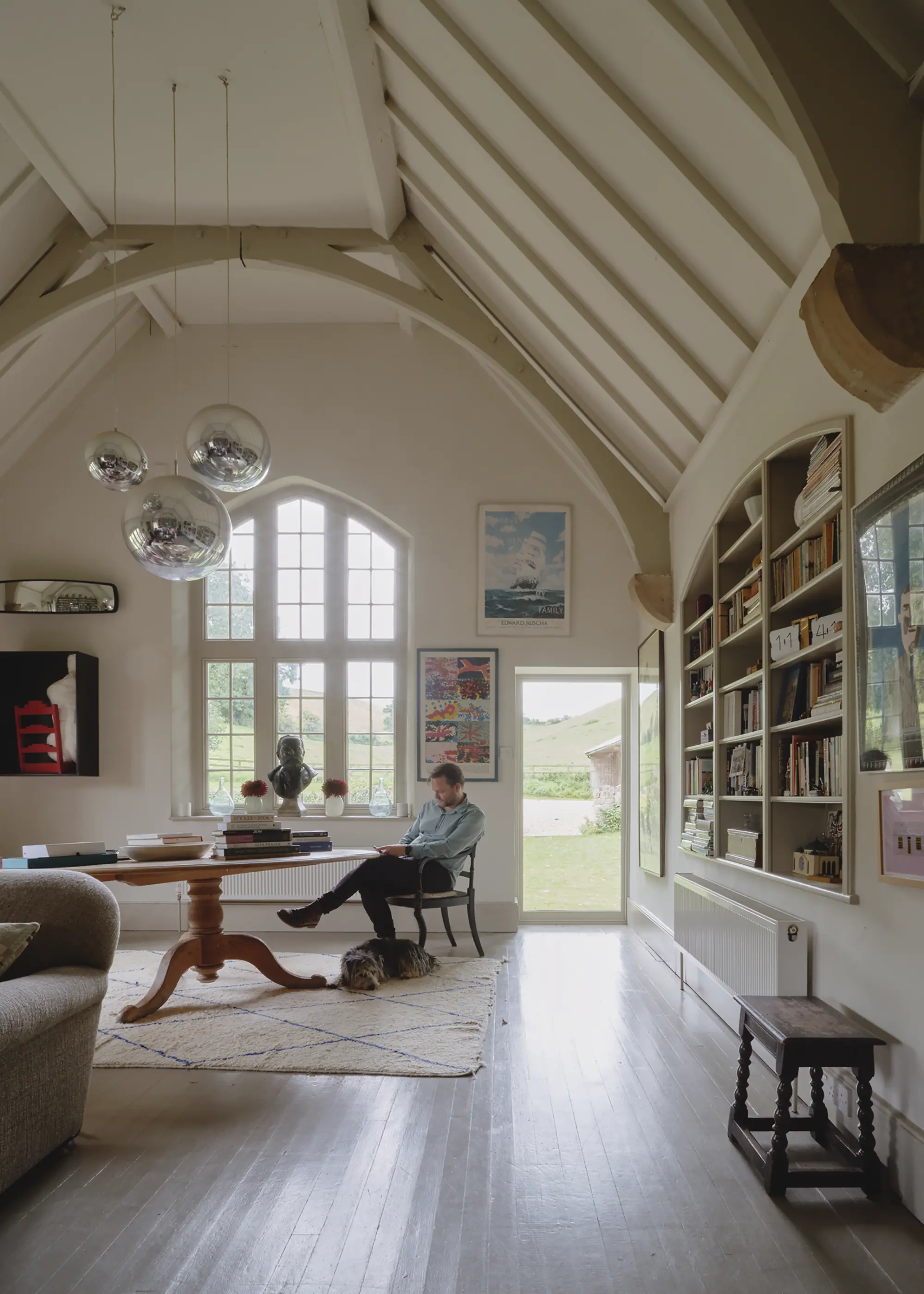
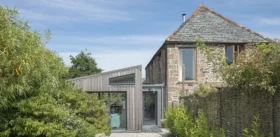
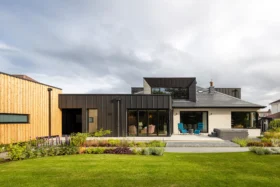
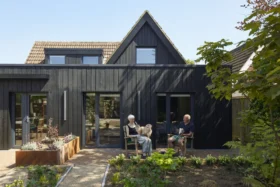
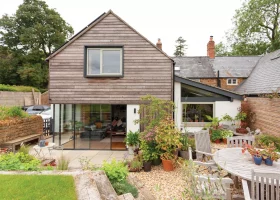
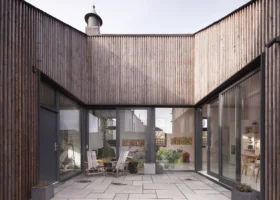
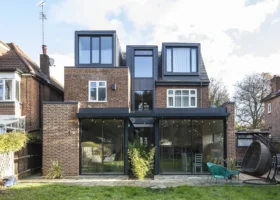
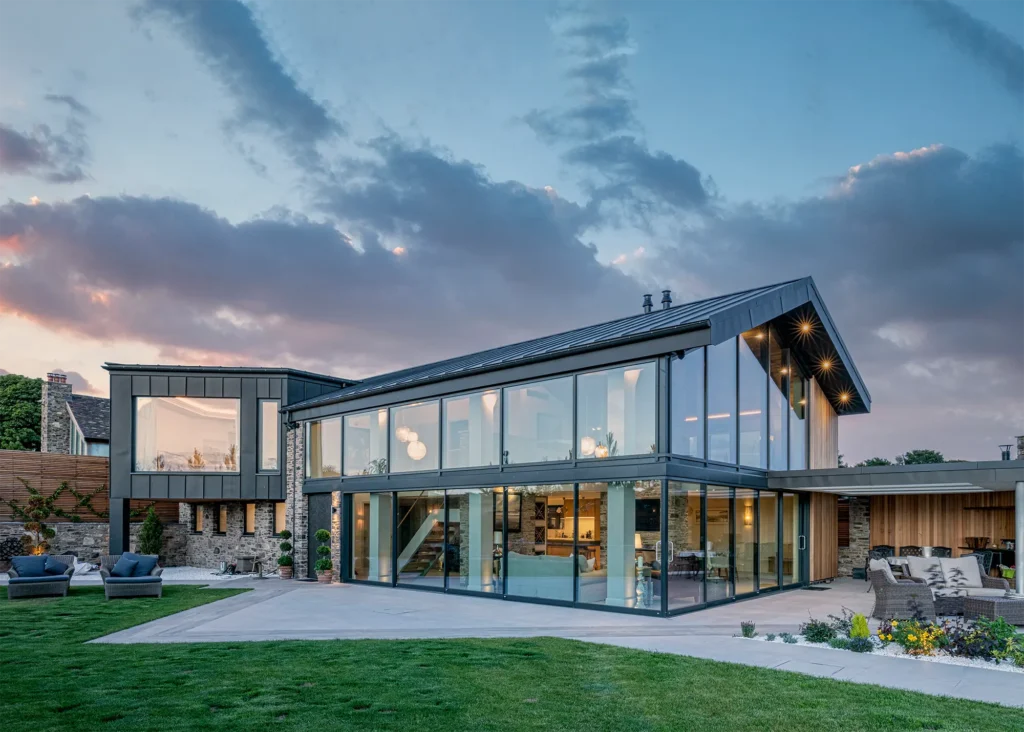
The team at Bindloss Dawes was commissioned to reimagine this converted school with a sensitive extension, tapping into the original building’s potential. The result takes shape in a two-storey, timber-clad addition that sensitively reinterprets the old school’s form and character while adding a contemporary touch. Photo: Francesca Lovene
If the builder incorrectly charges VAT at the standard rather than the reduced rate and you pay it, HMRC won’t process your claim. You’ll then be left in the challenging position of trying to recoup the difference by asking your contractor to refund you. They have their own obligations to HMRC, so may not be able to do this – and the fault will lie with you for paying the wrong rate.
“Your whole contract with a contractor or company coming to site to do work should be VAT at 5%,” explains Andrew. “It is often thought that a contractor charging the VAT at 5% in the first instance is an option, and if you are charged the VAT at 20% then this can still be included in a VAT reclaim at the end of the build. This is not the case. It is not an either/or situation – the rules must be followed precisely.”
CASE STUDY Workshop conversion with a VAT reclaim of £4,714
Marc Fiedorowicz had been living in his grandmother’s Oxfordshire house that was damp, leaky and in desperate need of an upgrade. But when he brought in architect Allister Godfrey, he suggested shifting focus to another building on the same plot; an old workshop.
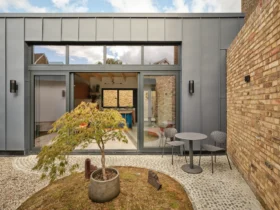
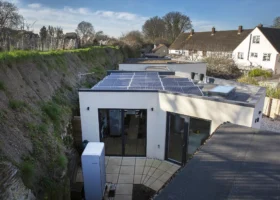
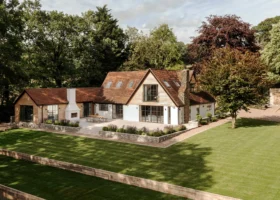
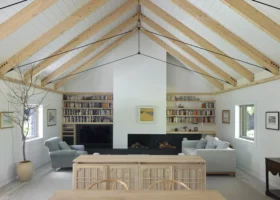
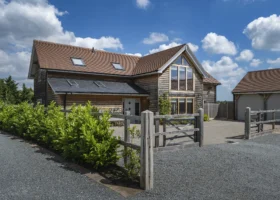
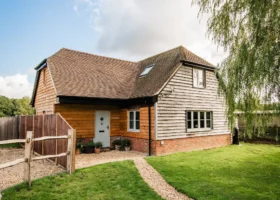
After planning and financial struggles, Marc managed to salvage the workshop’s structure to create an open-plan and light-filled dwelling. The build consists of a steel frame and treated softwood timber cladding which complements the home’s green belt setting.
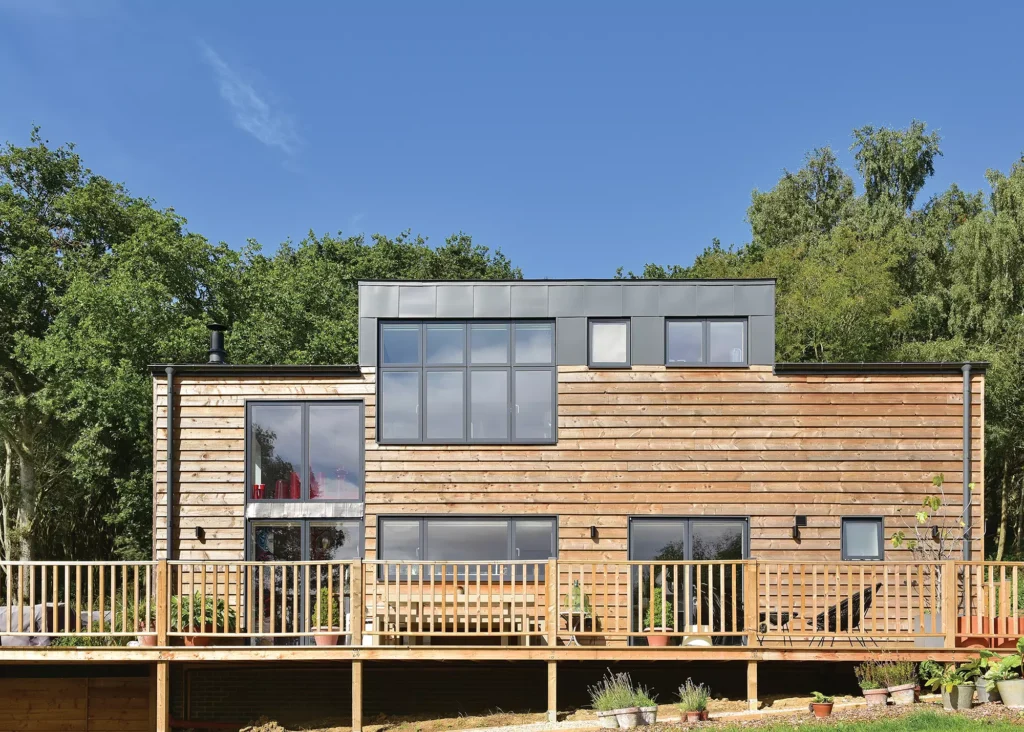
Photo: Graham Holland
Thanks to the well-insulated design, the modern dwelling has very low running costs. Underfloor heating is laid throughout both storeys, powered by an air source heat pump. “All in all, it costs about £200 a month to run,” he says.
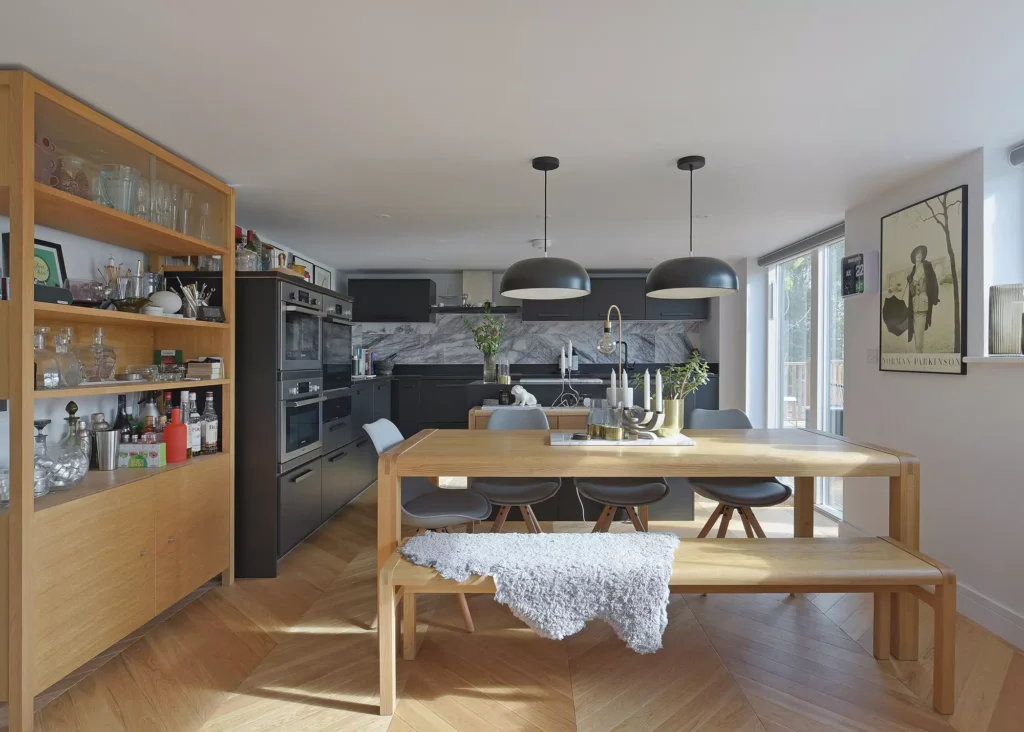
Photo: Graham Holland
“The heating has been off since February, though, as the house is warm enough as it is.” Composite aluminium-timber windows from Velfac also help keep the house cosy, thanks to excellent insulating qualities.
| NAME | Marc Fiedorowicz |
| LOCATION | Oxfordshire |
| TYPE OF PROJECT | Conversion |
| HOUSE SIZE | 105m² |
| PROJECT COST | £220,542 |
| VAT RECLAIM | £4,714 |
Which items are not covered under the VAT reclaim rules for conversions?
When it comes to building materials, be aware that the reclaim scheme only applies to fixed products and the relevant costs for installing them – so it’s not for things like white goods. Under the scheme, qualifying materials are considered to be those ‘incorporated’ in the building, where their fitting or removal would require the use of tools and result in remedial work.
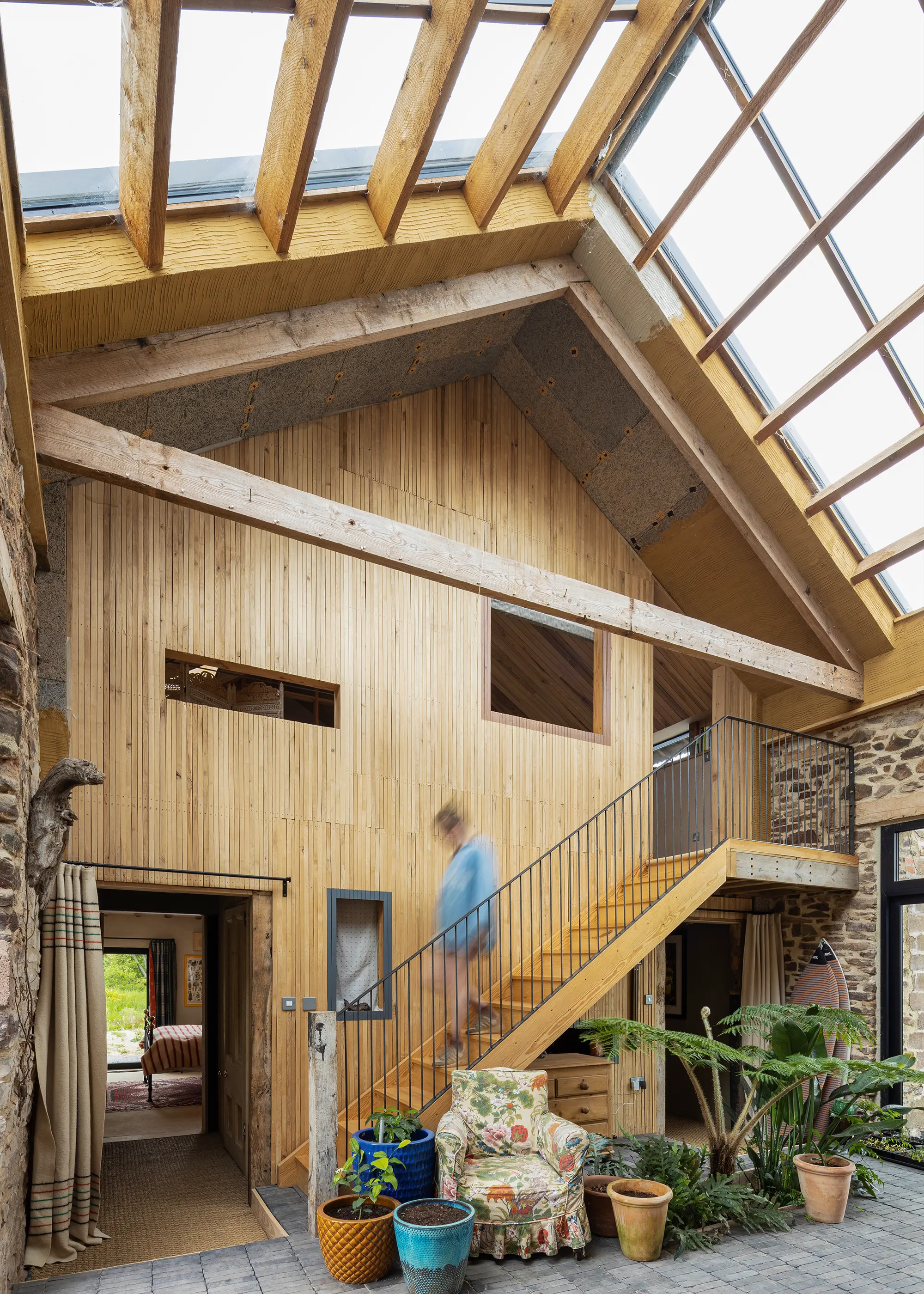
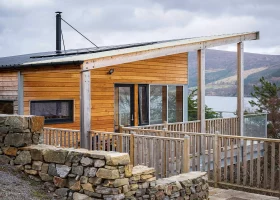
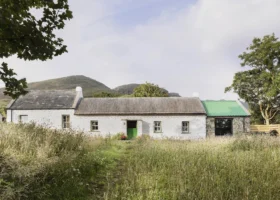
A search for the perfect site to grow their landscaping business led Build It readers, Toby and Bella, to a derelict cob, stone, and timber barn on their family’s farmland plot. Keen to create an eco-friendly home, the couple chose to complete the project under the Living Building Challenge, which celebrates the wider setting of a building and its ecological impact. Photo: Simon Burt
Think bricks, windows, doors etc. You can claim for kitchens but not other fitted furniture. Also excluded are electrical or gas appliances, apart from those needed for space heating/cooling, heating water and ventilation. Carpets are excluded, too, while hard surfaces that need to be fixed in situ, such as wood flooring, can be claimed for.
Professional fees, such as those for architects, surveyors or engineers, do not qualify for VAT exemption. In some instances, you may work with small businesses or sole traders who are not VAT registered. This means they should not charge the tax on their fees in the first place.
How do you submit a VAT reclaim for a home conversion project?
In order to make a VAT reclaim claim, you should apply within three months of completing the conversion. HMRC considers this to be the date on the completion certificate issued by building control – so once you have it, the clock is ticking. You’ll need provide the completion documentation with your claim, and will usually be refunded within 30 working days.
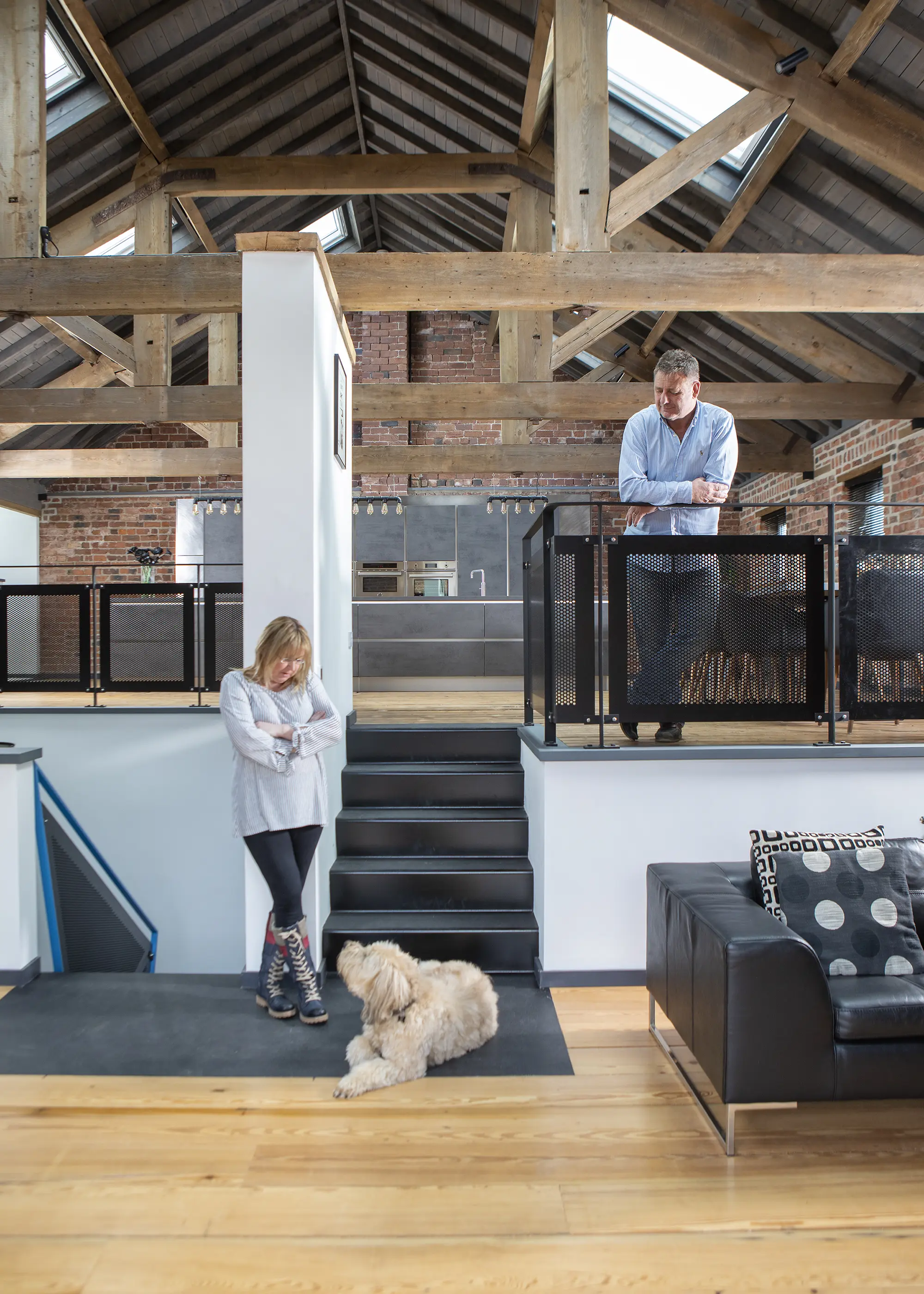
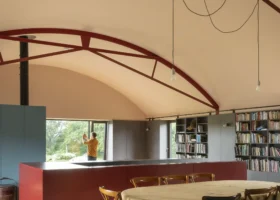
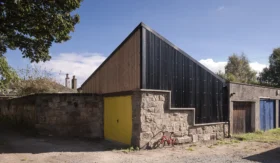
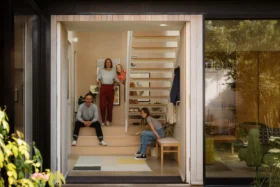
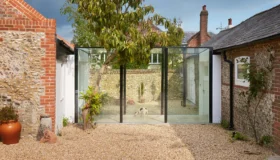
When Build It readers Michael and Erica Hammill took the plunge and bought this abandonded mechanical garage, it was dark, cold and damp, with parts of the roof missing. The project involved replacing the timber rafters and slate roof tiles, alongside insulating the entire roof structure, digging out and levelling the property’s floor, and adding in drains for the bathrooms. Photo: Dave Burton
It is worth noting the guidance on VAT for conversions is very different to the VAT reclaim rules for new build homes. Also, as conversion projects are all unique, there may be some that don’t meet the requirements for a tax reduction. If you are in doubt, it is best to consult a VAT professional, your quantity surveyor or your architect to discuss any potential liability before you proceed with your development.
The buck stops with you when it comes to finding the correct rate of VAT that applies to your project. So, get advice and seek guidance if you have any uncertainties – if you pay too much tax, the HMRC may not refund you if an incorrect sum was collected in the first place.
Common VAT reclaim mistakes

Paying VAT at 20% to contractors
Paying VAT at 20% when you should have paid 5% to the contractors. If you pay VAT at 20% to a contractor in error, rather than 5%, this will not be refunded in a VAT reclaim.
Not putting invoices in your name
Invoices that are not in your name will not be eligible – your company or business name is not you, so make sure the correct details are on documents.
Not saying how you paid your invoices
How you paid your invoices and from what account. You should only be paying through accounts in your name personally.
Purchasing materials via contractors that are not VAT registered
If your contractor is not VAT registered, never let them be involved in purchasing material. You have the advantage of being able to reclaim the VAT, but an unregistered contractor cannot.
Build It
You may be interested in

Our sponsors



A really informative article thanks. I have a question about items purchased at auction. We have bought several big price things at auction for which we have a VAT invoice and are eligible items. The VAT is split between Hammer Price and Buyers Premium. I have so far only added the Hammer Price VAT to the claim but ideally I would claim on the Buyers Premium too. My research tells me that Buyers Premium VAT is a valid business expense but I can’t find anything specific in the Self Build VAT reclaim guidance. Hope you can help. Thanks