Extension or Conservatory – What’s the Difference & Which is Right for You?
Wondering which home extension route will best suit your needs and type of home? Scarlett Deamer looks at design, energy efficiency and costs to help point you towards the right solution
Scarlett Deamer
Transforming your home can take many forms, each bringing its own character and benefits. An extension can significantly improve your home – creating flexible space that can be used however you like. But are your priorities more aligned with a traditional rear extension, or a conservatory-style structure?
Choosing between a new extension or a conservatory involves balancing aesthetics, practicality and your budget, and it’s important to weigh up the pros and cons of each to ensure you’re heading in the right direction. Here, I’m investigating how these two options differ in design potential, costs and overall performance to help guide your decision.
What are main differences between an extension & conservatory?
Technically speaking, an extension is a permanent structure that forms an integral part of the house and must comply with the full suite of Building Regulations. While it doesn’t have to use the same materials as the existing property, it must meet modern performance standards and is usually connected through shared walls, a continuous roof and an open internal layout.
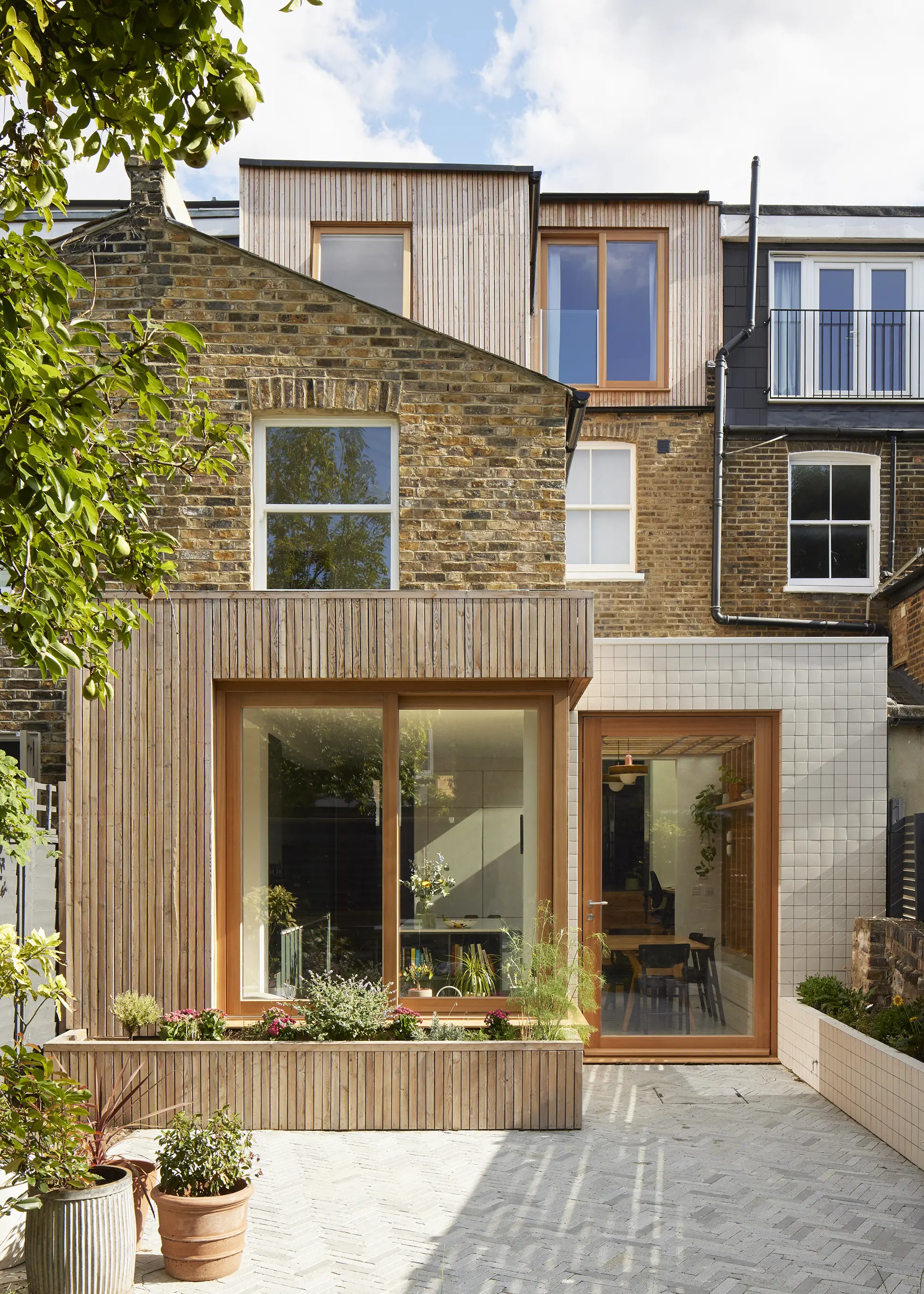
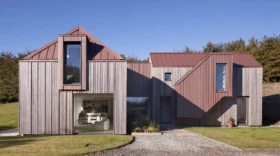
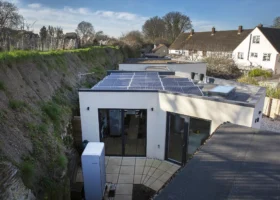
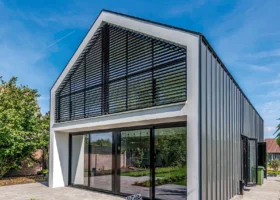
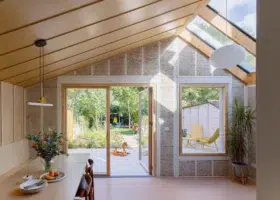
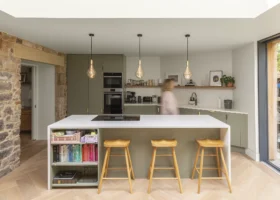
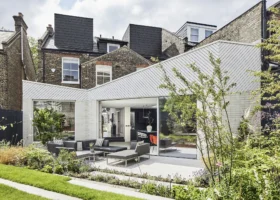
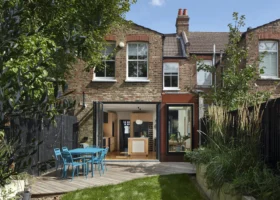
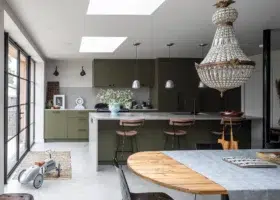
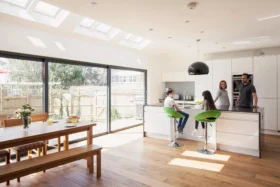
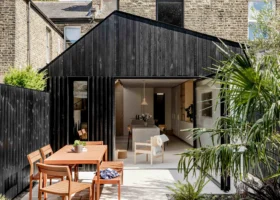
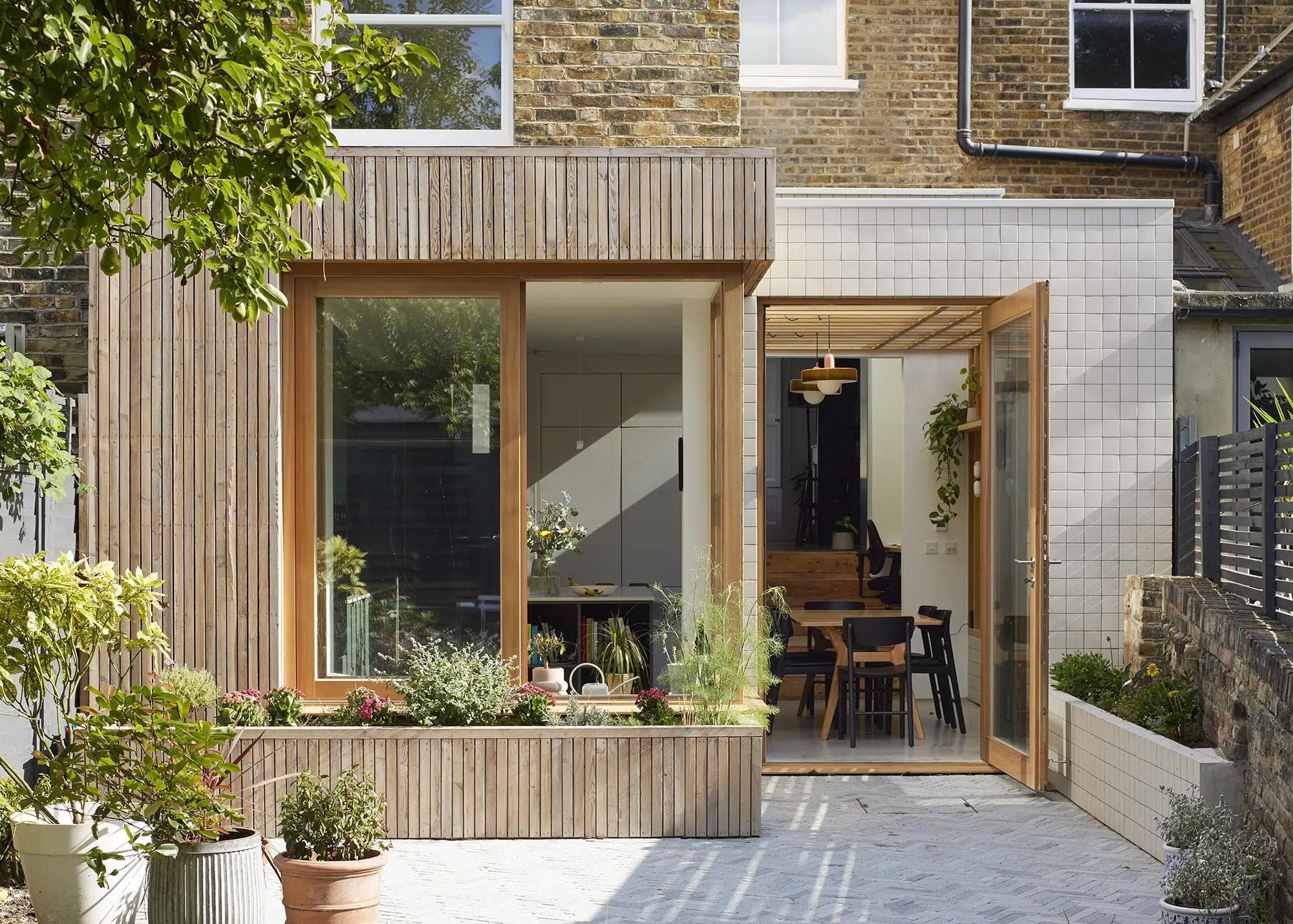
Designed by Yard Architects, this sleek London extension houses a kitchen diner and sociable seating nook, which overlooks the garden. Photo: Richard Chivers
A conservatory, by contrast, is a lightweight structure defined by extensive glazing – typically at least 50% of the walls and 75% of the roof. These structures are often built in PVCu, aluminium or timber. Many conservatories are exempt from full planning, and can be completed under permitted development (PD). Conservatories are typically not subject to a Building Regs approval, as long as they meet certain criteria, such as being under 30m², are separated from the main house by external doors and aren’t connected to the home’s main heating system.
So, the clearest distinction between the two is that an extension is a permanent, fully-integrated and regulated part of the building; while a conservatory is largely self-contained and designed to give you a garden room.
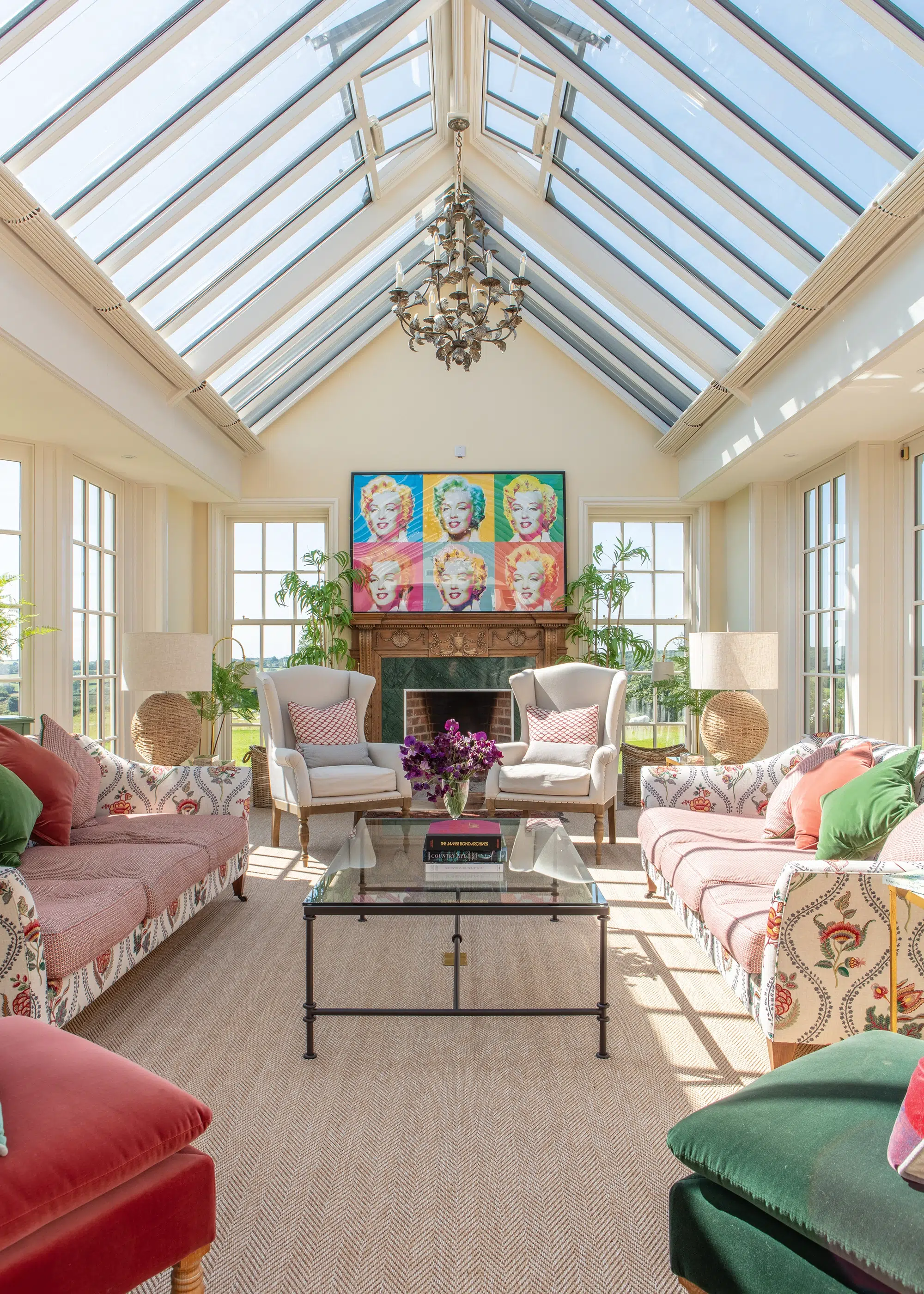
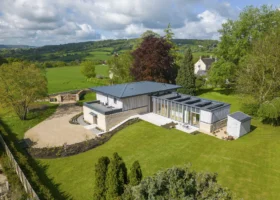
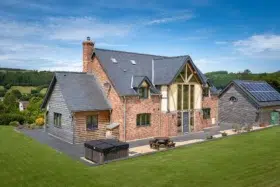
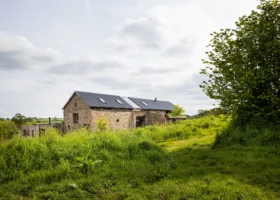
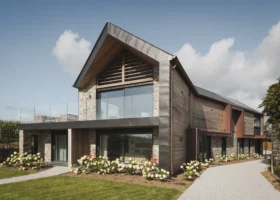
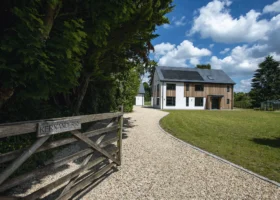
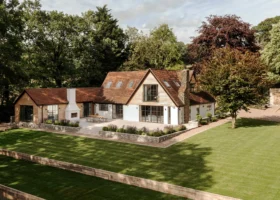
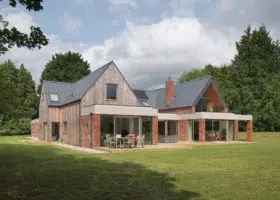
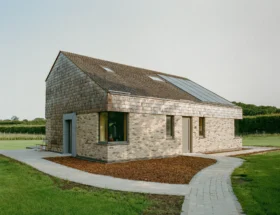
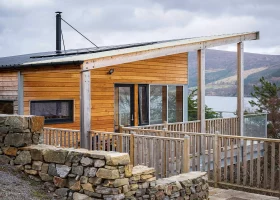
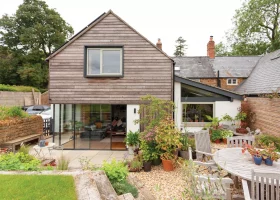
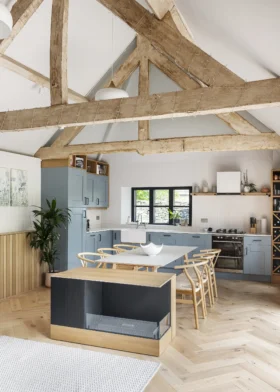
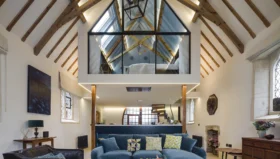
The owners of this home were looking to make the most of their scenic countryside surroundings, while also creating access to a new outdoor seating area. They opted for a bespoke scheme designed by Vale Garden Houses, which features an impressive floor-to-ceiling bay window overlooking the surrounding fields
From a planning point of view, there’s no real difference between building a conservatory and a single-storey extension of the same size. “The local planning authorities are generally only interested in the proposed external dimensions of the build, not the materials or design,” says Martin Gaine, Build It’s planning expert.
Premium Content
Downloadable E-Guide
Build It’s house extension downloadable e-guide will help you plan, design and construct an addition that enhances your existing property while meeting your needs and budget.
An extension offers considerable design freedom, allowing homeowners to create rooms that blend seamlessly with the rest of the property. “An extension adds vital space to a house that you are able to use all year round,” says Simon Graham, director at Yard Architects. With an extension, you have the ability to integrate kitchen spaces, living and entertaining areas or multifunctional rooms into your existing home, essentially giving you a blank canvas for your proposed layout, materials and individual architectural features.
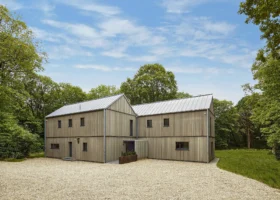
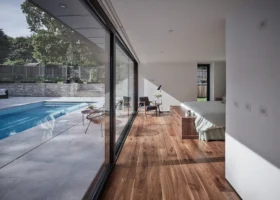
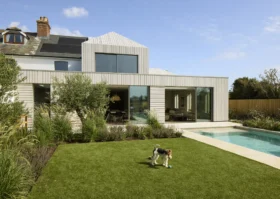
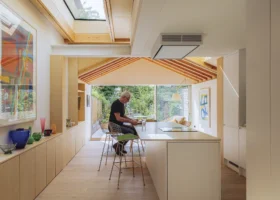
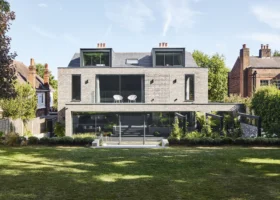
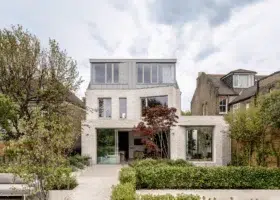
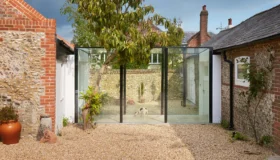
Despite its size, this property felt dark and disconnected from the garden. Snell David Architects created a contemporary extension that draws in panoramic views. Photo: David Valinsky
Conservatories, meanwhile, provide a different opportunity, focusing on creating a distinct space that’s cost-effective to build and connects with the outdoors. “A conservatory makes sense where you want a lightweight, garden-room feel and don’t need it as a fully habitable space year-round,” says Jim Cattle, director at Snell David Architects. So, there are some practical limitations to bear in mind.
“To gain the benefit of not having to comply with full Building Regulations, you won’t be able to have other spaces within your house flow into the new conservatory, potentially disrupting free movement across your home,” says Opinder Liddar, director at Lapd Architects. However, there are plenty of beautiful conservatories available, from contemporary glazed rooms to more traditional, classic orangeries, letting you add charm and character even within a more separate structure.
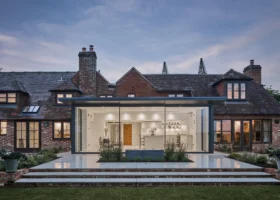
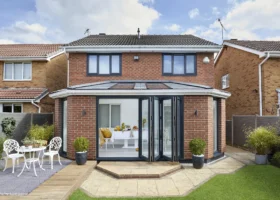
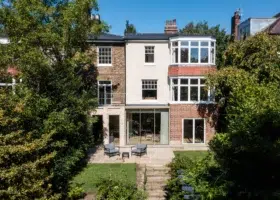
CASE STUDY These homeowners replaced an old conservatory with a modern extension
When the owners of a detached home on the edge of Cambridge approached Butcher Bayley Architects (BBA) their goal was simple – to replace a poorly performing conservatory with a bright, welcoming extension that could be used comfortably all year round.
After more than a decade living in their home, the family had a clear design vision. They wanted to create a flexible living area that opened up to the garden and strengthened the home’s relationship to the outdoors. The existing conservatory had become unusable – far too hot in the summer and too cold to be used during the winter months – so the owners wanted a practical, long-term solution.
Photo: David Valinsky
Working closely with BBA, they refined the design to include open-corner glazing and slimline sliding doors from IDSystems’ theEDGE2.0 range. The structural design removed the need for any fixed corner posts, allowing the entire space to open out to the garden, bringing in abundant light. A timber canopy wraps around the rear elevation, incorporating a projecting window seat that creates a lovely spot to sit and enjoy the view. The finished extension now provides a bright, usable living space that connects seamlessly with the garden and patio.
When it comes to thermal performance, extensions generally outperform conservatories. “If we were to look at thermal performance, which is typically measured by U-values, the best triple-glazed window would have a U-value of 0.7W/m²K, while a floor, wall or roof would perform six times better with a value of around 0.11 to 0.15W/m²K,” says Opinder. So, a solidly built extension will retain heat more effectively, reduce energy costs and provide a more comfortable living environment annually. Their insulated walls, roofs and floors make them highly efficient, while their integration with the existing property ensures consistent performance.
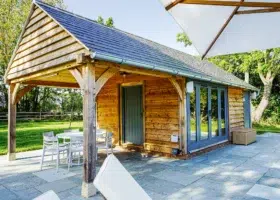
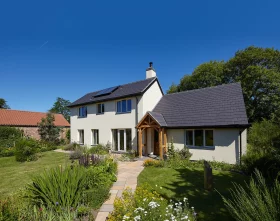
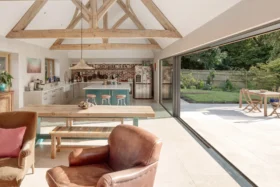
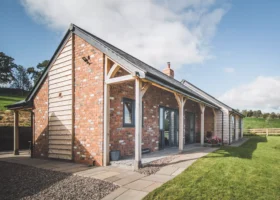
This charming, timber conservatory by Westbury Garden Rooms has an opening from the kitchen, allowing the beautiful grounds to be enjoyed to the full
Conservatories, on the other hand, can lose significant heat during winter or overheat in summer, increasing energy use. “Opting for an insulated roof with a tiled finish instead of a fully glazed one, can help regulate the internal temperature,” says Opinder. They also need more maintenance to ensure optimum performance. “Conservatories need regular upkeep, such as cleaning the glazing, replacing seals and eventually renewing the roof panels or whole glazing units,” says Jim.
Which will cost more to build – an extension or conservatory?
Conservatories offer an appealing, cost-friendly way to add a bit of extra living space to a property. They are generally much quicker and simpler to build than an extension, allowing homeowners to enhance their home without extensive structural work. “A basic conservatory might range from £1,700-£2,500 per m²,” says Jim. Even on a smaller budget, a well-designed conservatory can provide light-filled charm and practical space.
Extensions are often a more costly build project, but they do deliver long-term value. “A typical single-storey extension built to full Building Regulations might cost £3,000-£4,000 per m²,” says Jim. They tend to be more complex projects, often involving drainage alterations and internal remodelling to ensure they fit seamlessly with the existing house, but will last longer.
FAQs
Can my neighbours reject my plans for a conservatory or extension?
Only the planning officer can fully reject your planning application, but your neighbours can object if they think they are going to lose daylight or privacy, or they don’t like the new addition’s design, for example. It’s wise to speak to your next door neighbours before you make a planning application for an extension or conservatory. Show them your plans, ideas, listen to any concerns they may have and try and address these before you make a submission.
Opening a clear line of communication early on will usually prevent neighbours making objections when you make your submission, meaning you are more likely to gain approval smoothly. Objections are weighed up by the planning officer and an objection doesn’t automatically lead to refusal, if the officer doesn’t think the objection is valid.
Answered by Simon Graham
Simon Graham is director at Yard Architects. Simon founded Yard Architects in 2014, having gained extensive experience leading award-winning residential developments at previous practices across London.
How can I avoid overheating when constructing a conservatory?
Recent changes to glazing requirements now limit glass to 25% of floor area (of the home) – a constraint that encourages more thoughtful design. Creating a comfortable living environment should be the aim for your extension, so you can use the new space all year round while avoiding the too high or low temperatures associated with older, poorly-insulated conservatories.
Opting for a roof construction with rooflights or incorporating a large lantern rather than a fully-glazed structure will improve your build’s thermal performance. In any case, you should specify solar control glass to reduce heat gain while maintaining natural light, and low-e coatings for better insulation. This all helps keep an ambient temperature and filters out UV (as well as being good for us, this stops furniture fading). Integrating electric vents will make getting fresh air into the space easier, too.
Answered by Zoe Grey
Zoe Grey is regional design consultant at Oakwrights, a multi award-winning company specialising in the architectural design and construction of oak frame homes, extensions and outbuildings.
What is the best location and orientation for a conservatory or glazed extension?
The best position for your addition depends on your priorities and the space’s use, views, and what is achievable. South-facing extensions provide maximum solar gain in winter, but need summer shading, while east/west orientations offer manageable heat gain with good morning or evening light. North-facing positions provide consistent light without overheating. Consider your garden views for a seamless indoor-outdoor flow, internal circulation patterns, and daily use requirements.
Position doors to ensure easy garden access while considering prevailing winds and direct sunlight. If you’re including a solid wall, for a TV or such like, avoid placing screens opposite large, glazed areas to prevent glare. A professional site analysis will identify any unique opportunities and constraints.
What’s the best use for a conservatory & how will this influence the structural design?
Before you begin planning your glazed extension or conservatory project, it’s essential to consider what you’d like to use the space for, as this will significantly influence the design details. A conservatory or sunroom can be a beautiful addition to a home, but if it doesn’t serve a clear function, it may end up rarely used.
Are you looking for a dedicated space for propagating plants and flowers, with room for a cosy corner to relax with a cup of tea? Or is it a functional kitchen or an elegant dining room you’re hoping for. Knowing how you’d like to live in the space will help guide the rest of the design process. For an addition that is going to be used as a kitchen, just make sure you design into the structure plenty of solid wall space to take kitchen appliances and cupboard space.
Beyond sunlight and shade, it’s worth thinking about how the conservatory connects to your home. In our experience, those placed off frequently used rooms, such as the kitchen or sitting room, tend to be enjoyed more often as they will feel like a natural extension.
Answered by Lisa Morton
Lisa Morton is director at Vale Garden Houses. Vale Garden Houses design and build high-quality, traditional glazed home extensions and conservatory-style additions throughout the UK.
Should my addition have a flat or pitched roof?
Flat roofs are a cost-effective and contemporary design choice for extensions, offering a streamlined look. They’re generally quicker and easier to construct than pitched alternatives and provide the perfect opportunity to incorporate roof lanterns or flat rooflights, ensuring natural light reaches deeper into your home. Proper drainage is essential to prevent water pooling. A slight gradient is always required to allow rainwater to run off efficiently, and high-quality waterproofing materials should be used to enhance durability.
Pitched roofs provide a timeless aesthetic, often blending more seamlessly with the existing property. They offer increased height, allowing for features like vaulted ceilings or exposed beams, adding character to the space. Their natural slope improves water runoff, reducing the risk of leaks and increasing longevity. However, they’re typically more expensive and require a longer build time compared to flat roofs. While they lend themselves well to traditional homes, a flat roof extension can be the preferred option for achieving a minimalist, contemporary look.
Scarlett Deamer
Scarlett Deamer is Build It's editorial assistant. She joined the team in 2024, with a background in architecture, and researches, collates and writes the magazine's regular news pages. Scarlett is always on the lookout for new, innovative projects and has a keen eye for high-quality house design.



















 Login/register to save Article for later