Estimate your project costs instantly with Build It's interactive self-build cost calculator
Calculate NowGet an accurate, detailed cost breakdown of your project
Submit plans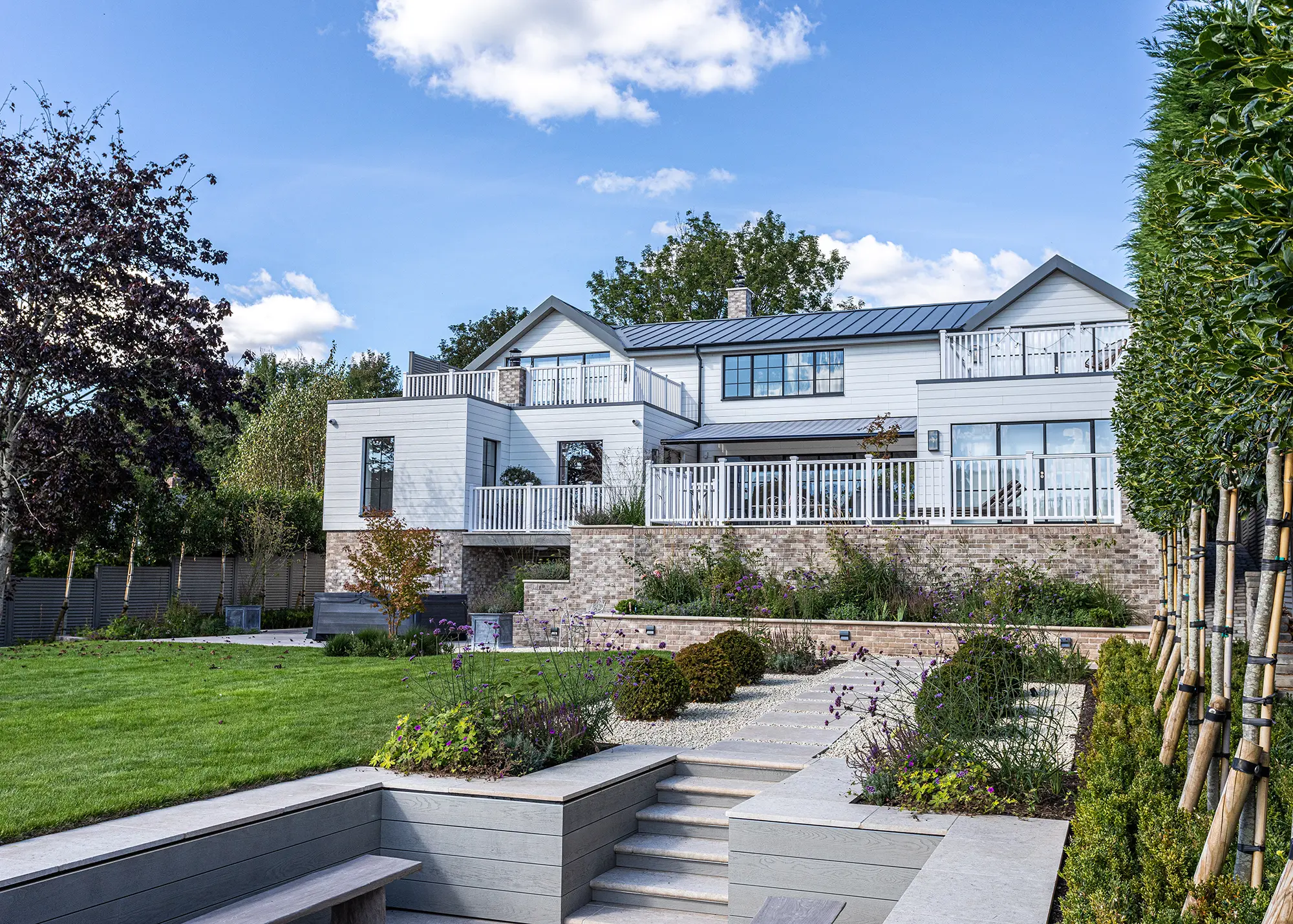

Choosing the exterior finishes for a self build or renovation is not just about how the house will look on completion. From timber cladding to metal, stone, slate, concrete tiles and fibre cement, there are plenty of options for the facade and roof. The materials you specify need to suit the architecture, budget and practical demands of the project, so it’s worth considering weather resistance, thermal performance and ease of maintenance from the outset.
Project location should have a direct influence on the specification of external finishes. A material that performs well in a sheltered plot may not be the best choice for an exposed coastal home, where wind, rain and the salty atmosphere can test both appearance and resilience. Tree cover, orientation and planning constraints can also affect your choice.
Cost is a key factor, and best value comes from accounting for lifetime expense – not just initial purchase and installation. That means thinking about maintenance from the outset, including how materials behave over time, how often they may need cleaning, repainting or repair, and whether they suit the site conditions.
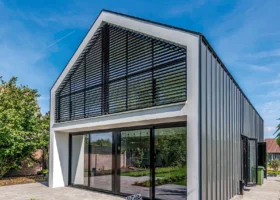
Fibre cement has become a popular choice for facades and roofs because it offers a route to a low-maintenance exterior with a consistent finish – providing the appearance of timber weatherboarding or slate tiles, along with minimal upkeep and repair costs.
With a life expectancy of 50 years, Cedral’s fibre cement doesn’t expand in heat like PVCu cladding and, unlike wood, it doesn’t need repainting. It also has an excellent fire performance classification of A2-s1, d0. Slate-style versions are easy to work with, too, and suitable for lighter roof structures.
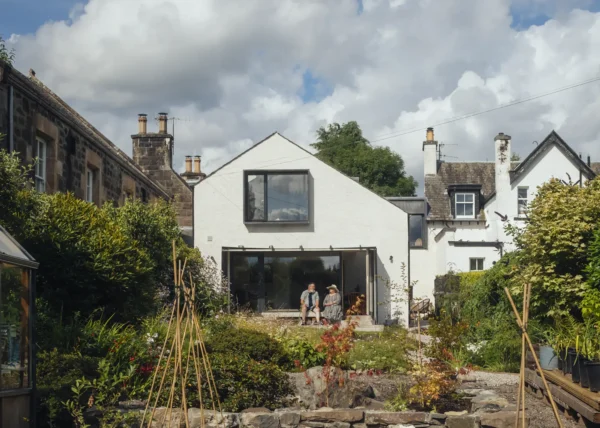
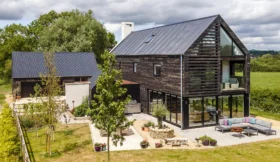
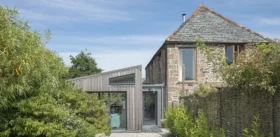
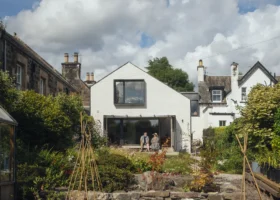
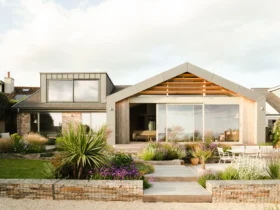
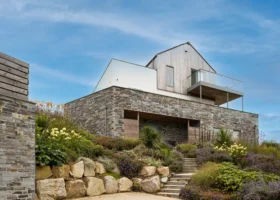
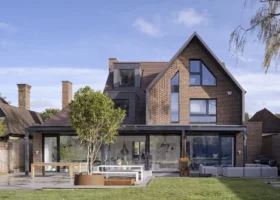
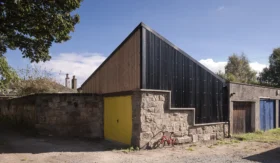
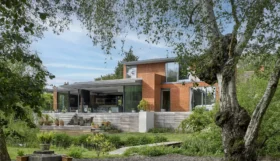
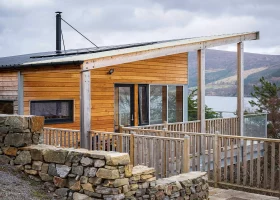
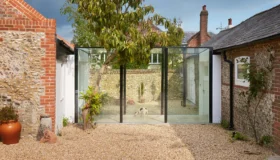
Cedral’s fibre cement cladding provides a stylish, low-maintenance partner to natural stone in this striking project
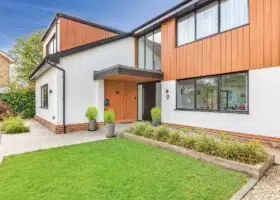
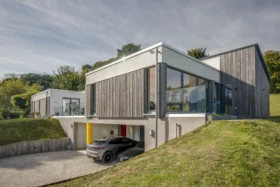
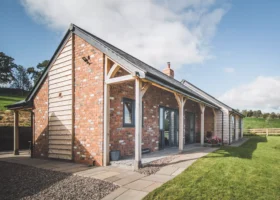
Versatility is a key advantage. Fibre cement cladding can be used across a whole elevation, as a feature on a gable or to add contrast alongside brick or render. This makes it useful where the design calls for a clean contemporary finish, or where you want a traditional weatherboard look and reduced ongoing upkeep. Cedral’s fibre cement slates are available in a variety of colours and finishes, with a range of fittings and accessories.
Fibre cement is straightforward to fit, but installation quality and detailing matter. A ventilated facade, such as a rainscreen cladding system, allows air to move behind the cladding rather than trapping moisture against the wall build-up. This reduces the risk of condensation and supports faster drying after heavy rain. Appropriate fixings, trims, junctions and interfaces with windows, doors and other external finishes are also important for long-term performance.
The local landscape, orientation, sun levels, pollution and biological growth can all influence how pristine a finish remains over time. Very pale or very dark exteriors may create a strong design statement, but they can also show dirt, algae or fading more readily in some settings.
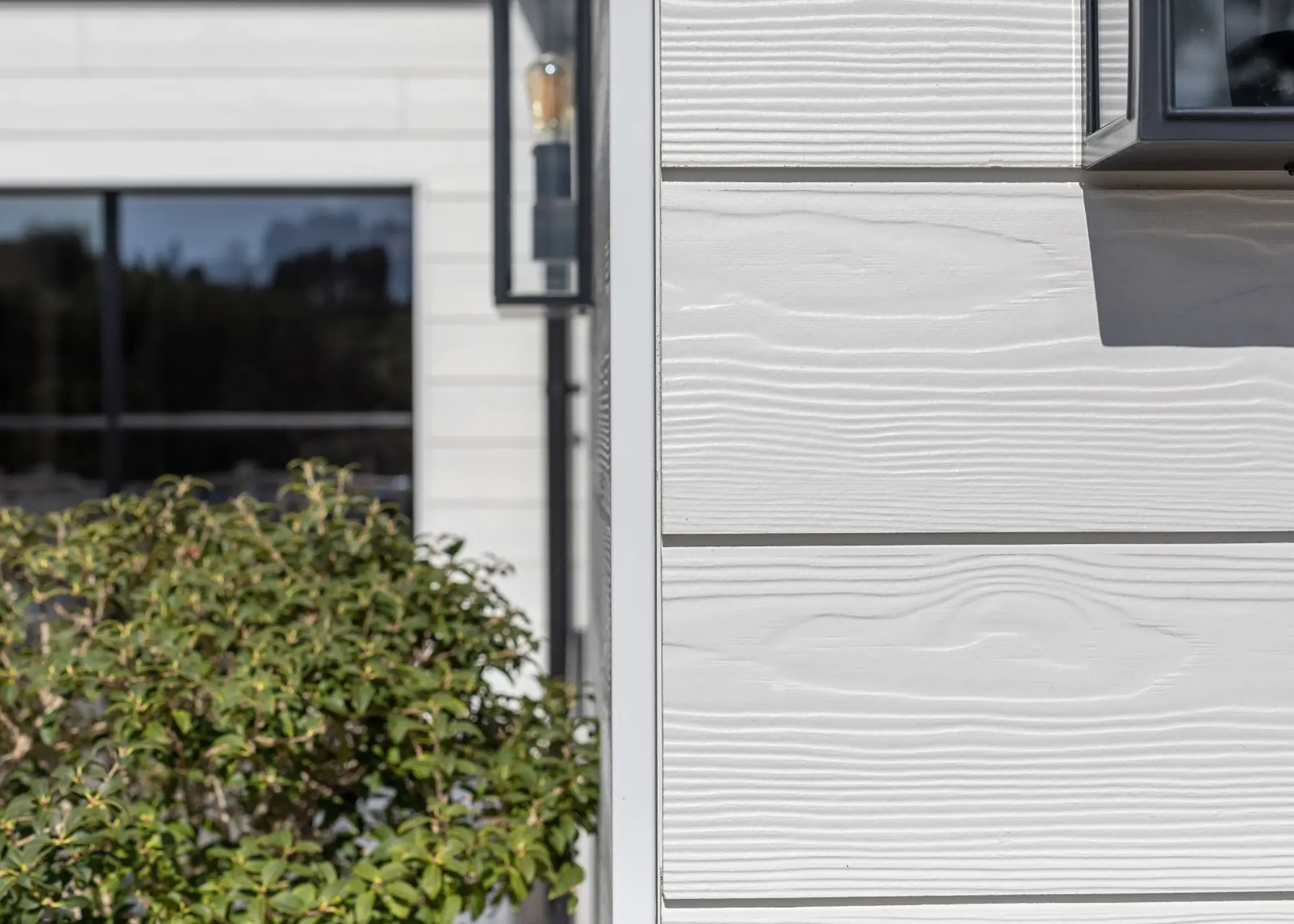
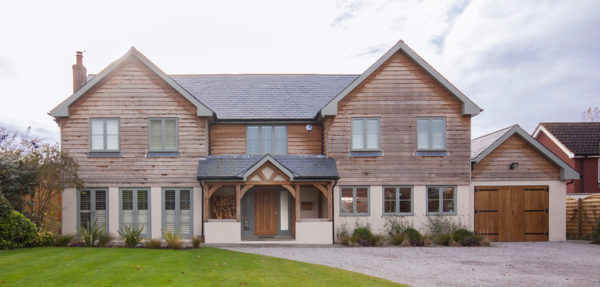
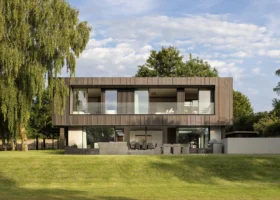
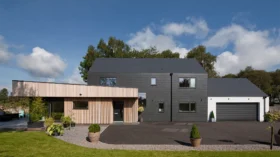
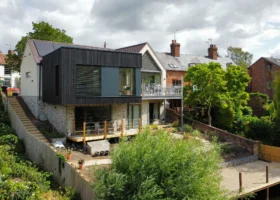
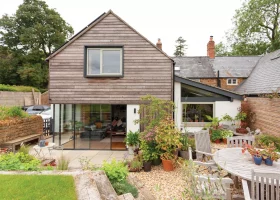
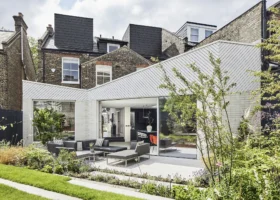
Cedral’s fibre cement cladding provides a stylish, low-maintenance partner to natural stone in this striking project
Warmer clay shades, earthy tones, natural greens and blue greys are increasingly popular exterior finishes, particularly where homeowners want to create a softer connection with the landscape. These palettes can work well for both render and fibre cement, offering colour and texture that chimes with the trend towards biophilic design – plus they can be easier to maintain than pure white or very dark hues.
Lighter and darker colours can also behave differently in sunlight, with pale finishes reflecting more heat and darker finishes absorbing more. This should not be the only factor in the specification, but it is worth considering as part of the wider discussion around thermal comfort, durability and long-term appearance.


































 Login/register to save Article for later