

- Plan ItBack
- Design ItBack
- Build ItBack
- Homes
- ProductsBack
- CostsBack
- Self Build Cost Calculator
Estimate your project costs instantly with Build It's interactive self-build cost calculator
Calculate Now - Costs & Finance
- Contracts & Warranties
- Build It Estimating Service
Get an accurate, detailed cost breakdown of your project
Submit plans
- EventsBack







 Login/register to save Article for later
Timber Windows Guide – How to Specify Timber Glazing for Your Project

Windows play a vital role in shaping the overall look and feel of your home, enhancing both your interior scheme and your property’s kerb appeal. They can also be a major source of heat loss, making high-quality frames and glazing essential for overall performance. Timber is an energy-efficient, versatile solution that excels in both form and function. Engineered timber products, in particular, can enhance security, thermal efficiency and acoustics. Plus, modern paint and stain systems mean maintenance is minimal – many windows come with an 8+ year warranty on finishes.
Thanks to modern manufacturing, timber windows offer a wealth of design possibilities. “Timber is a natural and sustainable material with plenty of character and texture,” says Matt Higgs, managing director at Kloeber. The frames can be painted or finished in virtually any colour and shaped to suit contemporary or traditional styles, plus everything in between. You can opt to highlight the natural grain and knot patterns of the wood or choose from a wide range of stains, paints and veneers for a fully customised finish. The design and framing options are virtually limitless, meaning you can find the perfect timber windows to complement your home’s style, while ensuring exceptional performance.
With so many options available, it’s key to consult with suppliers early on in the design and planning stages to ensure the windows meet your precise size and specification needs. Here, we’re showcasing some popular designs and exploring the practical and aesthetic benefits that timber has to offer.
Jump to timber window FAQs answered
Are Timber Windows Energy Efficient?
Around 25% of the heat lost from most homes escapes through the windows, so it’s easy to understand why the sensible choice is to opt for the most efficient units you can afford. All windows – including timber products – are energy rated on an A+ to E scale (with A+ being at the top end). This scoring system is designed to help you make an informed decision during the selection process, but most self builders and renovators like to delve a little deeper.
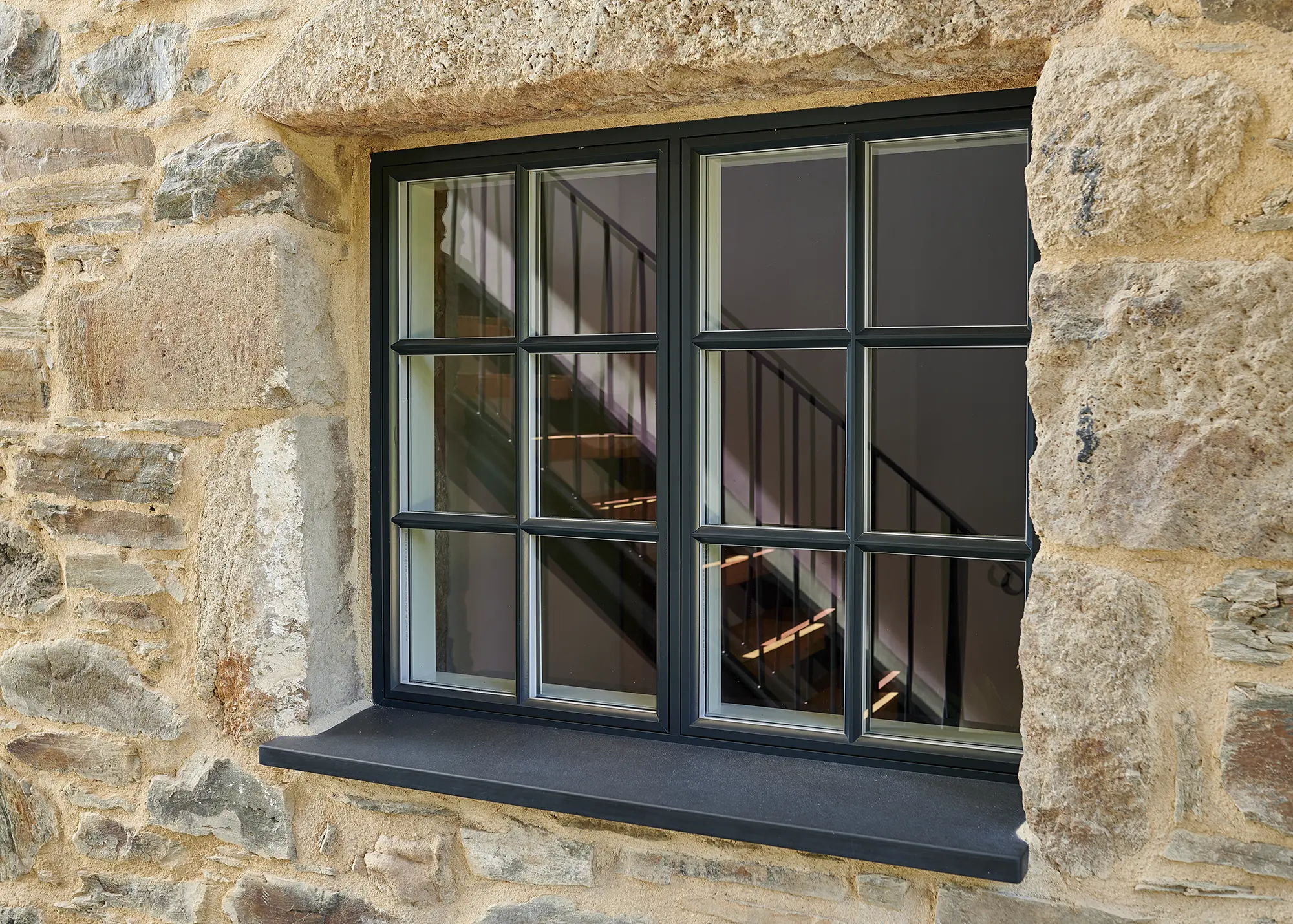
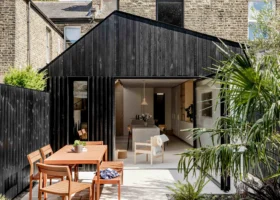
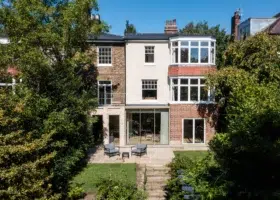
The Rationel Forma range is available in over 200 colour options to help create a timeless look that matches your home’s style. Manufactured entirely from solid wood, this solution offers excellent thermal and acoustic performance, plus easy maintenance and a 40-year life expectancy. The triple-glazed option provides U-values as low as 0.78 W/m²
It’s important to consider U-values, a measure of heat loss stated in Watts per metre squared Kelvin (W/m²K), where lower numbers indicate better performance. A well-insulated wall, for instance, might achieve a U-value of around 0.10-0.16 W/m²K. By contrast, a single-glazed window is likely to have a U-value of more like 5.0 W/m²K. So, traditionally, fenestration has been seen as something of a weak point in a building’s thermal performance.
Depending on specification, modern windows typically deliver U-values between 0.6 W/m²K (the best triple-glazed products) and 1.2 to 1.6 W/m²K for standard double glazing. Both can therefore comfortably meet current Building Regulations, so your choice will come down to the level of performance you require. Always check what quoted U-values refer to: you should focus on the whole-window U-value when specifying your project (not just the centre-pane figure). Wood is a natural insulator, so when specified alongside the right glass, it should easily meet or surpass this requirement.
How Should You Look After Timber Windows?
In terms of maintenance, timber units require little upkeep. The frames should only require washing down every 6-12 months, at which point it’s a good idea to lubricate the hardware, too. As a rule of thumb, factory-finished timber windows with an opaque coating won’t need repainting for about a decade.
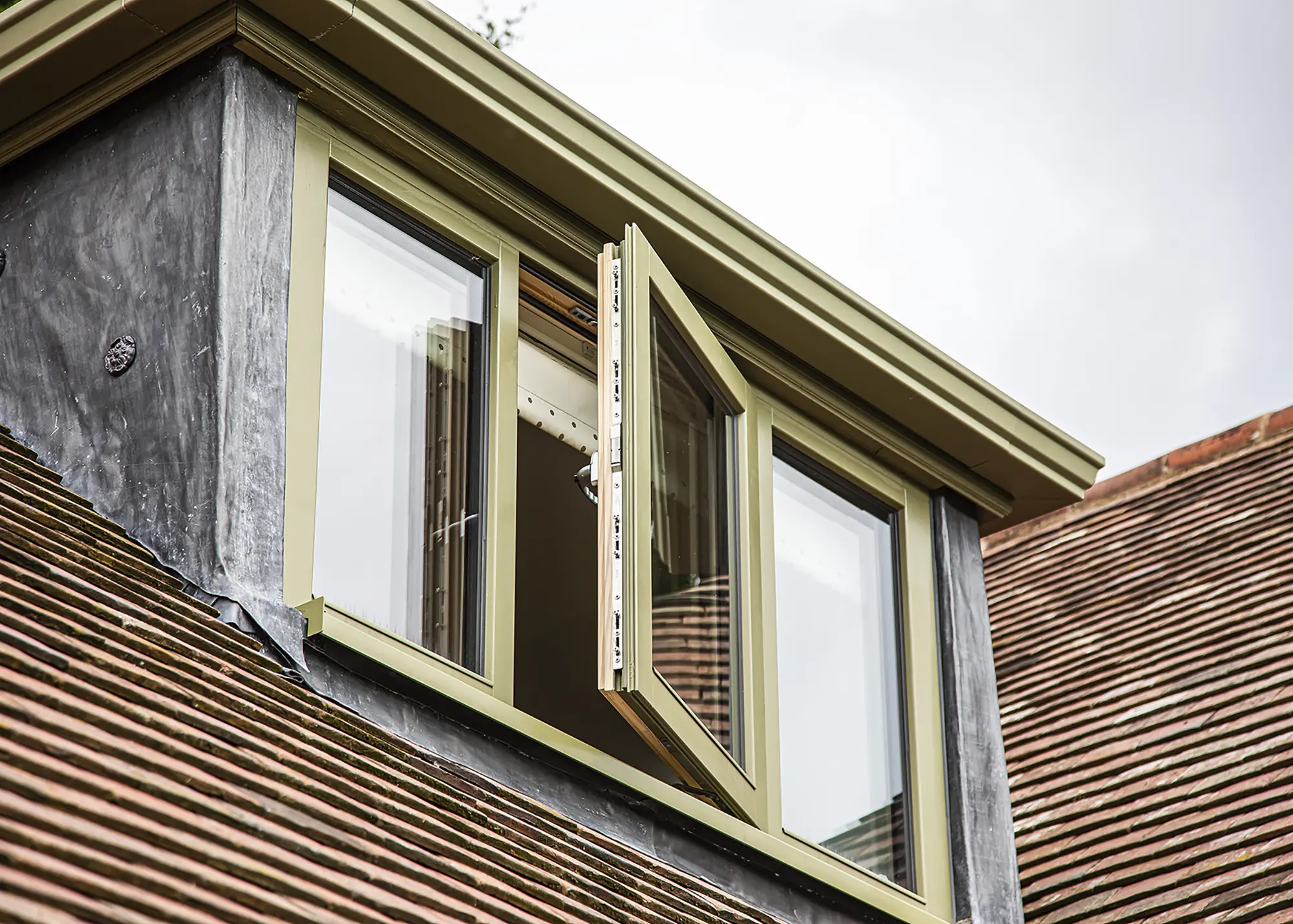
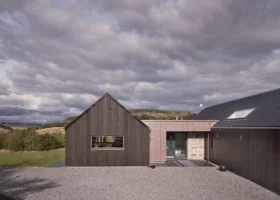
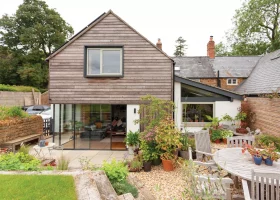
Available in both an outward-opening side- or top-hung configuration, plus an inward-opening tilt and turn option, this stylish design from 21° is fully customisable. Ideal for creating a thermally efficient home, the triple-glazed option can reach U-values of 0.80 W/m²K. Part of the GBS78 range, costs start at £720
Lighter colours last longer than dark finishes as they provide better protection against UV rays. Weather conditions and aspect will have an impact, too. For instance, south-facing windows will need re-coating sooner than others due to increased exposure to the sun.
Premium Content
Downloadable E-Guide
Build It’s downloadable e-guide to choosing windows & doors offers ideas and advice on every aspect of planning your home’s glazing and entrances, including expert tips on the key specification decisions you’ll face. Click below to find out more.
find out more
How Versatile Are Timber Windows?
Whether you are creating a modern house or renovating a period home, you’ll easily be able to find wood units to suit your scheme. One of the most popular characteristics of timber windows is that they give your home a warm and characterful feeling that’s difficult to match with synthetic materials. The sheer range of options available means that they’re versatile, too – you can select from a whole host of designs, finishes and colours.
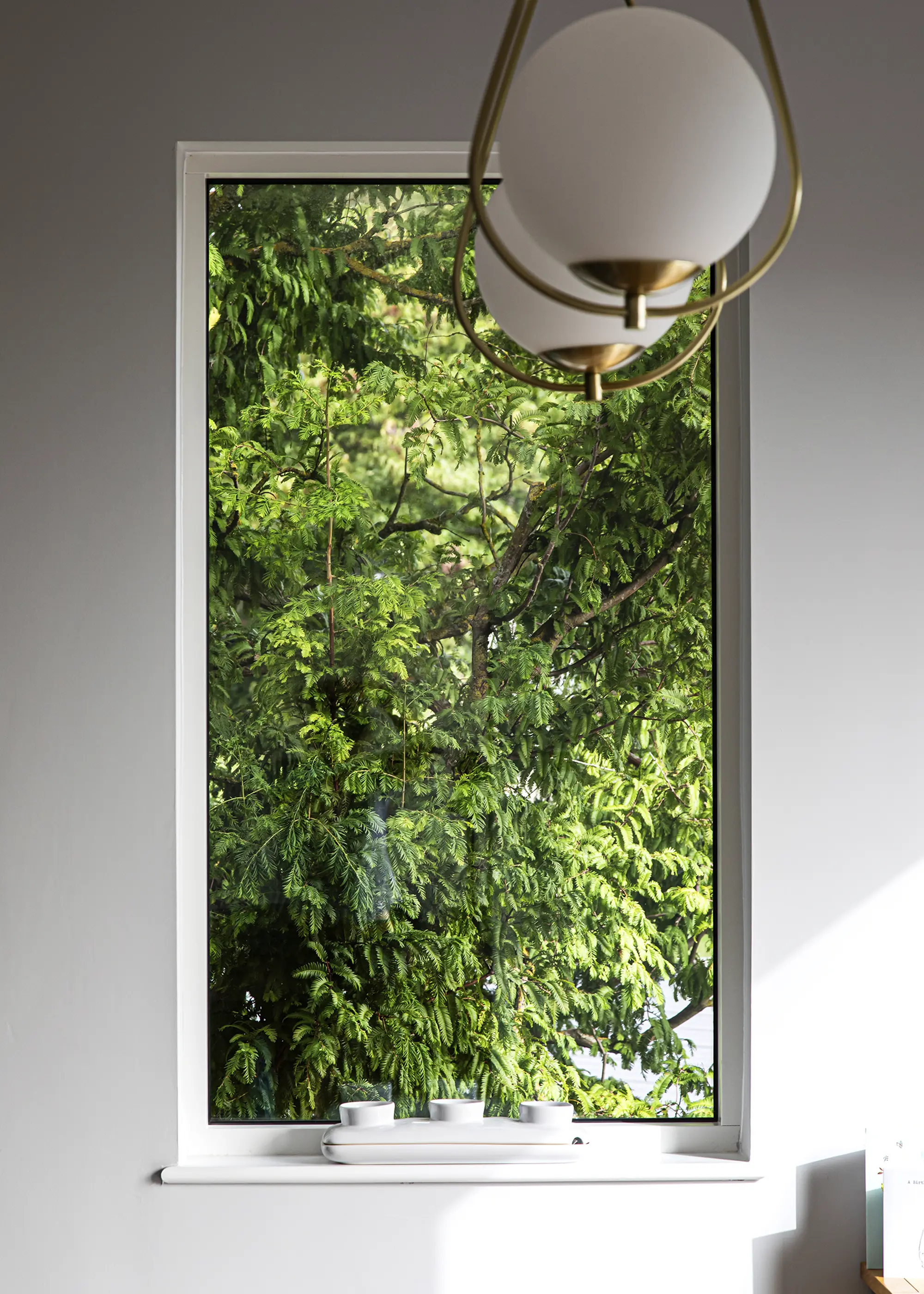
With ultra-slim, unobtrusive frames, picture windows are a great way to maximise sightlines and the flow of natural light through your space. The P31A in a fixed pane model from Norrsken provides an eye-catching snapshot of the outdoors, with all the performance benefits of a timber frame. This model starts from £1,000 per m²
For those trying to create an authentic period-style home (or renovating one), timber is often the go-to choice. Sliding sashes are authentic to Georgian and Victorian houses, for example, and feature two independent units that move up and down to open. Some modern interpretations allow the top and bottom sashes to separately tilt inwards so they can easily be cleaned from inside.
For more contemporary projects, there are two popular designs that lead the way. Probably the most common is the outward opening casement (which can also be suited to chocolate-box cottages and other traditional homes). This can be hinged in a variety of ways to suit your requirements in terms of aesthetics and safety – top hung, top swing and side hung are the most popular.
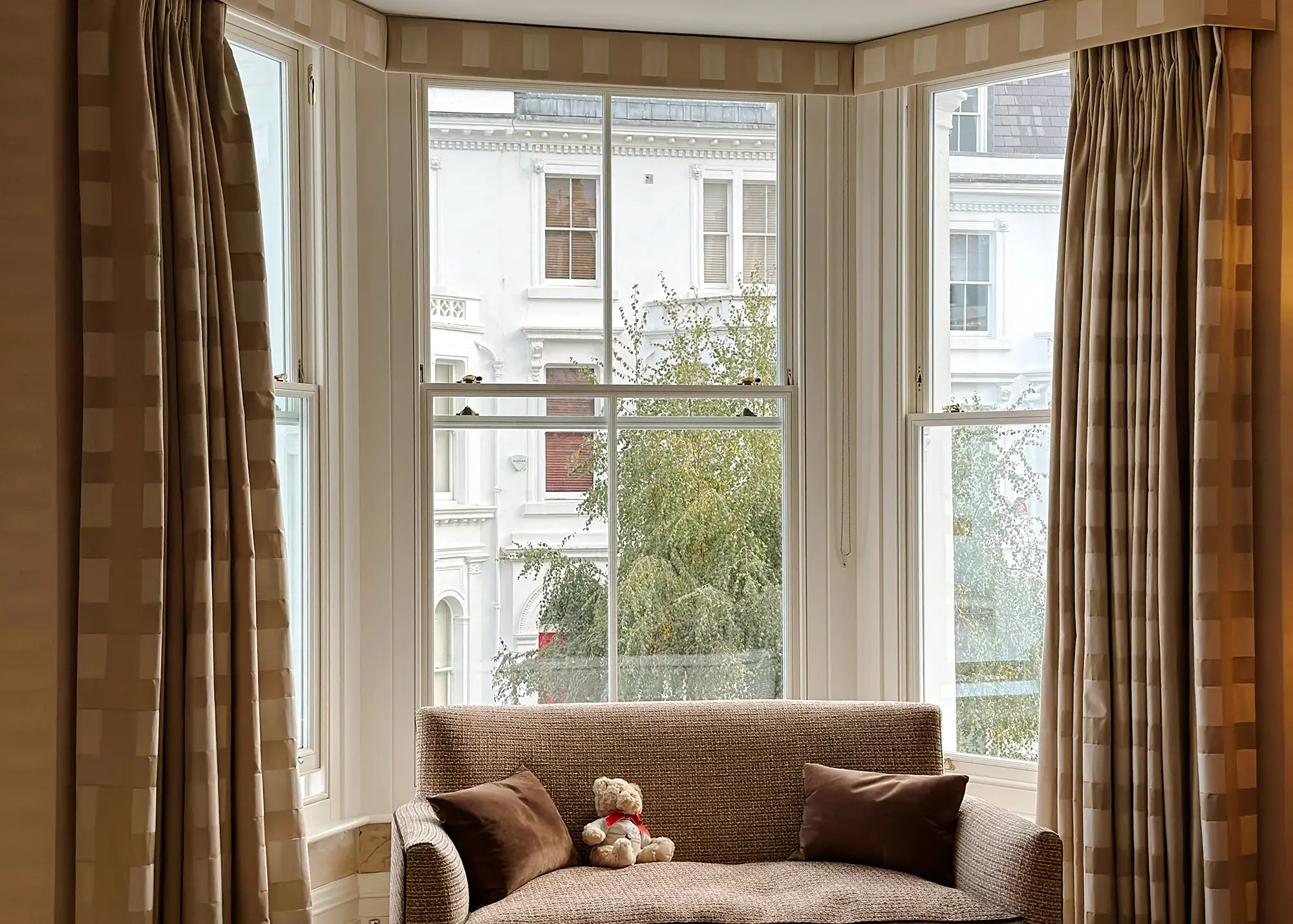
Grabex’s sash windows expertly replicate the traditional design, using multi-layered engineered timber for excellent durability and modern performance values. Bespoke options and specialised solutions for listed buildings or conservation areas are available in a range of RAL colours and timber stains to suit your home’s unique requirements
Tilt and turn/inward opening windows are an easy-to-use alternative. With a simple twist of the handle, the window can be tipped inwards from the top for ventilation. A second turn allows you to open the window the whole way, hinged at the side. When it comes to cleaning, these units are great – the casement can be opened into the room, so both sides of the glass and the whole of the frame can be washed.
Which Species of Timber are Used for Glazing & Which is Best?
Finding the best timber windows for your build starts with selecting the right type of wood for the job. Remember that the material you specify will impact on the style and finish you want to achieve, as well as determining the relevant maintenance requirements.
Hardwood
Oak, walnut and maple are amongst the most common hardwoods. Typically, these have more complex structures, making them naturally dense and hardwearing. Their condensed structure makes hardwoods well equipped to face the elements. Many are also prized for their natural grains and classic, decorative finishes.
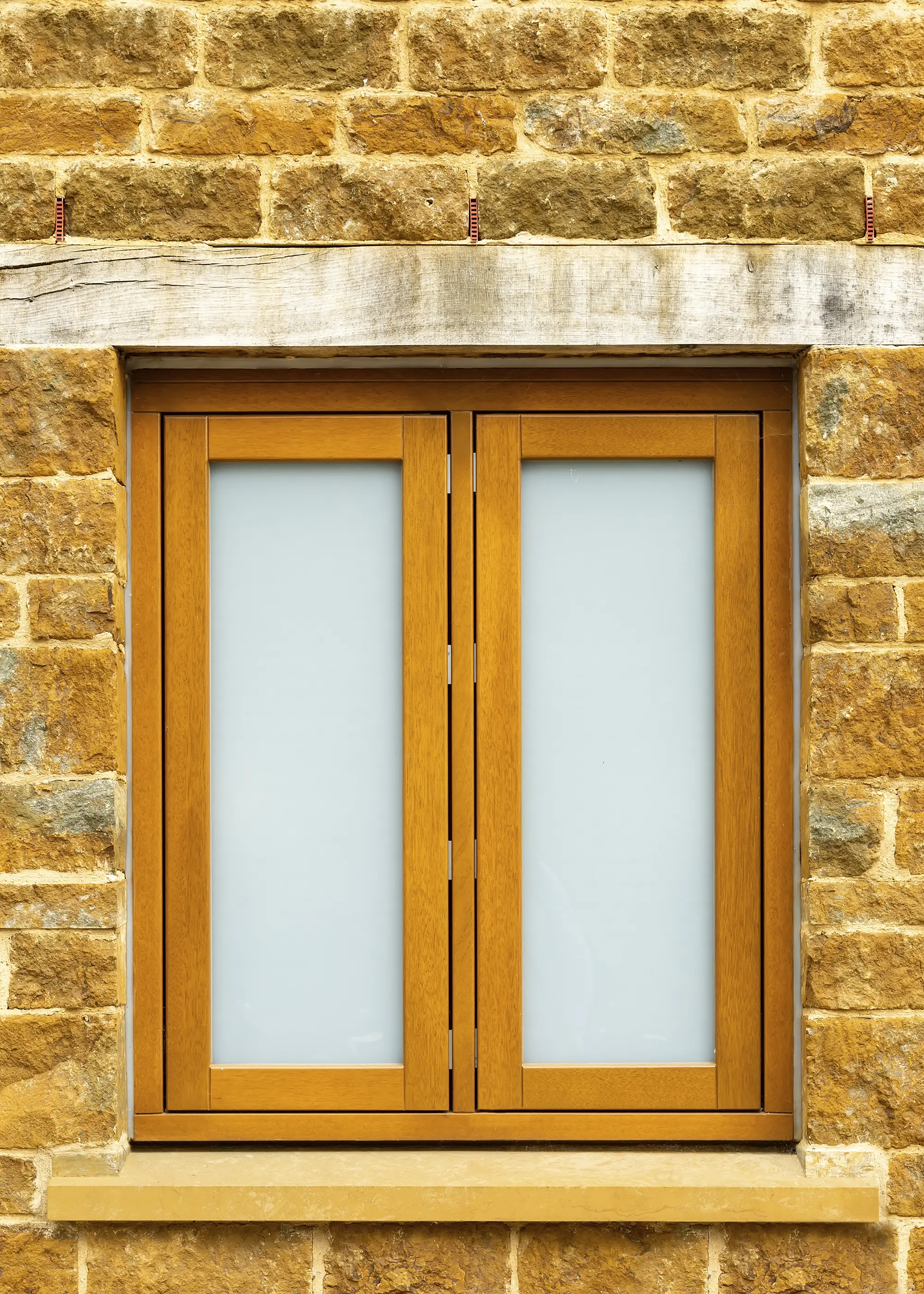
This bespoke option from Kloeber can be finished in any RAL colour of your choosing. The versatile design is available with double or triple glazing, offering excellent U-values down to 0.9W/m²k. The timber flush casement window starts from £1,415
Softwood
Pine, cedar and spruce are all conventional softwoods. Because these evergreens grow faster than hardwoods, they are less dense but generally more cost-effective. This also means that softwoods are more sustainable because they can be replenished much faster. Easier and cheaper to work with, softwoods are extremely versatile and, when treated, able to perform just as well as many hardwoods.
Modified timber
Ash, oak and pine are all widely available in modified variations. Thermally-treated timber undergoes a process to alter the cellular structure of the wood, making it more stable and less able to absorb moisture.
To solve the soft versus hardwood debate, Matt Higgs from Kloeber says, “avoid the trap of believing that all hardwoods are better and stronger than all softwoods. Laminated and engineered timbers will be more robust than solid, singular sections of timber, regardless of the species.”
How Much Do Timber Windows Cost?
The biggest differentiator when it comes to window prices is the material used for the frame. “In general, PVCu is the cheapest option, followed by aluminium, softwood, hardwoods and then alu-clad and steel at the top end,” says Matt Higgs from Kloeber. While plastic types will typically be 30% cheaper than wood, you must remember that this is just the outlay cost – there is no allowance here for service life. In general, factory finished timber window frames will have twice the life of PVCu, so overall they are usually better value.
These Norrsken P31A windows and S307A outward open framed doors are designed to meet your aesthetic and practical demands. Each opening is manufactured to operate smoothly throughout the lifecycle of the product. (The 2023 Build It Award-winning P31A window starts from £900 + VAT for a 1,150mm x 1,150mm top- hung unit)
Softwood, usually made from larch or Douglas fir, is typically the most affordable option, although it will require more maintenance than hardwoods. Hardwood costs more up front, but is denser and therefore more durable. Oak stands out as the preferred material, and is favoured among self builders for its natural character. The wood can be treated to preserve its original blond appearance, or can be left untreated to gradually weather to a silver grey.
The timber window costs below are based on a 1,200mm x 1,200mm double-glazed, double-opening casement window that would meet current Building Regulations. These benchmark prices are supply-only; installation would be an additional cost.
- A softwood timber window could cost £1,130 excluding VAT
- A hardwood timber window is likely to cost £1,220 excluding VAT
- An oak timber window will cost approximately £1,365 excluding VAT
You should budget around £35 for trickle vents per window, if required. Triple glazing is likely to add an additional £45 to each window’s cost.
FAQs

When should you reach out to potential timber window suppliers?
On a self build project, it’s best to speak with expert providers during the planning phase – before breaking ground. Working out a feasible budget by comparing quotes and discussing your project’s needs with specialists is best done as soon as possible. Making important decisions about the details in your build such as set-backs, rebates for cills and junctions with the building’s exterior detailing, are just a few of the considerations that will alter certain window and door features, and shouldn’t be rushed or decided on the fly.
How can you ensure you’re making a sustainable choice when specifying timber windows?
Firstly, know that in choosing timber you’re making the most eco-conscious decision in terms of frame material. Production methods and waste matter is inherently more environmentally friendly than those made out of PVCu or aluminium. Plus, they have a much lower embodied carbon footprint than most PVCu options.
Look for products that use Forest Stewardship Council (FSC) and the Programme for the Endorsement of Forest Certification (PEFC) accredited timber. These are two internationally recognised systems for the certification of sustainable forestry management.
Thirdly, look for thermally-efficient options with low U-values that provide environmental benefits through energy savings in the home. Aim for whole window U-values of 1.2 W/m²K or less to meet the 2025 Future Homes Standard for new builds, or 0.8 W/m²K and below to meet ultra-low Passivhaus requirements.
What species of wood are timber windows typically made from?
Various wood types have been used to manufacture windows and doors over time. Species pass in and out of popularity for cost, availability and performance reasons. Our windows are made from pine, spruce or oak depending on the specification and customer requirements. These are selected for their durability, aesthetics and thermal insulation properties.
Laminated or engineered timber enhances stability and durability, making the windows much less prone to movement. It’s an excellent insulator – approximately 1,000 times more effective than aluminium as a raw material – and, when engineered and encased in a protective layer of aluminium cladding, a timber window provides outstanding performance with minimal upkeep.
What should you expect to budget for a high-quality window setup?
A range of factors affect the price of your product. Clients typically pay around 10-15% more for triple-glazed units than for the equivalent double-glazed model, but the 40-45% uplift in insulation performance leads many people to consider this a worthwhile investment.
The cost of windows varies from project to project, but as a general guide you should account for up to 10% of your overall budget in a typical domestic self build. The size and shape affects its cost: curved, angled or other non-standard setups generally increase the price of a unit, and, of course, larger windows will increase your spending significantly. Big, heavy units can also impact your installation costs, often requiring specialist support.
Anna-Marie DeSouza
You may be interested in



Comments are closed.