What is Secondary Glazing & How Does it Work? Our Period Property Expert Explains
From aiding thermal efficiency to reducing noise, period home expert Alan Tierney explores the benefits of upgrading your single-glazed windows with a secondary glazing installation
Alan Tierney
Windows are a major vector for heat loss from buildings. Any work to improve the thermal efficiency of a house should, therefore, include paying special attention to the glazing. Heat loss occurs by direct transmission through the window fabric and by air leakage around ill-fitting or distorted units. If the windows are of poor quality or in very bad condition, replacement with new double- or triple-glazed units will solve both problems.
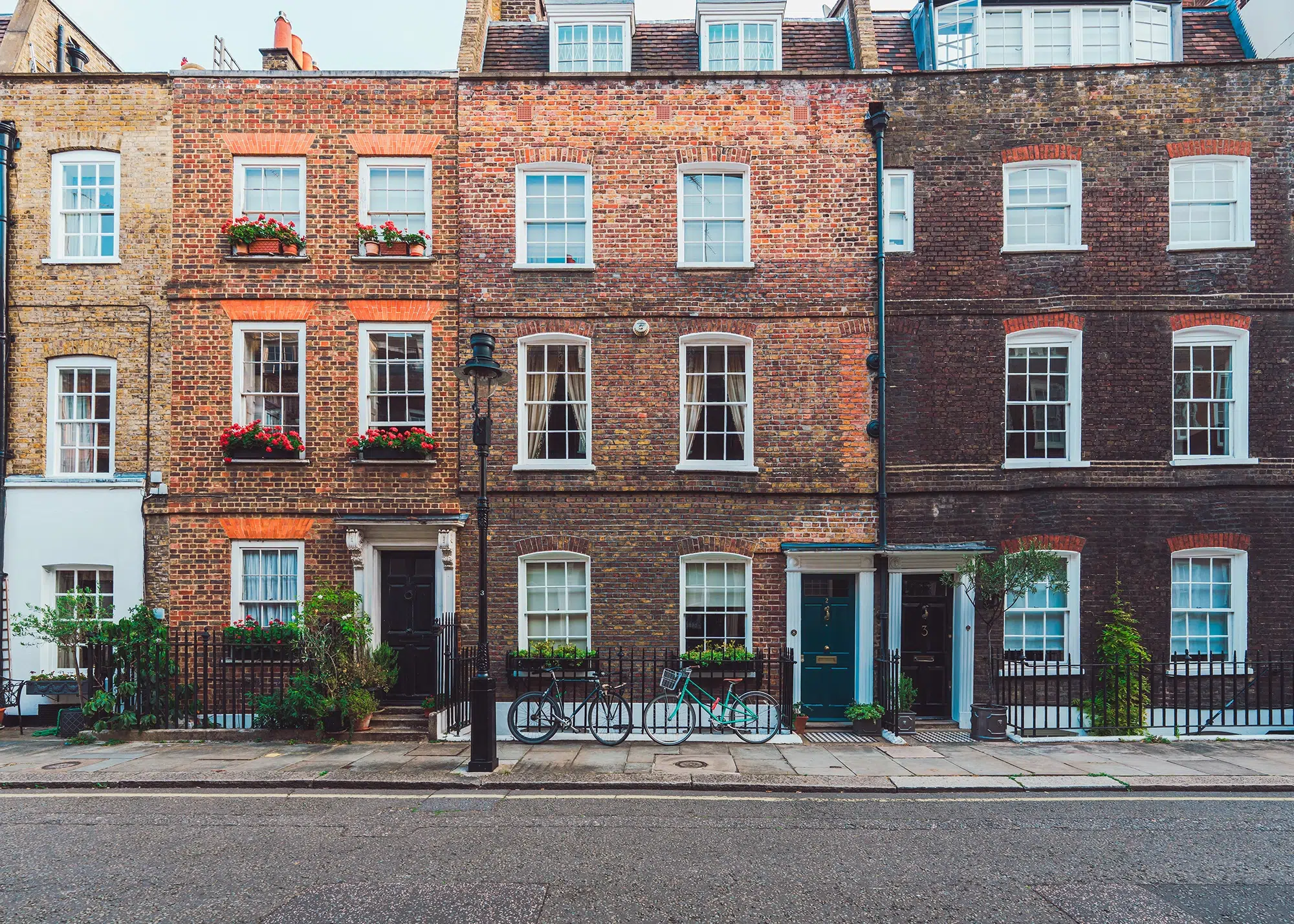
There are instances where window replacement is not appropriate or not permitted. In general, examples dating from the early 20th century or before should usually be retained unless they are in very poor condition, as they contribute to the character of the building.
For listed buildings or homes in conservation areas, consent for window replacement is rarely granted unless the existing units are modern, low-quality or beyond repair. The first, and most important, thing to do in these cases is to look to refurbish and draughtproof the windows in order to make them as airtight as possible.
Single-glazed windows, either refurbished or newly fitted due to heritage requirements, can be upgraded by the installation of secondary glazing – a second layer of glass positioned to the inside of the existing window. This can be achieved with minimal external visual impact or damage to the fabric of old windows. Except in extremely sensitive situations, it should be possible to obtain heritage consent for a well-designed solution.
What are the main benefits of secondary glazing?
There are three key advantages of fitting secondary glazing to older windows. Which of these is most relevant will depend on the scenario in your property:
First is the reduction in heat loss achieved through the window by trapping a layer of air between the two panes of glass.
Second is an additional improvement in airtightness, particularly because the secondary glazing system can be designed to perform better than your refurbished single-glazed window.
Third is noise reduction. This can be frequently overlooked, but for houses on busy roads it is often the overriding reason for fitting secondary glazing.
Quality secondary glazing can be almost imperceptible from outside the house; offering a route to upgrading thermal performance on more sensitive heritage buildings
What are the material options for secondary glazing?
The frames of secondary glazing can be made from PVCu, aluminium or timber. Plastic frames are generally the most affordable option but tend to have a much shorter service life. Timber windows and higher-quality aluminium versions are typically bespoke, carefully designed to complement the style and character of the original windows.
The panes themselves can be made of either glass or polycarbonate. Polycarbonate is significantly cheaper and much lighter, which can be an important consideration, especially for larger or more awkwardly shaped windows. Glass secondary units, on the other hand, can be double glazed to provide very high levels of thermal performance, making them ideal for situations where maximising energy efficiency is the key priority.
Premium Content
Downloadable E-Guide
Build It’s downloadable e-guide to choosing windows & doors offers ideas and advice on every aspect of planning your home’s glazing and entrances, including expert tips on the key specification decisions you’ll face. Click below to find out more.
The most discreet secondary glazing comprises a single pane that covers the whole window. The aluminium frame has a magnetic strip that fixes to a matching band on the window frame. These can be powder coated so that they are indistinguishable from the window frame.
This solution can be ideal for historic windows, where minimal visual impact is a priority, as well as for large or awkwardly shaped windows. The pane can be removed for cleaning, but isn’t particularly convenient if you want to open the window. A full secondary glazing panel works particularly well if noise reduction is a key concern.
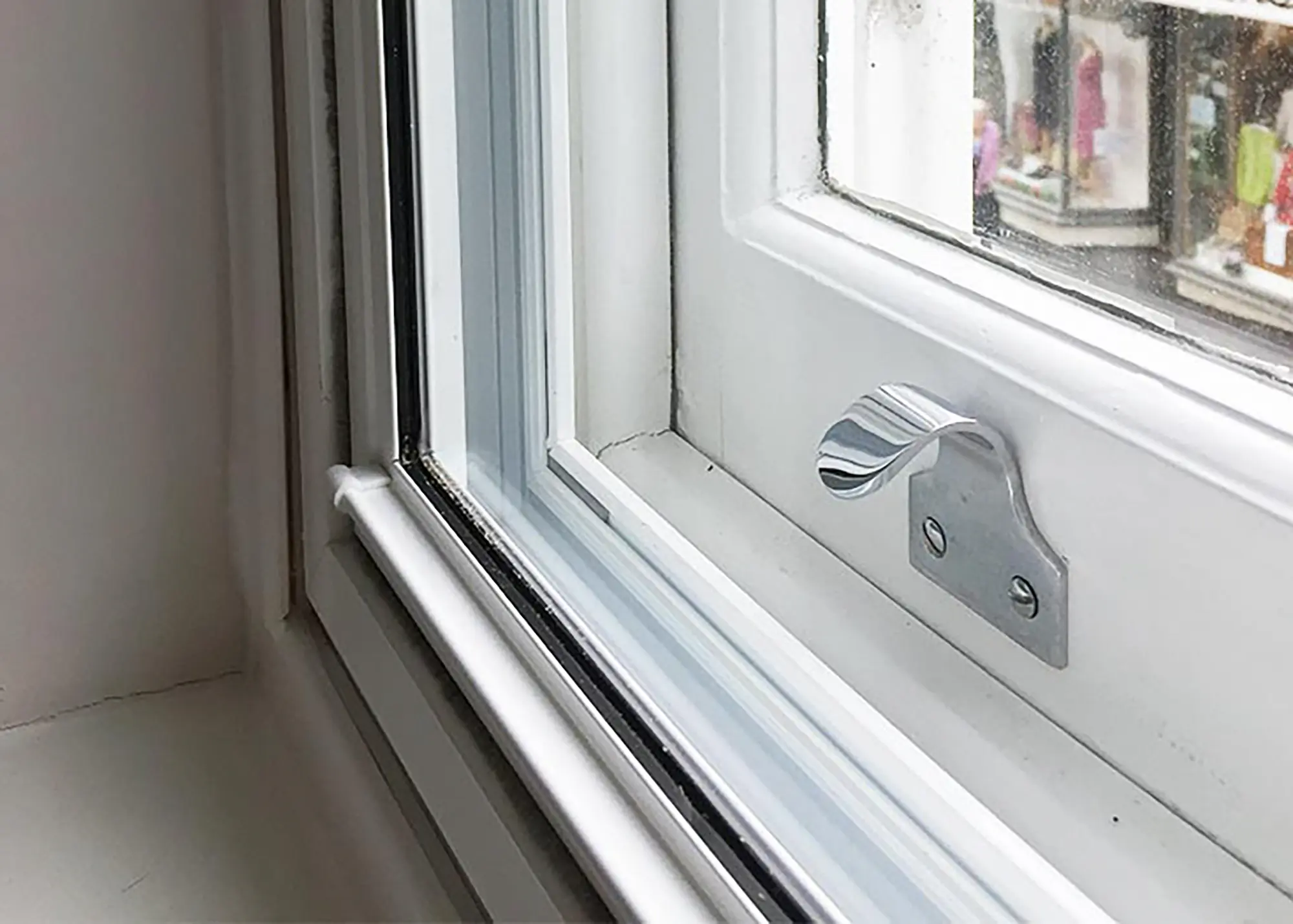
A close-up of a sliding and tilting secondary panel from the Roseview Incarnation collection
If the priority is opening the window in warm weather, a common approach is to fit the panes for the winter, leaving the windows closed, then remove them in the summer so they can then be opened at will.
If the panes need to be lifted relatively frequently, the reduced weight of polycarbonate can be a major benefit. Cheap DIY versions of this system are widely available using polycarbonate in plastic frames and less discreet fixing methods. They will give reasonable performance at significantly lower cost than bespoke systems.
What are the benefits of a secondary sliding window pane?
The budget end of secondary glazing features sliding panes with plastic or aluminium frames, available as off-the-shelf kits for DIY or fitting by a general builder. These can feature thin section frames because structural rigidity is provided by the outer frame in which they slide. This option is, however, usually the most visually intrusive because the panes often don’t align with the original window and the additional outer frame can be quite bulky.
The Incarnation secondary glazing system from Roseview. This is a full-height sliding unit
On the plus side, they can be effective at both improving thermal performance and reducing outside noise, and they allow relatively easy opening of windows. However, you would be unlikely to gain heritage consent for this type of glazing.
Good quality sliding panes can be made to mirror the opening function of the original window. The best bespoke versions will therefore complement the style and appearance of the existing fenestration, working particularly well with sliding sash windows.
Casement-style secondary glazing opens on side mounted hinges, much like a casement window, with the significant difference that they must open inwards. Many old buildings have deep window reveals, where they can work particularly well. However, with standard reveals the open panels can project some way into the room.
They can be made of plastic, aluminium or timber. The best quality, and most likely to be suitable in a heritage situation, are bespoke timber frames that are designed to complement the original windows. Fitted within casement units, these can be the most discreet option.
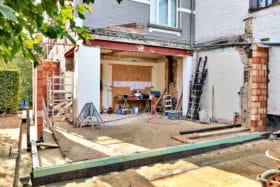
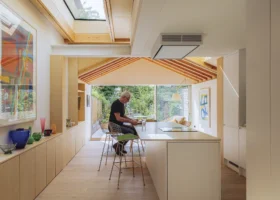
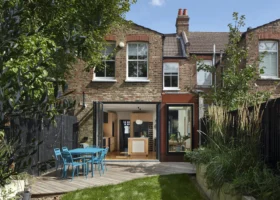
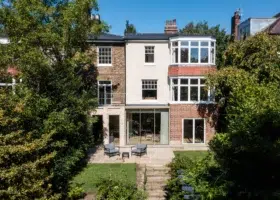
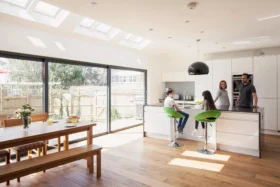
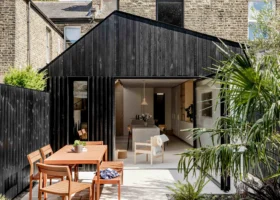
John and Melanie Stott have transformed their Victorian terrace into a family home thanks to a renovation and extension that now offers open-plan living. Photo: David Barbour
A variation is to fit glazed shutters, which are very similar but have no central mullion. They reduce the visual impact of the glazing but increase the size of the units and therefore will project further into the room. There are a couple of potential solutions to this issue. The shutters can be bifold, though this both increases the cost and makes them more visually intrusive when closed. Alternatively, they can be fitted with demountable hinges, allowing the to be removed completely in the summer when opening is more frequent and heat loss no longer a concern.
How much does secondary glazing cost?
Costs start at about £100 per window for DIY single pane kits or £170 for sliding kits. Professionally fitted magnetic panes are about £500 per window. Bespoke units in timber or aluminium start from approximately £500 – but costs can rise considerably higher for complex or finely detailed heritage installations.
FAQs
Can window opening style impact the unit’s energy efficiency?
Window heat retention and energy efficiency calculations are based on the window being closed. So, from a technical perspective, the type of window opening won’t make a significant difference to the performance. In reality, however, the larger the opening the more heat will be lost when the window is opened.
It is also worth noting that U-value calculations are theoretical performance measurements based on the modelling of materials. They do not take into account how well an opening sash seals against the outer frame. Fixed frame windows (with no openings) and then casement (including top-hung, side-hung and tilt & turn sashes) are therefore likely to perform better than traditional sash windows.
To get an indication of real-world effectiveness you need to consider the windows airtightness performance as well as the U-value figures.
Answered by Ed Stobart
Ed Stobart is technical sales manager at IDSystems. He has 20 years’ experience working closely with thousands of customers, builders and architects to offer advice and support on glazing solutions.
What is the easiest window mechanism for people with mobility issues?
Ease of use will depend on the strength, reach and dexterity of the person, but tilt-and-turn windows are operated with a handle similar to a door handle and are inward opening, so there is no reaching out of the window required to pull a window closed. Traditional sash windows tend to be the hardest to operate because you are lifting the weight of the window upwards. For those with mobility issues, consider automation via app-controlled electronical motors to open and shut windows.
Answered by Ed Stobart
Ed Stobart is technical sales manager at IDSystems. He has 20 years’ experience working closely with thousands of customers, builders and architects to offer advice and support on glazing solutions.
Should I replace my windows instead of installing secondary glazing?
If you are able to and decide to replace under permitted development, the new windows need to closely resemble the old in terms of their appearance and material type. I would suggest replacing as the technology in glass, weather sealing and timber frames has evolved in recent years. This provides a really robust route to achieving both thermal efficiency and traditional aesthetics. However, replacing is usually the more expensive option, so budgetary constraints may lead you towards the option of secondary glazing. In some cases, heritage requirements may also mandate a secondary glazing approach.
Answered by Matt Higgs
Matt Higgs is managing director of Kloeber, one of the UK’s leading manufacturers of bespoke glazing solutions, specialising in timber, aluminium and composite windows and doors.
Is replacing my windows better for my house’s energy efficiency?
Replacing windows can hugely improve your home’s energy efficiency. A window’s energy performance is influenced by many factors, such as material and type of glazing (double and triple glazing work by trapping air or gas in between the panes, reducing heat transfer). Energy efficiency ratings are an accessible way to gauge performance. Ratings from A++ to E are provided by The British Fenestration Rating Council, who assess the frame and glass, analysing heat loss and solar gain.
Kate Sandhu is a renovation pro, helping others to understand the process and save as much money as possible via her home renovation course. She shares a wealth of knowledge, as well as DIY tips via her blog renovatelikekate and Instagram account.
What other futureproofing measures should I factor into a renovation project?
It’s often assumed that period homes have reduced scope for futureproofing. While most will have some limitations to help protect their character and some of the practicalities can be more difficult than modern buildings, there will always be plenty that can be done to sympathetically and effectively update to your property. Some of my top recommendations:
Services: Most heritage homes in need of major refurbishment have outdated and inadequate services – a complete start from scratch is needed. This is a major opportunity to futureproof and overspecification and planning for the future will pay dividends.
Consider switching to electric: In many cases a switch to electric heating (such as a heat pump) as part of the renovation will be the best futureproofing option. Provided the underlying thermal performance work has been done, the constant, low-level heat provided by these systems, especially with underfloor heating, works well in traditional buildings, benefitting from the high thermal mass.
Incorporate smart tech: Distribution of data and internet capability around the house is likely to be the basis for most tech. The thick walls in older buildings can impact WiFi connection and is a long-standing problem, so putting in extenders or mesh systems and hard-wired connections are all good futureproofing options.
Accessibility: If a staircase needs to be replaced, consider making the new one wider and shallower with good handrails. If space allows, maybe make provision for a future lift. If you’re installing new bathrooms, fit walk-in showers with plenty of space around them.
Alan Tierney is Build It’s period property and conservation expert. He ran a historic building consultancy, offering hands-on advice to the owners of heritage homes, but is now focused on renovating Old Barnstaple House.
Alan Tierney
Alan Tierney is Build It's period property and conservation expert. He ran a historic building consultancy, offering hands-on advice to the owners of heritage homes, but is now focused on renovating Old Barnstaple House.

























 Login/register to save Article for later