









 Login/register to save Article for later
Helen Needham is head of architecture at Oakwrights, a multi award-winning company specialising in the architectural design and construction of oak frame homes, extensions and outbuildings.
- Plan ItBack
- Design ItBack
- Build ItBack
- Homes
- ProductsBack
- CostsBack
- Self Build Cost Calculator
Estimate your project costs instantly with Build It's interactive self-build cost calculator
Calculate Now - Costs & Finance
- Contracts & Warranties
- Build It Estimating Service
Get an accurate, detailed cost breakdown of your project
Submit plans
- EventsBack
16 Countryside Homes – Rural Self Build Project Ideas & Expert Planning Advice
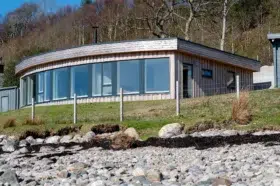
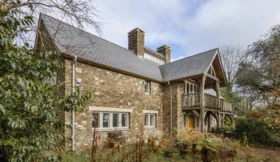
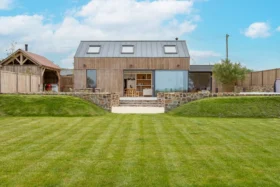
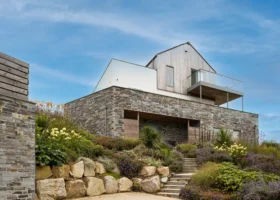
Scarlett Deamer & Lucy Keech share their top pick of countryside self builds and speak to industry experts about how to create a location-sensitive design, plus the planning considerations for rural projects


A countryside self build can be an appealing project for those after space, fantastic views and the freedom to let creativity run free. But in order to do the location justice, careful preparation is required to create a design that boats enough wow factor, and ensures your project can meet local planning requirements.
Countryside self build projects can face a host of challenges, from tricky plot locations to unexpected terrains and strict planning policies. However, meeting these successfully will result in an interesting build that sits beautifully among its picturesque surroundings.
Designs can span from ultra-modern to new and improved takes on countryside dwellings, often featuring expansive glazing and vernacular materials that complement their context’s history. So, to understand what makes a great countryside self build and how you can go about completing one yourself, here we’re taking a look at some of the most inspiring examples, from sympathetic barn-style builds to ultra-modern family homes.
Jump to countryside self build FAQs
1. Spectacular countryside home with three distinct volumes
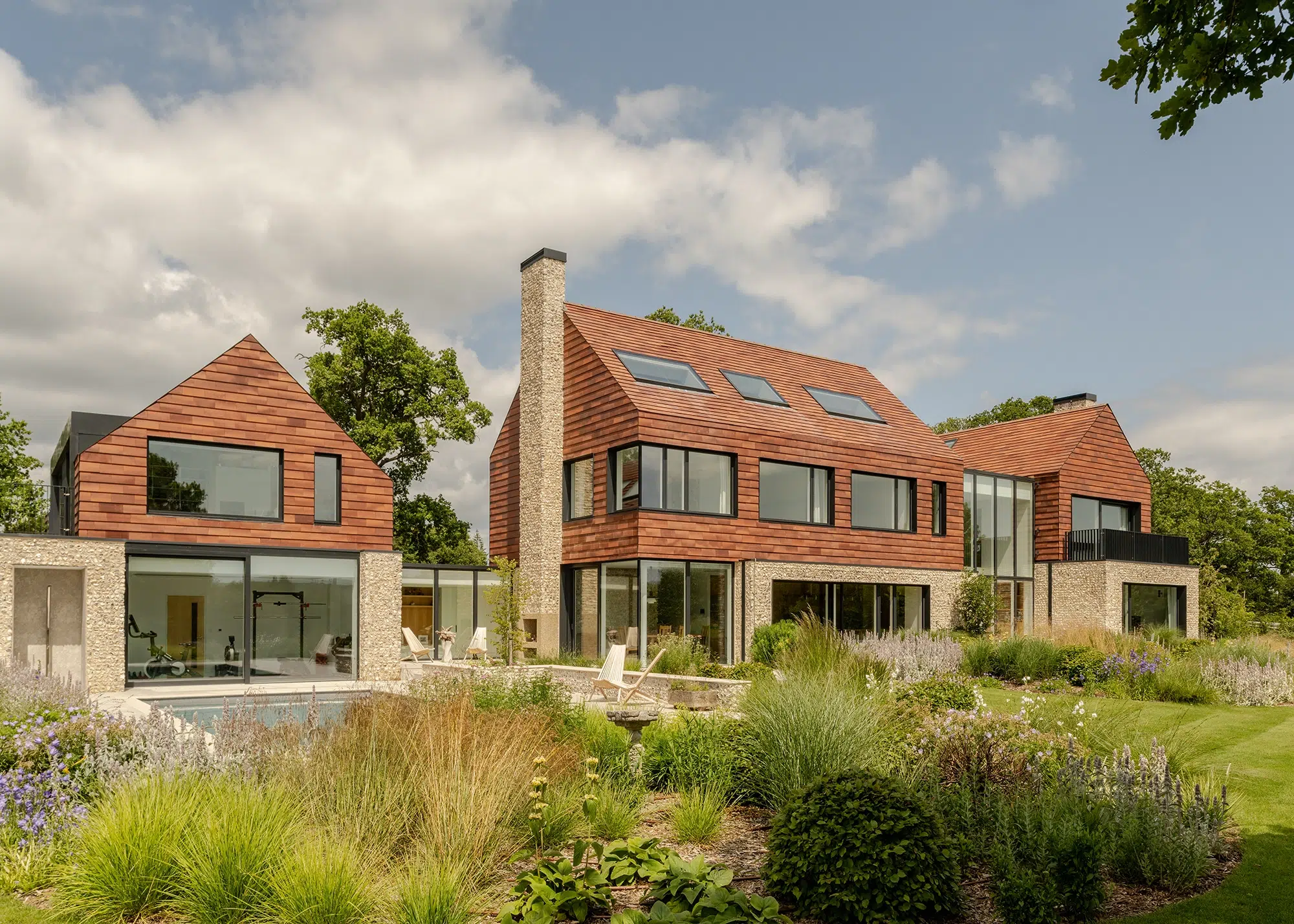
Designed by Selencky Parsons Architects, Bulls Barn is a stunning family home located in the South Downs National Park. Composed of three interlinked volumes, built from local flint and topped with clay-tiled pitched roofs, the house echoes traditional agricultural forms.
Photo: French + Tye
Glazed links between the volumes introduce daylight into the floorplan and make the rural views part of the internal design.
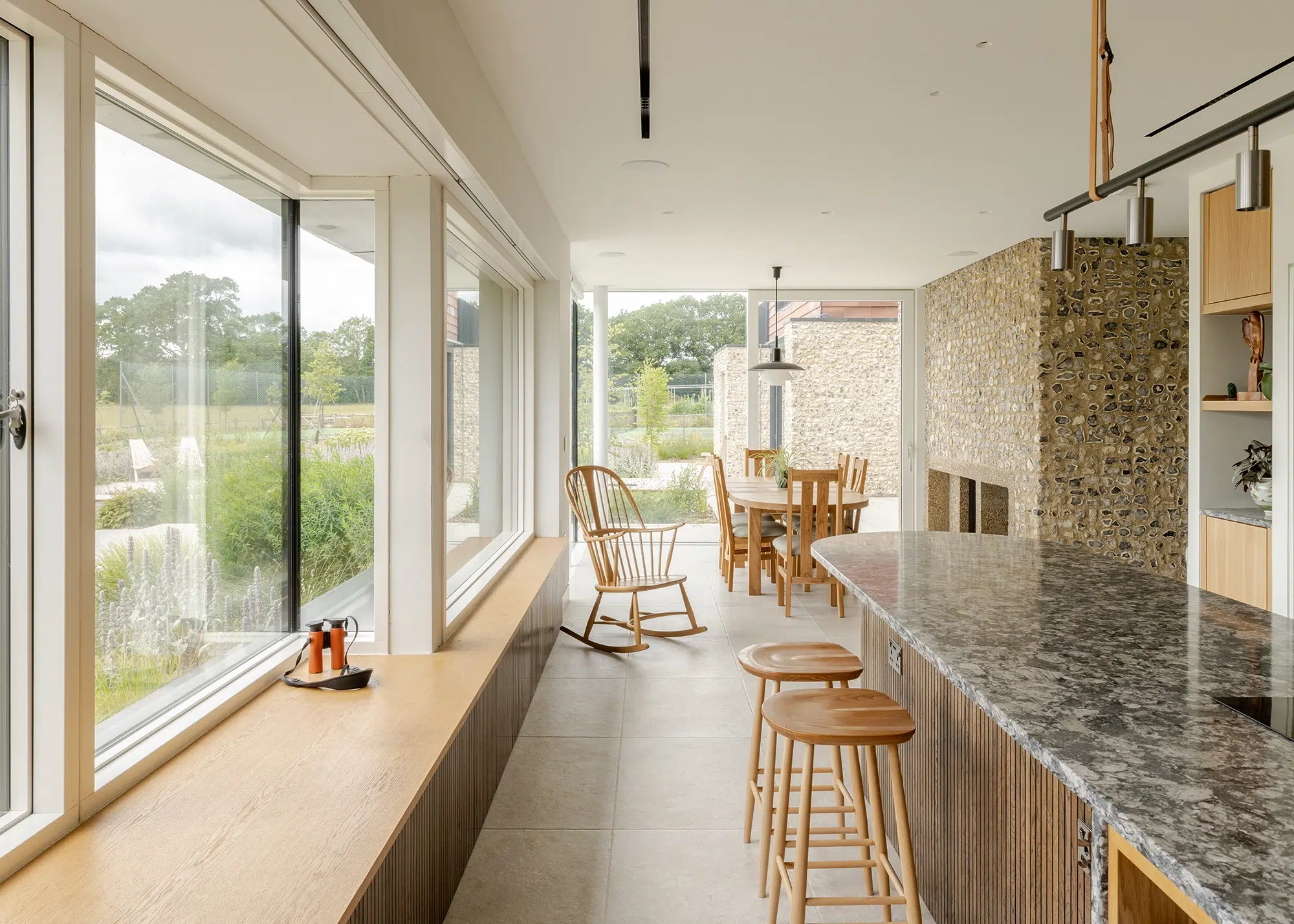
Photo: French + Tye
Sustainability is a core focus, with the property featuring a ground source heat pump, mechanical ventilation with heat recovery (MVHR) and solar panels. Native planting around the home helps integrate the building into the landscape.
2. Countryside home built on a steep, sloping plot
Bay House, designed by McLean Quinlan, is a five-bedroom home built for a family who love surfing, walking and outdoor life. Set within the rural hills of North Devon, the house responds closely to its steep, sloping site, with a gently curving form that follows the land’s natural contours.
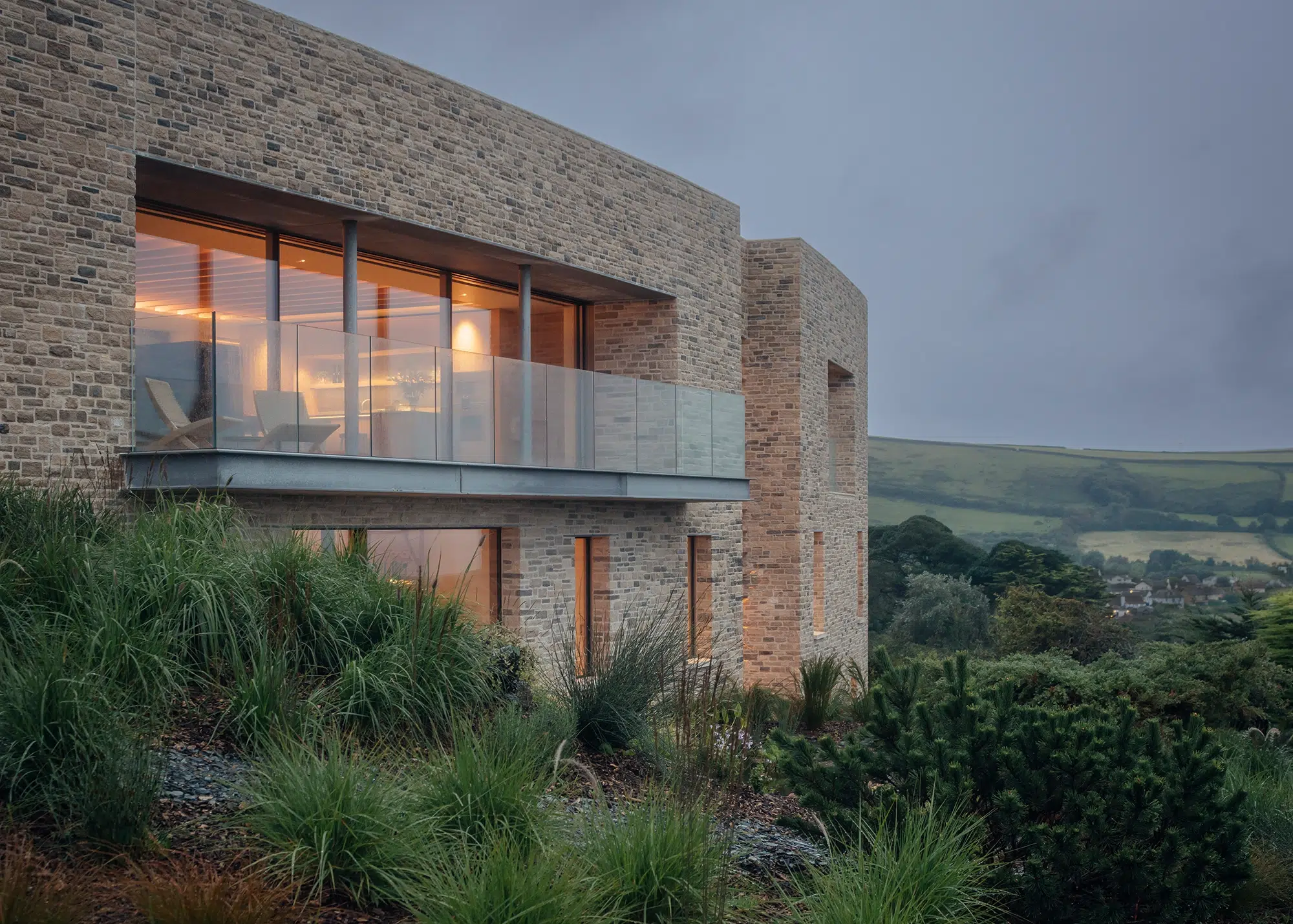
Photo: Jim Stephenson
Clad in local Purbeck stone and surrounded by native planting, the design sensitively responds to its landscape. Inside, a series of living spaces, including a lounge, snug and yoga studio, are arranged across three stepped levels. Floor-to-ceiling glazing brings in light and frames the views of the nearby farmland, while a series of terraces and courtyards allows the family to stay closely connected to the outdoors throughout the day.
Premium Content
Downloadable E-Guide
Where should you start when planning your home building project? Build It’s in-depth downloadable guide to self building a house contains everything you need to know to make your project a success.
find out more
3. Rural self build finished with sympathetic materials
Cairn House, by 2020 architects, is a modern home situated on an elevated, split-level rural site. Anchored by a striking stone finish inspired by traditional dry stone walls of the local landscape, it draws visitors naturally along a thoughtfully designed entrance path.
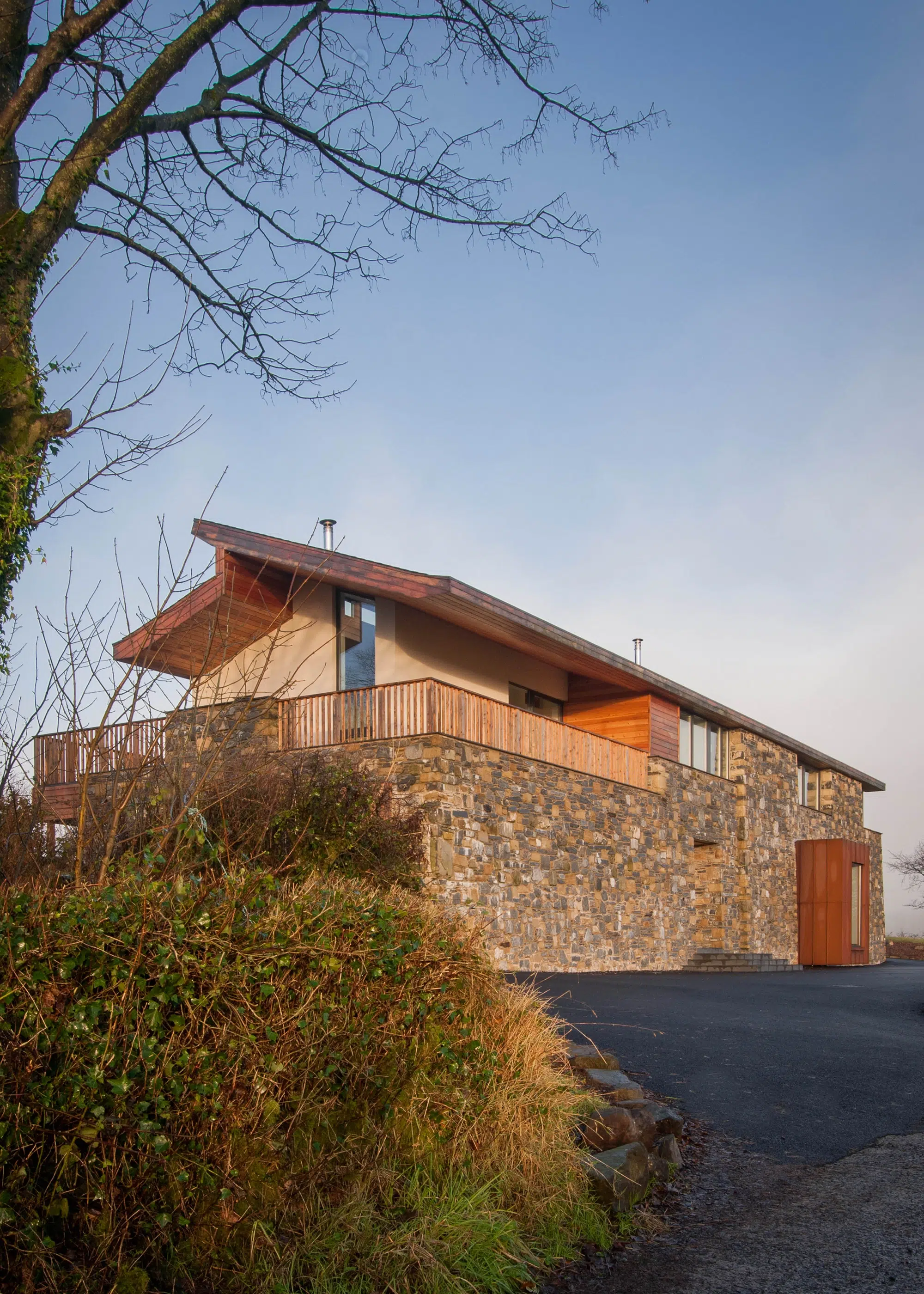
Photo: 2020 Architects & Emma Stewart
Inside, the stone continues up to a double-height hall, leading the eye toward a cantilevered timber staircase and highly glazed first-floor living spaces. The master bedroom includes a flat-roof patio that connects directly to a raised garden, providing seamless access without descending to ground level.
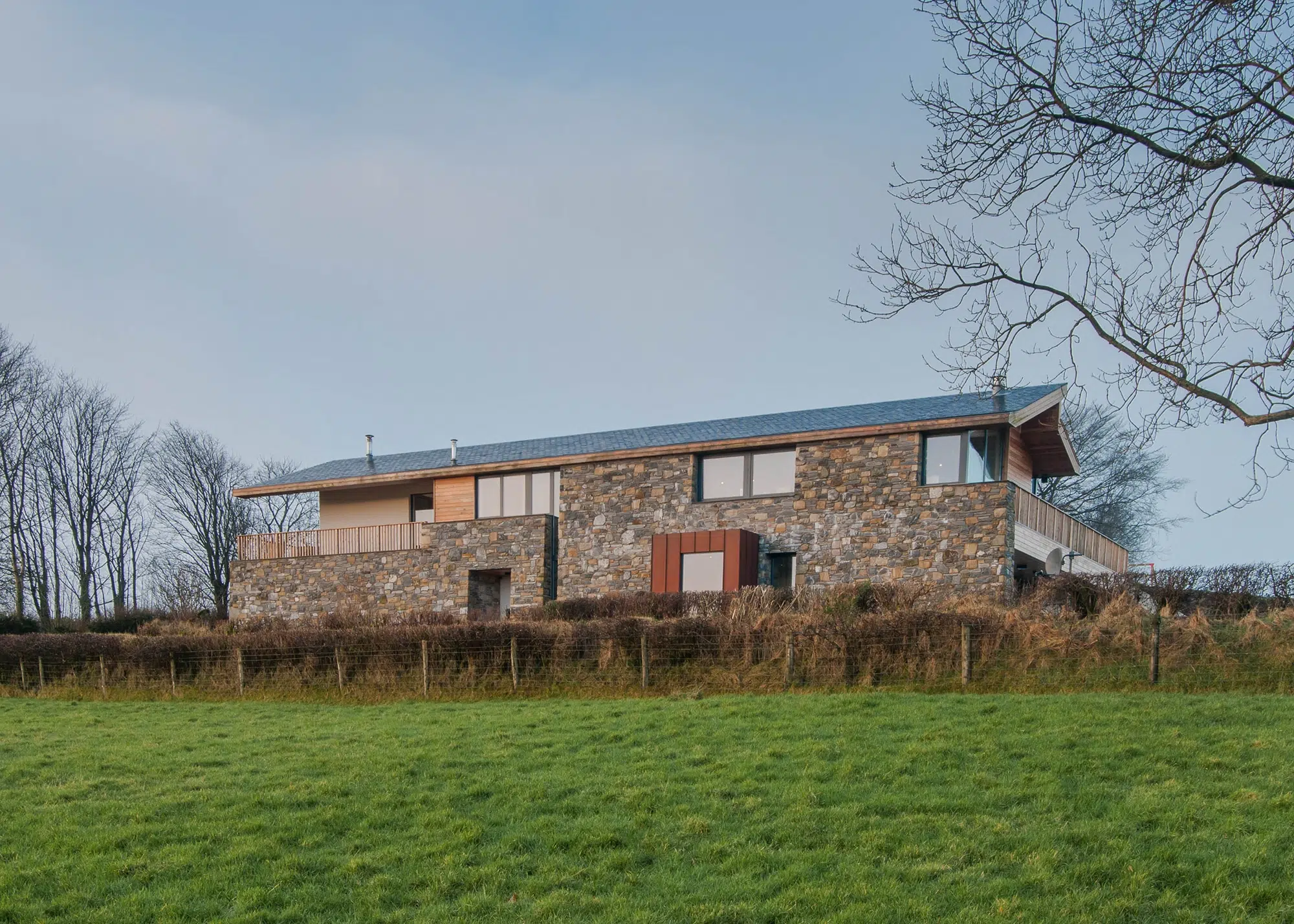
Photo: 2020 Architects & Emma Stewart
With natural timber and rustic finishes, the design blends gently into the surrounding countryside, creating a quiet retreat in its secluded environment.
Getting planning permission for a countryside home

Is it more difficult to get planning consent for building in the open countryside?
This kind of land is outside of the designated settlement boundary, ie the known border around the development and infrastructure of our cities, towns, and villages. Gaining planning for a new home in the countryside can therefore be challenging, but it can be done, and it is absolutely worth the effort. The countryside in the UK is rightly protected, so there should be a clear reason for a new property and it must be a worthwhile addition.
What is Paragraph 80 and how can I use it?
Paragraph 80 (formerly Paragraph 79) refers to a section of the 2021 National Planning Policy Framework relating to building new isolated homes in the open countryside. This allows new dwellings to be built where they are of an exceptional quality of design. It encourages housing to be energy efficient and enhance the environment.
Are permitted development (PD) rights more restricted in the countryside?
Permitted development rights (PD) can be applied for rear, side, wraparound, two-storey extensions, garage, and loft conversions. However, each of these projects comes with its own strict guidelines, limiting height, volume, and materials used. Certain homes will be excluded from the scheme, such as listed buildings.
PD projects can occur in green belt, but the rights are redacted on what is known as Article 2 (3) land, referring to national parks, the Broads, AONB’s, world heritage sites, and conservation areas. Even though formal planning permission won’t be required for PD projects, you should still apply for a lawful development certificate.
Do you have any tips for a strong planning application?
A good design is important. Choose an architect who will come to visit your site and get a feel for it, including the surrounding context, so they can develop a design in relation to the local vernacular. A specialist Landscape Visual Impact Assessment can also be a useful tool to explore the views into the site and test the proposal, and this can go on to evidence and explain how a design sensitively relates to its surroundings.
4. Low-energy self build home built on a hillside
This low-energy home, created by Charlie Luxton Design, is beautifully integrated into the tranquil Oxfordshire hillside. Inspired by the piers of a nearby Victorian viaduct, the structure comprises of local ironstone and corten weathering steel. Inside, the space offers a calm, healthy living environment with a power-floated concrete floor and textured lime plastered walls.
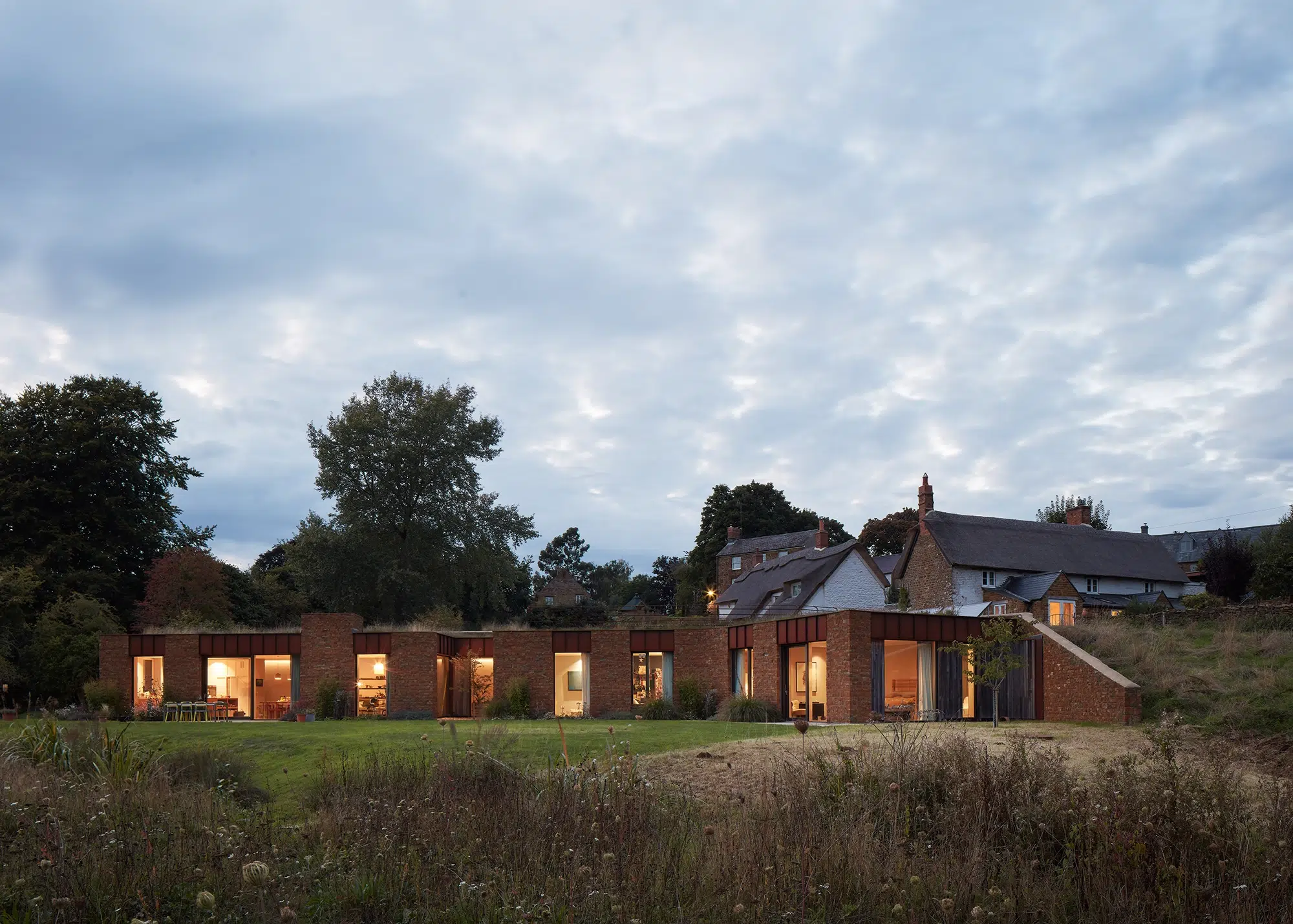
Photo: Ed RS Aves
A rooftop wildflower meadow helps the structure blend seamlessly with its rural surroundings. Sustainable elements, including Passivhaus levels of insulation, solar hot water panels and a wood pellet boiler, make this home an exemplary model of energy efficiency and sustainability.
5. Modern single-storey barn-style countryside house
Nixon House is a four-bedroom property that was cleverly designed by Adam Knibb Architects to resemble a group of modernised barns. Its three wings are arranged in an offset, almost perpendicular layout to break up the building’s mass and create a smaller appearance.
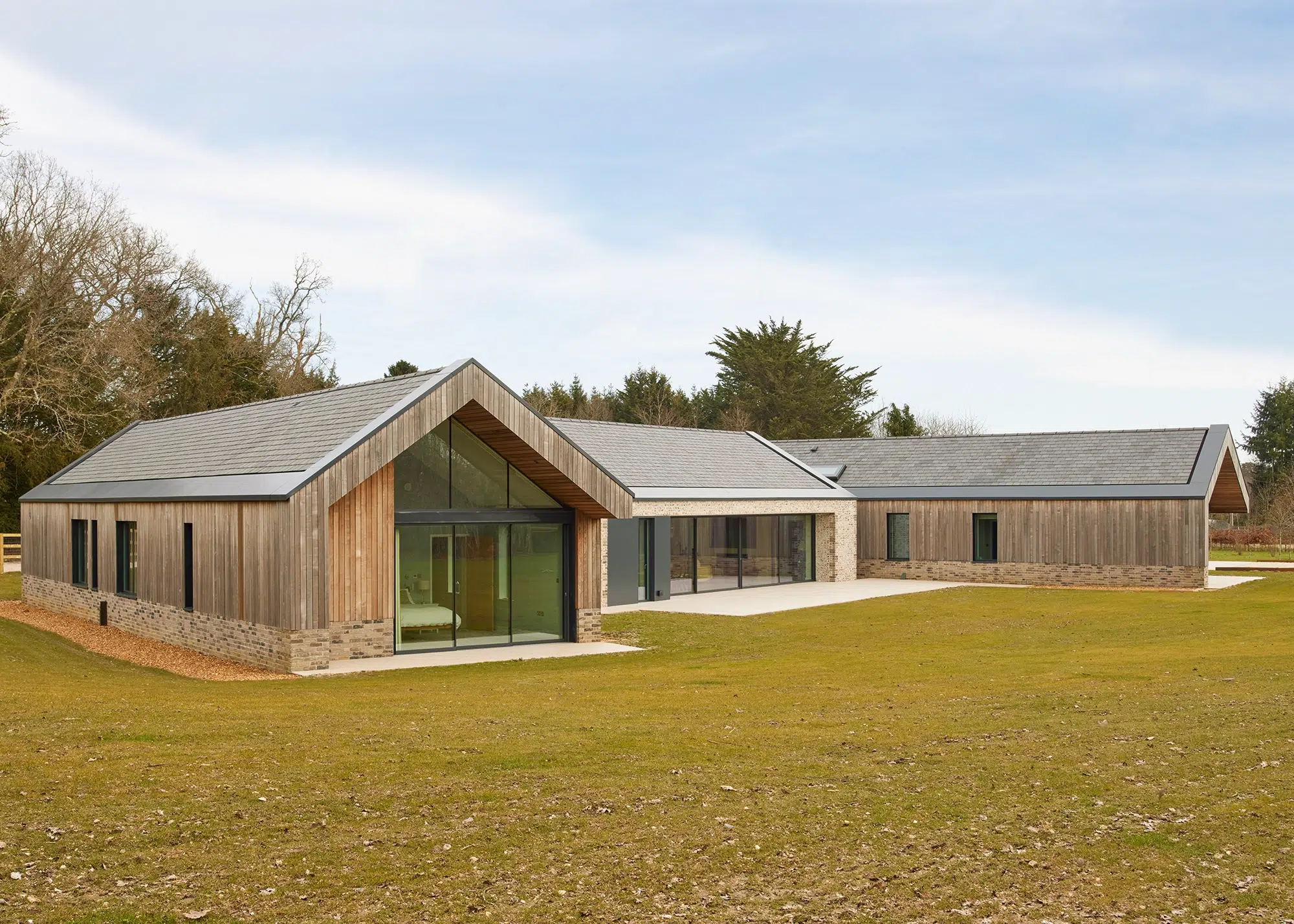
Photo: Richard Chivers
The centrally located living areas and kitchen – the most used rooms in the home – are positioned to enjoy the best views and natural light.
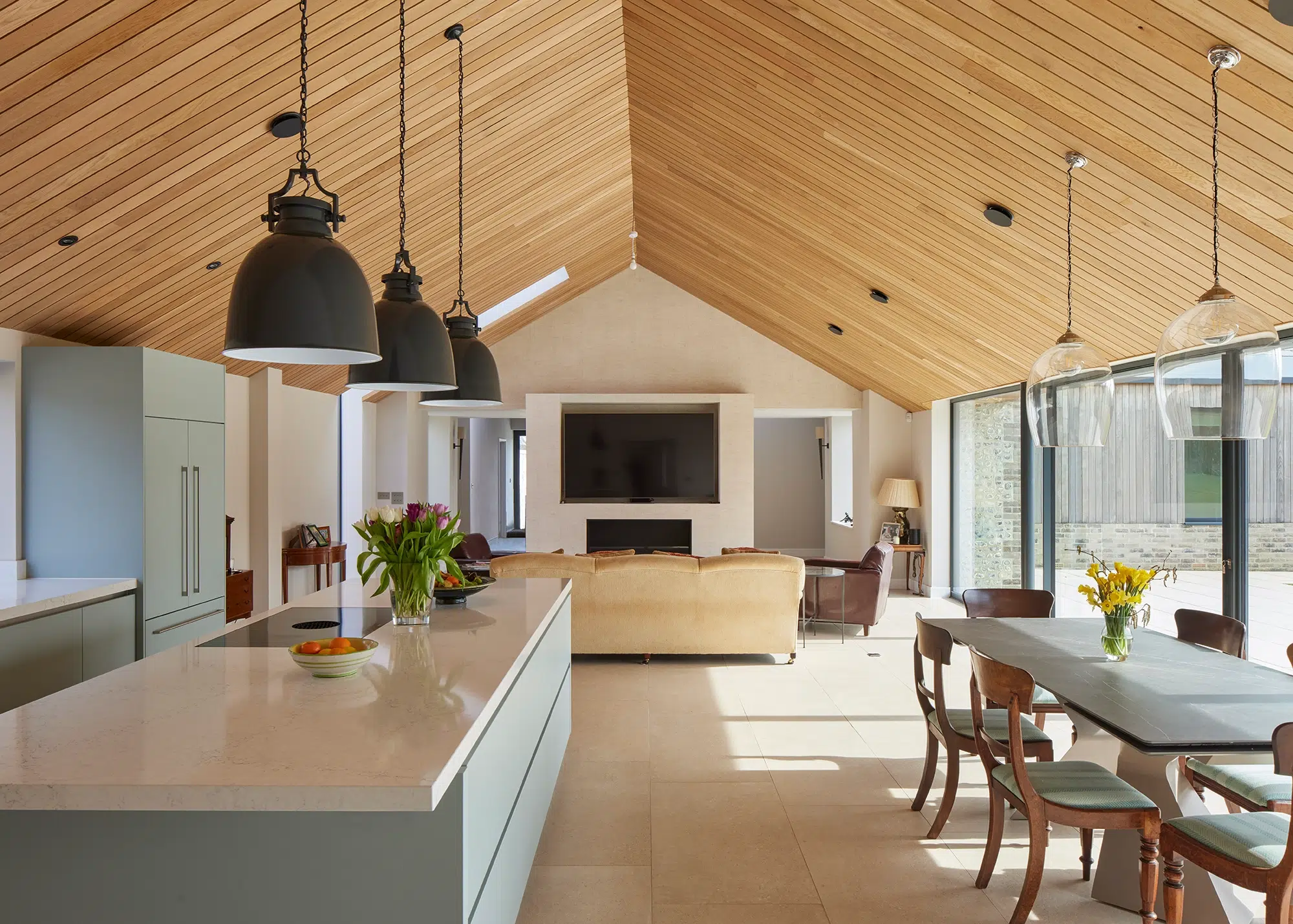
Photo: Richard Chivers
The exterior is clad in traditional materials such as flint and timber, helping the house blend into the natural environment. Timber-clad overhangs help to reduce overheating and glare while also adding a distinctive design feature.
6. Ultra contemporary home built on a brownfield site
Patch House, located in Buckinghamshire’s Aylesbury Vale, is positioned on previously derelict brownfield land overlooking the Chiltern Hills. Levitate designed the home with a pair of cranked two-storey wings linked by a double-height hallway.
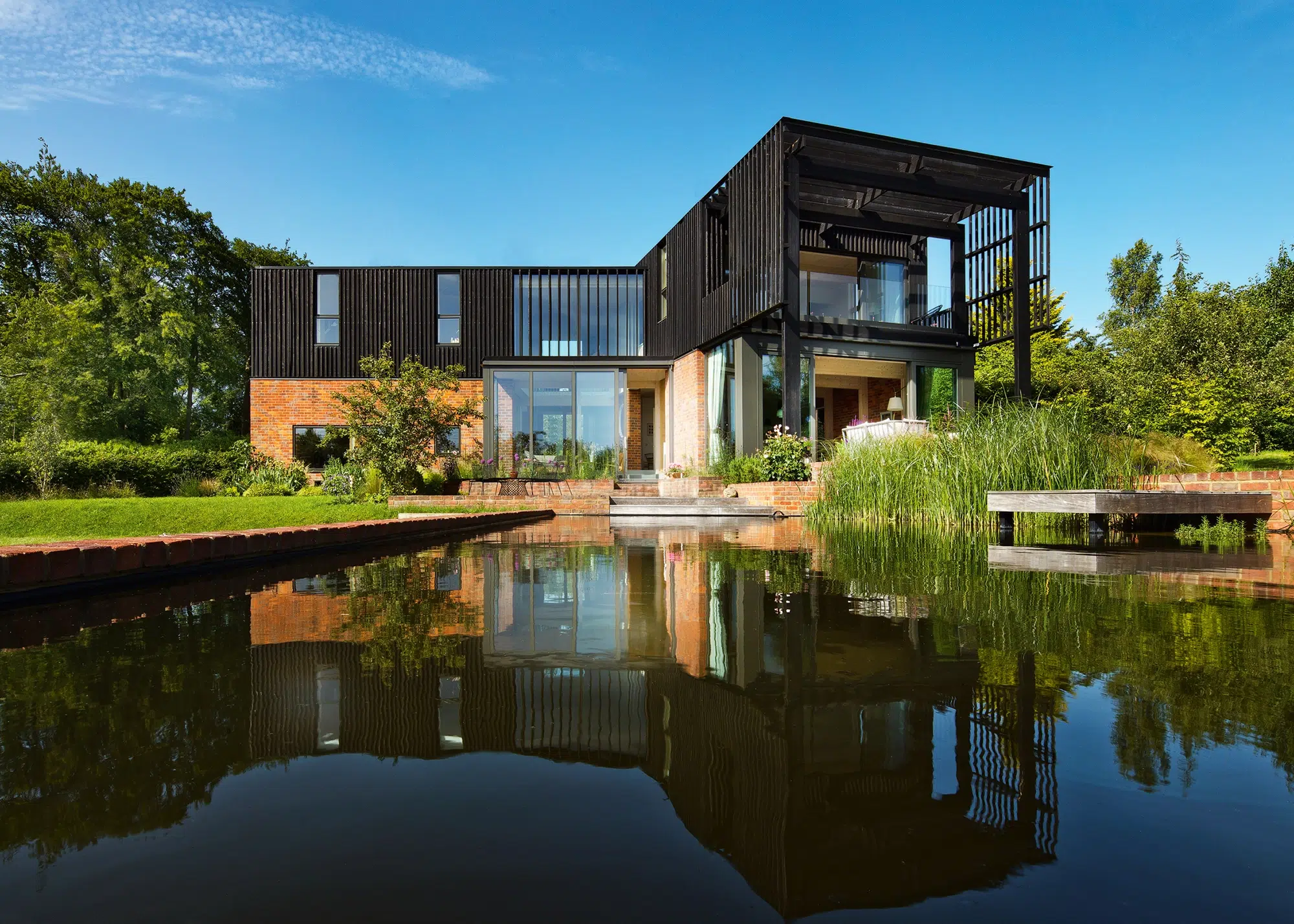
Photo: Martin Gardner
The open-plan ground floor centres around a kitchen that tracks the sun throughout the day and opens onto the luscious gardens on either side. The house features exposed local clay brick walls on the ground floor, polished concrete steps that respond to the site’s contours and a whitewashed cross-laminated timber upper floor clad in stained black larch, blending with nearby barns.
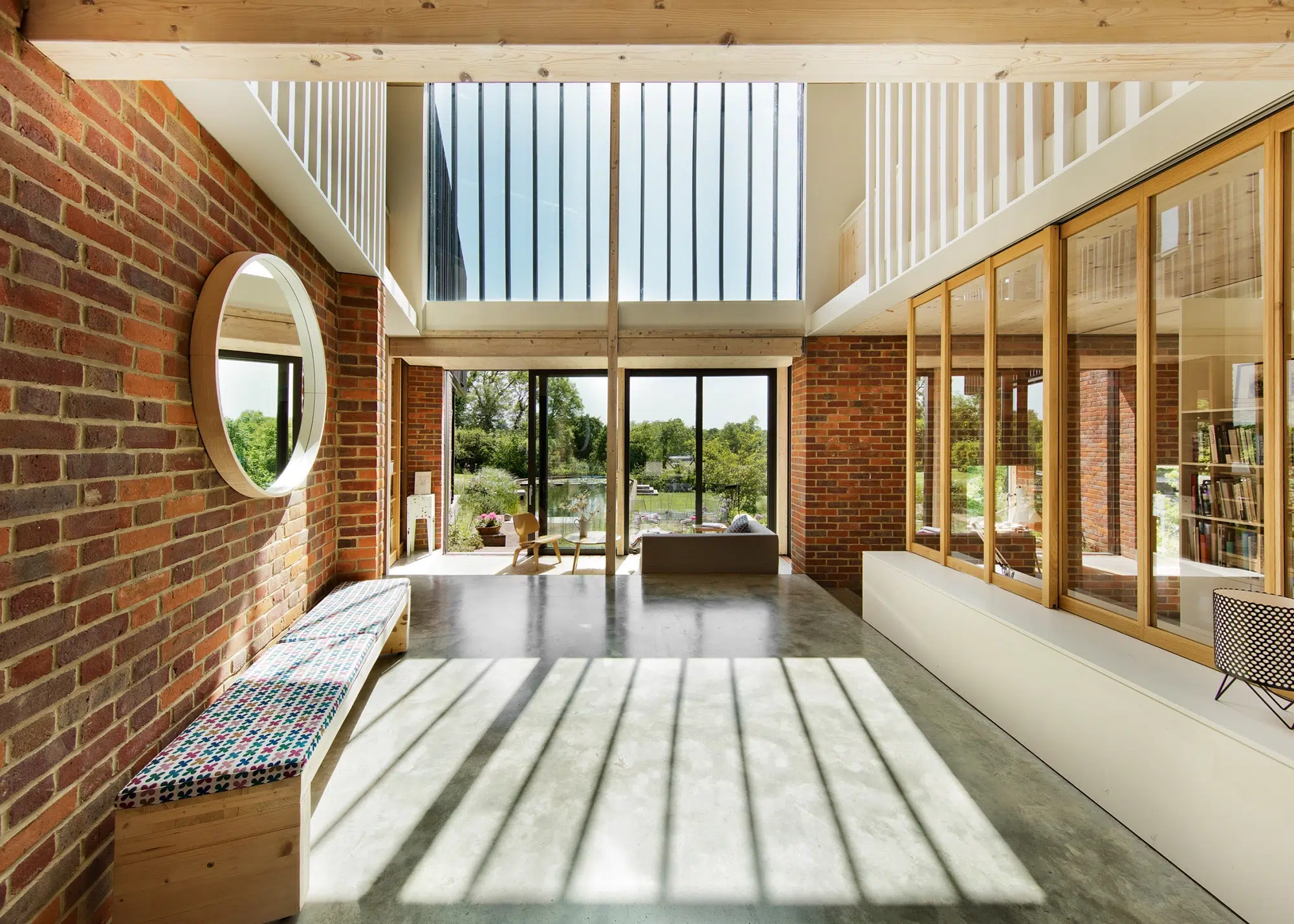
Photo: Martin Gardner
Sustainable features include solar panels, a woodburning stove and a natural swimming pond within the landscaped gardens.
7. Knock-down and rebuild home designed to maximise its surroundings
Created by Arco2, Waterhouse is a bespoke replacement home designed to maximise panoramic views of the Camel Estuary and nearby countryside. Built on the footprint of a 1980s bungalow, it features flat green roofs that blend the structure into the landscape.
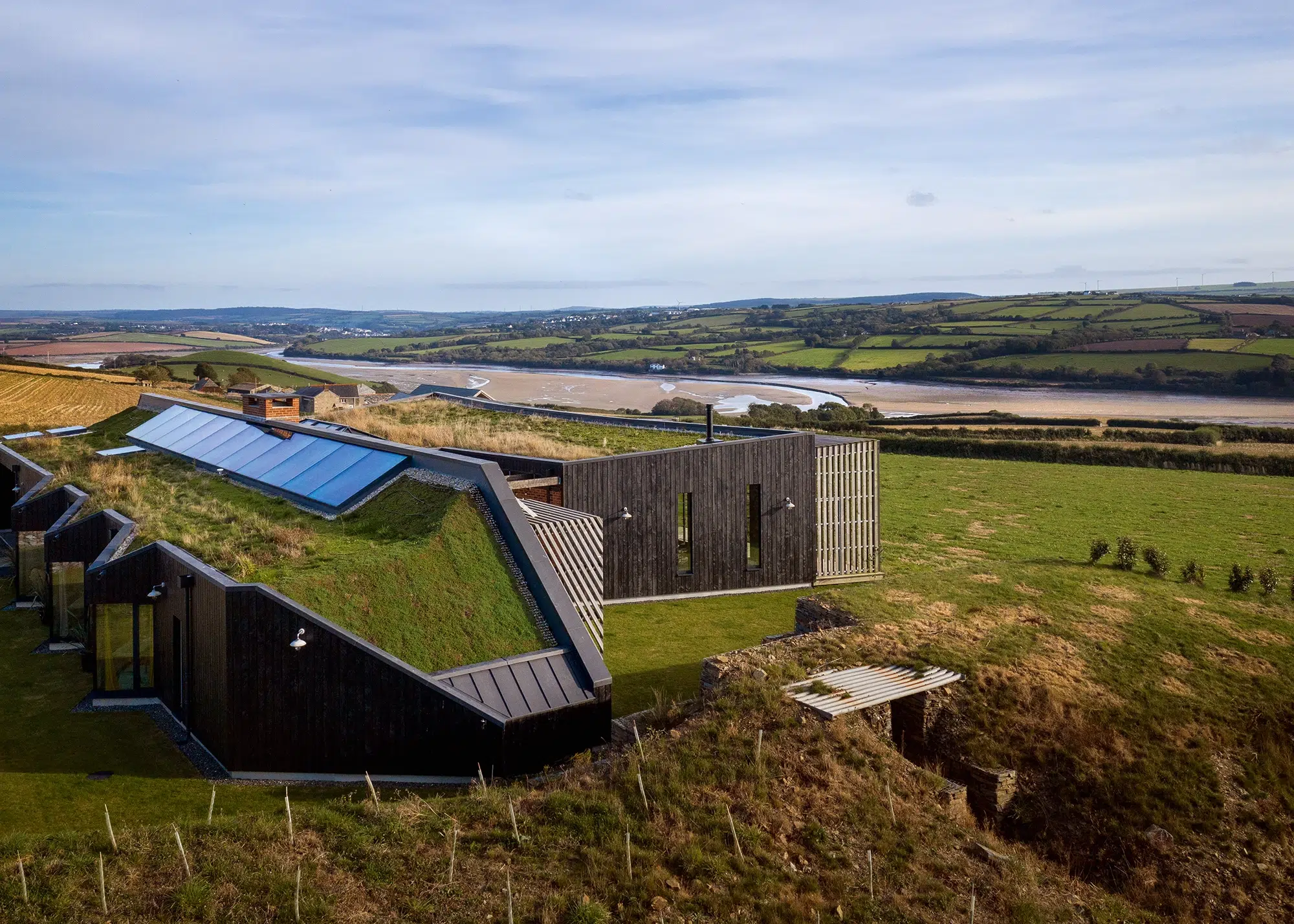
Photo: Drew Shearwood
A mix of dark stained and untreated larch cladding reflects the site’s agricultural heritage. A central courtyard links the living and sleeping spaces, with a private rear terrace sheltered from winds. Bespoke features such as an insulated workshop and a surfboard store support the owners’ active lifestyle and love of the outdoors.
8. Unique countryside home with adaptable interiors
Designed as a rural retreat for a couple in their seventies, this project by Boundary Space reimagines a traditional camp.
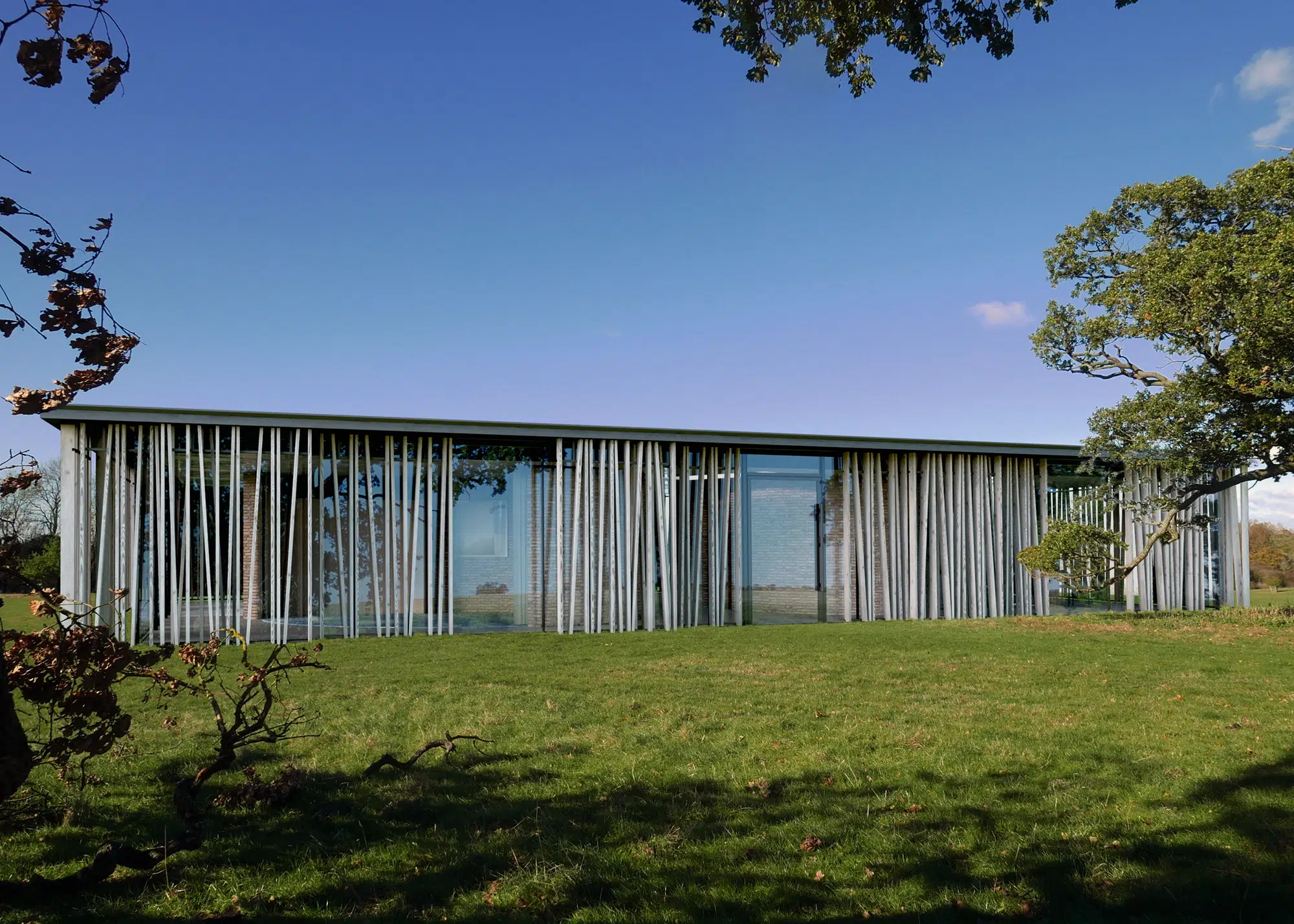
Photo: Martin Gardner
The fully open-plan, flexible internal spaces have been thoughtfully designed to maximise to the house’s location, with dedicated spaces to display the homeowners’ art collection.
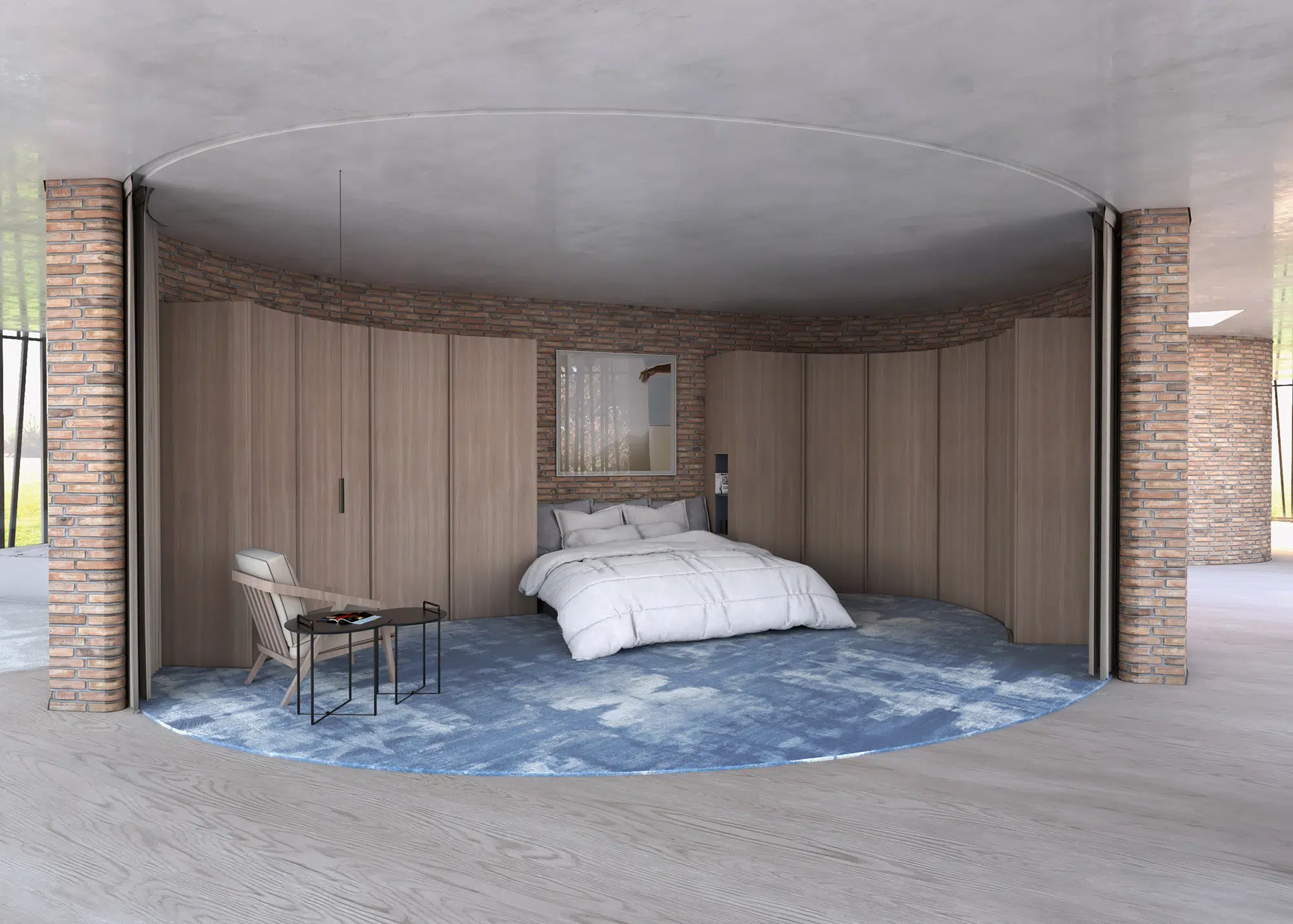
Photo: Martin Gardner
The design blurs the lines between the indoor and outdoor zones providing a cosy haven from the elements that enhances natural light and ventilation throughout the rooms.
9. Stylish hillside self build with balcony areas
The position of Merryhill Farm by OB Architecture was carefully considered and contoured into the sloped setting to minimise visual impact whilst capitalising on the beautiful rural views to the west.
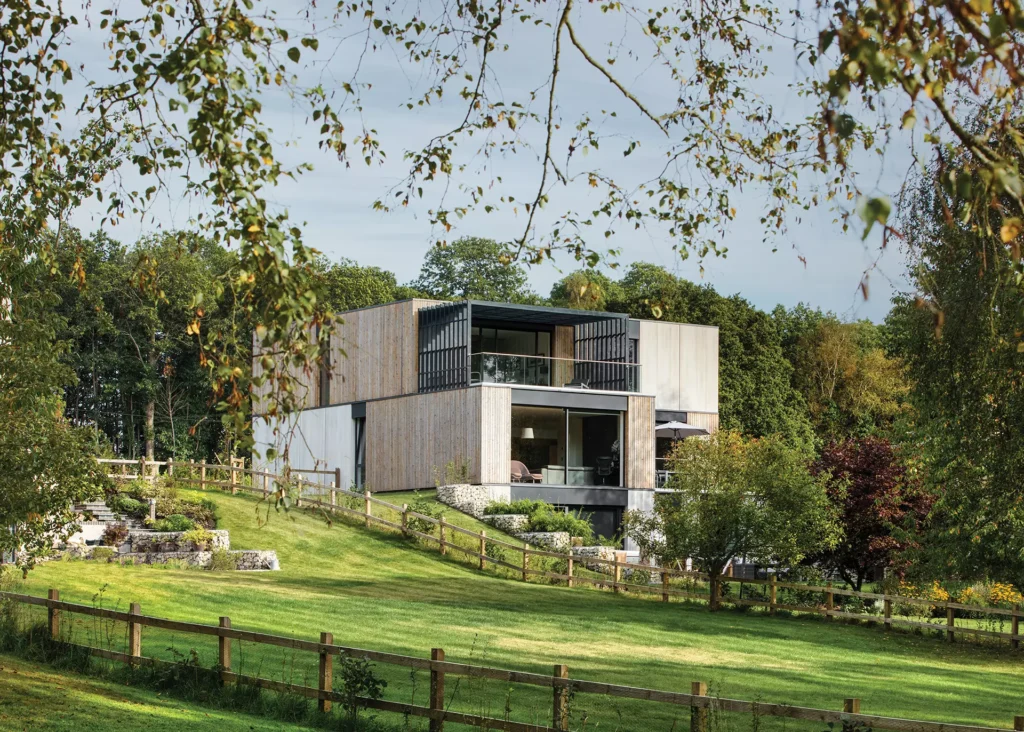
Part of a three-home development, this stylish property opens out onto the landscape, with three storeys at the rear allowing the living spaces and several bedrooms to benefit from the views and the setting sun through expansive floor-to-ceiling glazing.
10. Zero-carbon countryside design
Situated in a green belt location with views out over the Severn Estuary, Green Orchard by Paul Archer Design is a striking zero-carbon home with mature landscaped surroundings that completely screen the building from neighbouring properties.
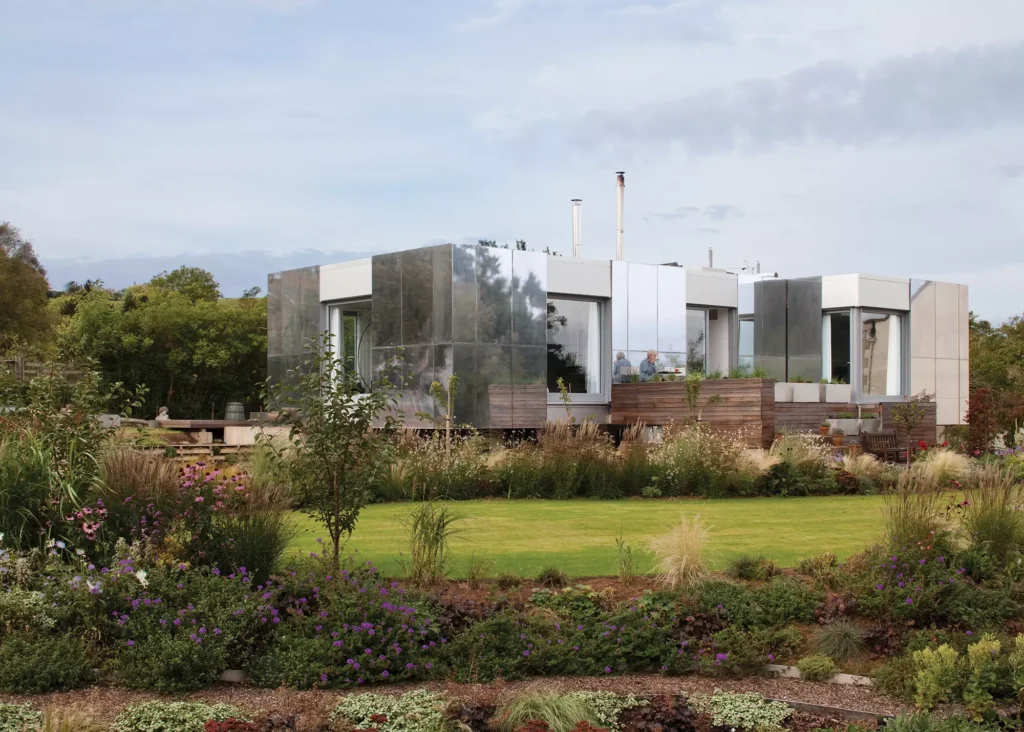
Photo: Will Pryce
The skin of the house comprises walls of sliding panels that can be set in different configurations. These heavily insulated panels are reflective yet matte, so that the structure becomes almost invisible in the landscape as it subtly mirrors the colours of the surroundings.
11. Timber-clad, sympathetic self build house
Constructed in 1830, Island Cottage was highlighted by the local authority as a key example of rural vernacular character for homes in the area. It needed extensive restoration, the first move of which was to establish the lines of the original cottage and draw a single route through the house.
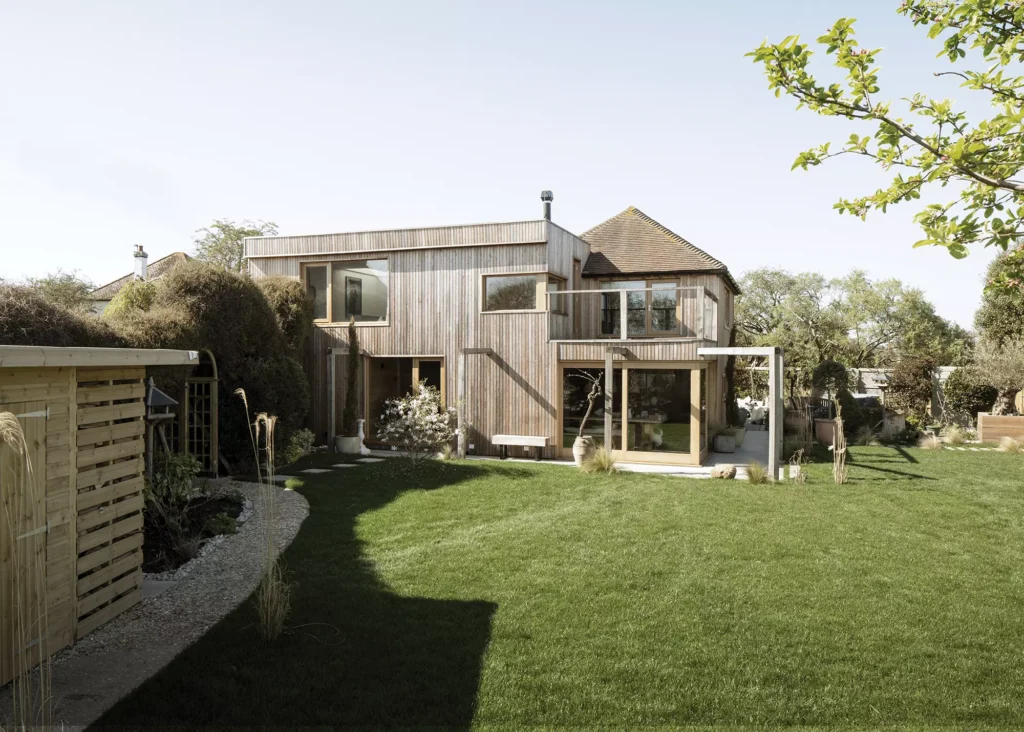
Photo: Richard Chivers
Paul Cashin Architects designed the scheme based on the owners’ requests, who wanted a calm series of spaces that would take on the materials of the surrounding coastline, like flint and timber.
12. Cottage transformed with a sensitive restoration
After several extensions over the centuries, the layout of Sisters Cottage had become quite dysfunctional. To make it work for modern living in layout and style, the staircase from the old part of the house was transported to the centre by way of a new front extension, designed by Rixon Architects.
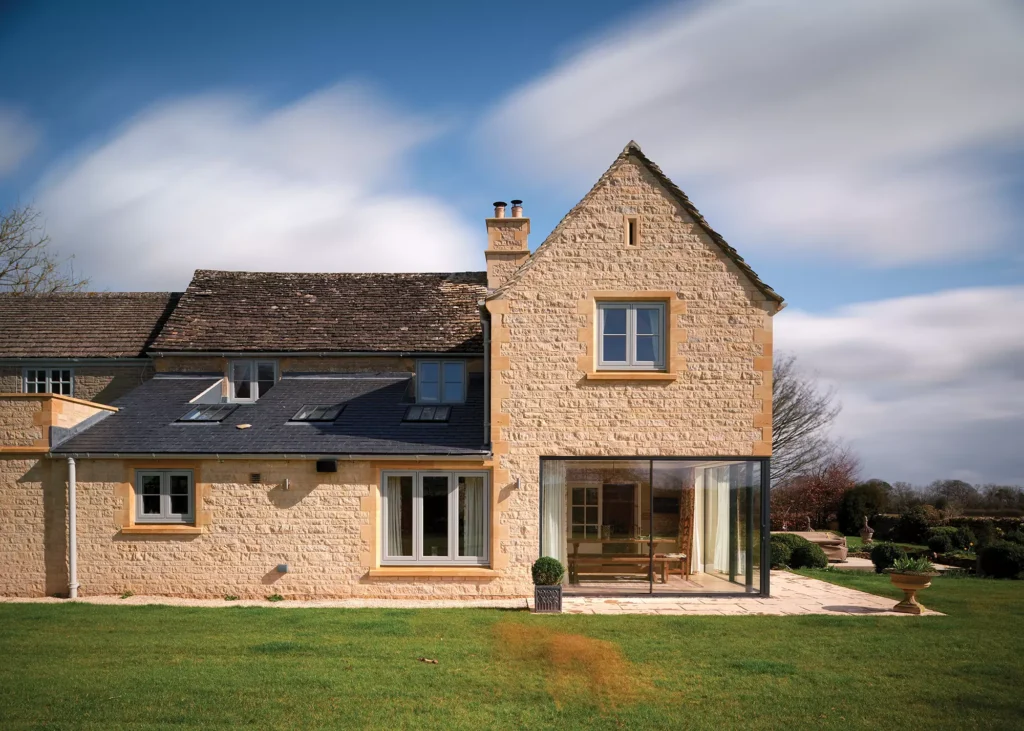
Photo: Adam Carter
A new central staircase serves as a grand design feature and makes the upstairs more accessible by removing the corridor of through rooms.
13. Bright, open-plan oak frame self build
A collaboration between architectural designer Pete Tonks and oak frame home specialist, Oakwrights, this fantastic manor house sits beautifully on the Essex/Cambridgeshire border.
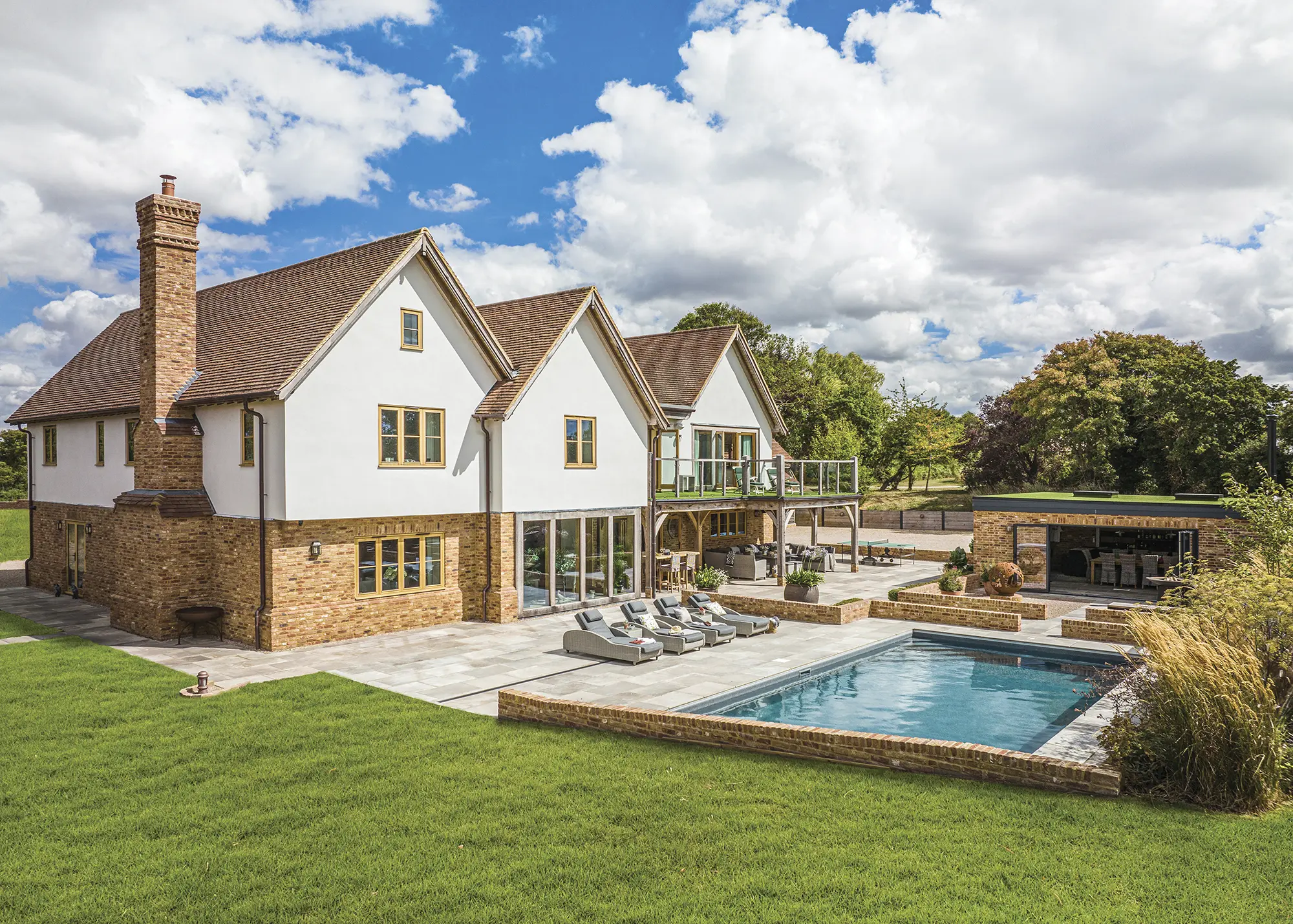
Photo: Mark Watts
The design features a brick and render exterior, with face glazing on the double-height entrance, ensuring a light-filled interior and wow-factor first impression.
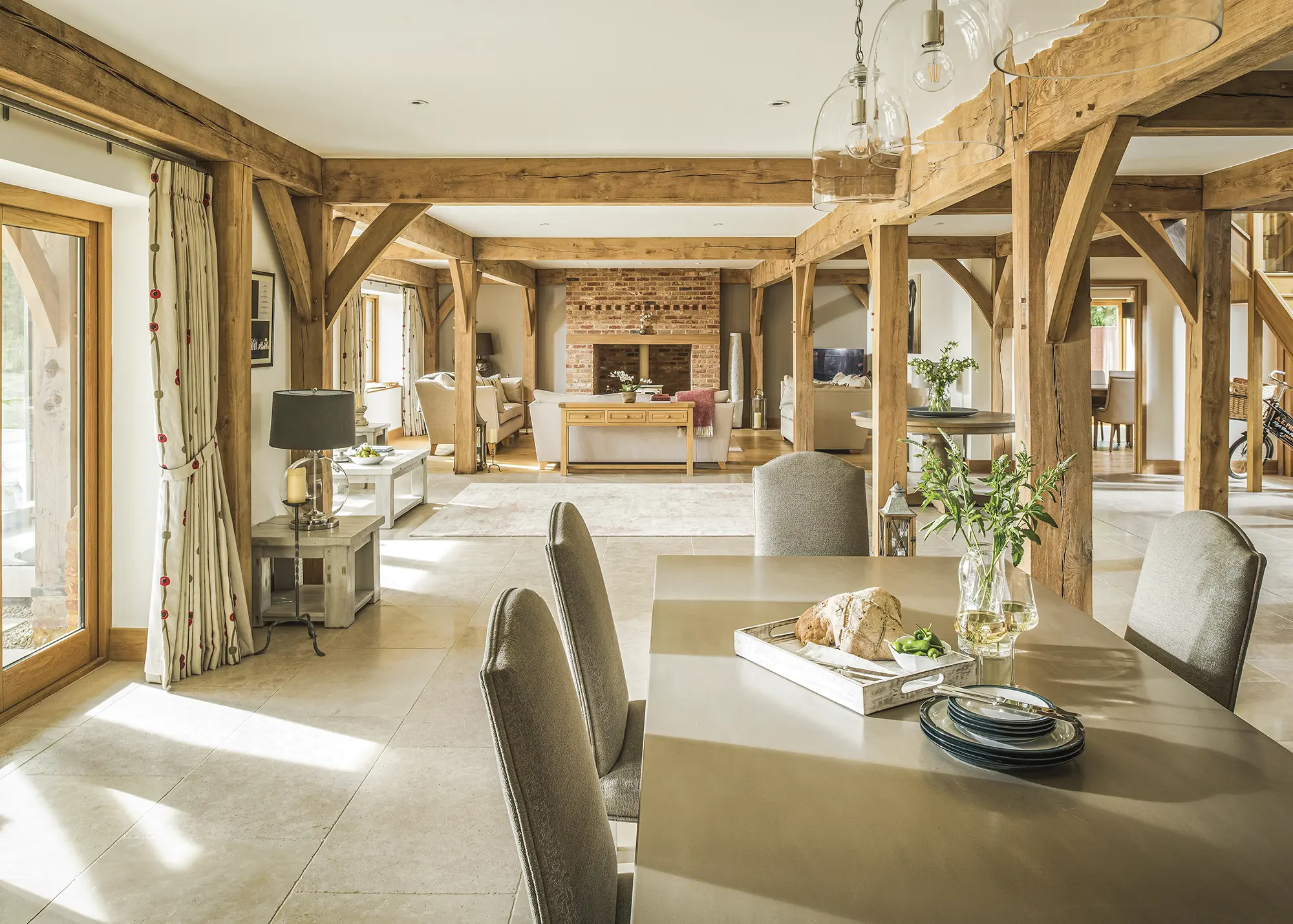
Photo: Mark Watts
The open-plan home oozes charm, with exposed oak details throughout and ample glazed details, which perfectly balance traditional and modern aesthetics.
14. Oak house with spectacular rual views
Based on a plot in rural Anglesey with countryside and sea views, this new build had to blend with the landscape. Welsh Oak Frame built the frame over three weeks, whilst a skilled stonemason worked for around a year installing local limestone cladding – an important material choice to fit in with the rough cast and stone houses in the area.
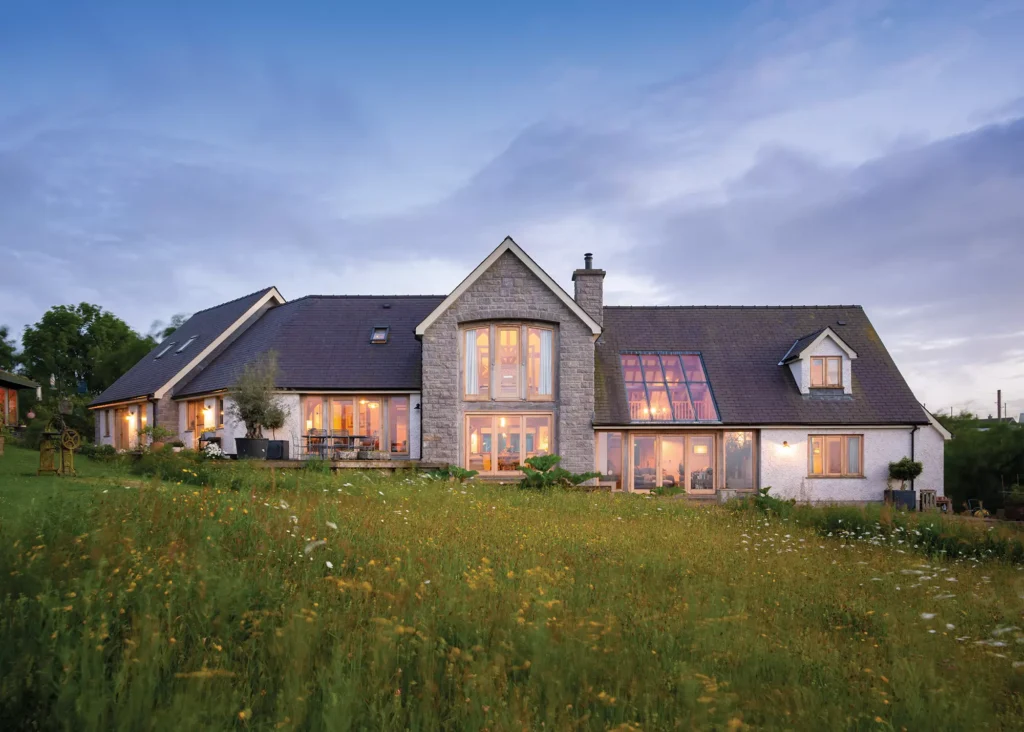
Photo: Nikhilesh Haval
Since the plot slopes steeply, the house was built over three levels with a small lean-to on the side to accommodate the ensuite to the downstairs bedroom, essential for futureproofing.
| Looking for a plot of land for your self build project? Take a look at PlotBrowser.com to find 1,000s of UK plots and properties, all with outline or full planning permission in place |
15. Contemporary cubic home with expansive views
Inspired by the buildings and topography of Dungeness on the south Kent coast, this four-bedroom countryside self build by AR design Studio is a collection of five modules clustered around a central courtyard, with a mixture of framed and linear views.
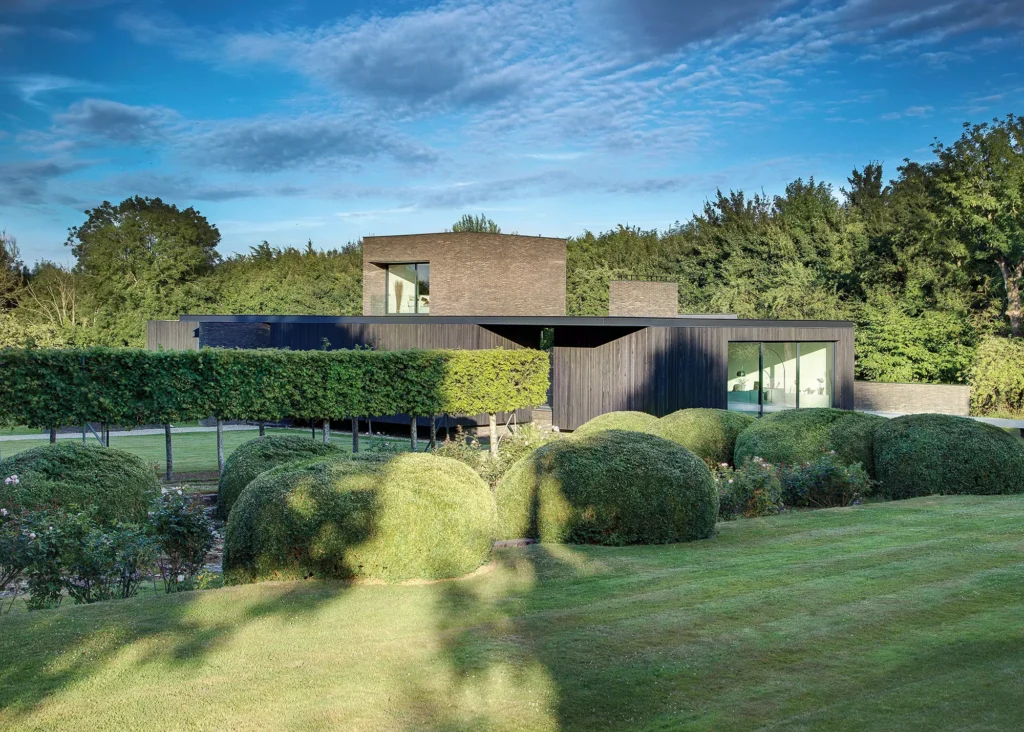
The Black House’s rectangular massing was divided into blocks by key site axes, with each block linked to a distinct aspect of the garden and a final connecting view provided from the roof of a brick tower. An area of extensive glazing allows light and fresh air to continually enter the house.
16. Arts & Crafts-style countryside self build
The brief for this build was to create a luxury home within ancient woodland, focusing views down to the garden via an angled main link of the house so that it looked straight towards Farmoor reservoir in the distance.
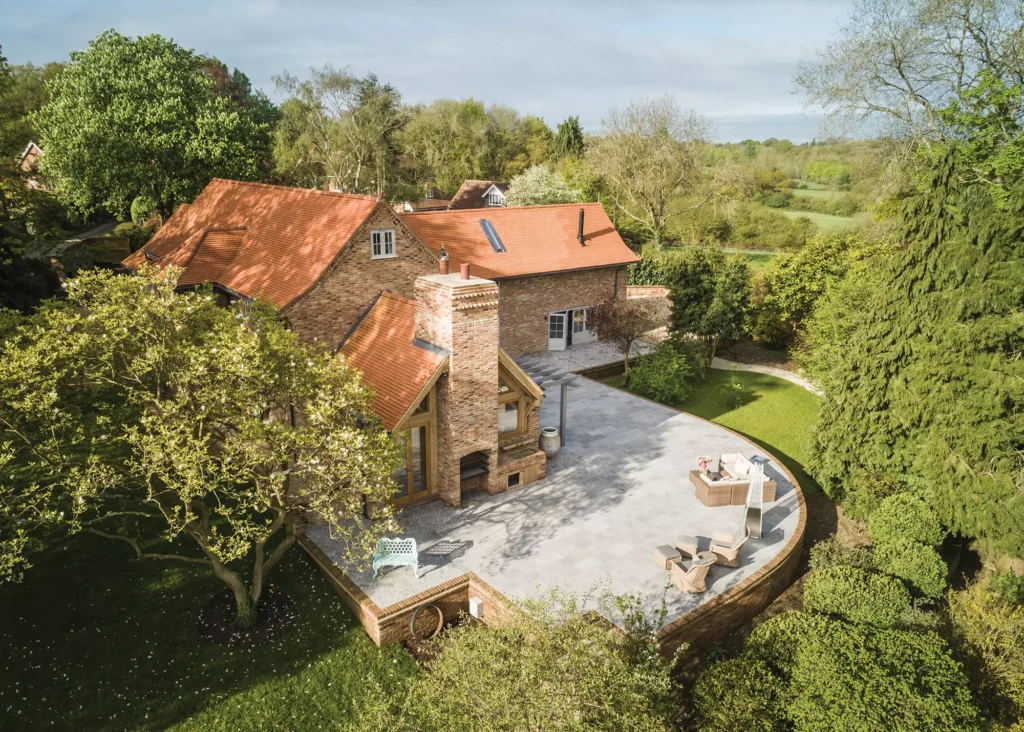
Photo: Martin Watts
Lapd Architects designed the home based on a T shape with a carefully detailed Arts & Crafts style. Decorative oak framing adds character and internal interest, with natural daylight maximised via ample glazing at the rear of the property, with generous floor to ceiling heights and elements of double volume spaces.
FAQs

Ian Armstrong is founder of Arco2, an architectural practice specialising in quality, unique, site-specific, and sustainable architecture in the South West.
How can you ensure the scheme maximises the surroundings?
A contemporary rural house should not just sit within the landscape but become part of it. Each building should be crafted to respond to its context, resulting in a home that could only belong to that specific location. By blurring the threshold between indoors and outdoors, extending living spaces into gardens or including terraces that open to the wider landscape, you ensure a property feels truly connected to its setting.
Is it easy to blend modern and rustic architectural styles?
Respecting the local character and charm of an area is central to merging modern and traditional design. It’s best to take local materials such as stone, slate or timber – and use them with modern detailing. You should embrace this palette while also introducing contemporary equivalents like zinc, aluminium or copper where appropriate. Green roofs are another way we soften contemporary architecture into the rural landscape, creating biodiversity benefits and visually anchoring buildings in their setting. The result is a building that feels both rooted in place and distinctly of its time.
Can a modern country home be energy efficient and sustainable?
Good design is site-led, with sustainability woven into the concept from the outset – not just as an afterthought. By considering orientation, form, materials and building performance early on, homes can be not only beautiful and contextually sensitive, but also highly efficient, comfortable and healthy to live in. This approach ensures that sustainability enhances, rather than compromises, the architecture.
How can the internal design be tailored to country living?
Designing for rural living means thinking carefully about how people want to relate to their surroundings. This often includes incorporating practical spaces – boot rooms, utility rooms, surf or dog rooms – but it also means celebrating connection with nature. Framing views of the sky, trees and wider landscape, and creating a seamless flow between indoors and outdoors, enriches daily life. Extending the home into the garden with terraces, sheltered courtyards, or outdoor kitchens allows modern country living to be as much about the outside as the inside. Living in a rural area is about engaging all the senses – light, sound, movement and smell – features which are central to the homeowner’s wellbeing, lifestyle and the spirit of a home.
Lucy Keech
Scarlett Deamer
You may be interested in
Our sponsors