Estimate your project costs instantly with Build It's interactive self-build cost calculator
Calculate NowGet an accurate, detailed cost breakdown of your project
Submit plans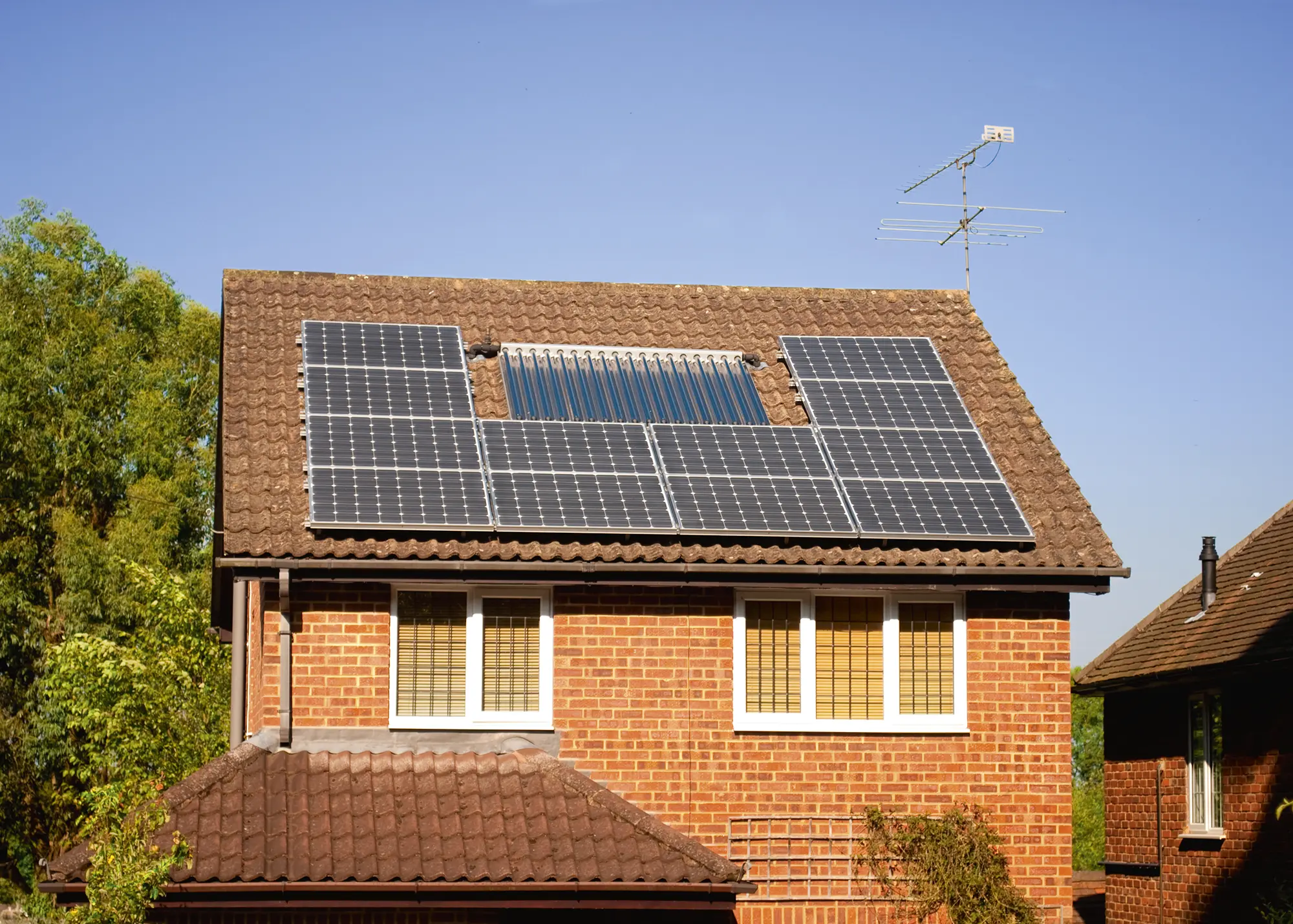

Renovating an existing home can throw up a wide range of complex choices – not the least of which is getting your heating system right. If you’re taking on a major project, chances are you’ll be keen to make a significant upgrade here to keep your energy usage in check and reduce running costs.
Together with your heating engineer, you’ll need to decide on the best source of warmth (boiler or renewable, such as an air source heat pump), the distribution system and the optimum size of the equipment. Your choices may, however, be slightly constrained by the characteristics of the existing building. And that’s before you get on to considerations such as the subsidies available for renewable heat. So how can you unravel all of this?
Rule number one is not to make any decisions on heating until you know to what extent the fabric of the building is to be upgraded and how that will impact on performance. For instance, a 1930s-1960s house with single-glazed windows and rendered, dense block cavity walls will behave completely differently when the windows have been upgraded and the walls and loft insulated. In this case, heat demand can fall by 75% or more – so you may need a lower input from a smaller boiler or even a completely different source.
As environmental concerns take centre stage, the range of eco-friendly products continues to grow. Glass wool and mineral wool have long been popular choices. Made from melted and spun fiberglass or stone, they offer excellent performance at a relatively low cost; around £9 per m², with an R-value of 0.57 per inch of thickness.
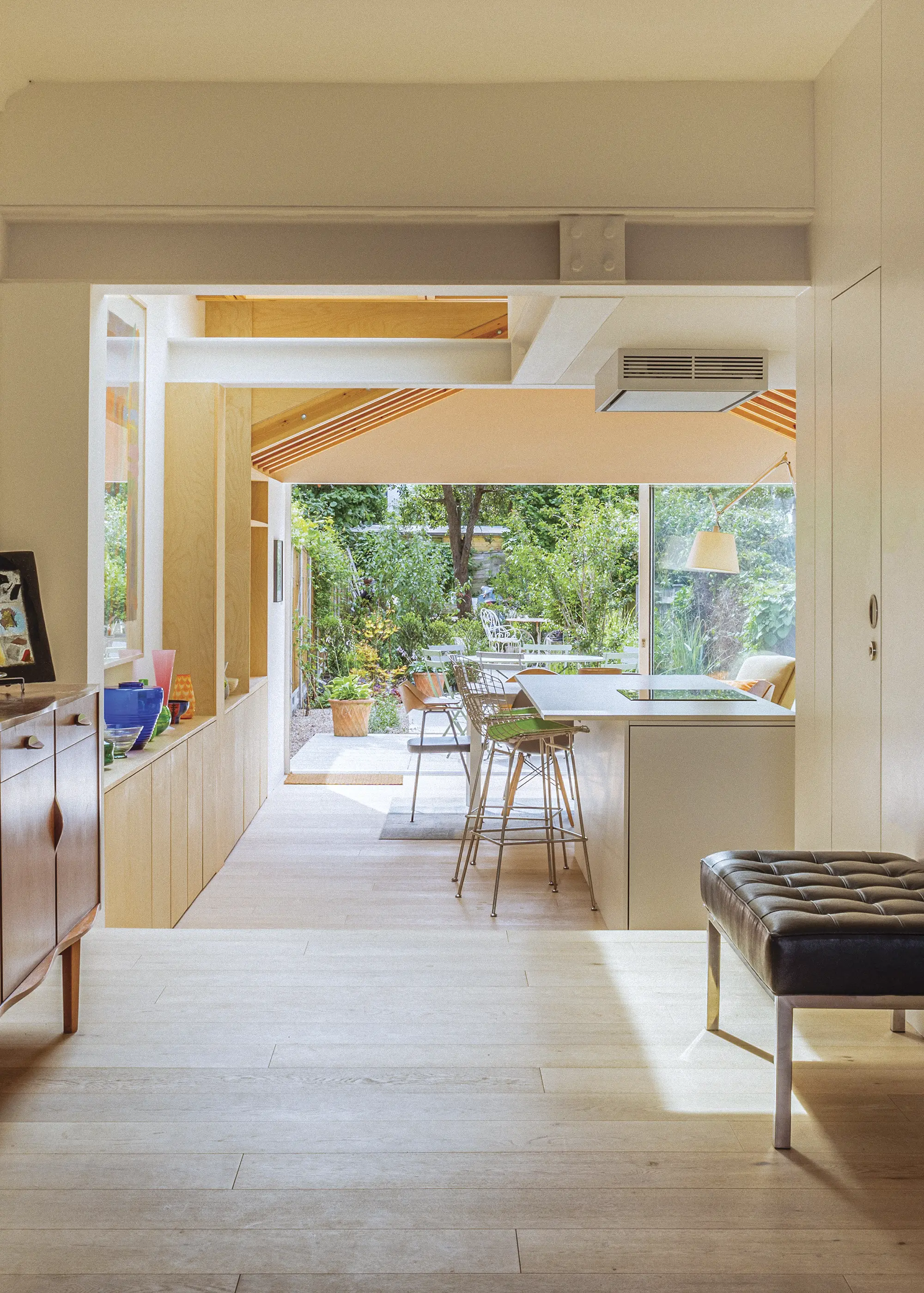
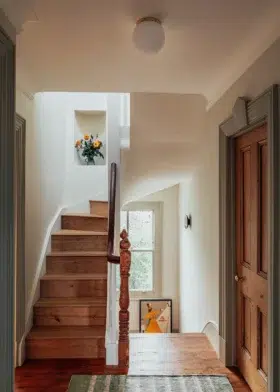
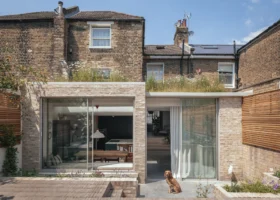
On the hunt for a fixer upper, Build It reader Ian Turkington transformed a Victorian property in East London with a contemporary extension and sustainable upgrades. The house has been upgraded with recycled jute and carbon-negative natural hemp insulation, sourced from Ecological Building Systems. Photo: Whittaker Parsons
In older buildings, over 30% of warmth is lost through air leakage. So even solid wall structures that can’t be insulated (whether for aesthetic or technical reasons) will see a sharp drop in heat demand when secondary glazing is added and uncontrolled air leakage is minimised. Bear in mind, though, that sufficient ventilation must be retained to preserve a healthy internal environment.
The central point remains, however, that you should adopt a fabric first approach to your renovation and look to make your home as energy efficient as possible. It’s at this point that you can decide how best to run your home cost-effectively and with minimal environmental impact.
One of the benefits of planning to upgrade the building’s insulation and airtightness levels is that it will give you access to more options in terms of boilers, renewables and emitters. But there are still limiting factors, and a key consideration is what fuel types you have access to at your property.
If you have mains gas available, my advice would be to stick with it. It’s the cheapest option to run and comparable to a heat pump in terms of overall carbon emissions. However, gas boilers are far cheaper to install than renewable systems and there is a much wider supply chain – so there’s plenty of competition in the market to keep prices down.
As mentioned previously, once you’ve upgraded the building fabric you may find that an existing boiler – even if it’s good quality – is oversized for the job. This means it won’t run at optimal efficiency any more as it will be short cycling (turning on and off quickly) to meet a reduced demand. So this could be the moment to look for a smaller appliance.
Gas boilers are coming close to the limit of their efficiency, so if you are replacing an appliance that was installed less than 10 years ago, the gains from replacing it like-for-like will be minimal. But installing a smaller boiler, if it suits your project, could deliver significant savings.
Many existing homes are heated with a gas boiler. If your appliance is relatively new – under 10 years old and well-serviced – it could continue to meet your needs for the timebeing, especially if you’re cutting demand through insulation and draughtproofing. But if the appliance is old, inefficient or you’re adding more space to the property, it may be time to upgrade.
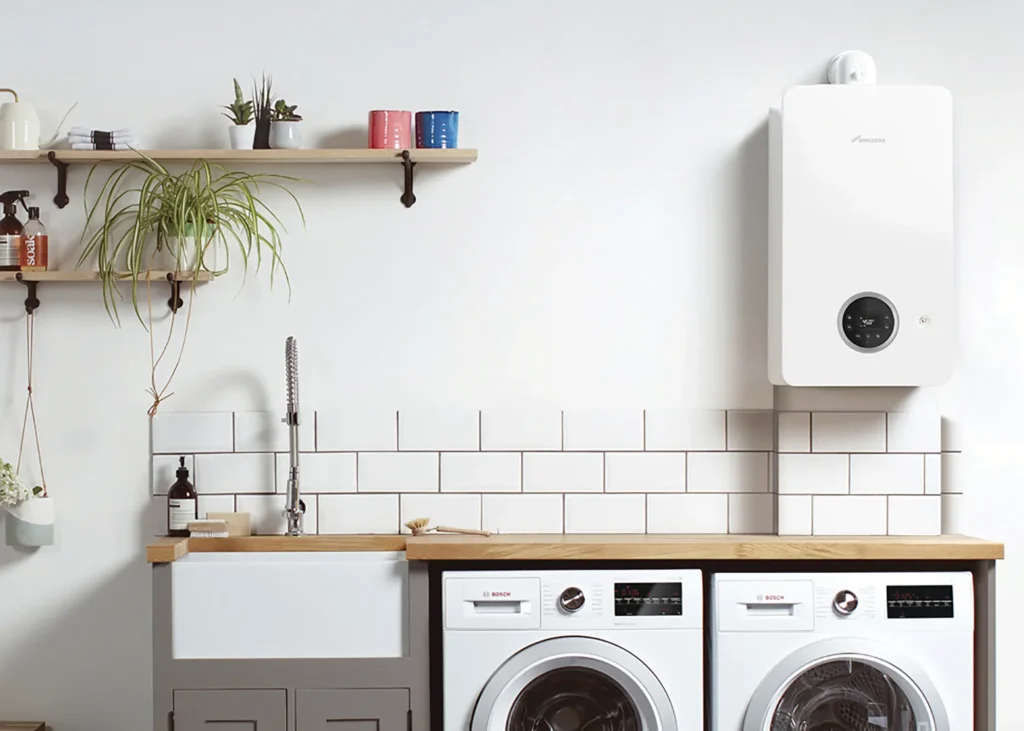
Worcester Bosch’s Greenstar 4000 is Quiet Mark certified as a low-noise appliance. Like all of their boilers, this model is able to run on a 20% hydrogen blend
That could mean a straightforward new boiler, which is typically simple and cost-effective to install (around £2,500, slightly more if it’s to be relocated). However, retrofit also opens the door to low-carbon alternatives, with heat pumps the most obvious option. These systems extract heat from the air or ground and concentrate it, operating at around 250%-350% efficiency, so they generate more heat energy than they consume.
If you want to achieve lower carbon emissions, you might consider switching to a biomass system. Essentially, this involves using a specialist boiler that burns wood in the form of logs, chips or pellets to provide heating and hot water.
This is a near-carbon neutral option, as the emissions a biomass boiler produces are recaptured as trees grow. This is only the case, however, if replanting takes place wherever the wood is harvested. Logs are the cheapest option and pellets the most expensive. In terms of running costs per kWh of heat, wood chip is roughly equivalent to mains gas. Bear in mind, however, that the capital costs of installing a biomass system are much higher than for a gas boiler.
You will need to allow space for dry storage of whatever fuel you choose. With logs, this could be a considerable size, especially if you need to allow timber to season. This may be an issue for if you have a modest property and no option to add a store in the garden. Even with chips and pellets, you’ll need a designated area to keep bags of the material.
Both wood chip and pellet appliances can be automatically fed, so they can be programmed in much the same way as a conventional boiler. This form of heating will also respond very quickly, so it can work well alongside existing radiators.
“Topping up loft insulation, draughtproofing and similar cost-effective measures might be sufficient to make some existing buildings heat pump ready,” says Build It’s sustainability expert, Nigel Griffiths. “In other words, it would cost no more to reach the desired comfort levels with a heat pump than it would have done with a boiler, pre-retrofit.”
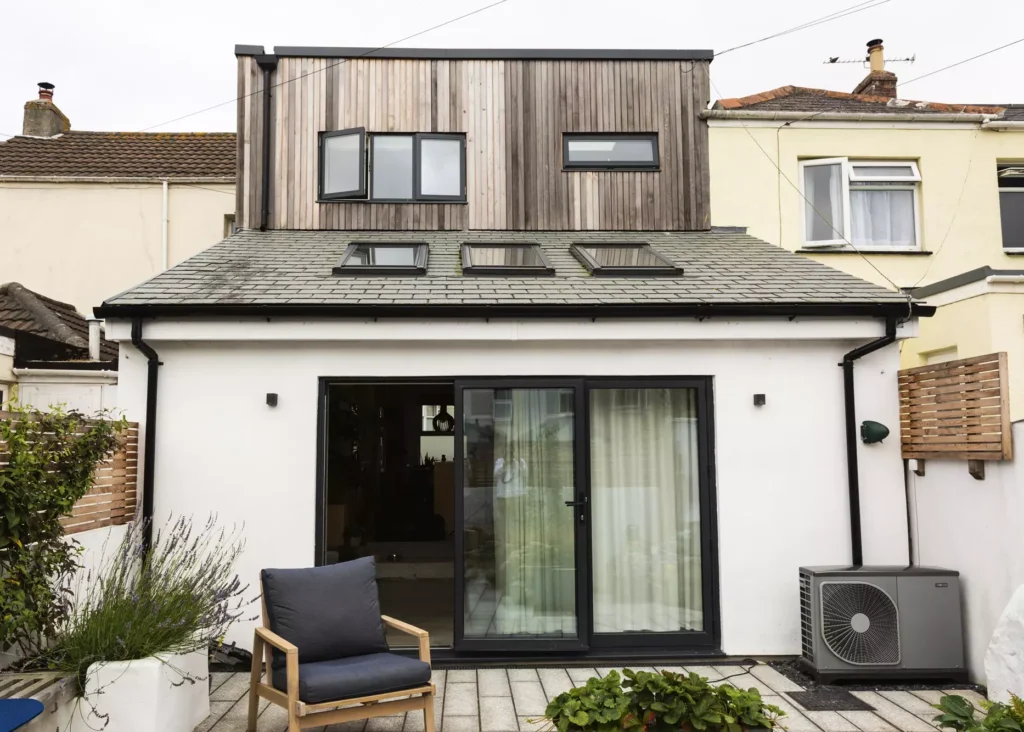
NIBE’s F2040-6 air source heat pump was selected as part of a low-carbon overhaul of this Victorian terraced house, which was also upgraded with insulation and other energy efficiency measures. The setup powers underfloor heating downstairs and radiators upstairs. “The house is always at a stable temperature, and my bills are lower than with the gas heating that existed before,” says owner Richard Lowes
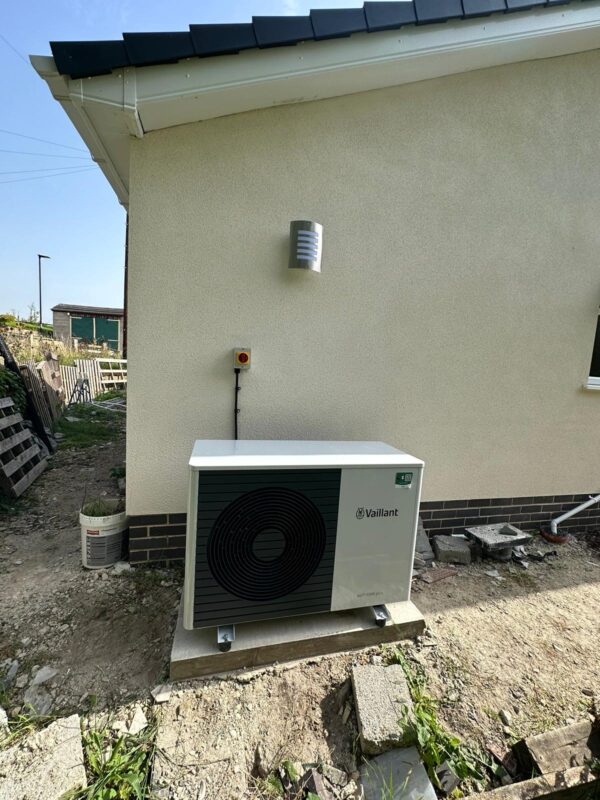
With efficiency upgrades in place, it’s much easier to keep a house at a constant internal temperature – which is better for efficiency, running costs and comfort factors such as humidity levels. It also means an air source heat pump (ASHP) can be close to a straight boiler swap – and it usually won’t require planning permission.

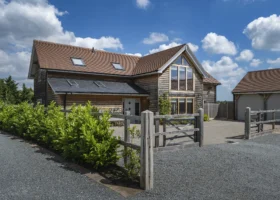
Geraint and Mererid Roberts installed a 13kW Kensa Evo GSHP as part of their project to convert a 300-year-old barn, which was stripped back and insulated to modern standards.
Plus, thanks to the Boiler Upgrade Scheme (BUS), which provides a £7,500 grant, costs may be broadly comparable. Homes running off oil heating can access an enhanced grant of £9,000 to help them make the switch to low-carbon heating. Running expenses can be slightly higher than gas, but carbon savings are significant given the decarbonisation of the UK electricity grid. Ground source heat pumps (GSHPs) are even more efficient, but installation is more disruptive and costly due to the underground pipework – plus you’ll need planning.
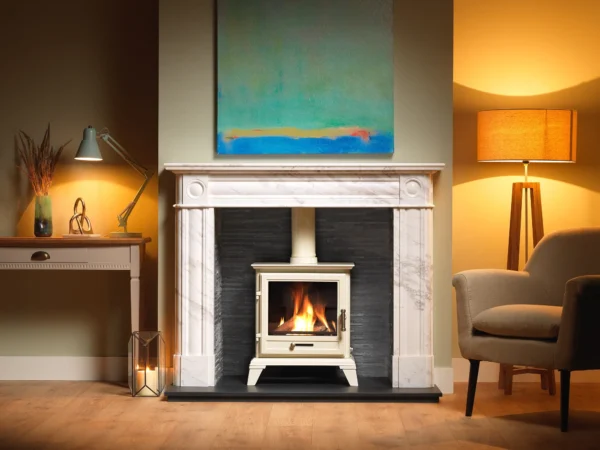
Modern houses can be designed with such a low heat demand that one stove can heat the whole property. That’s difficult to achieve in a renovation – but it is possible to get close enough that one stove can heat the majority of the house.
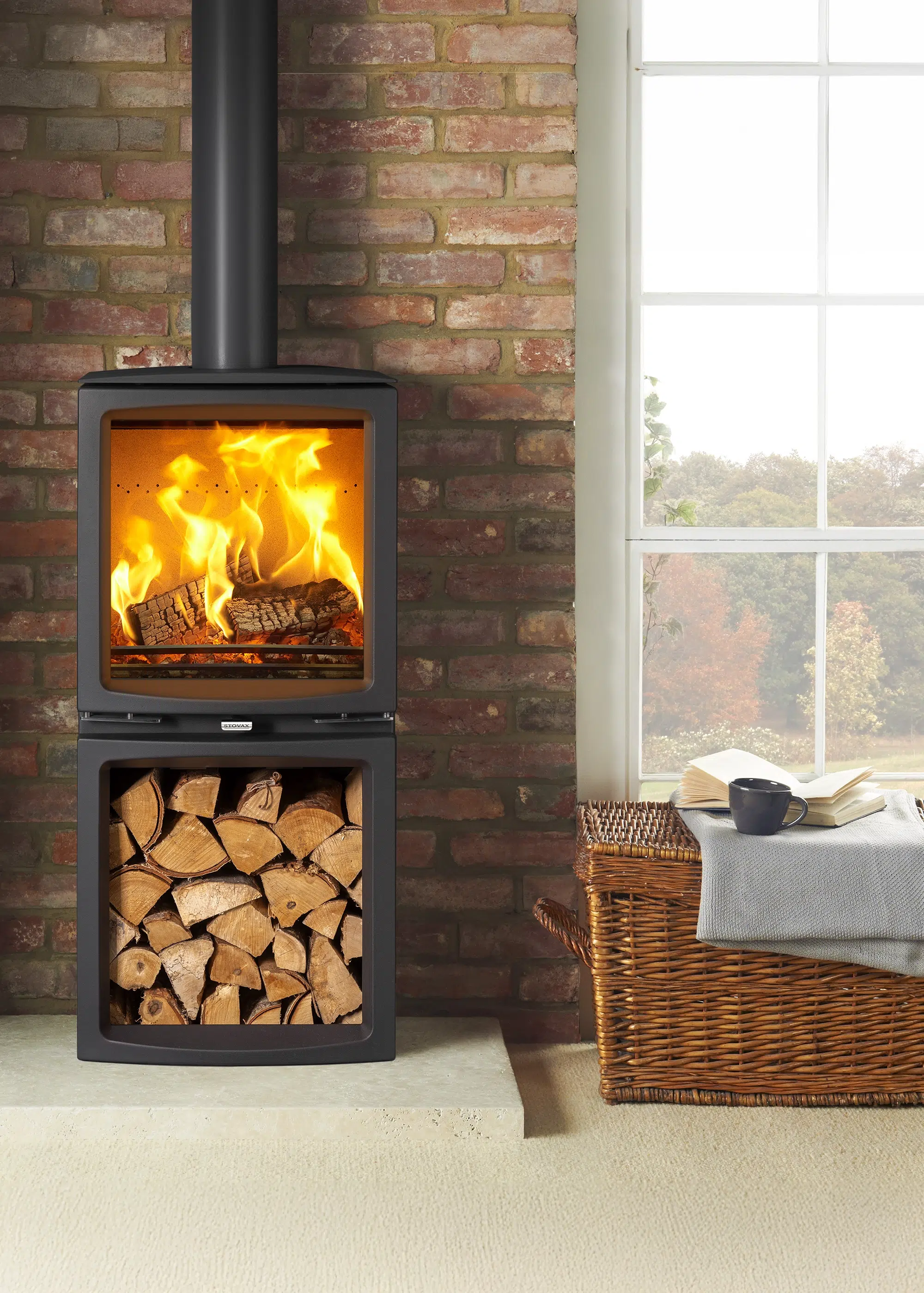
Combining contemporary design with practical functionality, the multifuel Vogue Medium V with Highline base from Stovax features an integrated log storage area for added convenience. Delivering a powerful heat output of up to 8.2kW, this Ecodesign-ready, DEFRA exempt freestanding stove offers exceptional flame visuals that create a captivating focal point in any living space
An enclosed fire also provides a lovely focal point and the appeal of radiant heat (rather than just air heating). If you are in a smokeless zone then you will need to use a woodburner specifically designed for these areas.
Most existing central heating systems were designed for high flow temperatures from a boiler, with a 20°C difference across radiators. Heat pumps, by contrast, operate at lower flow temps and only tolerate a 5°C difference, so the system must be sized accordingly.
“Good flow is vitally important for a heat pump to work effectively, so an existing radiator system will need to be properly flushed,” says Dave Hilton, Build It Live eco heating expert. “Some emitters may need to be changed due to age or corrosion, or simply because they are too small to warm rooms efficiently at a lower temperature.” Ask your installer whether moving radiators to different rooms could save costs, and check whether single-pipe layouts need upgrading.
If you’re tackling a back-to-bare-brick retrofit, then radiator and pipework upgrades should be relatively cost-effective, as the infrastructure will be exposed.
You might also consider retrofitting underfloor heating (UFH) in certain rooms: its large surface area enables it to run at consistently low flow temperatures, ideal for heat pumps. This can also reduce wear on a boiler. Many UFH systems are designed for retrofit, with minimal build-up in both solid and suspended timber floors.
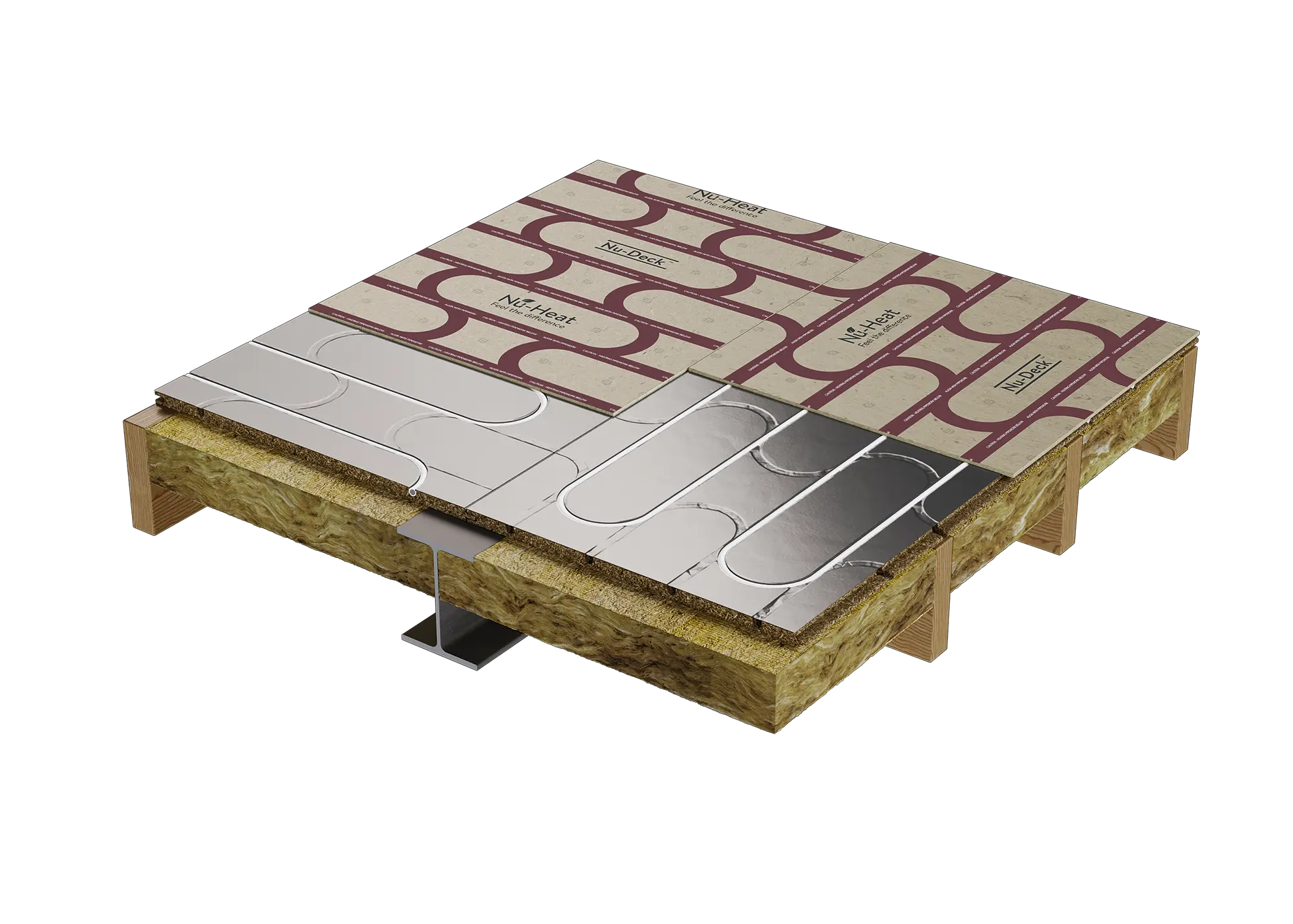
Nu-Deck from Nu-Heat combines a floor deck and underfloor heating system in one – offering a low build-up alternative to between-joist system. This system won the 2024 Build It Award for Best Underfloor Heating Innovation
Some suppliers, such as Nu-Heat, offer full heat pump and UFH packages, while companies like Good Energy provide bespoke heat pump design alongside renewable energy tariffs. This ensures the heating system works in synergy with the home’s overall efficiency.
Don’t rule out radiators entirely: with improved thermal performance, the existing panels may suffice. If they do need replacing, low-temperature radiators can provide an affordable solution, provided the pipework is up to scratch.
For deep retrofitters looking to combine home heating, cooling, ventilation and air filtration in a single system, HVAC solutions offer a compelling option. Centralised whole-house HVAC can work alongside other low-carbon technologies to deliver a fully managed, consistent and healthy internal climate.
“The Unico System brings that comfort factor to a property, maintaining an even temperature at a very low noise level – below 30 decibels if designed and installed correctly,” says Richard Soper, UK CEO for The Unico System. “In a renovation, the main air handling unit is usually located in the loft space or, if you’re adding one, in a ground floor plant room.”
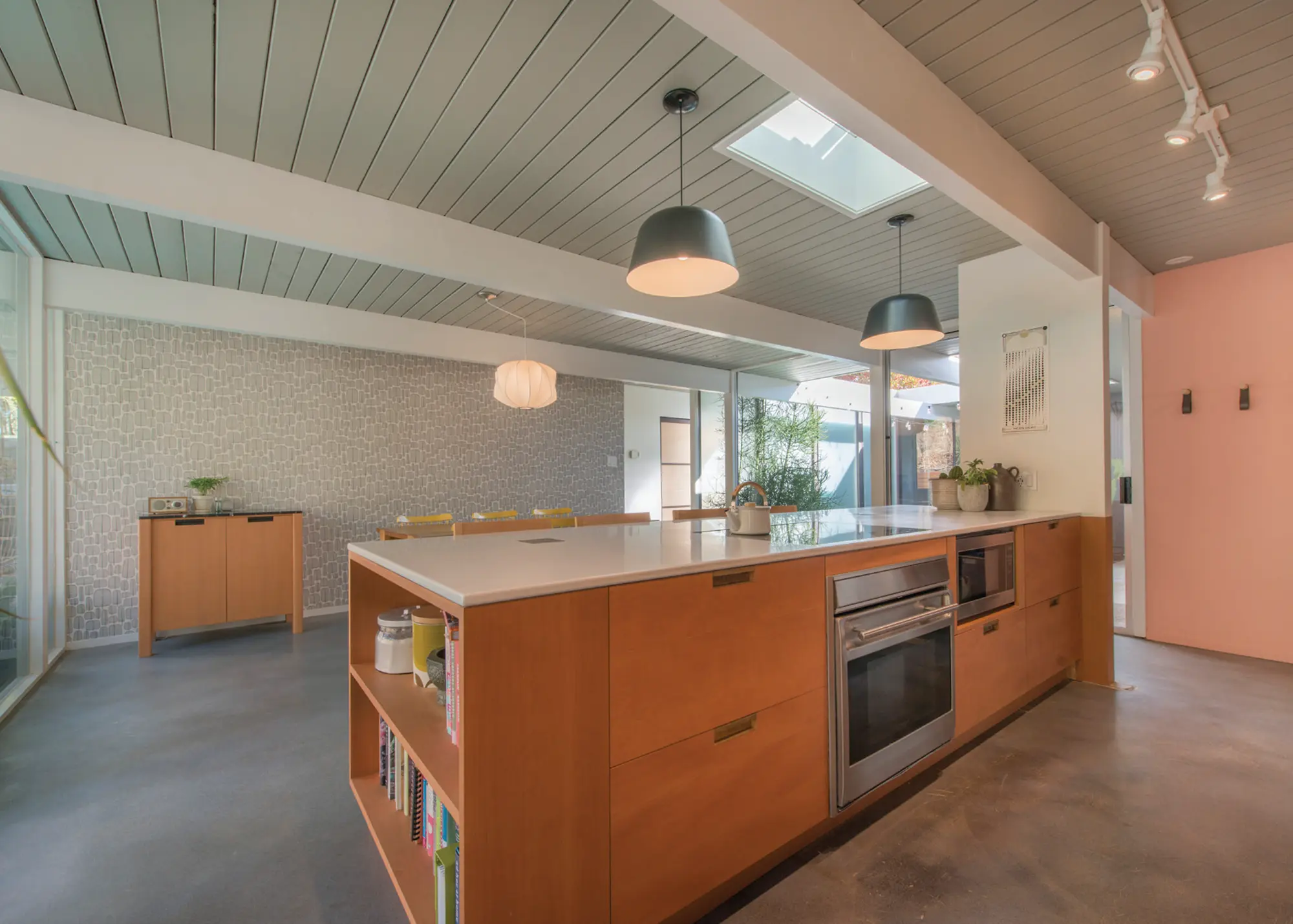
Even in minimalist interiors, it’s tough to identify the sleek, discreet Unico HVAC outlets that deliver precise control over a zone’s cooling, heating and air quality
Properly designed HVAC allows flexibility in the ducting design, making it suitable for retrofits. The key thing is to get your supplier involved from the early planning phase to ensure optimum results, maximising the benefits while minimising costs. “Always go back to fabric first principles,” advises Richard. “When you heat up or cool down your home, you don’t want to have to turn it off and do it all again 10 hours later. You want to keep the fabric at a constant temperature for better comfort, efficiency and running costs.”
A typical 3.5kWp solar PV system costs around £6,100, according to the Energy Saving Trust. If you’ve got room in your budget and a suitable unshaded roof pitch (or space to mount the panels elsewhere), the answer could well be yes.
At current electricity prices, the Energy Saving Trust suggests bill savings of anything from £340 to £650 per annum from an average solar PV install (depending on occupancy and usage patterns). That could equate to pay back in as little as 11 years.
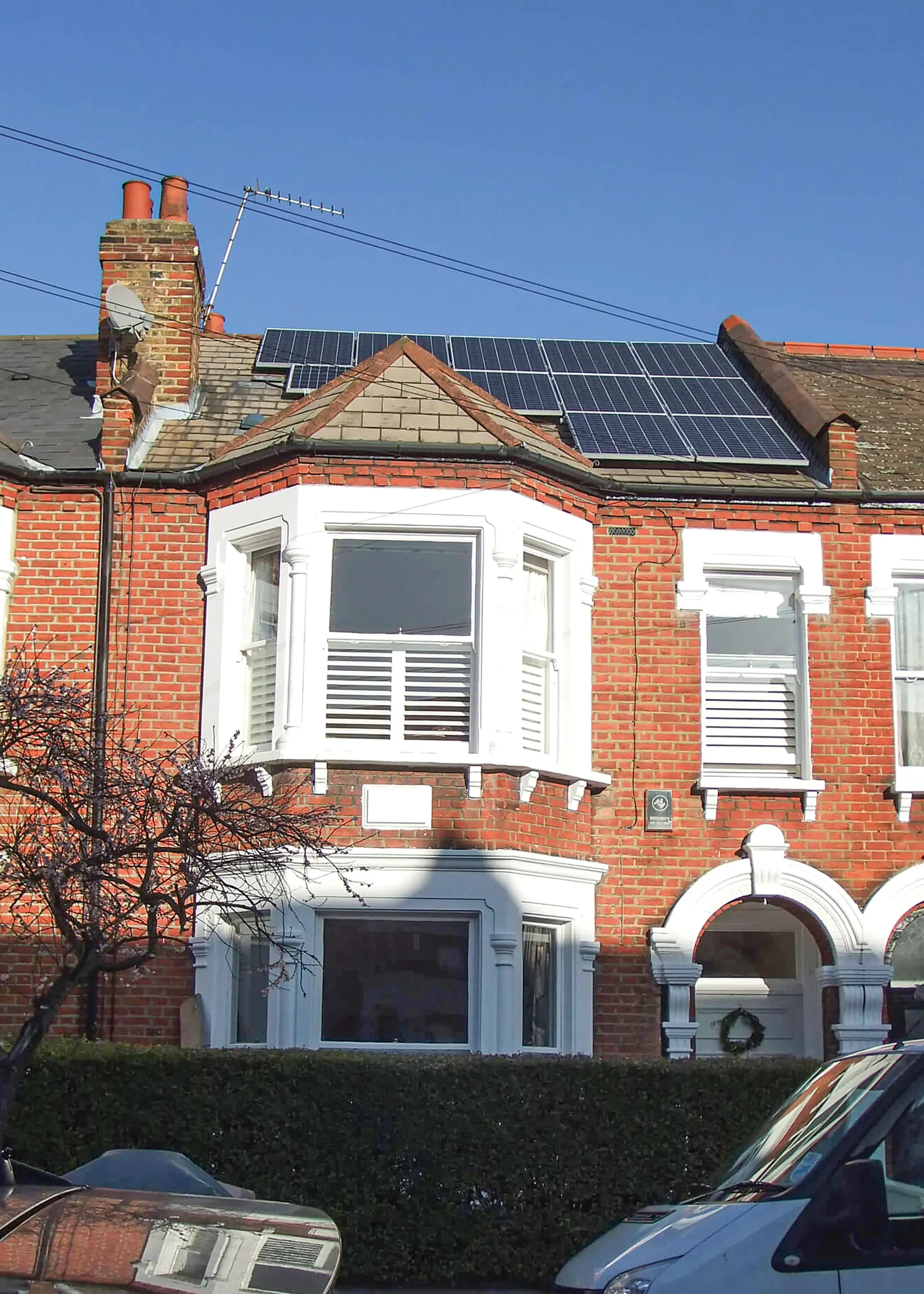
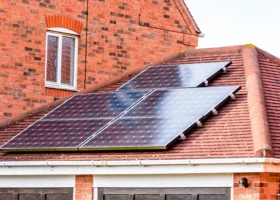
Though PV arrays are typically placed on rear aspects to avoid disrupting facades, where this is not possible they can be fitted at the front elevation, as with this install by Treadlighter
Adding battery storage might cost around the same as the panels themselves, but it can still be worthwhile for families who aren’t in to use their site-generated power during the day. Alternatively, any unused electricity can be sold back to the grid via your energy provider’s Smart Export Guarantee. Note that some tariffs are better than others – the most generous rates are typically only available if you’ve used your energy supplier’s own solar install service.
The same system used to provide space heating is normally used as the main source of heat for domestic hot water – ie what we consume for bathing, washing and cleaning.
It’s important to think about this aspect of your scheme at the early stages, because some appliances are better than others at providing hot water. Domestic supplies have to be heated to a much higher temperature than for, say, UFH – and fossil fuel boilers are much more efficient at achieving this than heat pumps, for example.
The key renewable alternative is to fit solar thermal panels. Solar thermal panels capture energy from daylight and repurpose it to generate free hot water. To work effectively, they should be installed with a southerly aspect (anywhere south of east to west should make a useful contribution; but north-facing is off the cards). The panels are typically installed on pitched roofs but can also be fitted to flat roofs or ground mounted. In many cases, they can be installed under permitted development (without the need for full planning permission).
The size of your solar thermal system comes down to your household’s hot water demand and usage pattern, but the starting point is about 1m² of collector per person living in the building. Most panels are 2m² to 3m², so a small household might make do with one, while a home with four or more people would generally need two panels, and so on.
In many cases, renovators can improve the efficiency of their heating systems by upgrading the controls with smart home features. This includes local regulators such as thermostatic radiator valves (TRVs) as well as system-wide thermostats and timers.

Loxone’s smart home system comes with a handy app to help manage your energy consumption. By monitoring your usage, you can tweak the settings and functionality to better suit your lifestyle, prevent wastage and save money
Modern options can be remotely operated, so you can switch the heating on or off from a phone or computer if you need to change the preset times. Some setups can even learn your usage patterns or respond to external temperatures in order to achieve the optimum level of performance, thus saving energy and money.





















































 Login/register to save Article for later