
- Plan ItBack
- Design ItBack
- Build ItBack
- Homes
- ProductsBack
- CostsBack
- Self Build Cost Calculator
Estimate your project costs instantly with Build It's interactive self-build cost calculator
Calculate Now - Costs & Finance
- Contracts & Warranties
- Build It Estimating Service
Get an accurate, detailed cost breakdown of your project
Submit plans
- EventsBack










 Login/register to save Article for later
Cedar Shingle-Clad Passivhaus in East Sussex that Prioritises Feng Shui

Armed with a decent chunk of equity and savings – thanks in part to the construction of a tower block next to her Brighton flat, which had triggered a right to light payout – Carolyn Copperwheat felt the urge to take on a self build project. Beyond moving out of the city to somewhere with a bit of land, she didn’t have a strong sense of what she wanted. Creating her dream home, then, turned out to be a bit of a slow burn; but it gave Carolyn the time she needed to develop her ideas. “I was on the internet every day for two years looking for land,” she says.
When a small timber frame bungalow came up, her interest was piqued. “I was the first to view it and first to put in an offer,” says Carolyn, who was in a strong position as a cash buyer. “Nobody could get a mortgage on it, but I was lucky that I’d already sold my flat.” A deal was struck, and Carolyn bought the property – which came with an old mobile home. She did up the bungalow and rented it out while she spent some time living elsewhere.
Little did she know that, on returning a few years later with a plan to self build on the plot, that old mobile home would hold the key to unlocking planning permission on this greenfield site. Nor that this project would translate into a stunning Passivhaus eco home, which Carolyn now rents out to give others the chance to experience living in an energy efficient building. Click here to find out more about staying in the home.
Planning twists & turns
Encouraged by a favourable pre-app conversation between her planning consultant and the Wealden District Council planning department, Carolyn ploughed ahead with designing a new home to nestle into the gorgeous plot. “They had a very flexible approach: as long as the location was sustainable, they were open to a new build,” says Carolyn. There was nothing on site worth converting – “just some corrugated iron sheds,” she says – so Wealden’s supportive stance for self build was music to her ears.
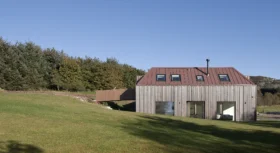
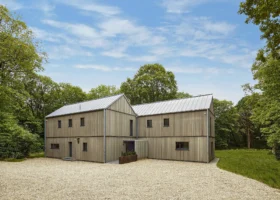
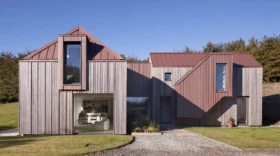
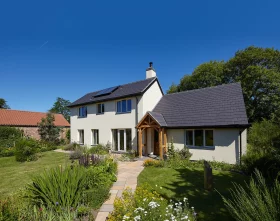
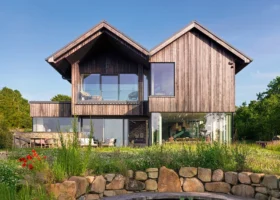
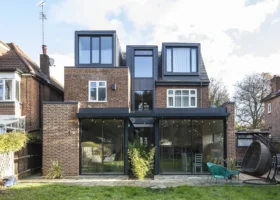
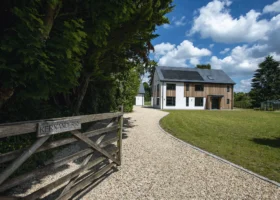
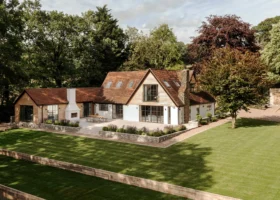
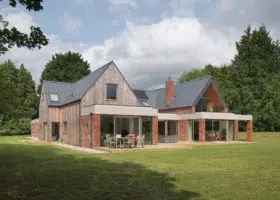
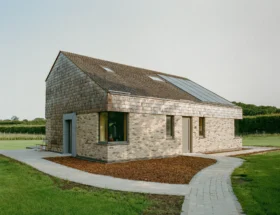
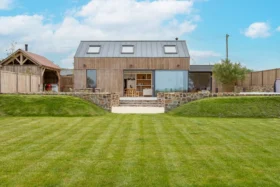
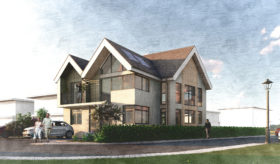
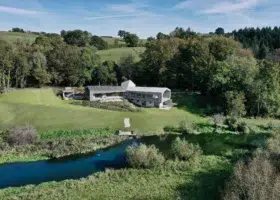
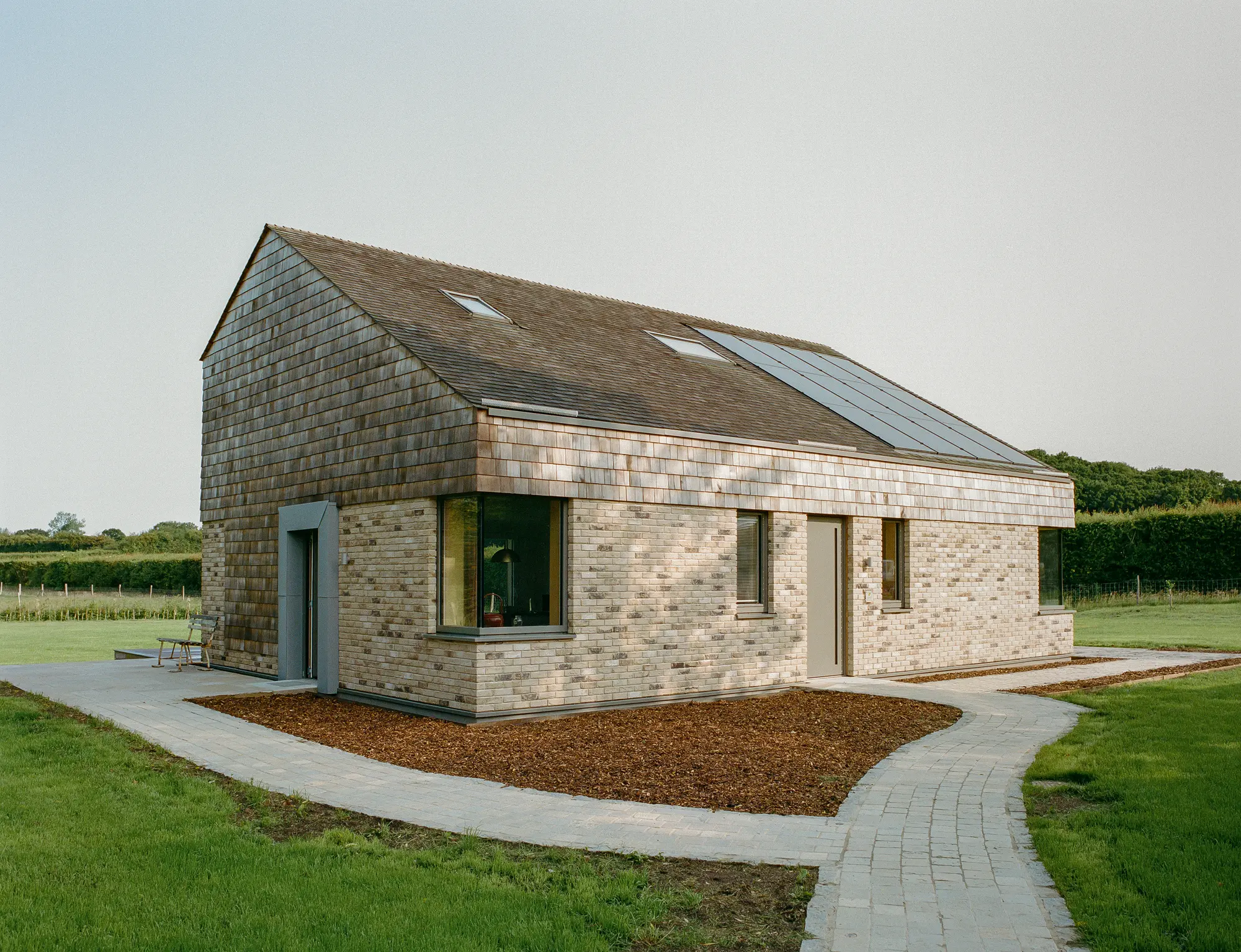
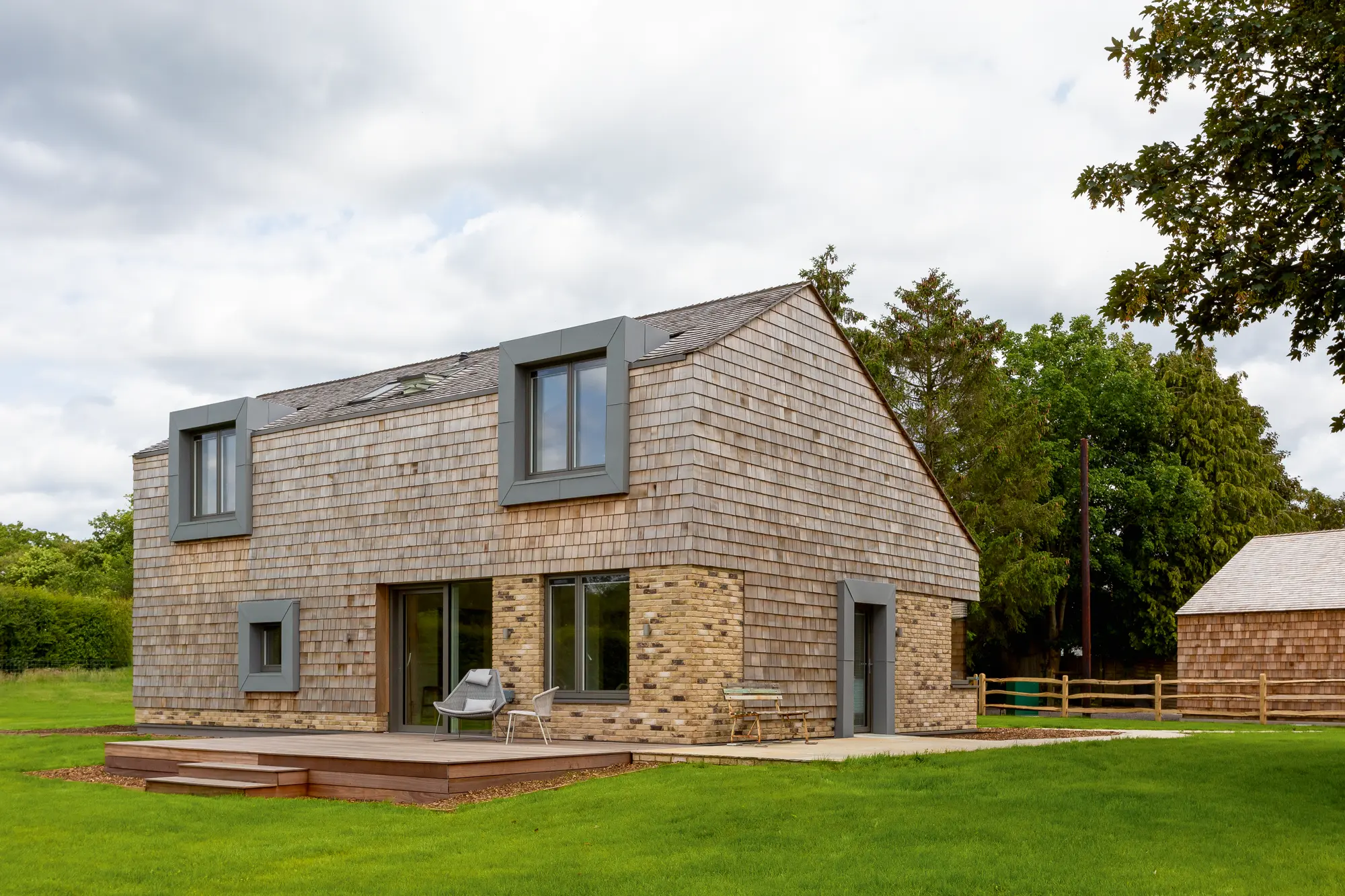
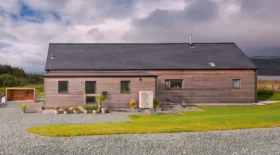
The house features a box-like footprint in order to help achieve the Passivhaus standard, yet it’s packed with architectural character thanks to the mix of claddings, metal-clad box dormers and clever roof design
True to their word, the planners liked the first design by the initial project architect and suggested at pre-app that it would be approved. “They liked it, but I had second thoughts,” says Carolyn. After consulting a feng shui practitioner, the design was rethought. “She said to avoid pointed ceilings and L-shaped designs, which can block energy. As it turns out, a box-shaped building is better for Passivhaus anyway. Feng shui is also designed around your date of birth, which influenced the angling of the property.”
They went back into pre-app and the planners liked the idea of this new design, too. However, while work was underway developing the plans, Carolyn began to hear noises that Wealden was losing its flexible approach to planning. “Lo and behold, when we submitted our application, a letter came back saying sorry, you can now no longer build,” she says. “It was a huge low point.”
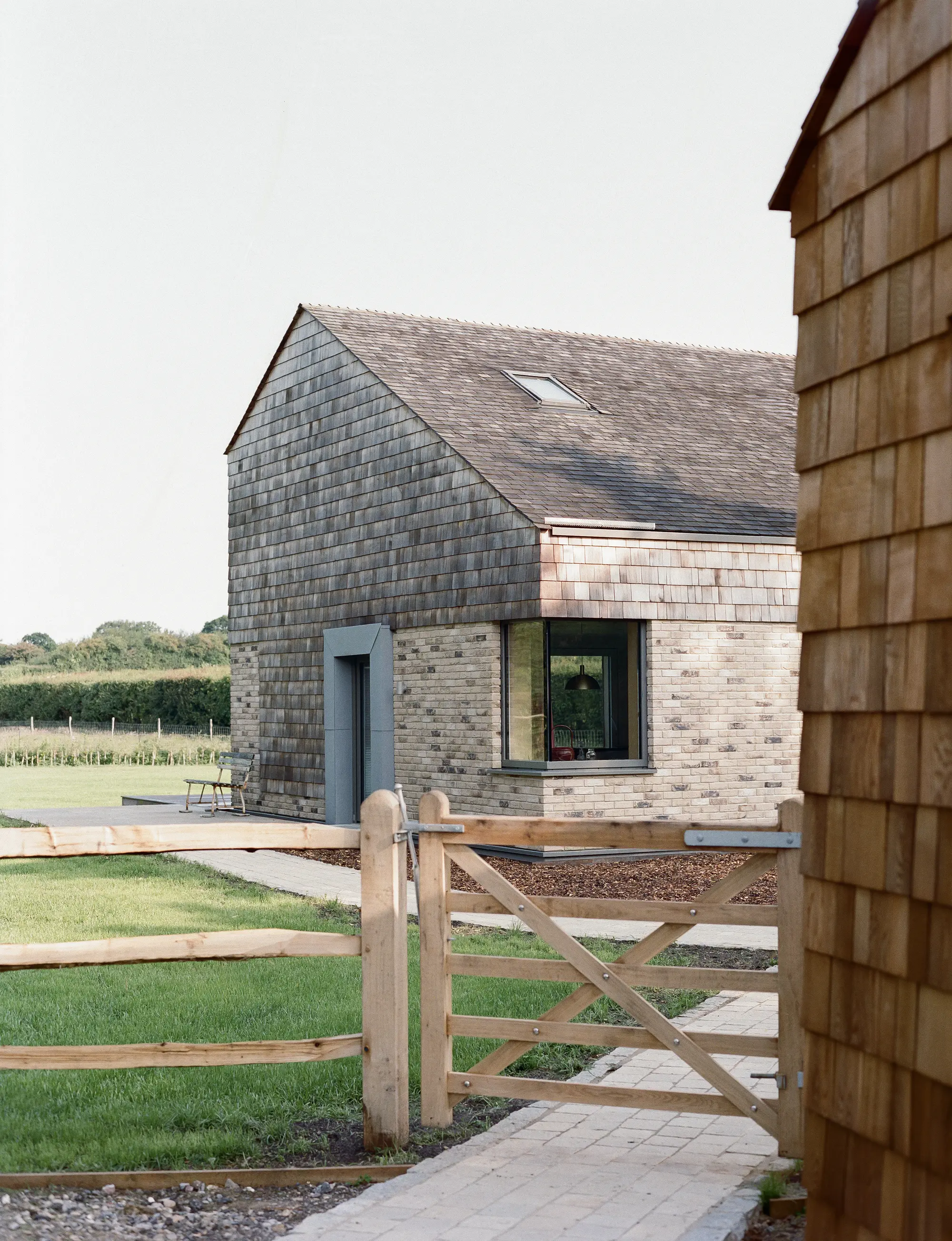
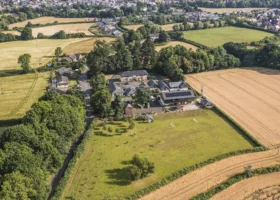
The house’s exterior design helps it blend seamlessly into the surroundings
Still, she refused to give up. Her planning consultant suggested falling back on the rules around mobile homes – which can be replaced with a permanent house after they’ve been lived in for 10 years. “I had been paying council tax on it for a couple of years and was renting it out, but I was never going to live in it for a decade,” says Carolyn. Fortunately, her consultant had another trick up their sleeve: the mobile home had a lean-to structure attached, hosting a kitchen, suggesting it could be classed as a more permanent dwelling.
This opened the door to the shorter four-year rule, under which developments without planning became lawful after four years of continuous use [as of April 2024, the time frame is now 10 years]. Sure enough, two years later, Carolyn had a lawful development certificate on the caravan, giving it residential status. “We were then able to submit plans for a replacement dwelling, increasing the size by around 30% on top of the mobile home and other structures on site,” she says. The scheme was approved with no problems; the culmination of a six-year journey from purchase to permission.
- NAMECarolyn Copperwheat
- OCCUPATIONAirbnb host/nutritionist
- LOCATIONEast Sussex
- TYPE OF PROJECTSelf build
- CONSTRUCTION METHODTimber frame
- PROJECT ROUTECommissioned an architect, homeowner project managed with pro support
- PLOT SIZE0.3 acres
- LAND COSTAlready owned
- HOUSE SIZE149m²
- PROJECT COST£648,000
- PROJECT COST PER m²£4,349
- BUILDING WORK COMMENCEDJuly 2023
- BUILDING WORK TOOK42 weeks
Getting stuck in
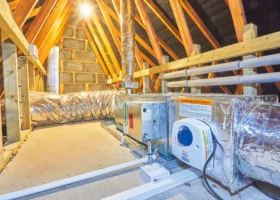
Having finally got the green light, doubts crept in. “I thought, do I really want to go through with this – it’s a right pain to build, isn’t it?” says Carolyn. It was then she discovered the Passivhaus standard, which takes a fabric-first approach to delivering high-quality, efficient homes – majoring on insulation, airtightness and minimal energy use. “The more I read about it, the more I knew that this was what I wanted to do,” says Carolyn, whose research included visiting a couple of Passivhaus certified projects.
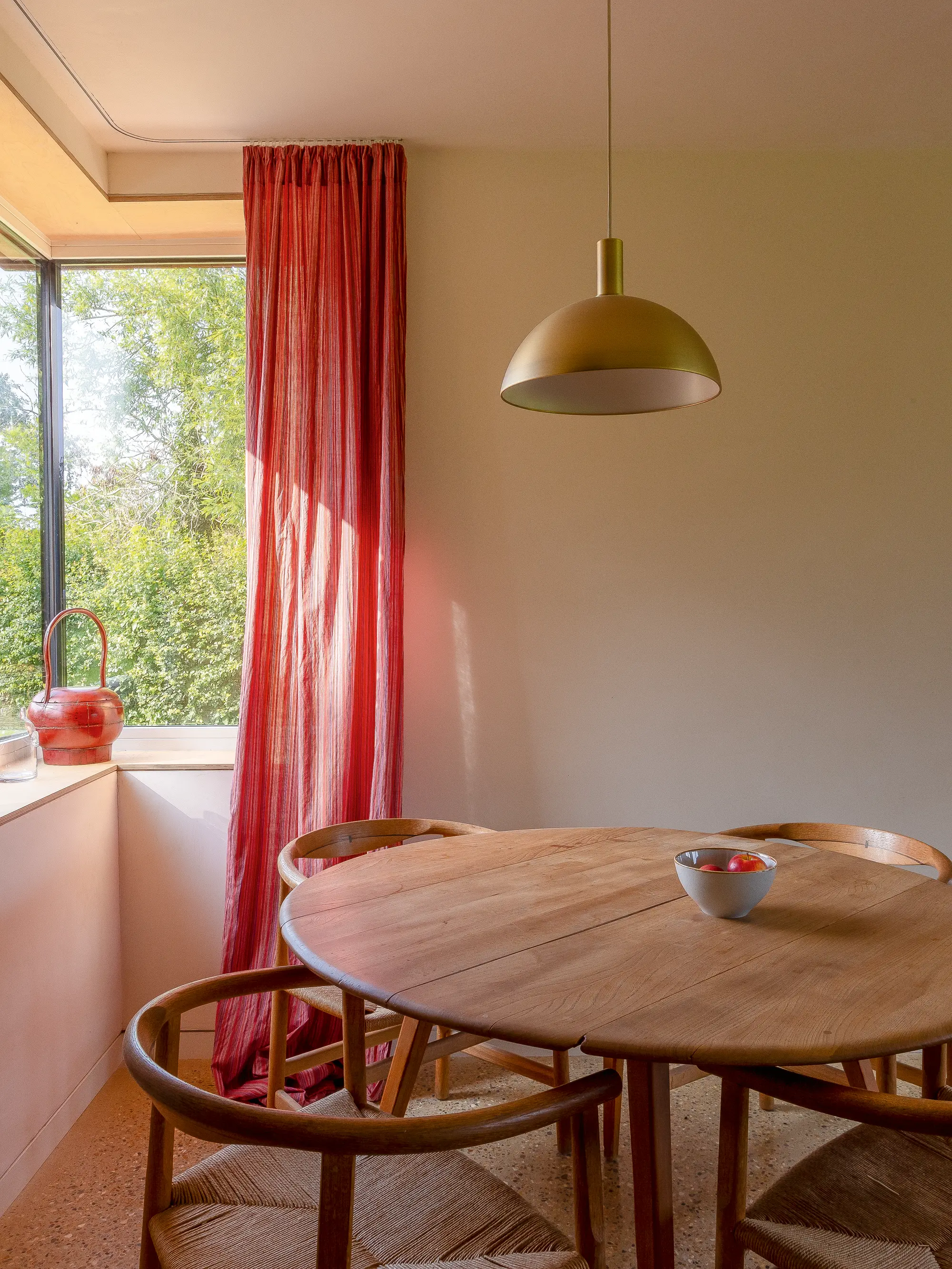
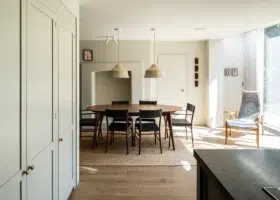
Corner glazing opens up views in the dining area. Recessed curtain tracks enable a sleek finish
She appointed accredited Passivhaus designer Mark Elton from Cowan Architects to develop the technical design that’s critical to success with this kind of eco build. Mark now has his own practice, Awen Design. One key element of the scheme that needed to be changed was a big chimney stack. “It really grounded the property and looked lovely, but in a Passivhaus you can’t have a chimney, so it needed to go,” says Carolyn. “As part of the tweaks, Mark also suggested going back to planning for a minor material amendment to increase the footprint.” This would make the Passivhaus detailing easier to achieve – a rationale the council agreed with.
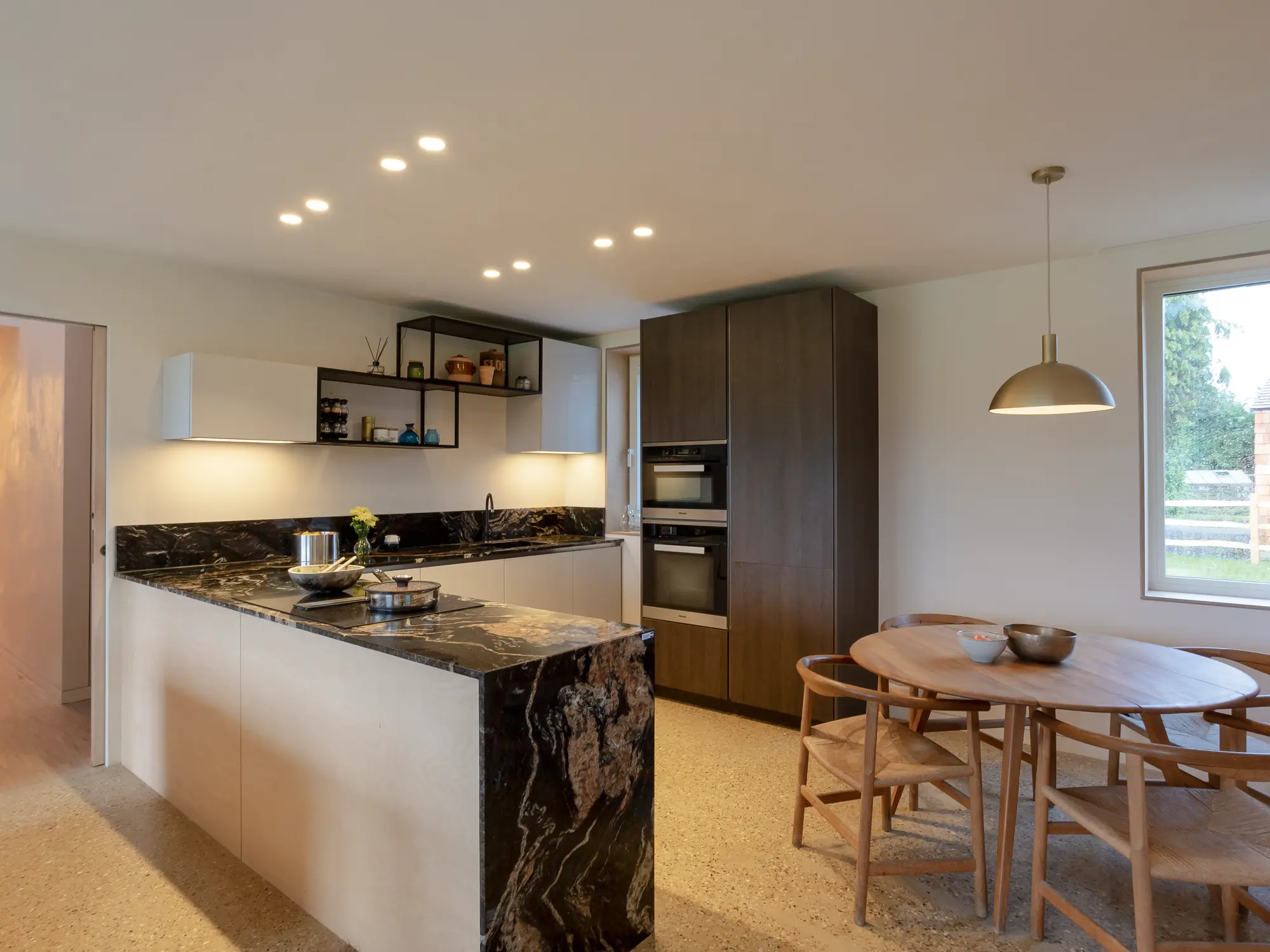
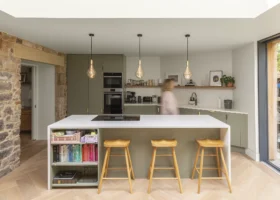
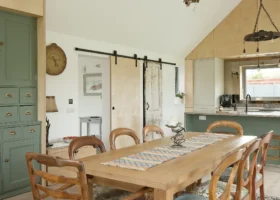
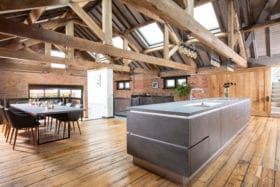
Carolyn saved money by choosing an ex-display kitchen from German brand Hacker
Ready to build and with planning in the bag, she faced her next challenge: finding a suitable contractor. “Because it was a Passivhaus, it had many things general builders aren’t quite used to – someone else doing the superstructure and the windows, for instance, and needing to be very careful about not punching any holes through the airtightness layer,” says Carolyn. “Most builders told me I’d have to pay them just to get a quote.”
Encouraged by Mark, she decided to change tack – bringing in a project manager (PM) to get the house to weathertight stage. From there, Carolyn took the reins, overseeing the rest of the build while regularly checking in with her architect and PM. Mark had many useful supplier suggestions, too, including encouraging Carolyn to bring on MBC Timber Frame for the offsite manufacture of the superstructure, and glazing supplier ecoHaus Windows & Doors.
The build phase
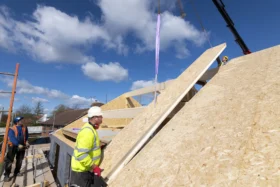
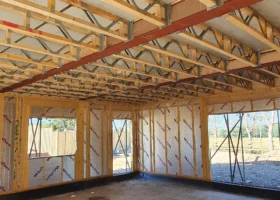
On site, the project progressed smoothly, with groundworks starting in July 2023. Erected in August that year, the twin-stud timber frame superstructure sits on an insulated raft foundation and Carolyn was really impressed with the team at MBC. “It was watertight by the end of October, when the windows were fitted,” says Carolyn. There were a couple of issues with contractors. “I had quite a major disagreement with the dry liner because he kept changing his mind, but in the end I just let him get on with it and used lime plastering which wouldn’t need to be decorated,” says Carolyn.
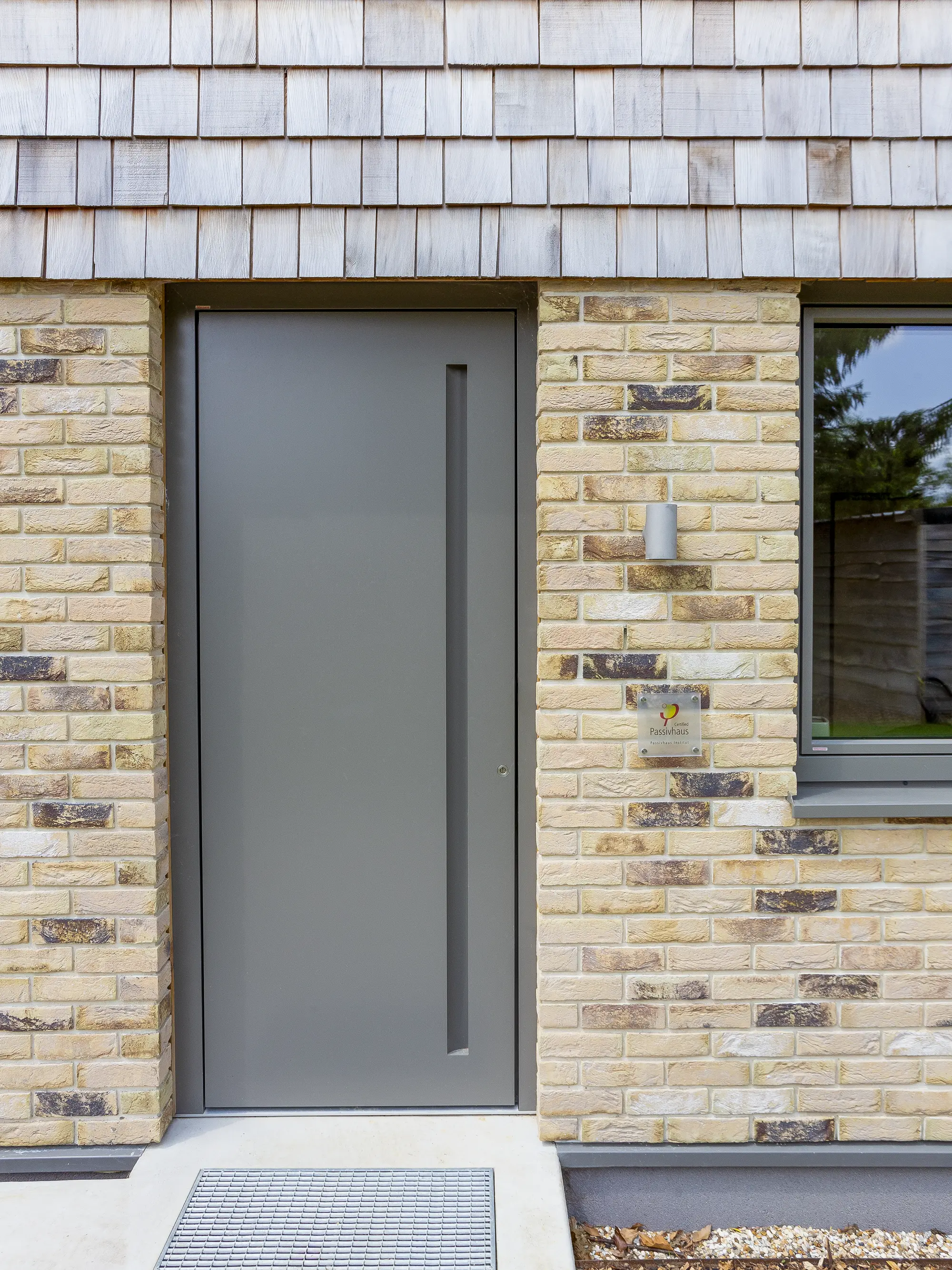
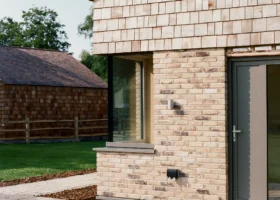
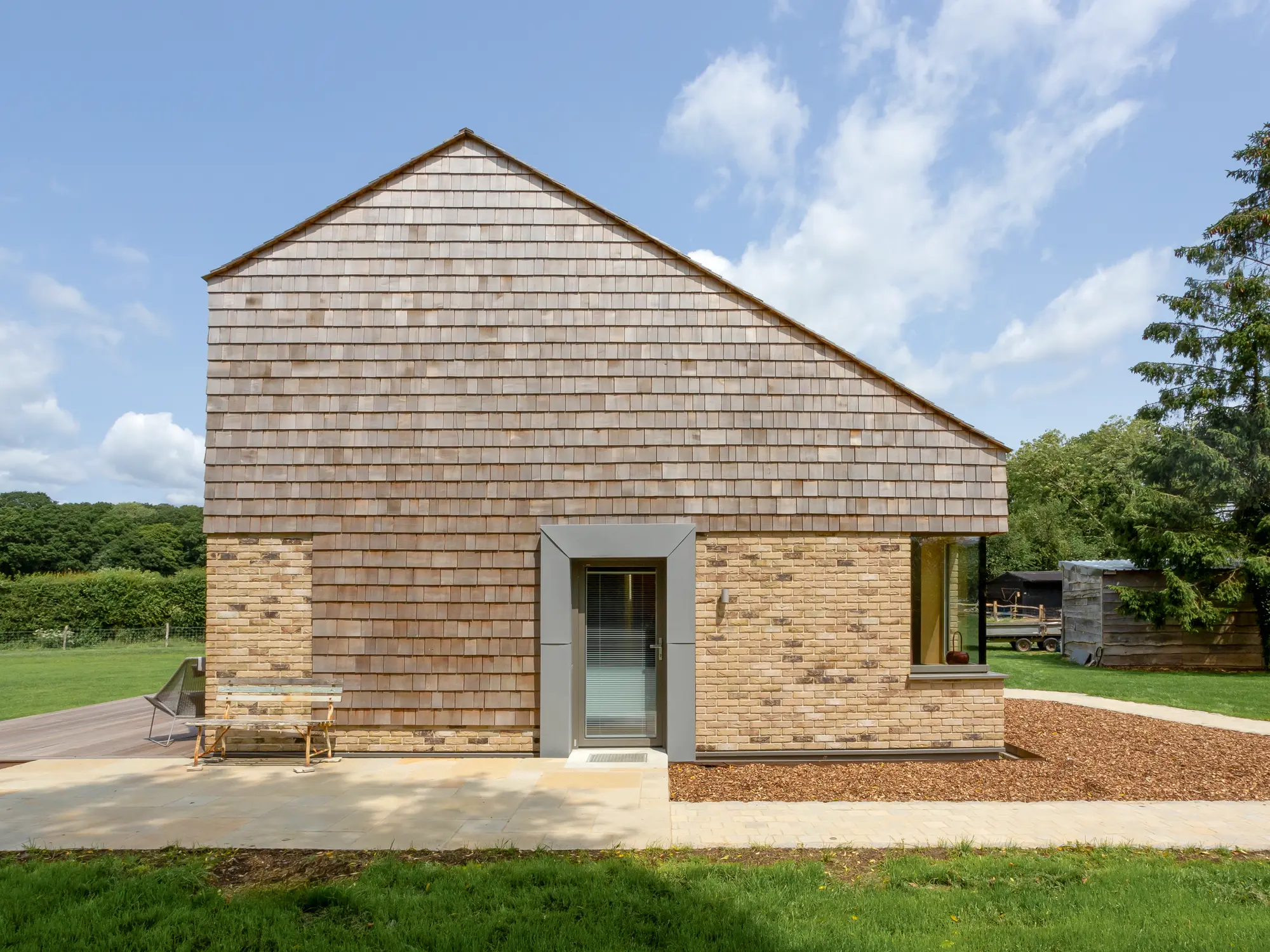
The majority of the house is finished in cedar shingles, with sections of the ground floor and the base featuring pale brickwork for a modern aesthetic
One thing that caused confusion was when Carolyn decided to go with German electric switches. “I had to find a different electrician who could do these European back boxes and switches, which turned out to be a bit of a nightmare,” she says. Elsewhere in the house, she’s opted for oak parquet flooring and a stunning staircase that was inspired by a design she’d seen at an architect’s house in London.
“I contacted the carpenter who had done that staircase and he completed mine in a couple of weekends,” she says. “The stair rail is just some wood I had lying around that I had turned.” The heavy birch ply doors have been finished with contemporary handles, which Carolyn colour sprayed herself, and she saved money by purchasing an ex-display kitchen. The external blind was the last thing to be fitted. “It’s the same colour as the internal blinds, which you have to have in a Passivhaus to help prevent it from overheating,” says Carolyn.
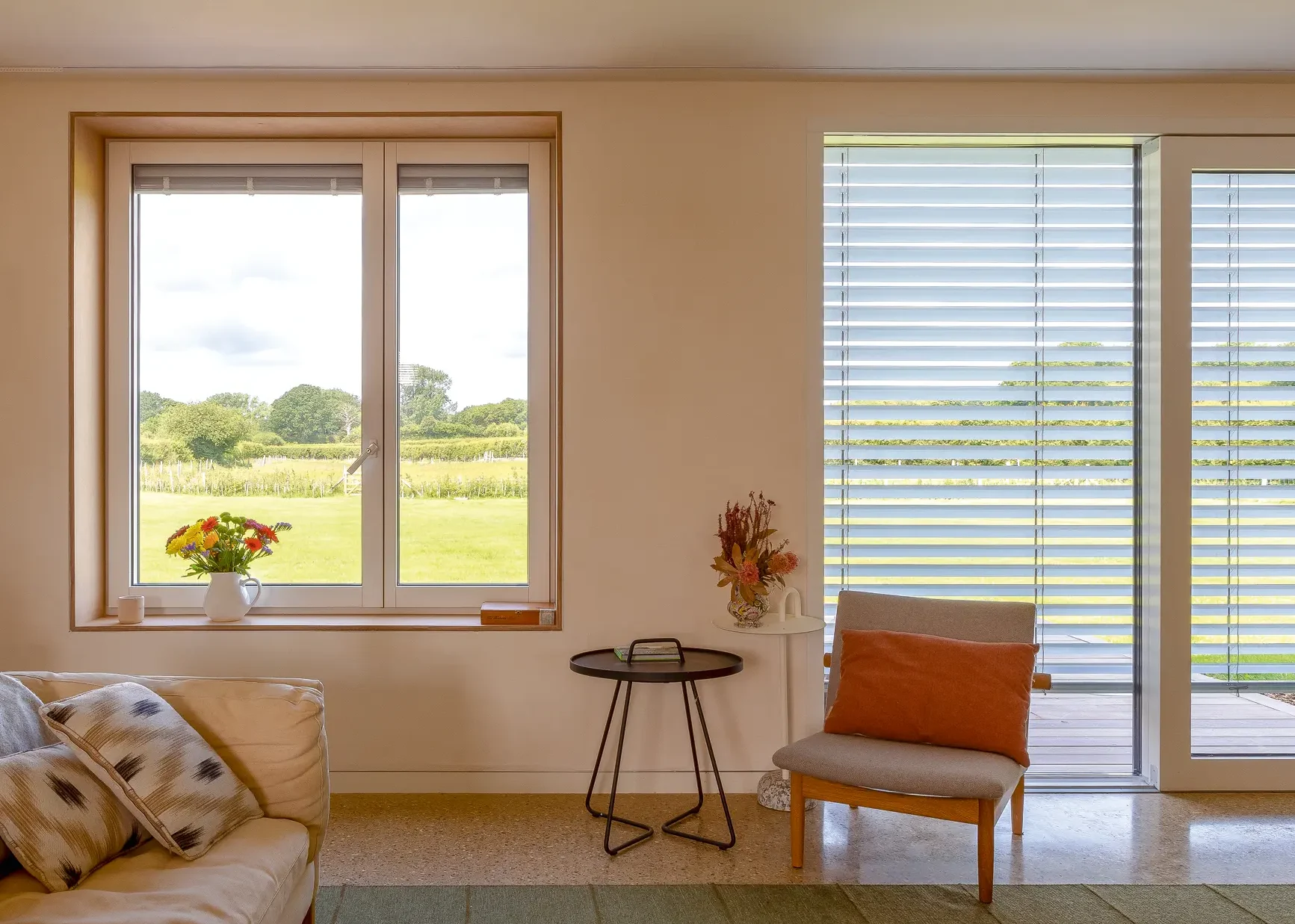
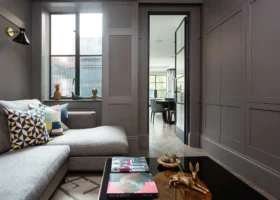
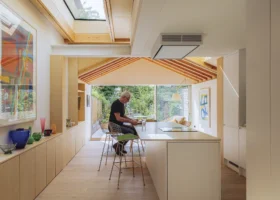
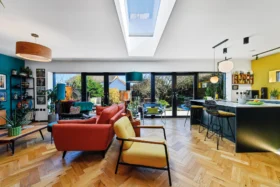
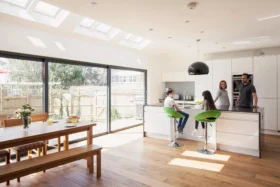
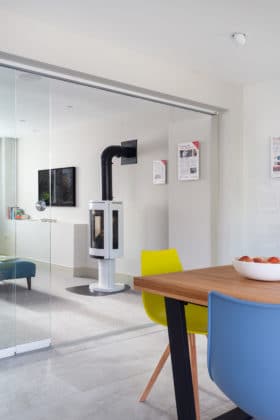
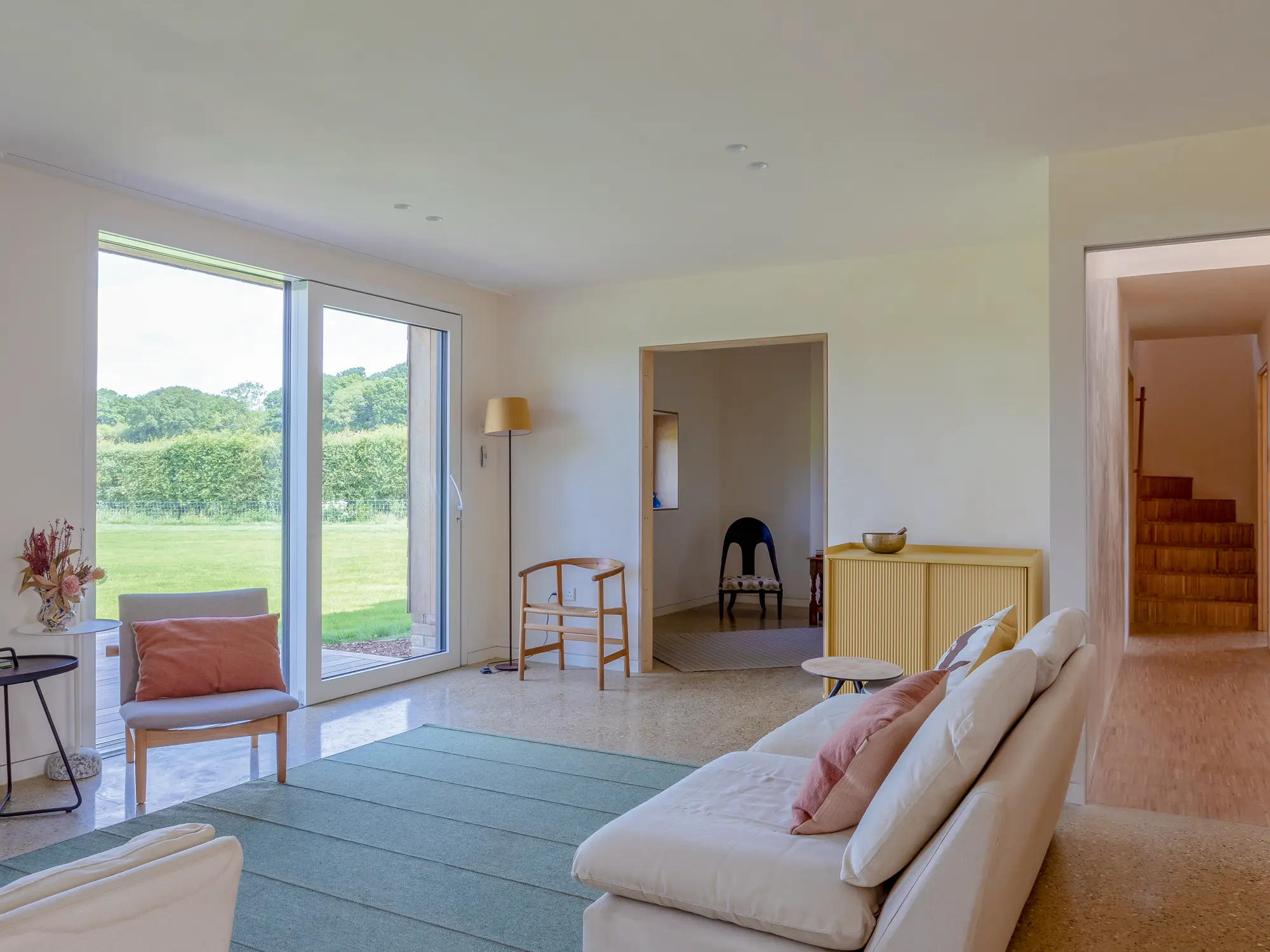
The light-filled living room, open to the kitchen-diner, enjoys views through sliding doors. A cosy snug is accessible via double pocket doors
Carolyn moved into her new home in May 2024, renting out her other property on Airbnb. “I then started work on getting the garage built – so I was still living on a construction site, with mounds of earth everywhere coming out of the metre-deep foundations,” she says. Ascot Timber Frames supplied the garage structure, which is finished with shingles and a Hormann door. “I had a local shepherd keep his sheep here, which was a godsend because he was very good on a digger, so he smoothed out all my earth and laid hard standing around the garage,” says Carolyn. “More recently, I’ve been working with a landscape designer – the paths, patios and decking are all complete and now I need to get on with the soft planting.”
CLOSER LOOK Brickwork & shingles exteriorCarolyn’s new home has a striking external palette. The majority of the house is finished in cedar shingles, with sections of the ground floor and the base featuring pale brickwork for a modern aesthetic. “The combination of brick and cedar shingles and the door and window linings was retained from the initial design, along with the flush skirting, which I liked from the architect’s office,” says Carolyn.
Cedar is a popular softwood cladding option, featuring a knot-free look that’s clean and naturally resistant to decay. Well-maintained cedar cladding can last over 50 years depending on its level of exposure to the elements. |

Living in a Passivhaus
Comfort levels in Carolyn’s new home are incomparable to previous properties she’s lived in – including the old bungalow. “My feet are usually like blocks of ice in winter. This is the first house where that’s never happened. It’s so comfortable; there are no cold spots anywhere. Plus, the underfloor heating (UFH) is lovely with the concrete floors.”
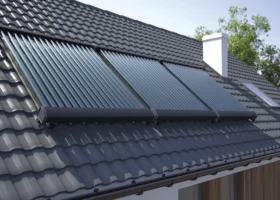
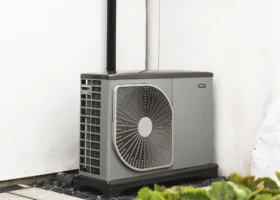
Warmth is provided by an air source heat pump, hooked up to the underfloor heating downstairs and radiators upstairs, which she’s not needed to use since moving in. Solar panels provide much of the electricity. “In the cooler months, I might have to put the underfloor heating on for an hour a day, but that’s enough to permeate throughout and keep the place warm,” she says.
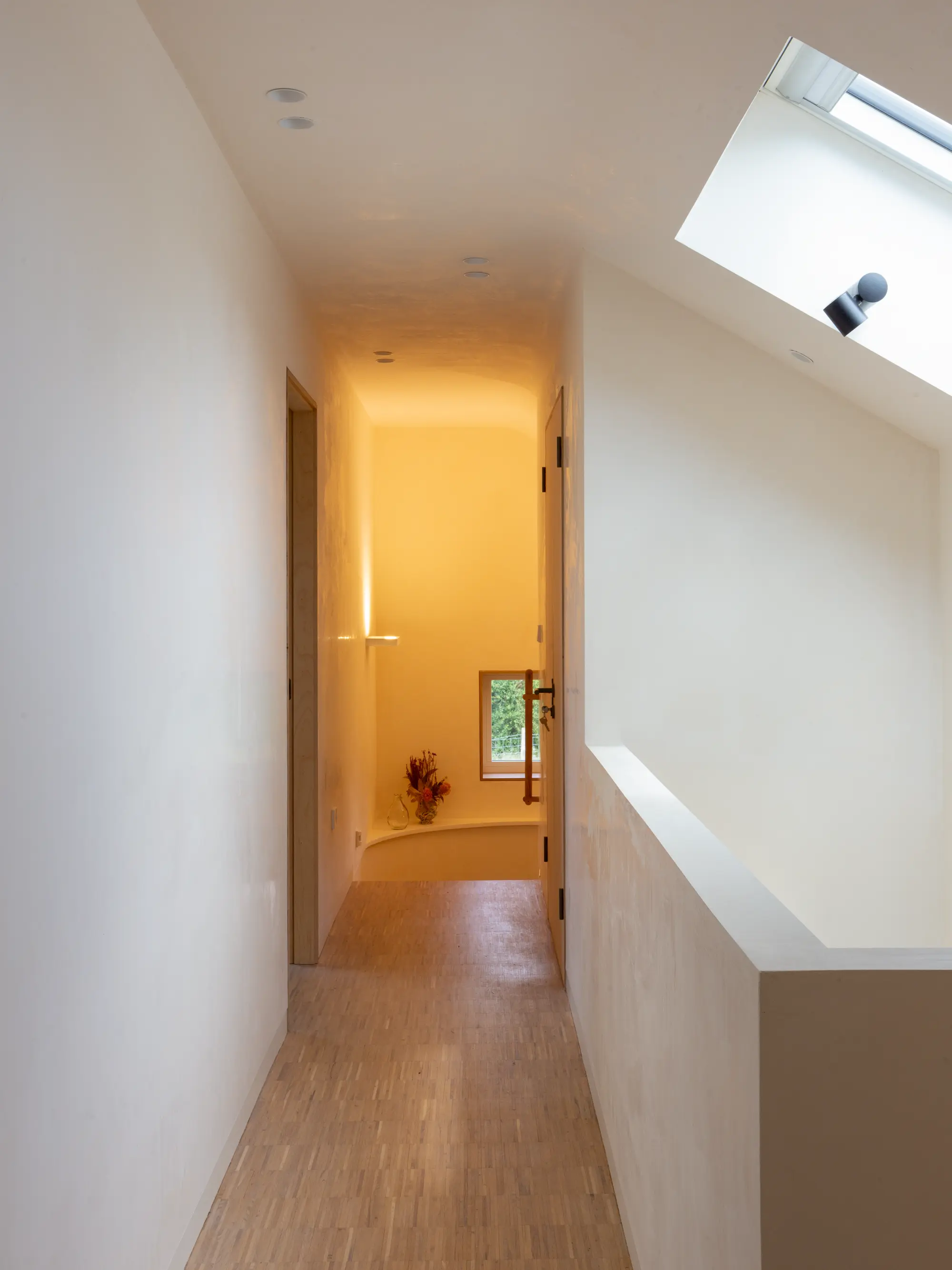
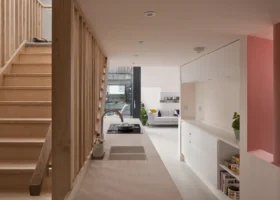
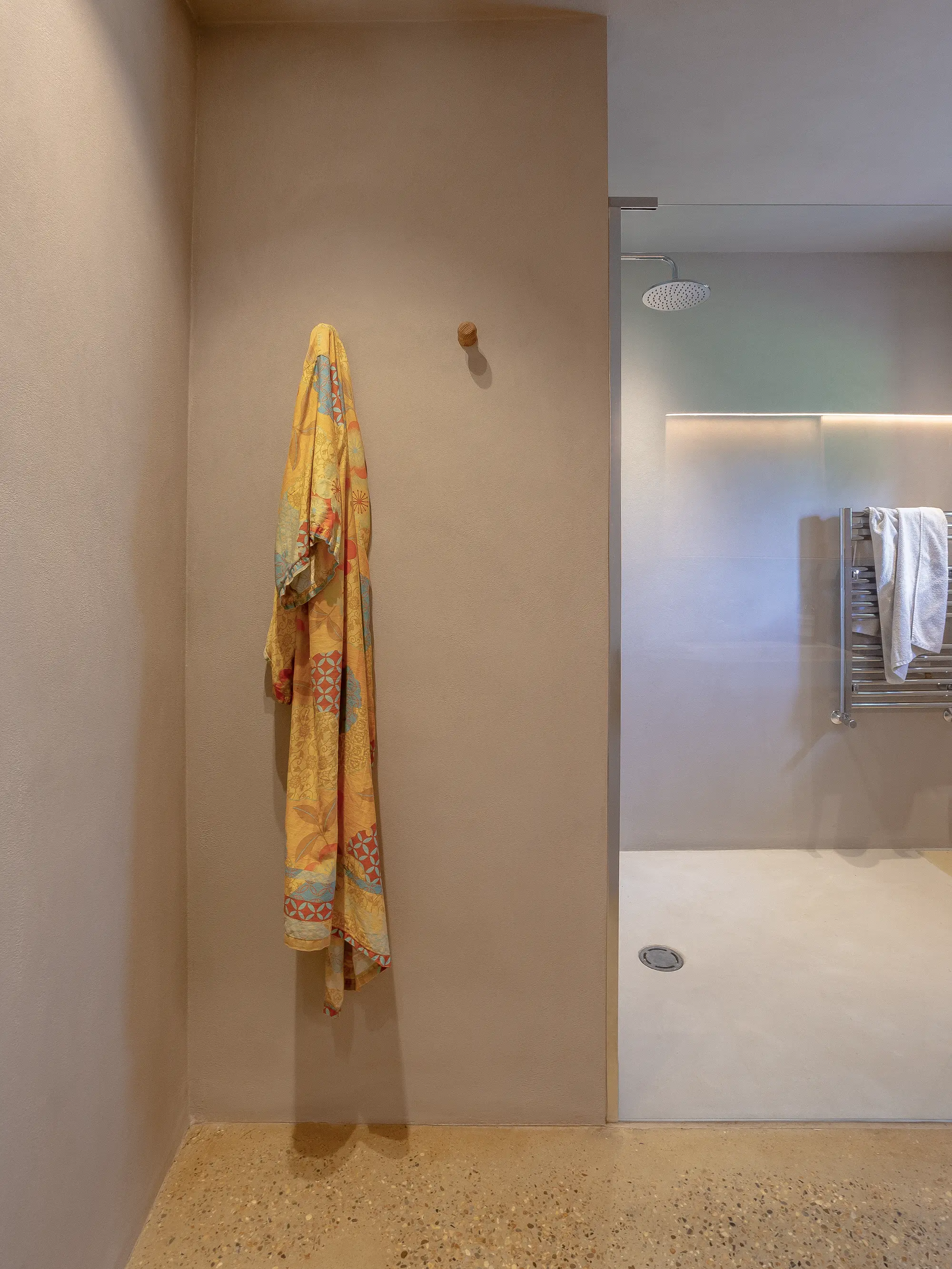
A cut-out landing allows for a light-filled hallway below. The textural plastered finish complements the warmth Carolyn has brought to the interior decor
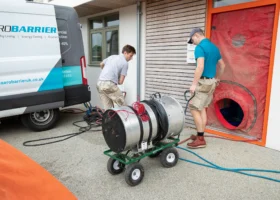
The project’s final airtightness test was a nerve-wracking experience, but Carolyn was able to celebrate achieving that coveted full Passivhaus certification. “It just scraped through,” she says. “But I got my little plaque outside, and that meant a lot.” Her advice to budding self builders looking to take the plunge in future? “Take breaks. Go on holiday. And if you’re going to project manage, have someone you can call for help – or a really brilliant architect. They’re not cheap, but they’re invaluable,” she says. “And be a pain in the neck! Keep your trades aware that you’re aware. But don’t get hung up on every tiny thing. As my architect said: you’ve just got to expect that problems will happen.”
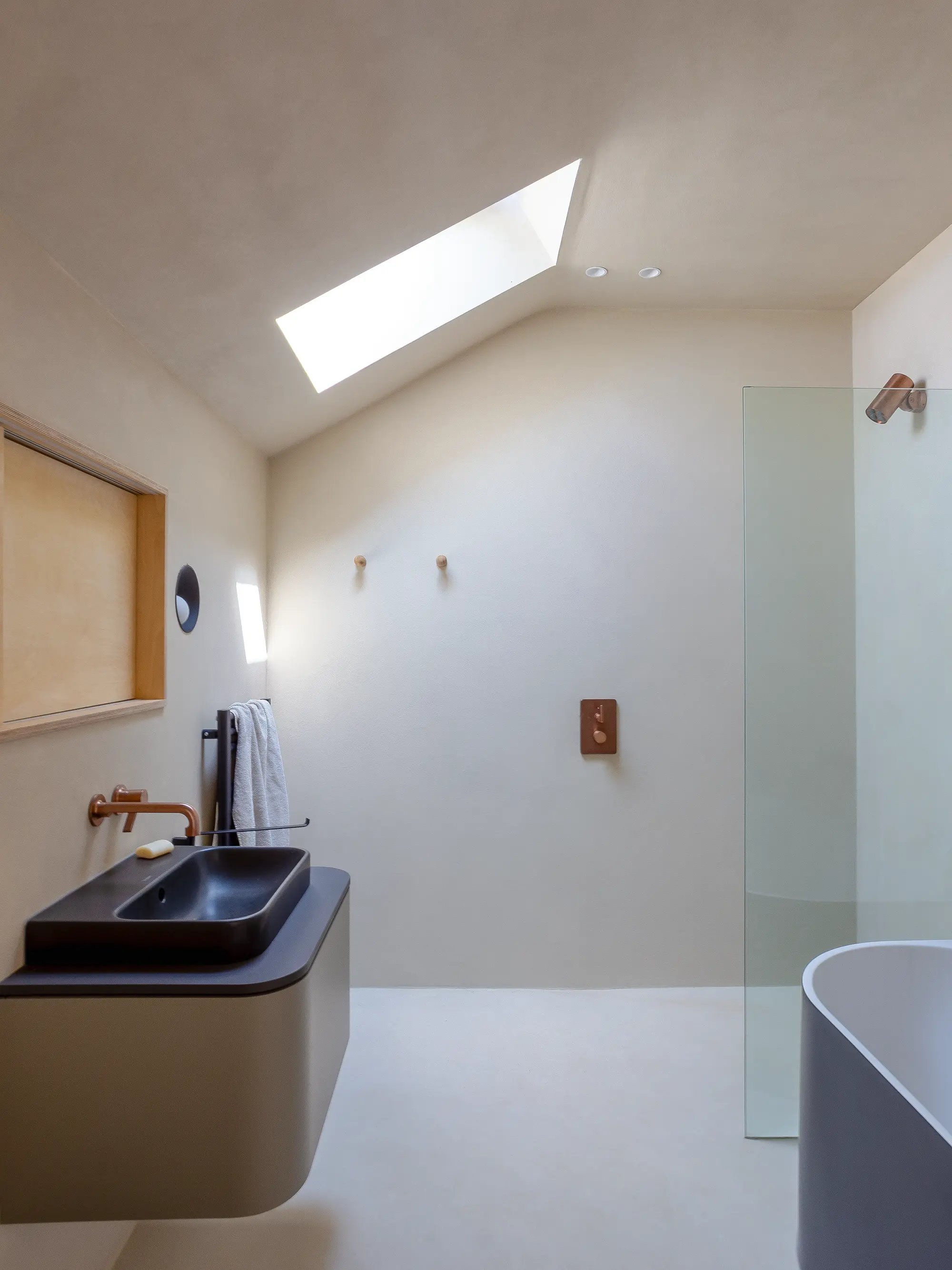
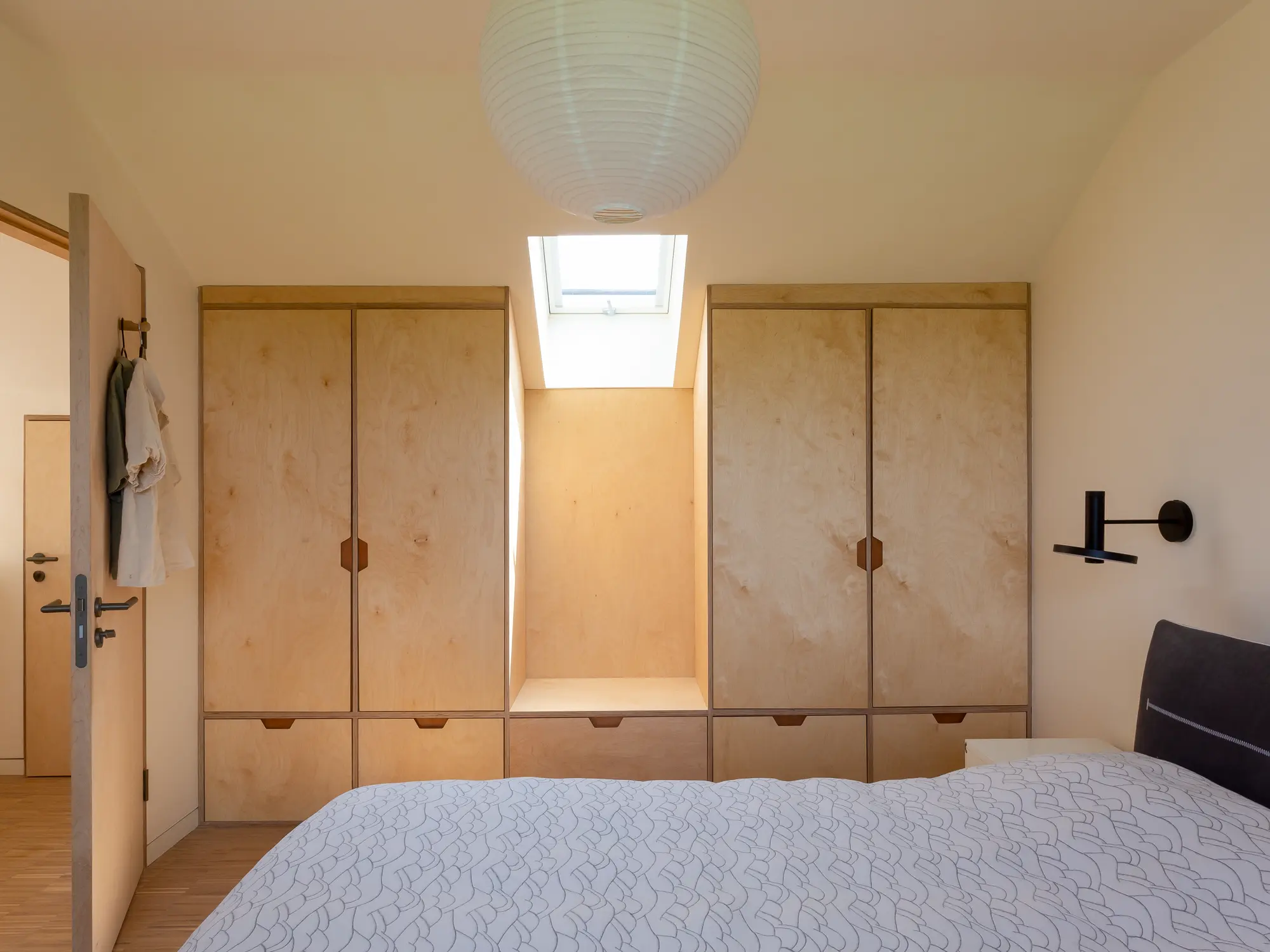
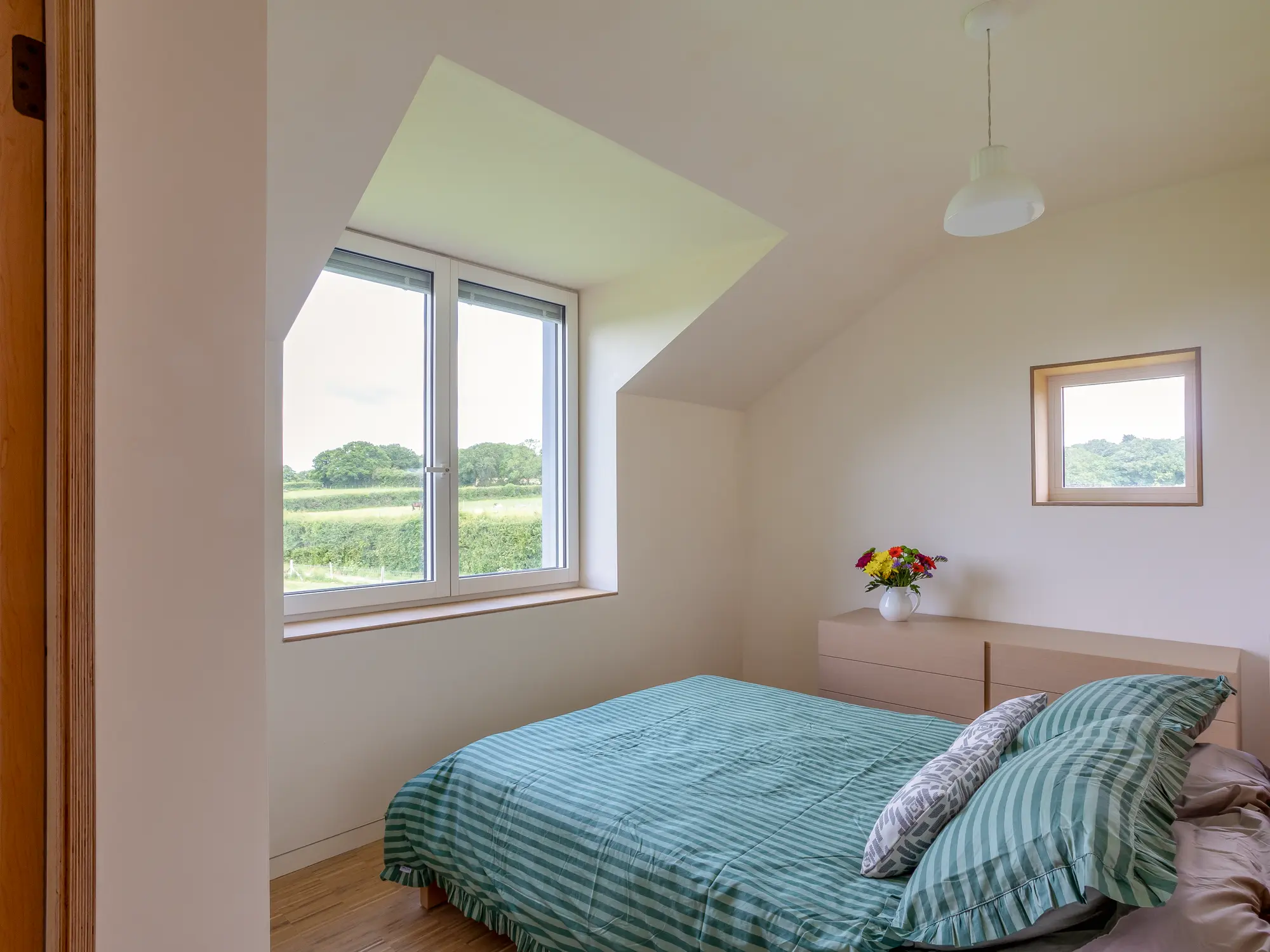
As for whether she’d do it again: “Maybe,” she muses, “if I found the right plot, in the middle of nowhere with great views and no road noise. But this will probably be my forever home. Living in a Passivhaus, I can’t imagine ever wanting to move into a cold old Victorian house again. Heat just doesn’t get lost. I can sit in the living area in November with the back door adjacent to me ajar, so the dog can come in-and-out, and the room temperature hardly drops off.”
| If you’d like to experience living in a Passivhaus, click here to find out more and book a stay in Carolyn’s new home. |
WE LEARNED
- Self-project managing the fit out works turned out to be more difficult than I’d expected it would be. You need to be really organised with sending out drawings and details for people to price up. It’s almost a full-time job in itself.
- I had a scheduling plan created, so that the different trades could come in and do things in the right order. But the dates kept changing, so I was constantly ringing people to push back their part of the works.
- Getting trades back to finish bits that needed some extra work was difficult. Good tradespeople are hard to find, and always very busy.
- Be sure to have good professionals around you who you can use as a sounding board – especially if you’re project managing yourself. You’ll find you need that support from people who have done it before.
Emily Batesmith
You may be interested in