

















 Login/register to save Article for later
Martin Gaine is one of Build It’s planning experts. He runs planning consultancy Just Planning. A former case officer, he has experience on both sides of the planning divide and now specialises in helping homeowners win consent at appeal. He is the author of How to Get Planning Permission: An Insider’s Secrets.
- Plan ItBack
- Design ItBack
- Build ItBack
- Homes
- ProductsBack
- CostsBack
- Self Build Cost Calculator
Estimate your project costs instantly with Build It's interactive self-build cost calculator
Calculate Now - Costs & Finance
- Contracts & Warranties
- Build It Estimating Service
Get an accurate, detailed cost breakdown of your project
Submit plans
- EventsBack
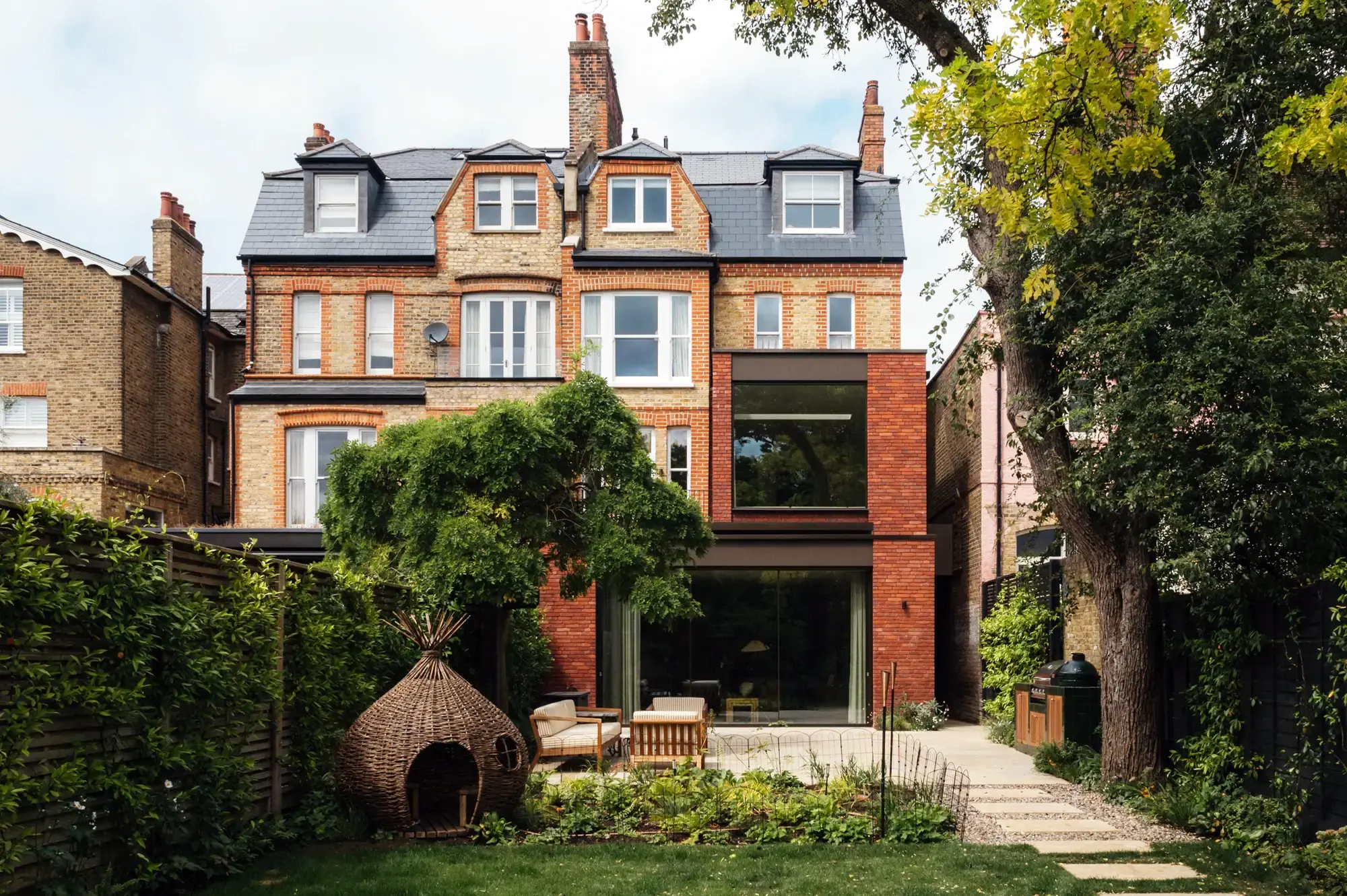
Semi-Detached House Extension Ideas – Our Pick of 7 Inspiring Home Additions
From rear extensions to dramatic side returns, Scarlett Deamer looks at seven real-life semi-detached home extensions to spark your creativity, and speaks to the experts about how to design and plan a knockout addition

A semi-detached property offers plenty of potential and project scope, combining the space, comfort and character of a traditional family house with a price point that is often more affordable than a fully-detached home. With only one shared wall, these properties also provide opportunities for extending and reconfiguring the layout to better suit modern living. However, many homeowners are unsure about exactly what changes are possible.
Sharing a wall with a neighbouring property can introduce important considerations surrounding the house’s structure, your privacy, access to natural light and overshadowing. There are also questions about what can be achieved under permitted development (PD) rights versus what will require formal planning permission. Despite these factors, semi-detached homes are extremely versatile – and with thoughtful design and careful planning, can be completely transformed to maximise space, enhance daylight and dramatically improve the floorplan’s functionality.
Whether you own a semi-detached property and are looking to extend, or are exploring the extension potential of homes on the market, this collection of inspiring real-life projects demonstrate what’s possible.
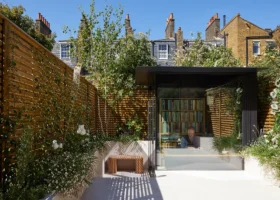
Corten steel semi-detached home rear extension with a tranquil sunken terrace
This standout rear extension by Dedraft Architects was designed to improve interaction between internal spaces and increase daylight throughout the home. The addition features a dramatic double-height dining area with expansive glazing that draws in natural light.
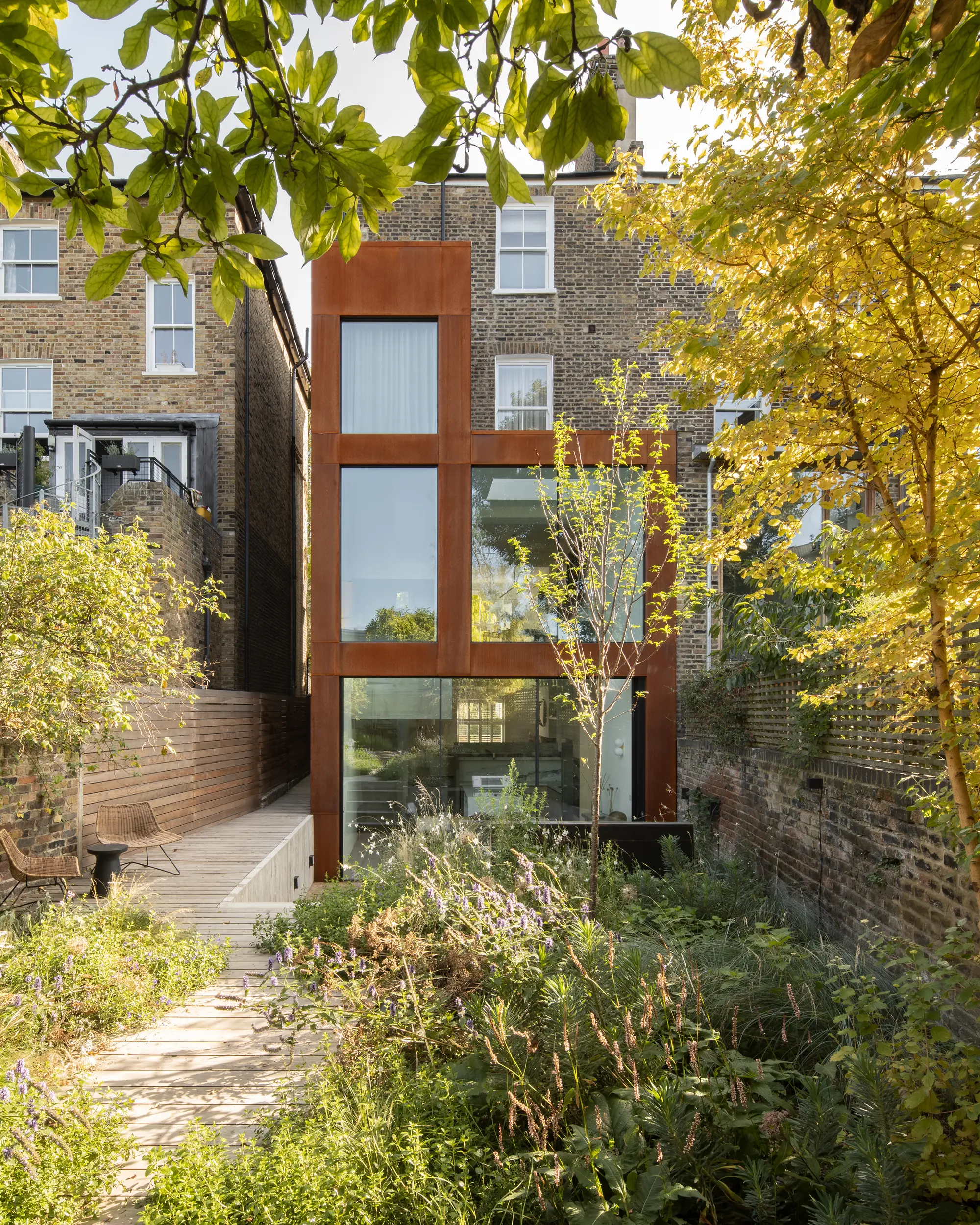
Photo: Stale Eriksen
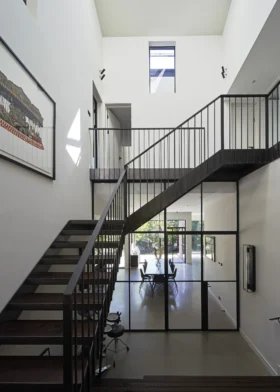
A monolithic, cast in-situ concrete staircase links the upper floors with the split-level lower ground floor, where the kitchen and family living spaces form the heart of the home. A neutral palette and crisp minimalist detailing allow the owners’ art collection to take centre stage.
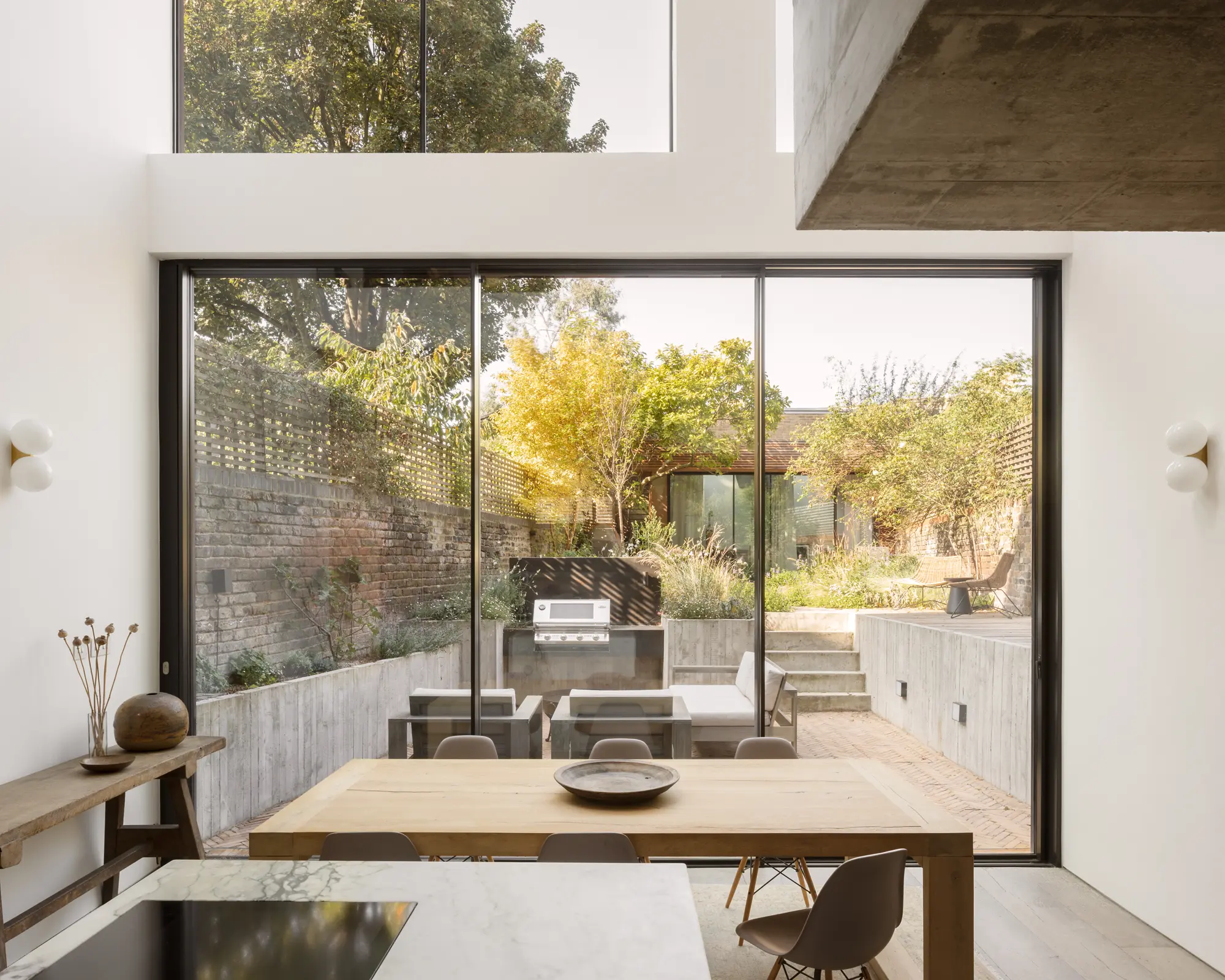
Photo: Stale Eriksen
Wrapped in Corten steel, the extension has developed a rich orange patina that contrasts with the original London stock brick facade. The rear floor level was lowered to create a tranquil sunken terrace, while oversized glazing blurs the boundary between inside and out. Soft and hard landscaping carefully embed the extension into its surroundings.
Premium Content
Downloadable E-Guide
Enjoying this article? Build It’s house extension downloadable e-guide will help you plan, design and construct an addition that enhances your existing property while meeting your needs and budget.
find out more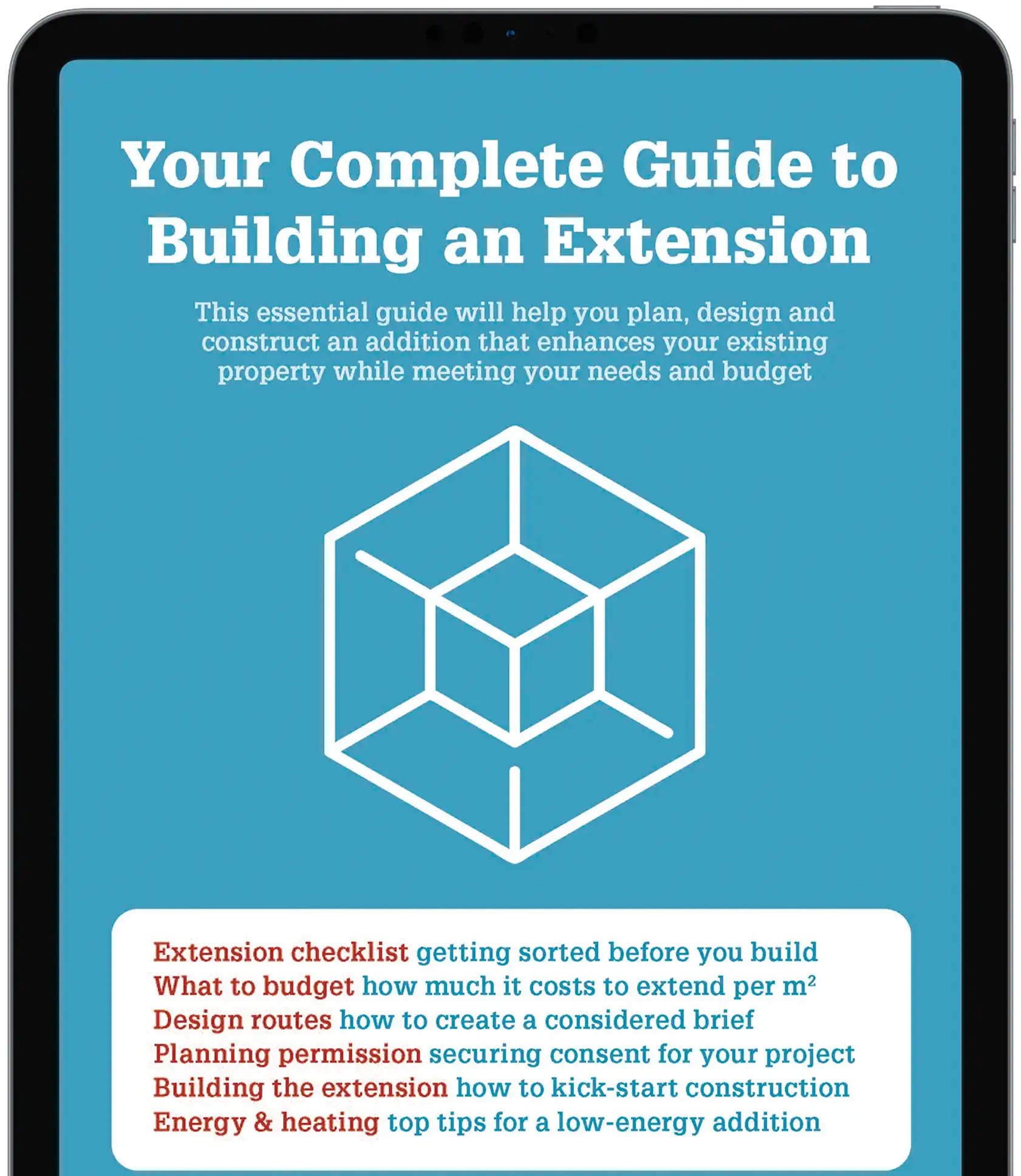
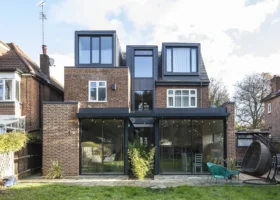
Two-storey rear extension to a semi-detached home with generous glazing
Gregory Phillips Architects transformed this Victorian semi-detached home with a bespoke double-storey rear extension. Its wedge-shaped plot widens towards the garden, allowing a generous addition that remains hidden from the street, while respecting its conservation area setting.
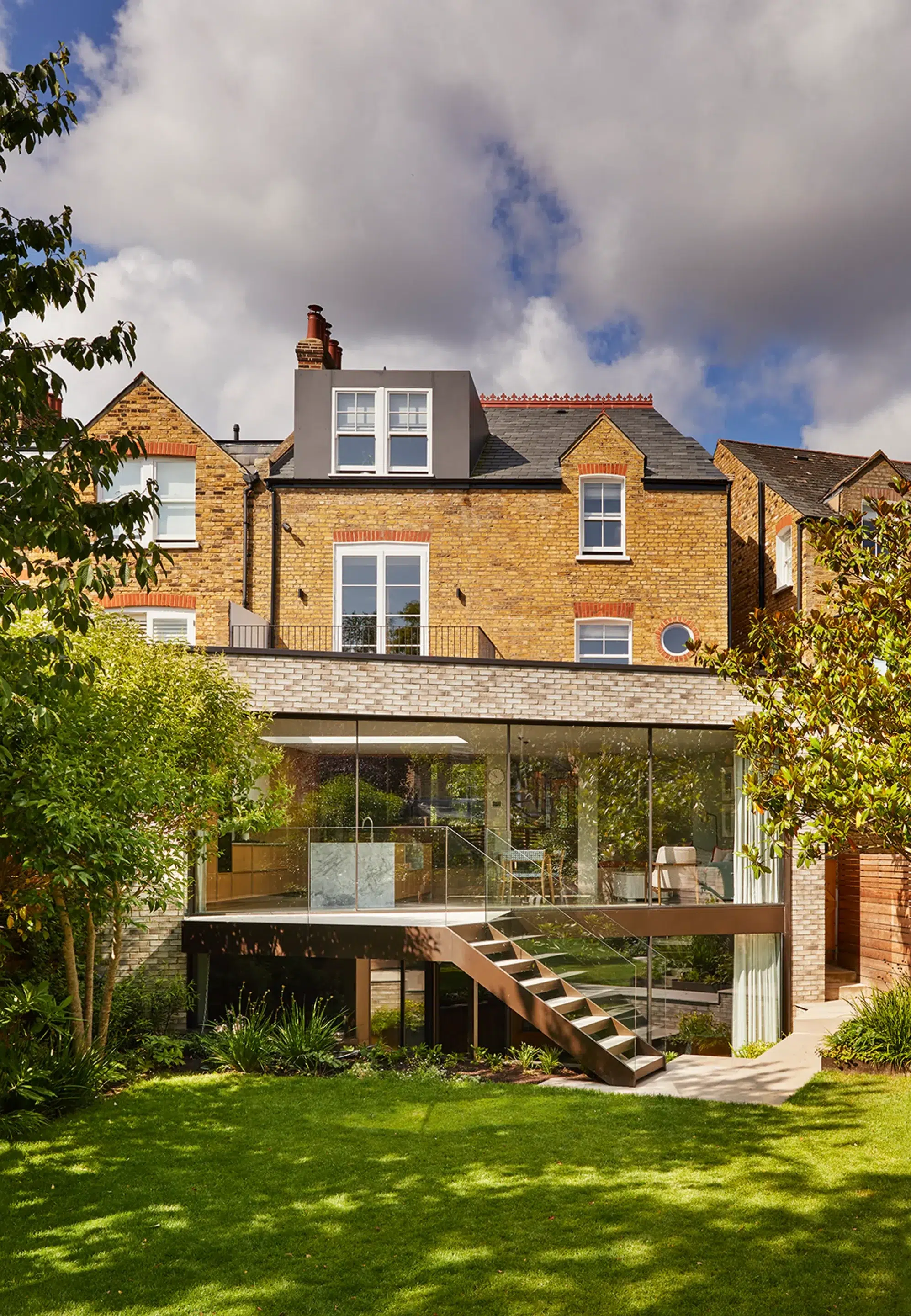
Photo: Darren Chung
The decision was made to excavate the site to create a basement space. This houses a myriad of functional zones, including a gym, media room, playroom, bedroom, study and wine store. On the ground floor, the original formal reception rooms were retained at the front, with a more informal open-plan kitchen, living and dining space introduced within the new extension.
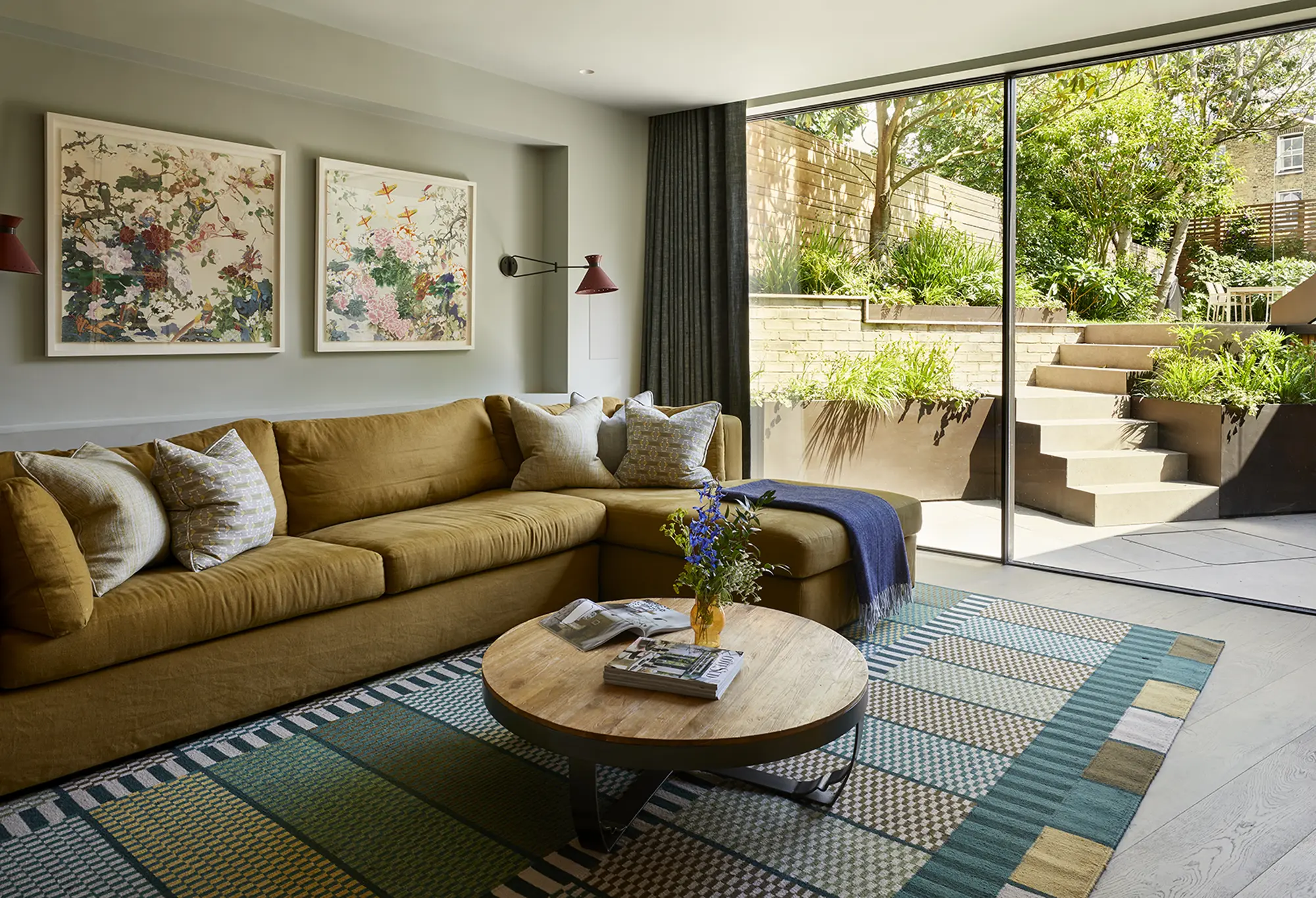
Photo: Darren Chung
Extensive glazing captures bright daylight and the evening sun – while the full-height basement windows open up to the tranquil garden views to prevent the space feeling isolated.
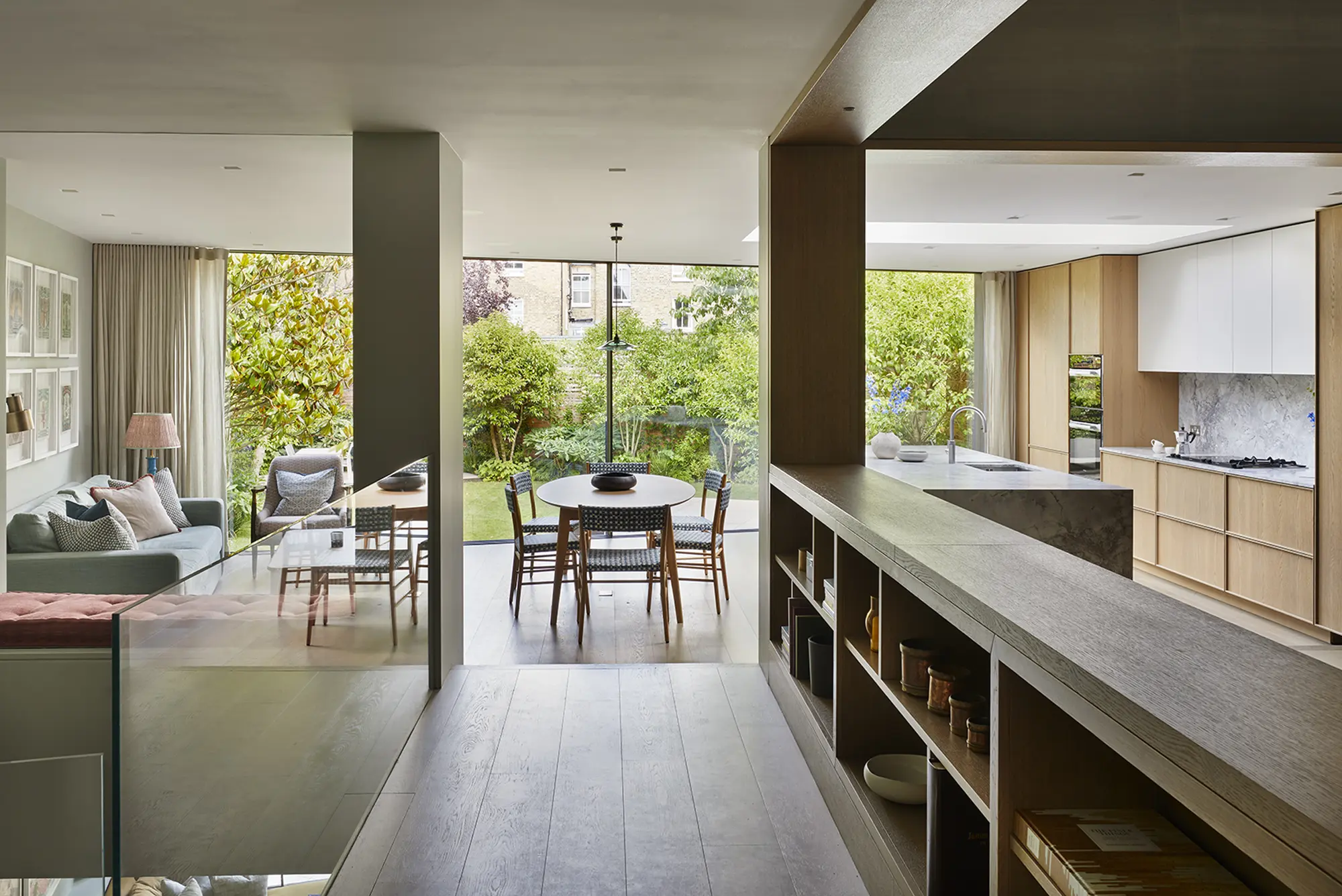
Photo: Darren Chung
All services were also upgraded, including installing underfloor heating (UFH) to the ground and basement floors and air conditioning on upper levels.
Planning a semi-detached extension

What potential does a semi-detached house offer?
There are a whole host of ways in which you can extend a semi-detached house to expand your living accommodation. You can usually extend to the side, the rear and upwards (through roof extensions). You could also add a separate home office or games/hobbies room building in the rear garden.
What's the best configuration for a two-storey addition?
The most common combination is a two-storey side extension that wraps around to form a double-height rear extension, with a hip-to-gable roof addition and a dormer. This orientation gives you a spacious open-plan reception room on the ground floor, larger or additional bedrooms on the first floor and a couple of extra rooms in the new loft.
The two-storey side extension and the hip-to-gable are trickiest from a design perspective, because they are visible from the street. As a rule of thumb, it is best to set the side extension back (by around one metre) from the front elevation and, where possible, in a little from the side boundary.
Are hip-to-gable extensions hard to get permission for?
For the hip-to-gable, councils will often only approve these where lots of your neighbours have already extended in the same way. If they are not inclined to grant you planning permission, hip-to-gable roof extensions (and rear dormer windows) usually fall under permitted development.
How far can I extend the rear of the house?
To the rear, you can generally have a full-width extension that projects to a depth of up to six metres or so at ground floor level. The first floor will need to be much narrower and shallower, as its elevated position means it’s more likely to overlook the neighbours. A typical first-floor rear extension on a semi-detached house might be around 3m wide and 2.5m deep.
| Want to learn more about extensions?
Head to Build It Live and visit our dedicated extensions clinic for some one-to-one advice from the professionals! Build It Live takes place three times a year in Kent, Malvern and Exeter. The next show will be on 26th and 27th February 2027 in Maidstone, Kent. Claim a pair of free tickets today and start planning your visit. |
Handmade clay brick extension to Victorian semi-detached London property
Yard Architects reimagined the rear of a Victorian semi-detached home with a bold, double-storey extension that anchors the house to its generous garden and views across London. The extension is defined by a huge picture window that frames the landscape while flooding the kitchen and dining spaces with sunlight.
Photo: Ellen Hancock
Inside, a contemporary oak staircase sits within the new volume, linking upper and lower living areas and creating fluid connections to a versatile family room and garden beyond.
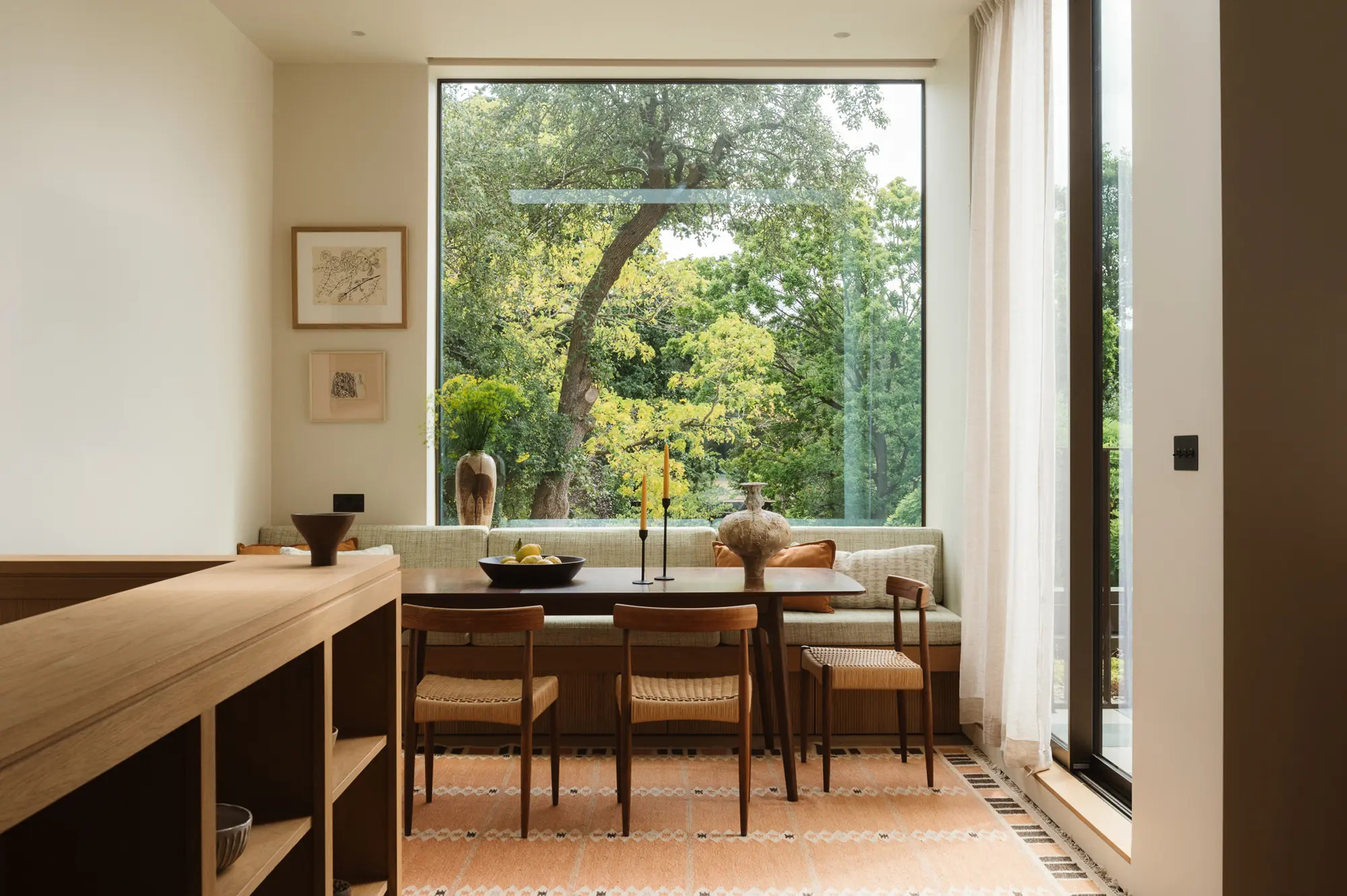
Photo: Ellen Hancock
The rear addition is crafted in distinctive, handmade Belgian water-struck clay brick, bronze adonised frame glazing and careful detailing that both captures views and provides privacy.
Brick side and rear extension with functional open-plan layout
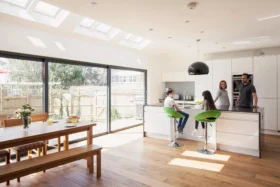
The owners of this property came to James Dale Architects with the desire to expand and re-imagine their 1980s home to better suit family life. A complete reconfiguration and sleek new rear and side extension was devised to better use the available floor space and garden. The new additions replace an underused garage, with a bright and playful open-plan kitchen and living area.
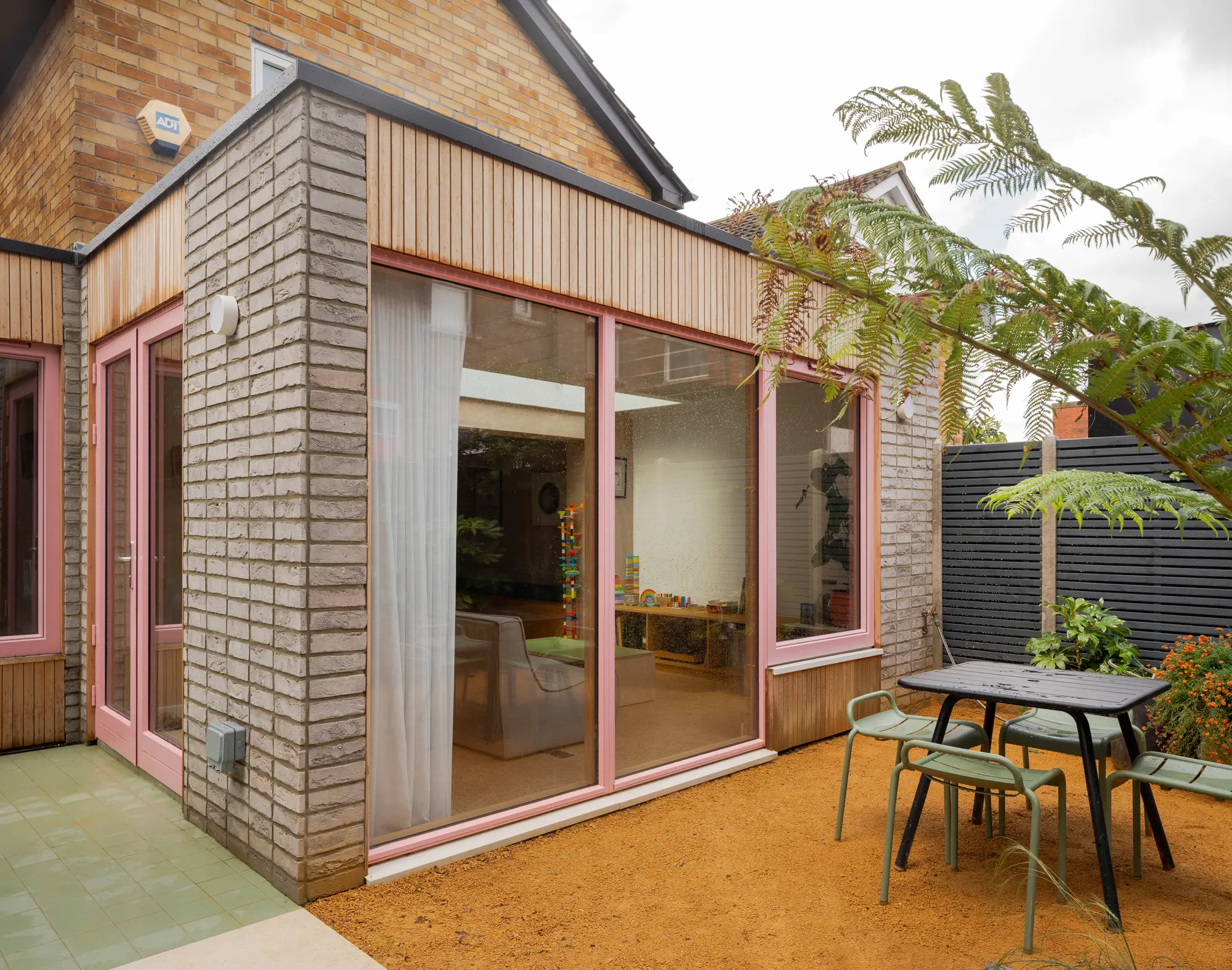
Photo: Neil Perry
A much-needed multi-functional space, which can be used as an additional bedroom or study, is located in one half of the side extension, while the other contains a nifty bike store and shower room.
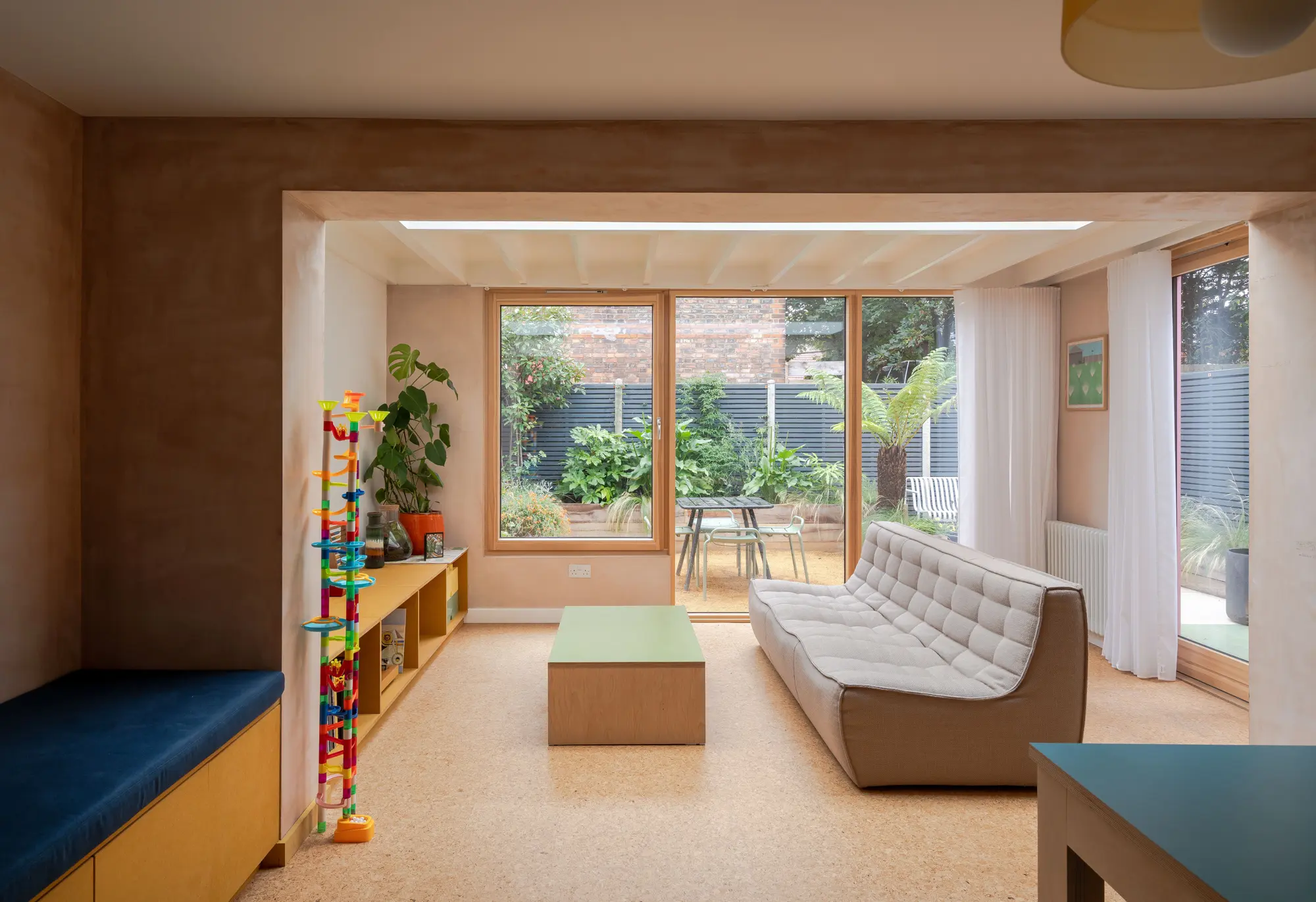
Photo: Neil Perry
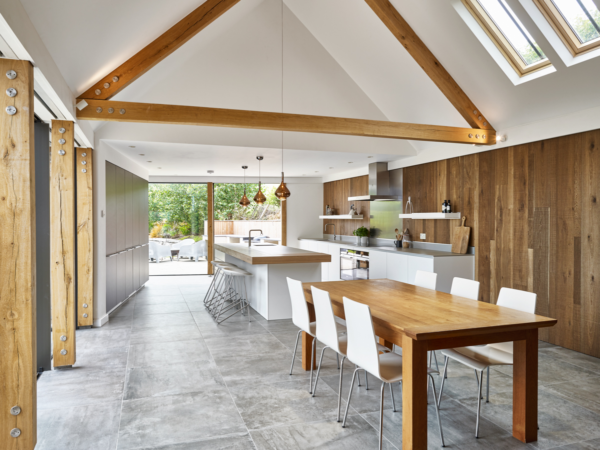
Cork flooring has been used throughout, while the window frames have a clear lacquer and the walls have a raw plaster finish, bringing a natural warmth and texture to the new space.
Adaptable extension built on top of a cantilevered structure
The homeowners of this 1950s Brighton house approached BanfieldWood to create an extension that could make the rear of the home and garden area more accessible.
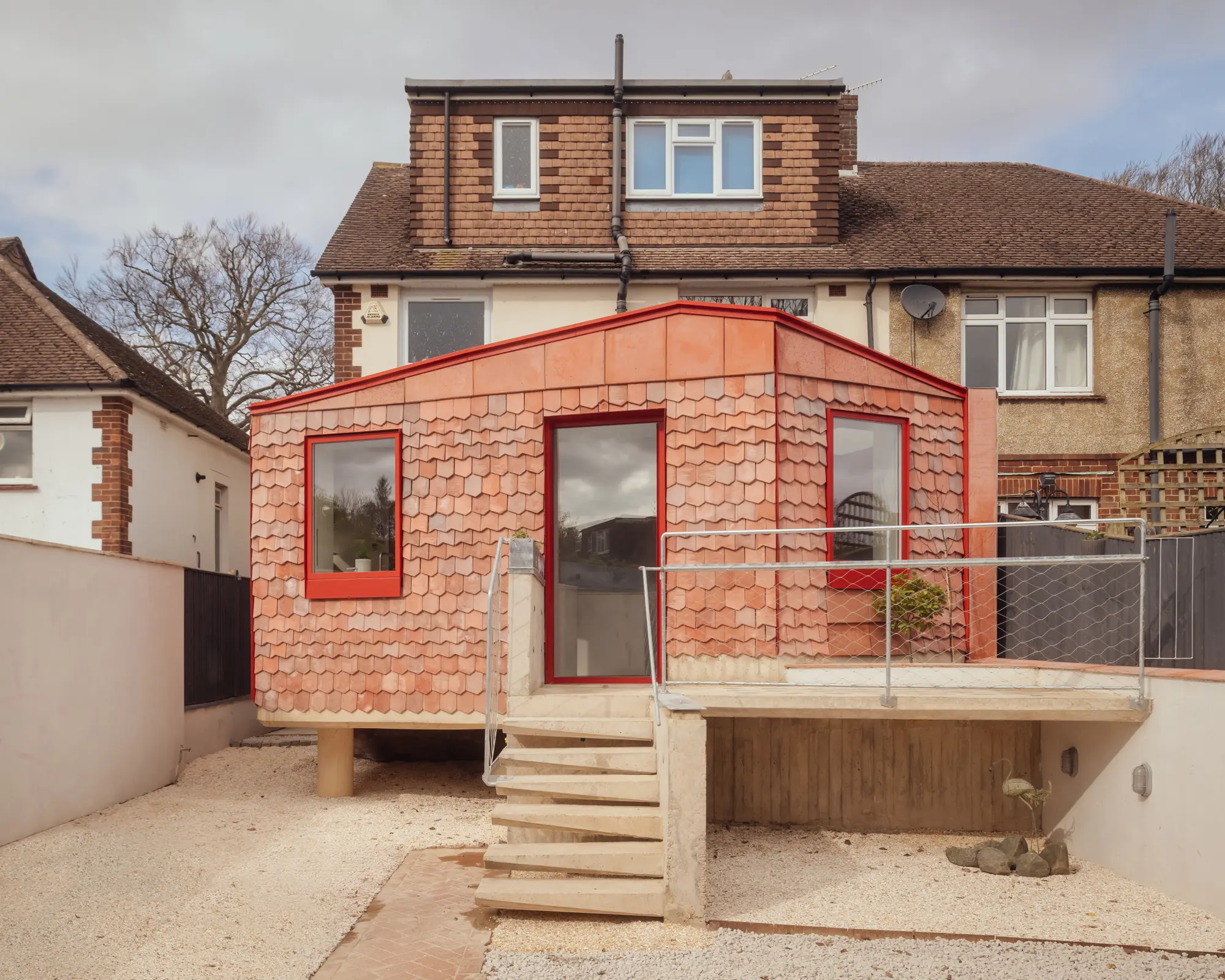
Photo: Jim Stephenson
Rather than using ramps or terraces, the architects developed a clever cantilevered extension that projects from the back of the house. Structurally, a concrete slab supported by a single recessed column holds the lightweight timber structure above.
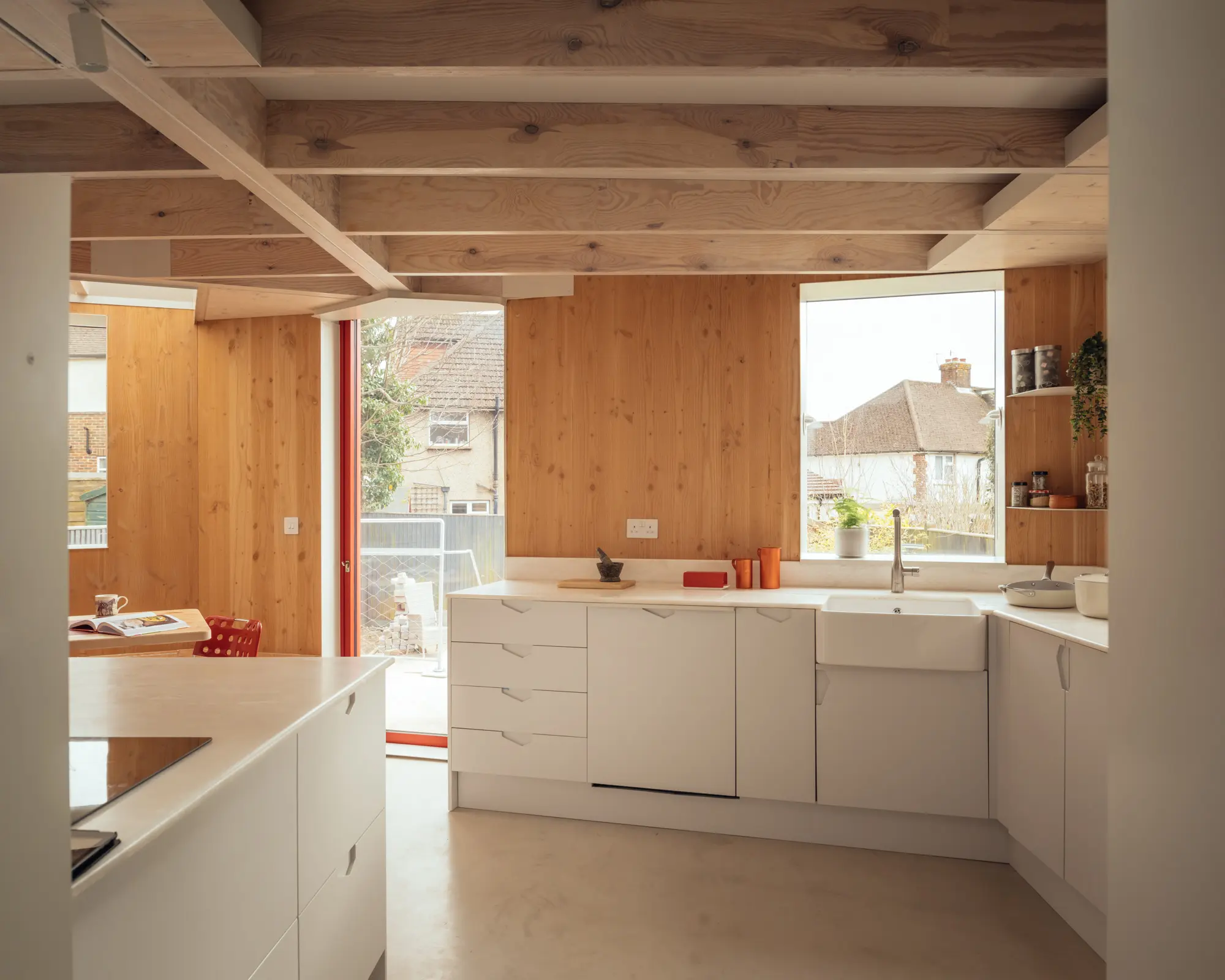
Photo: Jim Stephenson
The extension is wrapped in over 2,000 hand-cast tiles which were made from reclaimed on-site brick. Internally, the space is defined by exposed Douglas fir linings and beautiful custom-built joinery made by the architects.
Designing a new addition that complements your home

Simon Banfield is co-founder of BanfieldWood, and architectural practice based in London.
What is the best way to extend a semi-detached home?
Regardless of the type of house you are working with, it is best to take full advantage of what you already have. It might be a side passage that isn’t used very regularly, or the house might be built on a hill, allowing you to have split levels or an extra floor without annoying the neighbours. In the UK, we tend to just add a box onto the back, but it can be an ineffective solution. Rethinking how your home is laid out often unlocks new uses.
How can the design complement the existing house’s aesthetic?
Many clients feel they need to match their home’s existing style, mainly because our planning system has set up a precedent for this, but it can lead to fairly standard looking extensions. Try picking a material that exists in the original property to unify the design – or you can pick out a feature of your home that you like and make a new addition inspired by it. This way you are being playful with your design but still have that link back to the original story of the building.
What are the biggest design constraints unique to semi-detached properties?
Overlooking and party wall awards are some of the main issues renovators will experience. You will always end up with at least one side of the extension being a blank wall, so why not make a wow-factor feature out of it by hanging some interesting art or finishing it with a feature splash back for a kitchen?
For overlooking, try angling the rear wall of the extension so that the windows point towards something in the distance. A simple 20-30° angle means you’re automatically not directly facing a neighbour at the rear or the side. However, be aware that this does come with more complications in regard to construction and Building Regulations as our legislation is written for more conventional, rectilinear additions.
How can you maximise light and privacy in an extension which shares a party wall?
Including a long, thin feature rooflight along the party wall can help bring in light and create a great focal point in dining areas or playrooms. Breaking up larger glazing units into smaller elements, divided by timber or metal supports, can create wonderful shadows throughout the day in summer.
If your party wall looks onto a pathway or shared access, a smaller window at counter height to the kitchen can mean that you gain that all important sunlight, but don’t have to give everyone a full view of your home.
Contemporary infill extension with floor-to-ceiling bay window
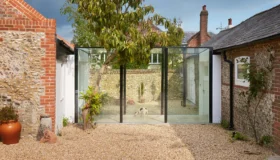
The owners of this semi-detached property were keen to strengthen the connection between the house and its garden. To achieve this, Paul Archer Design added a sleek glass-infill extension that needed only a small strip of land to realise.
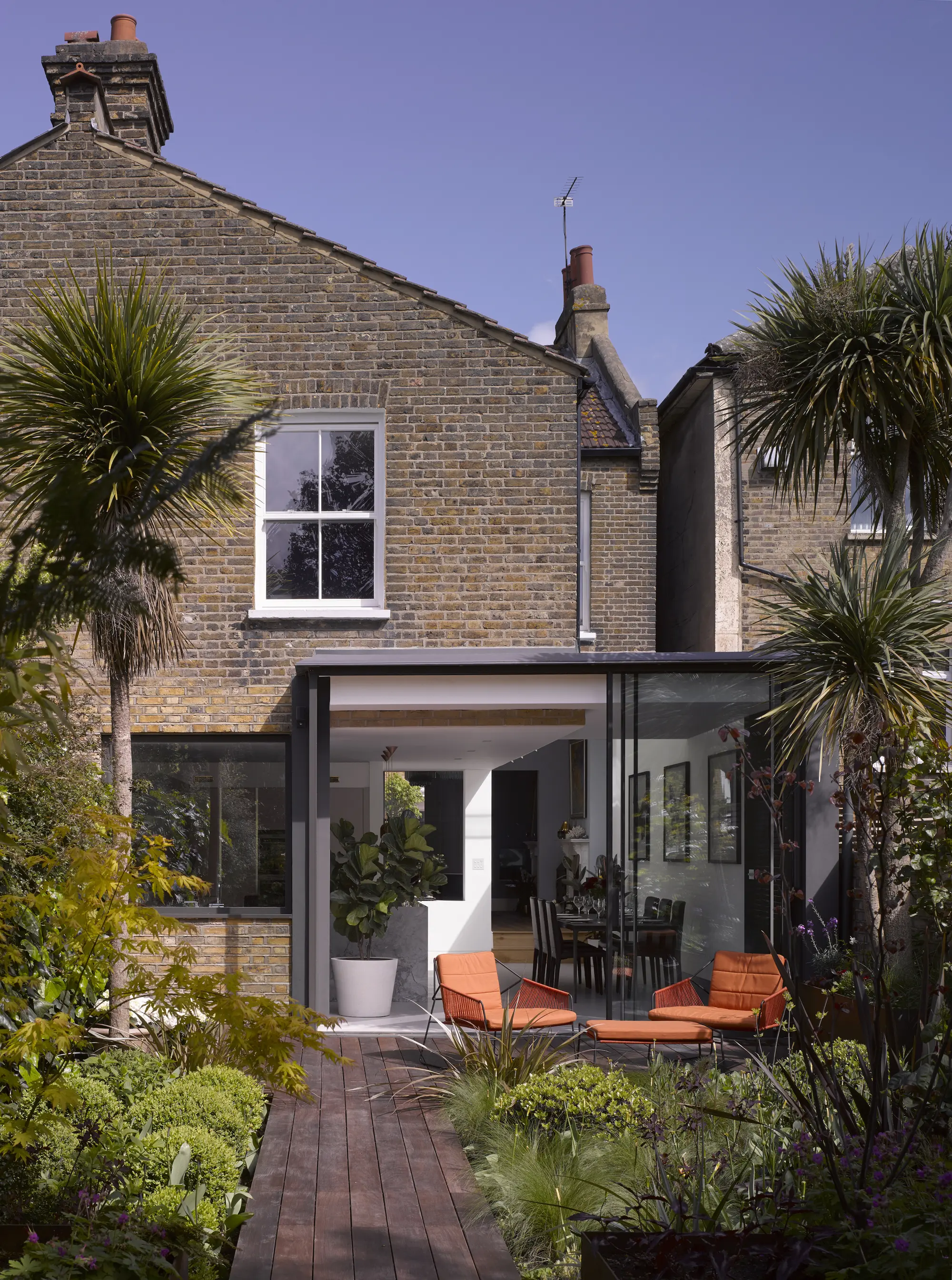
Photo: Will Pryce
This new addition brings abundant natural light into the living areas and expands views out to the rear. A large set of minimalist glazed sliding doors forms a contemporary floor-to-ceiling bay window across most of the elevation, allowing the interior spaces to open directly onto the lush greenery while visually dissolving the boundary between inside and out.
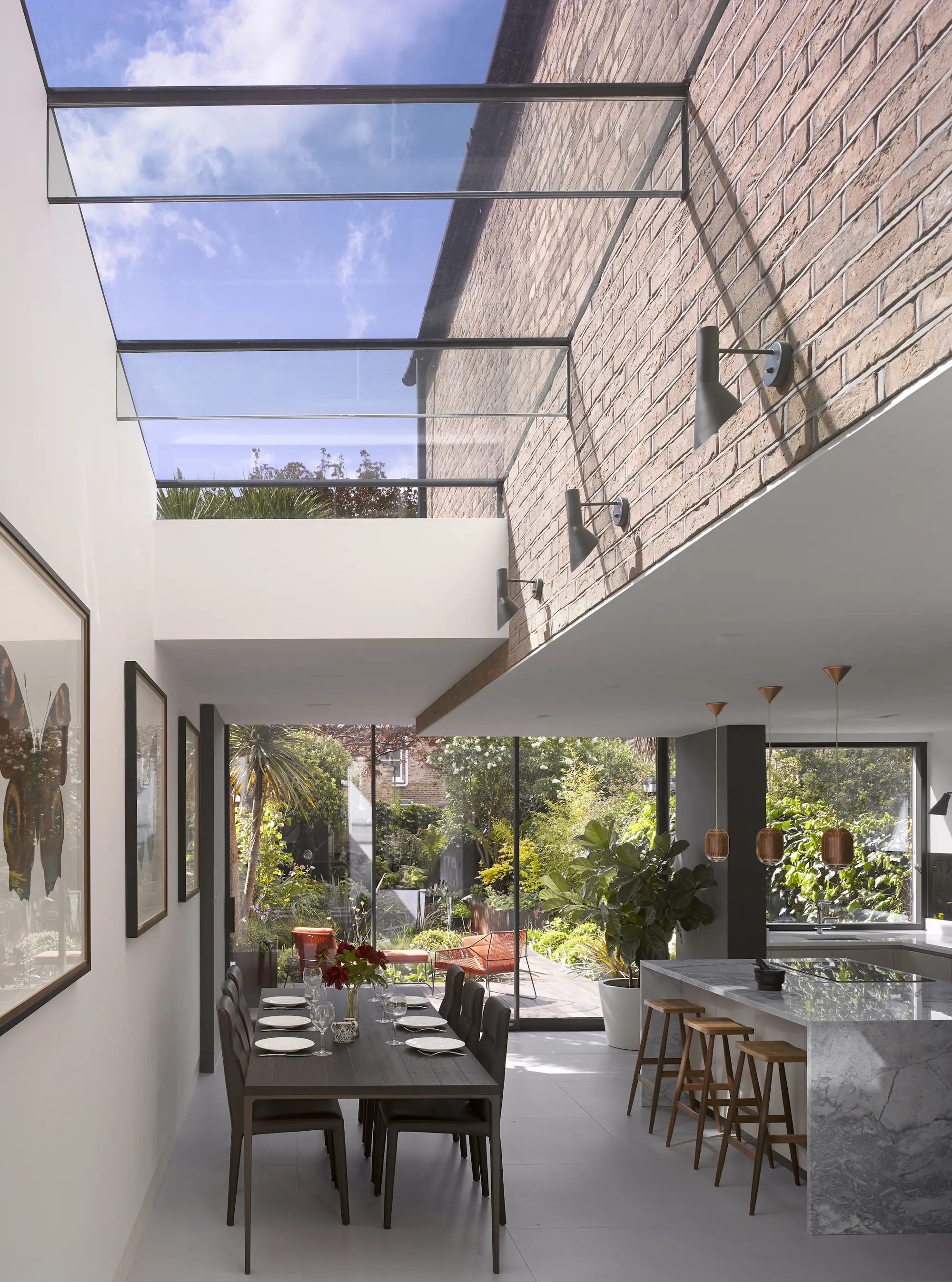
Photo: Will Pryce
Where possible, the original exposed brick external walls were retained, now serving as a striking interior feature and a reference to the home’s heritage.
Modern SIPs addition to a historic semi-detached listed home
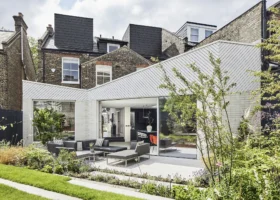
Aosda Ur by Paper Igloo is a contemporary SIPs extension that adds a calm, light-filled area to a listed home in Stirling’s King’s Park conservation area. Oversized sliding doors, a generous corner window and a dramatic rooflight draw daylight deep into the plan and frame expansive views to the garden, including a dedicated seat to watch the setting sun.
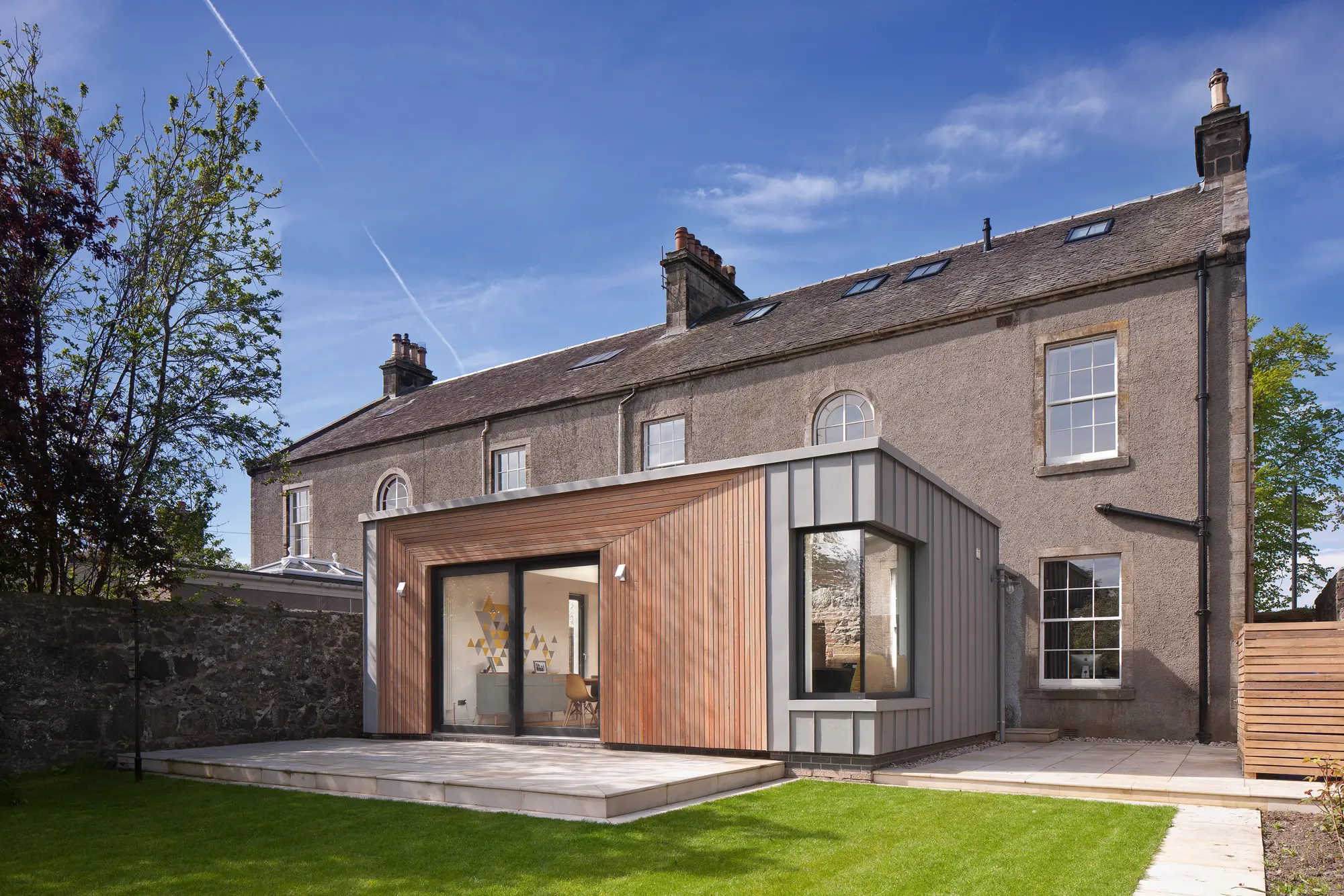
Photo: David Barbour
Externally, dove-grey zinc cladding and a sedum roof give the new volume a distinct yet sensitive presence. A wrap-around glazed circulation slot clearly separates old and new, while stripped internal stone walls reveal the building’s historic fabric.
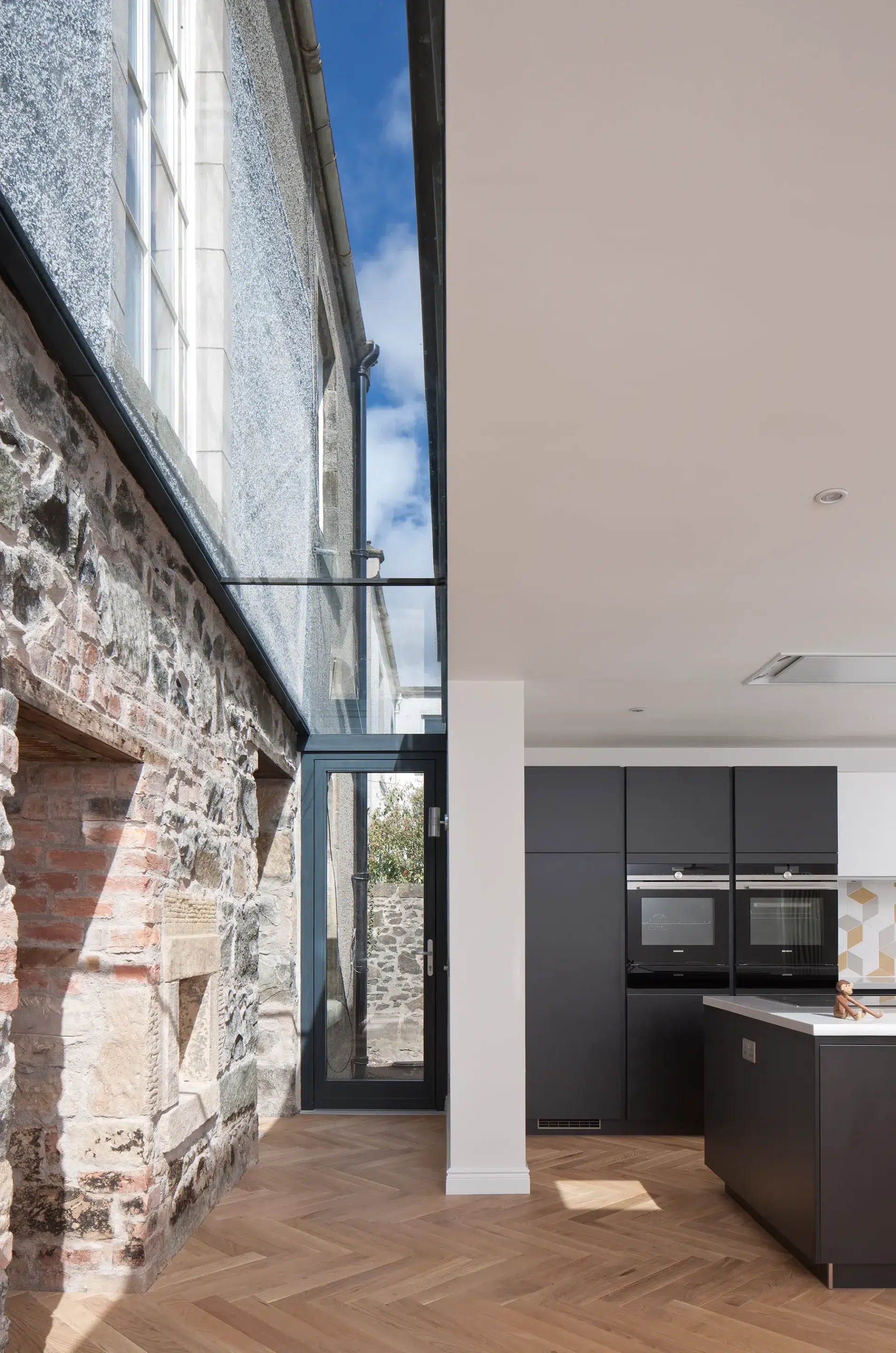
Photo: David Barbour
Replacing an ill-suited prior addition, the extension reinstates the original arched stair window and uses high-performance prefabricated panels to improve energy efficiency.
Scarlett Deamer
Previous Article

House Rendering Options Explained – Your Complete Guide to Choosing the Right Render
You may be interested in

Our sponsors