










 Login/register to save Article for later
Jane Everett is creative director at Naked Kitchens, a family-run business specialising in beautiful, bespoke kitchen spaces for self builders and home extenders.
Estimate your project costs instantly with Build It's interactive self-build cost calculator
Calculate NowGet an accurate, detailed cost breakdown of your project
Submit plans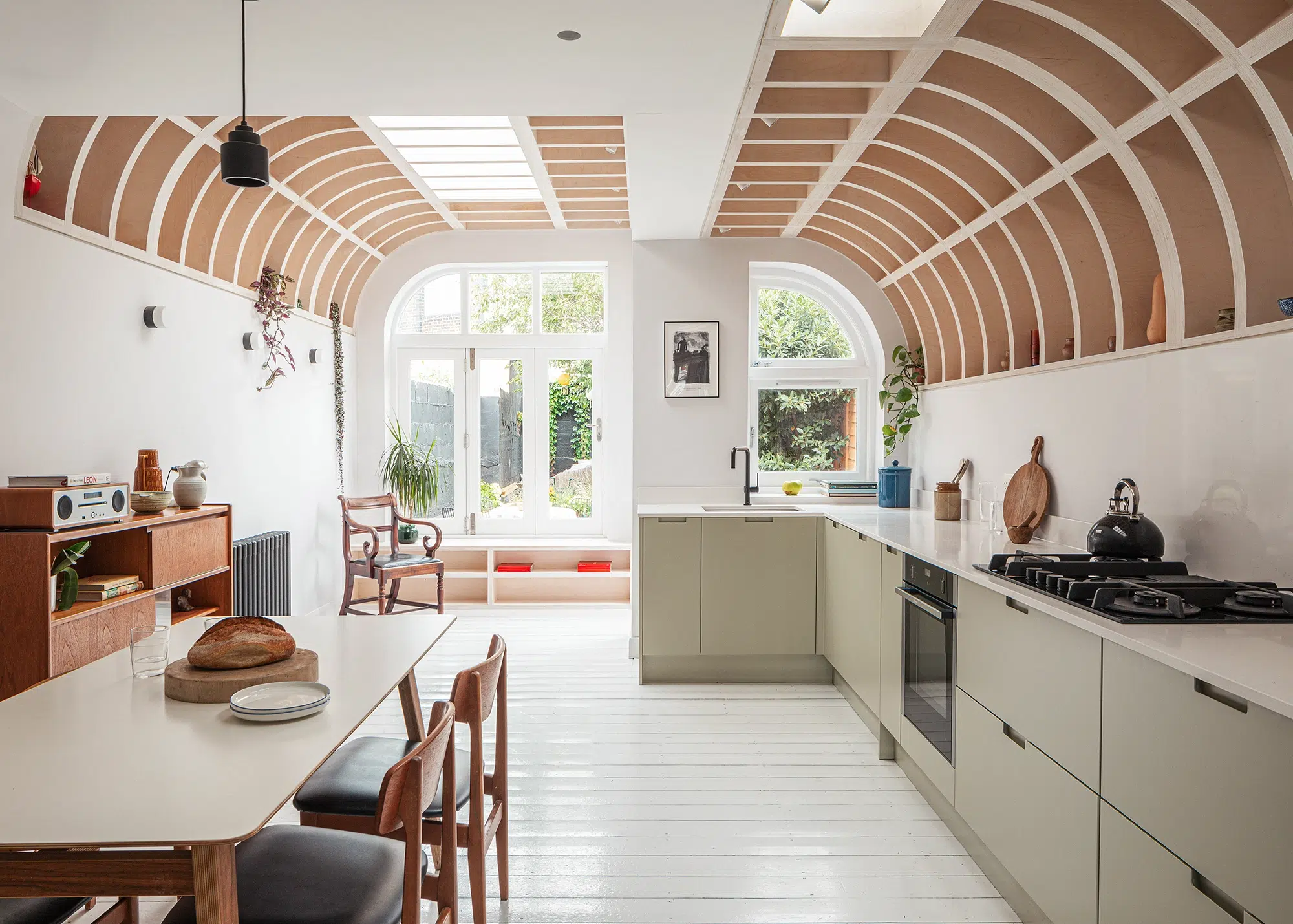


Looking for kitchen-diner extension ideas? The main advantage of a new kitchen-diner extension is the new space, whether that’s for day-to-day living or for a multi-purpose area for entertaining and enjoying family time. It will encourage a better connection between the interior and the exterior too. What’s more, it will add value to your home – a typical kitchen-diner addition can boost sale price by up to 10%.
Many kitchen-diner extensions can be achieved under permitted development (PD) rights. For instance, under PD you can add a single-storey rear extension of up to 4m in depth to a detached house (or up to 8m in England via a prior approval procedure).
Note that PD doesn’t apply to listed buildings or homes located in protected zones, such as conservation areas or areas of outstanding natural beauty. If in doubt, speak to your council. In all cases, Building Regulations approval is necessary to ensure minimum design and construction standards are met for a kitchen-diner extension.
guide to planning a kitchen extension
A single-storey rear addition is often the most straightforward project, and a great option for homes with large gardens that can afford to lose some outside space. Side-return kitchen-diner extensions, where you reclaim the strip of land alongside the building as living space, are also popular – particularly for semi-detached homes.
Wraparound or L-shaped extensions, meanwhile, combine the best of both and can substantially increase the square footage of the property. If you are intending to extend up to a neighbour’s boundary, a separate Party Wall Agreement must be put in place beforehand.
Once you’ve established the type of project that will best suit you, it’s time to set a budget. The price of a small kitchen-diner extension can start from £30,000 but that can rise much higher depending on the size of the project, materials and specification. Make sure you plan the layout upfront, getting plans and quotes from contractors as needed, and be realistic about the cost and timescale.
“The focus is all about planning and creating schedules alongside all trades involved in the development,” says Melissa Klink, Creative Director at Harvey Jones. “Ensure each party understands their role and the timeframe that their work is expected to be carried out in. You should always allow some slack in the programe, and that way you should hopefully not be disappointed if any unforeseen issues arise.”
Before you start your build, think carefully about what you hope to gain from the extra space. The layout should incorporate the practical elements necessary to your lifestyle. Consider surface space, family zones, storage, cupboard heights, task lighting and extraction, for instance.
Materials and colourways will be determined by the ambience you hope to achieve: are you looking for warm and cosy or ultra modern? Can you make use of natural light by installing a roof lantern or glazed doors? And would it make sense to undertake a wider reconfiguration of the downstairs spaces alongside your extension project?
Melissa believes kitchen-diner extensions are so popular due to the don’t move, improve phenomenon. “By extending you can truly make the most out of your beloved home and work with your own style,” she explains. Increasing the amount usable space while creating a design and layout we love is often much simpler than moving house or starting a new build from scratch. So, although it may be costly and time consuming when you’re in the thick of it, it will all be worth it in the end.
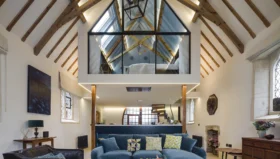
A new oak frame extension by Welsh Oak Frame has brought ample character to this 1930s detached house. The homeowners loved that the wooden structure could be used as an alternative to steel.
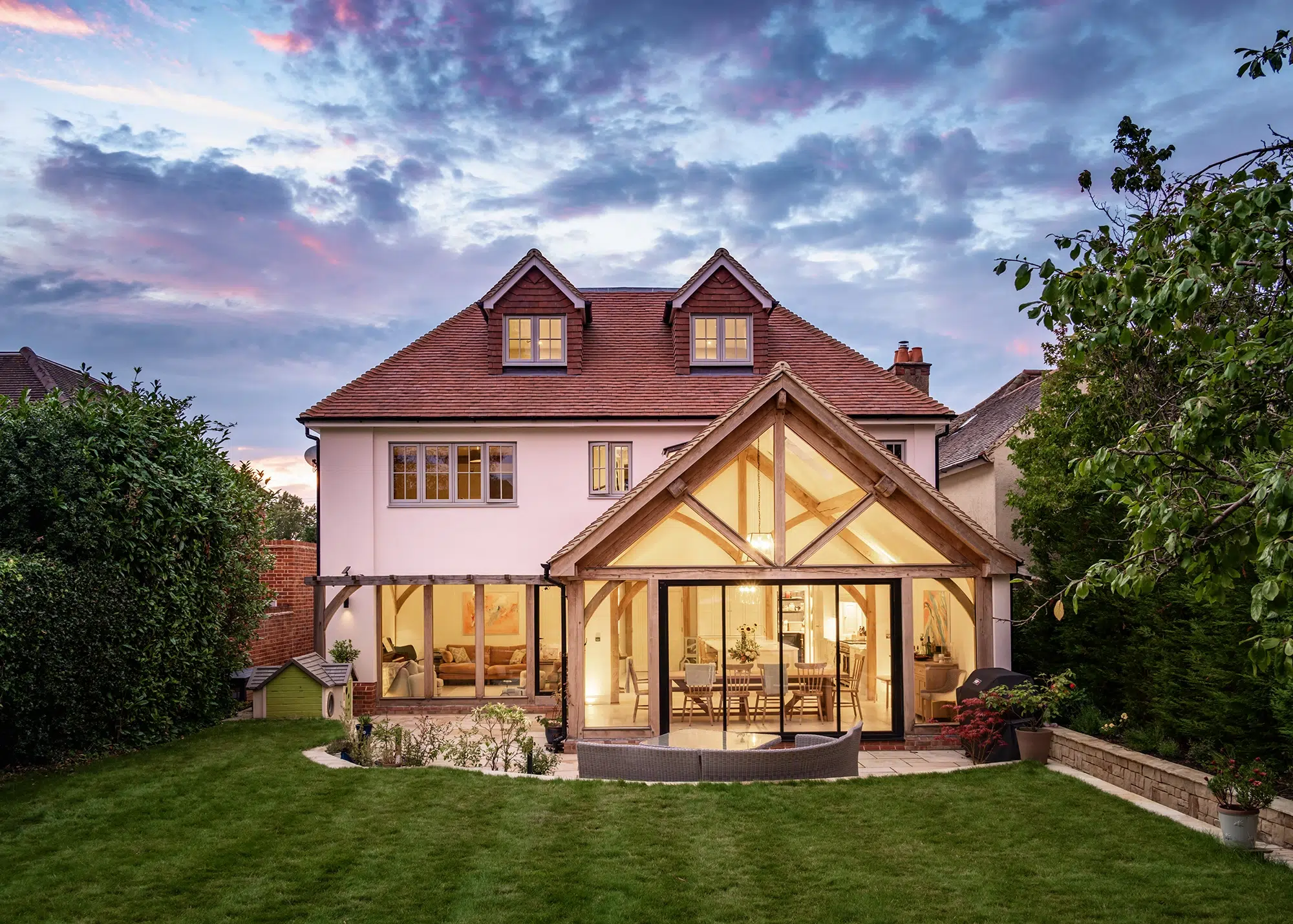
Photo: Nikhilesh Haval
The design features lots of glass, including a striking glazed gable that floods the kitchen-diner with natural daylight whilst also creating a wow factor focal point.
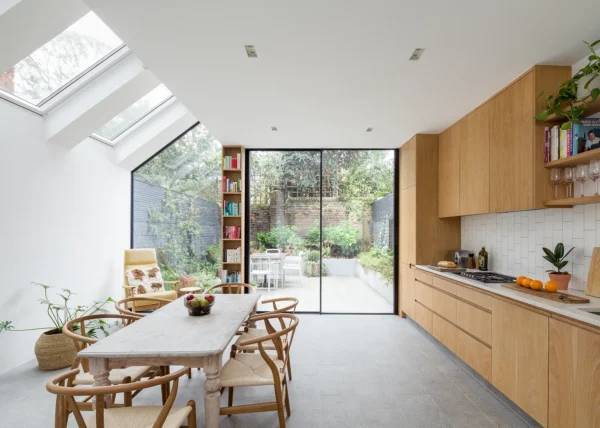
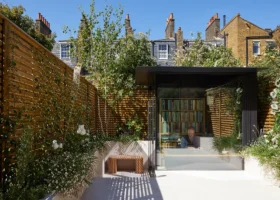
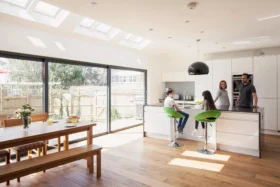
This terraced house has been extended into the side return to create a kitchen-diner that beautifully connects with the property’s garden.
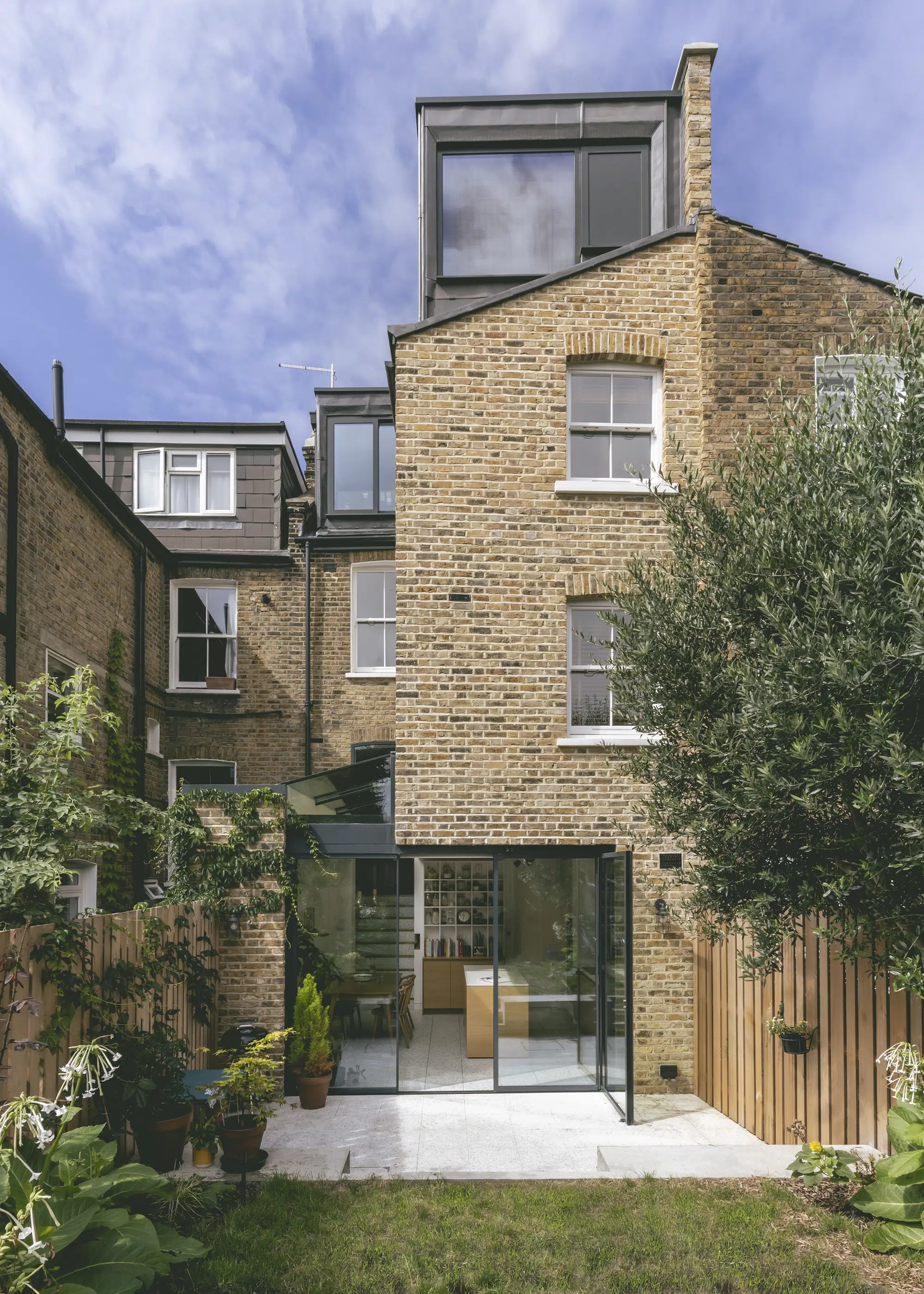
A glazed roof in the addition looks great alongside matching slide and turn glazed doors from IDSystems. Both glass elements feature slimline frames, enabling unbroken views out and maximum light gain inside the room.
Premium Content
Build It’s house extension downloadable e-guide will help you plan, design and construct an addition that enhances your existing property while meeting your needs and budget.
find out more
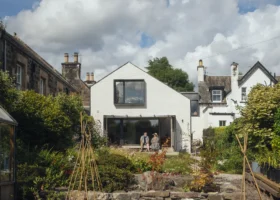
A timber and hempcrete extension by Nimtim Architects has upgraded this 1930s semi-detached house. The bio-based material absorbs and stores significant amounts of CO2 during production.
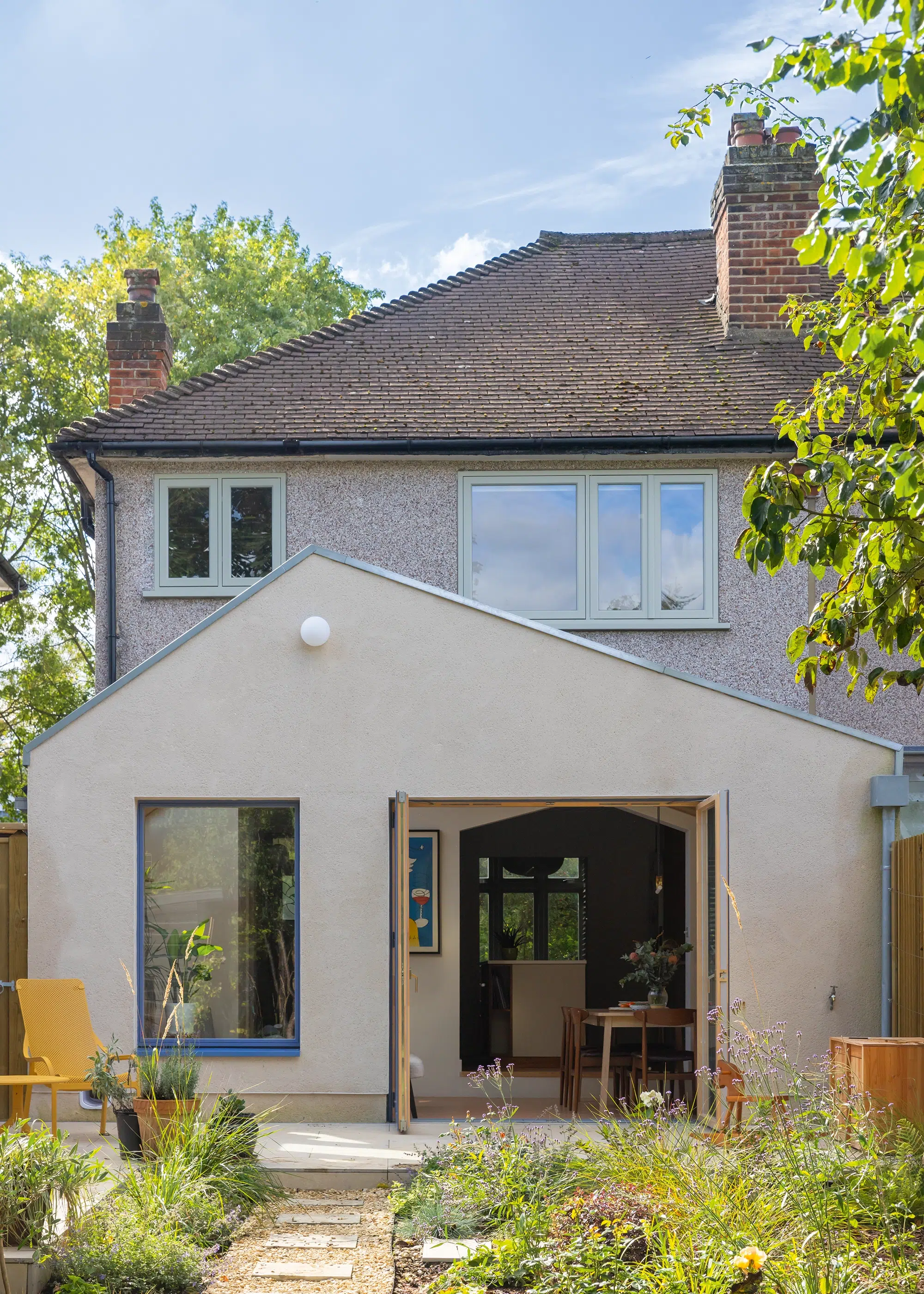
Internally, the hempcrete has been left exposed and set against the timber structure, with rooflights bringing in ample daylight. The result is a dining space filled with texture and personality, whilst also being breathable and chemical-free – perfect for family life.
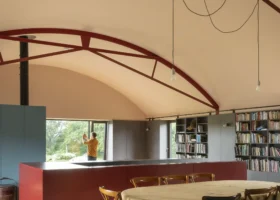
The striking arched ceiling in this new extension by Roar Architects is formed using CNC birch ply ribs. Detailed measurements have enabled the team to use standardised components, helping to keep the costs down and creating consistency between the two curved ceiling areas.
Photo: Chris Wharton
Skylights and sliding windows filter in ample daylight and offers a fantastic connection with the garden.
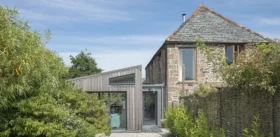
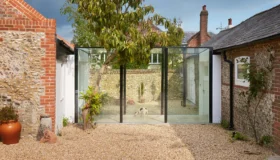
This 17th century limestone cottage now benefits from an elegant oak frame extension from Oakwrights. The addition is finished in stone that complements the historical character of the original building.
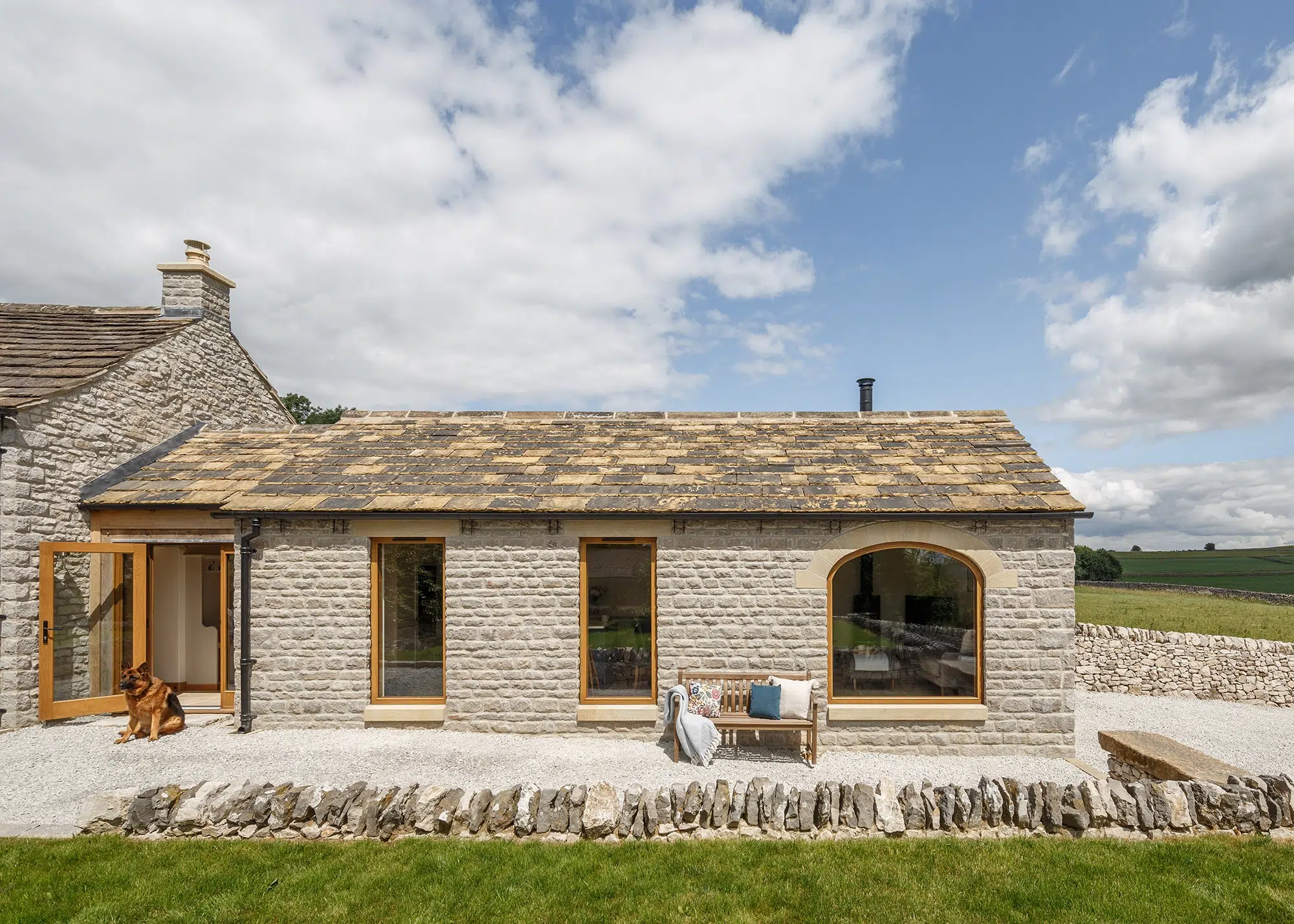
Photo: Rob Crawshaw
Inside, beautiful exposed beams bring warmth and texture to the new kitchen-dining-living space. Large panes of face glazing create a light-filled room, including a playful curved window that perfectly frames the view out from the sitting area.
Designed by Scenario Architecture, this sweeping addition to a Victorian property replaces a previous extension. The new roof, which has a zinc finish and is formed specifically to allow a transition from the highest point to the low eaves height that respects the neighbours at the adjacent boundary wall.
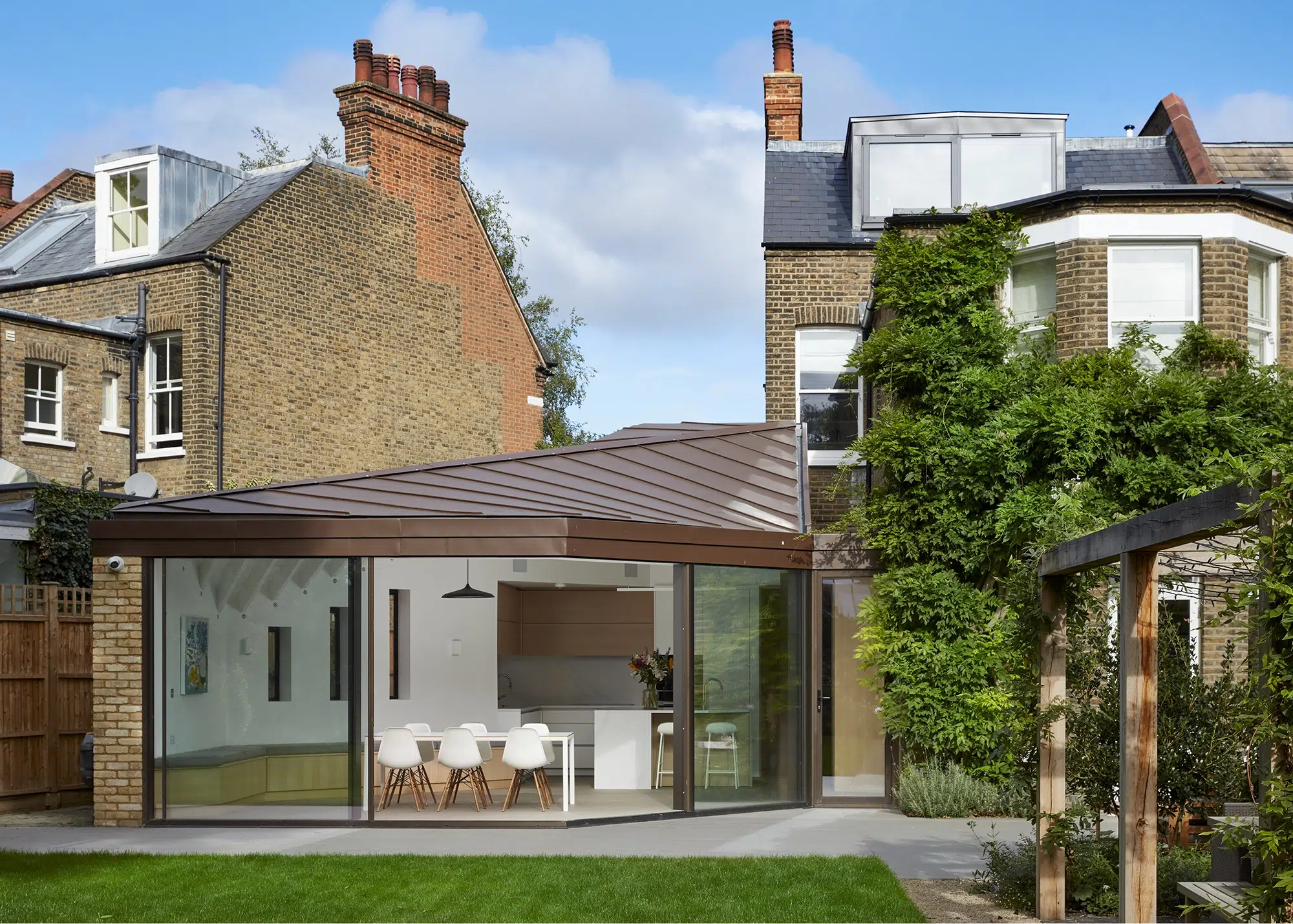
Photo: Matt Clayton
Inside, the ceiling is fanned and finished in a crisp white. Circulation and storage in the kitchen-diner has been thoroughly considered to create an organised and practical space.
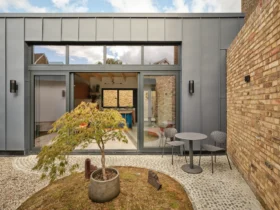
Two sets of bifold doors concertina back to reveal a fully open corner in this stunning kitchen-diner extension. The addition replaces an old conservatory and has ticked the box for the homeowners’ brief of a great indoor-outdoor connection.
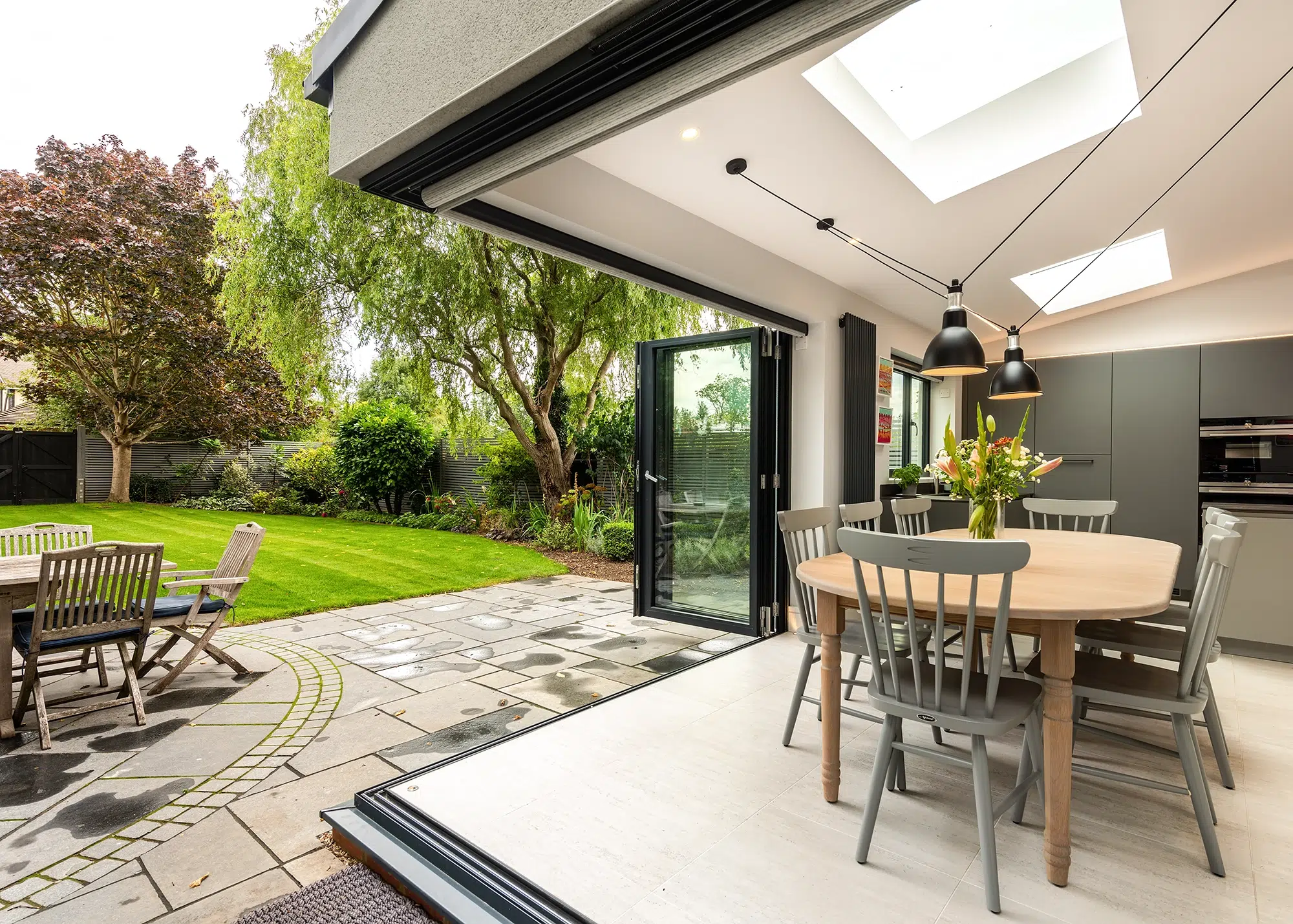
The look has been created with load-bearing masonry around a steel frame, with Kloeber’s aluminium KustomFold doors offering the wow factor openable glazed corner.

You’ll need a full overall plan of the extension, along with an understanding of how the space will be used and what zones are needed – for instance, kitchen, entertaining, seating etc. A good understanding of circulation space around these areas needs to be considered to ensure that the room flows ergonomically.
Where the addition opens up and expands the room, it works well to have the kitchen situated close to the join with the original building and locate the seating at the far end, especially where this leads out onto the garden.
An island is a great use of space, especially in wide rooms. Where dining is also incorporated, careful consideration needs to be paid as to where the seating will be placed. Kitchen island stools may create a clash with the table chairs, so plan for this in the design phase.
Bold colours combined with timber accents continue to be very popular for kitchen extension projects. Open shelving works well between the living area to the kitchen and can be beautifully styled to soften the transition between the two zones.
This vibrant yellow extension by Unknown Works is formed using cross-laminated timber (CLT). The edges of the addition are gently rounded, tempered to bring softness to the bold design.
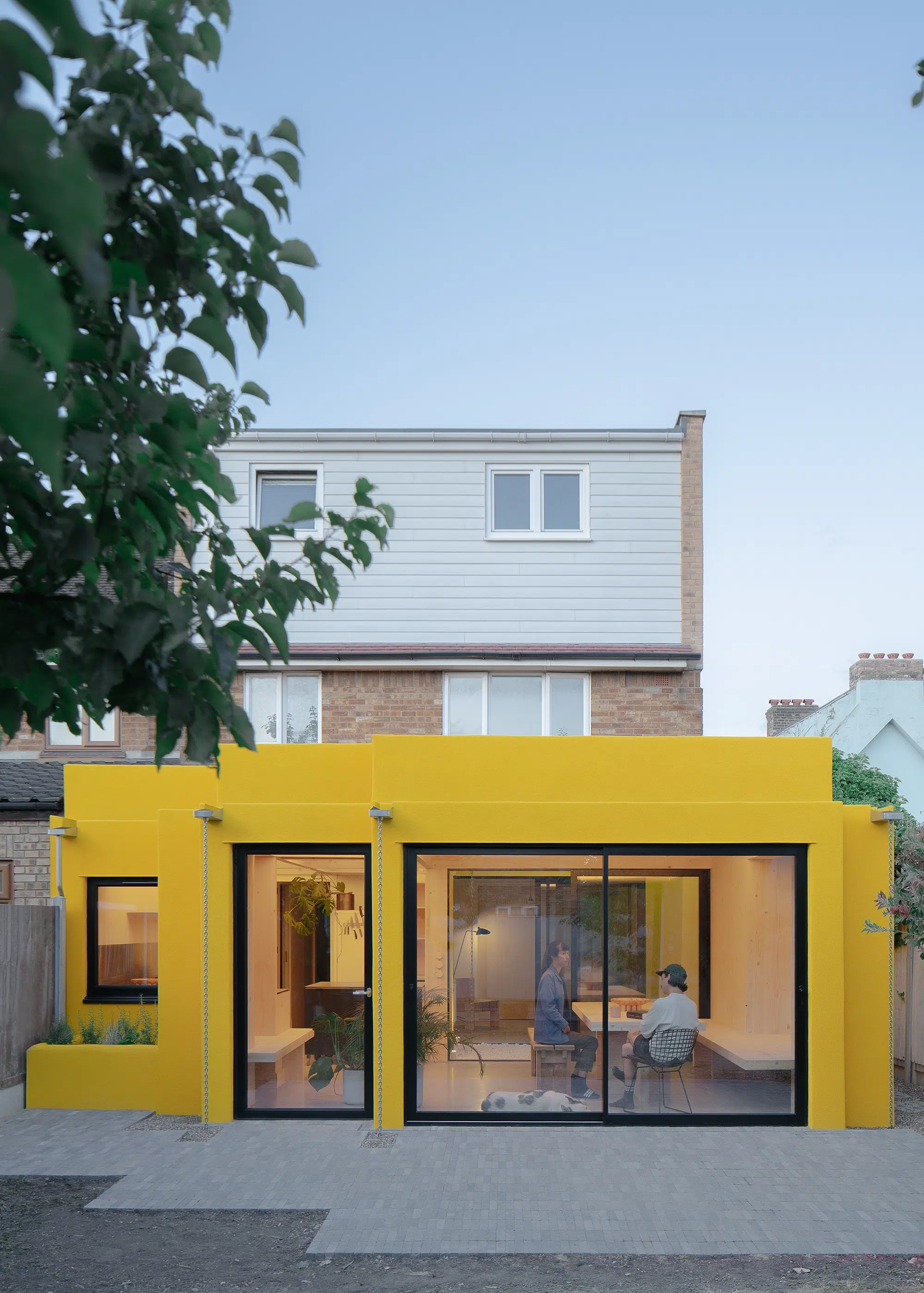
The use of stainless steel rain chains is a Japanese guttering style that are minimally obtrusive. Inside, the CLT is exposed, creating a contemporary feeling kitchen-diner.
This Victorian terraced house has been reworked to include a double-height bay window and side return extension, designed by Material Works. The ground floor was previously dark and confined, but is now open and filled with natural light.

The kitchen sits back in the house plan, with steps down to the dining space. Low-carbon and natural materials were carefully selected, including timber framing, wood fibre insulation and reclaimed bricks.
These homeowners set out to transform their urban property’s dark, narrow kitchen-diner while adding a touch of personality to the space. The design, by Mel Architect, involved building into the property’s unused side return – creating a large, light-filled open-plan zone with a glazed lean-to roof.
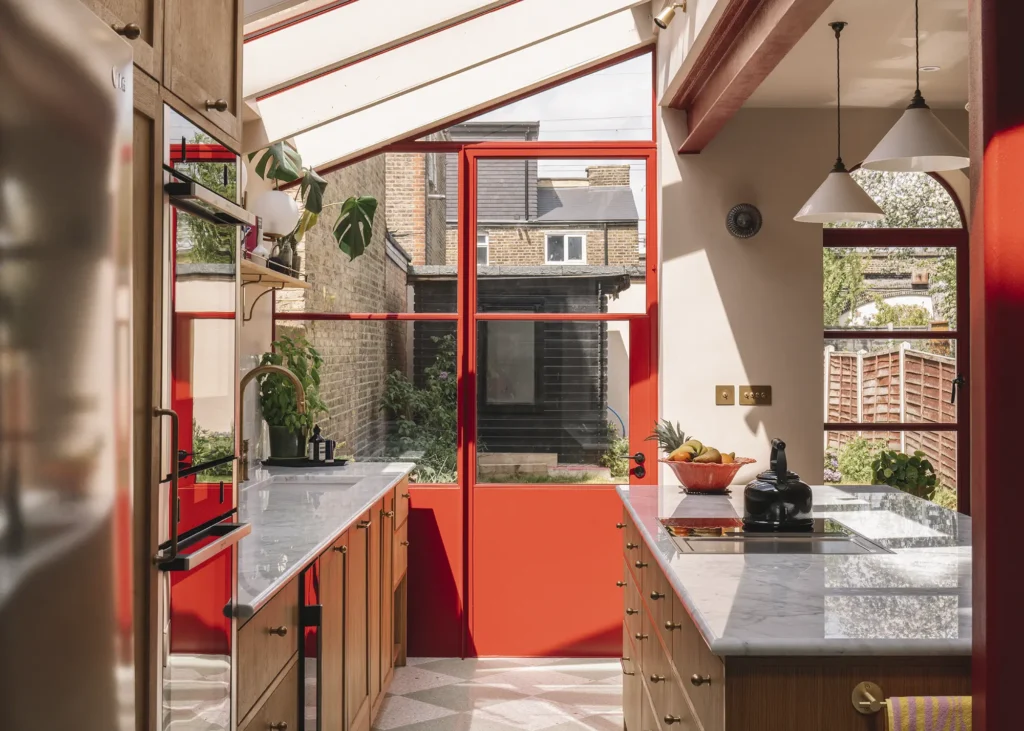
Photo: Emily Marshall
The family were after a place they could socialise and relax in with friends and enjoy at all times of day. The previous outrigger blocked any views out to the garden, so the project sought to both enhance the link between indoor and outdoor spaces and allow light to pour into the home. The interior features bespoke timber kitchen cabinets by Johnathan Currie and was designed in collaboration with Palmer & Stone.
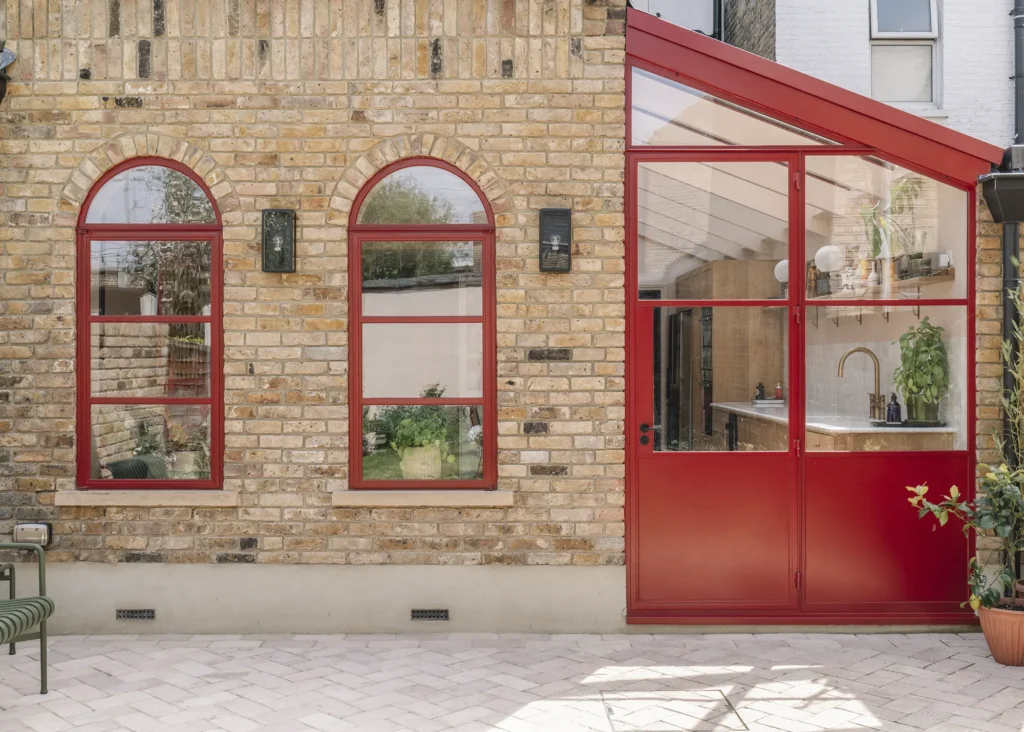
Photo: Emily Marshall
The arch-shaped glazing, specified with bright-red frames, references the nearby houses, while the variegated brick exterior adds a traditional charm.
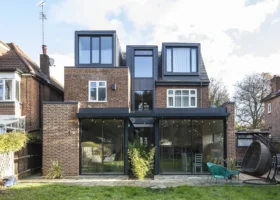
Set within the urban Highgate conservation area of north London, Emil Eve Architects transformed a five-storey Edwardian terraced house with a striking and impactful glazed kitchen-diner extension.
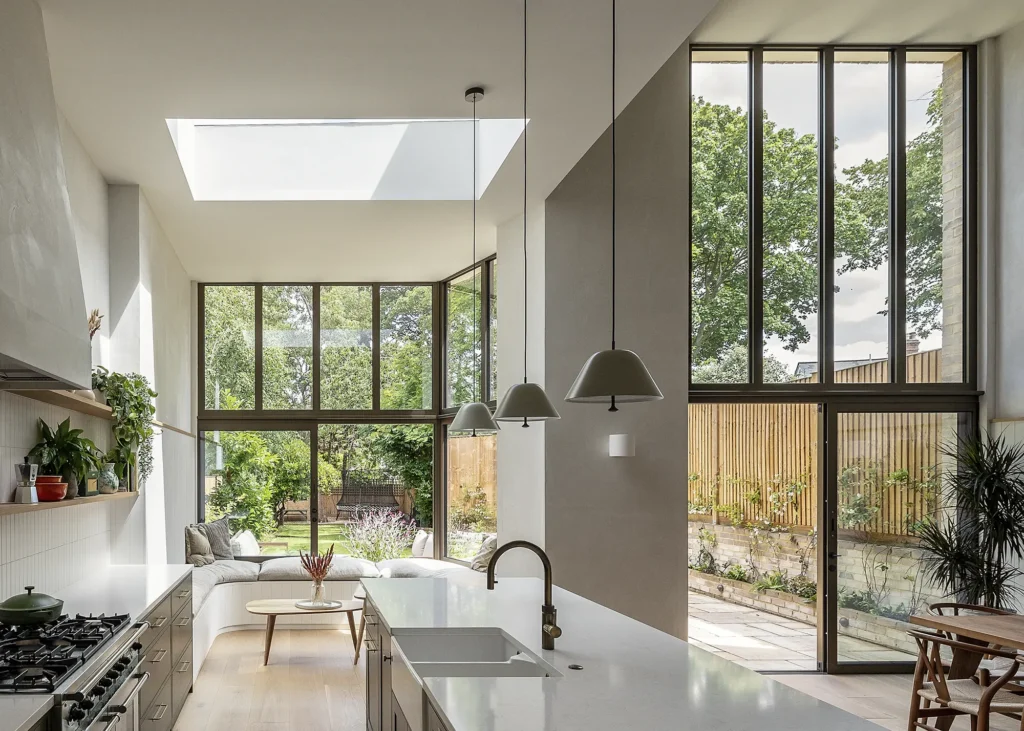
Photo: Taran Wilkhu
The London-based architecture firm designed a double-height atrium to open up the home completely, allowing garden views and plenty of daylight to filter throughout the home. Set on a sloped hillside, the geometric brick extension features a stepped form, offering space for defined living space both internally and externally.
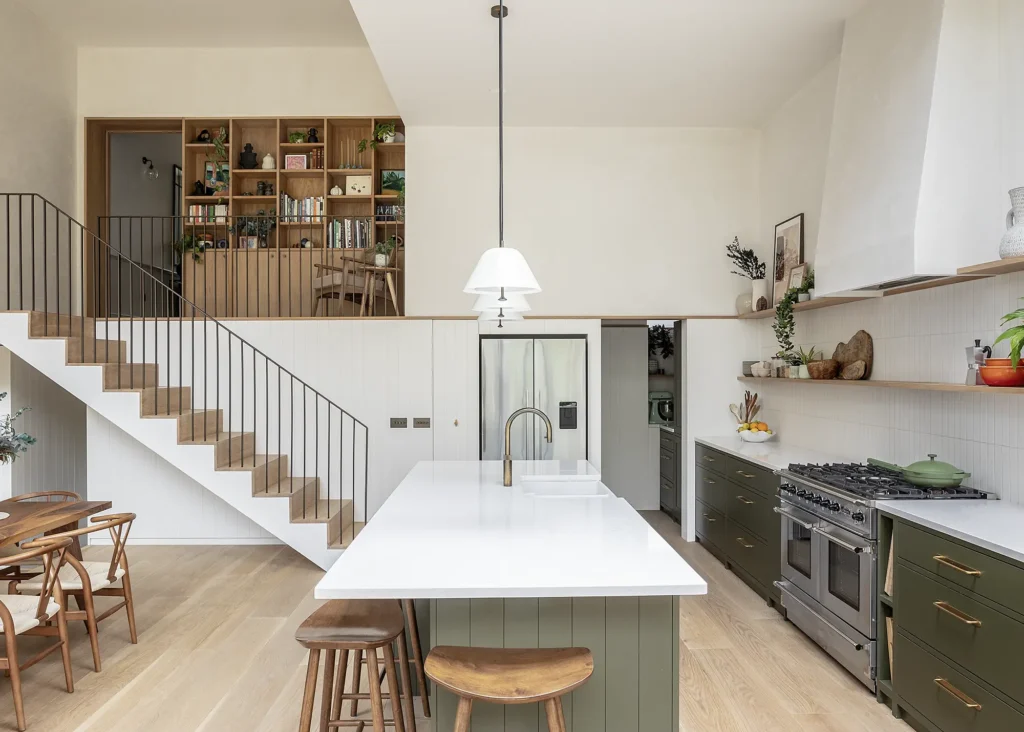
Photo: Taran Wilkhu
Inside, oak flooring offers a warm feature which contrasts against the bright white walls. Exposed shelves are a great idea for kitchen-diners, evidenced in this project with their ability create a greater feeling of space and height.
Lighting is an important feature to consider when designing and building your kitchen-diner extension, and natural and artificial lighting need to be combined carefully to achieve the right balance. “There will inevitably be parts of the kitchen and dining area in your extension with limited access to natural light; particularly the zones around the existing part of the house,” says George Omalianakis from GOA Studio. “While designing the new layout, decide what you would like to have in the darker and lighter parts of the floorplan. For example, a cosy seating area works with less natural light.”
“For most properties, the two-out-of-three rule tends to apply: you can have no more than two out of three of the kitchens, dining and living functions next to the garden, so you need to decide which two work best for you. This will also depend on the shape of the space. Once decided, place rooflights accordingly,” says George.
Overall, natural light can be used to create two distinct settings. One is a theatre stage effect that relies on strong lighting contrasts between well-lit and shaded areas. In this approach, fewer rooflights work better. By limiting the amount of light entering from above, you draw attention toward the outside garden space (or the stage), create a better connection with the outdoors. This design setup allows for a gentler shift in brightness – transitioning from the brightest (near the glazed doors), through to the dimmer areas (further into the plan).
“Artificial lighting needs to be both practical and effective, bringing balance and creating instant zoning – so it’s important to get the input of a lighting specialist,” says George. “Start by thinking about the background, which will create a uniform spread of light when necessary. Spotlights, pendants, under cabinet and surface task lights, if chosen in the correct colour temperature, will mimic and supplement natural brightness in,” he says.
This charming Arbor kitchen from Harvey Jones features floor-to-ceiling windows to maximise views. The choice to use mainly base cupboards places the focus on the traditional pitched roof, while the island at the centre of the scheme separates the dining area from the kitchen and provides a designated workspace with additional breakfast bar ideal for entertaining.
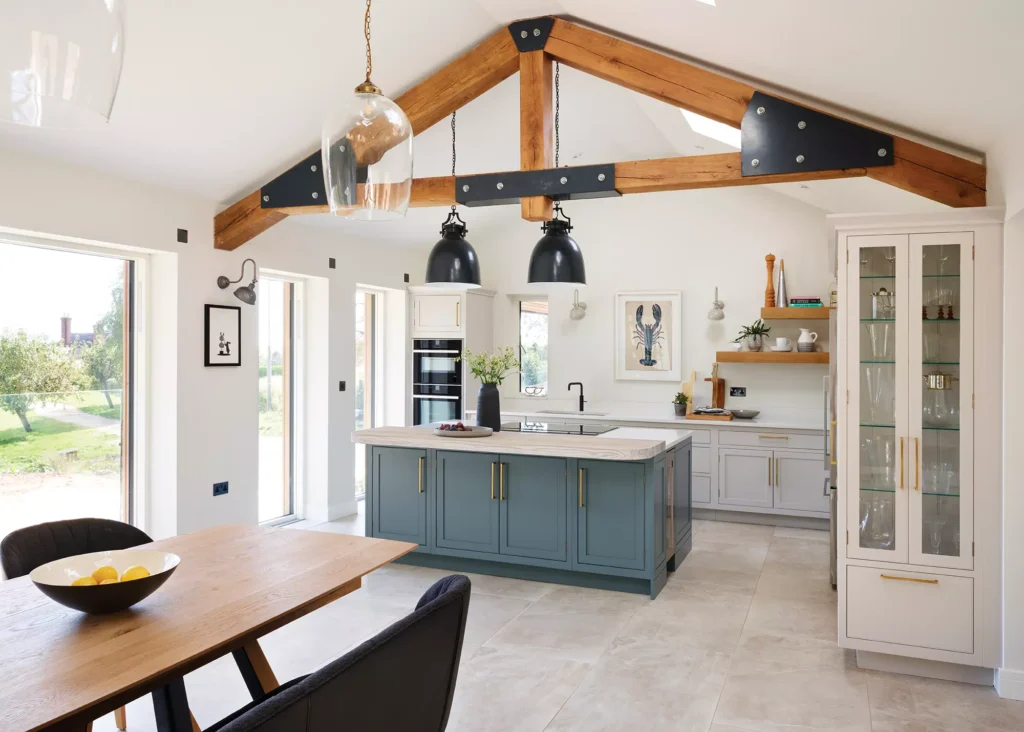
Storage solutions range from a built-in wine cooler to a customised pantry larder, allowing the space to remain clutter-free.
This 4m2 single-storey extension has replaced an ageing, disjointed PVCu conservatory. Internal gable walls were knocked through to increase space and create a modern kitchen/diner.
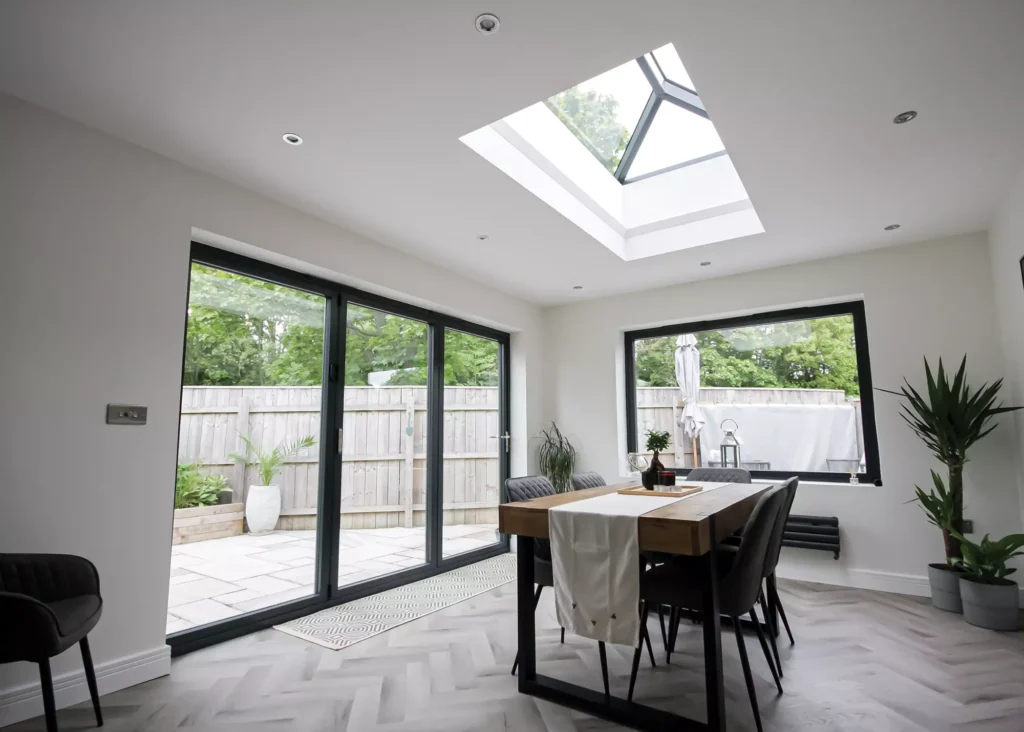
A 1m x 2.5m Korniche aluminium roof lantern was chosen to maximise thermal performance while boosting the overhead natural light entering the room. A Korniche fixed bifold frame with anthracite grey profiles matches the design. Prices start from around £738 for an aluminium roof lantern with clear glazing.
Rixon Architects added side, loft and rear extensions to this split-level terrace to suit the client’s changing growing family. The rear addition houses a modern kitchen-dining-living space, with continuity of materials from inside to out and minimal sliding doors to accentuate the connection between house and garden.
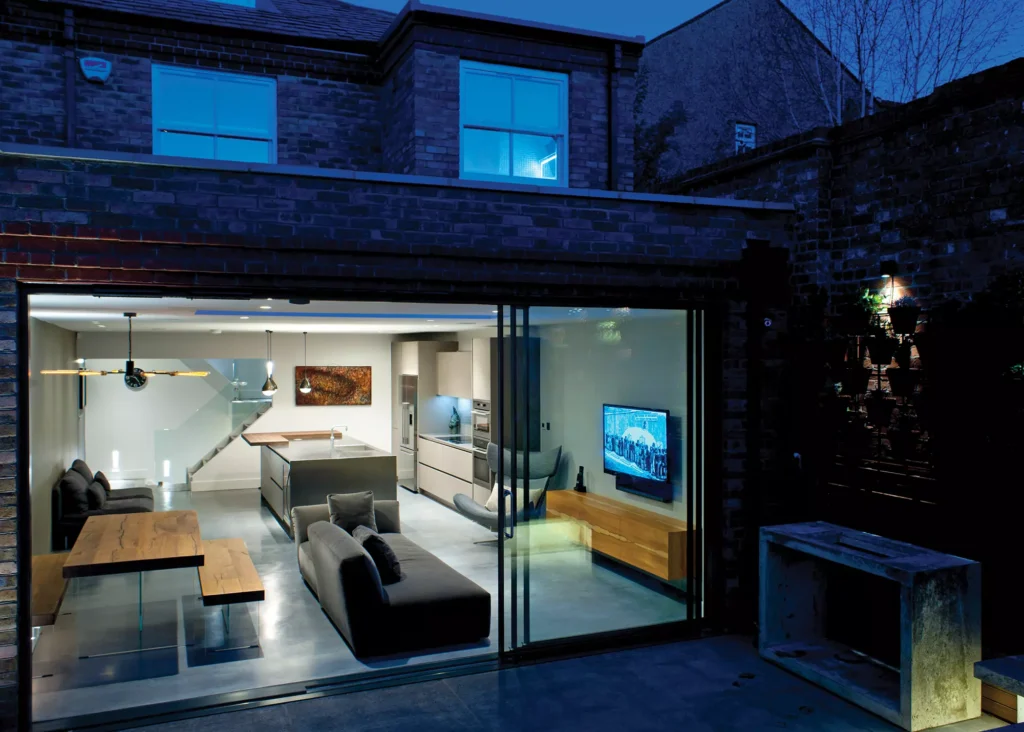
The lower floor was opened to give the family room to socialise, with homogenous polished concrete floors creating a light and airy space.
Westbury Garden Rooms’ client wanted a generous kitchen-diner extension full of sunlight and space. The entire rear corner supporting the house was removed to make way for the orangery, with steel beams craned in to support the first floor structure.
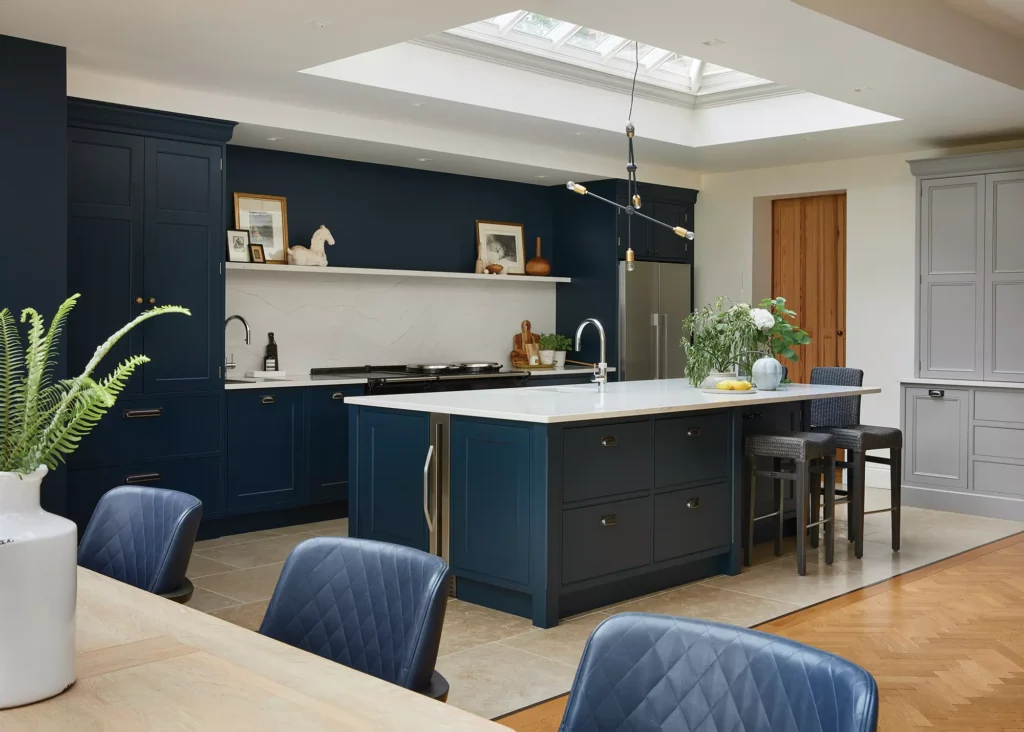
Automatic thermostatic air vents in both roof lanterns help to maintain a comfortable temperature through the year – complementing top-hung casement windows and wide French doors. A similar project would cost circa £130,000.
Though there were planning restrictions to the height of this extension, by Paul Archer Design, the feeling of openness has not been compromised. A main steel beam spans 14.5m across the entire width of the zone. Within are the main family areas comprising a centrally located kitchen with views towards the garden, plus dining, living and play spaces.
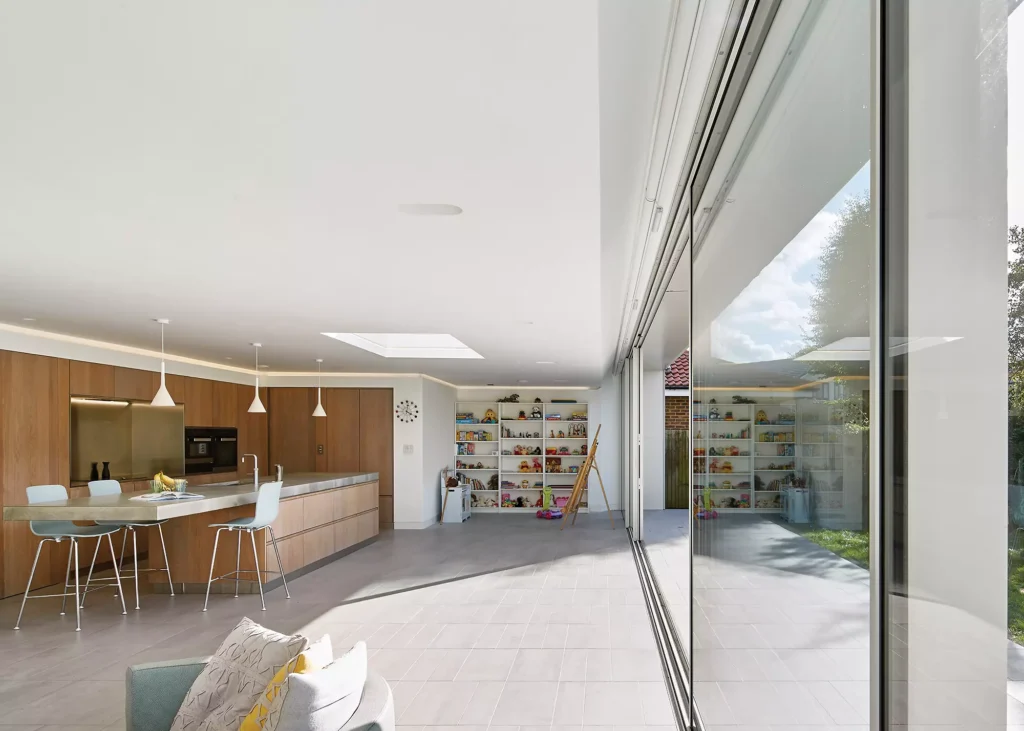
Photo: Killian O’Sullivan
A utility and pantry space are concealed behind the kitchen oak-fronted joinery. The island is topped with a polished concrete worktop. This extension project came in at £1,671 per m2.
Carefully proportioned windows give this kitchen extension by A2 Studio a sense of height and openness. An oversized pivot door opens into the garden, which can be viewed from a cosy snug through the new oriel window.
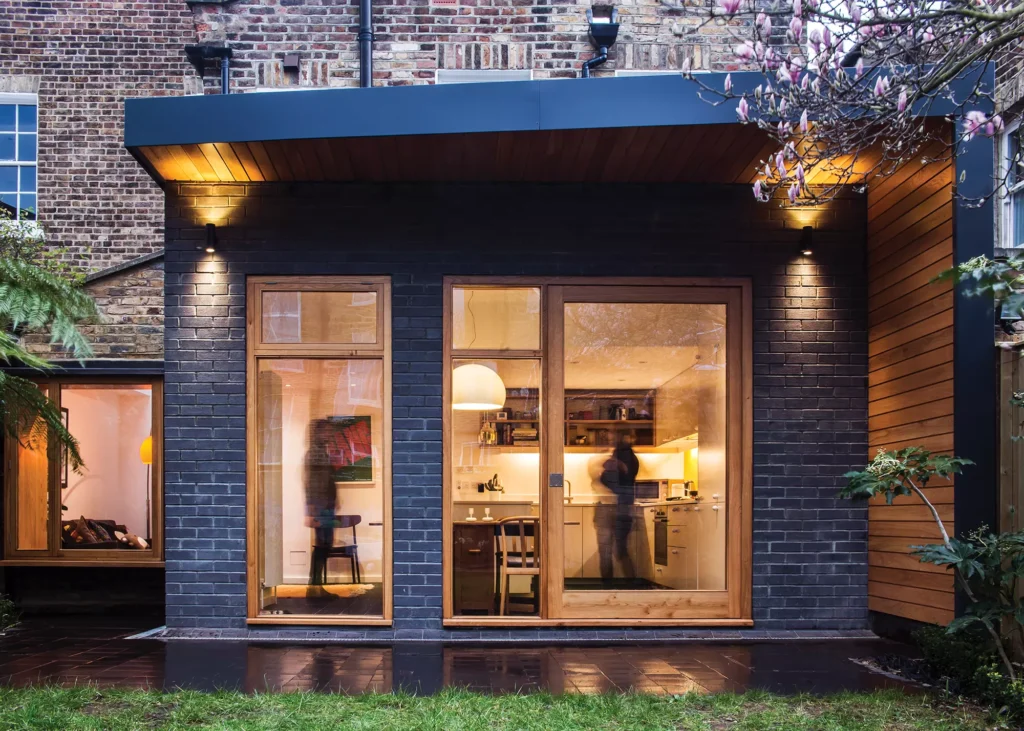
Timber is carried through from the window frames and cantilevered canopy lining to the bespoke joinery, providing a warmth that stands nicely against the black brick and reflects the Scandinavian heritage of the client.
Solarlux SL60e aluminium bifold doors were installed by Thames Valley Windows to flood this rear kitchen diner extension with natural light. The units are thermally broken, achieving an overall U-value of 1.4 W/m²k.
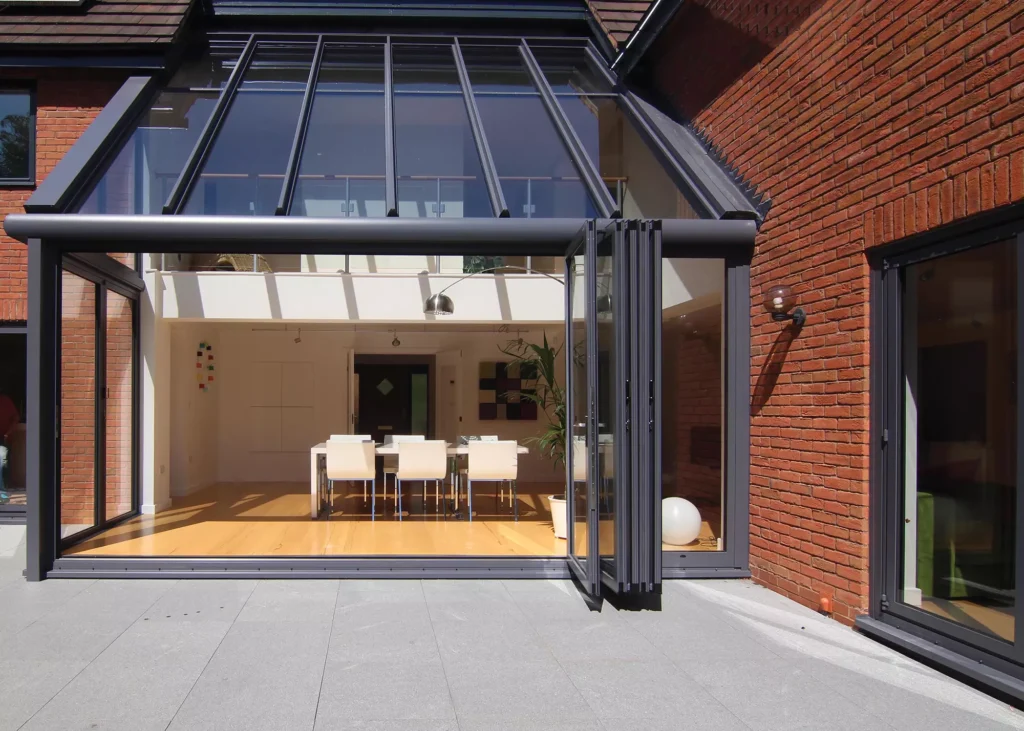
Featuring a slimline glass-to-glass measurement of 130mm and an integrated hinge system, the SL60e can also operate with a fully moveable corner post if a completely open-plan effect is desired.
The owners of this terraced home in Shoreditch wanted to increase useable space whilst maintaining the charm of their quirky property. They opted for a pitched roof extension, using IQ Glass structural glazing with steel supports for a modern look.
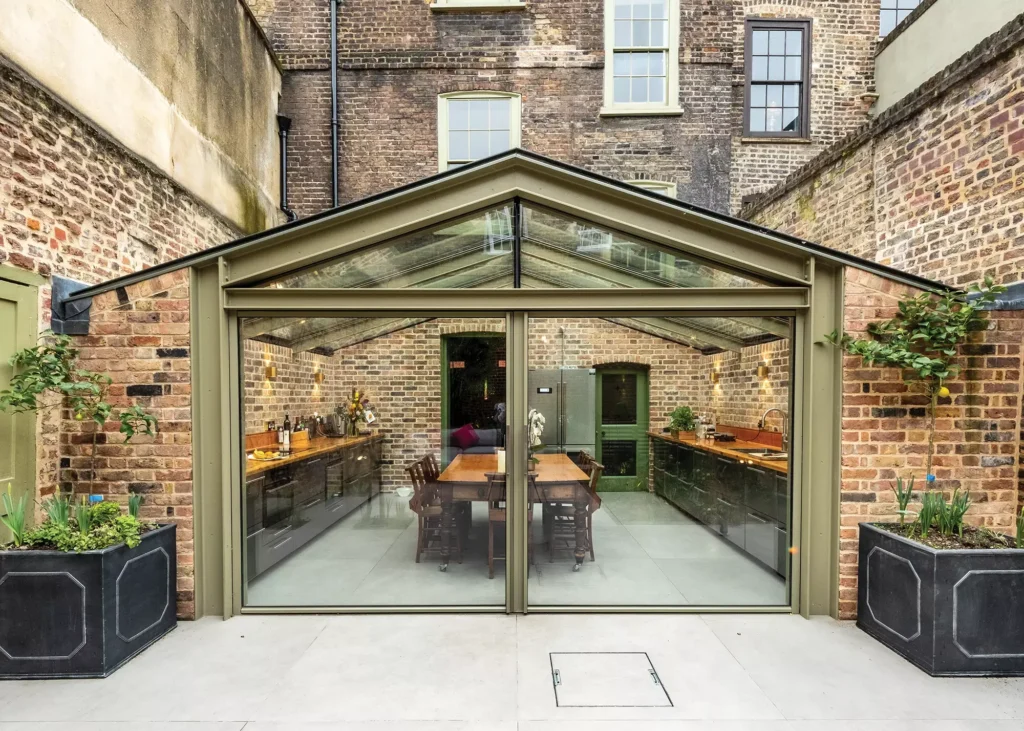
A double set of slim framed aluminium pivot doors was installed at the end of the space, enabling a fantastic connection between indoors and out. A structurally glazed gable above allows the maximum amount of natural light to flow through the room and provides garden views from all angles.
This single-storey rear extension by GOA Studio opens to the garden through full-height, double glazed bifolds.
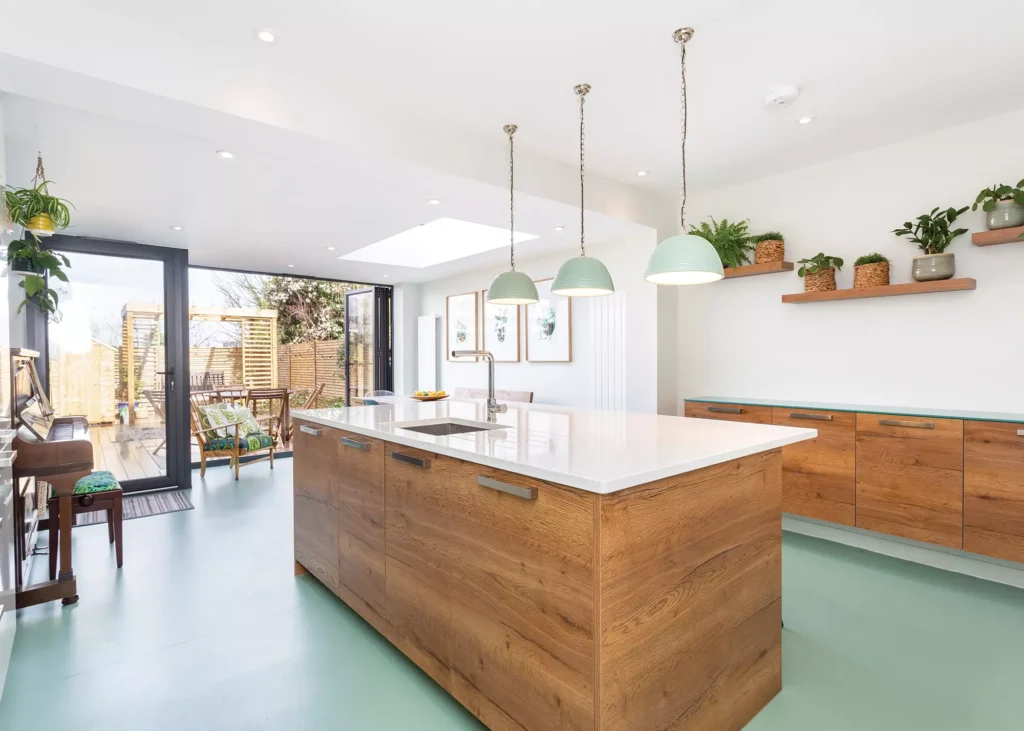
Corner glazing and an additional rooflight complete the effect. Supplied by Kitchen Coordination, the retro cabinets are in wood-effect high-gloss laminate, complemented by white quartz worktops. The kitchen cost around £15,000, with the whole project amounting to £150,000 including the extension.
In this scheme by Satish Jassal, 80% of this previously rundown Victorian townhouse was stripped out, restored and replaced.
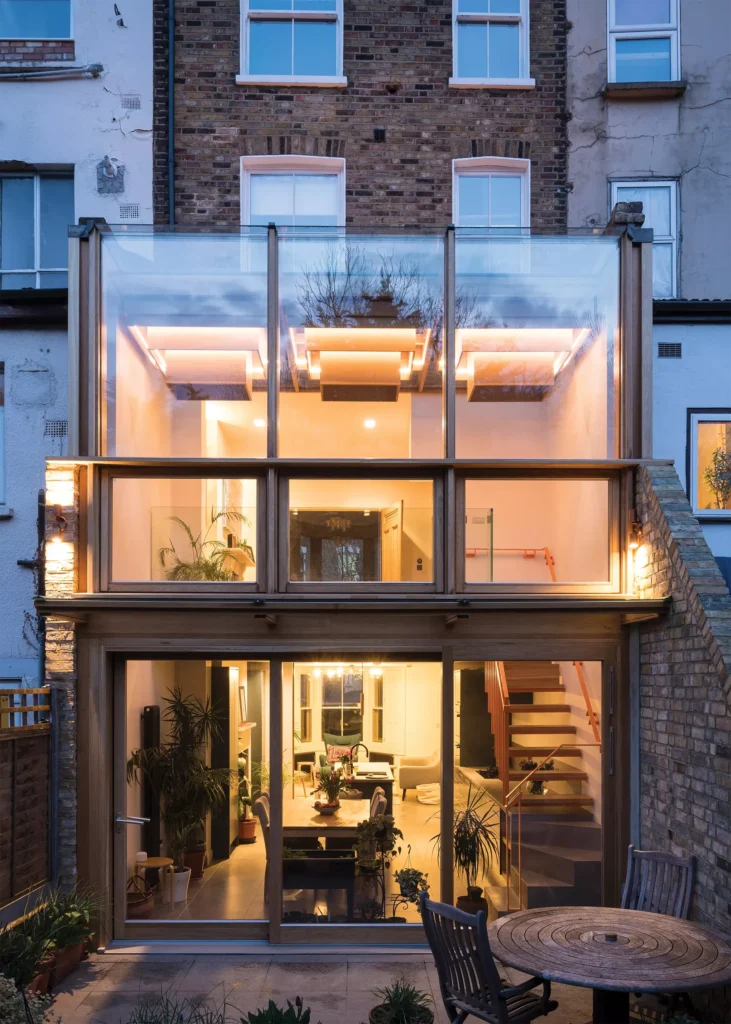
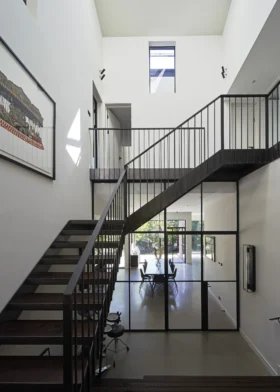
A two-storey, glass-and-oak rear extension, providing sky views, houses a kitchen-diner downstairs and a fresh new living area above. A steel and oak staircase cantilevers over the kitchen, and the worktops become part of the staircase.
What was once a dark galley kitchen has been transformed into a large, bright extended space full of natural light. CRL Quartz Savannah, with a marble look that ties in well with the stone-effect porcelain tiled floor, was chosen for the worktops.
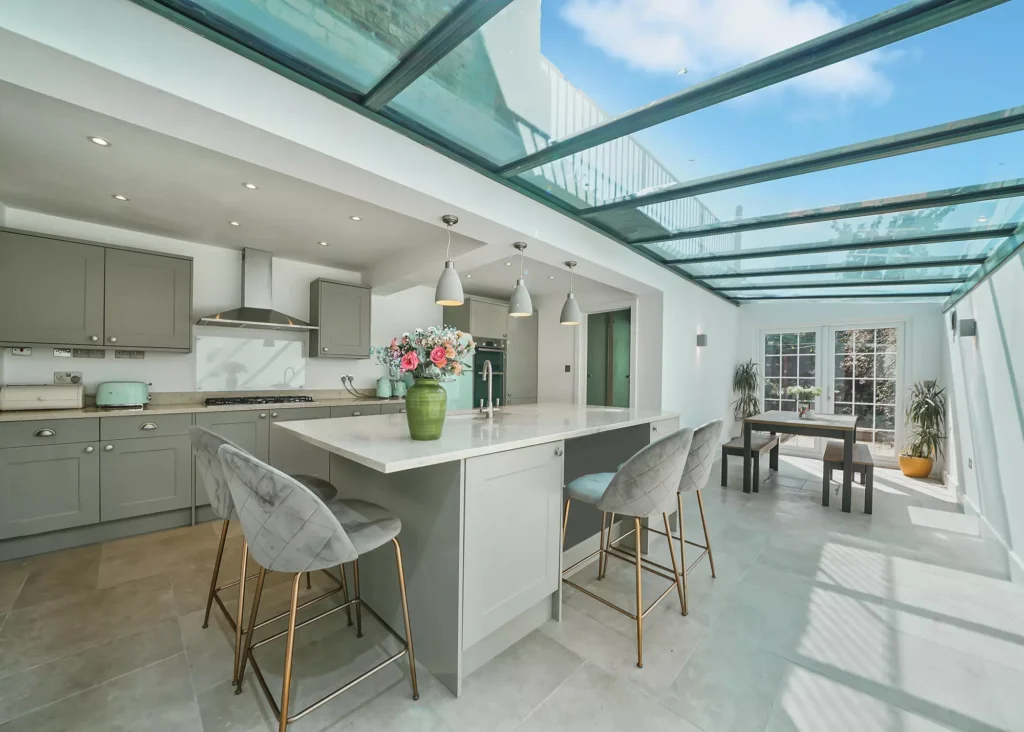
The surfaces measure 4m along the wall and 2.5m on the island, offering ample food preparation and dining space.
Plus Rooms’ design for this London home combines side and rear extensions with opposing pitched roofs to create the appearance of an acentric gable design from the rear.
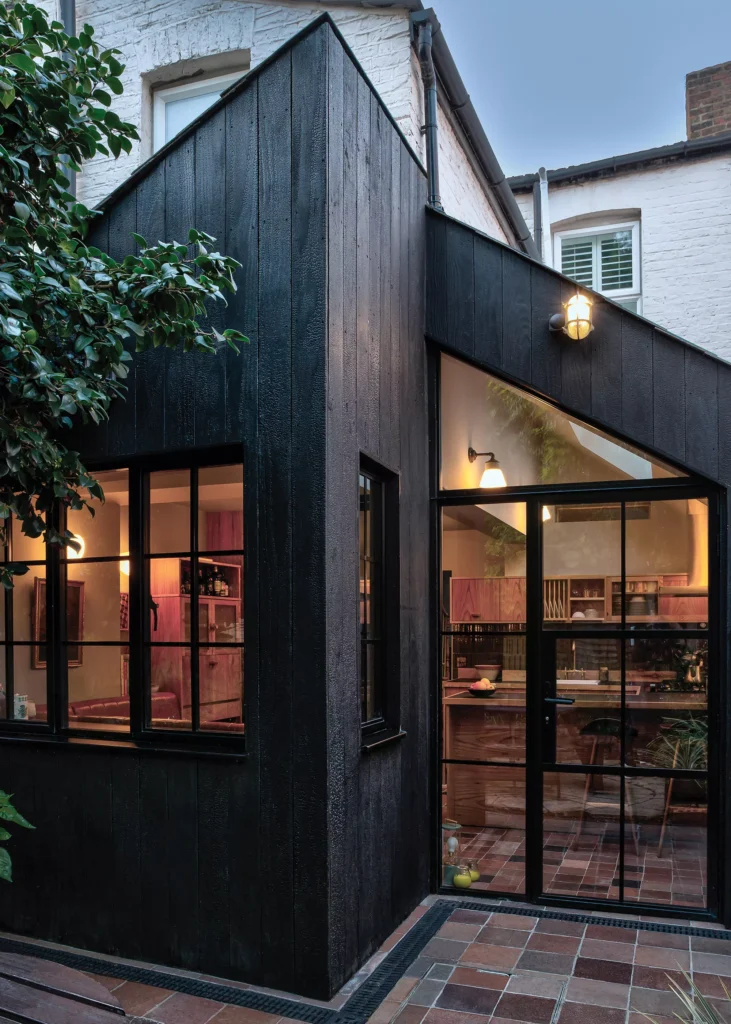
A perfect example of how broken plans can create zoning, the rear extension houses a cosy built-in bench, while the side room accommodates the warm and inviting kitchen. Industrial-style doors offer garden views and flood the space with light. A similar project would cost around £86,000.
Constructed with pale buff bricks, this addition by Oliver Leech Architects is formed of two distinct volumes. A side extension provides width to the previously narrow space, with pitched skylights bringing light into the dining space.
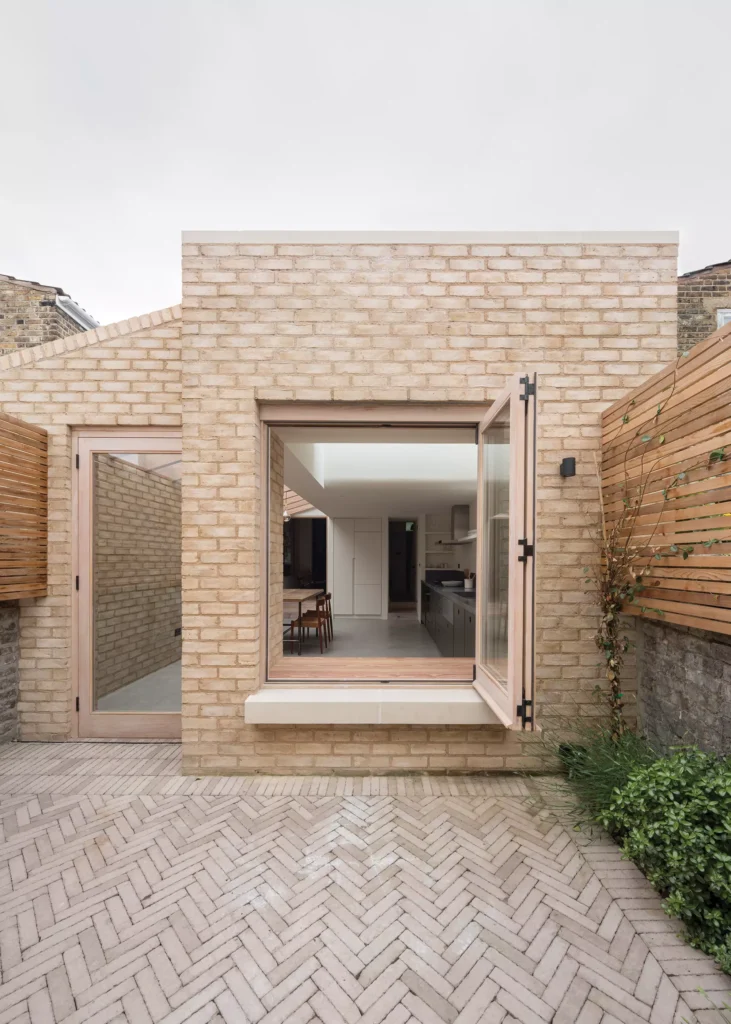
A rear extension projects slightly further into the garden, framing a set of Douglas fir bifolds across a low-height window bench.
Lifestyle is key – prioritise a design that will support your daily life. A keen cook might want to give more room to the kitchen, while someone else might prefer focusing on the dining space or even a snug to bring the family together. The extension area is likely to be getting more daylight than the room it is extending out from, so consider whether you would rather have a bright kitchen or dining area.
Rooflights are a great way of increasing daylight, however, they can also contribute to overheating a room in the summer. So, a mix of rooflights and glazing on the facade is usually a good option. Solar shading of both should be considered. Placing a rooflight as deep into the floor plan as possible will compensate for the loss of direct lighting into the room that the extension is placed in front of.
Relying on years of experience, an architect will guide you throughout the process, from coming up with creative solutions tailored to your family’s lifestyle, through to assisting with the coordination of building works.
There will be permitted development rights if your house isn’t in a conservation area or protected by an Article 4. PD extensions have to meet height and size rules, plus use materials similar to the existing house. With a full planning application there is more scope to make the project truly personal and original.
It really varies. You’ll need to budget for the extension as well as for the structural works to the existing building and then for the new kitchen fit out. It can quickly reach £100k.