Get early bird tickets to our brand new show
30th-31st May 2026 - time to get your dream home started!
GET TWO FREE TICKETS HERE30th-31st May 2026 - time to get your dream home started!
GET TWO FREE TICKETS HEREEstimate your project costs instantly with Build It's interactive self-build cost calculator
Calculate NowGet an accurate, detailed cost breakdown of your project
Submit plans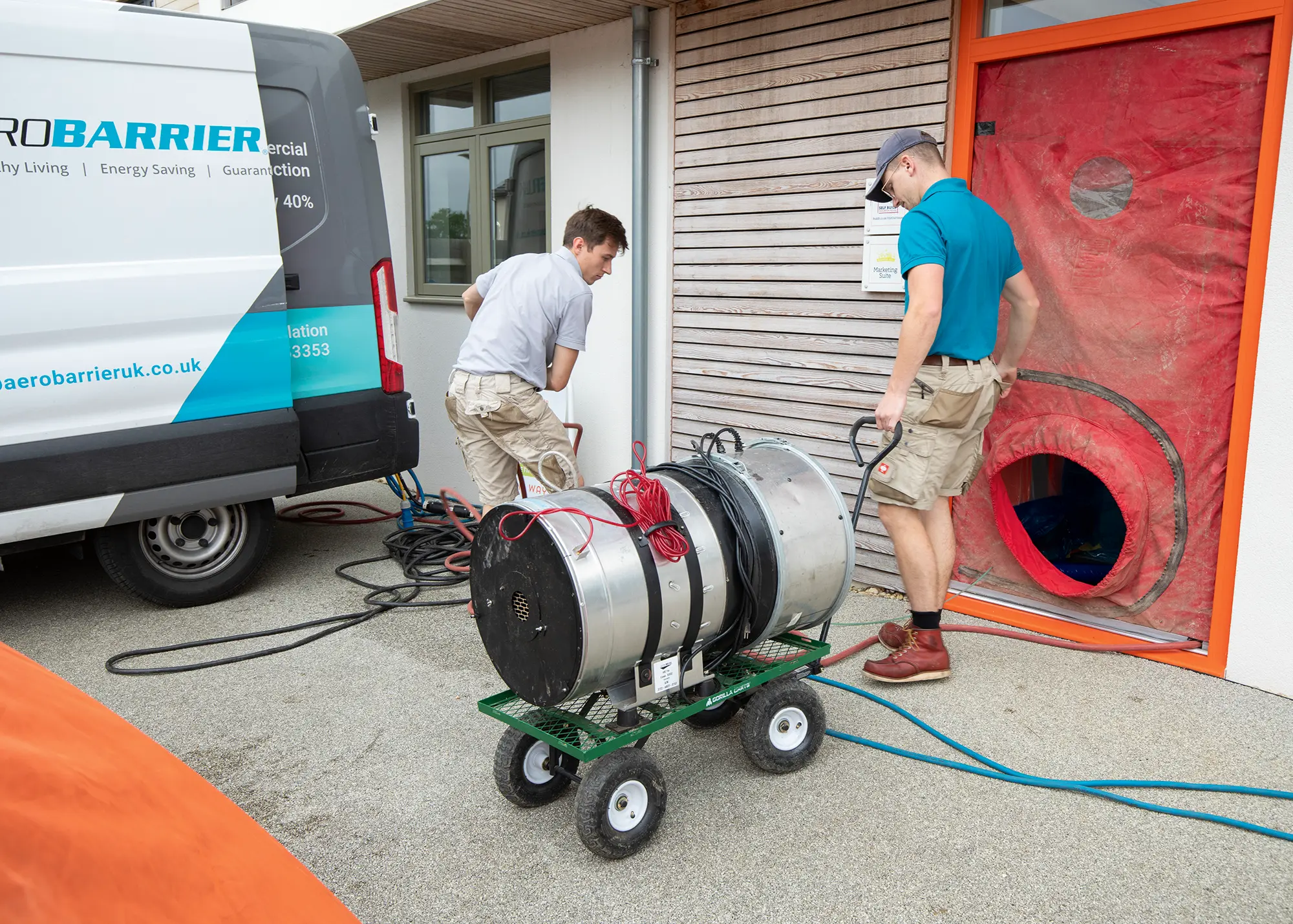

Speak to someone halfway through a self build or renovation project, and they’ll probably say that dealing with building control is just as stressful as getting planning permission. While the latter gets a lot more attention, the Building Regulations define the rules about how your project must be constructed. Compliance is mandatory, so understanding the requirements and how to navigate the approval process is essential to save you on time, money and stress.
In this guide I’m explaining how building control works and the different challenges you may face when getting your project signed off.
The Building Regulations set minimum legal standards that apply to all construction projects. Underpinning the Regulations are the Approved Documents, which cover core areas, such as structural integrity, fire safety, energy efficiency, ventilation, overheating, drainage, electrical safety, accessibility and more.
The Approved Documents provide practical guidance on how to comply, setting out tried-and-tested solutions for common design and construction challenges. Complying with these isn’t mandatory, but following their approach is the easiest route to Building Reg compliance. Architects and designers therefore rely on them when preparing drawings and technical specifications to avoid uncomfortable questions from building control.
building regulations explained
The two main ways to obtain building control approval are via a Full Plans application or a Building Notice. The former is almost always the preferred option for larger projects such as self builds, conversions and extensions, or work that involves major structural alterations.
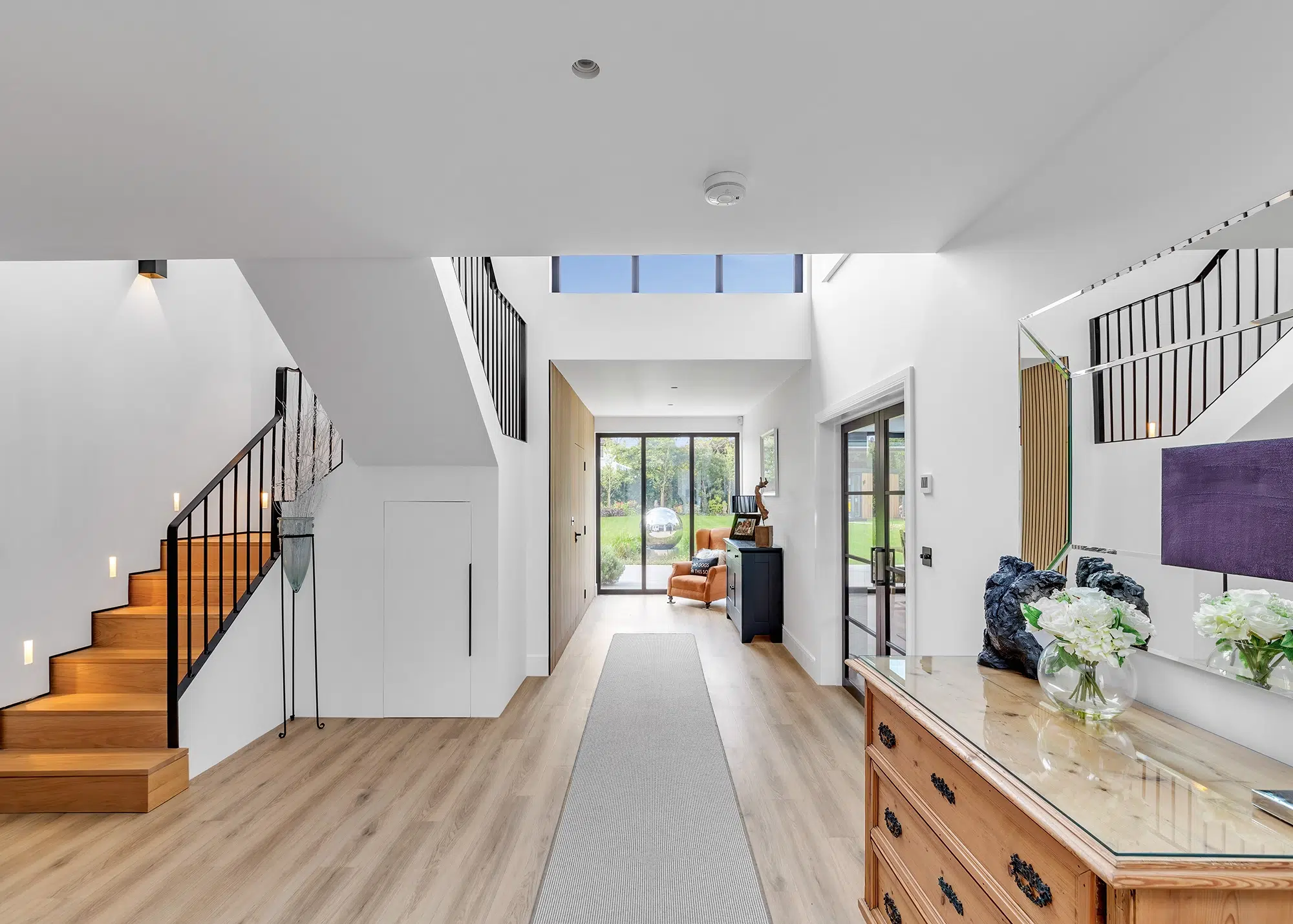
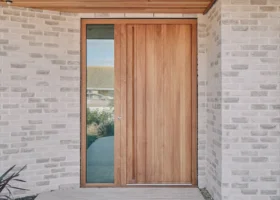
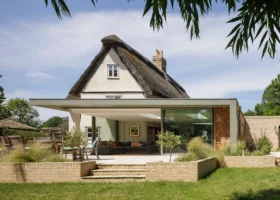
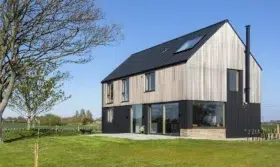
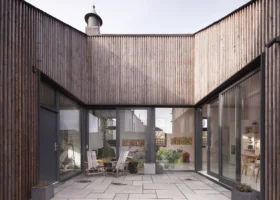
Peter and Sophie Hill bought a 1960s bungalow with the intention of extending. But after being quoted just 10% more to knock down and rebuild, they took the plunge and now live in a new energy-efficient home. Photo: Kingspan Timber Solutions
The Full Plans process involves submitting the design drawings, calculations and specifications for approval before work starts. Building control then reviews it, raises queries and confirms approval once satisfied. The process ensures a compliant design is available before work starts, reducing the risk of nasty surprises once you’re on site. A series of inspections will follow during the project.
Going down the Building Notice route is a significantly quicker process, as it bypasses the detailed plan check, instead relying purely on key stage inspections during construction. Whilst a Building Notice is suitable for minor works, the process carries significant risk for larger projects, as non-compliant work must be put right.
Demonstrating the required thermal performance under Part L of the Regulations is a common challenge. Accurate U-values, airtightness strategies, thermal bridging assessments and SAP (Standard Assessment Procedure) calculations are all needed for this.
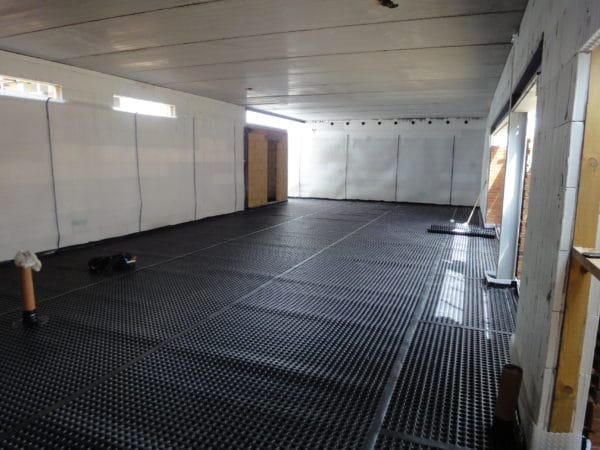
AeroBarrier from Aeroseal UK provides a route to verified airtightness. Here, sealing and testing is underway at the Build It Education House
Failing to resolve these before you submit them will lead to extra costs and delays mid-project, as wall build-ups have to be redesigned on the fly, performance standards tweaked and heating systems altered.
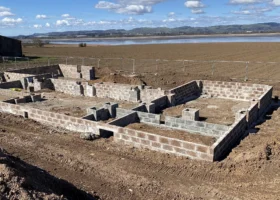
The design of structural elements can also prove to be a major pinch point. The likes of foundations, beams, large openings, loft conversions and underpinning require structural calculations from a qualified engineer. In the haste to get projects on site, foundations are often overlooked – but pouring them before the structural design and build system are finalised always causes problems.
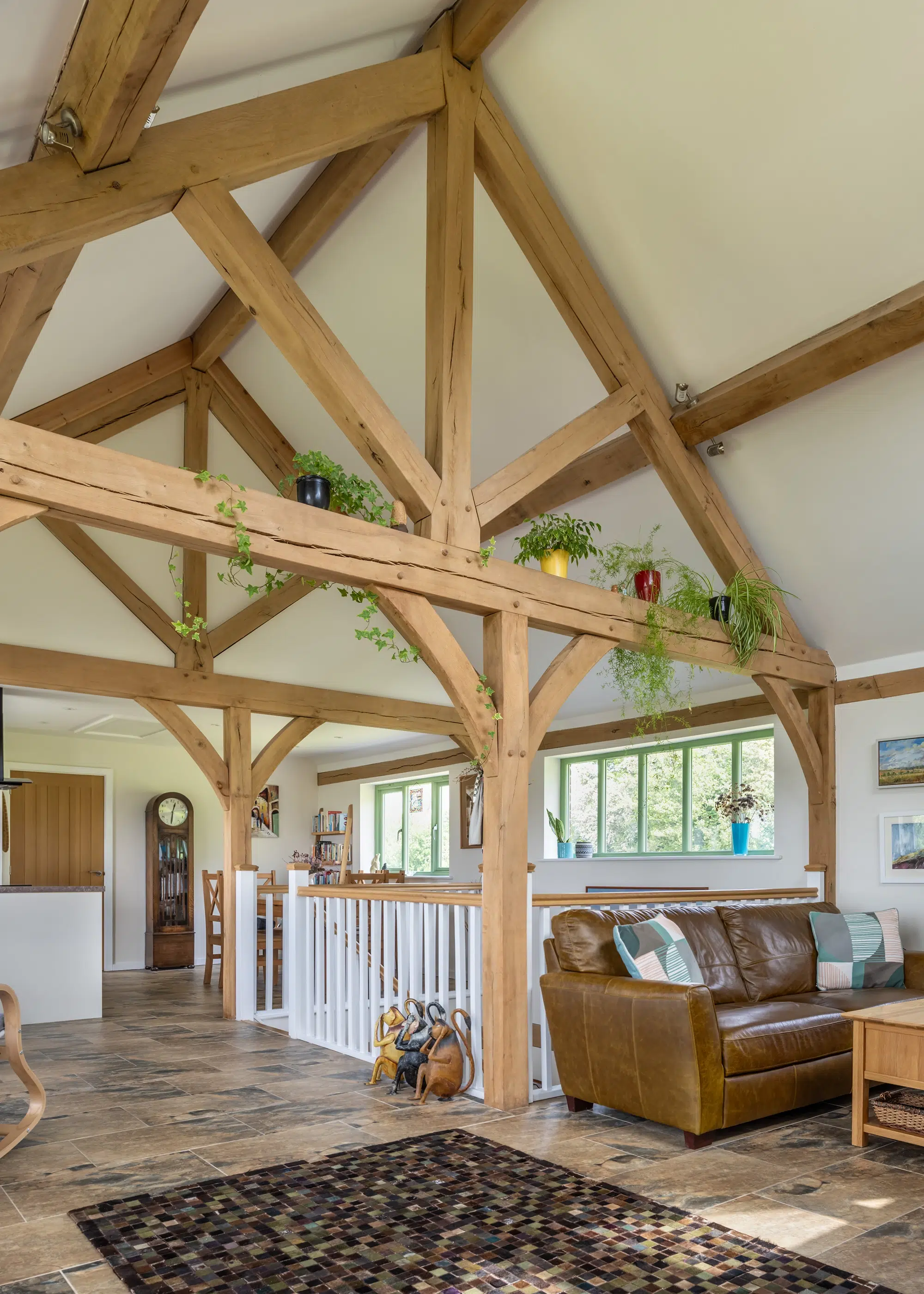
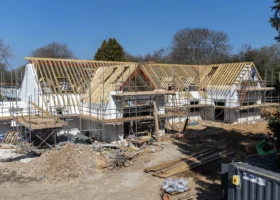
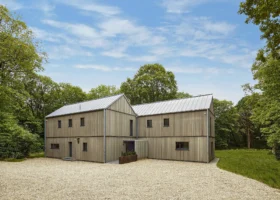
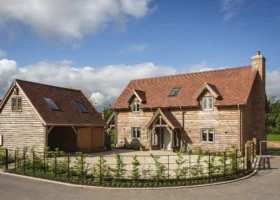
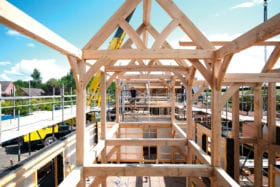
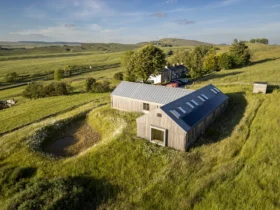
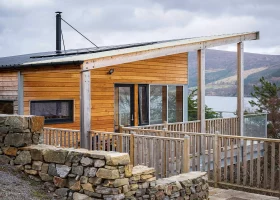
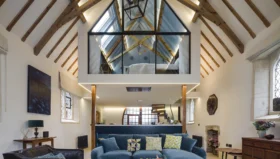
Peter and Melinda Young discovered an idyllic hillside plot with a glorious outlook across a valley. Now they live in an oak frame house with an upside-down layout to make the most of these stunning views. Photo: Nikhilesh Haval
Timber frame, SIPs, masonry etc all have different loads, so foundations must be tailored accordingly. Building control will expect detailed designs and calculations – not assumption or sketches – and will not fill in the gaps for you.
Fire safety is a critical area, particularly for flat renovations, loft conversions and reconfiguration of layouts. Escape routes, protected staircases, fire doors, fire stops and smoke alarms all need to be properly considered and designed.
A recent problem area for new builds is overheating assessments under the new Approved Document O. Many self builders secure planning permission for designs that include large feature windows without checking if the design meets with these overheating rules. When the assessment is done, they then discover that the windows need to be reduced or shaded, which can conflict with planning approvals and require redesigns – creating delays and frustrations.
Site inspections will take place at key stages of your build to check that the work meets the legally required standard. Inspectors typically want to look at foundation excavations, drainage installations, building structure before covering, insulation and DPC fitting, and a final inspection. Their role is to verify compliance, not to provide quality control. So poor workmanship or things that don’t look pretty won’t be picked up.
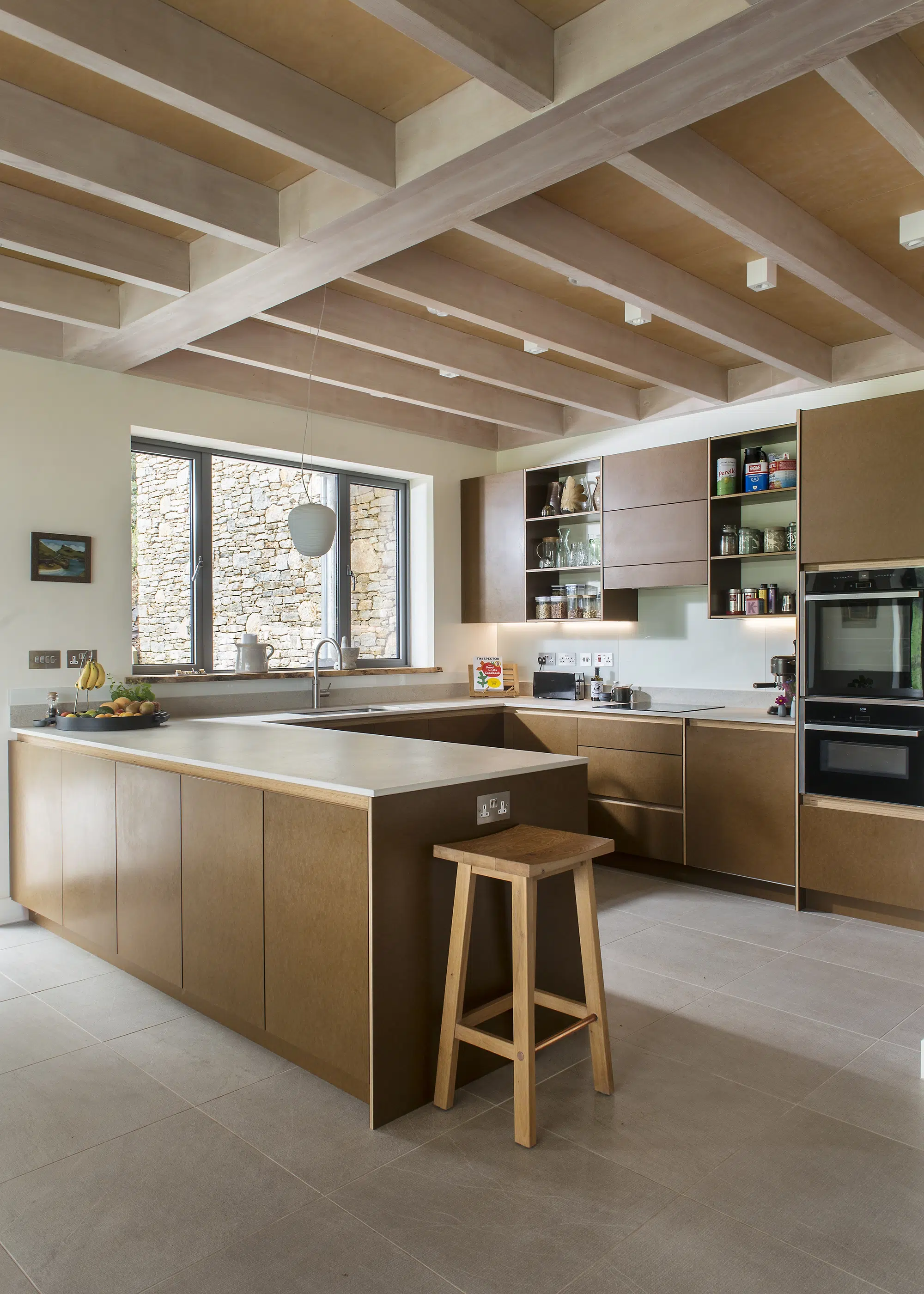
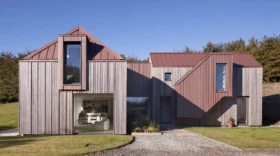
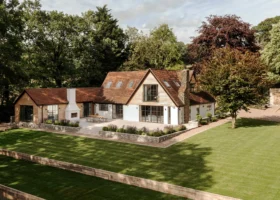
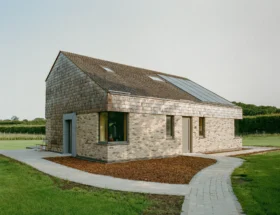
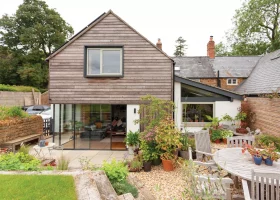
John and Helen Atkinson replaced a prefabricated bungalow with an innovative three-bedroom home amid the rolling Devon landscape. Photo: Colin Poole
Changes on site should always be notified to building control if they affect the structure, fire safety or energy performance. If they don’t agree with the changes, then completion certificates will be withheld until appropriate remedial work has been completed.
A major change in recent years is the shift away from the Approved Inspectors to Registered Building Control Approvers. These organisations are formally registered and required to demonstrate surveyors are competent. For self builds, this should mean inspections are more consistent and rigorous.
However, a side-effect is that approvers are now less inclined to accept informal or incomplete evidence, and are now more likely to request detailed certificates or calculations to prove compliance.
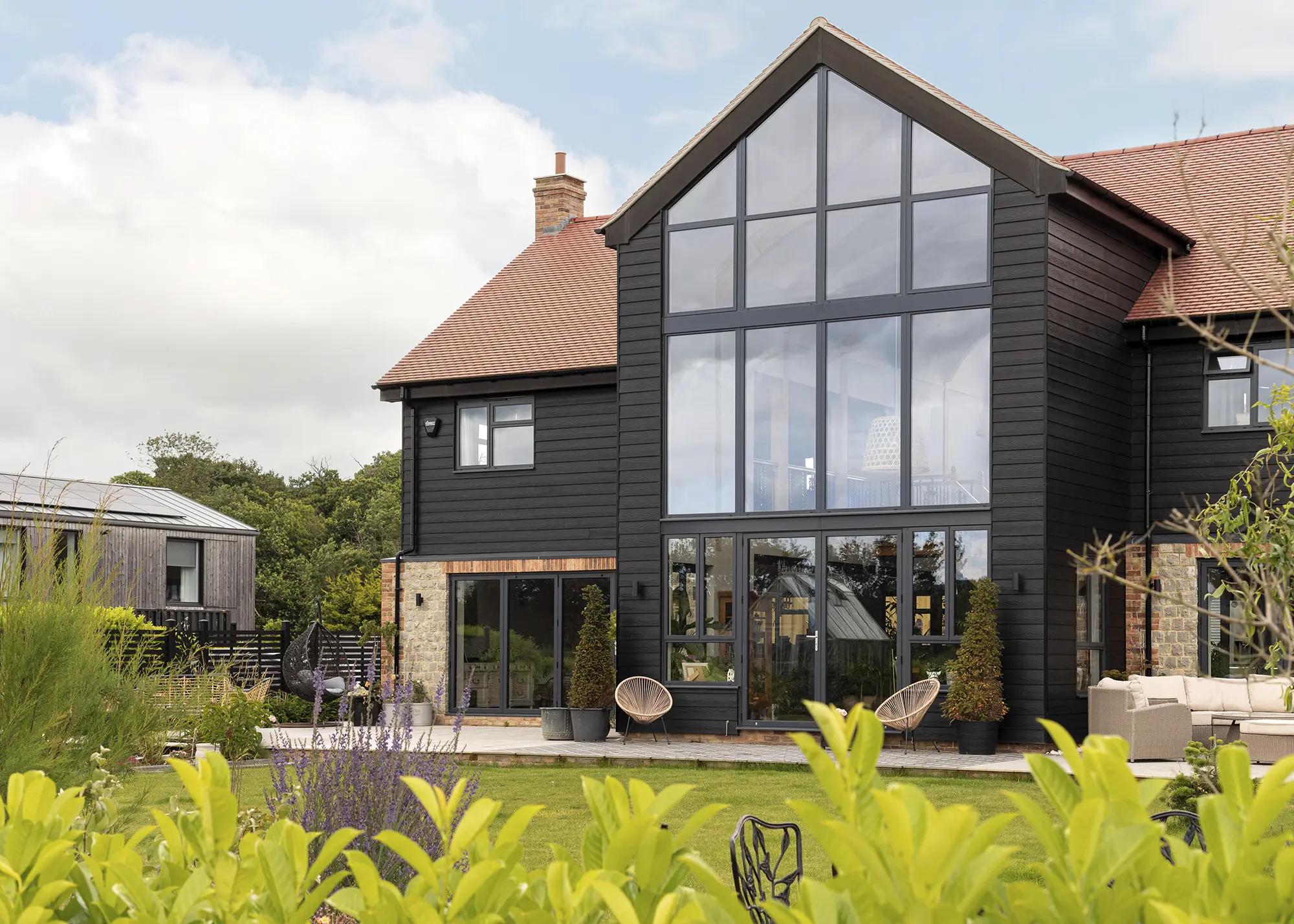
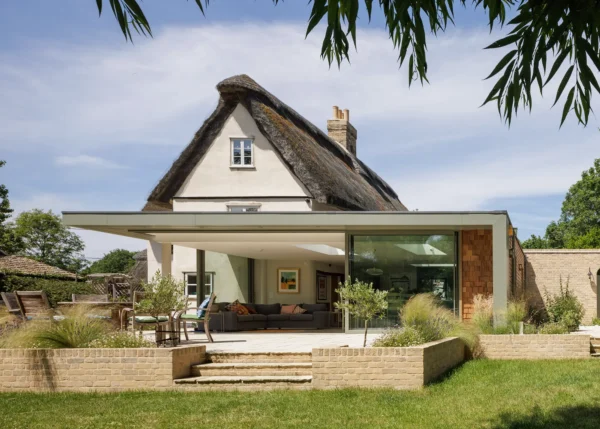
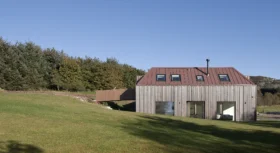
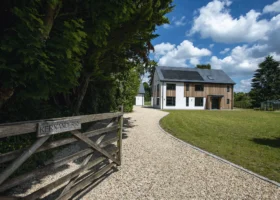
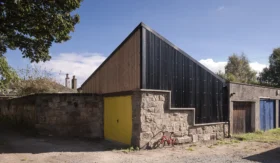
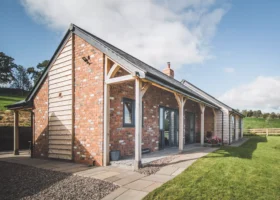
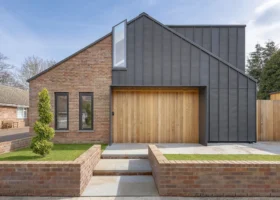
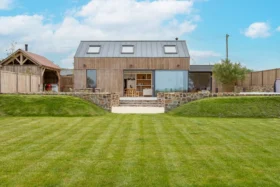
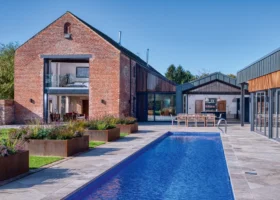
Self builders Rick and Julie Anderson replaced a former chicken shed in the Kent countryside with a beautiful, contextual two-storey home. Photo: Katherine Malonda
Whilst accountability has increased, this has also contributed to rising costs (sometimes outstripping the local authority’s in-house building control services). In my experience, approved inspectors now charge more and are generally less helpful in providing information for warranty purposes. As a result, a competent design and project management team is essential to ensure thorough preparation and control.
The Building Safety Act (BSA) introduced formal duties for the principal designer and principal contractor. Even domestic projects require these duty holders, and you’ll need to confirm who they are to building control.
The principal designer is responsible for planning, managing and coordinating design work to ensure compliance. Typically, this will be your architect or building designer. The principal contractor oversees construction activities, ensuring the work follows the approved design and that any changes are properly assessed. On self build projects, your main contractor or project manager usually fills this role.
Making sure these duty holders are appointed is vital, not only from a legal perspective under the BSA, but also because inspectors are less likely to provide informal guidance these days due to liability concerns. It’s also worth remembering that completion certificates will not be issued unless the duties have been properly fulfilled.
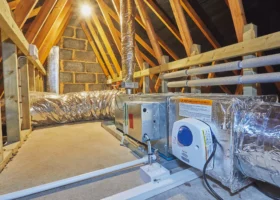
The completion certificate is the final proof that your project complies with Building Regulations and is essential for insurance and mortgage purposes. To obtain it, the requisite inspections must have been carried out, and all the supporting evidence and certifications – eg electrical, gas, renewable tech, ventilation, drainage and airtightness – must be provided. Missing documentation is the most common cause of delays, so keeping a well-organised file is vital.



















































 Login/register to save Article for later