
- Plan ItBack
- Design ItBack
- Build ItBack
- Homes
- ProductsBack
- CostsBack
- Self Build Cost Calculator
Estimate your project costs instantly with Build It's interactive self-build cost calculator
Calculate Now - Costs & Finance
- Contracts & Warranties
- Build It Estimating Service
Get an accurate, detailed cost breakdown of your project
Submit plans
- EventsBack













 Login/register to save Article for later
Specifying Pre-Weathered Timber Cladding – What You Need to Know

Timber cladding is valued for its natural character and ability to evolve over time. Understanding how timber weathers, and the options to influence that process, is an important part of any design. By considering the long-term appearance of the facade, you can make informed decisions about timber species, finishes and maintenance requirements.
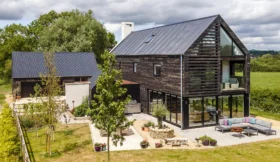
Freshly installed boards can look very different from the weathered appearance many homeowners admire in completed projects. The silver-grey tones often found on mature timber buildings can take several years to develop naturally.
For those seeking this established aesthetic from day one, pre-greyed, factory-finished timber offers an attractive solution. Designed to replicate naturally weathered timber, sacrificial coatings provide an immediate weathered finish that still allows the cladding to evolve.
Understanding weathering
As timber is exposed to the elements, its surface gradually changes. UV light and environmental conditions alter the wood, creating the silver-grey patina that’s often considered one of timber’s most attractive characteristics. Weathering should not be confused with deterioration. The key is not whether timber will change, but how that change is managed and whether it aligns with the desired appearance of the finished building.
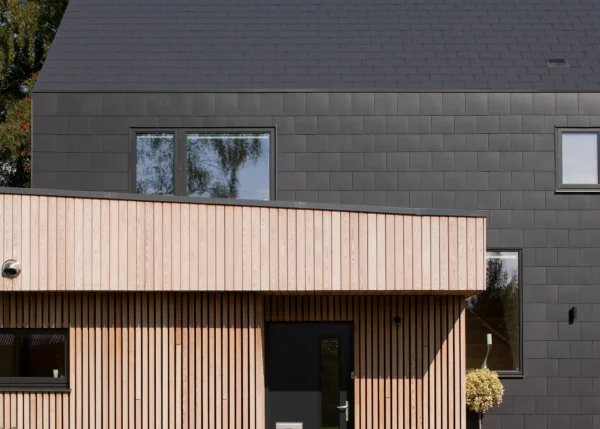
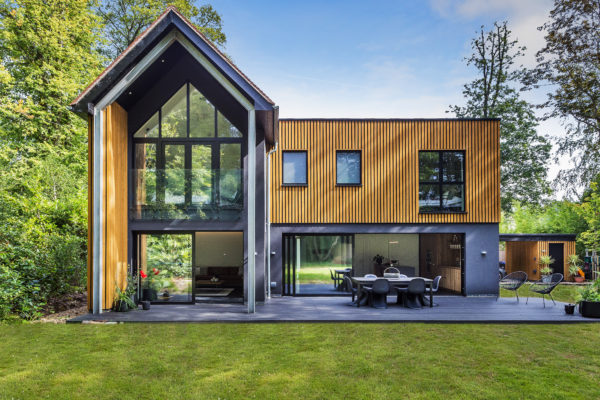
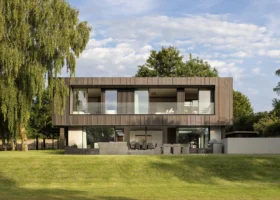
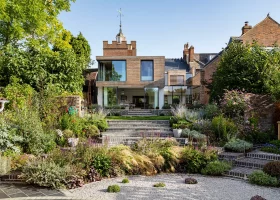
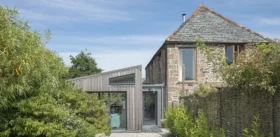
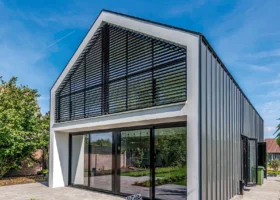
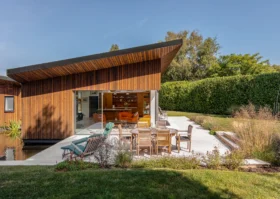
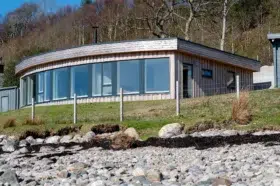
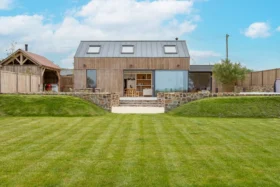
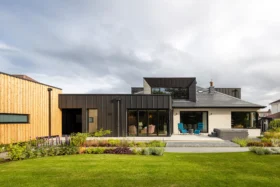
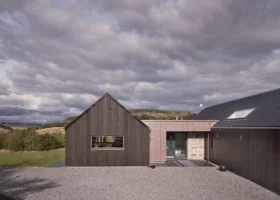
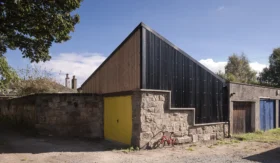
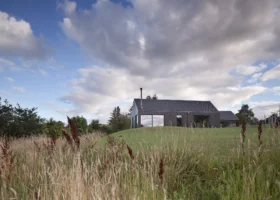
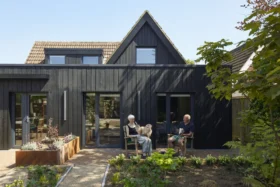
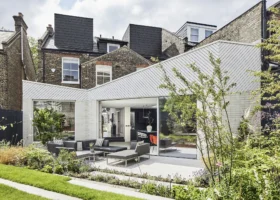
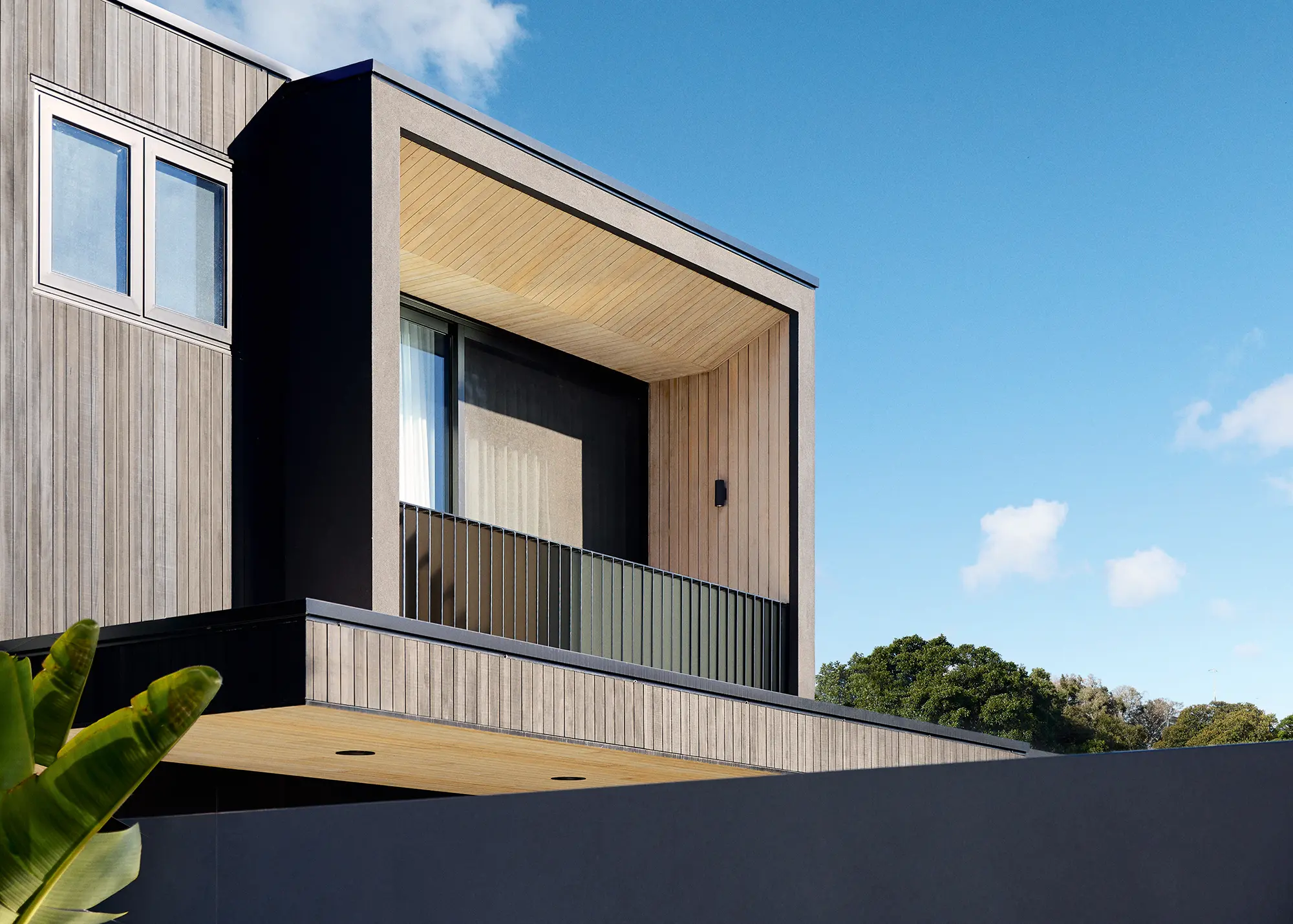
This exterior showcases ICENILarch board-on-board cladding finished in MillProtect Silver Grey
Sacrificial coatings
For homeowners who want the appearance of weathered timber without waiting for it to develop naturally, sacrificial coatings provide a practical middle ground. Unlike paint systems that aim to maintain a coloured appearance for long periods, sacrificial coatings are designed to age gradually alongside the timber.
Applied as a thin, breathable finish, they provide immediate colour and visual consistency before slowly fading as the timber develops its own grey patina. Rather than preventing weathering, sacrificial coatings act as a transitional layer, helping to guide the process. As the coating wears away, it can either be renewed through maintenance or allowed to fade as part of the cladding’s long-term weathered aesthetic.
Millworks‘ MillProtect coatings take this concept a step further. In addition to providing instant colour, they contain additives that help protect exterior timber from mould, algae and blue stain fungi. By reducing biological growth that can cause uneven discolouration, MillProtect helps maintain a consistent appearance over time while allowing the natural ageing process to continue.
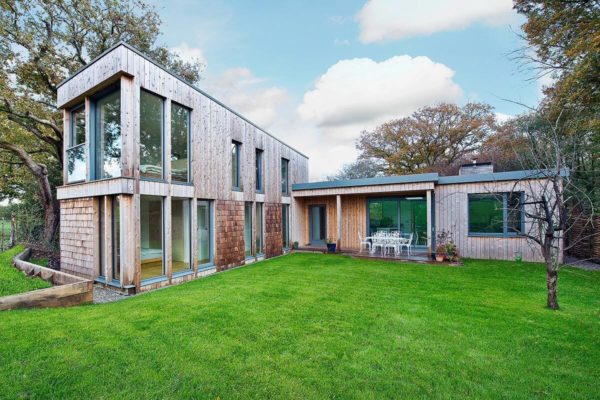
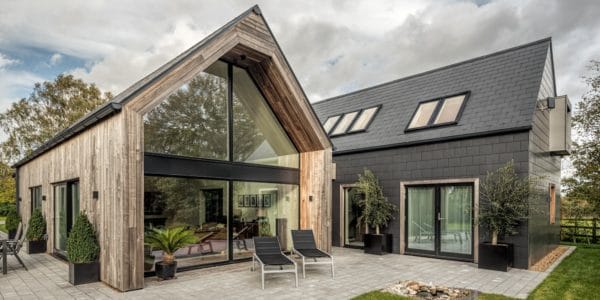
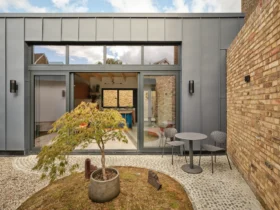
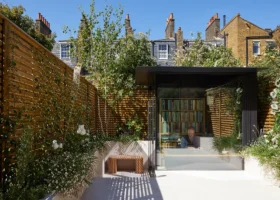
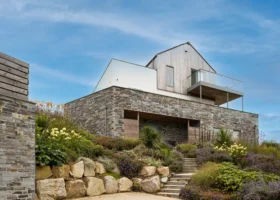
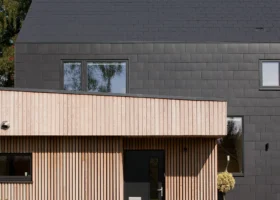
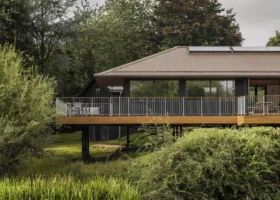
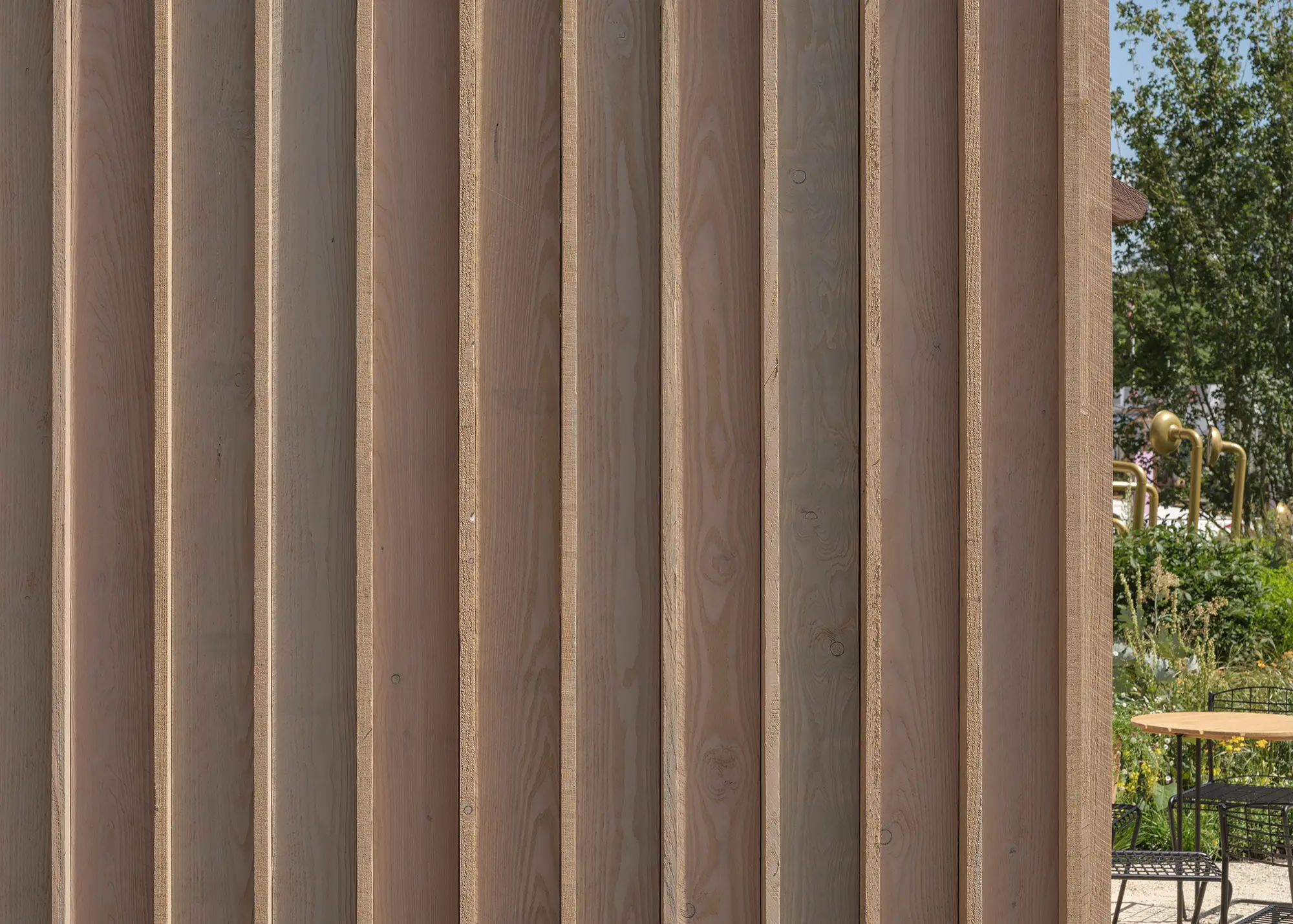
This feature soffit has been clad in Abodo Vulcan timber with a MillProtect White Grey finish
Design considerations
Good design practices are just as important as the choice of material and coating. Whether timber is coated or uncoated, two factors influence how it weathers: exposure and moisture. South- and west-facing elevations typically receive greater UV exposure and therefore tend to weather more quickly. Similarly, properties in coastal or exposed rural locations often experience accelerated weathering. In contrast, areas protected by deep eaves or overhangs are shielded from direct rainfall and tend to weather more gradually than exposed sections.
Managing moisture is equally important. Effective ventilation behind the cladding allows timber to dry efficiently after rainfall, and flashings, drip details and protection of end grain should be incorporated to help reduce unnecessary moisture absorption.
As with any building material, the most appropriate solution will depend on the project’s priorities. Sacrificial coatings offer greater predictability and immediate visual impact, making them particularly attractive where aesthetics are central to the design. While they typically represent a higher initial investment than uncoated timber, they provide greater control over the appearance of the facade from day one. For homeowners who are happy to wait for a patina to develop, and where variation in appearance is acceptable, natural weathering remains a viable option.
With either approach, the goal should be to anticipate the timber’s future appearance. When weathering is planned in as part of the design process rather than an afterthought, timber cladding can deliver a facade that continues to evolve gracefully for decades, adding character, depth and authenticity to the home.

Millworks
You may be interested in