Estimate your project costs instantly with Build It's interactive self-build cost calculator
Calculate NowGet an accurate, detailed cost breakdown of your project
Submit plans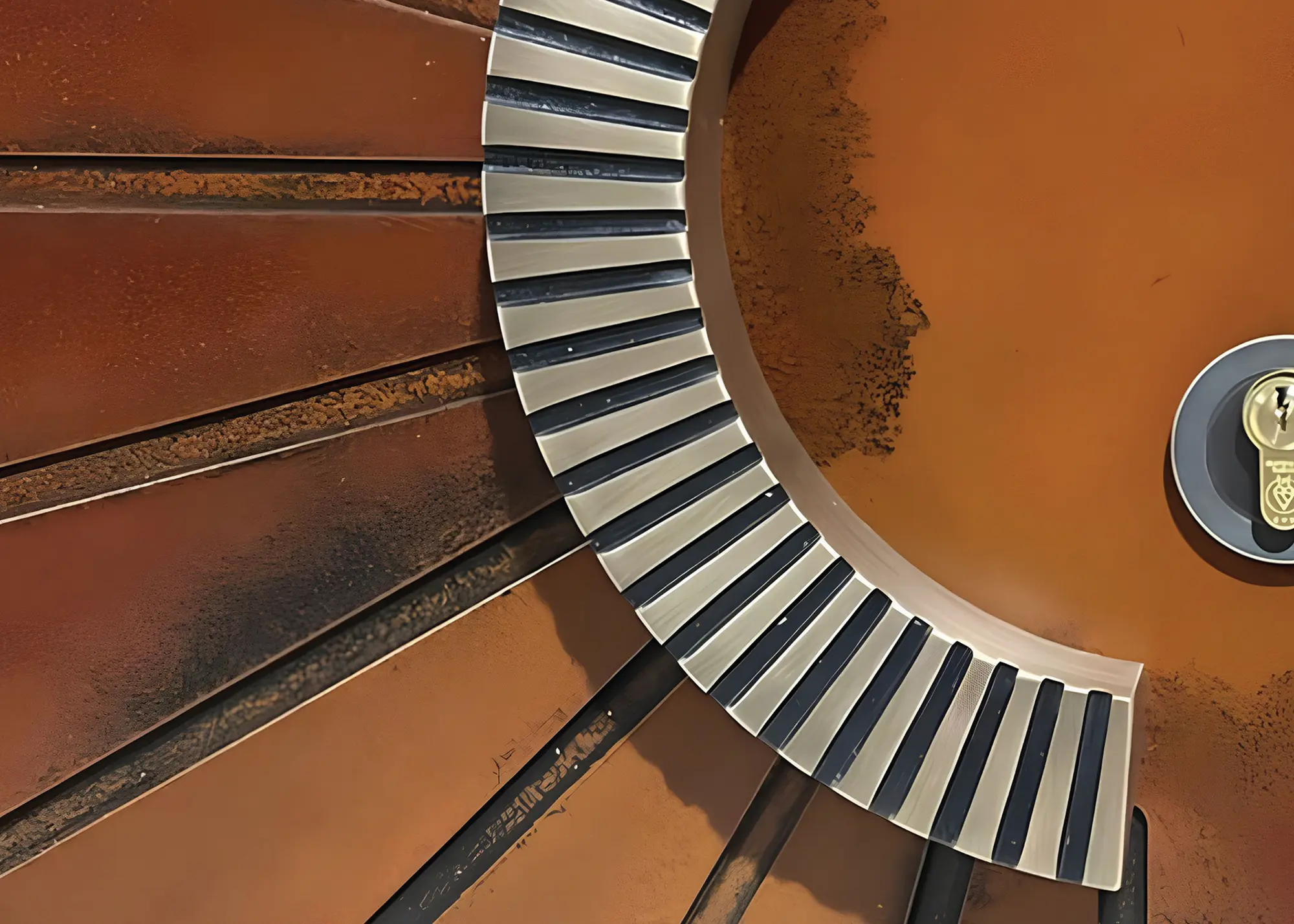

A front door is one of the most visible design features of a self build, and can do far more than simply provide an entrance. It sets the tone for the entire property, reflecting the architecture, the materials and the personality of the people who live there. With a bespoke front door, you are not limited to using standard sizes, colours or styles. You can create a statement that suits the scale of the building and complements the surrounding finishes.
Materials such as metal, stone, marble and oak bring character, depth, texture and individuality in a way that a flat painted surface often cannot. A metal finish delivers a bold, contemporary look, while stone and marble introduce a more natural, architectural feel. Oak brings warmth and softness, especially when used alongside sharp materials such as glass, aluminium or render.
Panel layout and surface pattern also play an important role. Tessellated panels, vertical grain direction, inset detailing and mixed materials can all add rhythm and interest, helping the door feel personal to your project rather than simply decorative.
The door itself is only one part of the entrance. The frame, sidelights and immediate surround all influence how considered the final design feels. Sidelights bring natural light into a hallway, and also help with proportion, particularly on larger elevations where a standard door might otherwise feel too small. Restraint is key to success. Sometimes it is the clean alignment of the frame, the width of the glazing, the colour of the surround or the way the door sits within the facade that makes the entrance feel special.
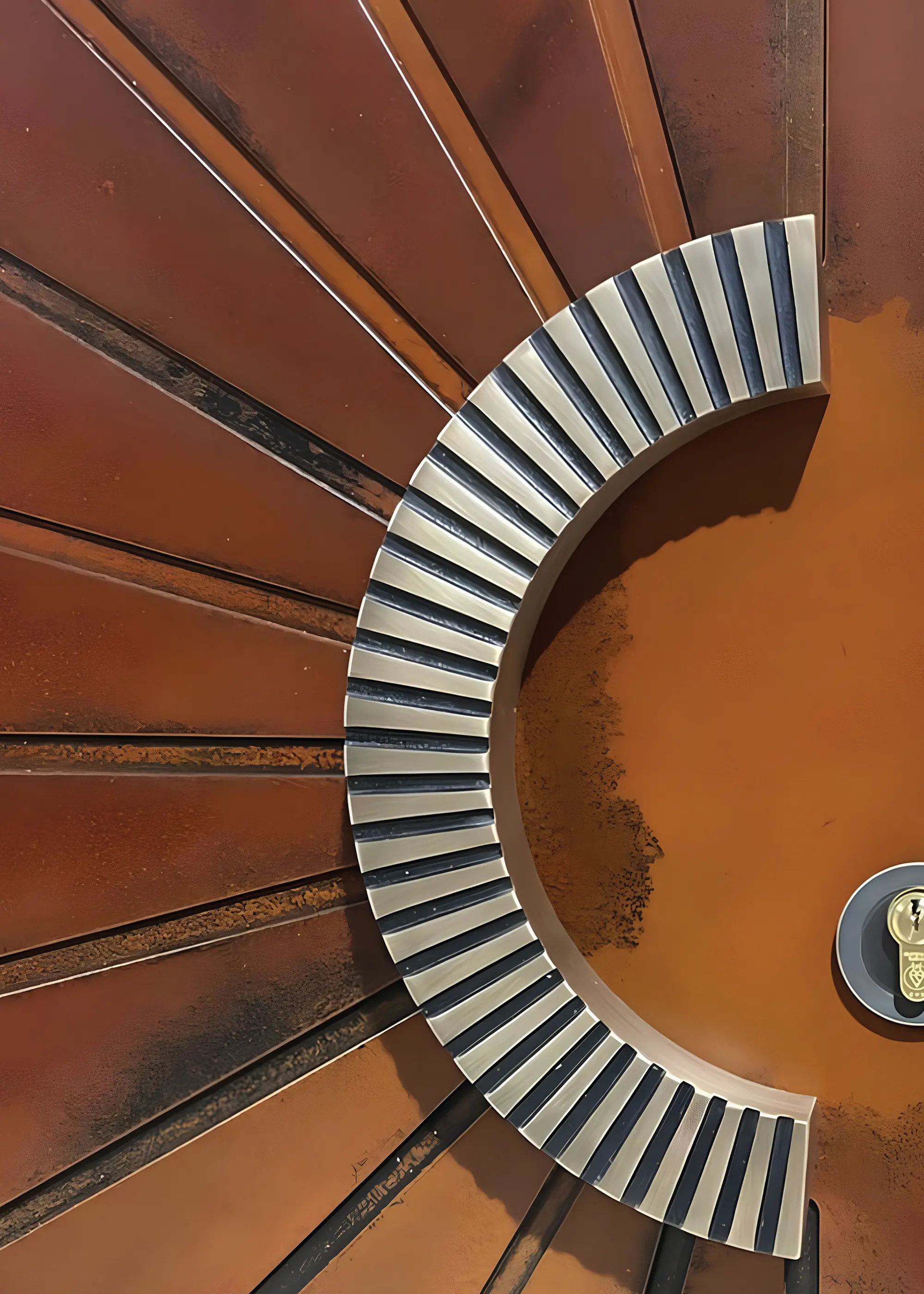
Bespoke handle detail set against a textured specialist oxidised iron metal finish
This is one of the areas where you can really express personality. The handle, pull, groove or glazing detail might seem like a small part of the overall design, but it can completely change how the door feels.
A long architectural pull handle can add drama and presence, while a more discreet recessed detail can create a cleaner, more minimal look. Grooves, glazing panels and inset details can also be used to add rhythm without making the door feel too busy. The important thing is that these features feel intentional and integrated, not added as an afterthought.
A bespoke front door should feel connected to the architecture, but doesn’t to copy everything around it. The best entrances respond to the building in a more subtle way – through proportion, tone, texture or contrast.
Your door design can pick up on the rhythm of the glazing, the scale of the elevation or the warmth of nearby materials without reusing the same finish. On a contemporary home, a bold metal or stone finish can reinforce the architectural feel, while on a more traditional property, a cleaner bespoke door can create confident contrast without feeling out of place.
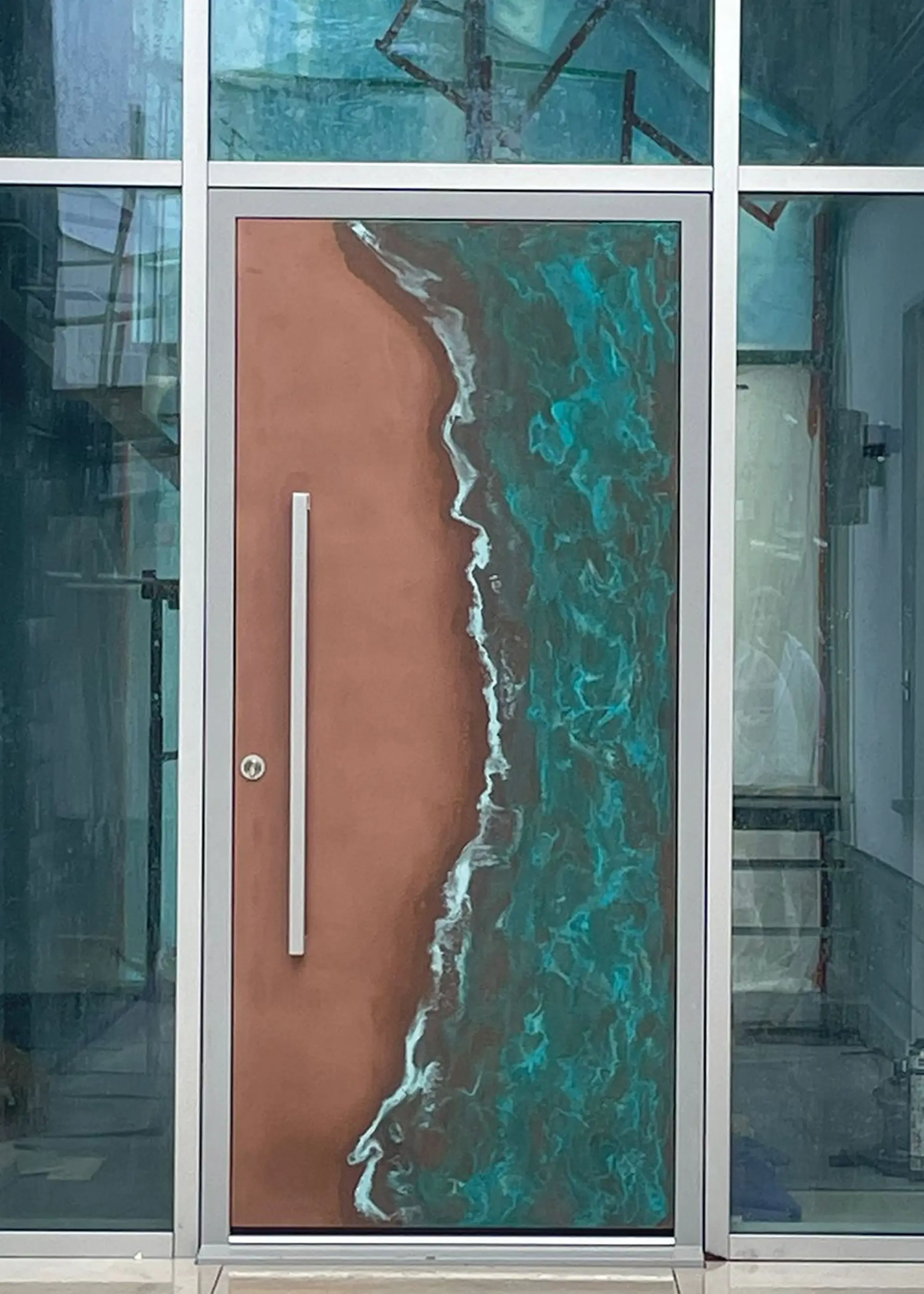
A copper patina entrance door with sleek, contemporary glass details
Beautiful design still has to work in the real world. A front door is used every day, exposed to changing weather and expected to perform for many years, so the practical details are just as important as the appearance. So, the construction of the door, the locking system, insulation, weather seals and threshold detail are all important.
Maintenance is another key point. Some specialist finishes are designed to develop character over time, while others are chosen for a cleaner, more consistent appearance.



















 Login/register to save Article for later