
- Plan ItBack
- Design ItBack
- Build ItBack
- Homes
- ProductsBack
- CostsBack
- Self Build Cost Calculator
Estimate your project costs instantly with Build It's interactive self-build cost calculator
Calculate Now - Costs & Finance
- Contracts & Warranties
- Build It Estimating Service
Get an accurate, detailed cost breakdown of your project
Submit plans
- EventsBack















 Login/register to save Article for later
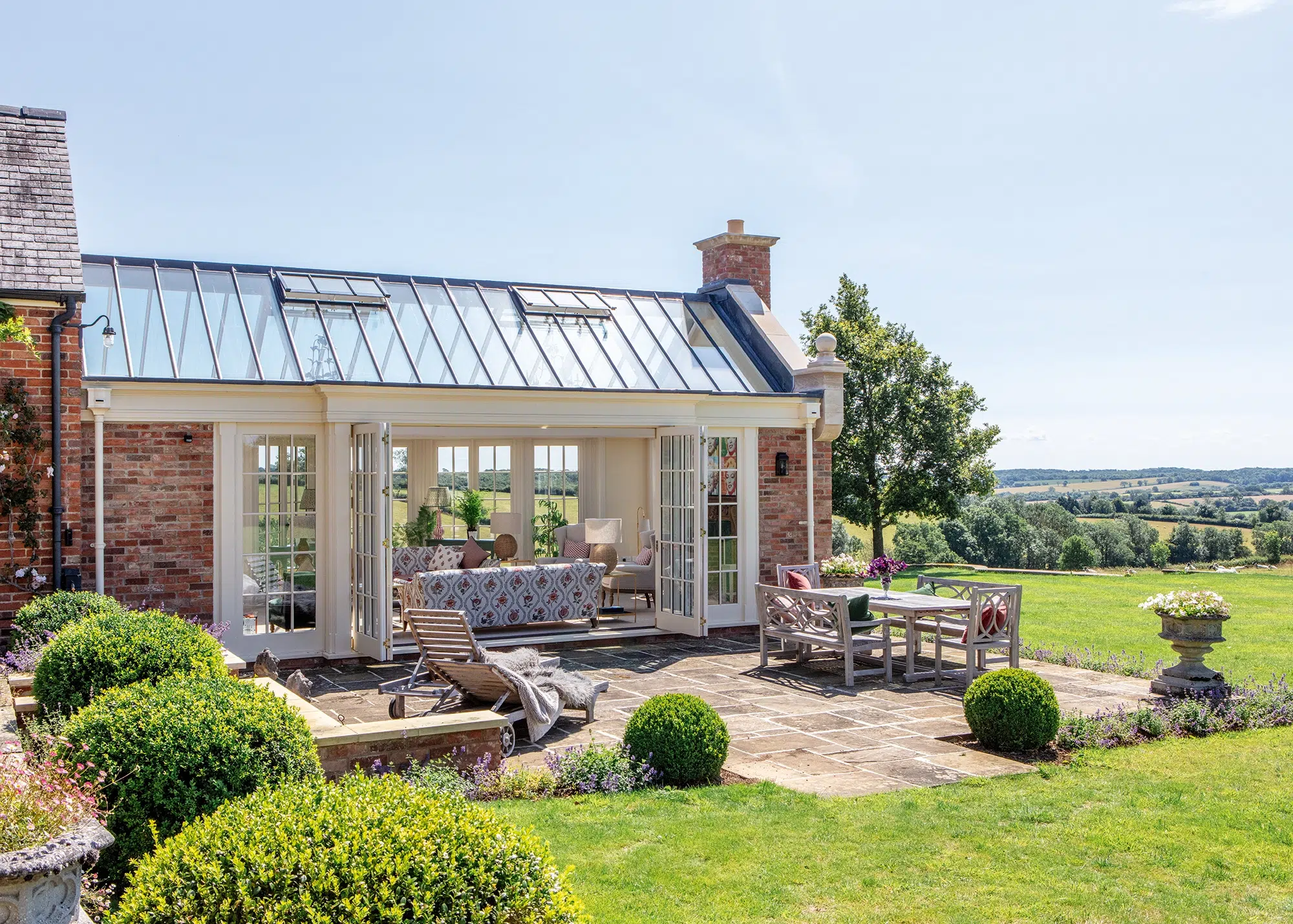
15 Amazing Conservatory Ideas & Sunroom Designs to Inspire Your Glazed Extension Project


Wondering whether a conservatory is the right way to extend your home? Modern conservatory ideas can come in all shapes and sizes, from minimalist sleek designs to more traditional schemes, showcasing grand roof lanterns and details. A glazed extension can add significant space, light and value to your property, and the right design can make a great addition to your home and garden’s character.
When collecting conservatory ideas, you’ll find plenty of opportunities to create a scheme that’ll blend with your home – but stepping away from traditional structures and considering wow-factor features such as roof lanterns, frameless glazing or oak trusses can help the room to become a real focal point of your property.
The scope of a conservatory design under permitted development is quite vast, and you can apply the same rules for a rear extension to a sunroom or conservatory project – most applications won’t be complicated and the freedom can prove an exciting opportunity. It’s always best to consult your local planning authority and bring your conservatory ideas to them first, though, as rules differ depending if you’re in an area of outstanding natural beauty, or if you’re looking to extend a listed home.
From grand oak additions with glazed gables to glass box structures, take a look at this collection of inspiring sunroom and conservatory ideas that’ll add character and quality to your home.
Jump to conservatory & sunroom design FAQs
1. Sympathetic oak frame conservatory idea
There are plenty of different structural solutions to consider when gathering conservatory ideas. Looking for additional space and better integration with their garden, Katey and Mark Marston chose to extend their Cotswold stone house in Gloucestershire with a striking yet sympathetic oak frame orangery.
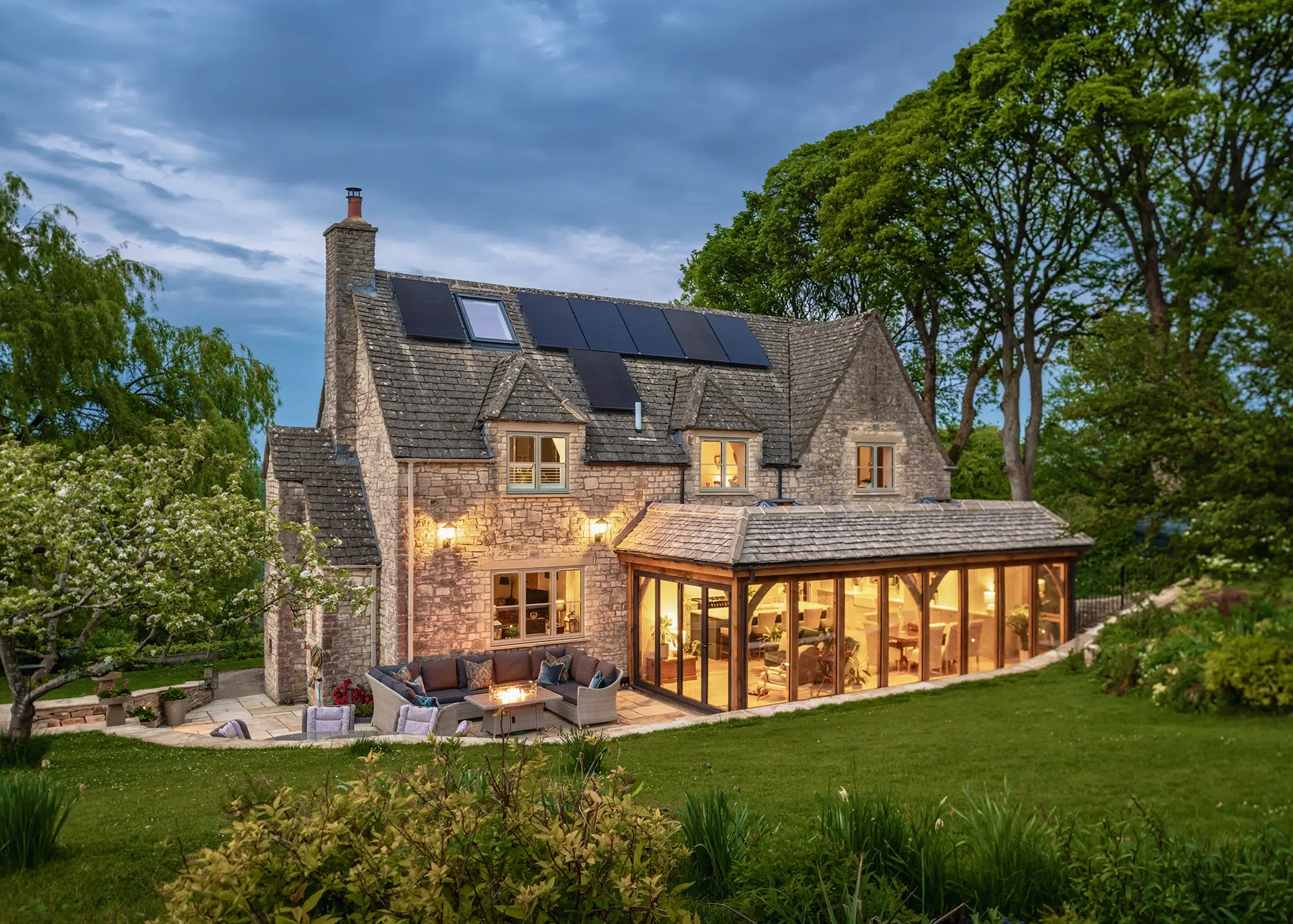
Photo: Nikhilesh Haval
The couple enlisted Welsh Oak Frame to bring their ideas to life – with the company taking care of the design, planning application, Building Regs drawings and erecting the frame. The Marstons opted for a traditional-style build, with a classic oak roof lantern and roof tiles matching the existing house.
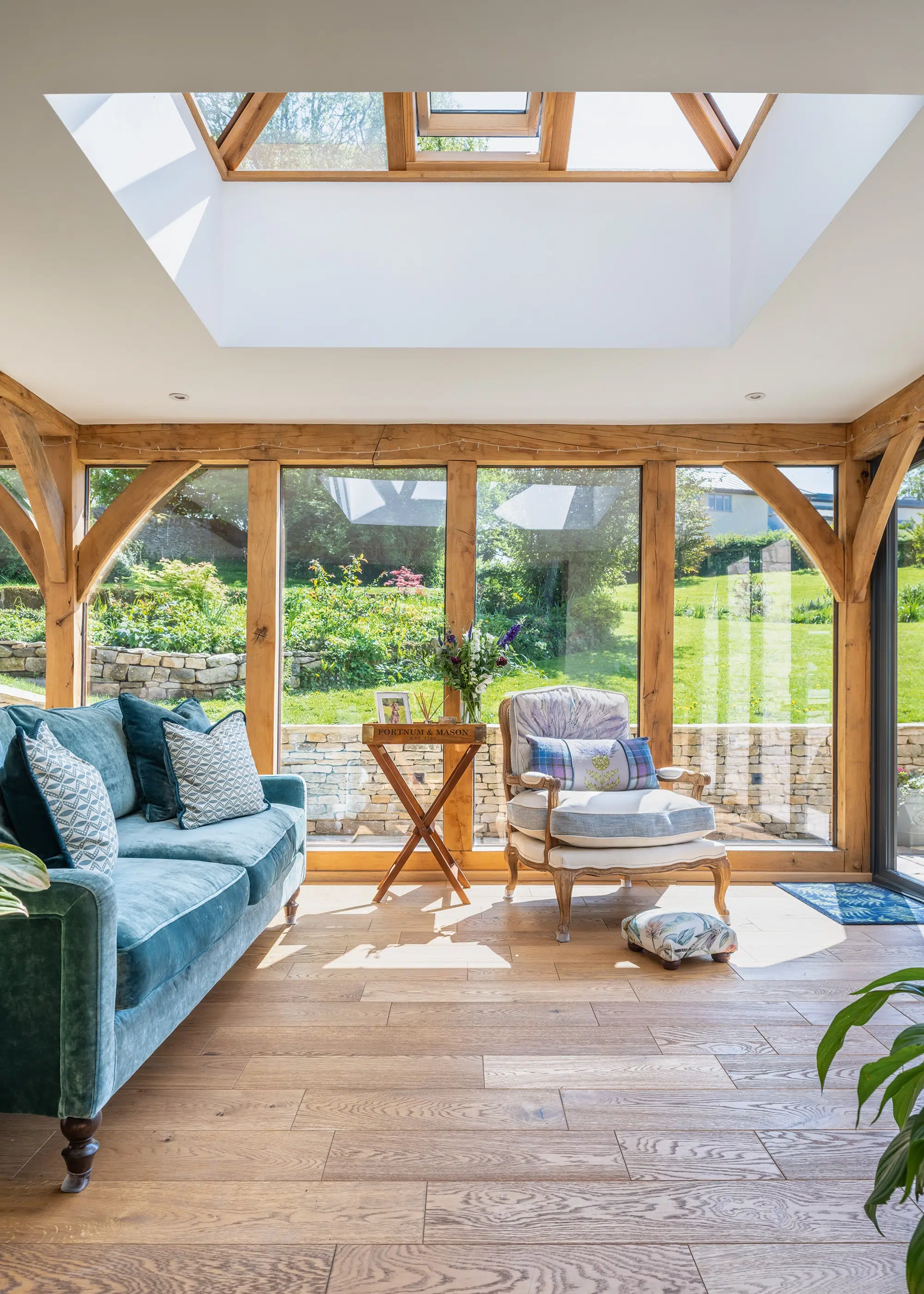
Photo: Nikhilesh Haval
The space features underfloor heating and plenty of high-quality insulation to help retain heat in the colder months. Openable glazing and bifold doors allow for natural, year-round ventilation.
2. Striking glazed sunroom extension idea for a listed countryside home
Designed by IQ Glass in collaboration with Ask & Embla Architecture, this glass extension in Bath perfectly merges the listed house’s historic character with modern living and sleek design.

The scheme comprises IQ Glass’ Invisio frameless structural glazing system, with the upper storey showcasing three expansive glass panels to create uninterrupted views. This frameless glass extends upwards, transitioning flawlessly into a glazed roof, flooding the interior with natural light.

On the ground floor, slim aluminium sliding doors help create an effortless indoor-outdoor connection while maximising the views.
3. Efficient knock down and rebuild conservatory design
The owners of this South East London home enlisted Gruff Architects to reimagine a tired, lean-to timber frame conservatory. As the home is located within a conservation area, the design had to match the size and volume of the previous addition. The architects brought IDSystems on board to help create a scheme with high-performance glazing and a contemporary twist.
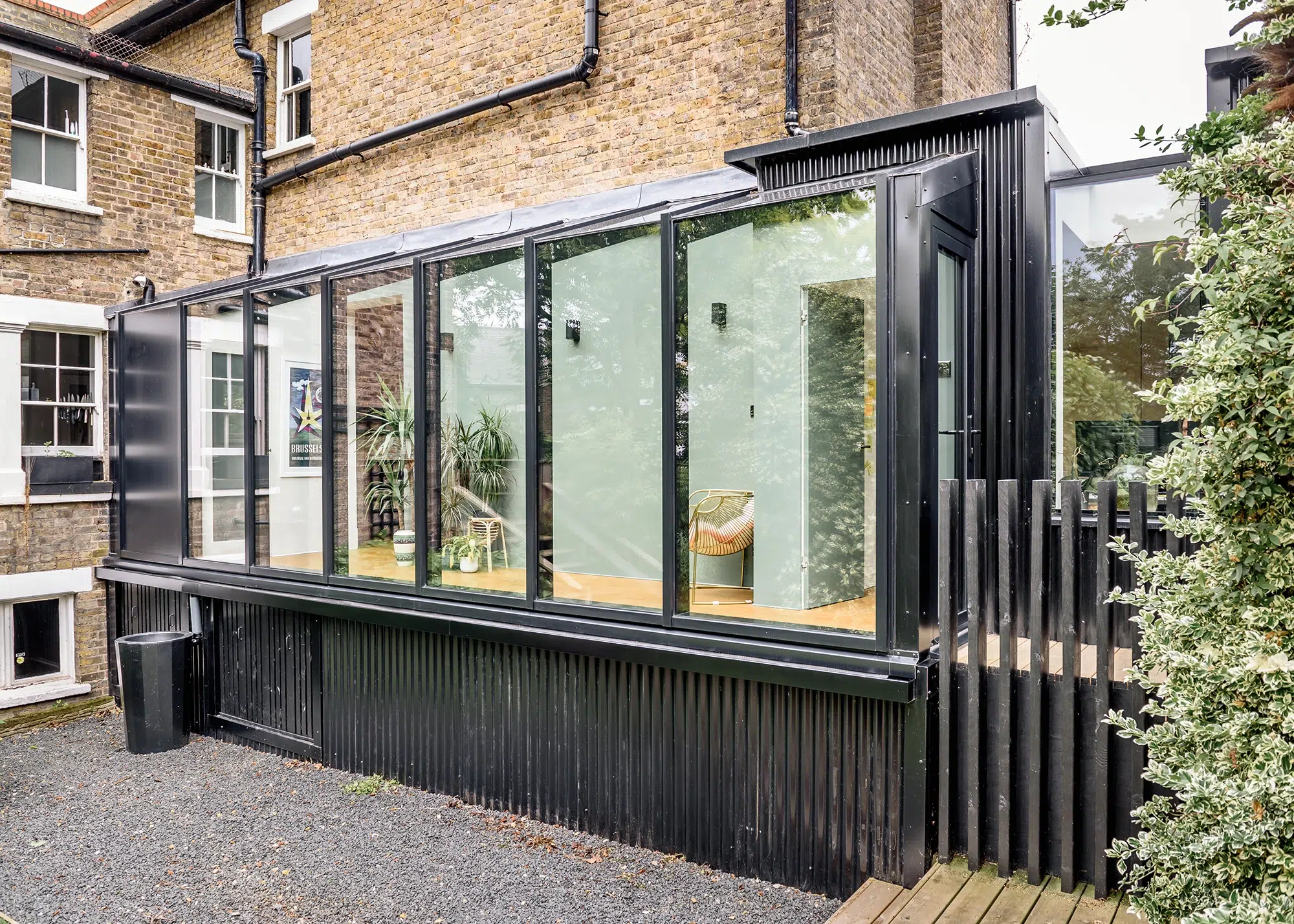
Photo: TradePhotographer.com
The end result is a stylish aluminium-framed lean-to structure which features up-and-over windows that connect framelessly with a glass roof – maximising daylight whilst keeping to the same proportions as the original conservatory.

Photo: TradePhotographer.com
The custom solution is made up of seven bays, to match the prior design, with six bays fully glazed and the final one finished with a thermally broken aluminium panel.
4. Oak frame sunroom idea with panoramic views
This spectacular, 28m² oak frame sunroom, designed and built by Oakwrights, has helped the owners fully embrace their property’s panoramic views towards St Andrews, Scotland.
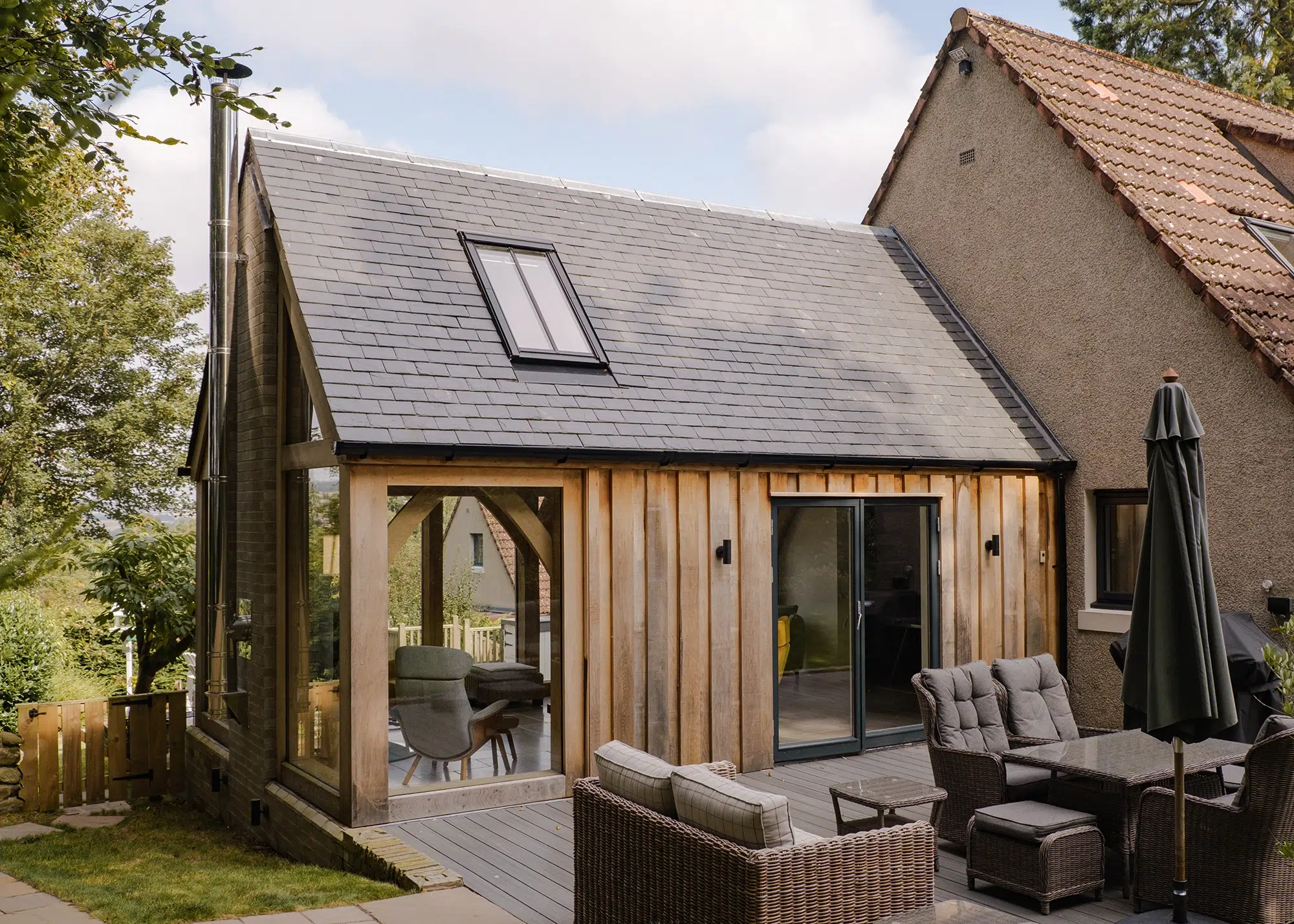
Photo: Katie Pryde
The new addition features wide spans of double-glazing across all elevations, which sits flush with the characterful oak frame, while one side of the sunroom leads directly into the kitchen-diner and ensures natural light can spill straight through into the rest of the house.
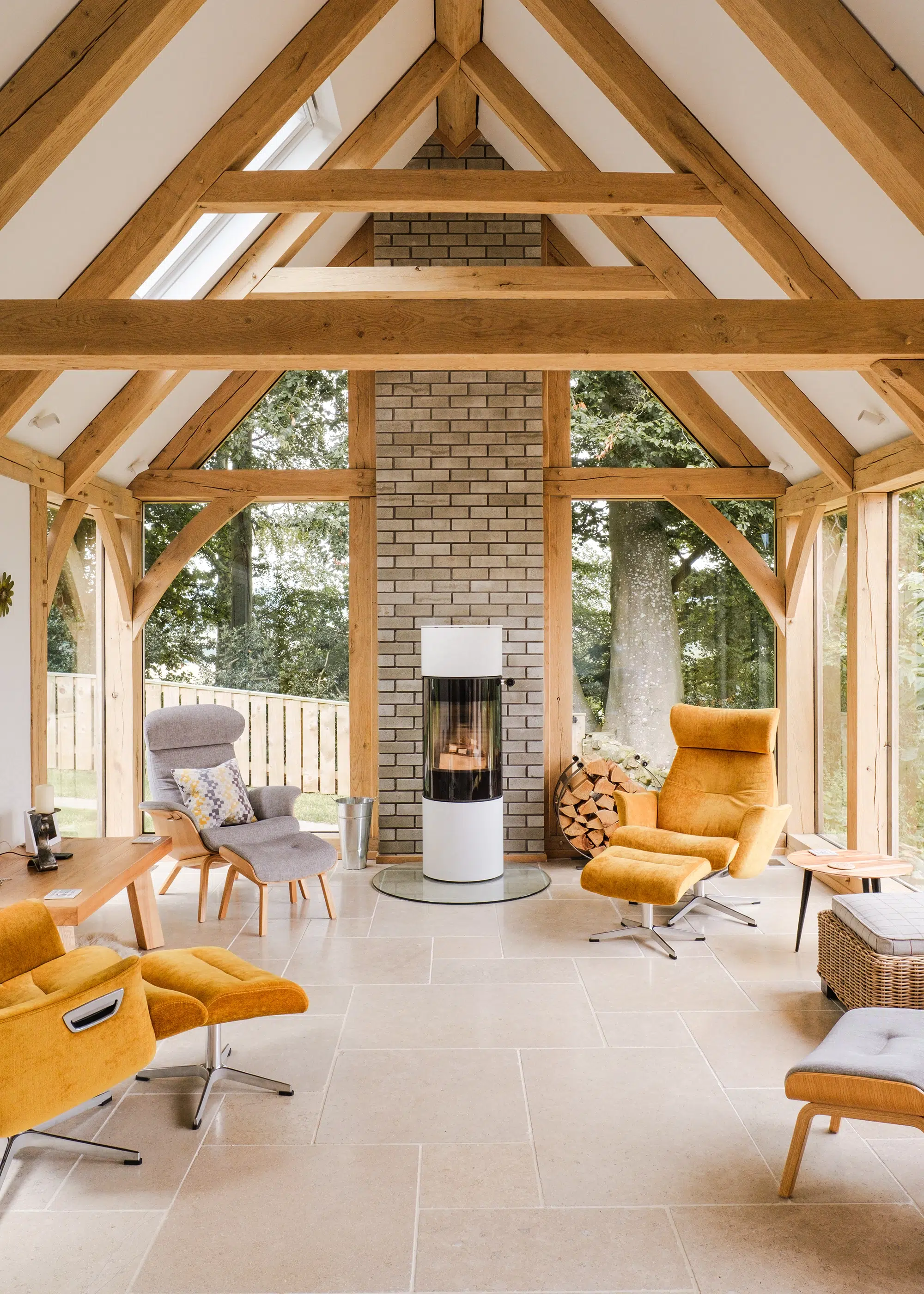
Photo: Katie Pryde
A central woodburner sits in the gable end, in front of an eye-catching brick chimney breast, creating a cosy atmosphere and a family space that can be enjoyed even in the colder months.
EXPERT VIEW What to know before gathering conservatory ideasDo I need planning permission for a sunroom extension or conservatory?Just as with any home extension project, it’s important to fully understand any planning restrictions you might face. Many new home extensions can be constructed under permitted development (PD) rights, meaning you won’t need to make a formal application. Speak to your local council about the rules for your particular area, or if you are already talking to a company about working on your project, then it’s worth checking with them as they will be able to offer you some guidance. Glazed extensions and conservatories require careful consideration due to visual impact, proximity to boundaries and privacy concerns (for both you and your neighbour). Before finalising your design, honestly assess your existing rooms. Are they working hard enough? Often, the real solution isn’t just adding space, but reimagining how current rooms function alongside new areas. How can I avoid overheating?Recent changes to glazing requirements now limit glass to 25% of floor area (of the home) – a constraint that encourages more thoughtful design. Creating a comfortable living environment should be the aim for your extension, so you can use the new space all year round while avoiding the too high or low temperatures associated with older, poorly-insulated conservatories. Selecting a solid roof construction with rooflights or incorporating a large lantern rather than a fully-glazed structure will improve thermal performance. In any case, you should specify solar control glass to reduce heat gain while maintaining natural light, and low-e coatings for better insulation. This all helps keep an ambient temperature and filters out UV (as well as being good for us, this stops furniture fading). Integrating electric vents will make getting fresh air into the space easier, too. Will I need to get Building Regulations sign-off for my conservatory’s design?Factor in both planning permission and Building Regulations from day one. You will require building control sign off if you are knocking through to an existing room or the floorplan is over 30m². Key compliance areas include thermal performance (with U-values meeting current standards), structural integrity for foundations and connections, adequate ventilation to prevent condensation, and proper drainage management. Applications must be submitted before any work begins, with inspections at key stages – including foundations, roof structure and completion. What is the best location and orientation for a conservatory or glazed extension?The best position for your addition depends on your priorities and the space’s use, views, and what is achievable. South-facing extensions provide maximum solar gain in winter, but need summer shading, while east/west orientations offer manageable heat gain with good morning or evening light. North-facing positions provide consistent light without overheating. Consider your garden views for a seamless indoor-outdoor flow, internal circulation patterns, and daily use requirements. Position doors to ensure easy garden access while considering prevailing winds and direct sunlight. If you’re including a solid wall, for a TV or such like, avoid placing screens opposite large, glazed areas to prevent glare. A professional site analysis will identify any unique opportunities and constraints. |

5. Characterful kitchen-diner conservatory idea
When gathering conservatory ideas, it’s important to consider how the new design will blend with the existing house’s architecture. This charming kitchen-diner extension showcases expansive heritage-style glazing, seamlessly linking the lush garden, the original property and the new addition.
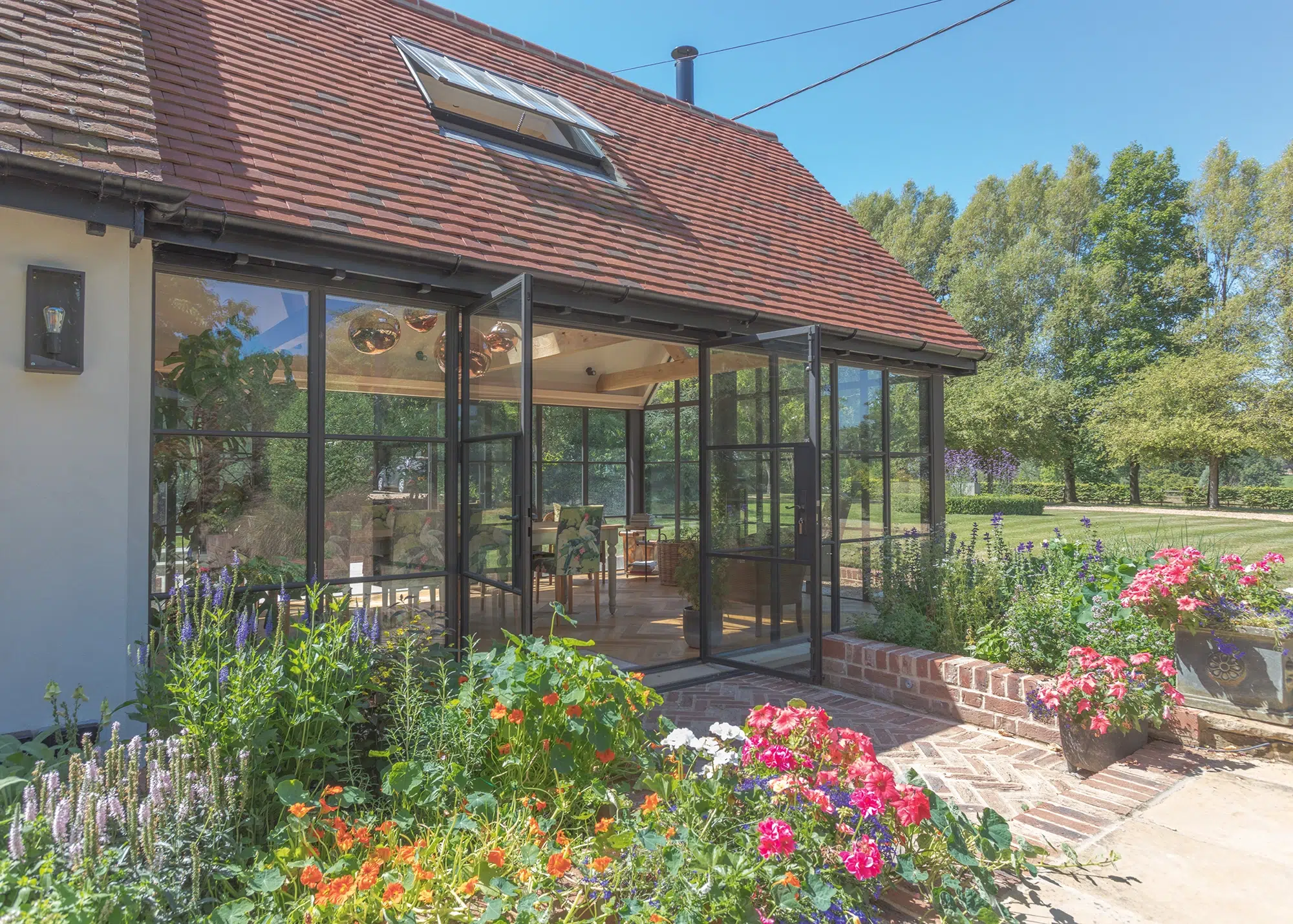
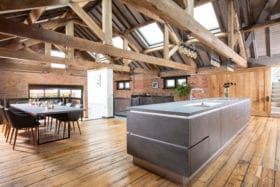
Overhead, exposed timber beams bring warmth and character to the vaulted ceiling, while a bronze, fully-glazed gable end frames the panoramic views and fills the new living space with sunshine.

Openable conservation-style rooflights in the pitched roof boost daylight while allowing natural ventilation. All of the bespoke glazing elements were designed and provided by Architectural Bronze.
6. Traditional conservatory extension with bifold doors
The owners of this home were looking to make the most of their scenic countryside surroundings, while also creating access to a new outdoor seating area.
They opted for a bespoke scheme designed by Vale Garden Houses, which features an impressive floor-to-ceiling bay window overlooking the surrounding fields, along with bifold doors that open the space onto a patio. The goal was to create an impressive glazed extension that offered year-round comfort without compromising the stunning views.
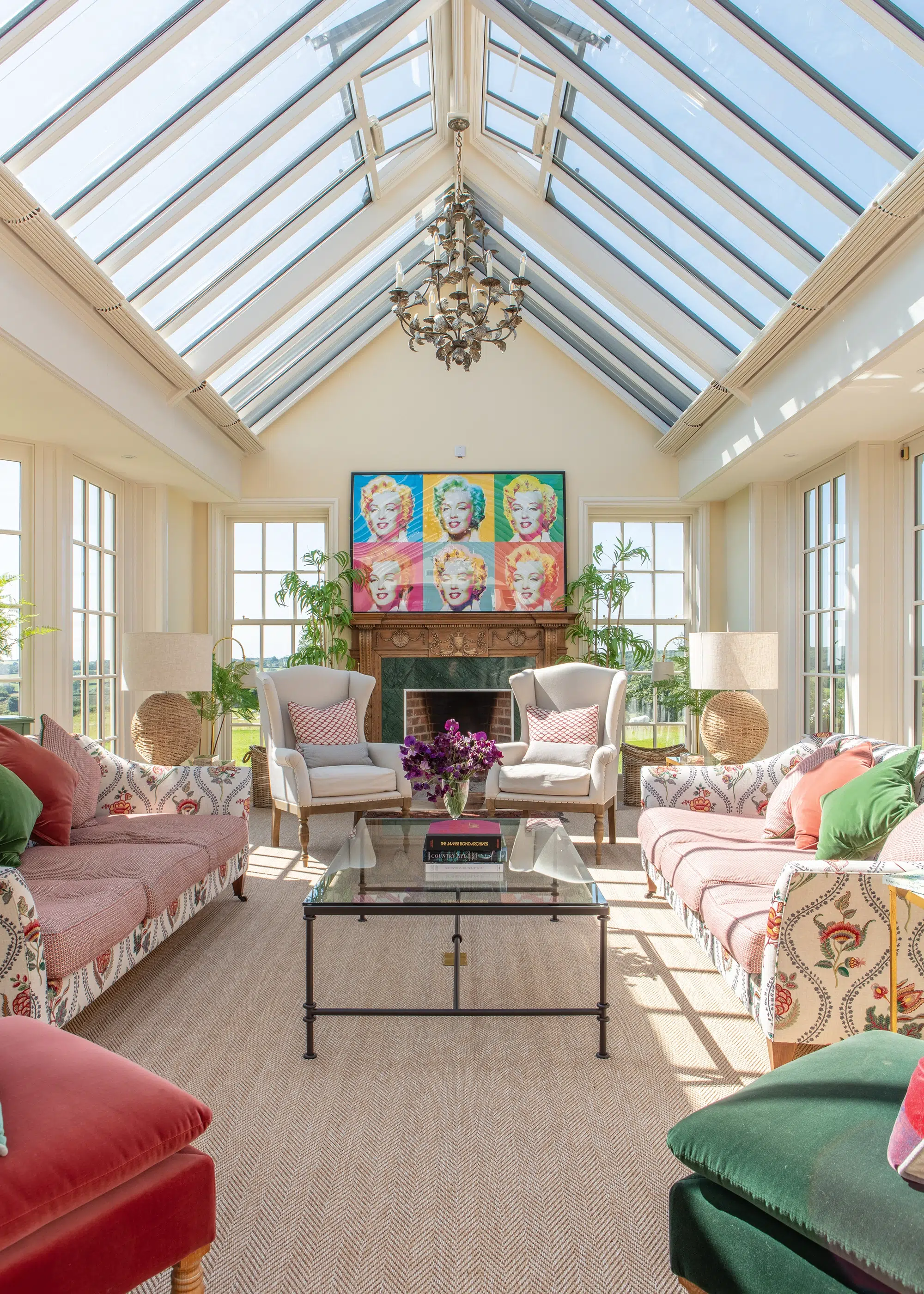
A solid gable wall at the end elevation was included to accommodate a chimney breast and flue, allowing for a cosy open fire, the warmth from which can filter into the main house via the adjoining double doors.
7. Modern, high-performance glazed extension for a family home
This contemporary conservatory project for a traditional family home, designed by PS Architectural and delivered by Thames Valley Windows, effortlessly blurs the boundaries between the indoor and outdoor spaces.

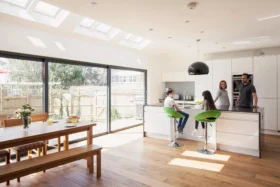
Complete with a stylish kitchen and seating zone, perfect for al fresco dining, the project combines a glass roof and wow-factor floor-to-ceiling glazing to maximise natural light. At its core is the Solarlux powder-coated aluminium slide-and-turn door system, comprising 12 laminated safety glass panels (each 2,550mm high and 2,000mm wide).
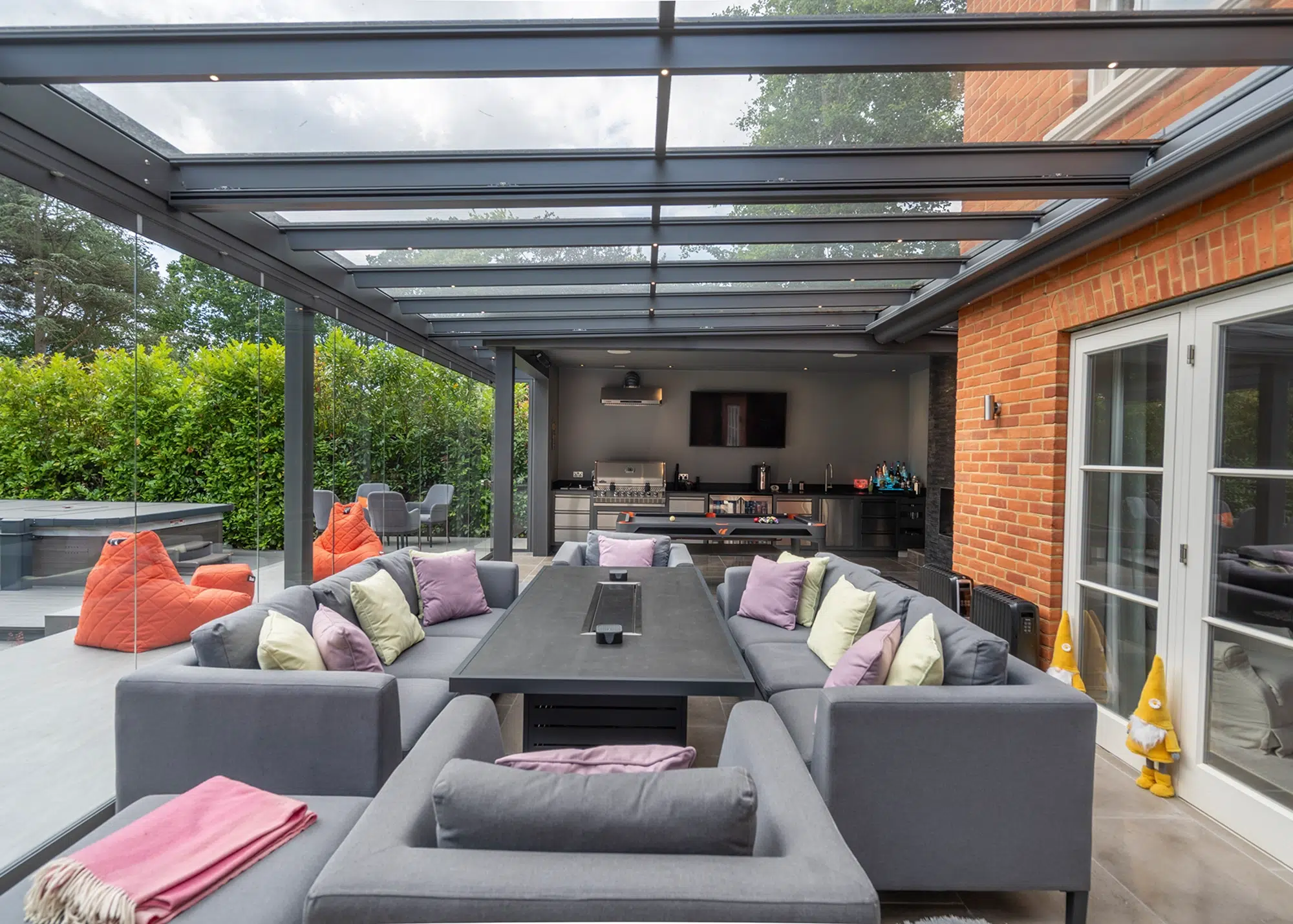
The setup features a flush track, top-running mechanism and flexible stacking design that fully opens the space or provides weather-sealed closure with permanent ventilation.
8. Spectacular Glazed Rooftop Conservatory Idea
Looking for clever ways to incorporate large glass sections into your conservatory ideas? Connected to the house via an internal staircase and surrounded by a roof terrace, this glass box conservatory design has transformed a London mews house. 17.5m² in total.
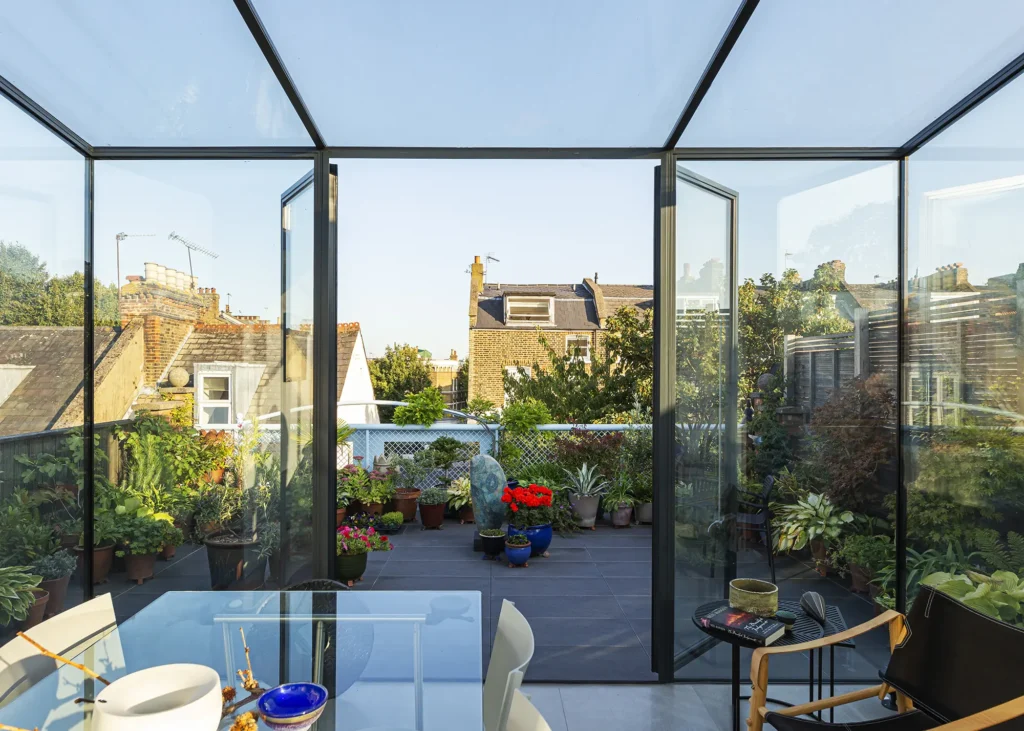
Photo: Rick McCallugh
It was completed by A2 Studio in 2019 under permitted development and provided the owner with a much-needed, light-filled space similar to an orangery which is connected to a roof garden and offers views of the surrounding skyline.
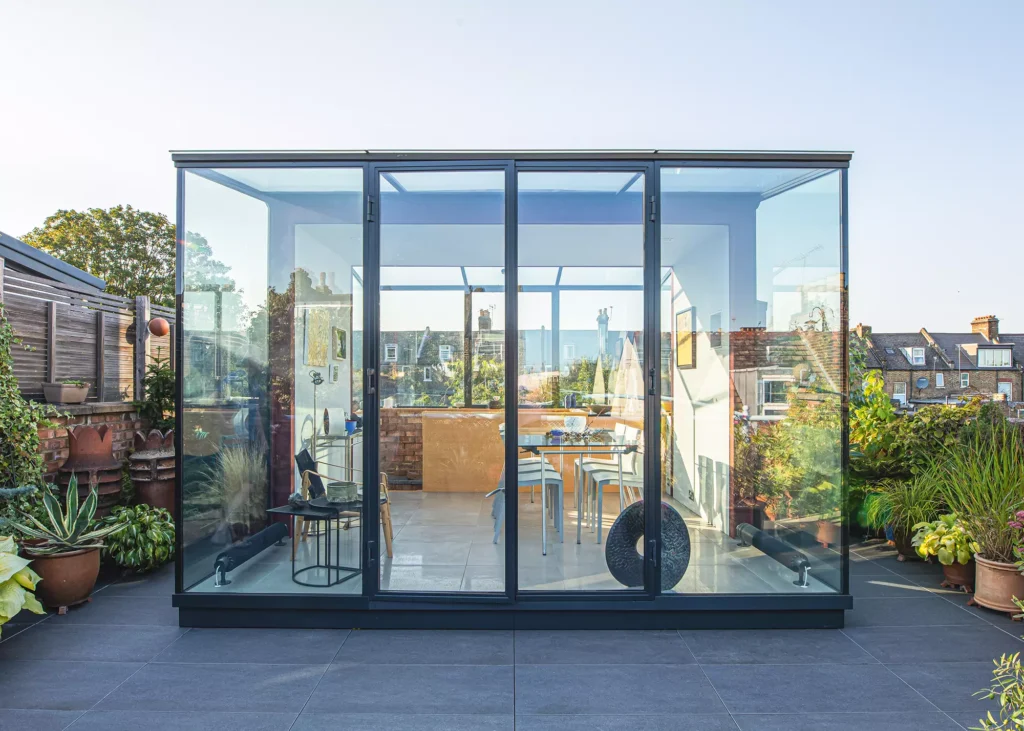
Photo: Rick McCallugh
Fibre cement cladding was used externally for the solid central section of this conservatory design, with slim-frame glazing forming the rest of the structure. The project cost £70,000.
9. Traditional-Style Glazed Oak Frame Conservatory Design
The downstairs living spaces of this 17th-century stone home suffered from low ceilings, small windows and little natural light, so called for an addition that was able to harness as much natural light as possible while maximising the garden views.
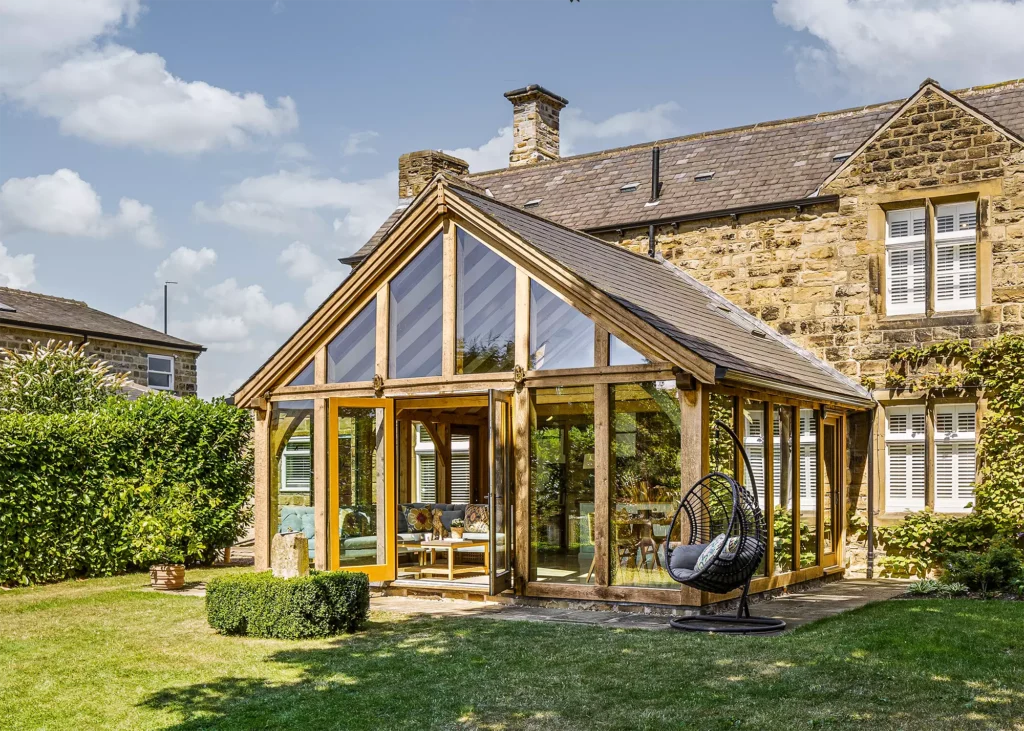
Regional design consultant Tony Williams’ conservatory ideas comprised a 5.5m x 6m extension, using Oakwrights’ face glazing system to achieve a wow-factor, gable-end oak-and-glass conservatory design.
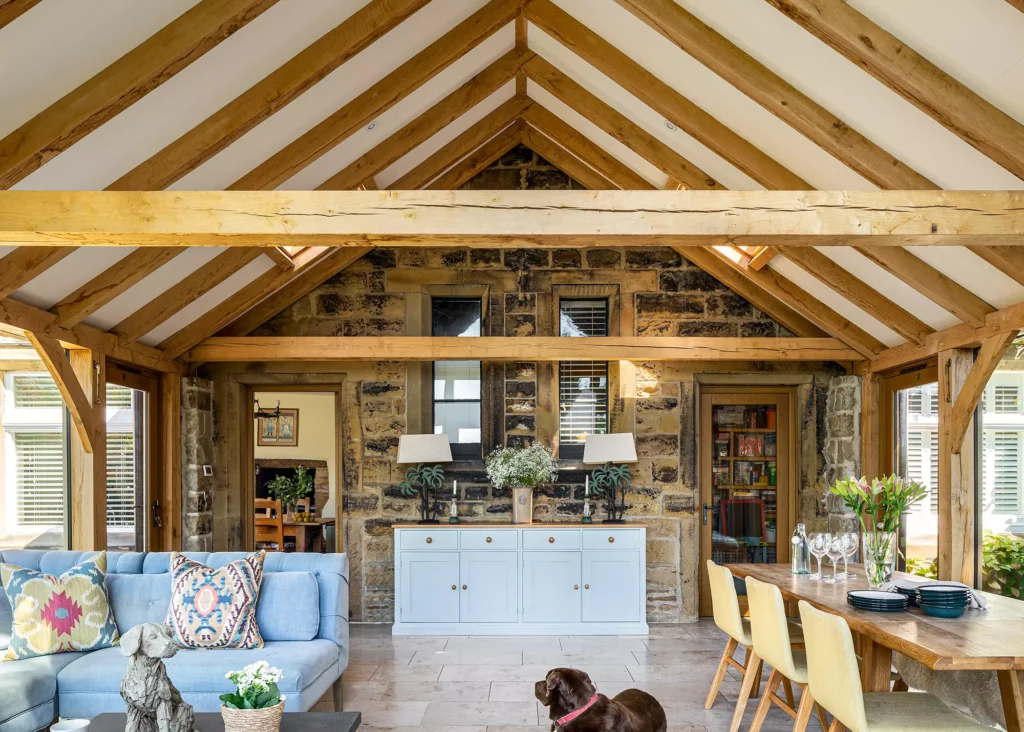
The simple style and natural materials were welcomed by planners and conservation officers as a sympathetic design for this listed property. The internal oak rafters reflect the home’s traditional style with tie beams and curved braces.
10. Use Your Conservatory Ideas to Combine Old & New
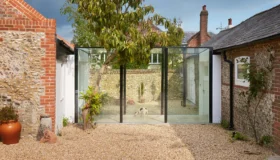
This uniquely placed garden conservatory in Sussex creates a link between the property and the original stone wall which surrounds the garden. The replacement room, from Hampton Conservatories, serves as a tranquil place for relaxation.
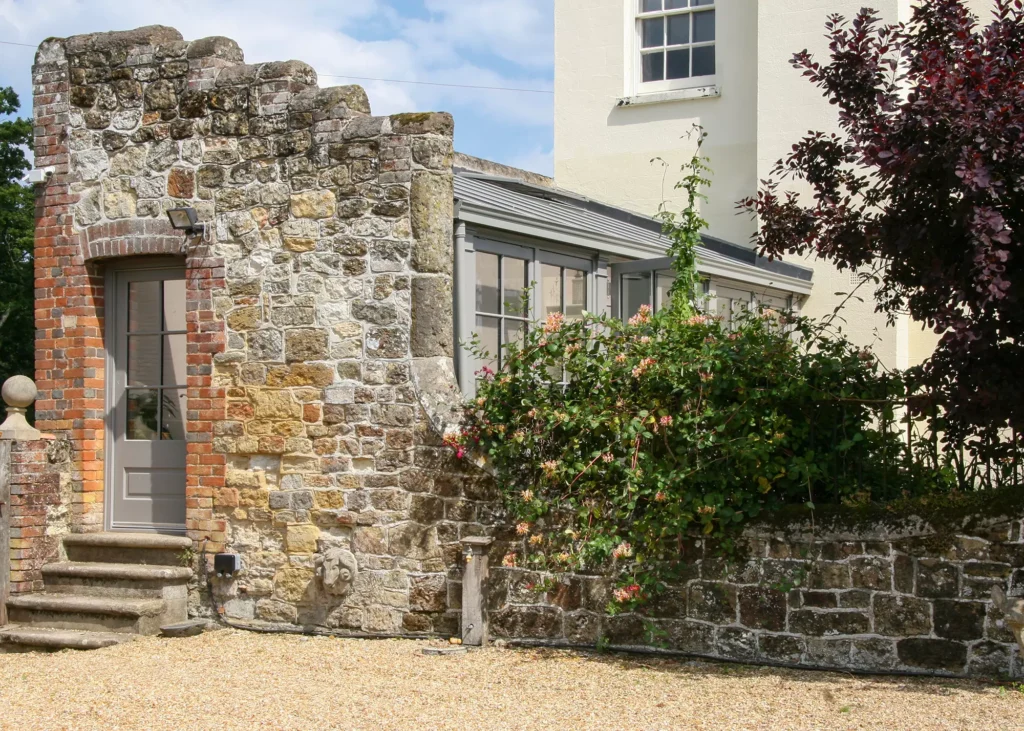
The replacement room, from Hampton Conservatories, serves as a tranquil place for relaxation.
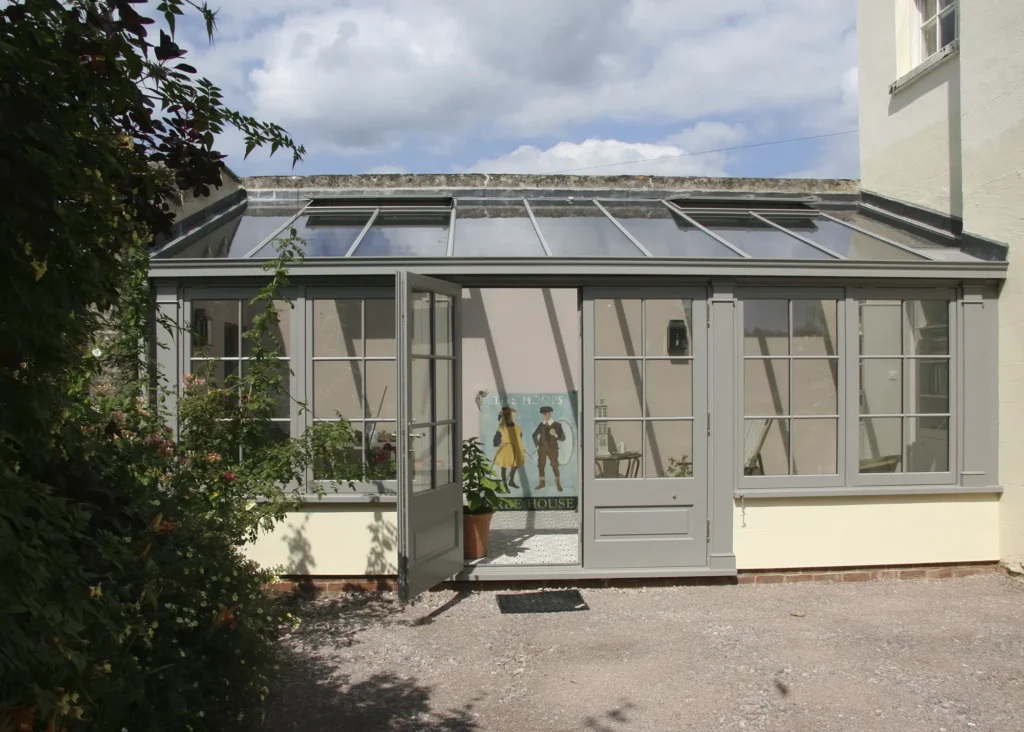
It has a simple lean-to conservatory design, painted in a soft grey to pick up the colour from the stone. Steps up to the stone wall and a matching door create a distinctive entrance from the garden.
11. Oak Frame Orangery Conservatory with Stunning Overhead Glazing
This 7.5m x 7.5m oak orangery with tiled roof and bespoke sunken lantern features full height glazing on three elevations and two sets of bifold doors.
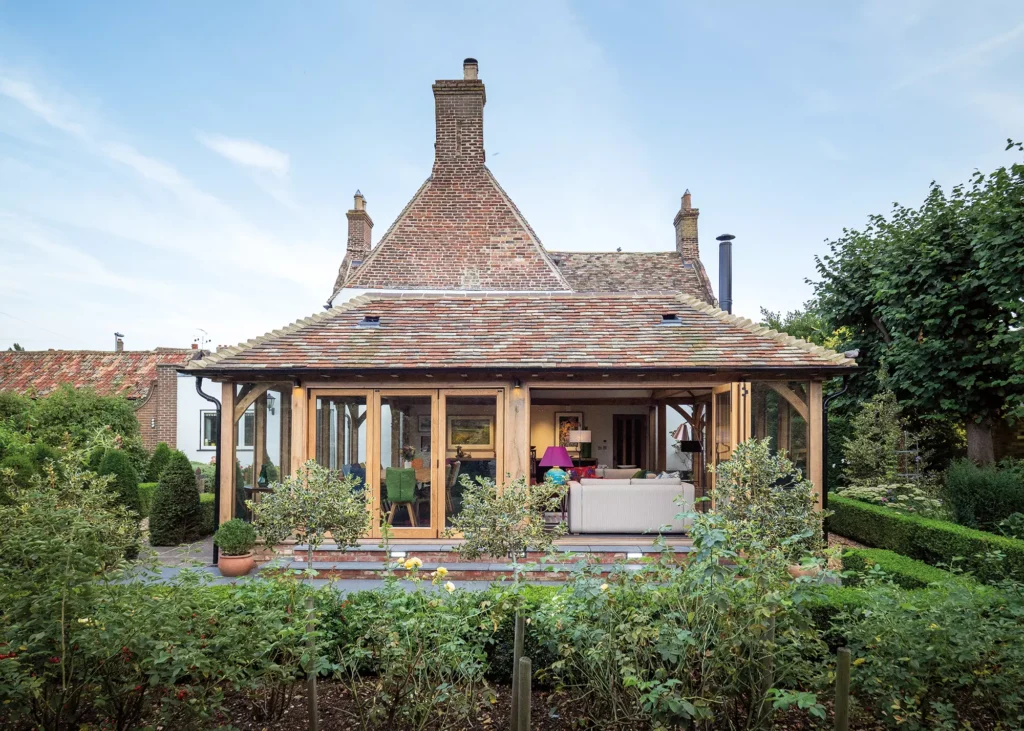
The Prime Oak mansard orangery conservatory design increases the height of the room, creating a bright and airy living space and transforming the dynamic of this previously closed off home.
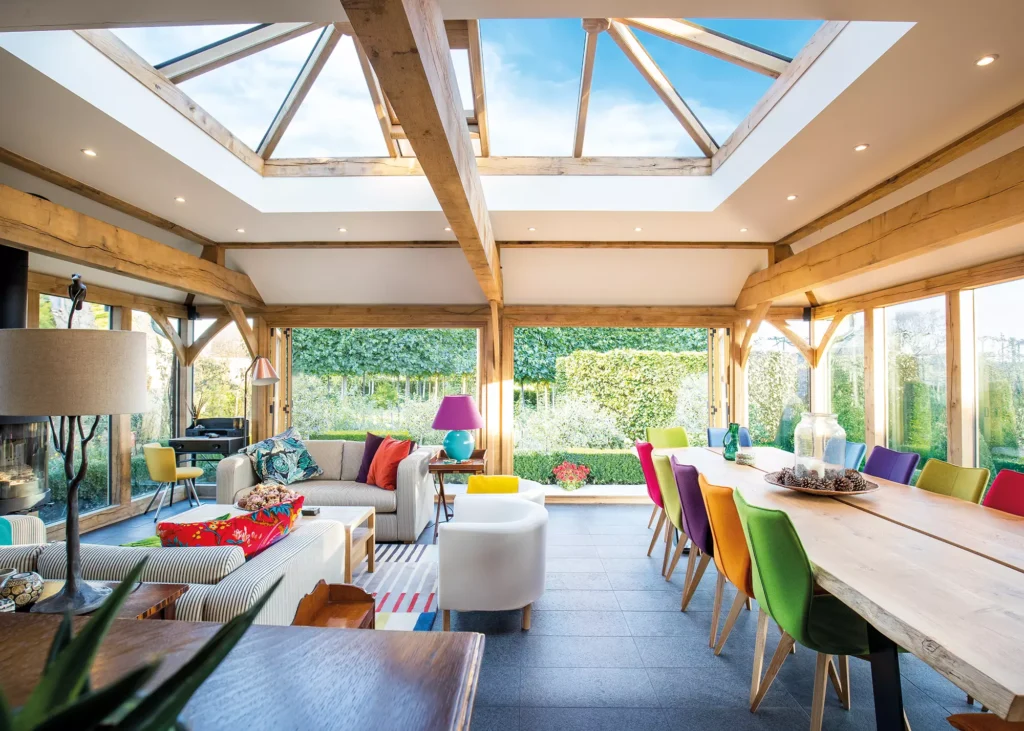
The floor-to-ceiling glazing offers stunning views of the surrounding greenery and blurs the boundaries between home and garden. Price for a standard 4m x 5m model: £40,000-£50,000 + VAT.
12. Conservatory Idea with Wow-Factor Glazing
As part of a complete renovation project, IQ Glass designed and installed this super-modern, wow-factor glass take on a traditional conservatory design. The new space replaces an obtrusive plastic construction on the side of the grade II listed property.
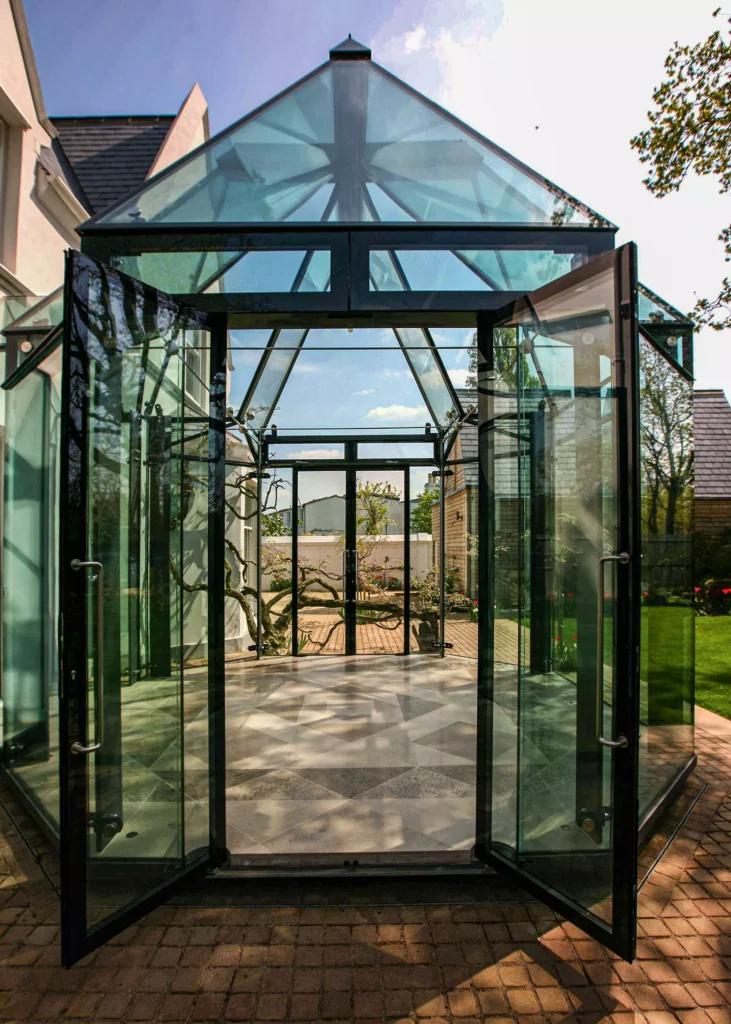
Separated from the home by insulated glass walls and double-glazed patio doors, it has a unique and complex peaked roof structure allowing light to flow in obstructed and maintaining a cohesive design with the property’s original features.
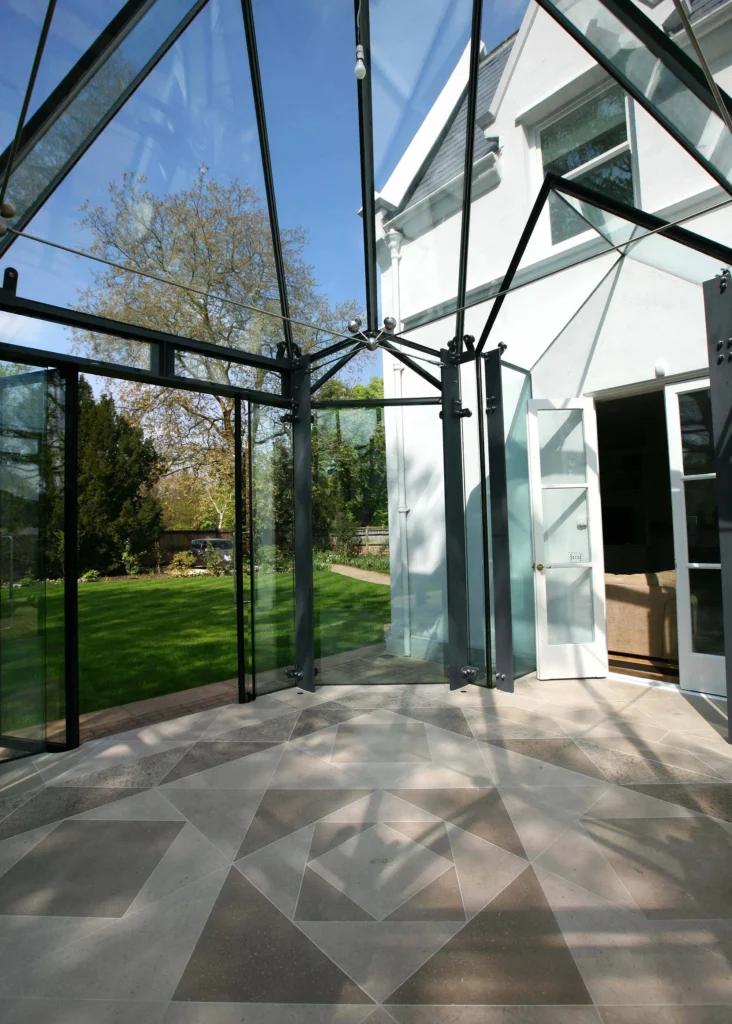
The structural glass is supported with slim steel junctions. Innovare doors maintain a sleek, flush glazed external appearance.
13. Gothic-Style Conservatory Design for a Listed Property
As part of the renovation of this listed period property in Nottinghamshire, a gothic-inspired conservatory was constructed by Vale Garden Houses for use as a sitting room, featuring decorative columns and eaves with a deep dentil mould.
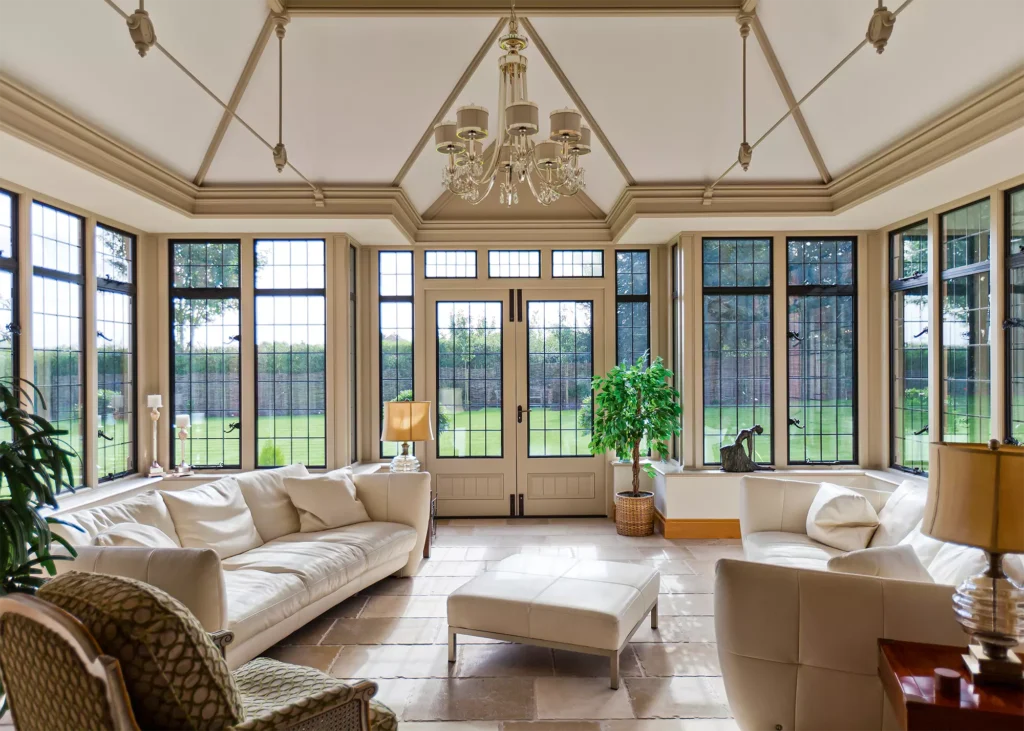
Bronze casement windows sit within a mullion framework and the lead roof is crowned with decorative cresting and spire finials, with hidden ventilation in the form of a rising canopy.
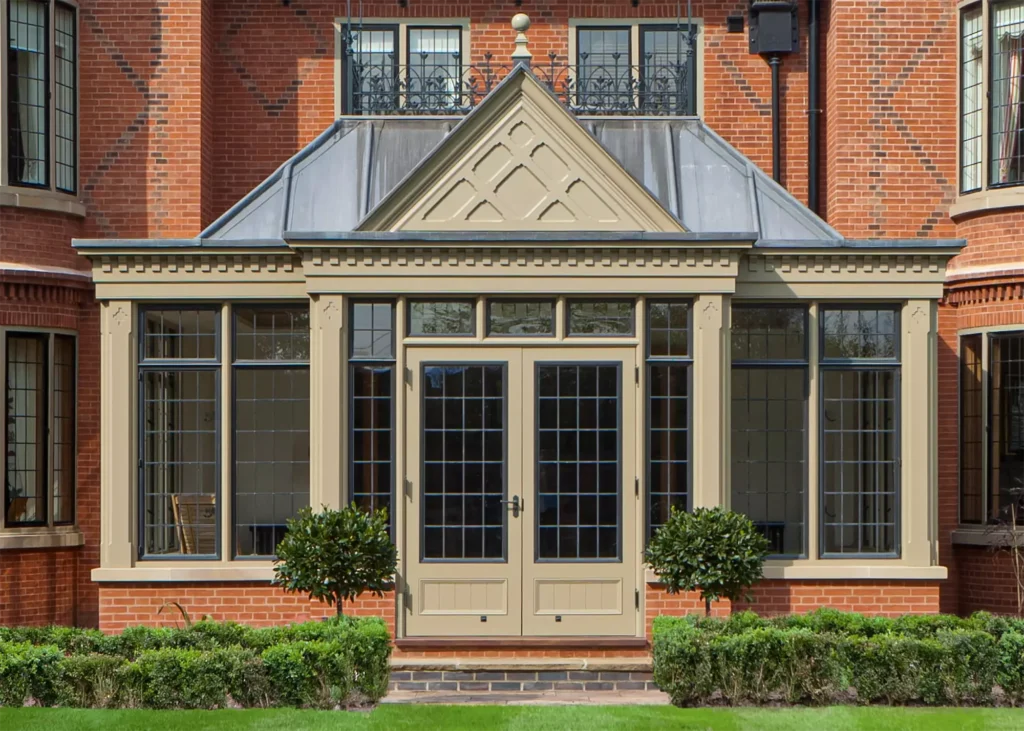
The gable’s stop chamfered relief reflects the diaper bond brickwork of the house. The structure measures 5.8m x 6.3m and is painted in Flagstone from Vale’s period paint collection to create a traditional yet practical conservatory design that complements the main home.
14. Traditional-Style Sunroom Extension for a Home in a Conservation Area
Requiring consent due to its conservation area status, this traditional-style sunroom from Thames Valley Windows needed to be efficient enough for the 21st century whilst improving natural light in a cottage with low ceilings.
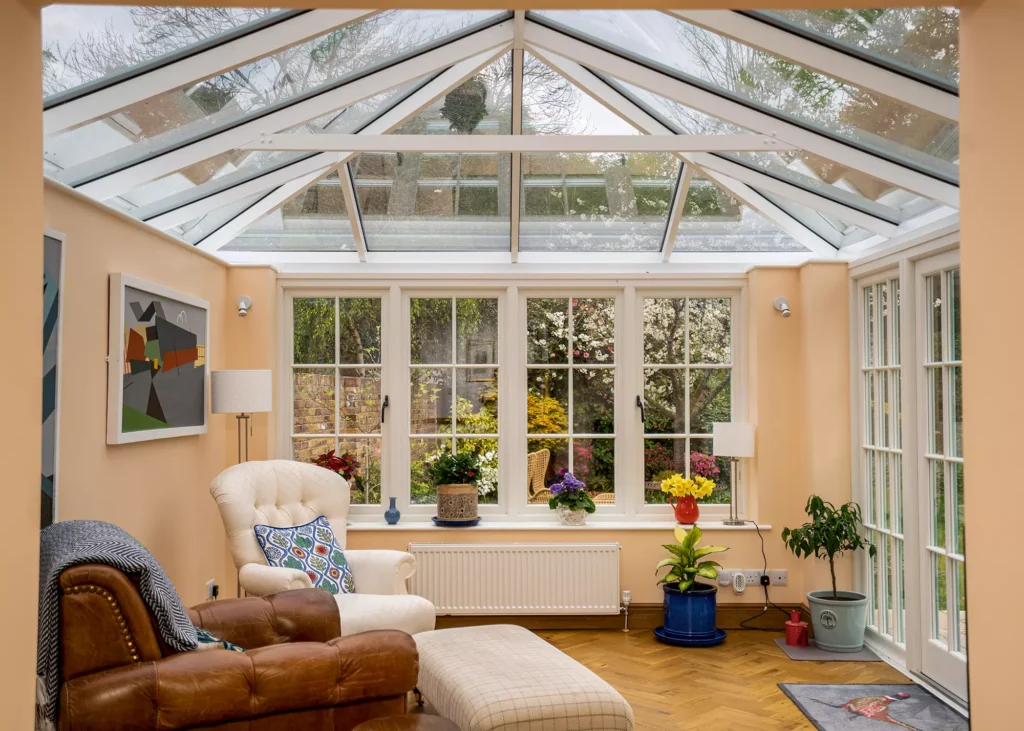
Architectural designer Michael East suggested French doors and slim profile, flush casement double-glazed timber windows. Astral bars add definition to this conservatory design alongside black wrought iron monkey tail handles and hinges. The exterior features a white render and doors and windows painted in light green.
15. Bespoke & Elegant Conservatory Idea with a Charming Green Finish
Constructed in Sapele hardwood and finished in Chartwell green, this Bespoke Rutland conservatory’s roof pitch was specifically designed to mirror that of the house gable.
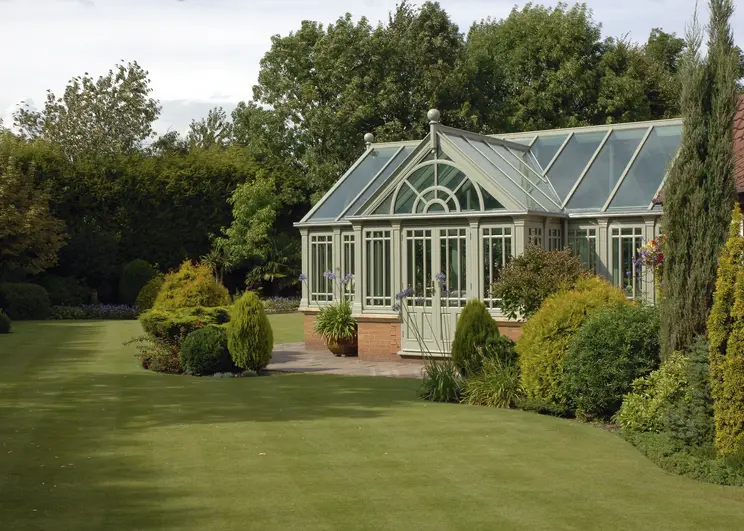
Solar control glass helps to maintain a comfortable temperature all year round, keeping excess warmth out in summer. An easy-clean coating has also been applied to minimise maintenance and maximise natural light.
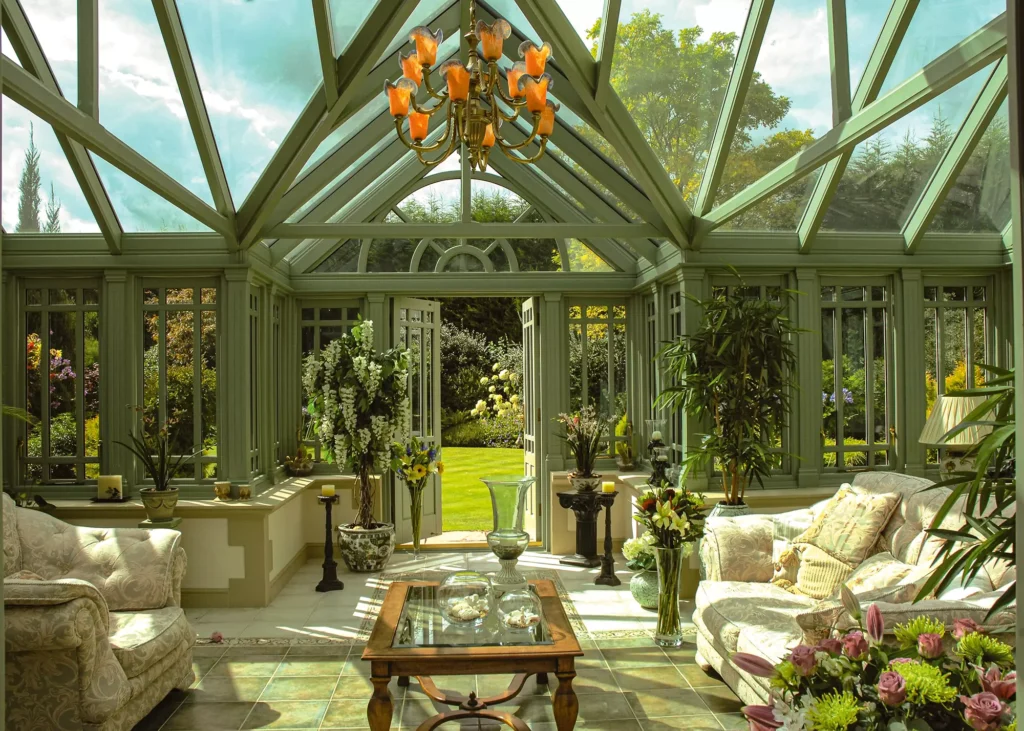
Due to the complexity of the two different ridge heights, steel was needed within the roof to take the weight of the timber and glass.
FAQs

What are the key differences between a conservatory, sunroom and orangery?
An orangery is a home extension with a much more substantial feel and a signature, bold colonnade effect. An orangery will typically feature wide classical pilasters flanking each window or door set, often mirrored internally. A conservatory or sunroom will generally have lighter and more delicate framework with a pitched roof sailing straight from the framework head section. Conservatories can complement many different types of home from a wide range of periods.
What sustainable features can I incorporate into my conservatory design to boost its eco credentials?
High-quality, natural building materials combined with expert craftsmanship, can significantly extend the longevity and sustainability of your new addition. Our structures are created using FSC and PEFC certified timber and also incorporate low-e glass to help mitigate excessive, unwanted solar gain. Automatic, thermostatically controlled vents with built-in rain sensors will allow easy, effective ventilation. If your structure has flat roof sections, consider a green roof covering to increase biodiversity.
How can I create a seamless transition between indoor and outdoor spaces?
Whether your conservatory is designed with full-length glazed panels and doors, or a combination of glazing and masonry or timber, you will certainly feel more connected to the outdoors than any other room in the home. Lots of our structures now feature glazed bifold doors, helping to open the home up to the garden or terrace while creating a perfect outdoor entertaining space. Expansive overhead glazing will allow you to feel at one with the outdoors, too, watching rain fall on the glass and stargazing through the ceiling in the evenings.
What’s the best use for a conservatory & how will this influence the design?
Before you begin planning your conservatory project, it’s worth considering what you’d like to use the space for, as this will significantly influence the design details. A conservatory or sunroom can be a beautiful, useful addition to a home, but if it doesn’t serve a clear function, it may end up rarely used.
Are you looking for a dedicated space for propagating plants and flowers, with room for a cosy corner to relax with a cup of tea? Or is it a functional kitchen or an elegant dining room you’re hoping for. Knowing how you’d like to live in the space will help guide the rest of the design process. For an addition that is going to be used as a kitchen, just make sure you design into the structure plenty of solid wall space to take kitchen appliances and cupboard space.
Beyond sunlight and shade, it’s worth thinking about how the conservatory connects to your home. In our experience, those placed off frequently used rooms, such as the kitchen or sitting room, tend to be enjoyed more often as they will feel like a natural extension.
Do you have any lighting tips for those pulling together conservatory ideas?
Clever lighting can create dramatic effects and give the room different moods at different times. Consider unwanted reflections, as without blinds any light will be mirrored back into the room. A combination of lighting can encourage the right ambience throughout the days and seasons. Chandeliers create a wow factor and low-level lighting adds atmosphere.
How can homeowners make the most of a small conservatory design?
Finding the happy balance between what suits your lifestyle and the needs of the property can be tricky. This is particularly important in towns and cities where many houses have limited living space and every square metre is valuable. A conservatory will offer precious extra living accommodation and make the most of small areas without blocking light into existing rooms. Keep the space light and fresh, don’t over clutter and, if you can, build in good storage.
Sander Tel
Lucy Keech
You may be interested in