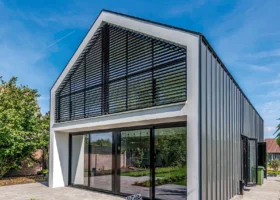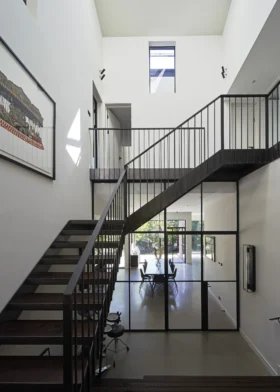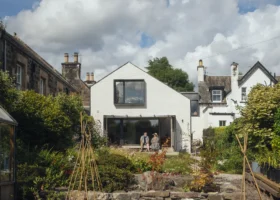
Estimate your project costs instantly with Build It's interactive self-build cost calculator
Calculate NowGet an accurate, detailed cost breakdown of your project
Submit plans

What is Life Cycle Assessment (LCA)?
Life Cycle Assessment (LCA) is a comprehensive method for evaluating the environmental impact of a building from start to finish. It examines every stage – from sourcing raw materials to construction, daily operation and end-of-life disposal or recycling. By analysing energy use, carbon emissions and waste generation, LCA enables smarter, more sustainable decisions throughout the entire building process.
How LCA Works
Material Sourcing
Assesses the environmental footprint of raw materials, including extraction, processing and transportation energy.
Construction Phase
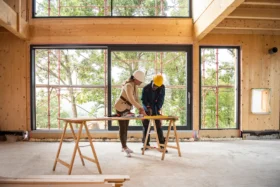
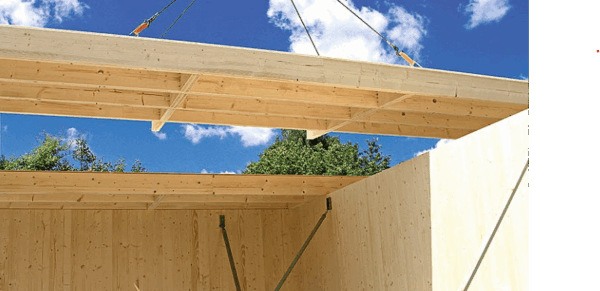
Evaluates emissions and waste created during the build. Efficient methods, such as CLT prefabrication, improve accuracy and reduce onsite impact.
Building Use
Monitors energy performance over the building’s lifespan, highlighting opportunities for improved efficiency and lower operating costs.
End-of-Life Impact
Considers demolition, recycling or material reuse to ensure minimal environmental harm when a building reaches the end of its service life.
LCA in Passive House & CLT Construction
Passive House:
LCA supports the Passive House standard by assessing long-term energy efficiency, insulation quality, airtightness and ventilation systems to significantly reduce energy demand.
CLT Construction:
For Cross-Laminated Timber, LCA reviews the entire timber journey – from sustainable forest sourcing to potential recycling – ensuring a low-carbon, renewable building approach.
Benefits for Homeowners
• Long-Term Savings: Lower energy use reduces yearly operating costs.
• Future-Proof Design: Sustainable materials and construction methods create durable, high-performance homes with a smaller lifetime footprint.
• Healthier Living: Non-toxic, eco-friendly materials – especially timber – support cleaner indoor air and a more comfortable living environment.
Visit our knowledge base for more information