

- Plan ItBack
- Design ItBack
- Build ItBack
- Homes
- ProductsBack
- CostsBack
- Self Build Cost Calculator
Estimate your project costs instantly with Build It's interactive self-build cost calculator
Calculate Now - Costs & Finance
- Contracts & Warranties
- Build It Estimating Service
Get an accurate, detailed cost breakdown of your project
Submit plans
- EventsBack


















































































 Login/register to save Article for later
What Happens if Your Builder Goes Bust in the Middle of Your Project?

For any self builder or homeowner undertaking a renovation, a contractor becoming insolvent mid-project is their biggest fear. Due to the impact of unpredictable global events and increasing materials costs, this is becoming a very real risk. Insolvency occurs when a company or individual cannot pay debts that they are liable for, leaving them unable to continue with the project. It is crucial, therefore, to ensure you and your site are properly protected against this situation.
Protecting your investment
One of the best ways to protect your project is to have a clear contract in place. Where sites are prone to delays due to planning and weather, the last thing needed is costly, time-consuming disputes regarding the responsibility of the builder. A formal contract can avoid misunderstandings and allows the project to be handed over to alternative trades if needed.
A crucial aspect of this is tying stage payments into the contract, meaning you pay for the works as you go, instead of all in one go upfront. By linking the payments to key stages of the build, you’re never exposed for the full project cost if the contractor goes bust. Combining the stage payments with a structural warranty inspection timeline also means you know you are paying for works that have been completed correctly.
Keeping record of your site works
Maintaining detailed site records is a critical way to prevent losses. Daily logs provide key evidence regarding the project’s exact timeframe. So, if your contractor becomes insolvent and tries to claim that they are owed money for a specific job, the site records can clearly evidence this and reduce conflicts.
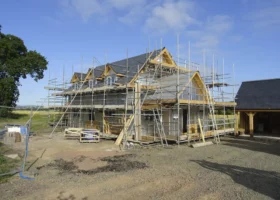
If a contractor goes bust, the responsibility for the site typically reverts to the homeowner – which could leave your build vulnerable. Unfinished projects with high value items on-site can become prime targets for thieves, and purchasing replacements will be expensive. This is one reason it’s important to have a comprehensive site insurance policy in place, and in your name. Alongside liability cover, this will protect your build and provide peace of mind whilst you find an alternative contractor to finish the job.
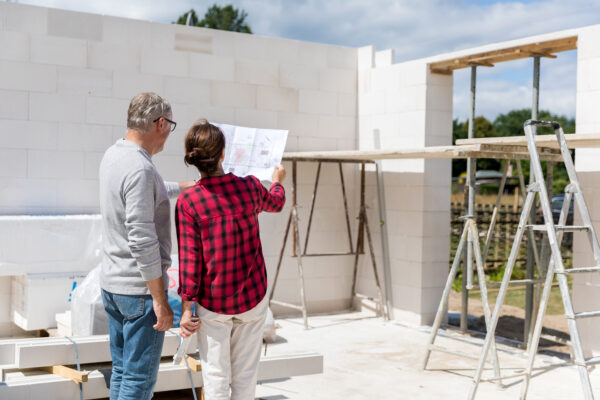
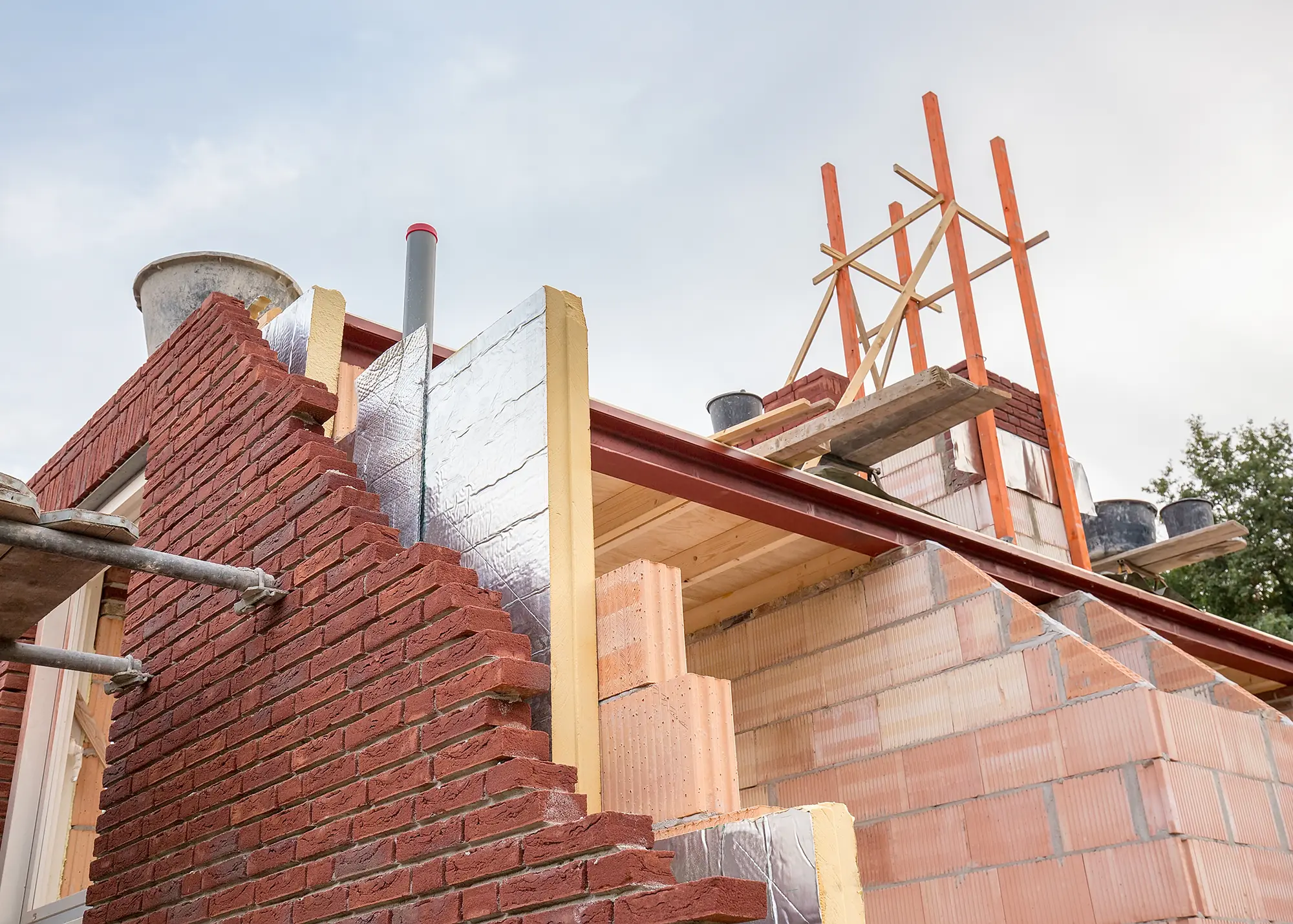
Photo: istock/ben schonewillel
Getting post-build protection in place
The threat of insolvency highlights the importance of a structural warranty policy, which covers defects in the design, workmanship and materials of a project that are not discovered until the works are complete. Importantly, where major structural alterations have been made to a property or the project is a new build, future buyers’ mortgage lenders typically require a structural warranty to be in place before they can release the funds.
If your builder has obtained this for you, their commitment will be lost if they are no longer involved in the project. Warranties increase in price as the work progresses, so arranging replacement cover close to the end of a build, after being abandoned by a contractor, can lead to additional stress and costs. Obtaining a structural warranty independently ensures you are not reliant on the builder.
Resuming the build’s progress
If your builder cannot complete the project for you, then be sure to act swiftly to protect your project and your investment.
- Secure the site – make sure it is locked to secure any highly valuable materials.
- Take photographs – aim to document the specific state of unfinished works.
- Gather paperwork for evidence – invoices, contracts and site records are vital.
- Look at refunds – if the contractor has gone into administration or ceased trading, then you can register as a creditor and may be able to reclaim partial or full funds.
Whilst a builder going bust is a major setback, it does not have to mean the end of your project. By implementing the correct contracts, utilising stage payments, keeping detailed site records and properly insuring the site with the correct policies, you can reduce the stress and financial loss of a contractor becoming insolvent.

Protek

You may be interested in