What You Need to Know Before Renovating a House – How to Assess a Project’s Potential
Before parting with your cash, there are some important factors to consider when judging if a property has true renovation potential. From surveys to layouts and location, this is your essential renovation pre-start checklist
Build It
Renovating a home can be one of the most rewarding types of property development project. You could end up with a wonderfully characterful property that’s personal to you and is worth much more than your initial investment. However, you’ll need to observe, research and understand before you take the plunge. This involves assessing the project’s value for money, the structural stability of the home and any other hidden issues that could cause major problems either throughout the project or once it’s complete.
In this pre-start renovation guide, we’re looking at everything you need to know before purchasing a property for refurbishment, to ensure it offers good potential and isn’t a money pit.
Value for money is a major consideration for anyone taking on a home renovation and assessing whether it’s worth it. Many of the points we’ll look at in this article boil down to understanding whether the purchase price plus any costs involved in resolving defects or making alterations stack up.
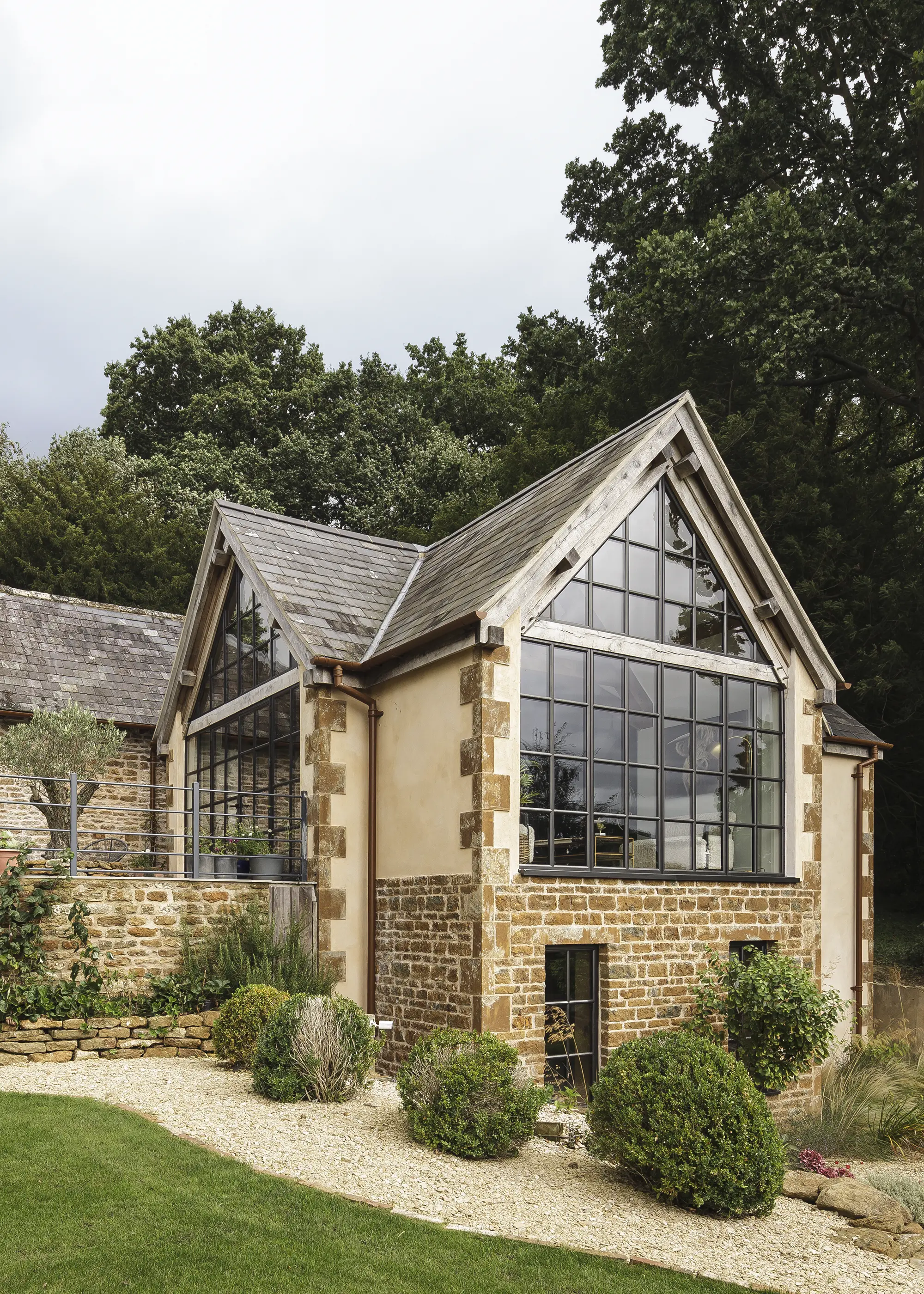
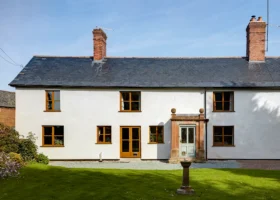
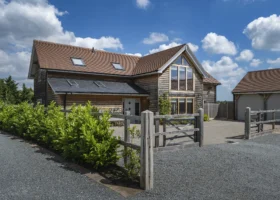
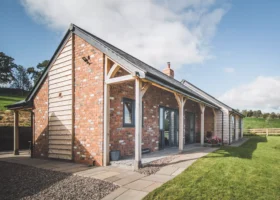
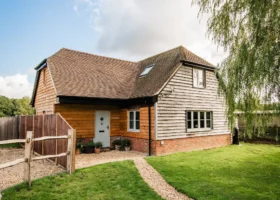
Julian and Abigail Bernard stumbled upon a 19th-century gate keeper’s lodge for sale, and couldn’t resist what the charming property had to offer. They bought the property for £325,000 and spent £245,000 on the renovation works. Photo: Simon Maxwell
For most, the goal will be to spend less than the likely end value of the property. “Research the ceiling price in the area and how close you are to that,” says Kate Sandhu, founder of Kate Sandhu Renovation. “If you buy a three-bedroom doer-upper for £300,000, and on your street the maximum house value is a five-bedroom for £500,000, you know you don’t want to spend any more than the difference.”
2. Investigate the local area
We all know location has a big impact on property value, but it will influence other parts of your project, too. Think about transport links; is there a station close by and are there easy-to-access main roads? Is there scope for off-street parking? If not, what are the parking restrictions?
Take a look at the council’s Local Plan and find out what development might be going on in the vicinity. Is a big housebuilder looking at land close by that could cause disruption? On the other side of the coin, can you see houses that have been extended? This could indicate the council planners are open to projects that add space and value, such as a loft conversion or two-storey extension to the rear. Check for potential restrictions, too. “Is the house listed, or in a conservation area? Are there any specific local planning requirements, and what would that mean for your renovation?” says Kate.
3. Decide whether the home will suit your lifestyle
Think about how you want to live in your fully renovated home: what types of space do you and your household use the most and what do you want to incorporate into a new house? From here, you can figure out whether the property you’re considering has the potential to deliver that or not and – importantly – that this can be done within your renovation budget.
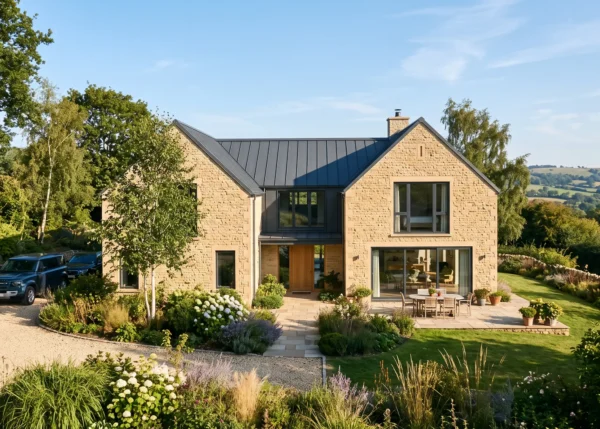
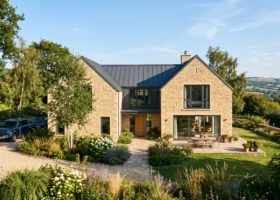
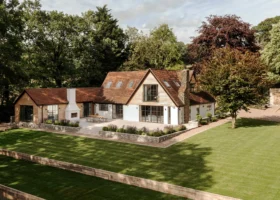
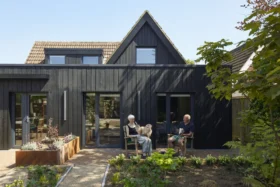
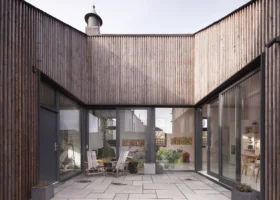
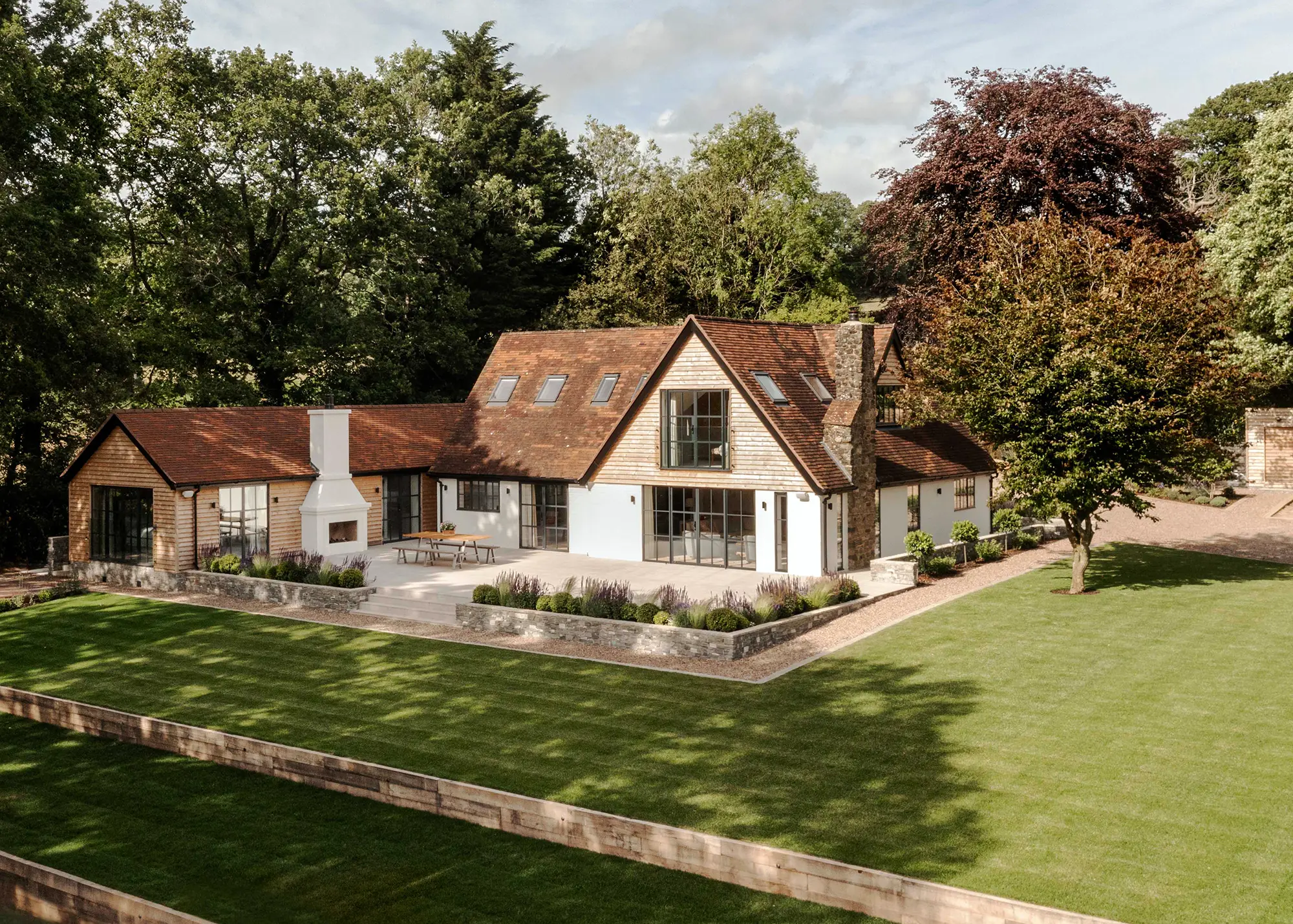
Situated in the heart of the Surrey Hills National Landscape, this cottage extension and renovation was masterminded by BetterPAD Architects. Before any works began, the team undertook a thorough site analysis and tested a wide range of design and layout iterations, as well as the shape and placement of the extension, resulting in a home that harmonises perfectly with its surroundings. Photo French + Tye
For instance, is there scope for adequate rooms for all your family members? Does the overall layout work for you, or could it be easily altered if not? Does the bathroom need to move from downstairs to upstairs, for instance, and if you’re dreaming of an open-plan kitchen that leads onto the garden, is the current culinary zone in a good location for it? If these rooms are awkwardly positioned, you might need to factor extra rewiring and replumbing into your project budget.
4. Assess the build’s original structure
How was the house built, and what materials were used? The construction method used will have a bearing on how you renovate the building and the associated costs. For example, homes built post 1950 will likely be cavity wall, which should make upgrading insulation relatively straightforward.
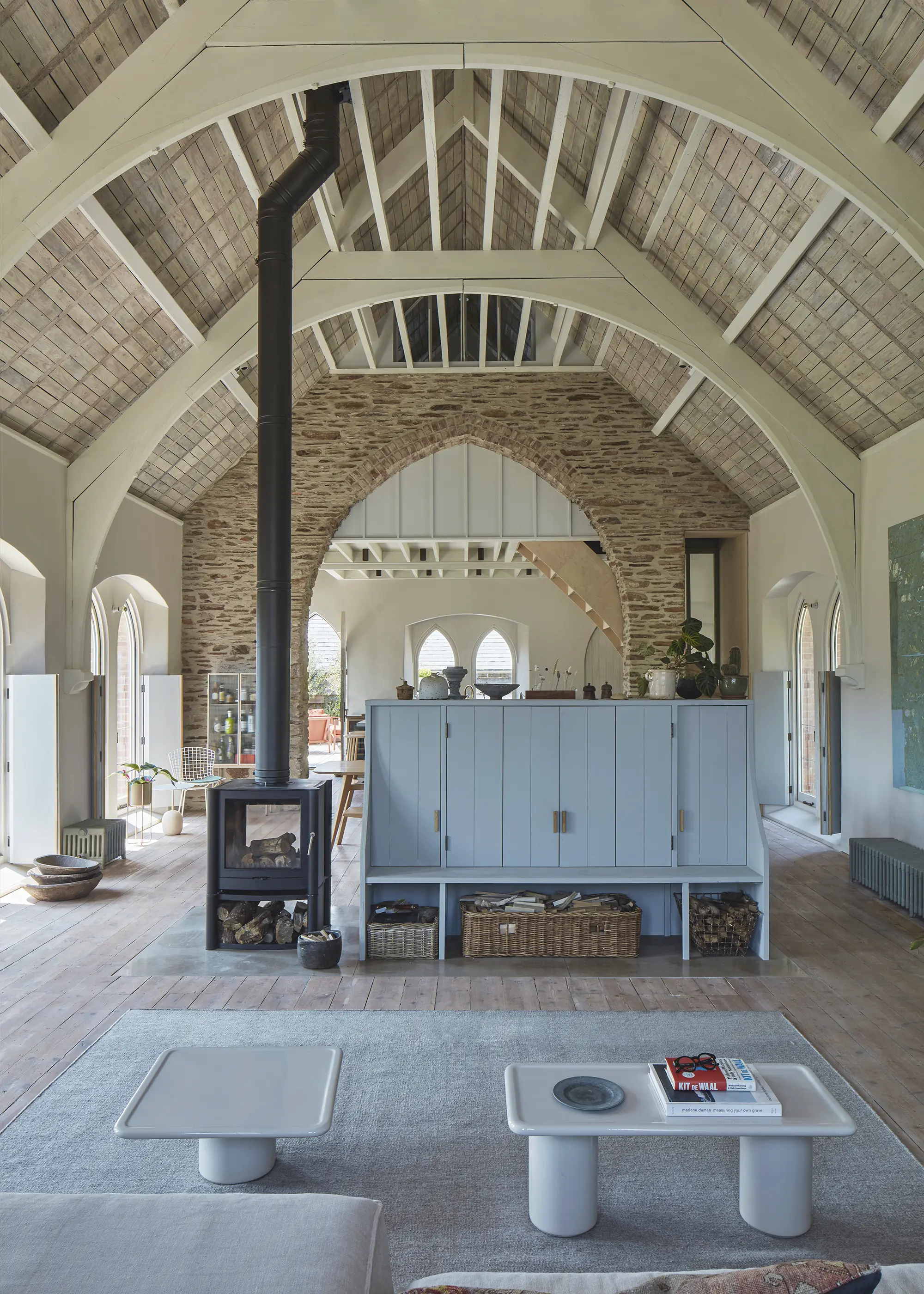
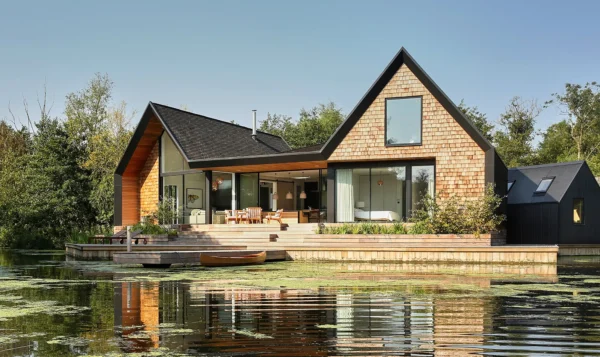
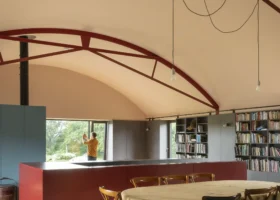
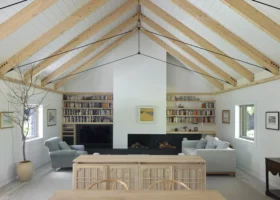
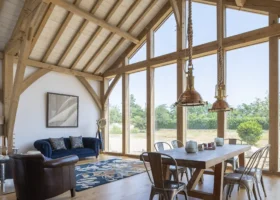
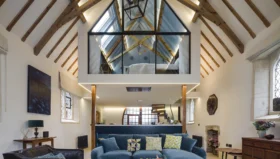
Tucked away into a south Devon area of outstanding natural beauty, Tuckey Design Studio reimagined this former chapel, exposing its grand, ecclesiastical character that had been lost throughout the years while ensuring it was fit for modern living. The chapel’s original open-plan nave now holds a light-filled living, dining and kitchen zone, which revolves around a central woodburning stove. Photo: James Brittain
The roof is an important consideration. In many cases you can spot minor issues such as broken tiles from the ground. But if there is more to it – missing flashings, inadequate pointing, damaged felt – this could signal an impaired structure beneath. Depending on how extensive this is, you may need to replace the entire roof. Checkatrade states the average cost of a replacement roof is £6,500, but can extend to £20,000 for a larger, more complex design.
Premium Content
Downloadable E-Guide
Looking to make your home more efficient, comfortable and ready for the future? We set out the fundamentals – from upgrading your house’s insulation, through to ventilation, retrofitting heat pumps and accessing funding for a project
You may be able to spot some defects yourself during your initial viewings – cracks in walls or patches of damp, for example. You might even be able to spot root causes for some issues, such as poor brick pointing or damaged guttering allowing water ingress.
But DIY checks are no substitute for an expert house survey, and the chances are your mortgage lender will insist on one. The type of survey/investigation you’ll require depends on the age and condition of the property.
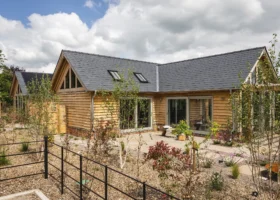
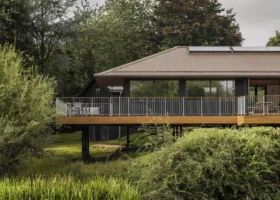
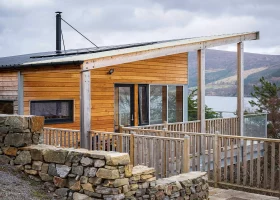
When Build It readers Michael and Erica Hammill took the plunge and bought this abandonded mechanical garage, it was dark, cold and damp, with parts of the roof missing. Michael, a chartered surveyor, brought in a build team that he had partnered with on many previous projects. Photo: Dave Burton
The most common are RICS surveys, carried out by a registered chartered surveyor. Level 1 is the most basic – it highlights significant issues but doesn’t go into detail. Level 2 outlines problems that might affect the home’s value, such as damp, subsidence or anything that doesn’t meet Building Regulations.
For a major renovation, you should opt for Level 3. This offers a comprehensive analysis of the overall condition and structure of the property. The surveyor will investigate as much as possible, compile a list of defects and advise on repairs and maintenance. Be aware that there are limitations. A surveyor is working with visuals and can’t uncover hidden problems that you may come across when taking down walls, for example.
If your survey flags subsidence problems, this is something you need to carefully consider. The issue is caused by ground movement, most commonly due to water build up, flooding and the impact of tree roots (or their removal) in shrinkable soils such as clays. Subsidence causes foundations to shift, which subsequently affects the walls and floors.
If there is active movement, remedial work may be required – usually through underpinning of the existing foundations. This is an extensive and expensive job, and must be accounted for in the purchase price. You should not proceed with this type without specialist advice, a ground survey and detailed estimates for work. It may be more cost effective to knock down and rebuild.
There are many properties that have been underpinned and never had another issue, but it’s important to note that it may have an impact on future sale price. Even if the issue is completely resolved, you will always need specialist insurance moving forward.
7. Look at the house’s electrics & heating system
Many older homes have out-of-date electrics. Tell-tale signs include old-style fuse boxes without circuit breakers, and old-fashioned rounded switches. Updating to a modern wiring system is no mean feat, as the work includes removing old wiring, floorboards, altering walls and fitting a new consumer unit, before making good the affected areas. For an average three-bedroom house, it could cost £6,000-£8,000 to fully rewire – but it’s a sound investment on a wider renovation.
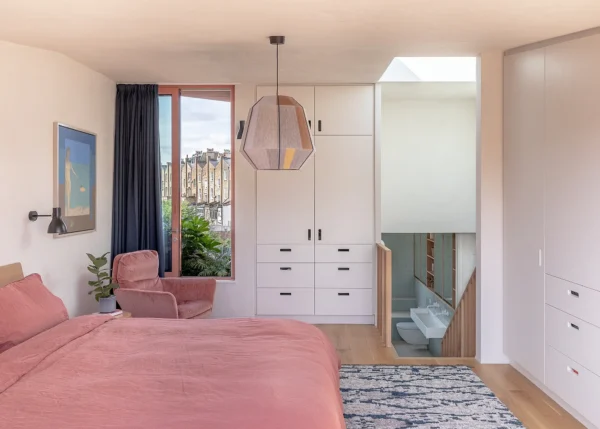
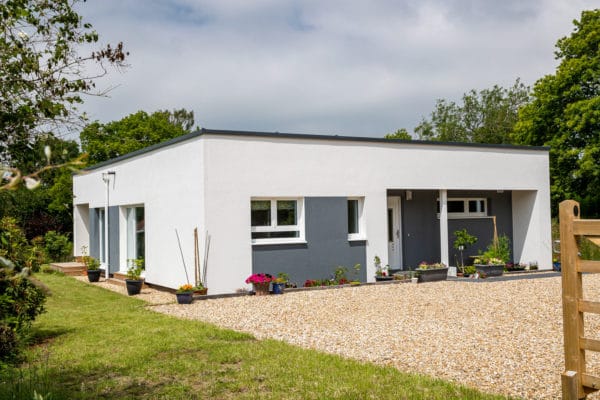
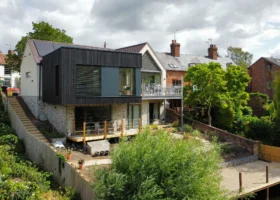
Linda and Vic renovated a dated 1980s bungalow on the outskirts of Glasgow, renovating the house and extending it, taking the home from 150m² to a spacious 280m². An air source heat pump powers underfloor heating and the large swathes of glazing on the rear elevation have been designed with a roof overhang to limit excessive solar gain. Photo: David Barbour
Next up is heating systems. Replacing an old, inefficient setup with a new one makes good sense (especially with energy prices so high) and will almost always boost the value of your property more than the cost of installation. The price of a whole new heating system will depend on the size of the property, but you can expect this to cost anywhere between £3,000-£7,500. A new gas boiler alone costs around £2,500, depending on the model and type of system.
According to the Microgeneration Certification Scheme (MCS), it costs £13,223 (on average) to retrofit an air source heat pump (ASHP). Currently, the Boiler Upgrade Scheme (BUS) offers a £7,500 grant for heat pump installs. So, the average ASHP install probably costs more like £5,700 once the grant is applied.
Repairing or replacing old radiators could be a good way to improve the heating system’s efficiency.
It costs £1,500-£3,000 for a whole-house radiator upgrade, replacing 8-10 units.
It costs £150-£300 for a basic, like-for-like single radiator replacement.
Before committing, you could try to resolve ‘cold spot’ issues with a power flush. This deep clean will remove sludge, limescale, rust and debris – it usually costs around £400-£600 for a full house, but may not be suitable for all scenarios.
You may need to replace old radiator pipework if it is damaged, which costs £300-£500 per room.
8. Assess the property’s extension potential
Extending often goes hand-in-hand with renovating. Unless you’re working on a listed building or are in a conservation area, you may be able to use permitted development (PD) rights to add more space. But even if you need planning permission, it’s good to know that local authorities allow more consents for rear single storey extensions than any other type of scheme.
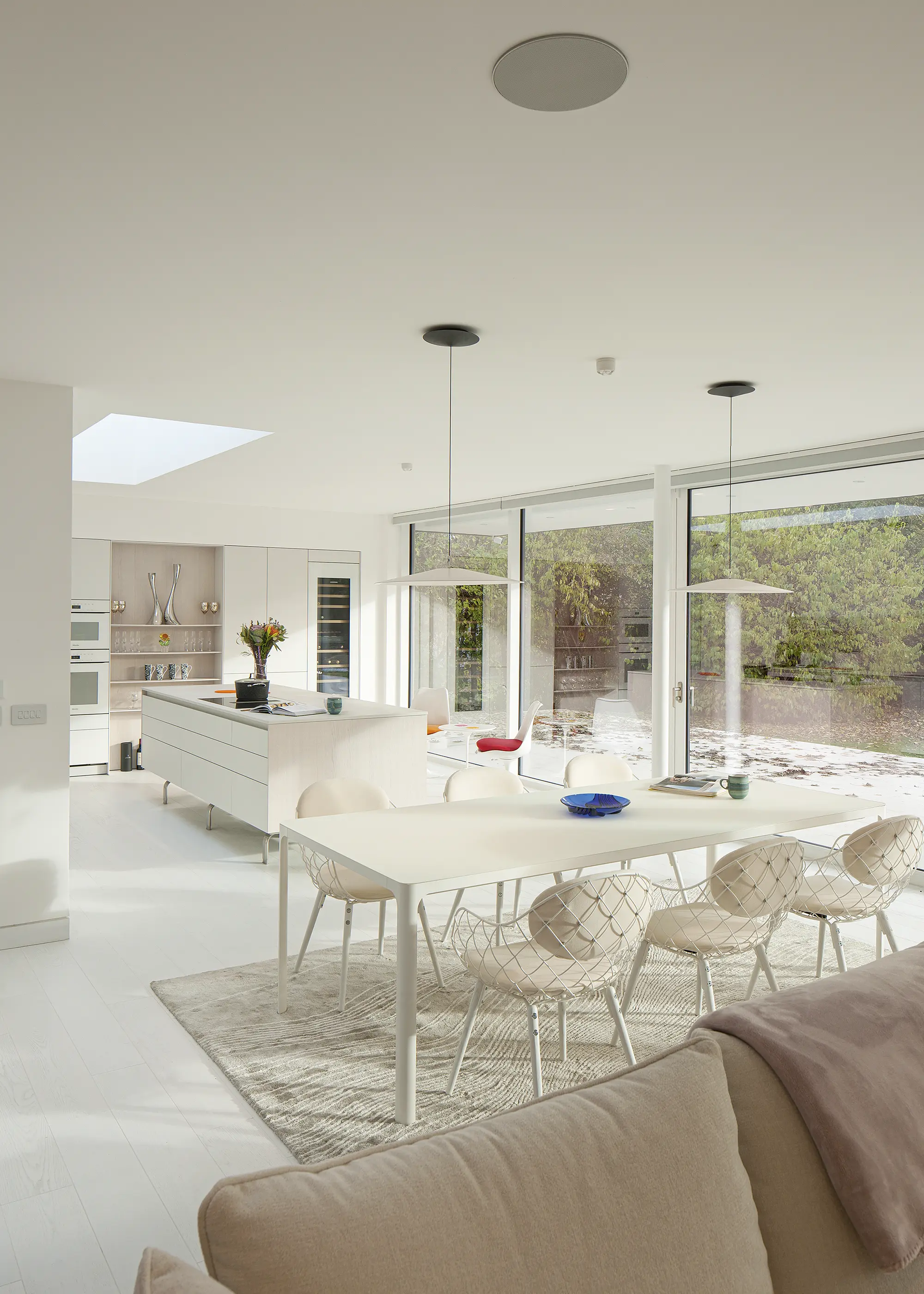
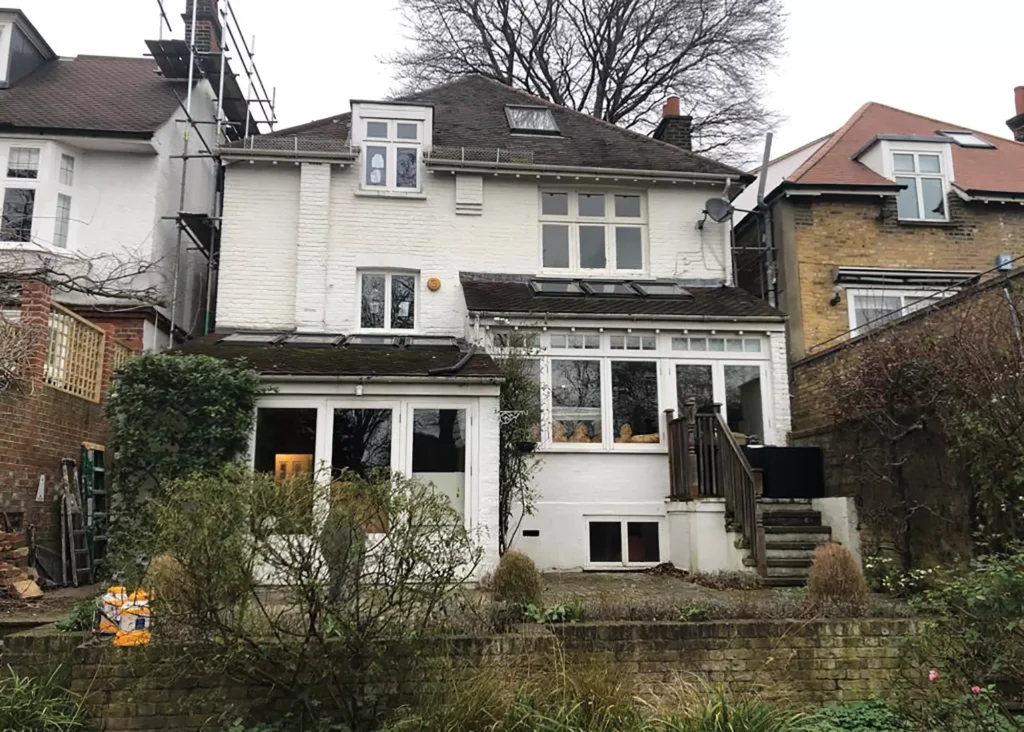
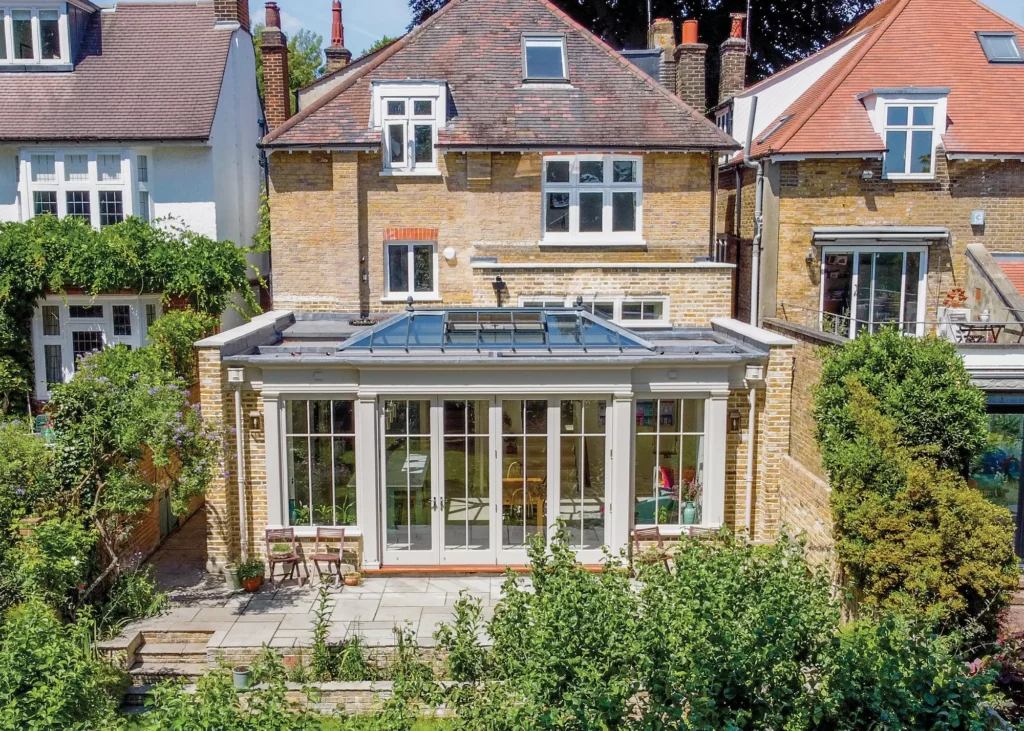
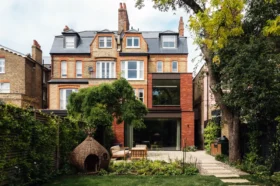
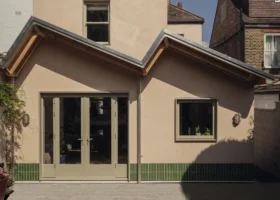
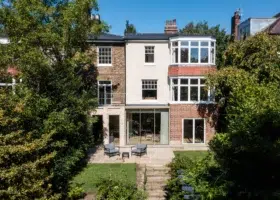
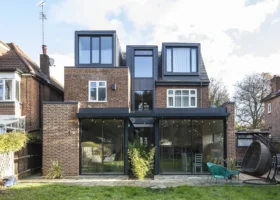
This renovation of a Victorian house included removing and replacing muddled rear extensions to better connect home and garden
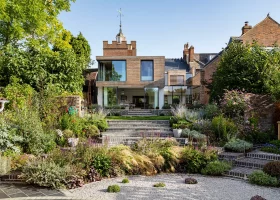
The family wanted the internal spaces to be practical, versatile and playful, while the external look was designed to be traditional and timeless. The brick-built house was extended with an insulated timber structure
“Adding a kitchen extension could add 15% to the overall value of your home. Depending on the type of property you’re looking at buying, you could also think about a side return extension, gaining valuable additional space and improving the layout of your kitchen,” says Ian McConville, group procurement director at MKM Building Supplies.
Conversions are popular projects too, with loft and garage projects being the most common: “The potential added value of a loft conversion, which can create an extra bedroom and ensuite, could be as much as 20%; and up to 15% for a garage conversion,” says Ian.
FAQs
When should you keep your existing radiators & refurbish them instead?
Not every upgrade needs to start from scratch. If you have high-quality period radiators, these can often be refurbished. Cast-iron column designs, in particular, are built to last – so consider having them stripped, repainted and internally flushed to restore their performance.
Don’t assume you need to change every radiator if you’re adding insulation or moving to a heat pump – some of the existing emitters may still be suitable. Your heating engineer can calculate the required outputs at lower flow temperatures and advise on whether the current radiators will suffice or, if not, how many need upgrading. One option is to move panels between different rooms to minimise the number of replacements required. This not only saves money but also reduces waste and – in the case of a period property – could preserve character.
Kate Sandhu is a renovation pro, helping others to understand the process and save as much money as possible via her home renovation course. She shares a wealth of knowledge, as well as DIY tips via her blog renovatelikekate and Instagram account.
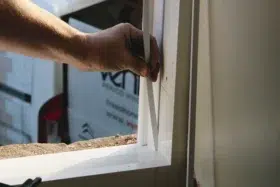
Many older homes need window repairs or replacements – do I need planning permission for this?
Typically, you don’t need planning permission in the UK to install a window replacement, as it falls under permitted development. There are, however, some exceptions:
Conservation areas (an area of special or architectural interest, affected by special rules) may need planning permission. Like-for-like replacements may be exempt, but always check with your local council.
Rooflights protruding over 150mm beyond the plane of the roof slope or above the roof’s highest point.
Fitting an upper-storey side window that isn’t a frosted version and can be opened.
The addition of new bay windows.
If you are creating a hole for a new window rather than replacing one, this tends to be more contentious, especially if it overlooks neighbours. You will also need to apply to local building control if the opening is new or enlarged. It is always prudent to check local regulations, which you will find on your local council’s planning website.
How can I identify any damp issues when viewing a potential renovation project?
Rising damp will rise up from the ground, through the walls. The issue will likely be fairly obvious, with dark, damp patches either outside on the external facade, or inside above the skirting board. If internal, you may see peeling paint or wallpaper towards the bottom of the surface. The root cause of rising damp is usually a failed damp proof course (DPC).
Penetrating damp is usually caused by external defects such as damaged brickwork, or render, or blocked gutters and downpipes. Internally, it will appear as damp circles or patches on the wall, or dry flaking paint or plaster.
Condensation will be fairly obvious, but if not dealt with can cause issues. It’s triggered when moisture from cooking, bathing, drying washing etc is combined with poor ventilation and cold surfaces, preventing evaporation. You can deal with this by opening windows, turning on extractor fans and turning on the heating regularly.
Alan Tierney is Build It’s period property and conservation expert. He ran a historic building consultancy, offering hands-on advice to the owners of heritage homes, but is now focused on renovating Old Barnstaple House.
Do I need planning permission if I want to alter the house’s exterior facade?
When you are undertaking a renovation project, you may be thinking about the other works you could undertake to improve your house’s kerb appeal. Generally, you are able to reclad or reface a property without the need for full planning permission, provided that the materials you are looking to use are similar to the existing or are generally in keeping with the aesthetic of the local area.
There is no firm definition of what constitutes something being similar, however. Whether your proposed change is acceptable is therefore a matter of local interpretation and may depend on how sensitive the area is in terms of character and visual appearance. For example, in a location where the look and materiality of houses is quite varied, there might be more scope for change than in an area where the houses all look alike.
Julia Riddle is a planning consultant with experience in advising on a range of commercial and residential development. She runs Castle Planning and has written guidance to inform the national approach to Custom and Self Build and is a member of the Right to Build Task Force.
Can I access any government funding for a home renovation?
If you’re undertaking a larger home renovation project and your plans include making energy efficient upgrades, it’s worth exploring green mortgage options. These are loans that reward borrowers for investing in energy-saving measures by providing lower interest rates, cashback offers or more generous borrowing terms. Qualifying improvements might include insulation upgrades, heating improvements, installing photovoltaic and solar panels, fitting triple glazed windows, or a range of other renewable energy technologies. Most high street lenders offer this kind of renovation funding, but they’ll usually ask to see some kind of retrofit plan, alongside an estimated project timeline.
Mark Stevenson has worked as a construction professional for over 35 years and is a serial self builder. He runs project management consultancy Elsworth Projects and, as chair of NaCSBA, advocates for the interests of self builders and contributes to the success of the emerging custom build industry.
Build It
Build It is the UK's first and most popular magazine dedicated to helping self builders and renovators achieve their dream bespoke home. Find out more about Build It magazine and check out articles by the editorial team below.




































 Login/register to save Article for later