The Different Types of Loft Conversion – Which is the Best Solution for Your Home?
What are the different types of loft conversion, and which will suit your home and project goals? Scarlett Deamer explores the variety of ways you can elevate your attic’s design to suit your property, lifestyle and long-term needs
Scarlett Deamer
Whether you’re looking to add a bedroom, office, or living area, a loft conversion can transform underused roof space into a practical and stylish part of your home. But there are several different types of loft conversion, and the right approach depends on your property type, roof structure and how much space you want to create. Different designs offer varying levels of headroom, natural light and architectural impact – so it’s important to consider your options.
Here I’m exploring the different routes to a loft renovation or extension – whether you’re extending a bungalow or semi-detached home – explaining how each works and what type of home they are best suited to.
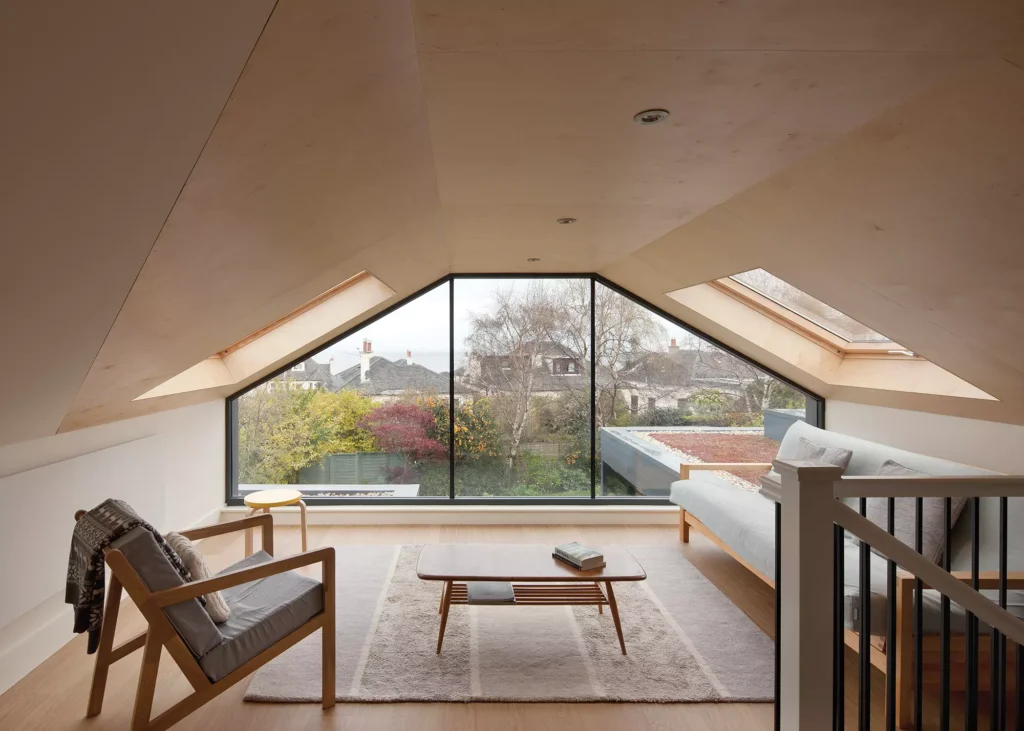
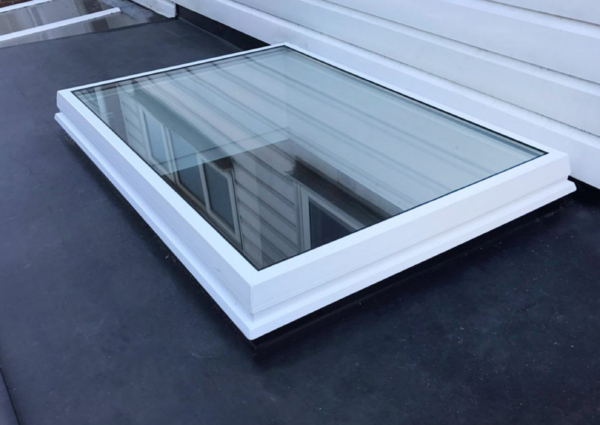
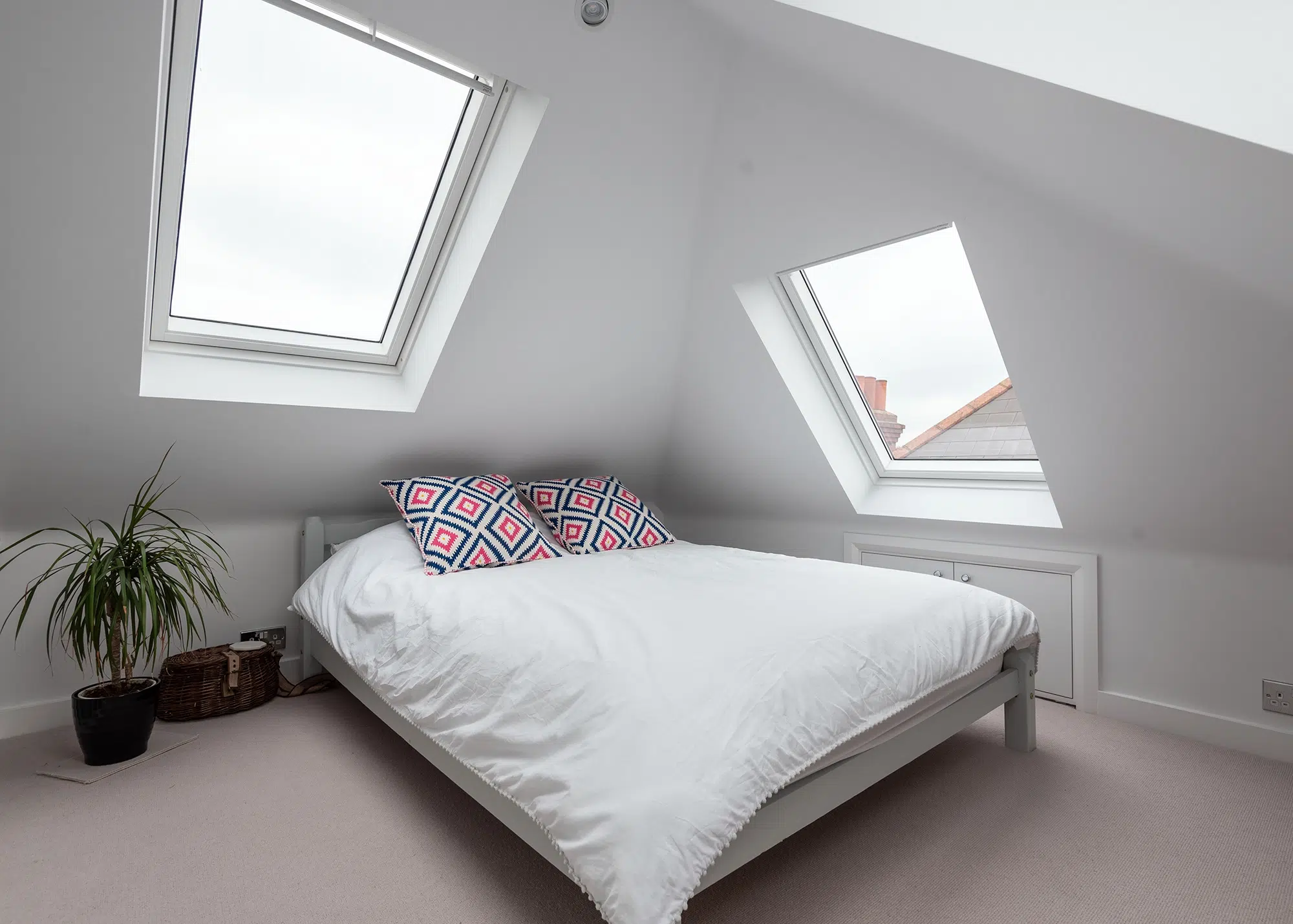
As the name suggests, a rooflight conversion involves installing overhead glazing to transform an existing loft into a usable room. It is usually the most cost-effective and straightforward way to create habitable space, particularly when there is a clear attic void.
As the roof structure requires only minor alterations and most work is internal, planning permission is generally not required (as the work falls under permitted development) so it’s great for homeowners wanting a quick and easy way to improve their home and boost its value. This type of renovation is one of the most affordable loft projects, too, starting at around £15,000 for a basic conversion.
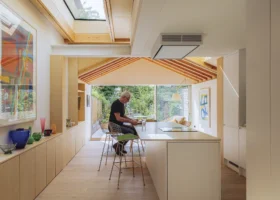
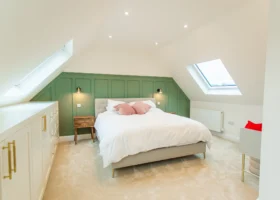
The owners of this flat located in a conservation area in London were looking to extend but weren’t sure what would be possible. They worked with Simply Loft to create rooflight conversion that draws in light from all sides of the protected roof
Rooflight conversions may not be suitable for lofts with low ceilings or awkward roof shapes that limit usable floor area, as you need at least 2.2 m of headroom to ensure the space is comfortable and functional.
Premium Content
Downloadable E-Guide
Build It's loft conversion downloadable e-guide takes you through the essential considerations, from costs to an estimated project timeline. Click below to find out more.
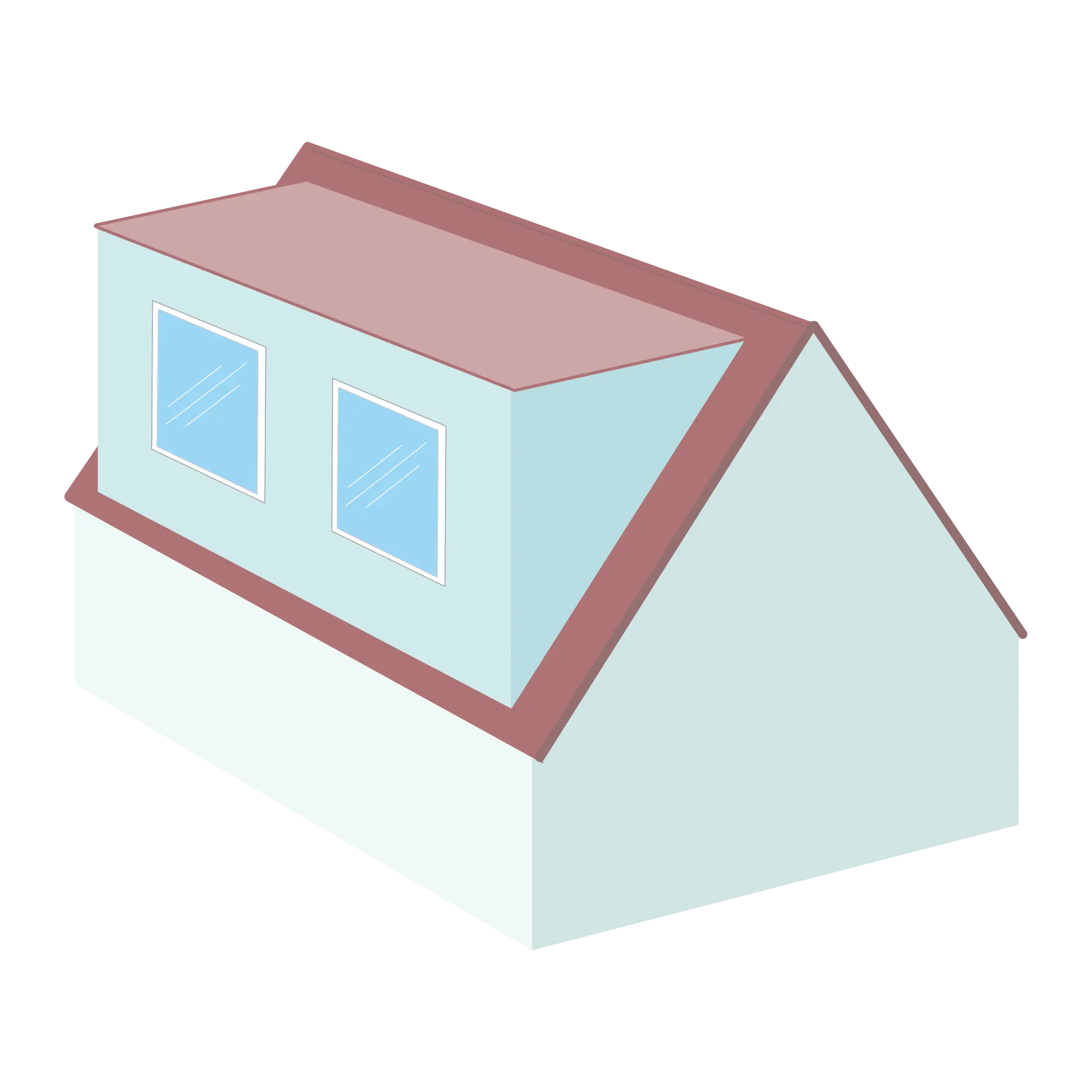
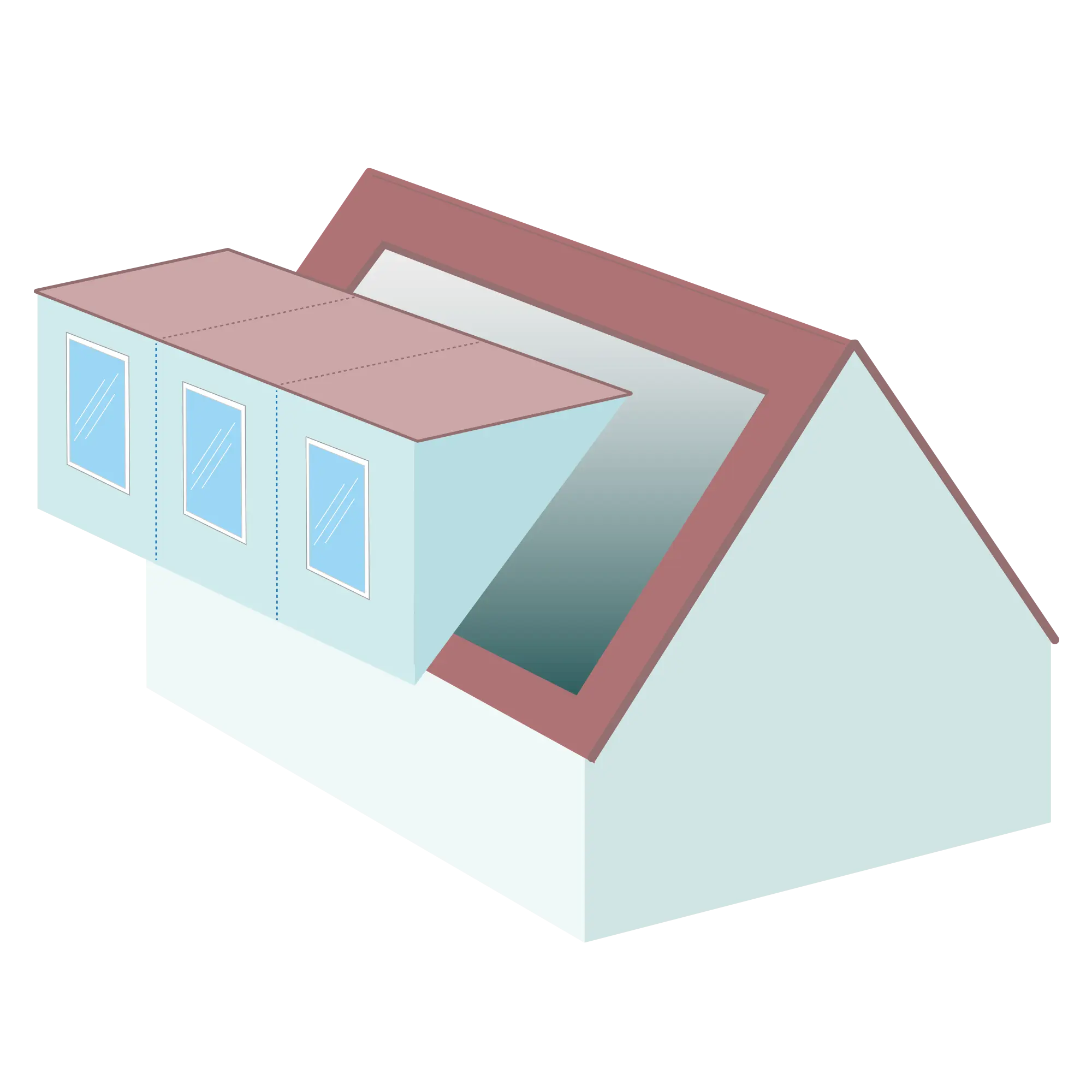
Dormer loft conversions are one of the most common types of attic extensions. Dormers are built up out of the roof plane to accommodate conventional windows. In doing so, they increase internal headroom and allow space for a staircase landing zone.
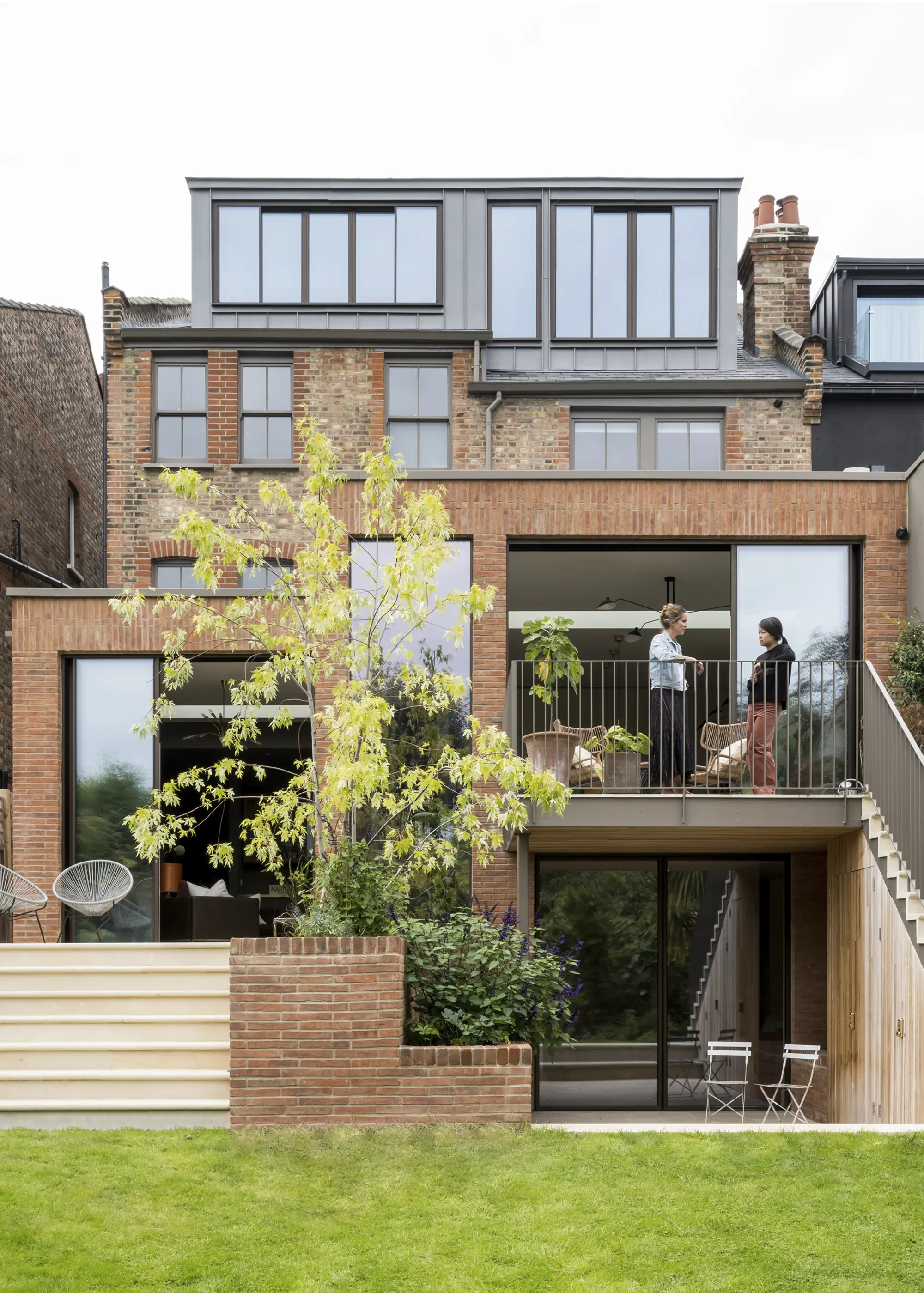
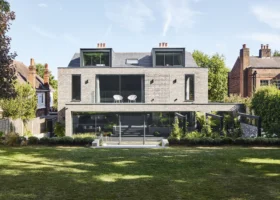
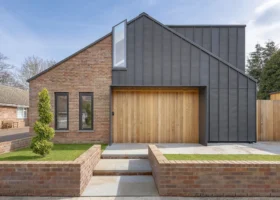
Keen to replace a series of tired extensions, the owners asked Matthew Giles Architects to maximise all space on offer with a new dormer loft conversion and extension. The structure is clad in dark zinc and features wide spans of high-performance glazing. The loft space holds a large master ensuite, which includes a light-filled shower room and spacious bedroom. Photo: French + Tye
“I recommend dormers when the existing loft has good height but needs that extra push to make it comfortable. Most semi-detached and terraced houses benefit from a dormer, particularly where the stair position needs more clearance,” says Rob Wood, managing director at Simply Loft.
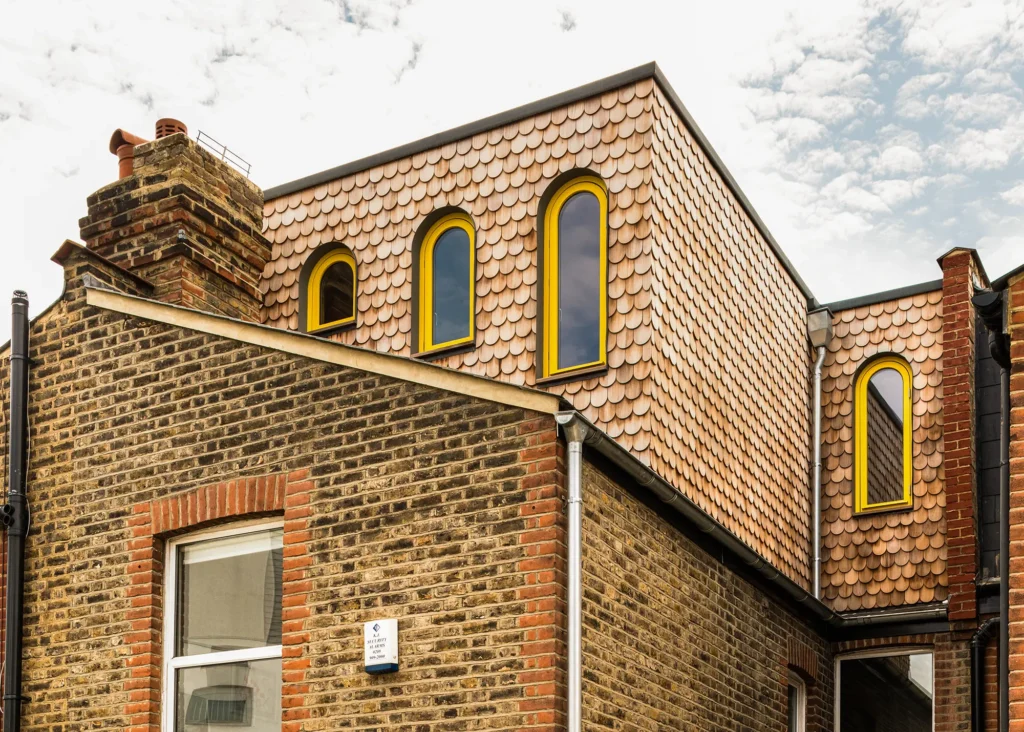
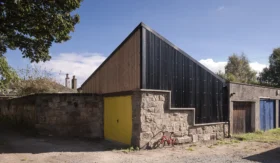
This playful flat roof dormer loft conversion by Office S&M allows for an extra bedroom so each of the owners’ children has their own space. The yellow arch windows and rounded cedar shingles give the dormer a unique aesthetic that successfully contrasts the exterior of the existing house. Photo: French + Tye
Typically, you should expect to budget from around £55,000 for the a dormer loft conversion, with additional bathrooms or bespoke finishes raising that price. “Front-facing dormers can be trickier to get through planning, depending on the locations and you need to make sure you have sufficient structural depth to accommodate the floor and staircase,” says Rob.
CASE STUDY Unique dormer loft conversion for a Victorian home
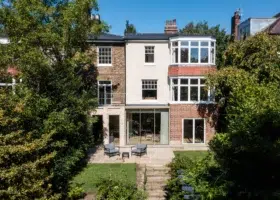
Nestled in the terrace streets of Tufnell Park, London, this project by William Tozer Associates reimagines a traditional Victorian home through a bold yet sensitive dormer loft conversion. The new brick-clad dormer was designed to reference the original house, while its weighty appearance gives the roof extension a strong architectural presence.
Photo: William Tozer Associates
The architects chose a dormer extension to maximise usable floor area and ceiling height, enabling generous glazing and a more spacious internal layout than alternative loft types would allow. The use of brick also creates a clear relationship with the new rear extension, where relief brickwork echoes the street-facing facade, ensuring a cohesive style across old and new elements.
Before the loft conversion and rear extension works
Inside, the loft prioritises light and space. A top-lit, double-height stairwell draws daylight deep into the home, while floor-to-ceiling glazing in the master bedroom creates a sense of openness and frames the surrounding vistas.
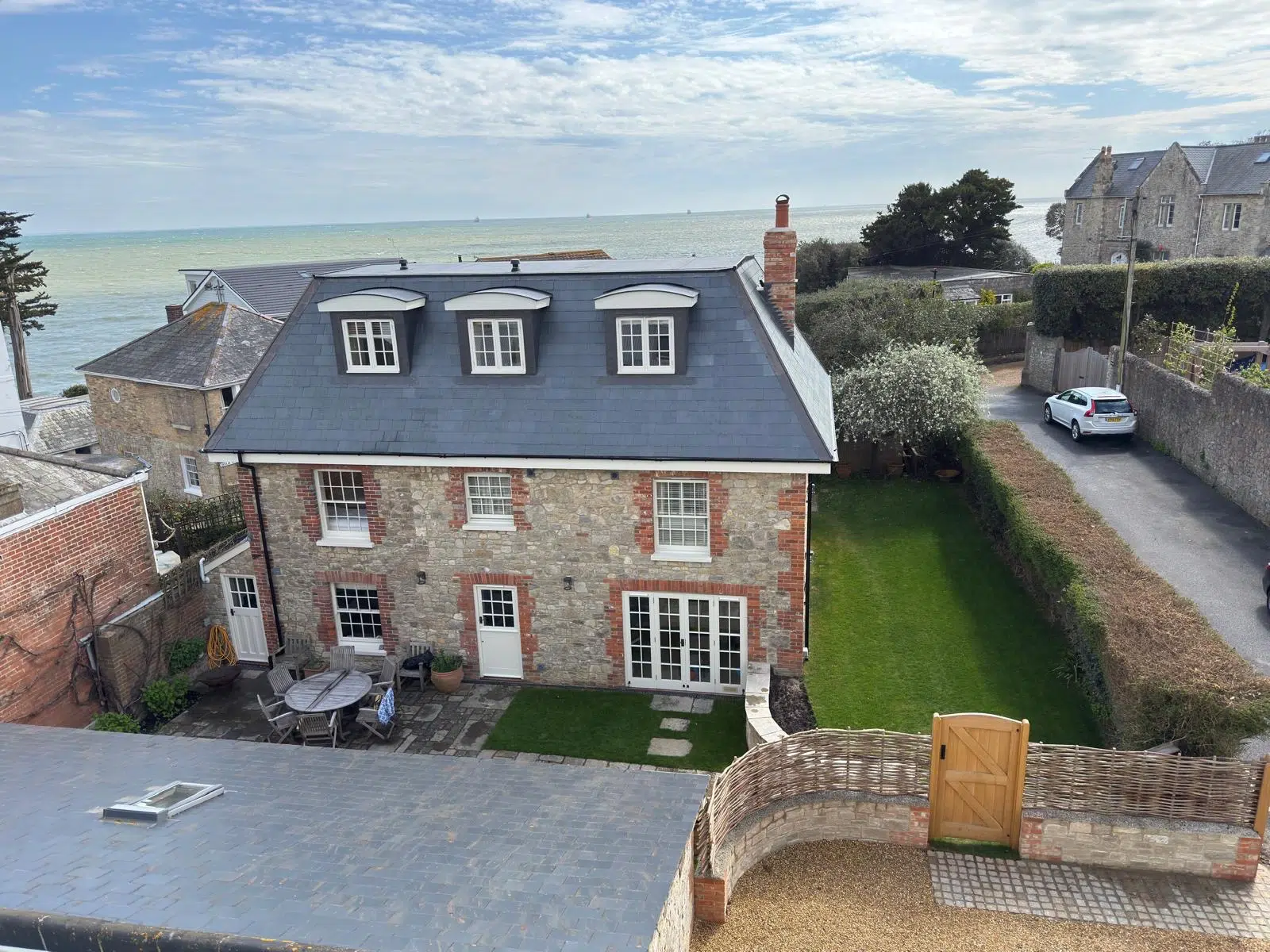
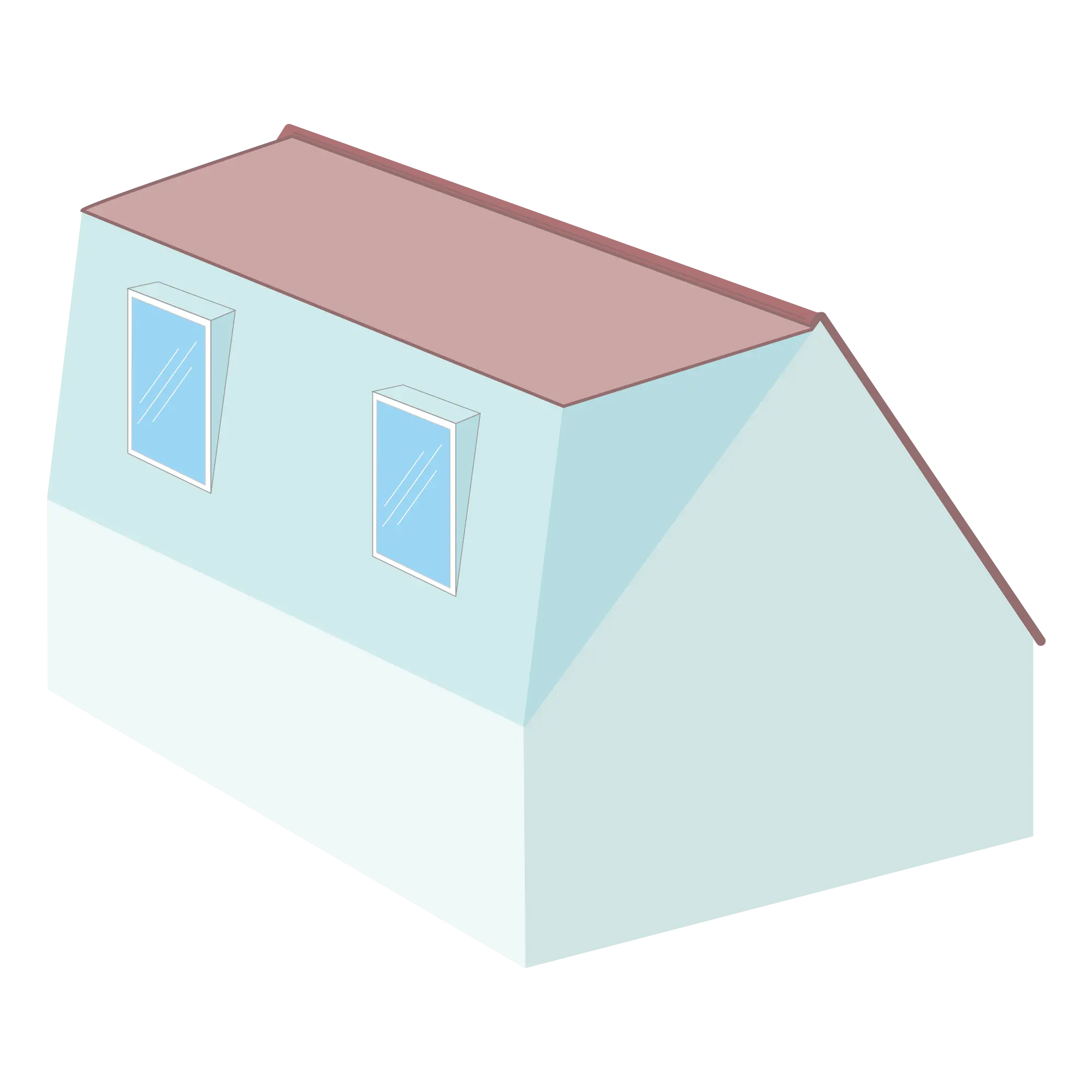
Mansard loft conversions involve building out from the existing roof slope, at an angle of around 70°, to create a sizeable living space with plenty of floor to ceiling height. The structure can span the entire width of the building, and you can insert dormer windows to gain additional natural light.
“Mansards are ideal in densely built urban environments, especially in terraced homes, where space is limited and you want to maximise internal volume,” says Rob. Unlike a dormer, a mansard design extends the roof slope, creating a spacious area that can be fully utilised.
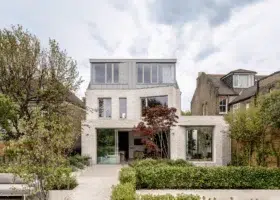
The owners of this terraced London home decided it was time for an upgrade. A new mansard loft conversion, designed by Rider Stirland Architects, has transformed a formerly unused attic space into a light‑filled, luxurious new level. Externally, the elevated roofline is finished in dark zinc and carefully positioned aluminium rooflights. Photo: Adam Scott
“Mansard conversions tend to sit at the higher end of the price spectrum, typically from £60,000-£70,000 or more. They do, however, deliver outstanding space and property value,” says Rob. “They nearly always require planning permission, because a mansard involves altering the roof profile significantly and increasing the volume,” says Rob. As you are conducting some invasive structural works, lead times can be slightly longer.
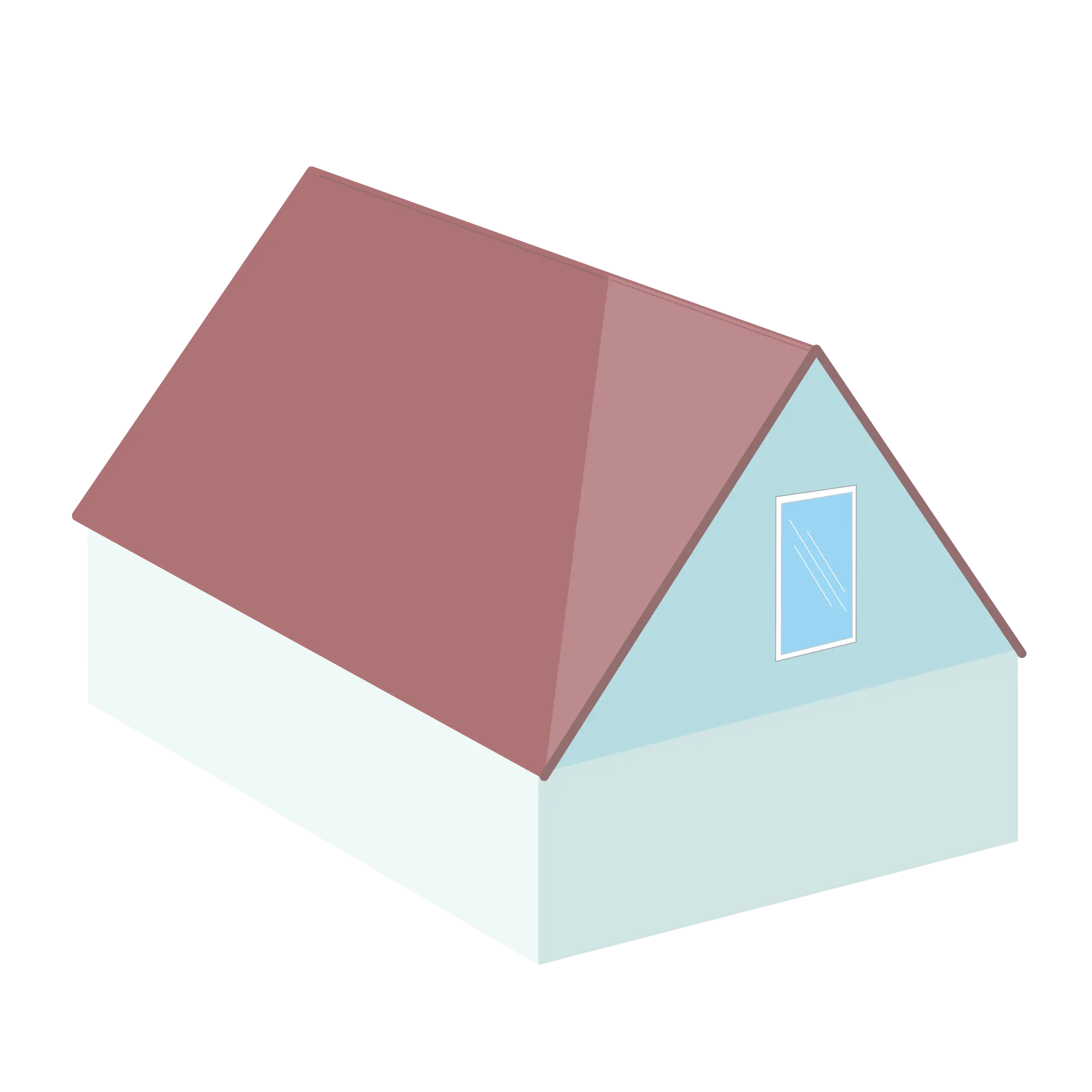
A hip-to-gable loft conversion is a great way to maximise your roof space. “This type of conversion extends the sloping hipped side of a roof out to a vertical gable wall. This gives a long, straight ridge line and creates a much larger loft area” says Rob. A hip-to-gable conversion is great for turning awkward sloped rooflines into open, usable areas that fit seamlessly into the home’s layout. Also, if the existing roof plane and ridge height is maintained, and the extension isn’t too large, the project may not require formal planning consent.
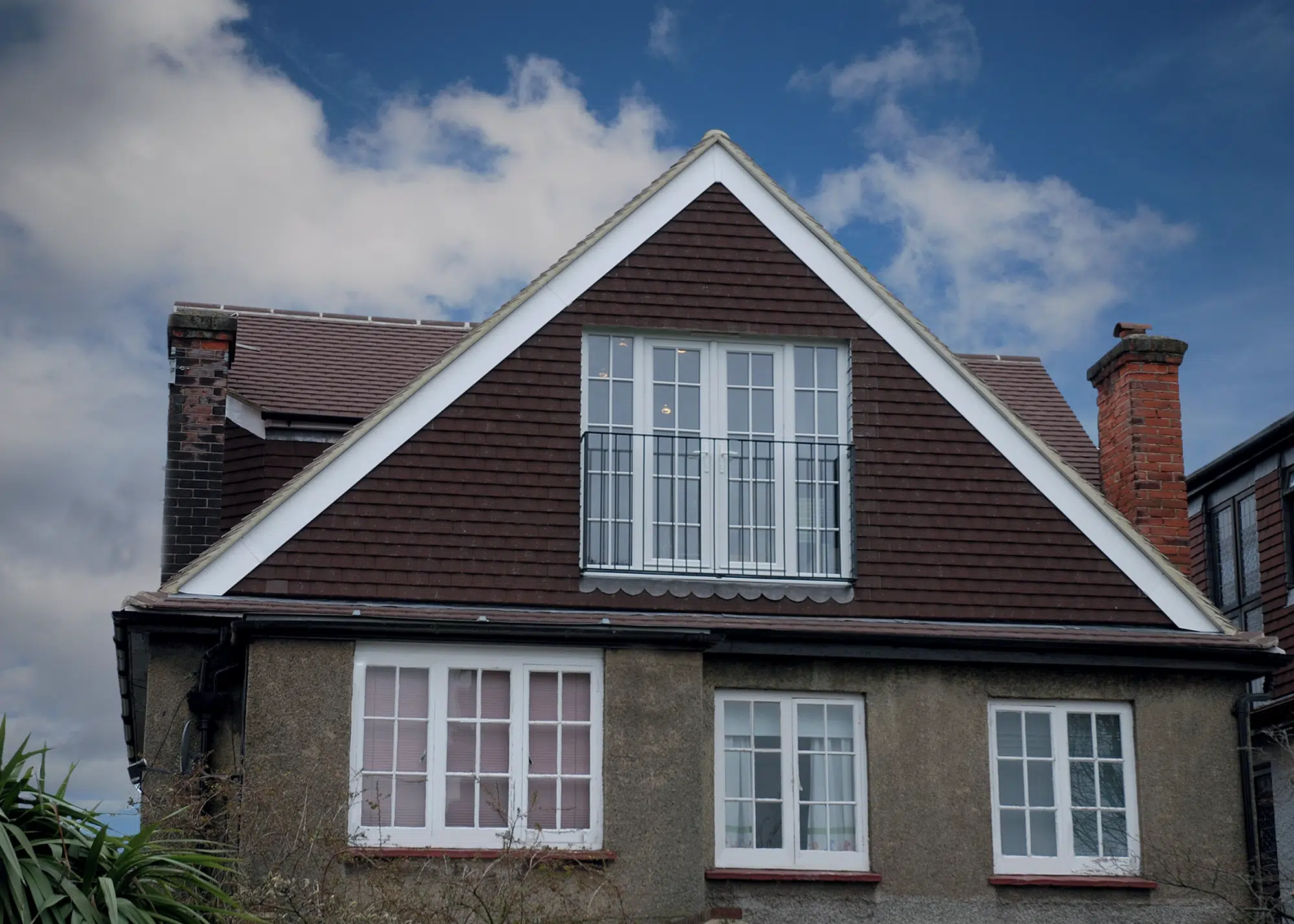
This rear hip-to-gable extension by Absolute Lofts in Kensal Green transformed the roof to create increased headroom and additional floor space for a spacious master bedroom with ensuite. The design also allowed for French doors opening onto a Juliet balcony
However, hip-to-gable loft conversions are more expensive than more straightforward routes, such as rooflight renovations, due to the significant structural work they entail. “A stand-alone hip-to-gable conversion typically costs from at least £60,000 to £70,000, and this can increase if structural steel work is extensive,” says Rob.
They are only suitable for detached or semi-detached homes and can be disruptive due to major roof alterations. The structural work may also affect neighbours’ light and you may need a Party Wall Agreement to get started with the project. In this case, it is best to check with your designer what applications and contracts you will need to have in place early on.
Modular loft conversions
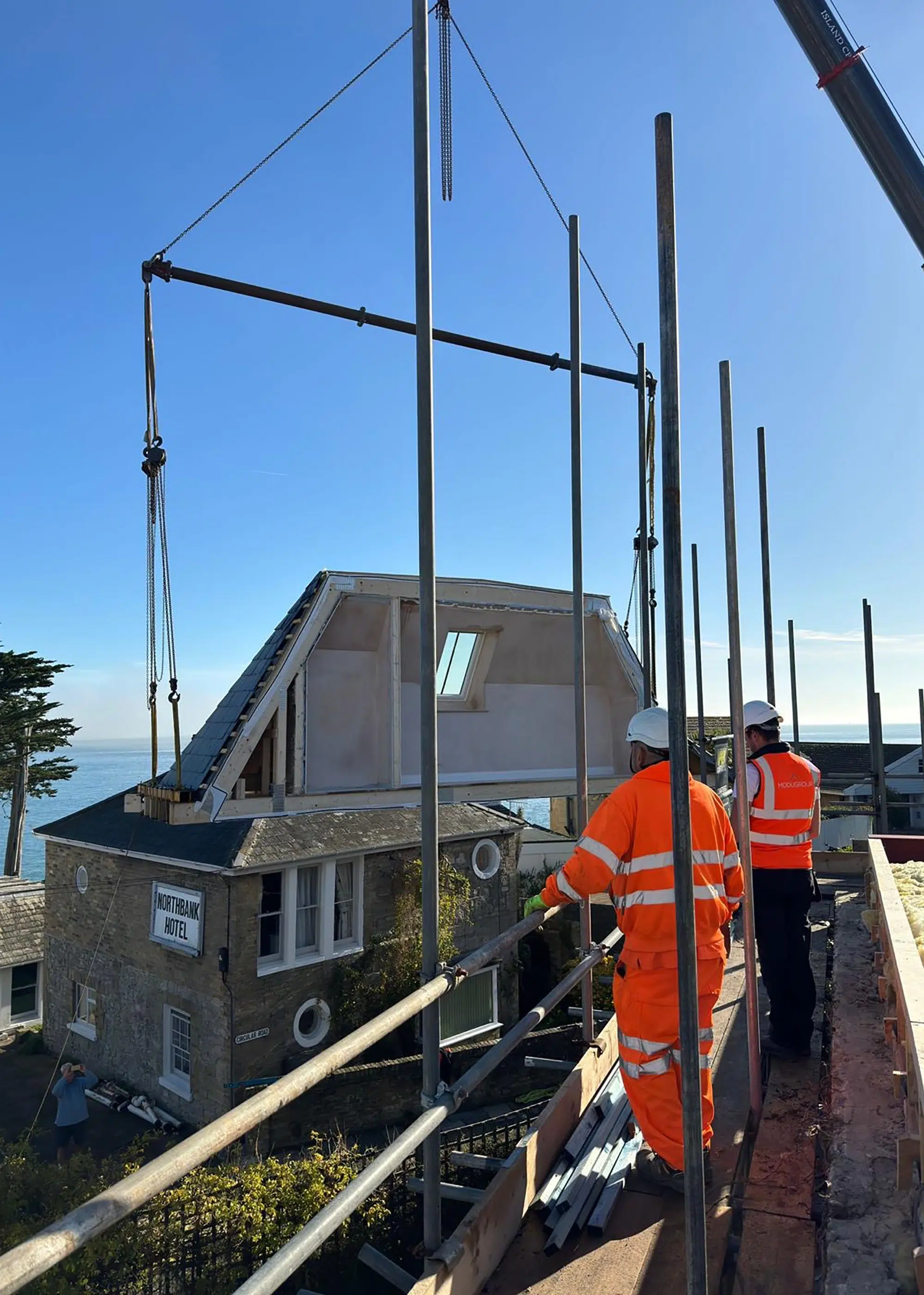
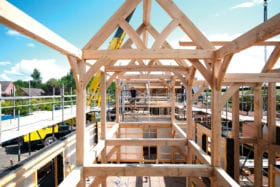
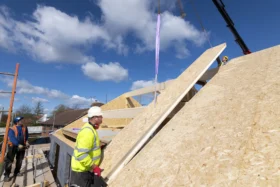
A modular or prefab loft conversion is a modern approach where the main structure, including the shell, insulation, windows, and roof coverings, is designed, engineered and manufactured in a controlled factory environment. The completed structure is then craned into position and installed in a matter of days, allowing the property to be made weathertight quickly. This significantly reduces time spent working inside the home.
These conversions often come with fully-insulated walls, plasterboard and skimming, first fix pipework, electrics, radiators, and internal joinery. Homeowners typically only need to decorate, fit flooring and complete bathroom tiling and sanitaryware. You can also opt for a full design and install turnkey service, giving you peace of mind that you only have one point of responsibility.
Lofts from Moduloft are crafted under factory conditions to ensure precision and quality. They are then craned onto the existing building to form a bran new loft addition
Modular lofts offer reduced reliance on weather, faster installation, and greater certainty around programme and delivery, making them ideal for occupied homes “An average modular loft can take around 16-20 weeks to build in the factory and four weeks to lift and install on site,” says Christian Evans, owner of Moduloft.
a Moduloft project being craned into place on site
However, they are not suitable for every kind of property. “Some roof forms are better suited to a modular approach than others and highly irregular or exceptionally complex roofs may not be appropriate. For terraced and semi-detached properties, it is often necessary for neighbouring roofs to be re-constructed or converted at the same time to ensure structural continuity and effective weatherproofing,” says Christian. You will also need to make sure that you have enough space for lorries and crane access, which can be tricky for urban houses.
A bungalow loft conversion adds another level to an originally single-storey home by transforming the attic into practical living space – most commonly bedrooms, home offices or studios. With often larger, open roof spaces compared other house types, bungalows offer generous headroom and flexible layouts, while detached or semi-detached properties make access and construction far easier for builders.
Build It readers John and Susan Yates transformed their Portobello bungalow with a bold loft conversion by Chambers McMillan, creating a bright, flexible upstairs living space with sea views and a contemporary, light-filled lounge. Photo: David Barbour
You will need to obtain planning permission in certain cases, such as in conservation areas, if the bungalow is listed, or for major roof alterations. The new stairs must also be carefully integrated into the design (as a bungalow won’t have an existing flight to build on top of), with adequate headroom and a fluid design to make sure the new addition fits with the existing ground floor.
Costs vary depending on factors such as the type of construction you choose (be that a dormer, rooflight, hip to gable or mansard conversion), the extent of the structural work that needs to be included and your choice of finishes.
A simple rooflight conversion, with compromised headroom, could start at around £50,000, assuming you opt for lower-end window solutions. A dormer loft conversion to a bungalow is likely to start at £70,000, again assuming basic glazing fixtures.
Here’s a helpful summary of the main types of loft conversion
Rooflight loft conversion
Usually the most cost-effective and straightforward route to creating habitable loft space, especially where there’s a clear attic void and sufficient headroom. Changes to the roof structure are relatively minor, and all the other works are internal, so planning permission isn’t normally required.
Dormer loft conversion
Dormers are built up out of the roof plane to accommodate conventional windows. In doing so, they add more head height – increasing the usability of the loft space and potentially creating a great landing spot for a staircase. Modest rear dormers don’t usually need planning permission.
Mansard loft conversion
This route involves building out from the existing roof slope, at an angle of around 70°. The structure can span the entire width of the building. Dormer windows are inserted to gain natural light. A mansard is likely to exceed the volume limits for permitted development, so you’ll need planning consent.
Hip-to-gable loft conversion
The property’s sloping side roof is rebuilt to form an upright gable end, thus adding more space. If the existing roof plane and ridge height is maintained, and the extension isn’t too large, the project may not require formal planning consent. A hip-to-gable is often combined with the insertion of large rear dormers to maximise the new living area.
Modular loft conversion
For this type of project, the structural elements are fabricated in a factory off-site, and then craned into place. You’re able to choose your level of prefabrication, with options for just the structural shell, all the way up to up to pre-installed finishes and wiring.
FAQs
Answered by Francesco Pierazzi
Francesco Pierazzi is director at Francesco Pierazzi Architects. Established in 2014, the London-based team is an award-winning design led practice with a rapidly growing and diverse catalogue of completed projects in the UK and internationally.
How can I tell if the existing roof structure is suitable for a conversion?
People often mean different things by roof structure, so the first step is understanding what’s being assessed. If you’re talking about the attic space itself, the first thing to look at is height. If there’s enough headroom, even allowing for new floor structure and insulation, then you’re already most of the way there.
If instead you mean the existing rafters and roof timbers, that’s usually less of a concern. In many loft conversions, those elements are altered or partially replaced anyway, so they’re rarely the deciding factor.
What really matters is the house’s structure underneath. The house’s foundations and the existing floor structure need to be carefully assessed, because they have to carry the extra load of the new space. In many cases the timber elements in the attic are already visible and can be measured and assessed without much disruption.
Occasionally, though, a bit of opening up is needed, and things such as trial pits may be required to understand the foundations properly. It’s not glamorous, but it’s the only way to get clear answers before committing to the build.
How can I ensure that the final loft space doesn't feel cramped?
If you can, enlist a designer who will properly test the space before anything is built. A 3D model, or even a simple scale model, can make a huge difference in understanding how the room will feel once completed, not just how it looks on paper.
Careful positioning of rooflights and sticking to a simple layout can also make a surprisingly big difference, particularly in lofts where head height is limited and daylight becomes a key part of how the space is perceived. It’s also worth being realistic. If the house is small to begin with, or the ceiling heights are limited, there’s only so much you can do. The space might never feel generous, but the right design will maximise what’s on offer.
How much disruption should I expect in the rest of the house during construction?
Disruption to the rest of the house can often be kept to a minimum when converting the loft. In many cases the work can be done from scaffolding, with very little need to access the main house until the moment the new staircase goes in. That part is unavoidable, but it’s usually quick and can be planned carefully.
Disturbance will also depend on the new space’s function. For example, a simple office will cause less disruption compared to a large master bathroom suite. As soon as you introduce plumbing, you add more connections and more interruption below.
It’s also worth remembering that Building Regulations require proper fire separation between the new space and the floors below. That can mean extra work to ceilings and walls, which adds a bit more mess, but it’s essential and shouldn’t avoided.
How can I futureproof the design in case my needs change?
Get the right professional involved early, not as an afterthought. Flexibility only really works if it’s designed in from the start. That means keeping layouts simple, being careful about where the stairs land and avoiding too many bespoke elements that only make sense for one very specific moment in your life.
In reality, a space that tries to do too much can end up doing very little well. In my experience, a room designed properly for one main use, but with the bones to evolve later, usually ages far better than something that’s meant to be everything from the start.
Add more power points than you think you’ll ever need and ask your designer to properly test different layouts on paper. Good drawings don’t just show how a space looks today, they help you see how it could work as your needs evolve. That kind of foresight tends to pay off, both in day-to-day use and in long-term value.
Are there specific rules about where I can place glazing to avoid privacy issues with neighbours?
In dense urban areas, especially where a loft conversion is done under permitted development (PD), there are stricter limits on where windows can go, whether they can open and whether they need to be obscured. That can narrow your options quite a bit and rear-facing windows often end up being the safest choice.
Rooflights are usually the easiest solution. They bring in plenty of daylight without creating overlooking issues and they work both ways. You get light in without peering into neighbours’ homes, or them into yours.
Scarlett Deamer
Scarlett Deamer is Build It's editorial assistant. She joined the team in 2024, with a background in architecture, and researches, collates and writes the magazine's regular news pages. Scarlett is always on the lookout for new, innovative projects and has a keen eye for high-quality house design.
























 Login/register to save Article for later