Get early bird tickets to our brand new show
30th-31st May 2026 - time to get your dream home started!
GET TWO FREE TICKETS HERE30th-31st May 2026 - time to get your dream home started!
GET TWO FREE TICKETS HEREEstimate your project costs instantly with Build It's interactive self-build cost calculator
Calculate NowGet an accurate, detailed cost breakdown of your project
Submit plans

Building your own home is complex and relies upon many stakeholders to ensure everything goes smoothly. Therefore, to achieve a great result, a good relationship is critical. However, such communication is increasingly challenging and planning systems and processes make this even harder.
Here, I will be taking a look at the reasons why good communication is so important to your project and how it can help to generate a positive experience, as opposed to one that pits too many people against each other.
Before you appoint anyone to design your home, have a full conversation with them about the reasons you want to invest in your project, the impact you want it to have upon your daily life and the purposes it needs to fulfil.
As well as the general size of the building and how many bedrooms you need, discuss your lifestyle aspirations, your taste in design, relevant deadlines. Above all, talk through the available budget for building your dream home. This initial conversation helps create a better understanding for the architect and trust for the client.
Once you have your architect on board, they need to keep you up to date with how your plans are progressing. Ask them at the outset how they intend to do this. Your planning application for a new home is likely to require the involvement of a number of different consultants as part of the process, and your designer needs to make sure that communication is effective between all members. The early design stage works best when creative ideas are discussed and developed successfully in an iterative way through team collaboration. This way, any potential obstacles can be swiftly overcome as your plans evolve.
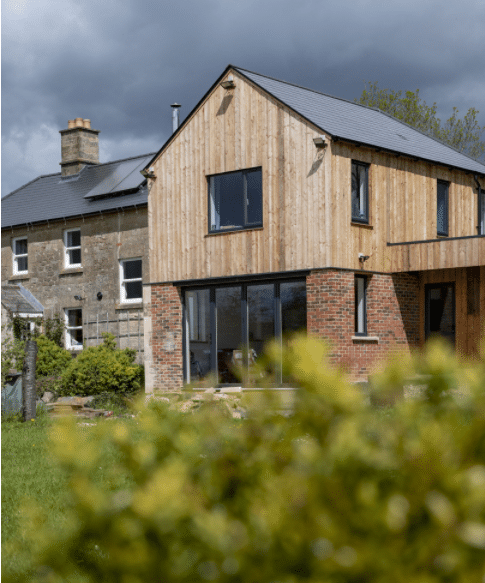
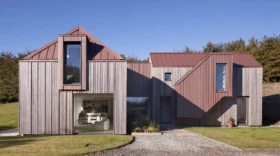
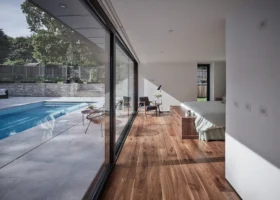
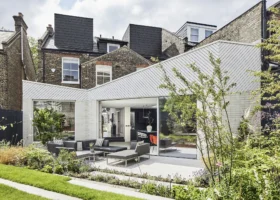
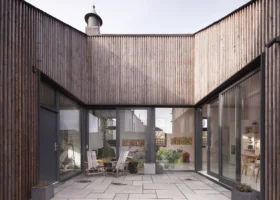
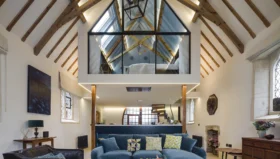
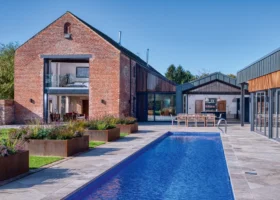
Rhigian by Loyn + Co Architects is a conversion and new build project that showcases how collaboration between suppliers, client and architect can produce a truly stunning home. The views are carefully framed with Internorm HF410 timber-aluminium windows, supplied and installed by ecoHaus Windows & Doors – delivering fantastic results in both the old and new parts of the building. Photo: Charles Hosea
Today, we can easily communicate with most people across the world remotely. Although I enjoy the benefits this type of online discussion offers – for example when sharing 3D design images – I always prefer to pick up the phone and talk to someone or meet them in person. Often, concerns that could have been resolved in a 10 minute conversation will take hours of email ping-pong to resolve. When members of the design team, planners, building control officers and other consultees are not open to more immediate forms of communication, this delays projects and can drive up costs.
To try and resolve any potential planning issues early, councils brought in a pre-application process to help self builders engage early with the planners and get a good feel for whether a proposed build would be acceptable or not.
At the outset, this appeared to be a good idea and schemes could be shaped into something acceptable at an early stage, without having to submit all the details for a fully developed scheme. This presented applicants with the opportunity to (1) receive a written report or (2) have a meeting with the planning officer or, better yet, (3) have a meeting on site with the planning officer plus a report setting out the key points that your application would need to address in its full application.
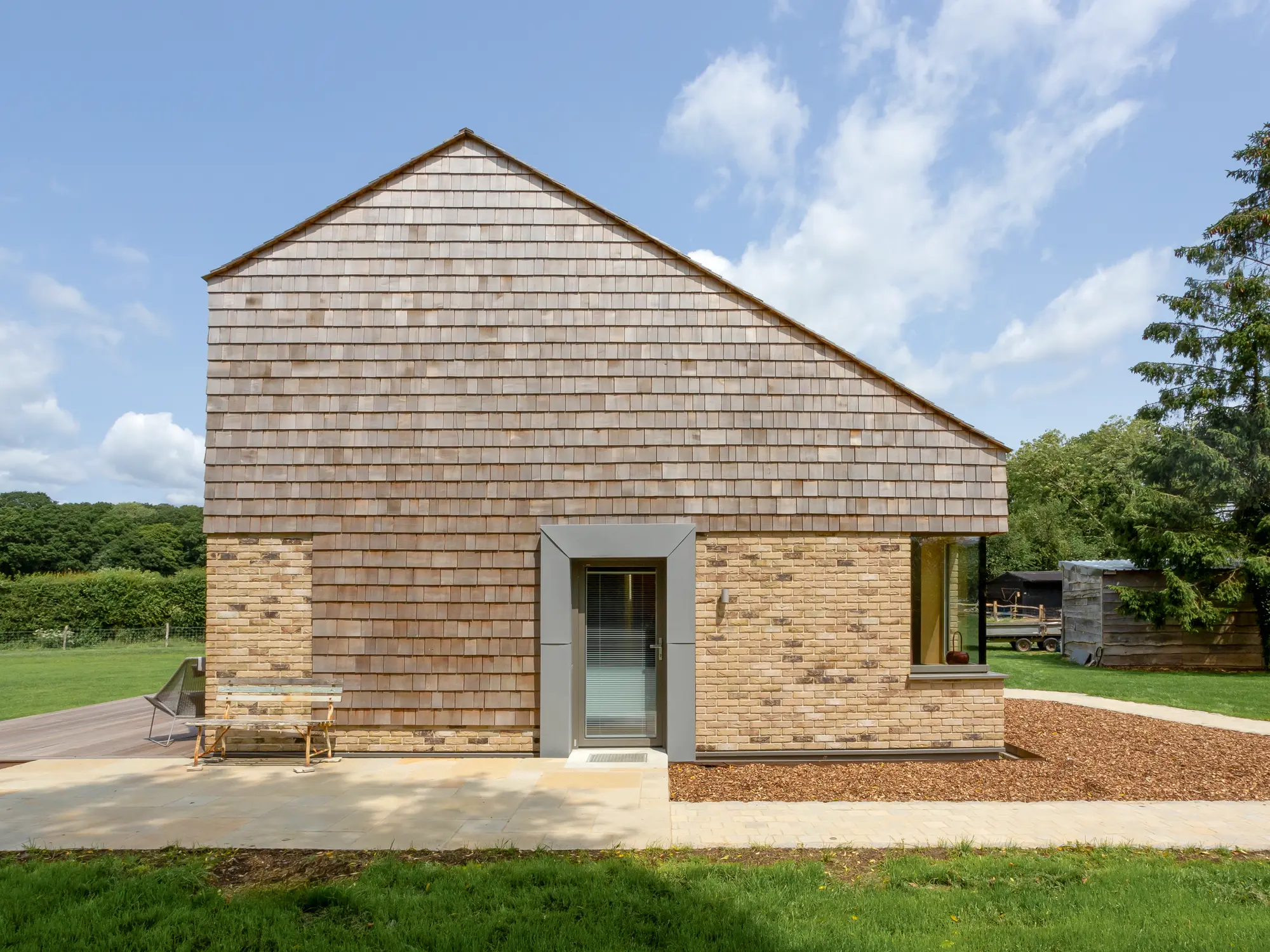
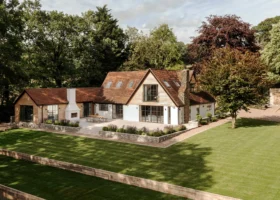
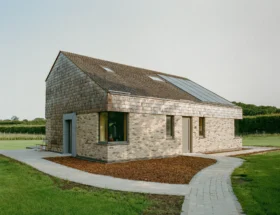
Encouraged by a favourable pre-app conversation between her planning consultant and the local planning department, Carolyn Copperwheat ploughed ahead with designing a new home to nestle into her gorgeous plot. True to their word, the planners liked the first design by the initial project architect and suggested at pre-app that it would be approved. Photo: Mary Gaudin
Recently, this process appears to have become less helpful and the majority of pre-app replies now seem to be about how the council will look to reject the proposal rather than opening a dialogue for further discussion.
We have also come across local authorities that actively refuse to meet to discuss outline proposals. As a result, it can be necessary to submit a full planning application to get a clear response as to how your plans will be received. To be useful, the pre-application process needs to be active and help support good development. This can only come to fruition if decision-makes are open to having engaged conversations on the proposed site.
Once a scheme has been registered, communication levels have been further reduced and applicants and their designers are actively discouraged from contacting the assigned planning officer. First contact may be delayed and might even take the form of a refusal by reason of a request for further information. This refusal could also relate to a subjective design matter that could have been easily resolved through a brief conversation.
Unfortunately, it appears that where any one consultee disagrees with an application, planning officers are not willing to override their decision and will issue a rejection for the application without any further consultation. This is particularly difficult when the issue is subjective such as “it’s too big”, which is a common complaint. What does this mean? Too big for whom? The scheme will have been designed for the self builder, whose concerns should be a key part of decision-making and, within reason, they should be permitted to create their dream home.
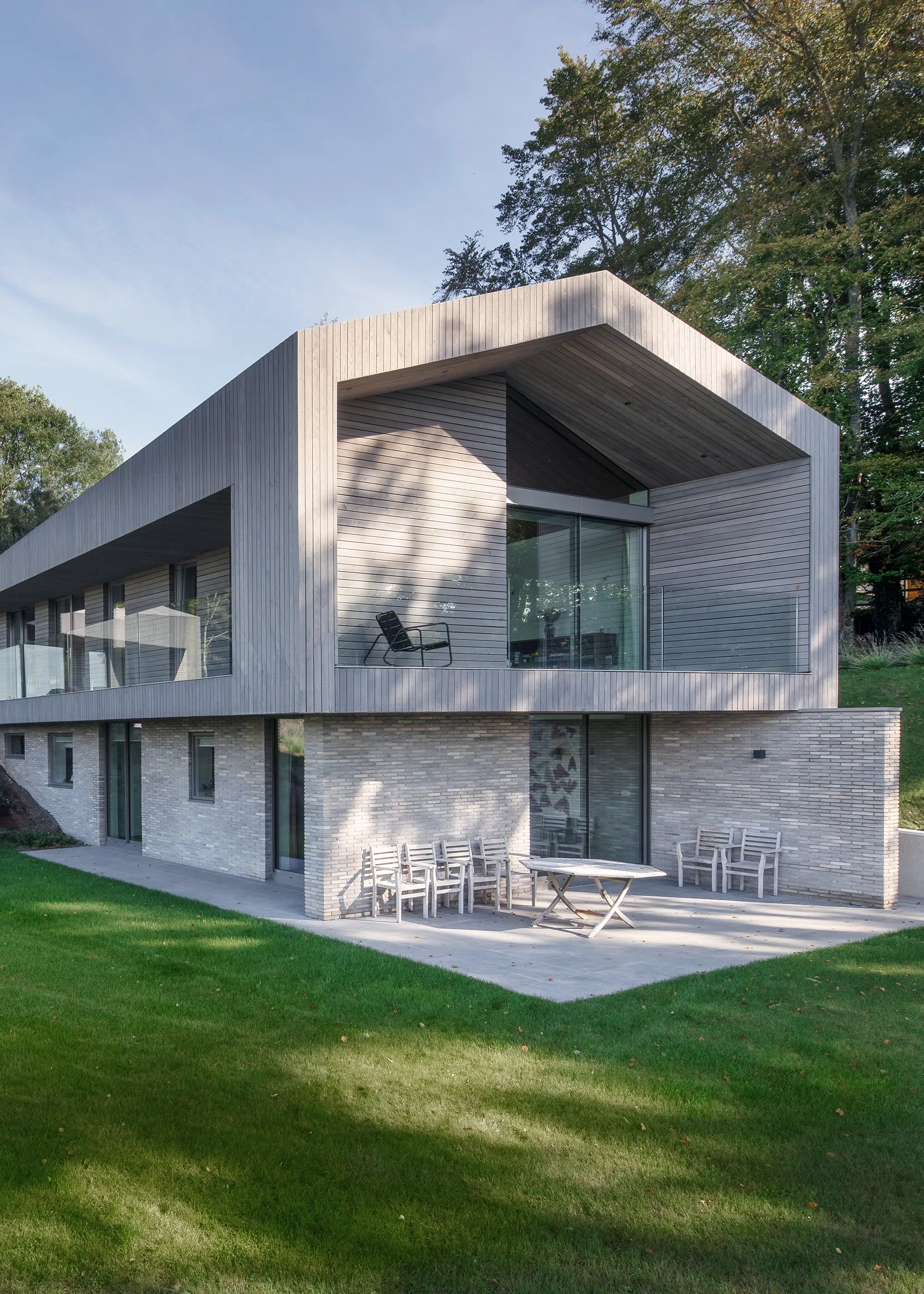
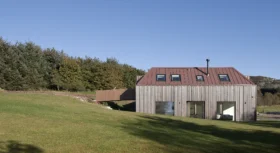
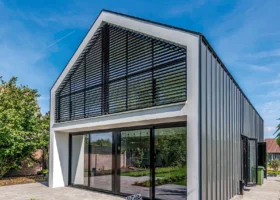
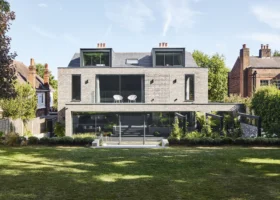
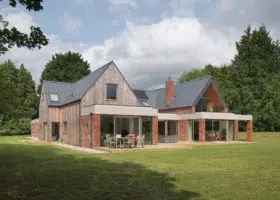
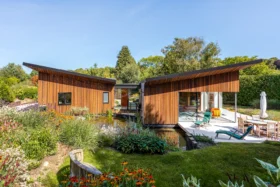
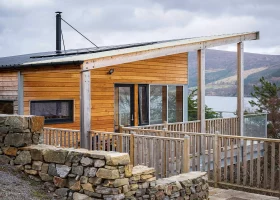
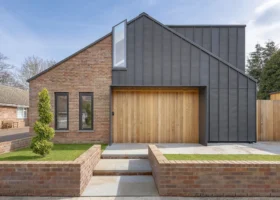
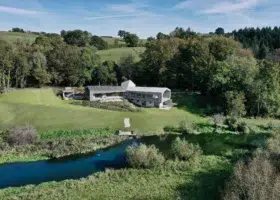
Stunning natural surroundings and far-reaching views gave rise to the design of Esther Horwood’s new home – a striking modern abode nestled on the bank of the River Avon. After meeting several local design practices, it was Winchester-based AR Design Studio that came out on top. With a basic rectangular footprint as a starting point, the team at AR Design Studio began to reflect on what shape the house should be if it was going to make the most of the surrounding views. Photo: Martin Gardner
The planning process is increasingly adversarial and is unfortunately moving towards creating more tension for all parties involved. In its current form, I find that the system is geared to deliver poor results all round. A forum of clear debate for scheme development can build trust through transparency between the key stakeholders. Whenever you put opposing people together to talk out problems and allow each party to express their opinion, you will often find that they can reach a compromise.
Architects have been trained in sustainability and design and are assessed by their regulatory body, the Architects Regulation Board (ARB), on their competency annually. All of the matters that currently require a consultant’s report are usually already addressed, so why does the process duplicate this? Similarly, planning officers have appropriate training, so where the main principal of the proposal is acceptable yet there is something of concern that requires more detailed consideration, this should be made the subject of a planning condition. At present, the applicant must provide a perfect set of information at the outset.
The current position, where local authority specialists pit their wits against the client’s team of experts, is disproportionately expensive in terms of time and cost on both sides. There are ways in which the rules can be simplified – for example, include bat and bird boxes and simple biodiversity measures in all projects rather than requiring reports which recommend the same.
Your planning application could be sent to all of the following officers for their feedback and may need to show evidence of how each of their requirements has been addressed in your plans:
It used to be common practice for an architect to liaise with a planning officer to review the comments made by external consultees. Today, an application will not even be registered on the online Planning Portal unless all the relevant documents and drawings have been provided.
If we are going to increase the volume of housing in this country, the planning process has got to reinstate some form of direct communication between planning officers and lead designers, as well as remove box-ticking and remote, ineffective forms of communication.
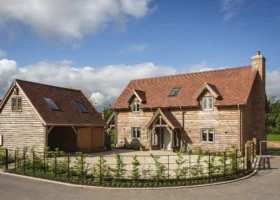
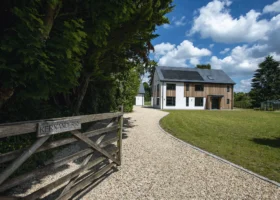
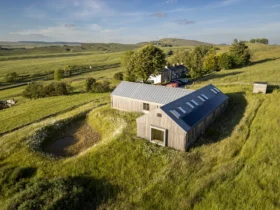
Matt and Sarah Switzer joined forces with a local couple to try for planning permission for two homes on their 1.5-acre site. The Switzers meticulously studied the historical planning refusals for the plot, putting together a 30-page document addressing each point.
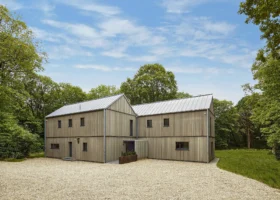
A lack of affordable and suitable housing in the area worked in the couples’ favour. They submitted two off-the-shelf designs from Welsh Oak Frame as part of their application, which also ticked the council’s boxes for a sustainable design that blended into the location’s countryside context.
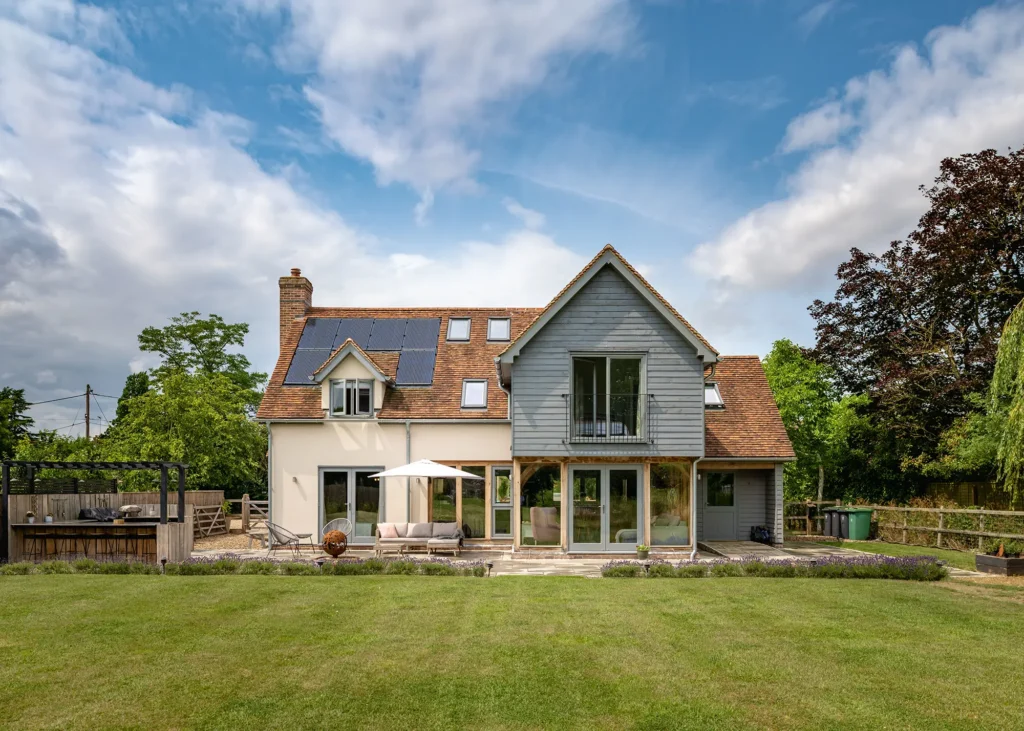
Photo: Nikhilesh Haval
The planning officer recommended a refusal, however, for fear that granting permission would open the floodgates to over-development of sites outside the dedicated boundary. But the two couples did not intend to build and move on – they wanted these to be their forever homes.
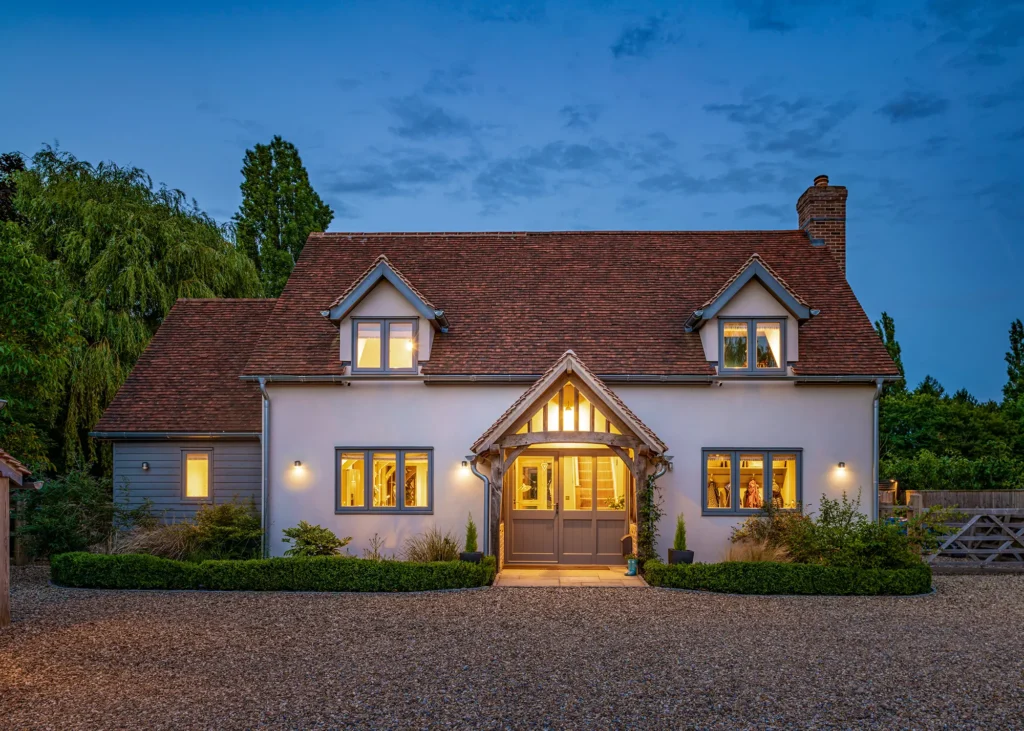
Photo: Nikhilesh Haval
Two local councillors showed their support for the schemes by asking that the couples’ application was called into for deliberation by the planning committee. “The meeting cracked open a window of opportunity, as we were allowed to speak for a few minutes to justify our reasons for building,” says Matt. “The committee members came to look at our site and voted unanimously in our favour – and our dream began to become real.”
Once permission is granted, the focus moves to your site. The Building Safety Act 2022 tightened Building Regulations and it is crucial that your chosen architect/designer creates a set of technical design drawings and specifications that show exactly how the building will be constructed. These must be submitted with your Building Regulation application before you start on site.
Focus will be given to fire issues and sustainability, so you need to make sure any materials, performance standards and specialist construction requirements are clearly communicated to your builder before they give you a price for your project. By allowing the scheme to be assessed in this way, you will save yourself time and money on site by not having to amend your application.
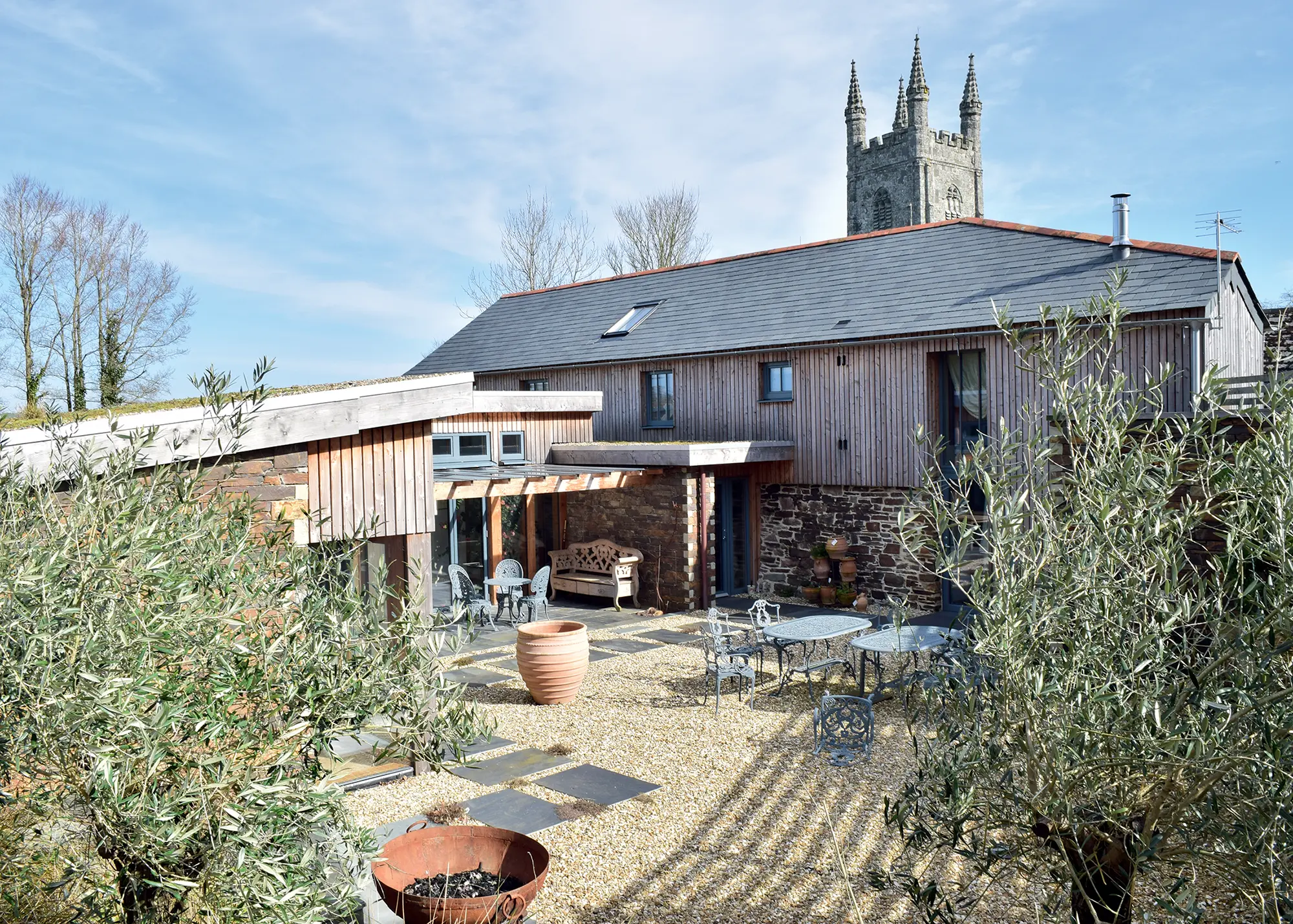
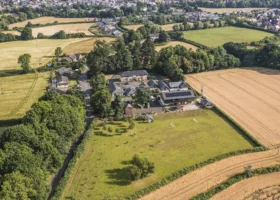
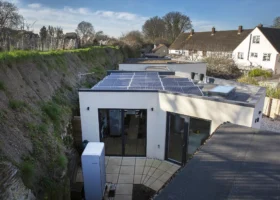
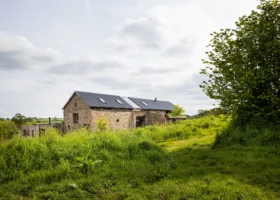
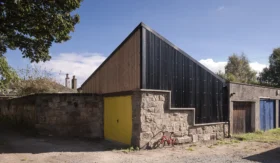
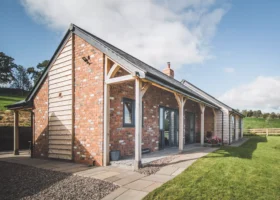
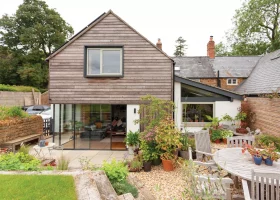
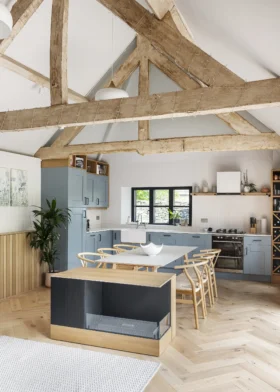
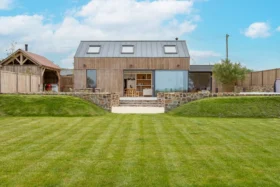
When Betty Jarrett set about converting and extending a barn within the curtilage of a grade I listed church, she knew that seeking pre-app advice would put her in better stead. After talking with the planner and conservation officer, she submitted a proposal that was later approved without any problems. Photo: Alex Pratt
Regular monthly meetings with your builder are a good way to look ahead at the next steps in the programme and to encourage momentum on site. Record your meetings, noting clear action points and due dates for decisions. Keep an up-to-date schedule of costs to track your expenditure and variations, and review this alongside the construction programme to identify potential risks early.
As you see your home coming to fruition, it is tempting to start altering your design. If you have managed to have clear communication with your designer, any changes on site are likely to be relatively minor. Avoid major alterations at this point as they will disrupt a builder’s programme and drive up costs. If you want to make amendments over and above the specification, always ensure that you and your builder agree on the timing and cost of this.
Through good communication we can understand others’ positions and concerns far more easily than by submitting endless emails or reports. Given this opportunity, parties can often compromise to reach a situation where proposals can be amended and become acceptable to both sides. This will help to reduce delays, build trust and encourage a more constructive working relationship. The Planning and Infrastructure Bill 2025 promises an updated planning and building control regime that will revise systems and processes, so that they work for all stakeholders across the sector.























 Login/register to save Article for later