








 Login/register to save Article for later
Local experience matters. A designer who regularly submits schemes to your council will know what the planners expect – and what they won’t accept.
Estimate your project costs instantly with Build It's interactive self-build cost calculator
Calculate NowGet an accurate, detailed cost breakdown of your project
Submit plans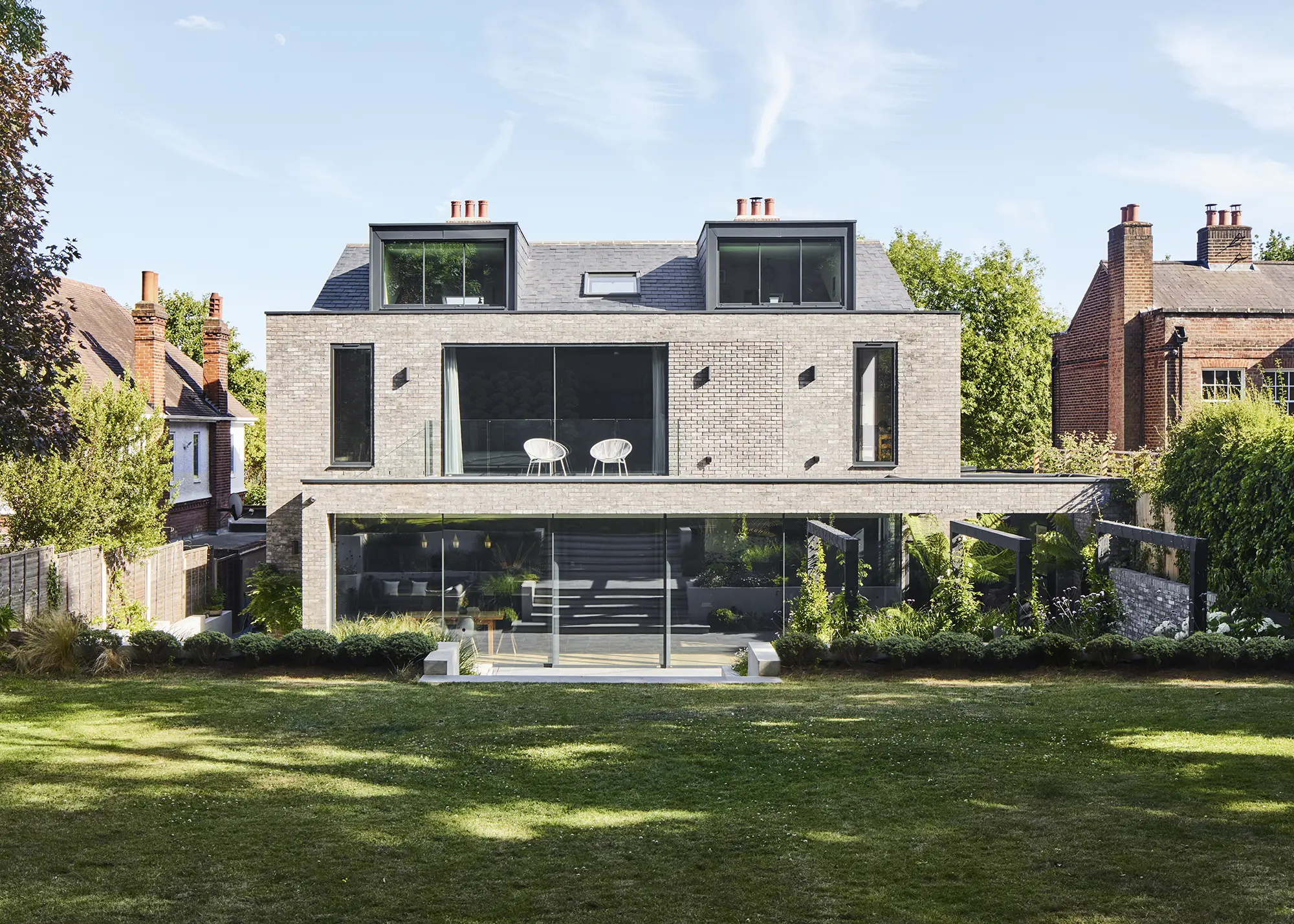

I help hundreds of homeowners and self builders with planning applications each year, and the most common early-stage mistake they make is hiring the wrong architect or designer to undertake their project. Your choice of designer is critical to two fundamental aims of your build: getting planning permission (ideally without hassle or delay) and creating a home that works for you.
The most talented home designers are expensive and it is understandable to want to divert as much of your budget as possible to the build itself. But this is a false economy. A poor designer can end up costing you far more in the long run, by dragging you through several rounds of uninspired proposals, failed planning applications and pushing up build costs with an inefficient scheme.
I have no architectural design skills whatsoever, but I have spent years reviewing drawings as a council planner and a planning consultant. I know what good design looks like in the context of planning and I know the telltale signs of a bad scheme.
In this article, I’m explaining how to identify and choose a good designer, how to avoid the common pitfalls and how to give your project the best possible chance of getting permission.
Anyone can draw plans and submit a planning application. Some homeowners draw up their own extensions in ball-point pen on lined graph paper. There is no legal requirement to have design qualifications or even the most basic understanding of planning policy. As a result, many of the applications councils receive are of very poor quality and have no hope of success.
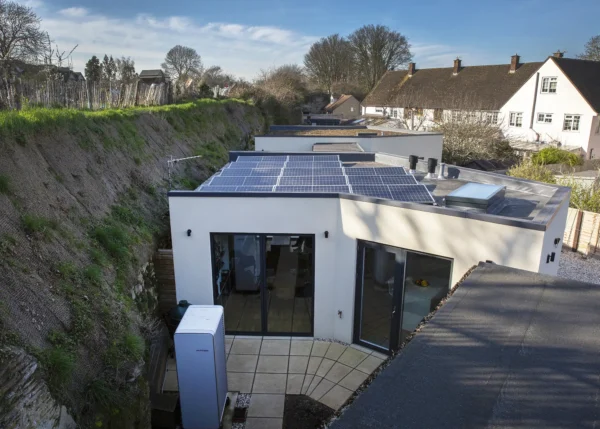
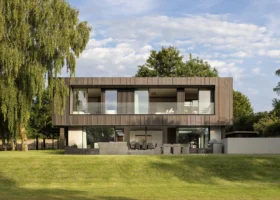
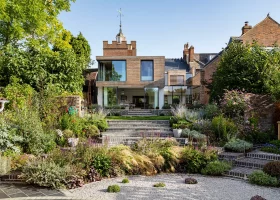
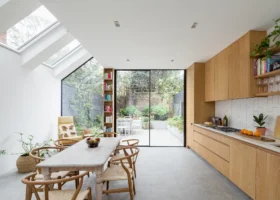
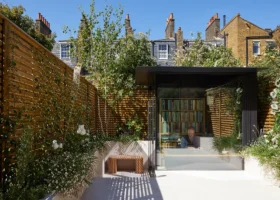
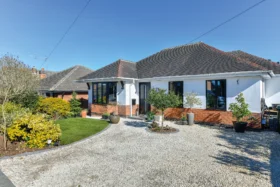
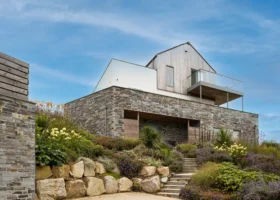
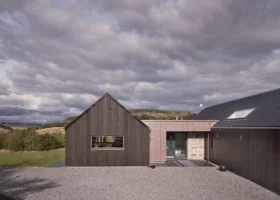
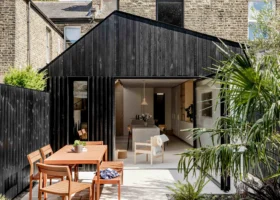
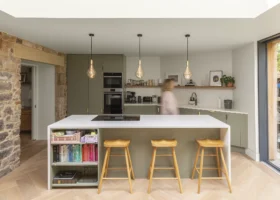
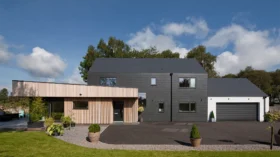
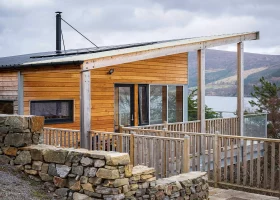
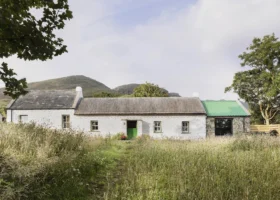
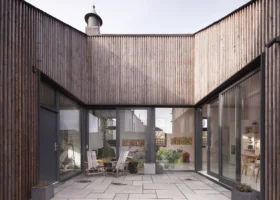
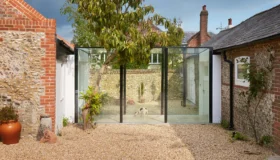
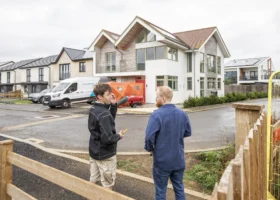
After speaking to friends, Fiona and Martin Lamb selected Mulroy Architects to take on their knock-down and rebuild, as they had seen their work first hand and knew they had created successful projects in their area recently. Photo: Dan Glasser / Fiona Lamb Design
There is also a built-in incentive problem. If a cheap designer submits a poorly conceived scheme and it is refused, they simply throw their hands up and blame the planners. Their job was only to draw the plans and submit the application. The consequences of that refusal – the wasted time and the extra costs – fall on you.
It’s crucial that you invest plenty of time and effort at the beginning of your project in finding the right person. Get it wrong, and you risk a series of refusals, escalating costs and a completed build that wasn’t what you wanted.
So far, I have referred to architects and designers as if the terms were interchangeable. In practice, most people preparing plans for smaller projects are not architects at all, but draughtspeople or architectural designers. That is not necessarily a problem – many of them are excellent.
The title architect is protected and refers to someone who has completed years of training and is registered with the Architects Registration Board (ARB). There’s similar protection for chartered architectural technologists (CIAT). But as in any profession, there will always be those who are good, and those who are not-so-good – ultimately, formal qualifications are no guarantee of planning success.
For a simple home extension, a local designer with a strong track record of permissions can be the best choice. If you are looking to create something complicated, where design skills matter, a chartered pro is generally the right option.
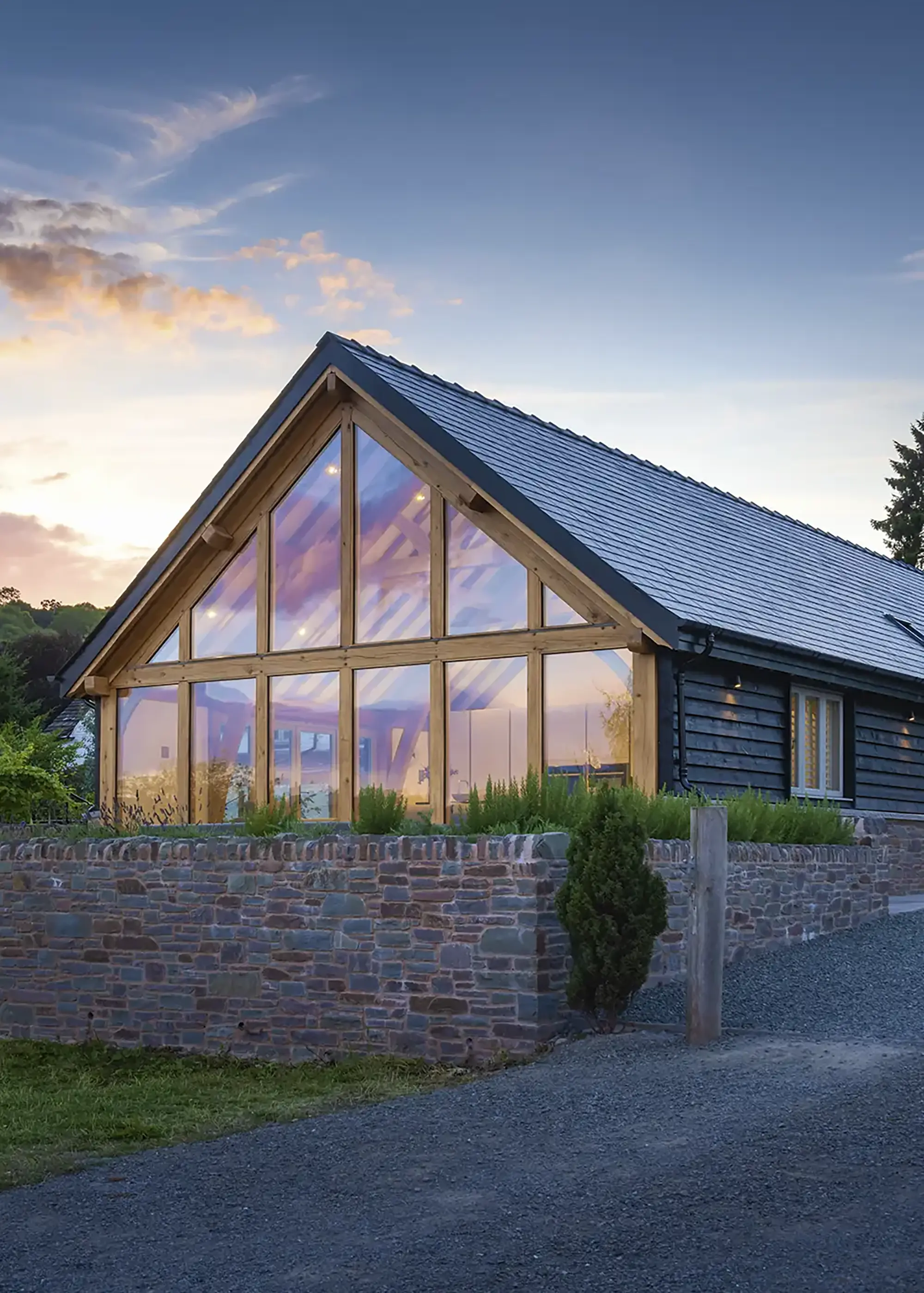
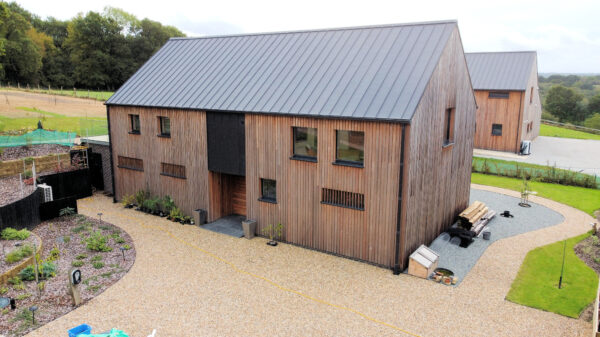
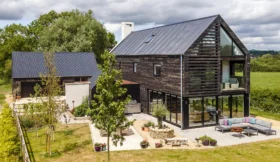
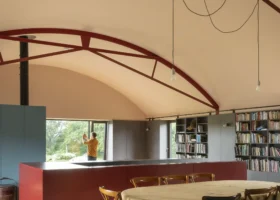
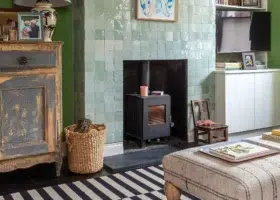
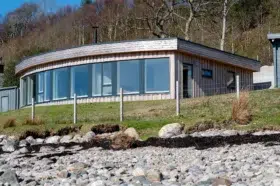
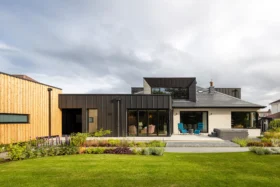
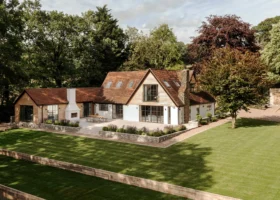
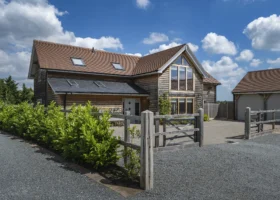
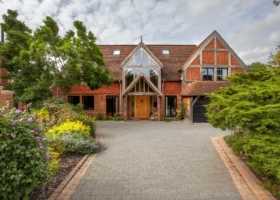
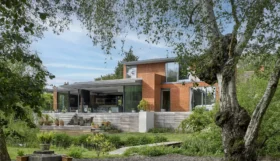
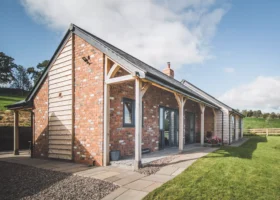
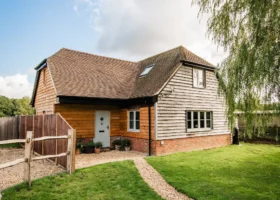
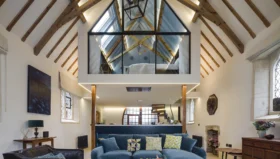
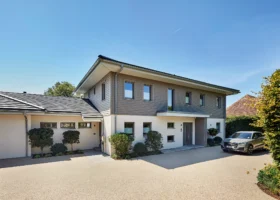
Instead of engaging an external architect, Graham and Diane Roberts opted for a design-and-build package home from Welsh Oak Frame. Photo: Nikhilesh Haval
For smaller projects, the best designers tend to be local. They understand the area, are known to planners and have a good sense of what type of proposal is usually acceptable. Every area has a handful of architectural practices who submit a large proportion applications. You can identify them easily by browsing your council’s planning website. Look up applications decided in the last month and focus on those similar to your project. You will often see the same names appearing. They are the ones to add to your shortlist.
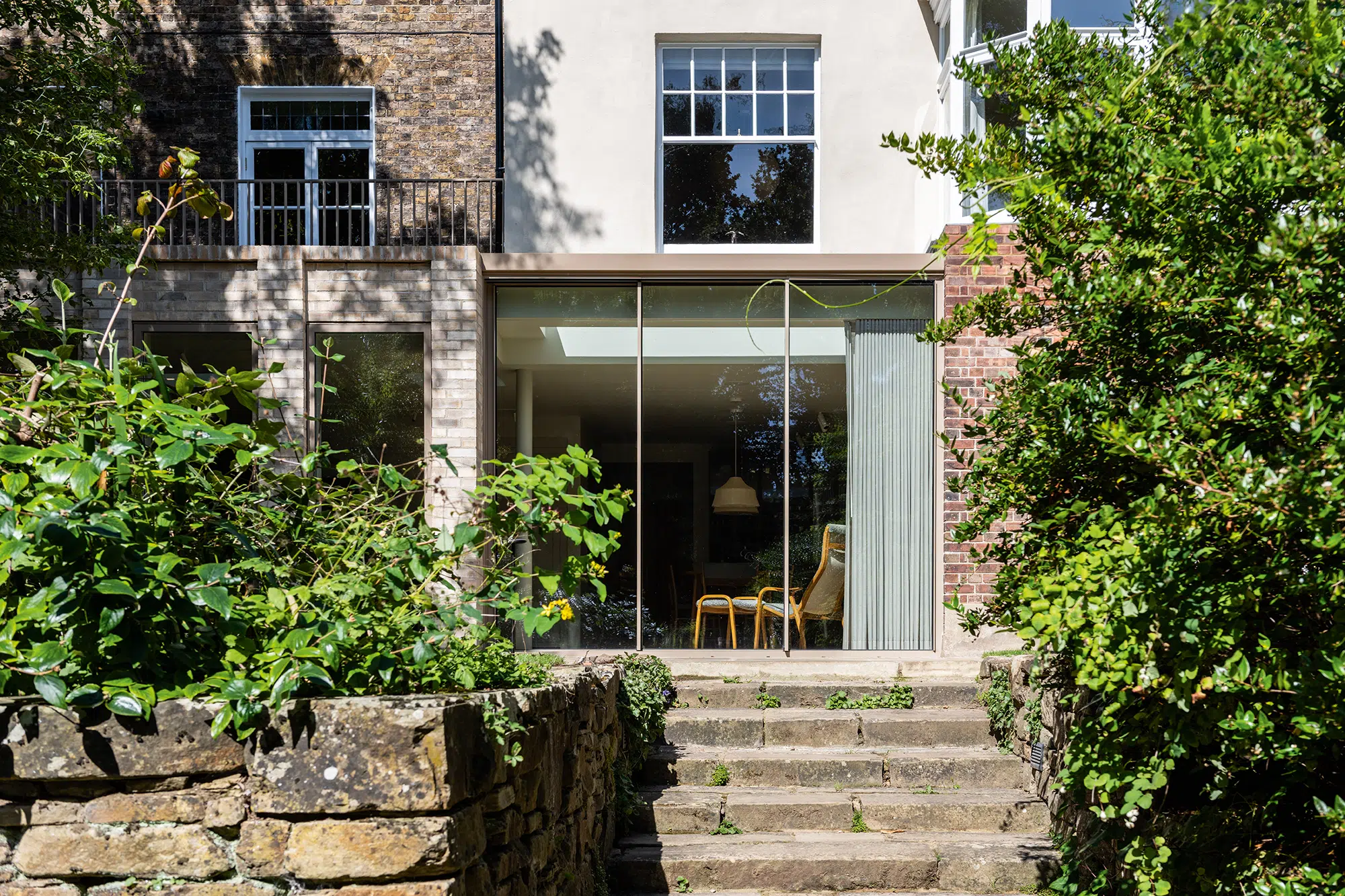
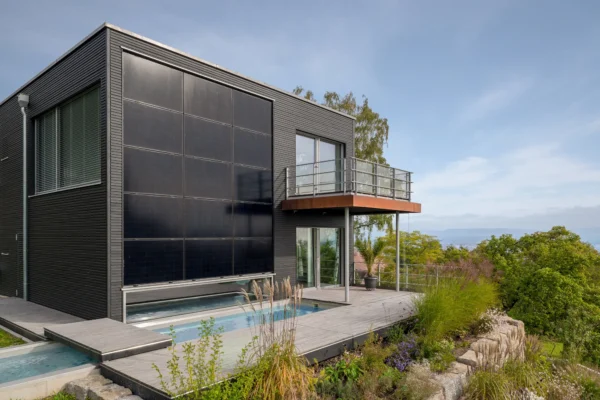
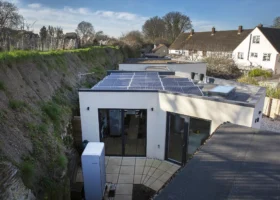
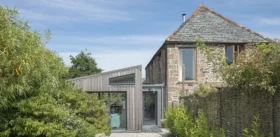
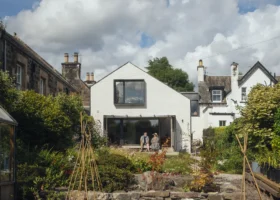
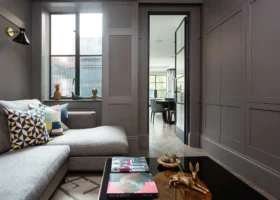
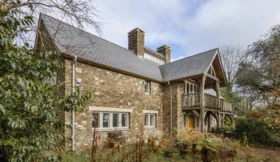
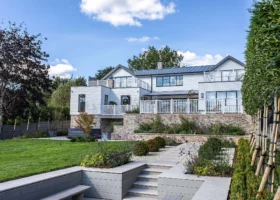
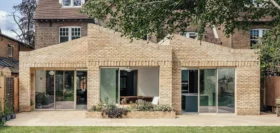
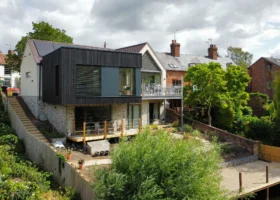
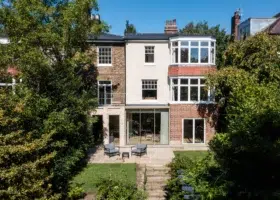
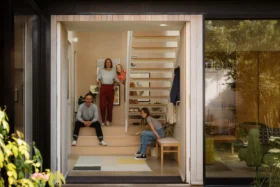
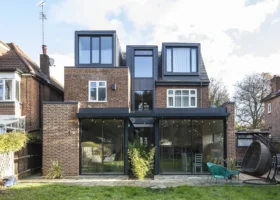
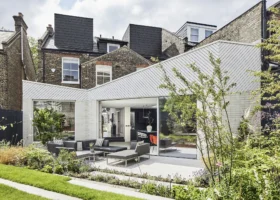
Nicole and David Price appointed Archer + Braun Architects to transform their grade II listed property into a contemporary forever home. They chose an architect knowing conservation area stipulations would be restrictive and needed help creating a design they loved and that would be approved – both of which were achieved. Photo: French + Tye
Once you have a shortlist, you need to separate the good designers from the swindlers. There are main four clues:
A sum of £500 or £800 cannot possibly cover a site visit, proper measurements, drawings, revisions and management of the application. Spending very little at this stage is a bad idea: you will end up with a weak scheme, errors in the drawings and a far lower chance of gaining permission. But a high price is not always a sign of quality either. Some expensive designers produce work riddled with mistakes and applications that rarely comply with policy. Price matters, but it is only the first clue.
Question whether you might get permission for a vast, multi-storey extension and they will suck thoughtfully on their pencil, nod sagely and say it is “worth a try.” A good designer should do the opposite. They ask what you are trying to achieve, challenge any unrealistic expectations and explain what the planners will and will not accept. They design a buildable home to fit your goals – rather than draw what you tell them to.
I regularly see clients come to me after their designer has encouraged them to submit something far too big and complex, knowing it would never pass. A designer who will submit whatever you want is one to avoid.
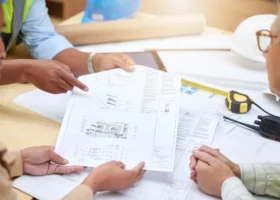
A designer’s drawings are their sales pitch to the council. They must be detailed, accurate and attractive. The worst examples are little more than stick figures with no variation in line weight, no shading, no scale bar and no labels. Such drawings create very little confidence and make it far less likely that your proposal will be approved.
Good drawings, by contrast, will show the building clearly and consistently. The elevations and floorplans should all correctly correspond to each other. Changes in ground levels are shown, materials are indicated and there is a landscape design. There needs to be thought, detail and a degree of complexity in your plans.
A designer must have a strong understand of the planning process. They should know what local policies will apply to your scheme and how the case officer is likely to approach it. They must be able to explain how they will manage the whole application: liaising with the case officer, attending site visits, making any suggested changes and what their response will be if your application is refused. Their fee should cover more than just drawing up plans; they need to stick around until permission is granted.
Great design is about creating a building that sits comfortably in its surroundings. Whether you are extending an existing house or building a new home, planners will look first at how your proposal relates to the character, proportions and materials of the area around it.
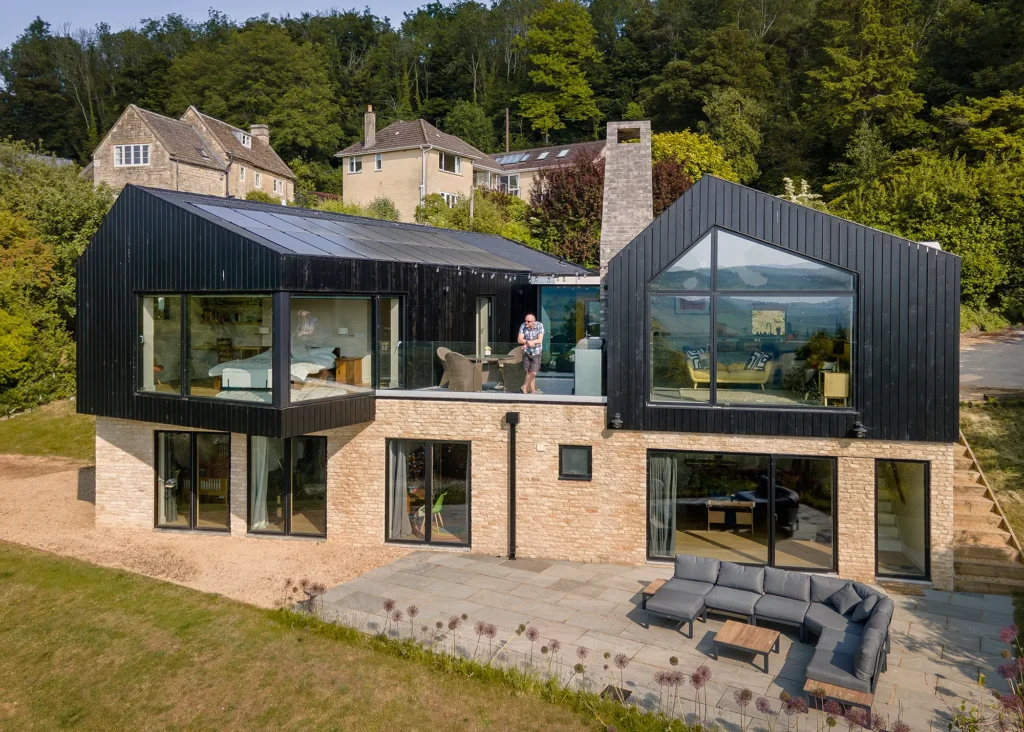
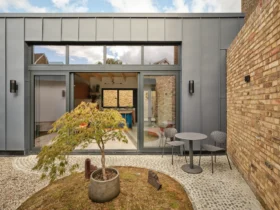
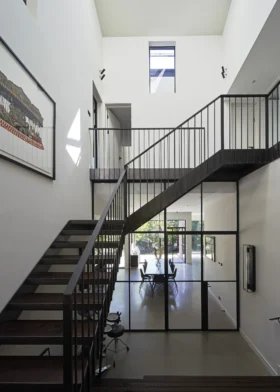
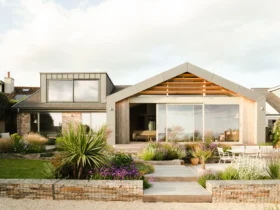
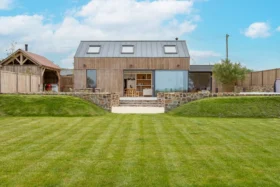
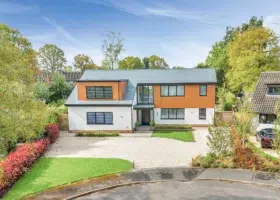
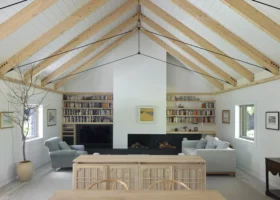
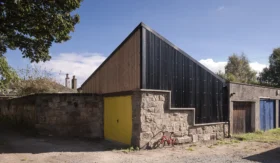
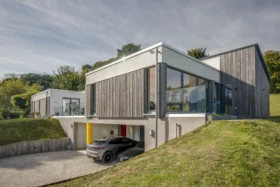
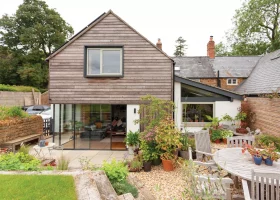
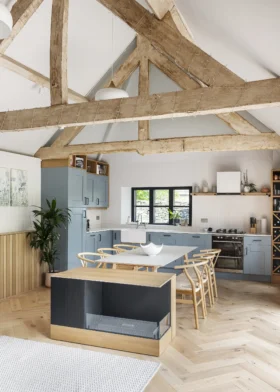
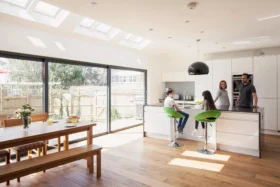
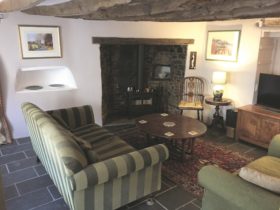
Calum and Sally Land worked closely with Artel 31 to refine their self-build vision, gaining expert guidance that helped them confidently settle on a final design without spending too much time going back and forth. Photo: Peter Helme
Many clients prioritise size and internal space above all else. This is understandable, but it often leads to proposals that are far too large or awkwardly shaped. Instead, work with your carefully selected designer on how to make the most of space in creative ways that respect existing buildings and the wider area.
Remember that big isn’t always better: a smaller, cleverly considered scheme is often more effective. It will be cheaper to build, easier to live in and far more likely to be approved by the planners.
Hiring the right architect or designer is the single most important decision you will make when building, extending or renovating your home. A good designer will save you money, avoid unnecessary planning refusals and help to create a home that genuinely works for you and your lifestyle. The wrong one will waste your time and energy, drain your budget and cause months of unnecessary frustration and stress. Make sure to invest enough time and energy upfront, to reap the rewards later.
Local experience matters. A designer who regularly submits schemes to your council will know what the planners expect – and what they won’t accept.
You can also verify these on the council’s website. Look for accurate, attractive drawings and schemes which respect and improve their context.
A good designer will explain the key policies in plain English. A blank stare is a warning sign.
Does it cover revisions requested by the case officer? Attendance at the site visit? A second application if the first is refused? In return, you must expect that their fee will be set at a level that reflects the work that is involved.
A responsible designer won’t disappear at the first sign of trouble. They should guide you through any amendments, discussions with the local council and a resubmission if needed.