Permitted Development Complete Guide – What is PD & What Can You Achieve?
Are you looking to enhance your property but unsure whether you need planning permission? Permitted development (PD) rights could be the answer, says Julia Riddle, allowing you to undertake certain works without a full planning application
Julia Riddle
Permitted development (PD) rights allow you to carry out specific works on buildings and land without needing planning permission. For residential properties, this includes interior alterations and certain building operations that do not significantly change the external appearance of the property.
Permitted development rights also cover some changes in property use, such as converting a building to residential use (keep reading to see a real-life barn conversion case study).
While these rights can simplify many home improvement projects, navigating the rules is not always as straightforward as it seems. Knowing what qualifies and how to ensure compliance is the key to unlocking the benefits of permitted development with confidence.
Here, I’m taking a look at the ins and outs of permitted development, and highlighting the scope of works that you can achieve under PD rights to ensure you’re in the know.
What is permitted development (PD) & how can you use it correctly?
Permitted development rights are a complex area of planning. It should be obvious – the rules allow for a 3m depth single storey extension to a dwelling, for example. But why can’t you just get on and build such an extension with confidence? There are two main issues to consider; firstly, there are many situations and circumstances where, for some reason, the rights might not exist. Secondly, even where it is possible, there is likely to be some form of process to follow.
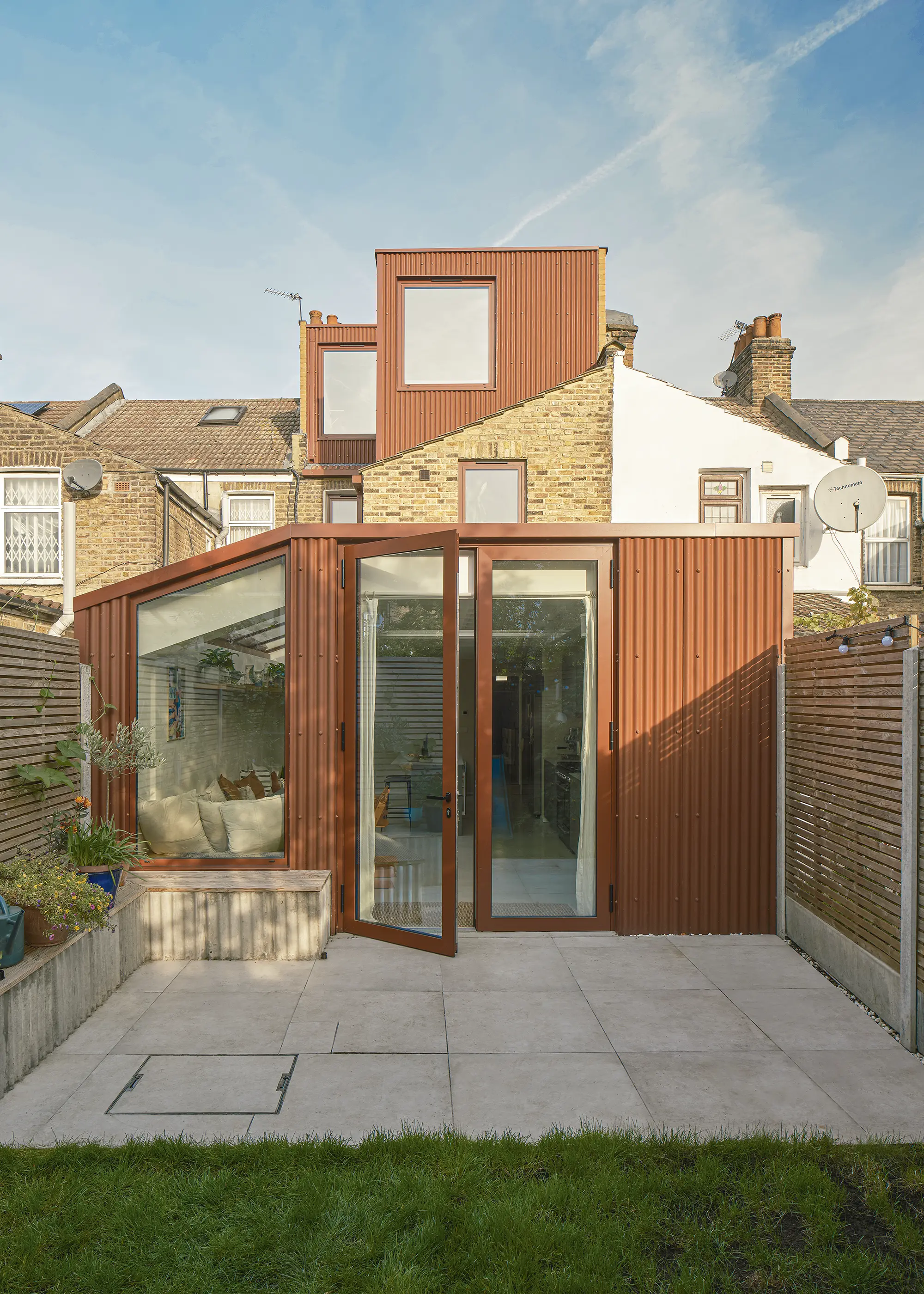
Mike Tuck Studio fulfilled permitted development requirements by matching this loft conversion’s exterior cladding with the home’s existing roof tiles
Permitted development rights for residential properties apply specifically to the ‘original dwelling’ – ie the property as it was first built or as it existed in 1947. This is a crucial distinction, as any previous extensions may have already used part or all of the permitted development allowance.
For instance, if extensions have increased the depth of the property by 3m or more from the original dwelling, further additions will typically require planning permission. As a result, homes with a history of extensions are often subject to more restrictive permitted development options. To plan future works effectively, it’s essential to investigate any past changes to the property. Understanding its development history ensures you approach further alterations with clarity and compliance.
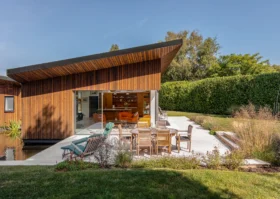
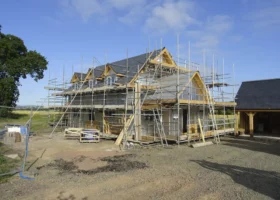
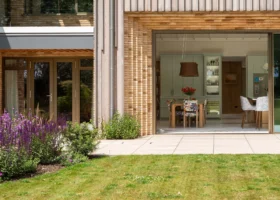
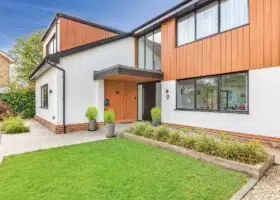
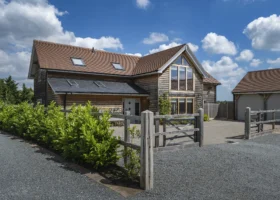
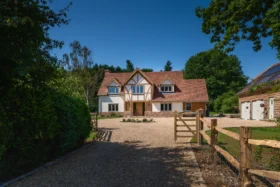
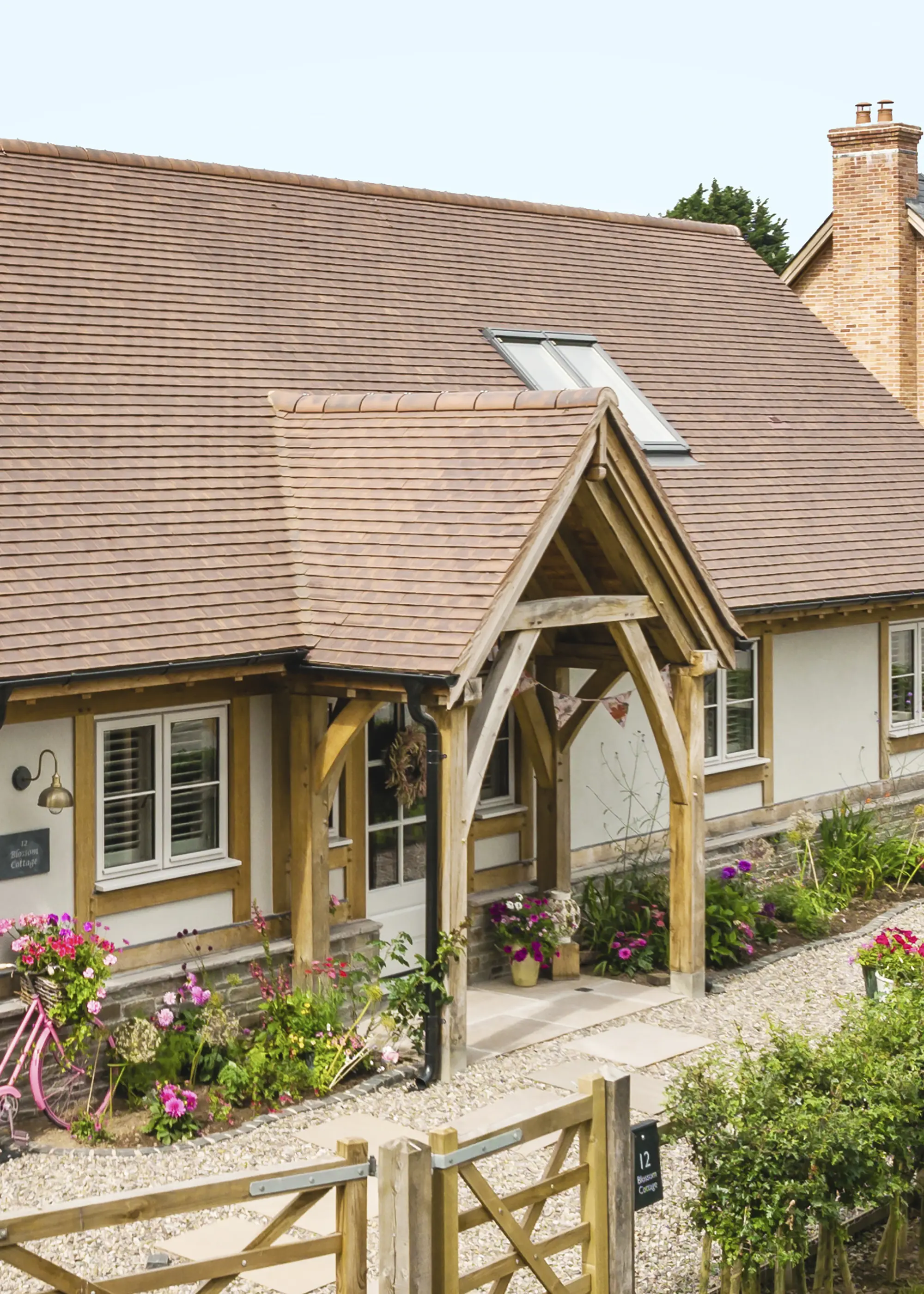
You can update any external door to your home by adding a small porch, up to 3m high and 3m² in floor area. It must be at least 2m away from any boundary with a highway, too. Take inspiration from this charming single-storey Oakwrights home
If a property benefits from permitted development rights, it is highly advisable to secure a certificate of lawful development for any work carried out under these rights. This document serves as formal confirmation that the development complies with regulations and does not require planning permission.
Obtaining this record is not only prudent during the planning process but also invaluable when selling the property. Future buyers may request proof that previous developments were lawful and didn’t require additional permissions, helping to ensure a smoother transaction and peace of mind for all parties.
Build It Newsletter
Be the first to hear about the latest project advice, inspiration and product guides from Build It magazine. Also gain free show tickets and special magazine offers.
What is covered under permitted development?
Where permitted development rights can be used, they allow for some quite significant changes to a property. These include projects such as:
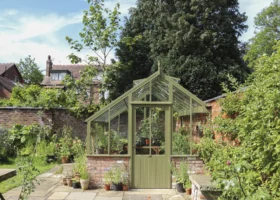
Outbuildingswithin certain parameters; incidental to the use of the dwelling and covering no more than 50% of the garden, to the rear or side of the property
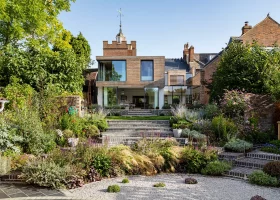
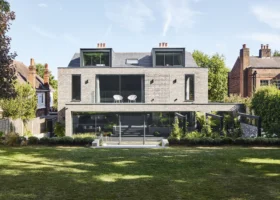
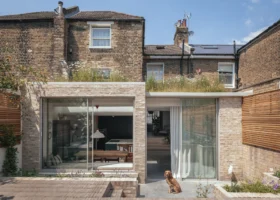
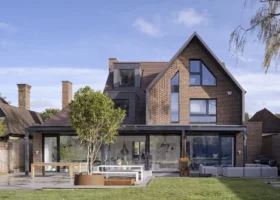
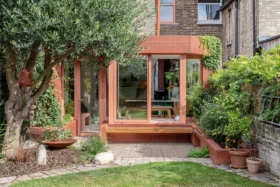
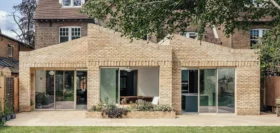
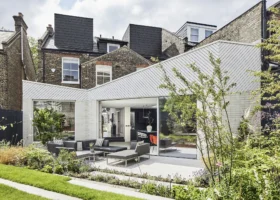
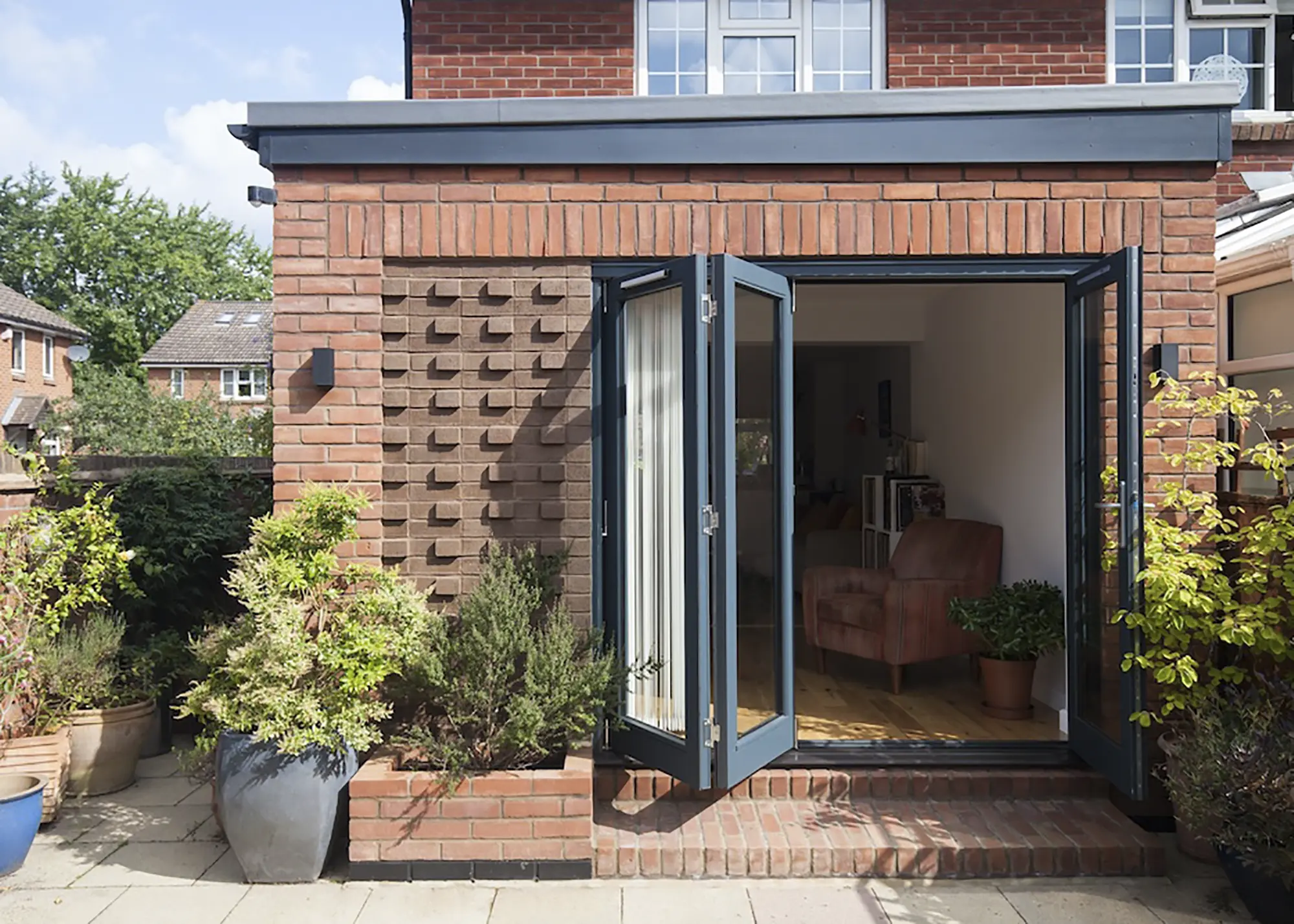
George & James Architects skilfully used permitted development rights to design a transformative single-storey extension in London
Did you know that you can undertake over 20 home improvement projects without planning permission? Click here to find out more
What are the permitted development ‘extended’ rights?
Since 2015, the government has brought in several iterations of ‘extended’ permitted development rights. These allow for more development than the original rights, but there is a different process to be followed to achieve the go-ahead for your project via this route, known as a ‘prior approval’ process.
The ‘prior approval’ process applies to larger single-storey rear extensions. The Planning Portal website states that the approval process applies to projects that extend to over “four and up to eight metres for detached houses; and over three and up to six metres for all other houses. If you wish to build an extension of this size, you must apply to the local authority, who will then consult the adjoining neighbours to advise them of your proposals.”
These rights relate not only to the development of properties, but also its use. This is particularly relevant in terms of the extended PD rights that allow for the change of use to a residential dwelling without going through a full planning application process. These are the alterations such as commercial to residential use (Class MA) and agricultural to residential use (Class Q).
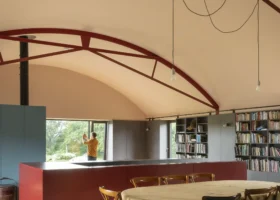
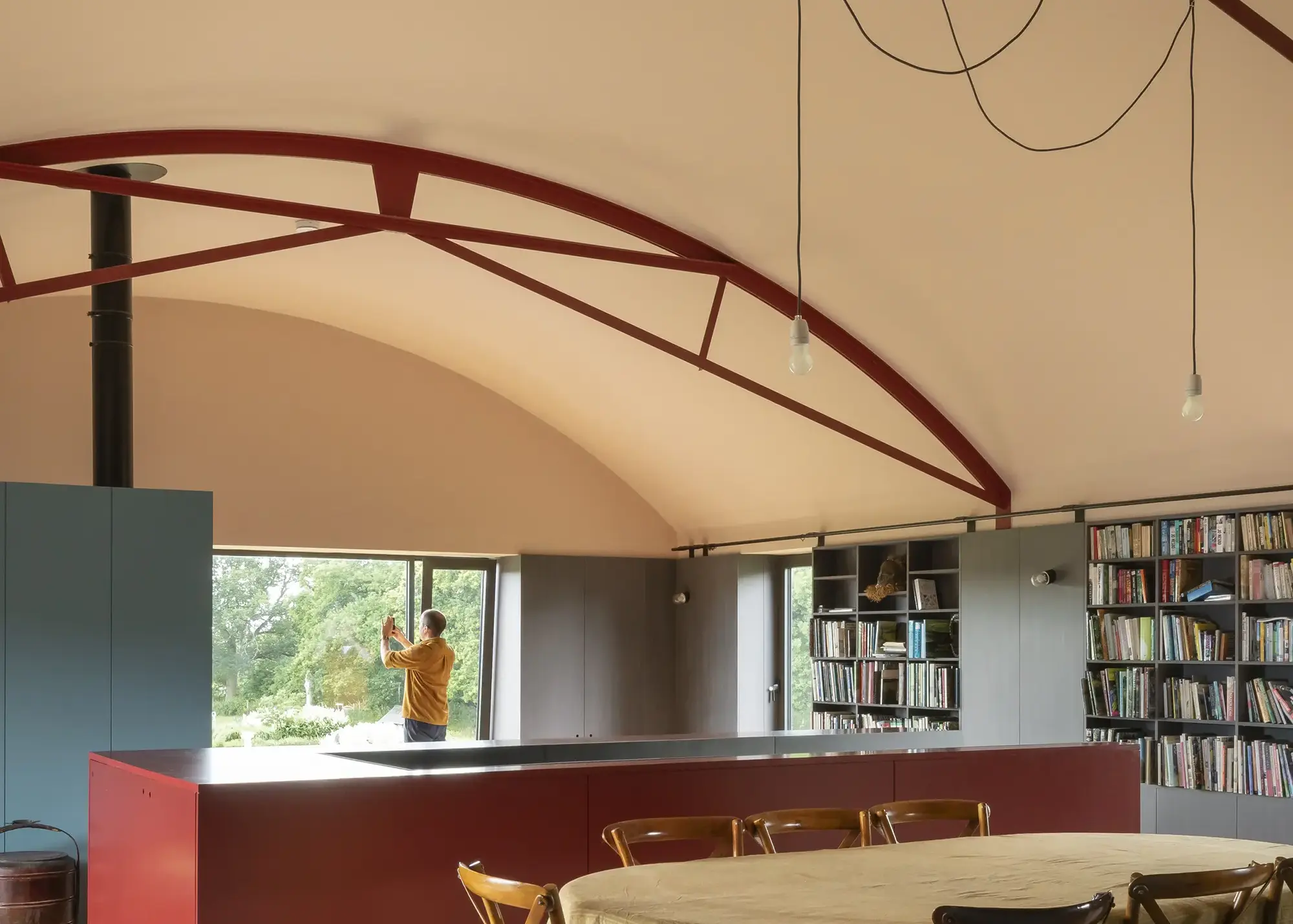
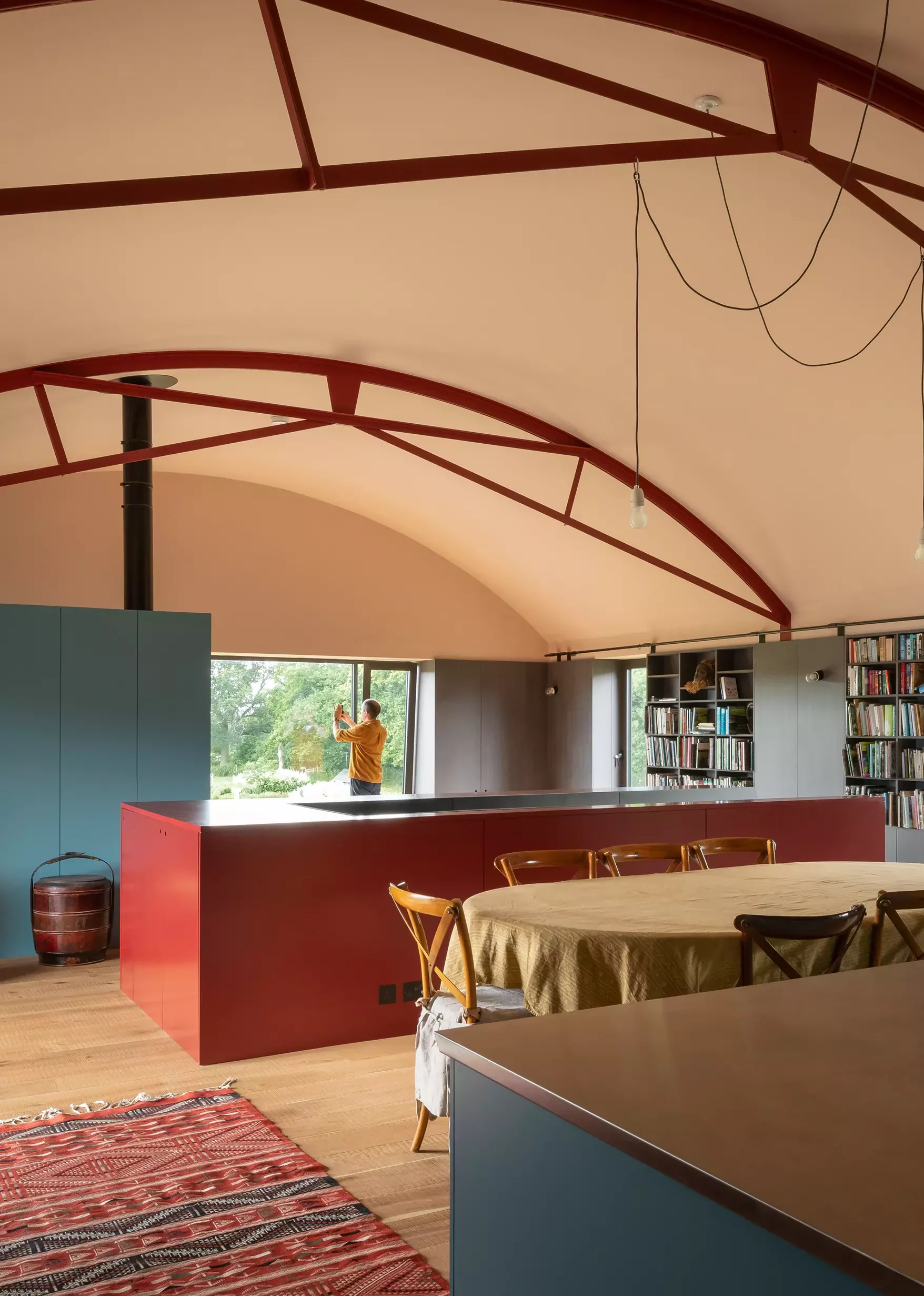
This Dutch barn was converted under Class Q permitted development rights, and transformed into a characterful home by Sandy Rendel Architects. The structure was a basic steel frame with a curved corrugated roof, open on both sides. Photo: Richard Chivers
It should also be noted that the information required for a prior approval submission is more similar to a full planning application than a certificate of lawful development. A prior approval submission is likely to require plans of the proposals, details of flood risk, noise, transport and traffic information.
This all varies depending on the exact type of change you are looking to make, so it is always beneficial to confirm this before making a submission. The extended rights in terms of physical development to a dwelling allow for:
Single-storey ground floor rear extensions – up to 8m for a detached property, or 6m for a semi-detached or terraced homes
Upward extensions to properties
When using extended permitted development rights, the council will notify your neighbours once your submission is made. If they object to the proposal, it cannot proceed through this route and will require a full planning application. In many cases, the level of development permitted under these extended rights may not align with the council’s planning policies and would not gain approval through the traditional routes.
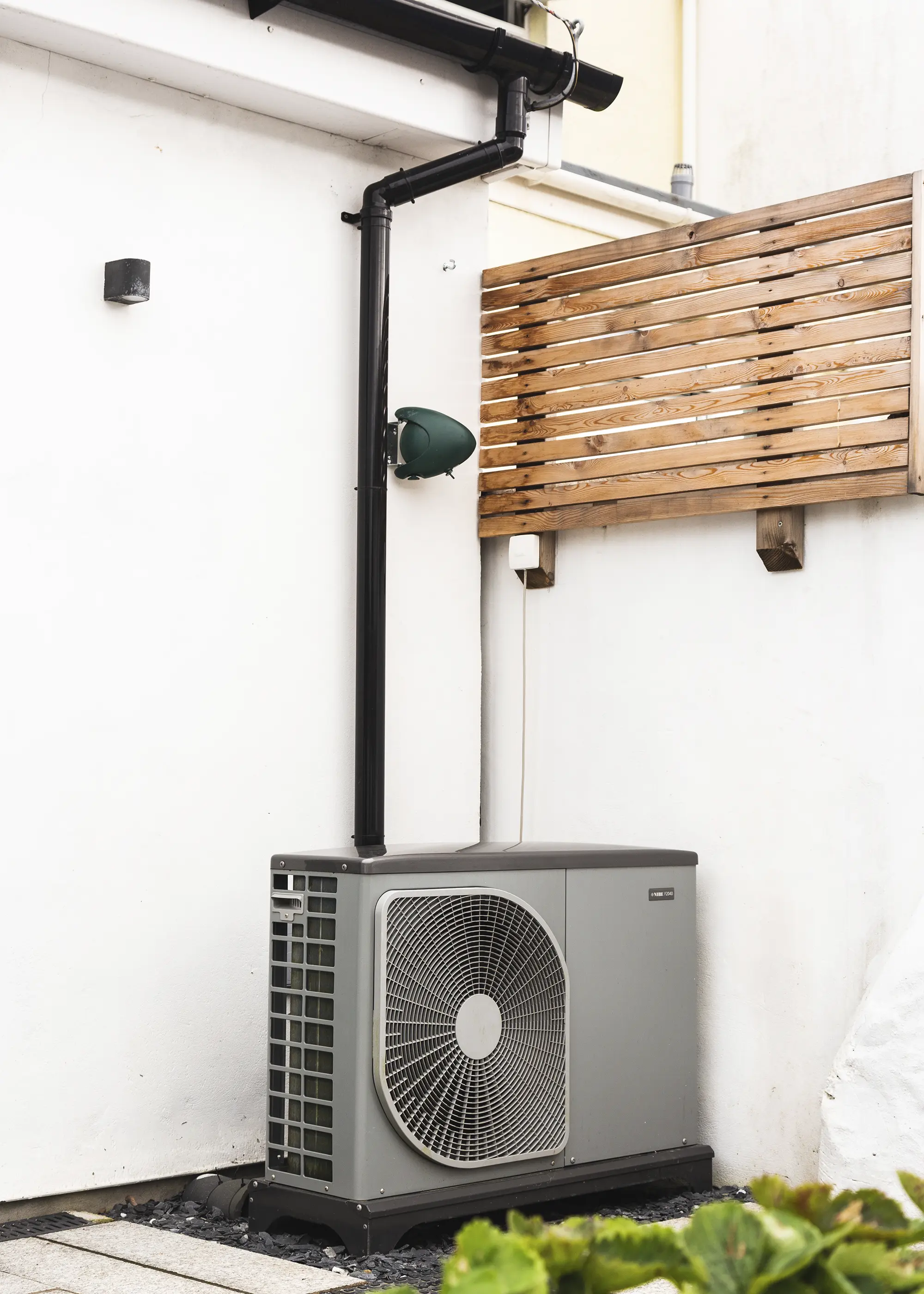
The installation of an air source heat pump on a domestic property is considered permitted development. Pictured is NIBE’s F2040-6 ASHP
It is important to anticipate where such conflicts may arise and carefully assess the potential impact on neighbours. Building a positive relationship and discussing your plans with them beforehand can help minimise objections and improve the chances of a successful outcome.
Case study Barn conversion completed under class Q permitted development
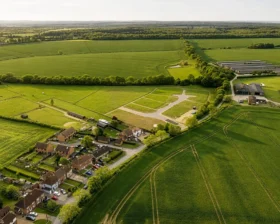
When Jamie Davison’s brother bought a property on six acres in 2017, the family were keen to build another house on the land. The countryside setting near the River Tees meant that getting planning permission for any form of development was going to be a challenge.
Photo: Exposure Photo Agency
So, after their planning application for a new build was refused, they instead turned their attention to the idea of converting one of the existing barns into a new home.
The barn Jamie earmarked was a steel frame agricultural shed that had been extended a couple of times over the years and used as machine storage. It was large enough to be turned into two, semi-detached properties, so Jamie looked at how the building could be transformed into separate homes for himself and his parents. The barn conversion was allowed under Class Q rules – a type of planning permission specifically for transforming agricultural buildings into homes.
Photo: Exposure Photo Agency
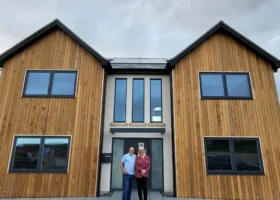
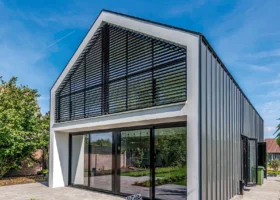
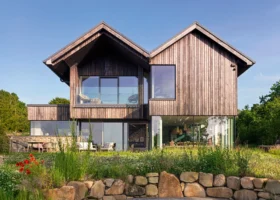
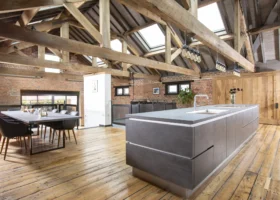
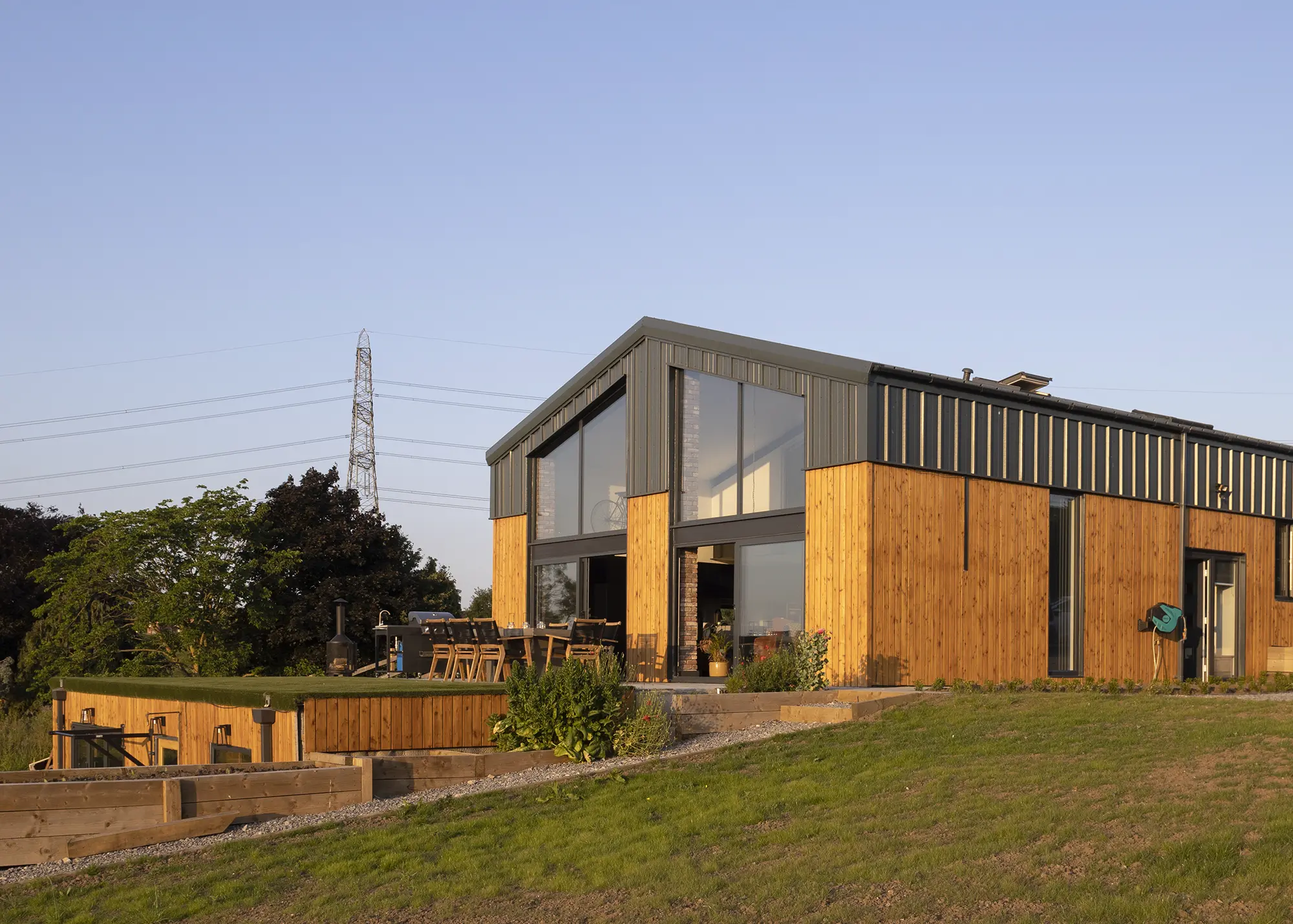
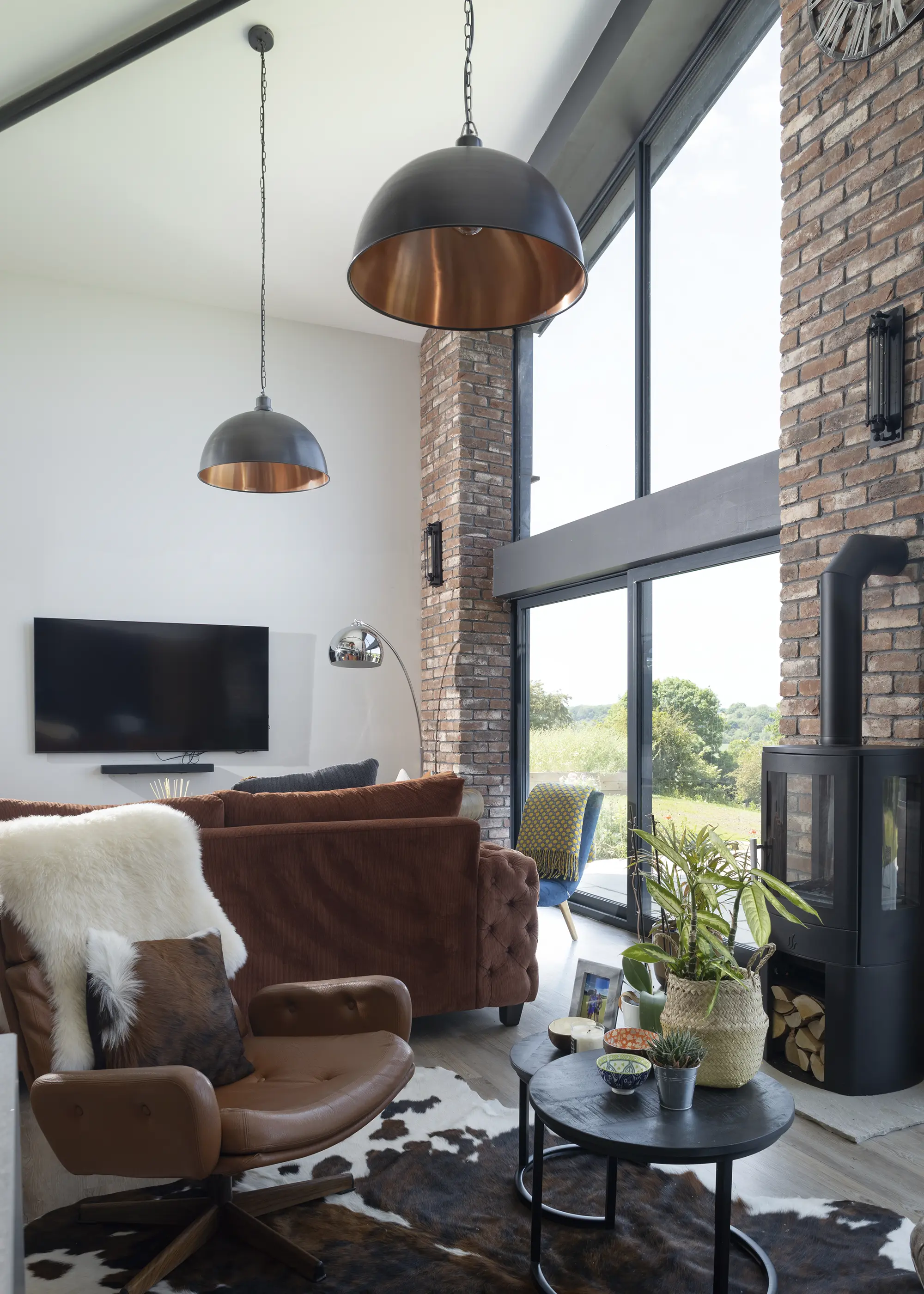
The finished conversion project has a distinctive industrial feel, with a larch-clad exterior and a double-height, open-plan living space with large swathes of glazing welcoming in plenty of daylight.
How to tell when your project requires a full planning application instead
It is vital to establish early on whether your property benefits from PD rights if you are hoping to pursue works using this approach. There are many circumstances where they do not apply. This may be where they were removed from a property when it was granted planning permission or where the council have issued an Article 4 Direction, which takes away permitted development rights from either a single property or from an area.
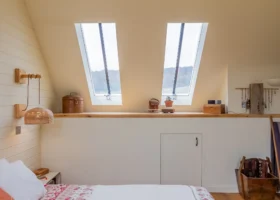
You can install rooflights under PD rights. The slim frame and invisible sash on this Velux unit, which is available both double or triple glazed, help to ensure maximum natural light
This can be checked with the council or on the planning decision notice for the property when it was built. Permitted development rights will also not usually apply in certain protected areas including conservation areas, areas of outstanding natural beauty, national parks, the broads or in proximity to world heritage sites.
You should always consider the outcome when using a permitted development approach. Think about what you want to achieve in terms of works to your property and then whether they can be secured via this route.
Or early on, seek advice so you understand what the permitted development rights option might look like, so you have this is as your fall-back position. But, if you can achieve a better outcome for the long term by pursuing a planning application, it might be worth trying for this first. Much of this will depend on your time, cost and risk priorities.
Installing solar panels is considered permitted development. Photo: shutterstock / Roff wylam
There may be situations where combining PD rights with planning consent is the best approach to achieve the desired works and changes. This strategy can allow certain home projects to begin sooner, while waiting for planning permission approval for other elements.
This approach can be discussed with the council through a pre-application process, which will help to clarify whether you’ll require planning permission for specific works or if they fall under permitted development rights. Following the correct process and engaging relevant professionals is essential, as it significantly reduces stress and uncertainty, regardless of the chosen route.
Even if planning permission is not required for your project, it is important to remember that other types of approval, such as listed building consent, may still be necessary. Additionally, all of the works must comply with Building Regulations, and securing a separate Building Regulations approval is always required.
Permitted development summed up
Permitted development rights can enable quite significant works to a property without needing planning permission.
Check if you have these rights, as there are many cases where they have been ‘used up’, removed or a property is excluded from these rights due to its sensitive location.
Be sure that using PD really gives you the outcome you want, and consider using a combination of PD and planning permission.
Even if works can be done under PD, always consider seeking a certificate of lawfulness, and remember you will still need Building Control sign off to ensure a safe, comfortable final outcome.
Permitted development FAQs
How much does it cost to submit a planning application for a home improvement project, if I do need formal permission?
Householder planning applications cover proposals to alter or extend a house, and relate to works undertaken within the boundary or garden. This is the most common type of planning application used for homeowners looking to alter their property or build in the garden as they generally require less detail.
It costs £528 for a householder to make an application for alterations to a single dwellinghouse, including works within a home’s boundary (this could include adding an extension to your home or creating a garden building). This does not cover works to a flat.
Householder applications for minor home improvement works (ie not development to the actual house) cost £262.
You can cover multiple conditions under a single request, but if you want to submit the documents online via the Planning Portal, there is service charge of £70.83 +VAT.
How much does a certificate of lawful development cost?
A certificate of lawful development will cost half the householder planning application fee, so £264 (50% of £528). Factor in £70.83 + VAT for the Planning Portal’s service fee.
Do I need planning permission to retrofit an air source heat pump?
ASHP installations fall under permitted development (PD), meaning you don’t need planning permission, as long as the project complies with the following:
As per the Microgeneration Certification Scheme Planning Standards, your ASHP installation must be carried out by an MSC-certified installer, using an MSC-certified heat pump product.
The ASHP’s outdoor compressor unit must not exceed 1.5m³.
You’ll need planning permission if you’re installing the heat pump within the curtilage of a listed building. And, if your home is located within a conservation area, the ASHP must not be installed on a road-facing elevation.
Will I need planning permission to make a window opening bigger and replace the glazing?
Resizing a window opening usually falls under permitted development. However, there are some cases where it does not, and you may require formal planning permission. Flats, for example, do not have permitted development rights (only houses do), and some houses have had their rights removed by way of a planning condition on an earlier grant of planning permission.
You might also need planning permission in a conservation area or if the house has some special architectural merit. It is best to contact the council for advice. To be absolutely sure, you can apply to the council for a certificate of lawful development (a way of confirming that something is permitted development).
Does permitted development differ depending on the local council?
Generally speaking, planning policies at national and regional level set general principles, such as reducing carbon emissions, delivering a minimum number of new homes and discouraging new development in the countryside or the green belt.
Local policies then explain how this policy direction affects you in practice, and some are quite prescriptive. Examples might include: dormers are not allowed on the front elevation of houses; new homes should not be built in the rear gardens of existing houses; houses may not be converted into flats; or new homes must provide garden areas of a certain minimum size.
In summary, yes, permitted development rules can be stricter for different areas in the country. Conservation areas, for example, may have more stringent rules on an extensions design compared to a largely urban town. It’s best to check with your local council before getting ahead with any plans, as they will be able to clarify the rules for your specific location.
Julia Riddle
Julia Riddle is one of Build It's planning experts. She a planning consultant with over 13 years of experience in a variety of planning work, including advising on and achieving planning permission for residential development on a range of scales. She has been involved in writing guidance on custom and self build to inform the national planning approach and has specifically been advising self builders for over six years.






















 Login/register to save Article for later








Comments are closed.