





























































 Login/register to save Article for later
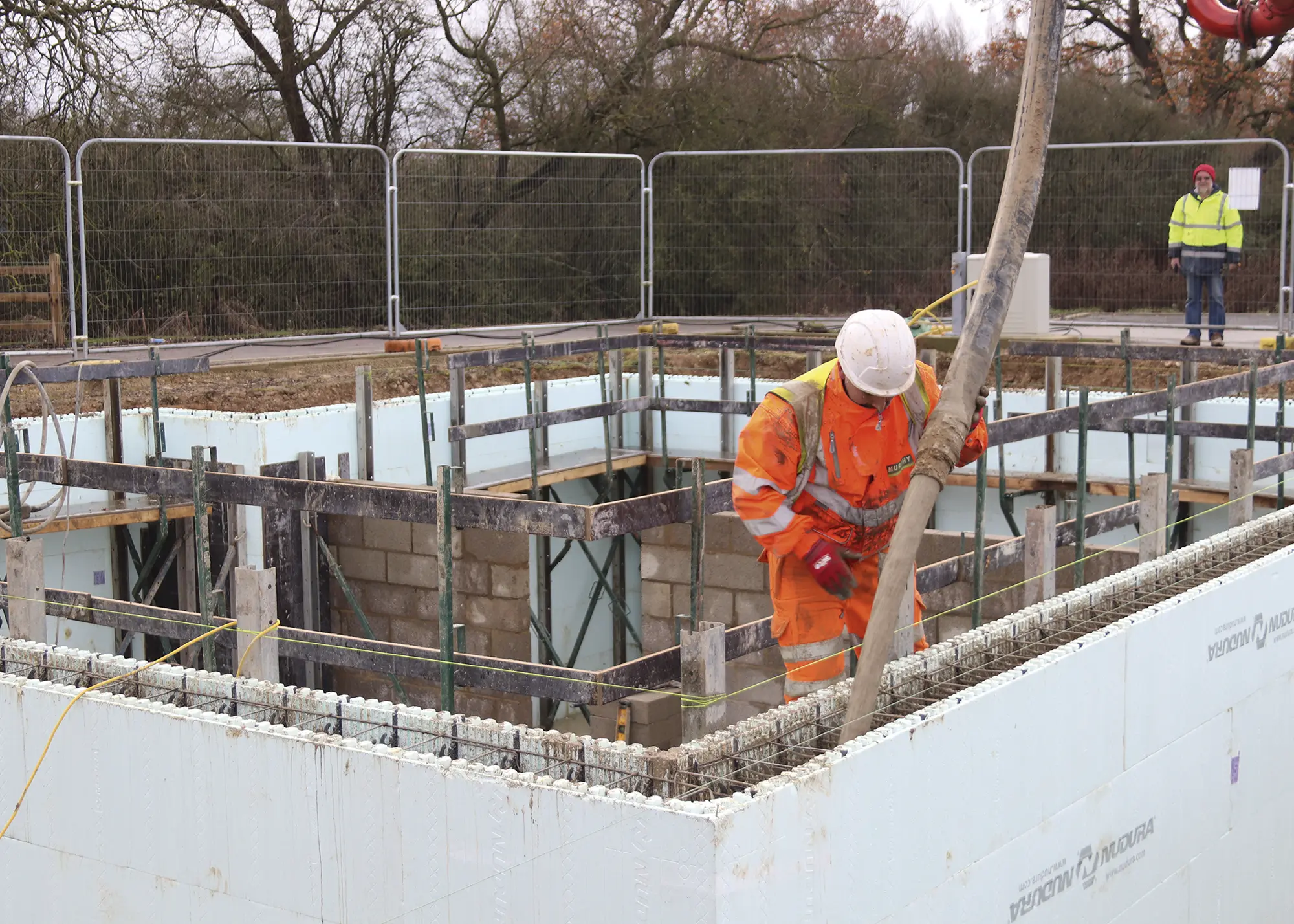
This will depend on the exact system you choose. The Nudura method uses pre-formed EPS closers that slot into place at the top, bottom and sides to contain the pour (with timber bracing) and maintain the thermal envelope. Alternatives include inserting temporary metal frames. Whichever option you choose, the key is to triple-check everything’s as it should be before the pour, as cutting concrete back after the fact isn’t much fun.
- Plan ItBack
- Design ItBack
- Build ItBack
- Homes
- ProductsBack
- CostsBack
- Self Build Cost Calculator
Estimate your project costs instantly with Build It's interactive self-build cost calculator
Calculate Now - Costs & Finance
- Contracts & Warranties
- Build It Estimating Service
Get an accurate, detailed cost breakdown of your project
Submit plans
- EventsBack
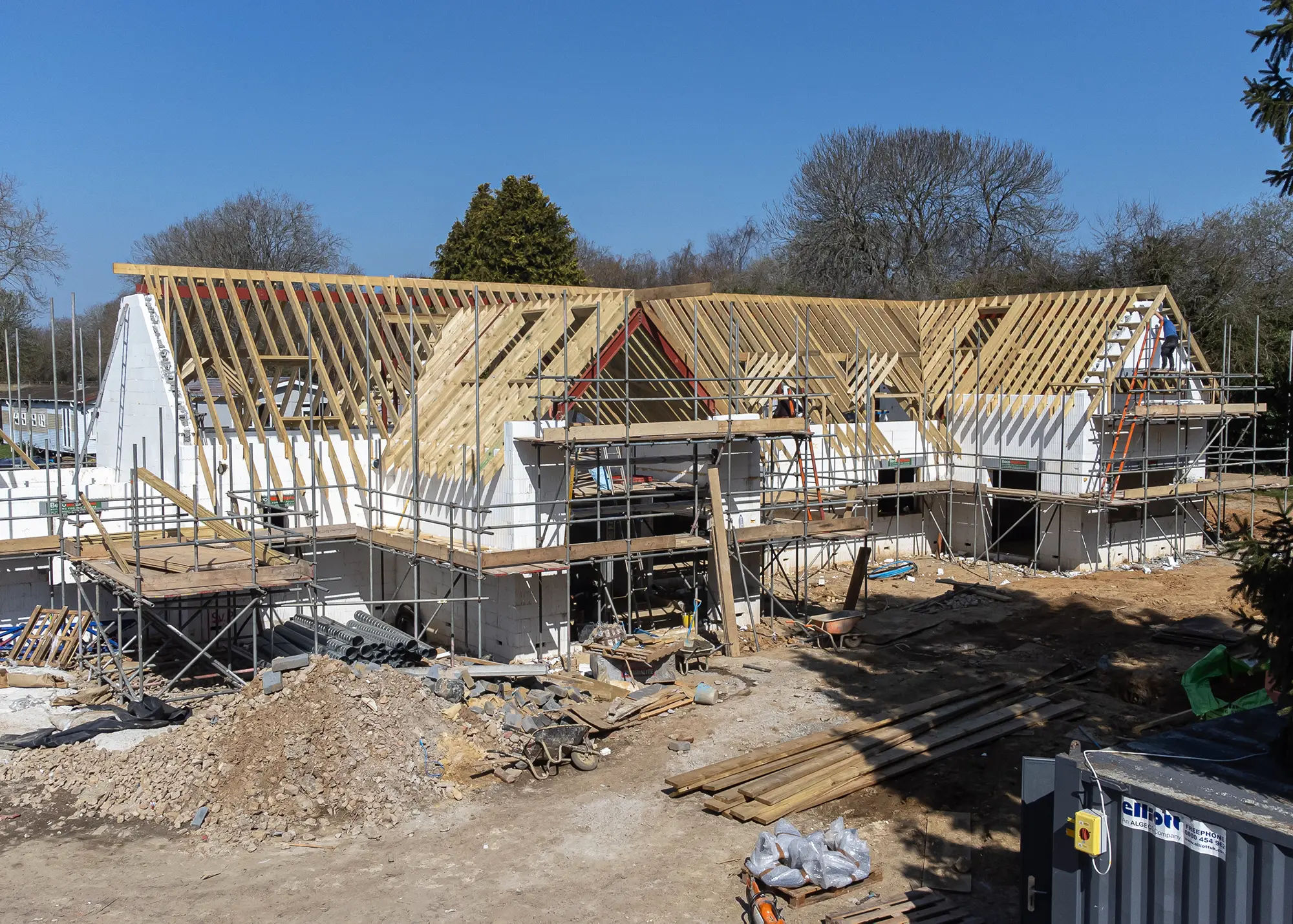
ICF Construction Guide – What is Insulated Concrete Formwork & is it Right for Your Self Build?
From design flexibility to energy efficiency and costs, we investigate the benefits of insulated concrete formwork (ICF) construction, and take a look at whether it could be the right fit for your bespoke home project


Insulated concrete formwork (ICF) is a modern method of construction, ideal for those looking to create a sustainable, energy-efficient and durable structure for their dream home. It was introduced to the market as a modern method of construction, and it continues to evolve to meet the latest regs and homeowner expectations. But what exactly is ICF construction, how does it work, and why should you consider it for your project? Here, we’re exploring its key benefits, what can be achieved with ICF and what to consider for a successful build.
Jump to
- The main benefits
- Design flexibility
- Construction details
- Assembling a build team
- ICF construction costs
- ICF FAQs
What is insulated concrete formwork (ICF) construction?
ICF is a unique construction method. It uses lightweight hollow blocks or panels, typically made of rigid foam insulation, which are stacked to form your walls, floors and other structures. Once assembled, steel reinforcement is added where necessary, and the forms are then filled with concrete – creating a super strong, airtight and highly insulated building envelope.
Thanks to the system’s innate strength, you can build external walls, retaining walls, foundations, basements, and more with ICF. “It’s highly versatile and can be used to build almost any type of structure,” says Anthony Quinn, managing director at ICF Southern. So, it’s a great whole-build solution for those looking to incorporate a basement into their house design, for instance, as well as for simply creating stylish, energy-efficient modern homes.
What are the main benefits of ICF construction?
One of the biggest advantages of building with ICF is its exceptional thermal performance. The continuous insulation and integral thermal mass of ICF means you should require less energy for heating and cooling, leading to long-term savings on energy bills and excellent comfort levels.
“There’s a great choice of insulation materials available to manufacture the formwork components,” says Robin Miller, managing director at Beco Wallform. “ICF can reach U-values as low as 0.10 W/m²K and the performance of some systems is already achieving the energy standards proposed for 2050.”
The Build It Education House features Nudura ICF walling, from ICF Supplies, for the basement and above-ground external walls. The shell of the 80m² basement, fully insulated and ready to fit-out internally, was completed for £78,800 (£985 per m²)
Because the concrete is cast on site, it’s possible to create a highly airtight, monolithic structure with ultra-low PSI values (a measure of heat loss along a metre of junction at a joint or cavity), minimising drafts and heat loss in your completed home. “Air permeability values of less than 1m³/hr/m² are achievable, delivering a consistently comfortable internal living environment,” says Elliot McKendrick, commercial director at ICF Bondmor.
It’s then a case of specifying efficient windows, doors and other products, and ensuring they’re correctly installed, for a high-performance home. “Excellent insulation and airtightness can be achieved without the need for additional tapes and barriers,” adds Richard Douglas, business development manager at BEWI.
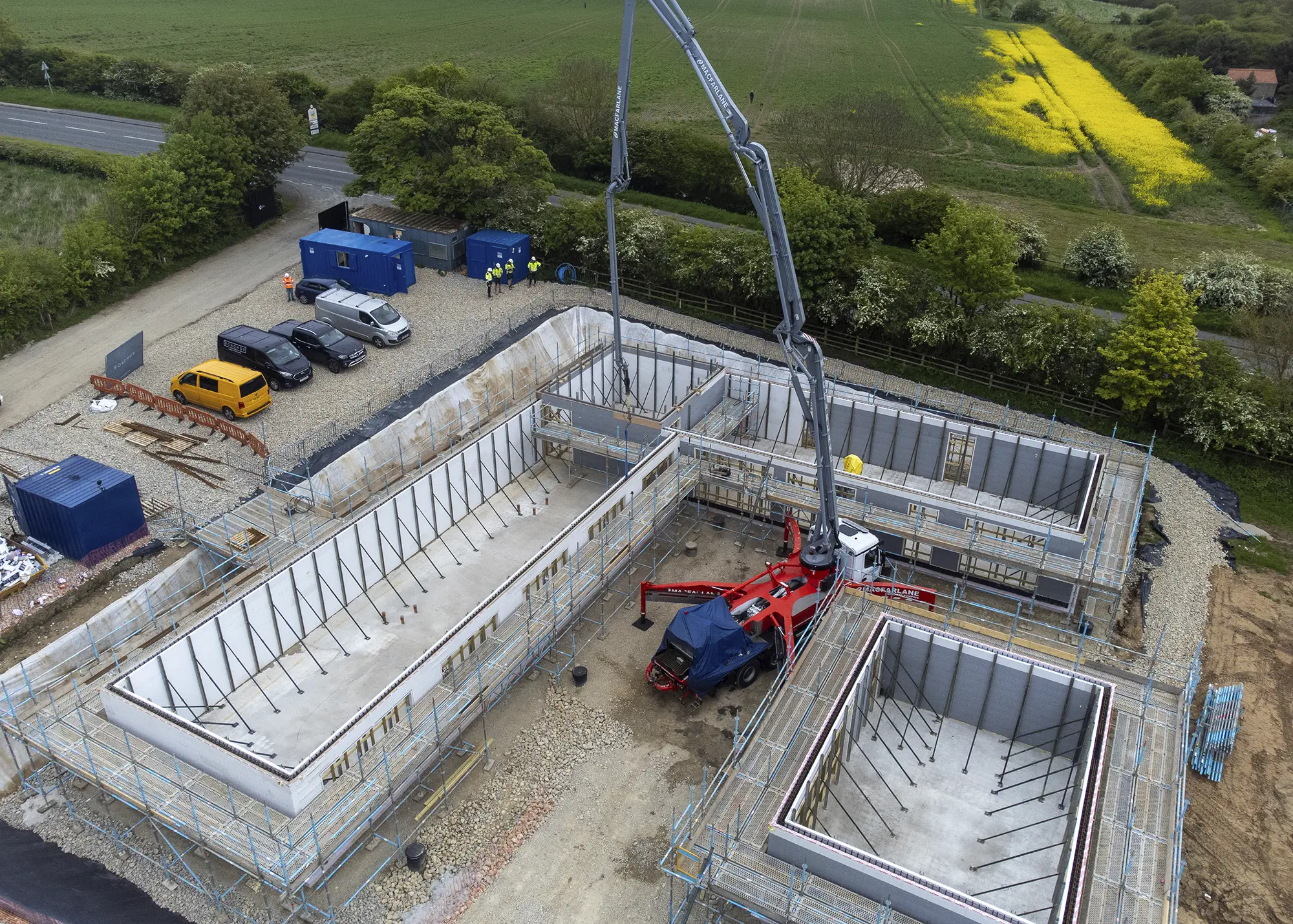
The construction of this home by ICF Bondmor used 484m² of ICF walling with a 412m² insulated raft foundation. The entire build took 60 days to complete, and the finished property has an impressive airtightness level of 0.26m³/hr/m²
The concrete core means ICF walls are ultra-strong, offering great durability and protection from extreme weather. “It provides outstanding safety, with fire ratings up to four hours,” says Lisa Trewin, owner and director at R-Wall Ltd. “Plus, the main structure is capable of withstanding winds of up to 250mph.” This makes ICF a popular choice for homes in exposed areas or those prone to natural hazards, such as earthquakes or flooding. The dense core also provides excellent soundproofing, making it well-suited to creating calm, enjoyable spaces.
Premium Content
Downloadable E-Guide
Where should you start when planning your home building project? Build It’s in-depth downloadable guide to self building a house contains everything you need to know to make your project a success.
Find out more
It enables the use of concrete floor structures to provide open-plan spaces with reduced internal noise transfer. “ICF is very low-maintenance,” says Richard. “Your structure won’t deteriorate over time from wear and tear.” This means you can create a longlasting, futureproof home with little upkeep, except to your exterior finish.
What’s more, ICF is a relatively straightforward system, offering an efficient build programme. “Speed of construction is another great benefit,” says Chris Oram, technical sales at ICF Supplies. “It’s possible to keep building work moving in the rain, so your project won’t necessarily be held up by bad weather.”
How much does design flexibility does ICF offer?
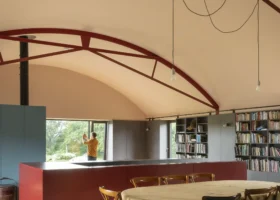
ICF offers the flexibility to achieve a range of architectural styles and finishes. “If you can imagine it, you can build it with ICF,” says Chris. The system’s innate strength means you can incorporate wow-factor design features, from curved walls and arches to large cantilevers, big spans of glazing and expansive open-plan living spaces.
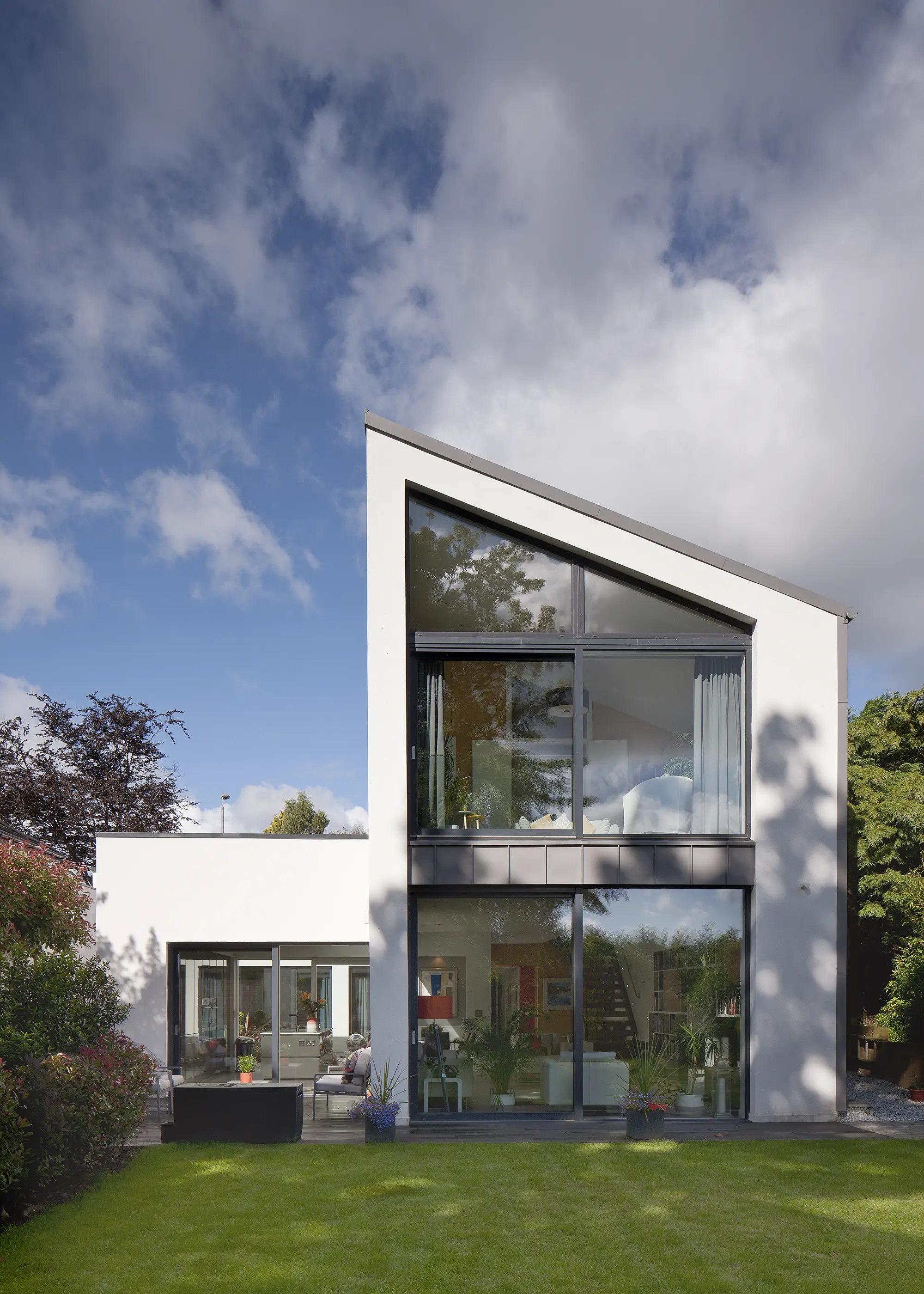
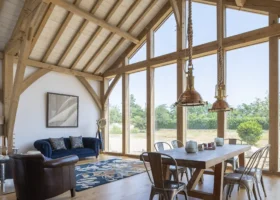
Build It readers Ray and Ruth Davis engaged ICF builders Econekt for their part-subterranean home. ICF allowed ample glazing in the project’s design. The apex gable on the rear elevation has two sets of sliding doors installed above one another across two storeys, creating the feel of a fully glazed facade
“ICF blocks are engineered with regular mechanical fixing points which allow for the direct application of cladding or masonry ties,” says Elliot. So, whether you’re looking to create a heritage-style facade or an ultra-modern design, ICF supports a range of cladding materials, such as brick, timber and render. “It’s possible to create a highly customised look while keeping the energy-efficient core intact,” adds Anthony.
Considering different build systems?Once you have a plot, the next key decision is which build route is best for your project. Timber frame, ICF, brick, masonry, hemp, SIPs, CLT or steel frame? All have their benefits and downsides. At Build It Live you can speak to experts who specialise in building with these different systems and who can help you choose the best choice for you. Explore all the options, all in one place – only at Build It Live. Build It Live takes place three times a year in Kent, Malvern and Exeter. The next show will be on 26th and 27th February 2027 in Maidstone, Kent. Claim a pair of free tickets today and start planning your visit. |
What does an ICF self build schedule look like?
As with any system, building with ICF requires thoughtful planning and a coordinated approach. Here are some critical aspects to consider for an ICF project:
Site preparation & structural engineering
It’s essential to prepare your site effectively and ensure your design is tailored to support the concrete pours. “Your concrete will arrive in large wagons and be injected with boom pumps, which also require a lot of space,” says Elliot. The ground conditions on your site need to be assessed to ensure they can support the weight of the necessary equipment. “Working with engineers who understand ICF is crucial,” says Anthony. This will help to optimise the building’s structural performance and ensure your project runs smoothly from start to finish.
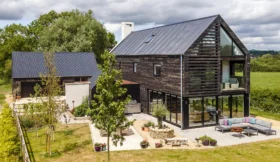
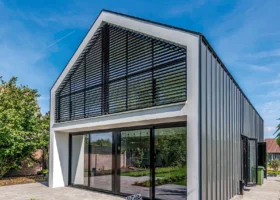
This stunning ICF home was designed by Connected Architecture using the Beco Wallform ICF system. The project was shortlisted in the Best Architect or Designer for a Self Build category at the 2025 Build It Awards
Construction sequencing
The timing of your concrete pours needs to be carefully planned and incorporated into your overall construction timeline. Map out each stage, so you know everything is in place and you can ensure an efficient build programme. “It’s vital to avoid any alterations once your project has started,” says Robin. As with most systems, changes to your design may not be possible after your plans have been finalised and works started. Cutting concrete requires specialist equipment, so alterations are likely to lead to substantial added costs.

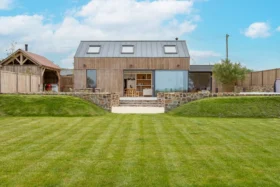
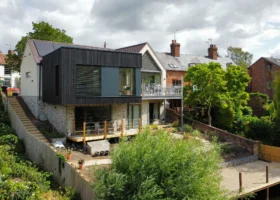
Homeowners Derrick and Gail found the perfect self build opportunity at the top of their garden – a sloping plot that offered spectacular views of the Cotswolds. Supplied by Sandalcroft Construction, and awarded Best ICF Home, this ICF home embraces the site perfectly
Incorporating services
Plumbing and electrics need to be considered early on in the design and build process, as these systems are integrated into your ICF walls. Detailed planning will ensure these elements are incorporated smoothly and successfully into your structure. “Because it’s a dense material, ensure penetrations for your services are placed through the ICF prior to pour,” says Lisa. This will be more convenient on site and contribute to great levels of airtightness.
Wall thickness
ICF walls are generally thicker than many alternative methods of construction. However, finishes such as modern render can be direct-applied, saving time and helping to minimise wall depth. Internally, most self builders will switch to blockwork and stud walls rather than ICF to maximise the floorplan.
Why is it important to assemble the right team when building a house with ICF?
Work with architects, engineers and builders who have experience with ICF to maximise your chances of a smooth and successful project that delivers on your specifications. “Collaboration between the principal design team and specialist contractors and consultants is always the best practice,” says Elliot. “This allows for value engineering of your scheme to find the most cost-effective solution.” As ICF is becoming more well-known, the number of skilled builders trained in this method of construction is increasing. “Systems are moving beyond the traditional Lego-style construction,” says Lisa. “Modern ICF offers adaptable build systems that combine all the benefits of ICF with the flexibility of conventional construction.”
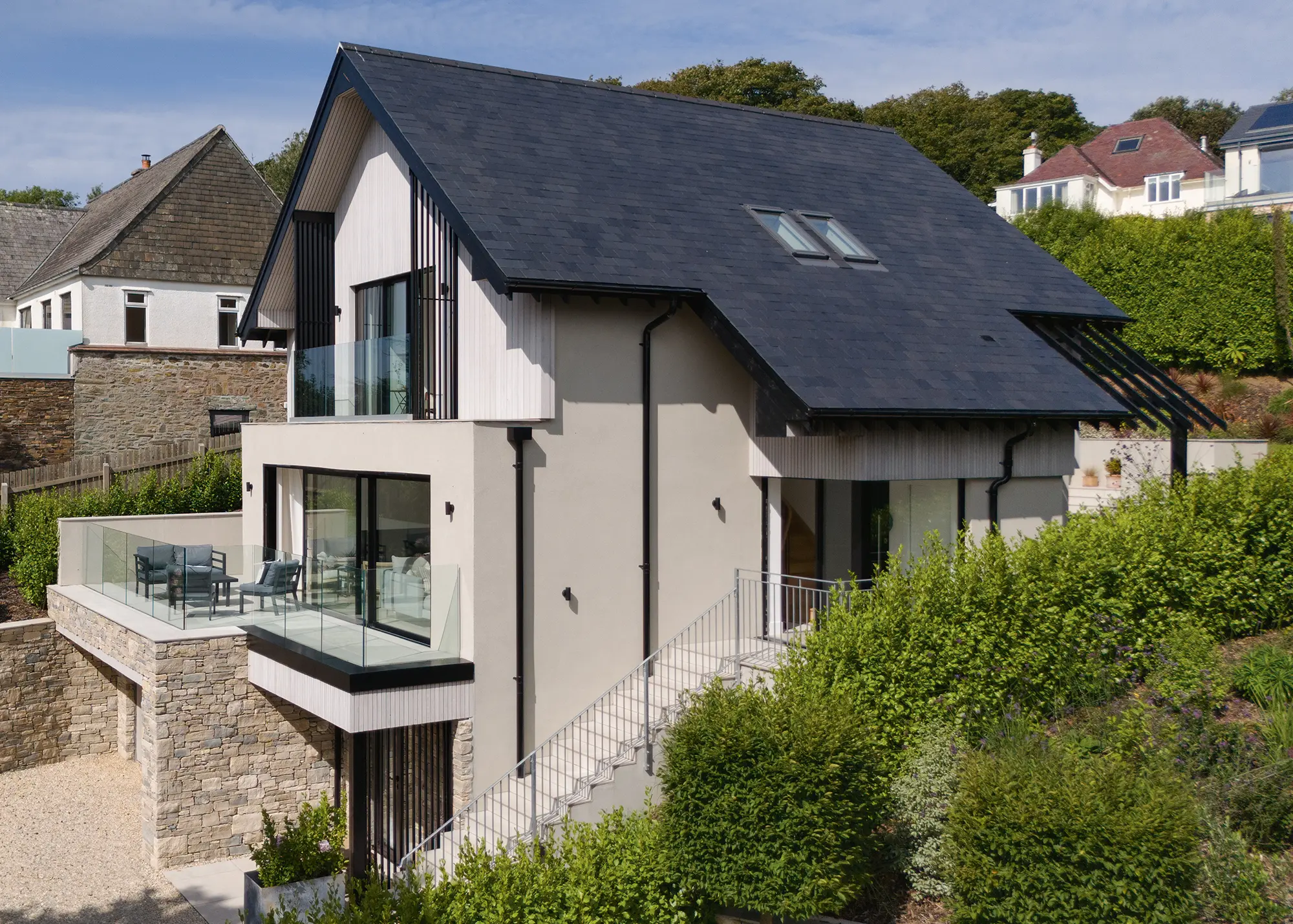
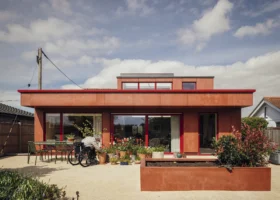
Built by Lilburn & Elliott construction and created using a Nudura ICF superstructure, this four-bedroom home is situated in the coastal town of Salcombe, Devon. The expansive openings were made possible with the use of a steel framed structure that was bolted to the ICF walls.
That said, if you want to get more hands-on with your project, ICF could be a good choice. “With a head for detail and basic DIY skills, carrying out the build yourself is very achievable,” says Chris. There are limits, however; basement projects should always be carried out by a professional, for instance, due to their added complexity. “If you’re considering a hands-on build, it’s important that your chosen supplier provides you with good training and a technical support programme,” says Robin.
Whatever your level of involvement in the build itself, it’s vital to discuss your design with a trusted supplier early on to make sure the system will meet your unique requirements and project goals. Where possible, speak to people who live in or have built their own ICF homes and visit a live site to understand the benefits first hand. “Get as much independent feedback as you can, so that the supplier and design you specify is best suited to your site and preferences,” says Chris.
CASE STUDY ICF countryside self build
When engineer Andrew Brash and his wife were looking to build their forever home in the Suffolk village that they love, he was drawn to an insulating concrete formwork (ICF) construction. It was the thermal performance and simplicity that particularly appealed to him. He also liked the durability of ICF.

“We wanted something that was going to be around for a long time,” says Andrew. The new 330m² self build house was completed in 14 months and built using BEWI’s Thermomur 350 Super. This system enables U-values of 0.15 W/m²K, along with the inherent thermal mass and airtightness ICF provides. “When combined with triple glazing, mechanical ventilation with heat recovery, solar panels and a heat pump, we estimate that our total energy costs each year for everything on this large house will be less than £200,” says Andrew.
How much does it cost to build a house with ICF?
Building with ICF generally comes with a higher upfront cost than some alternative build systems. “Generally speaking, we’ve seen that ICF can cost approximately 10% more than other standard construction methods for one-off builds,” says Elliot.
However, this is typically offset by long-term savings on ongoing costs such as energy bills, ease of maintenance, and the excellent longevity of your completed home. “Self builders can expect to pay between £150-£190 per m² of wall for installation, labour, hire of props, rebar, concrete supply and placement,” says Anthony. “This is for above ground structures, depending on the complexity of the project, location and material specifications.”

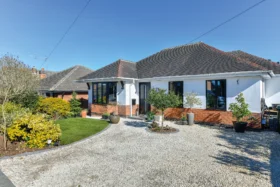
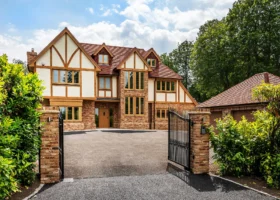
Jim and Lesley Driver replaced a poorly insulated coastal bungalow with a highly efficient ICF home, true to the area’s Bauhaus roots. Designed by LA Hally Architect and built using a highly-efficient system from ICF Homes, the 250m² project cost a total of £857,000. Photo: Simon Maxwell
“As building standards move progressively towards Passivhaus or equivalent levels of performance, ICF will become increasingly cost-effective as much of the requirements for reaching these values is already built into the system,” says Robin. The energy efficiency, comfort, flexibility and durability that come with an ICF home make it a wise long-term investment.
ICF FAQs
How are window openings formed when building with ICF?
How is the roof of an ICF home constructed?
ICF is a walling-only system. Most self builders will go for conventional Fink or attic trusses for the roof. You can switch to options such as SIPs (structural insulated panels) up top if you wish, but double-checking your engineer can deal with both elements first; otherwise you could be adding complication.
How are internal walls of an ICF Build constructed?
You can use ICF, and it may make sense to for load-bearing internal walls or where you need great sound performance. But the downside is they will be pretty thick – hence to maximise floor space, many people switch to standard blockwork for load-bearing internal structures, and timber studs for partitions.
Is ICF good at soundproofing?
Noise pollution is an issue that affects the majority of homeowners, and achieving the right level of sound insulation is important when creating a comfortable forever home free from disturbances – whether that’s traffic or planes overhead. In an ICF structure, any noise is absorbed by structure’s insulation and then by the concrete, resulting in superb levels of soundproofing exceeding STC ratings of 50 + decibels. When comparing ICF to a timber frame structure, for example, this means you have around a third less sound penetrating the home.
Erika Chaffey
Emily Batesmith
Previous Article


How to Navigate Building Control & Get Your Project Signed Off
You may be interested in



Our sponsors




Comments are closed.