Our Hand-Picked Selection of 8 Amazing Timber Frame Extension Ideas
From traditional additions to contemporary designs, Scarlett Deamer looks at eight real-life timber frame extensions to spark your creativity, and speaks to the experts about how to design and build an addition that enhances your lifestyle
Scarlett Deamer
Extending your home is one of the best ways to boost its flow and functionality, add useful space for the whole family, and potentially increase its value. You have a few different structural options, however, when deciding on a build route for your project. Most straightforward home extensions will be constructed using conventional brick and block, but other systems, such as timber frame can offer an extremely high-performance structure with quick build times and enhanced design flexibility.
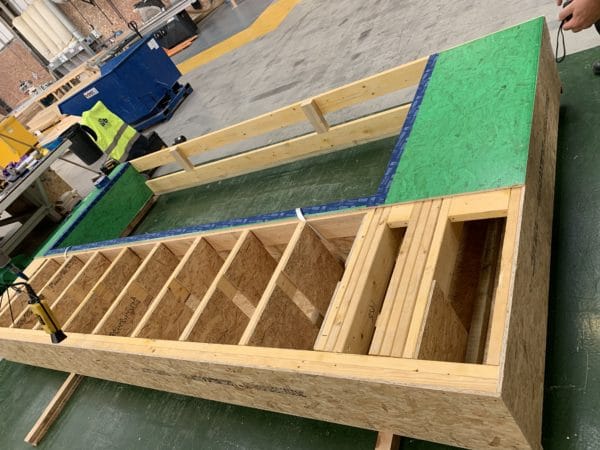
Timber frame extensions can be constructed using either a stick-built structure, or a prefabricated package – both of which offer great performance benefits and design potential. The former is best suited to smaller, more straightforward projects without much structural complexity, and for those that are working with a smaller budget. Prefabricated structures are manufactured offsite in controlled factory conditions, ensuring a high-quality frame, often with pre-installed insulation for enhanced energy efficiency.
So, is timber frame the right structural system for your house extension project? Here I’m highlighting a selection of great project ideas to demonstrate what’s possible when choosing this build route.
Semi-detached home upgraded with a rear timber extension
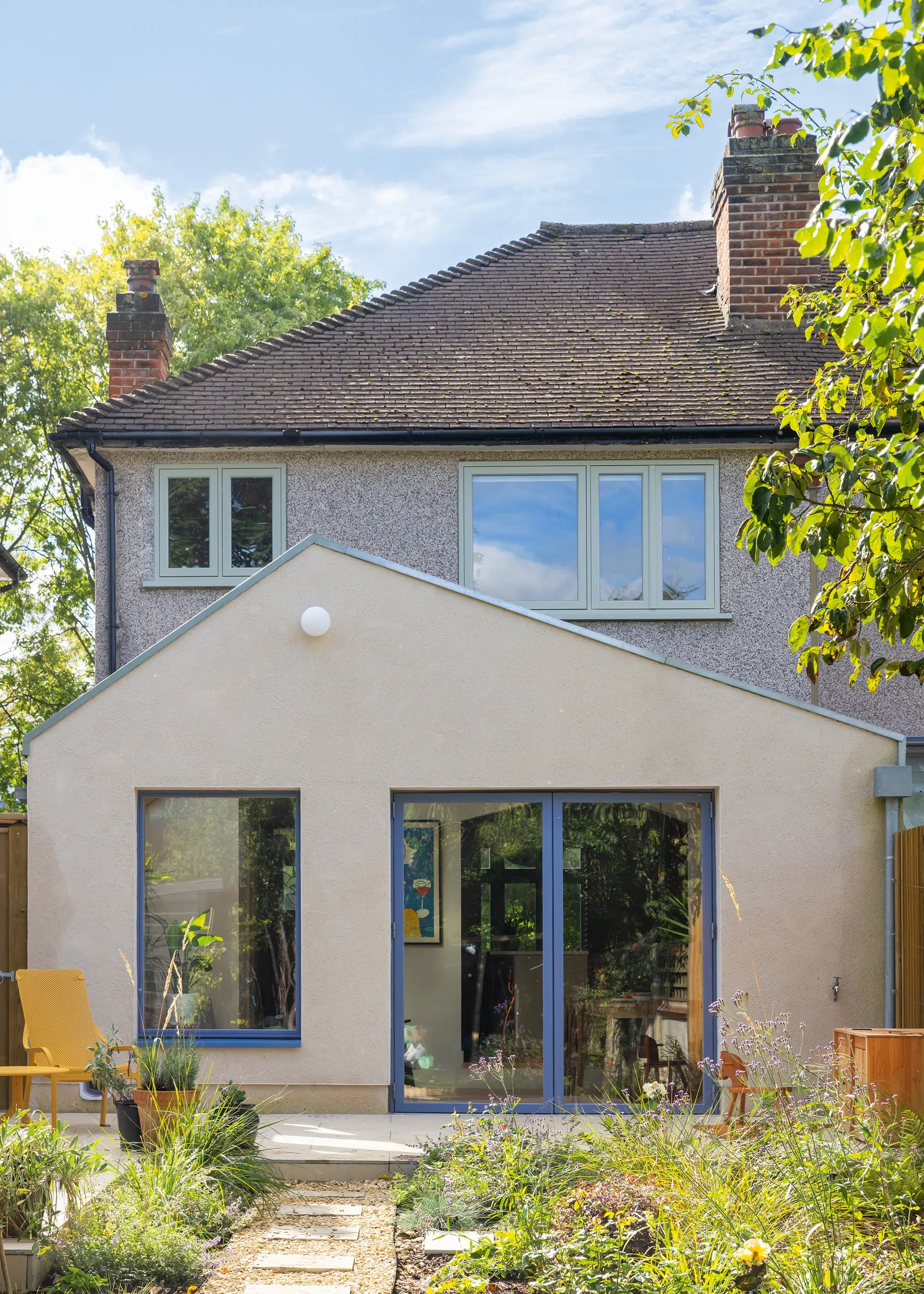
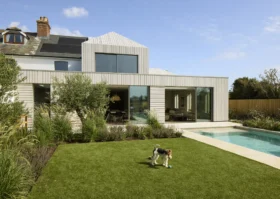
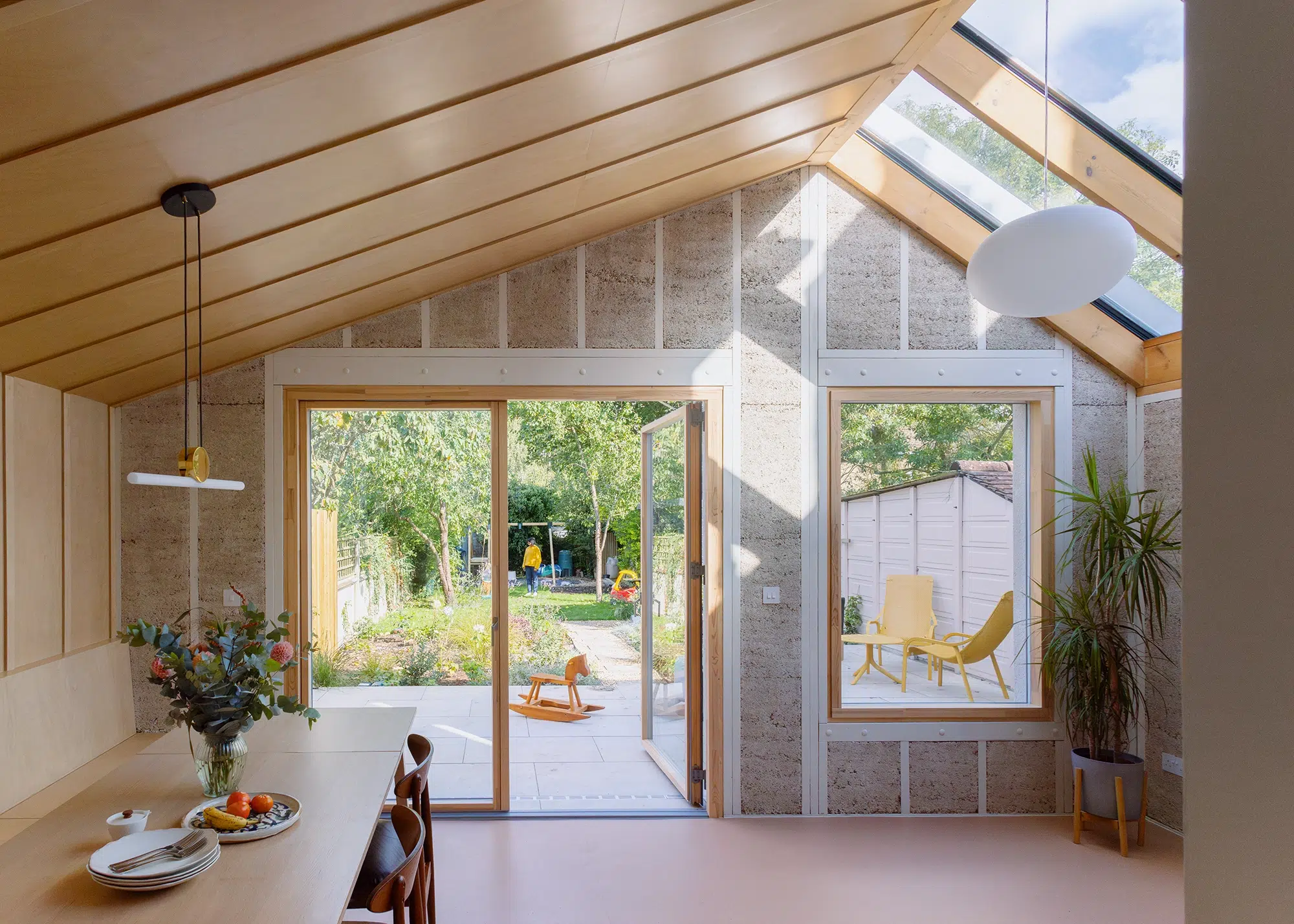
Hemp House by Nimtim Architects adds a simple, characterful rear extension to a 1930s semi-detached home, borrowing the pitched roof form of the original property while introducing a low-carbon, regenerative palette of timber and hempcrete.
Photo: Megan Taylor
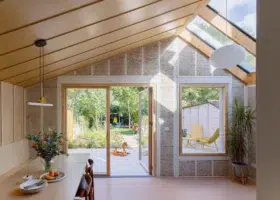
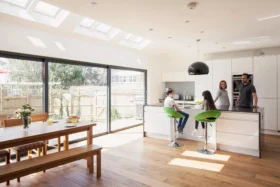
Combining onsite made and prefabricated hemp blocks reduced time and improved performance. The extension creates a flexible, airy space for dining and everyday family life, with exposed hempcrete providing a tactile finish.
Photo: Megan Taylor
Generous rooflights enhancing the natural light levels and provide ever-changing sky views. Externally, a delicate natural render and contrasting cornflower-blue window frames complement the the main house’s rough-cast facade.
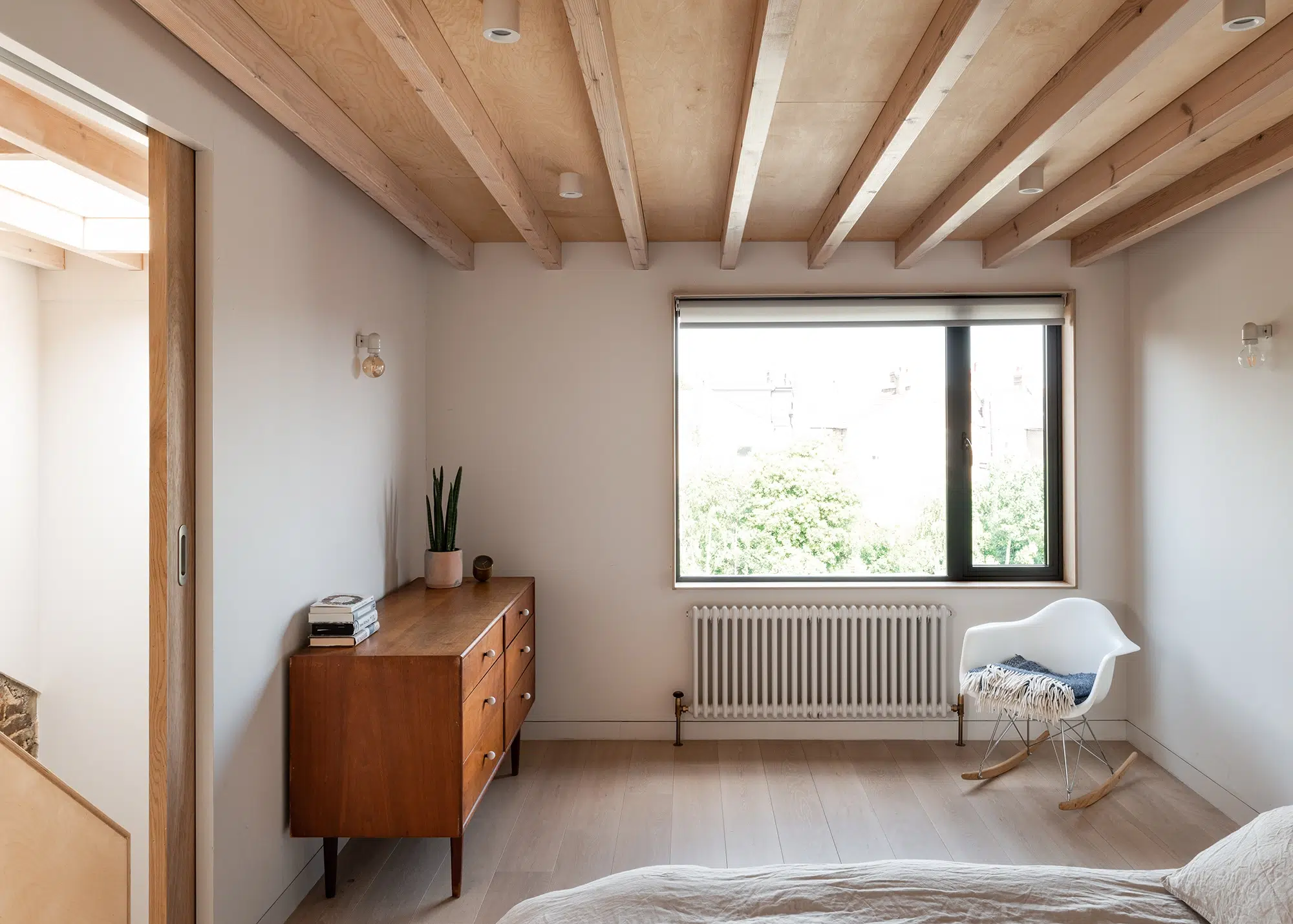
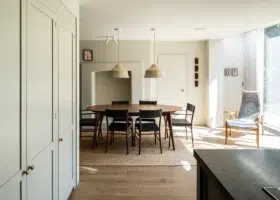
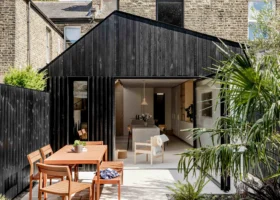
End-of-terrace home extension created with a Douglas fir timber structure
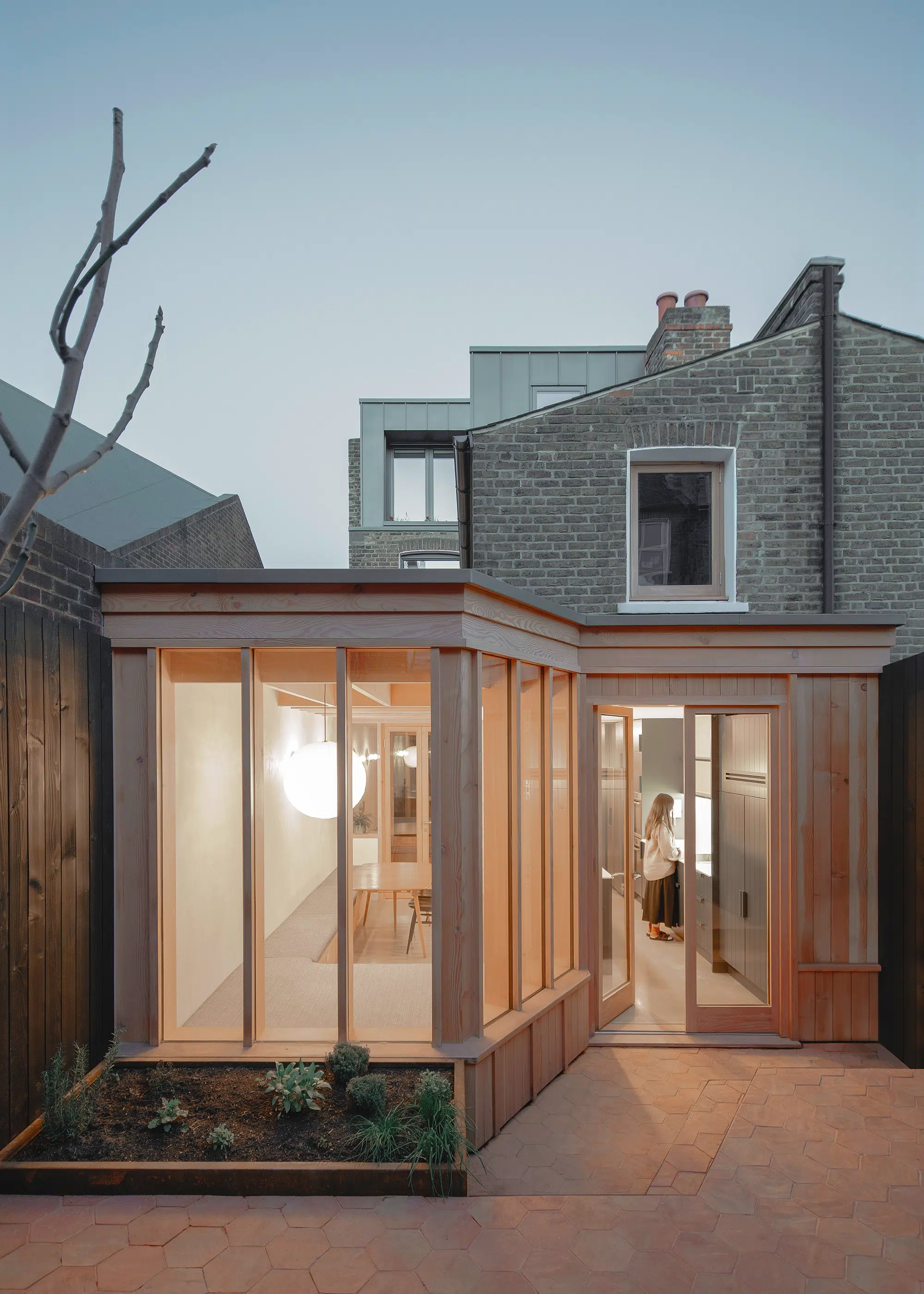
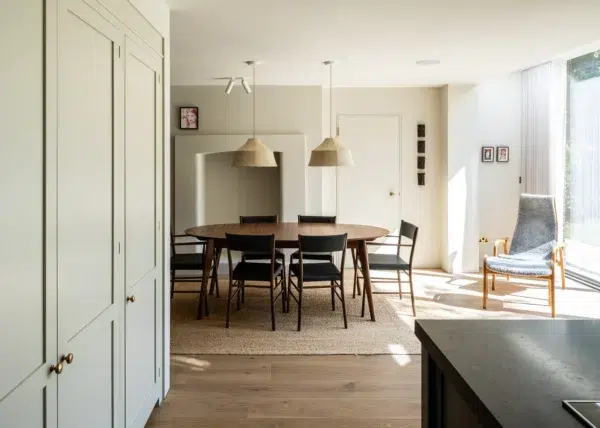
This traditional end-of-terrace house in Peckham has been transformed by Emil Eve Architects through a carefully crafted Douglas fir timber frame extension that brings warmth and connectivity to the home.
Photo: Nick Dearden
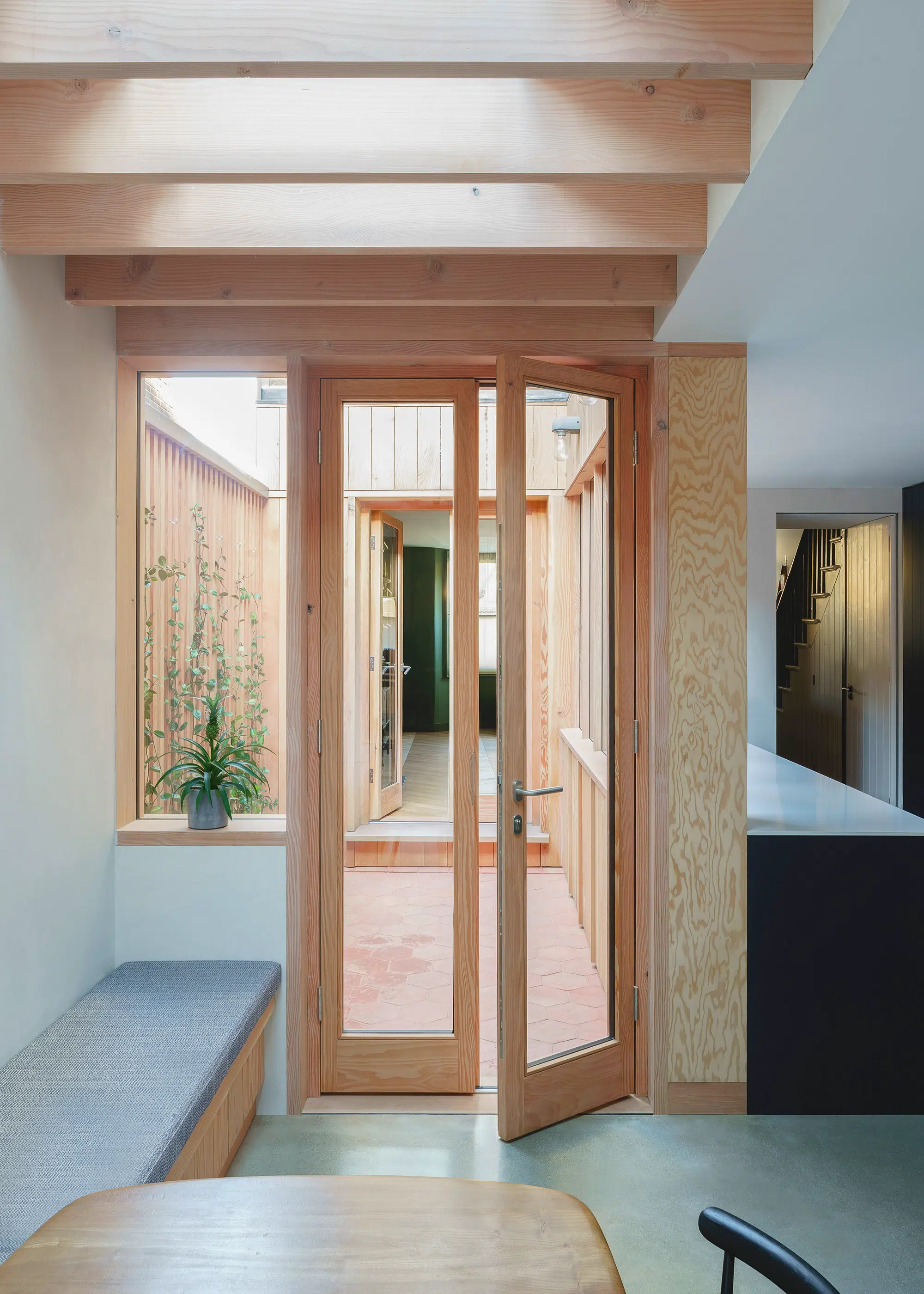
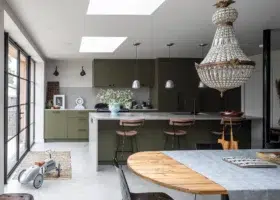
The design uses the exposed timber structure to define the new kitchen and dining space, where deep-framed windows and tall glazed doors slot neatly into the structure to draw in light and open views to the walled garden. A small inset courtyard separates the extension from the piano room.
Photo: Nick Dearden
Inside, bespoke Douglas fir joinery – including a cosy window seat – creates a neutral palette. Sustainability guided each decision, with low-carbon materials and breathable construction shaping this modern addition to the Victorian house.
Premium Content
Downloadable E-Guide
Build It’s house extension downloadable e-guide will help you plan, design and construct an addition that enhances your existing property while meeting your needs and budget.
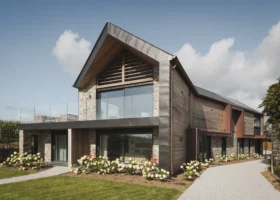
Metal-clad extension designed to maximise the surrounding views
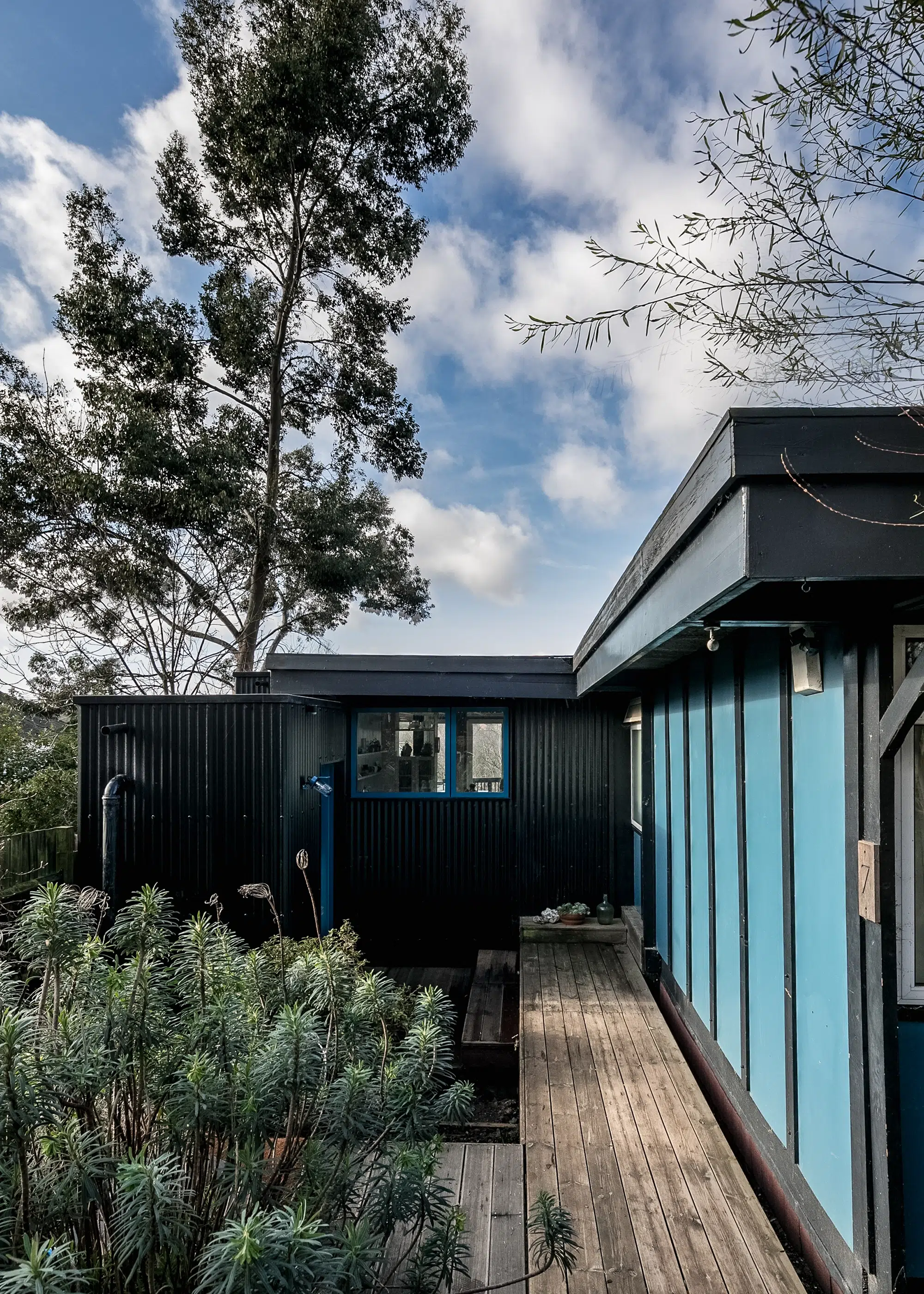
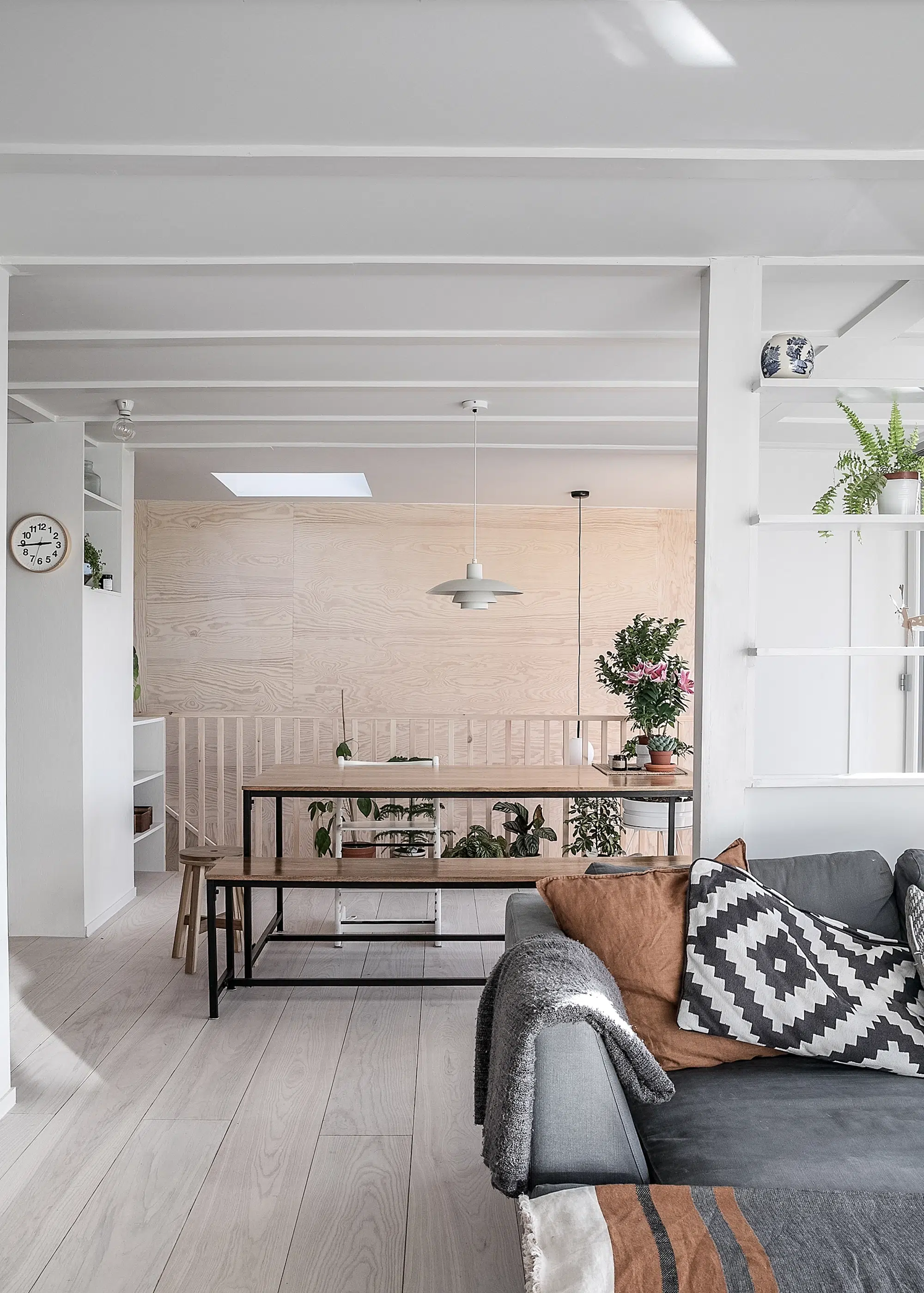
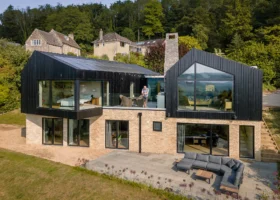
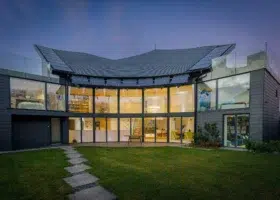
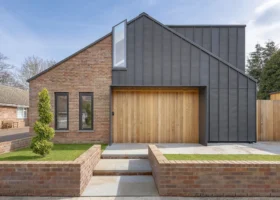
This extension to a self build home in South East London, designed by Fraher, responds to the stepped terrain and maximises views across the landscape. The wedge-shaped addition relocates the entrance and enhances the original modular plan.
Photo: Taran Wilkhu
Inspired by the Segal Method, which promoted a hands-on approach to creating a bespoke home, the extension embraces practical construction and readily available materials. The exterior combines black metal cladding with inverted panels and electric blue window frames, forming a rain screen that protects the timber structure beneath.
Photo: Taran Wilkhu
A wildflower roof provides insulation and supports biodiversity, while inside, a compact staircase links a studio, den, storage area and reading space, efficiently using the limited footprint.
Mark Stevenson has worked as a construction professional for over 35 years and is a serial self builder. He runs project management consultancy Elsworth Projects and, as chair of NaCSBA, advocates for the interests of self builders and contributes to the success of the emerging custom build industry.
Stick-built timber extensions
Stick builds are a common and entirely appropriate solution for smaller projects. Many extensions are modest single-room additions where site access can be limited and/or the existing house may not be perfectly square. Therefore, adapting to the quirks of the site becomes essential. Local joiners are typically well equipped to create a stick build frame that fits the existing structure without the logistical demands of craning in large factory panels.
The cost is also attractive. For straightforward extensions, stick build systems tends to be comparable to brick and block, as you are avoiding the factory overheads that can make panelised systems more expensive.
Regulation compliance is often simpler, on extensions than with new builds, which helps. U-value targets are more straightforward – commonly 0.18 – without the need for the detailed psi-value calculations associated with larger, more complex projects. Structural engineering is still required, of course.
Prefabricated timber extensions
Factory-manufactured panels bring the benefits of precision, predictable performance and a fully engineered system. They can be a strong choice on larger or more sensitive extensions, especially where airtightness or programme certainty are key priorities. Costs, however, reflect the nature of the product. Around 30-40% of a typical supply-and-erect package goes to the erection team, plus manufacturers may add margin on that labour. Some only supply through contractors, which can offer access to factory-assured panels while allowing the labour to be sourced locally. However, this option would only suit a more experienced self builder who knows of an STA assured erector to ensure quality.
Ultimately, both methods have a legitimate place in extension projects. Stick build offers affordability and adaptability while factory panels offer precision and systemised assurance. The best choice depends on the project scale, access and your budget.
Spectacular rear timber-clad addition & loft conversion constructed with CLT
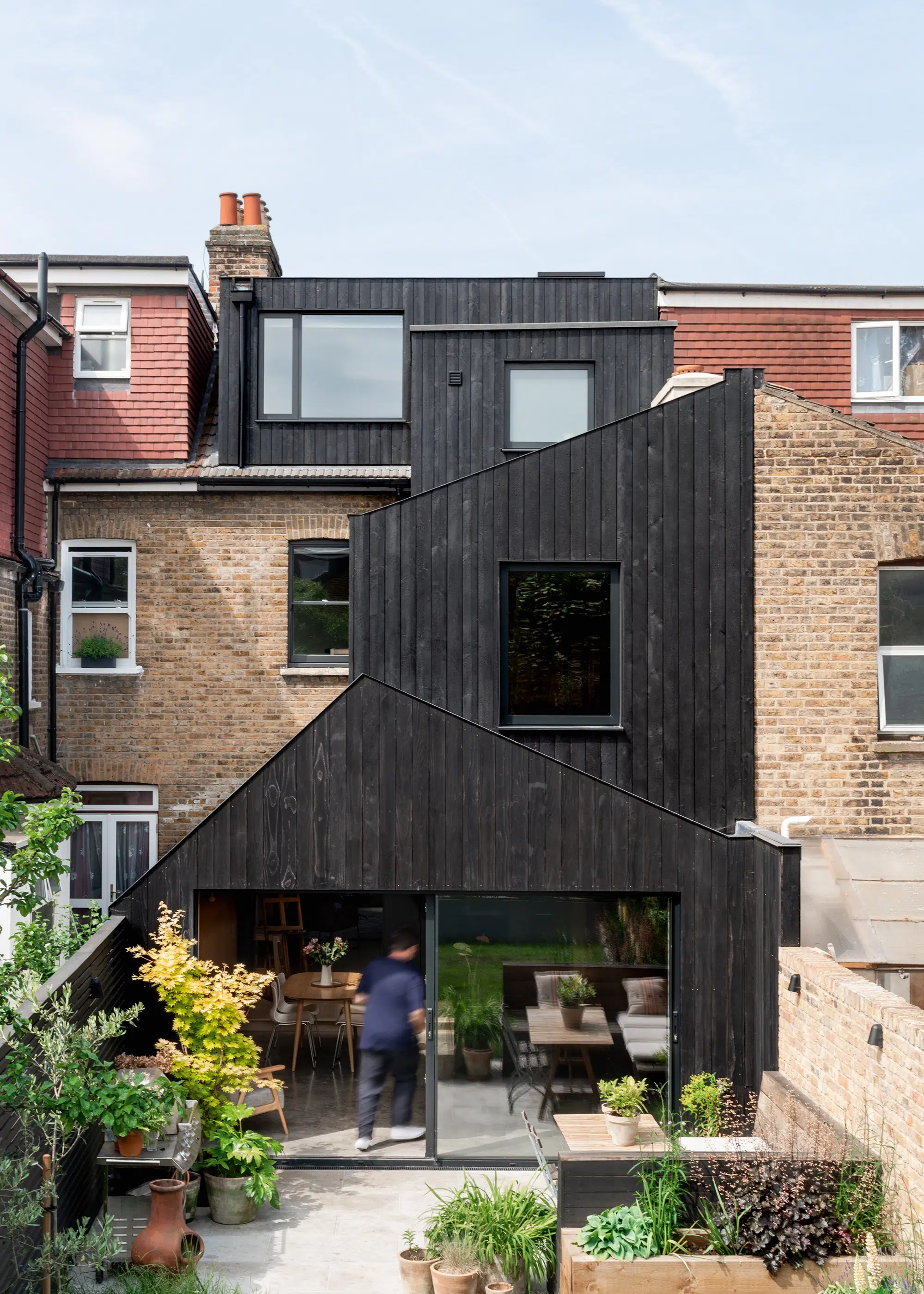
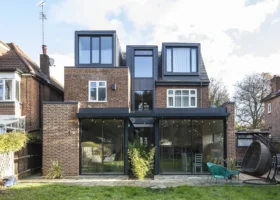
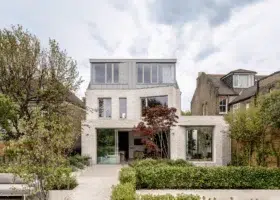
Gresford Architects reimagined this four-bedroom, Victorian mid-terraced house in East London with a series of side, rear and loft extensions.
Photo: French + Tye
The design utilises the flexibility and strength of cross-laminated timber (CLT) to create double-height spaces and a dynamic side extension with multiple roof pitches.
Photo: French + Tye
The lightweight, offsite-manufactured CLT panels enabled rapid assembly, slashing construction time, and reduced foundation requirements. A new garden room echoes the extension’s form and materials, providing additional space.
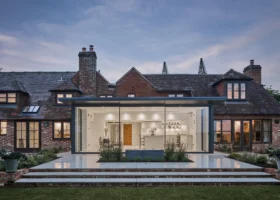
Detached Victorian home transformed with a glazed extension
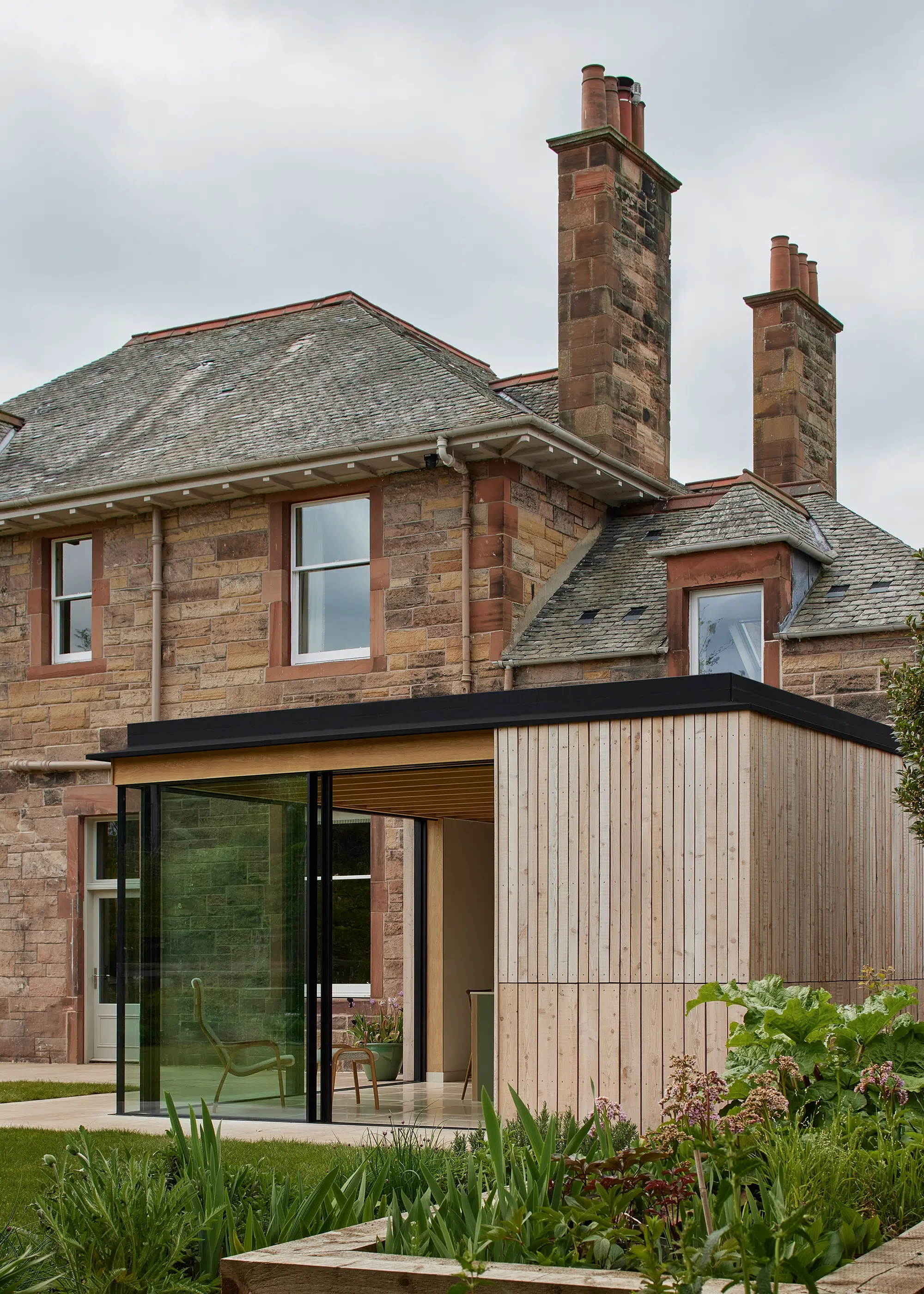
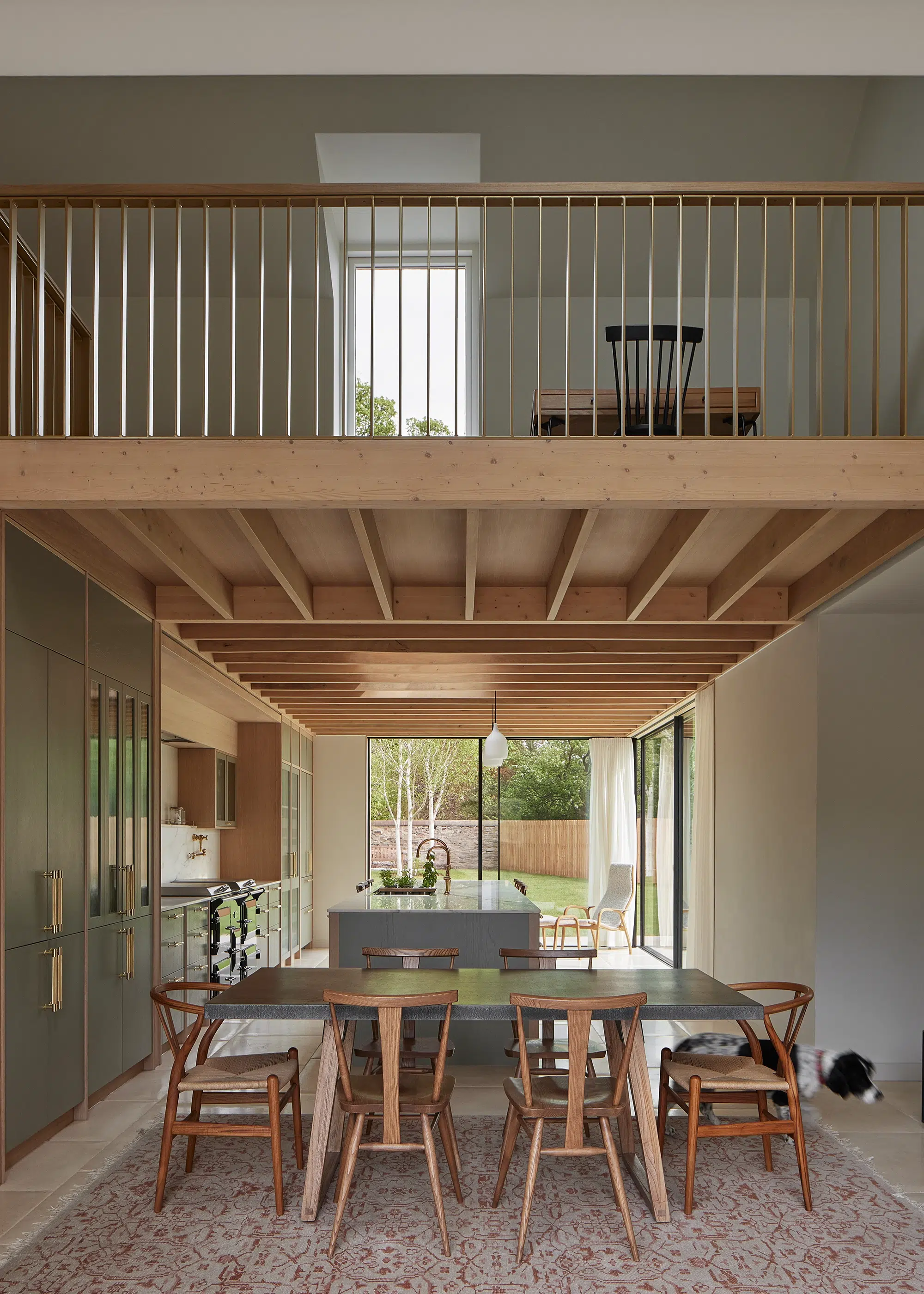
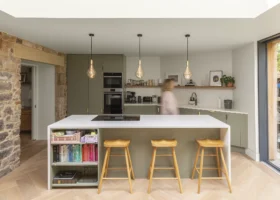
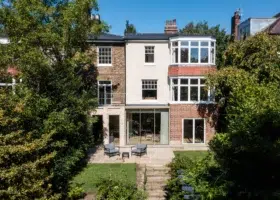
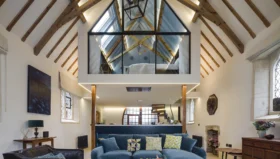
Konishi Gaffney Architects transformed this detached Victorian villa in Morningside, Edinburgh, into a light-filled, family-focused home. The project converted the former maid’s quarters into a double-height kitchen, dining and living space, with a mezzanine study above and extended eastwards to accommodate a generous kitchen.
Photo: Nanne Springer
Frameless glazing connects seamlessly to the landscaped garden to the rear. The new spaces are defined by a carefully detailed timber frame with a whitewashed oak roof structure introducing warmth and structural elegance.
Photo: Nanne Springer
Natural, sustainable materials, including wood fibre insulation, lime plaster, structural timber and limestone flooring were used for the interiors. The house was fully rearranged internally, adding a boot room, utility and ensuite, while improving the circulation throughout.
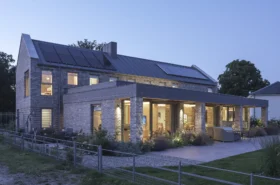
Standout single-storey extension containing a master ensuite
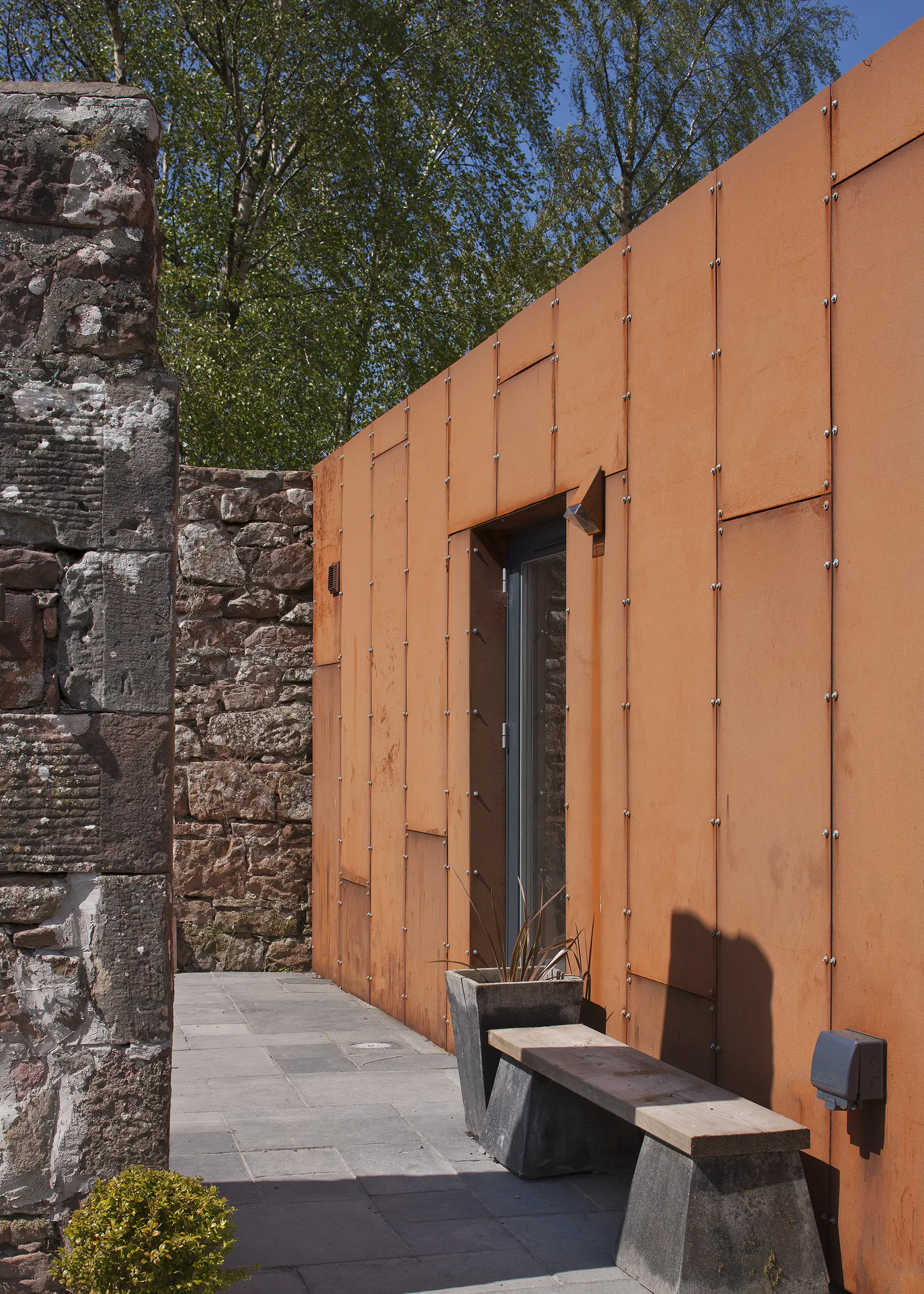
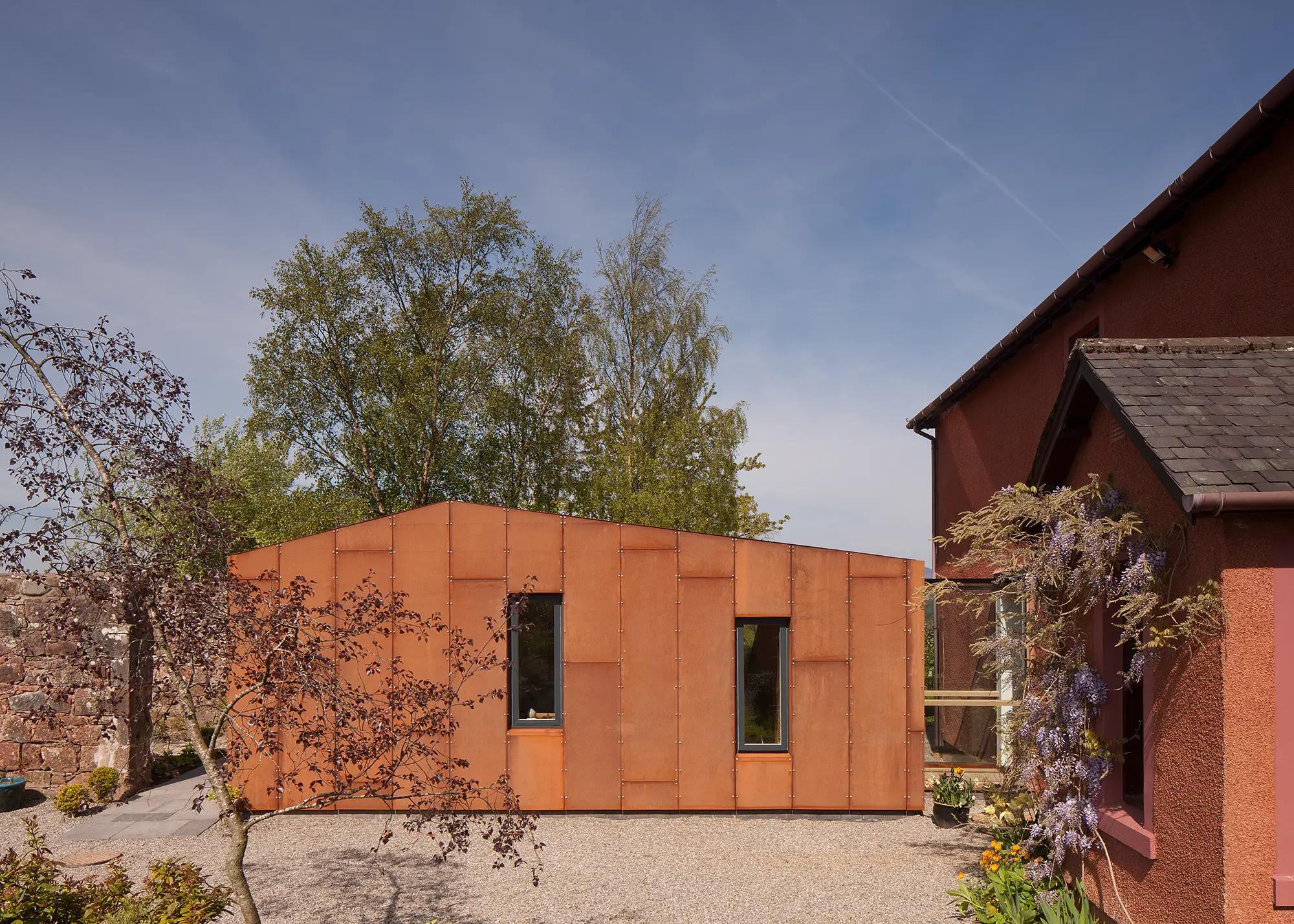
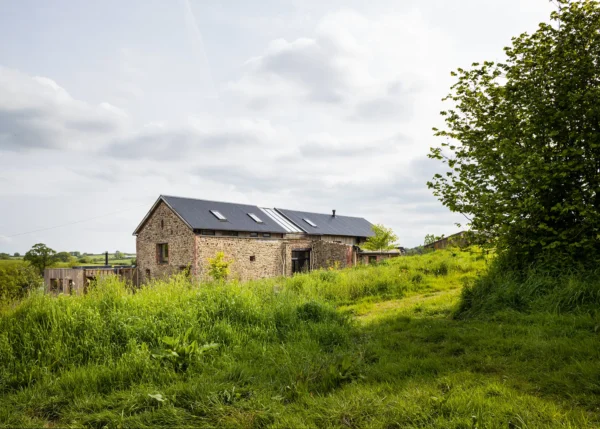
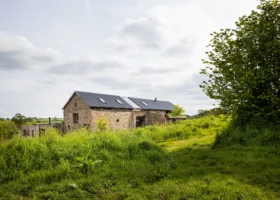
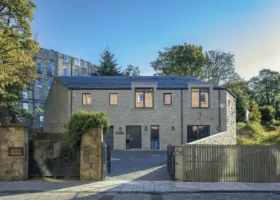
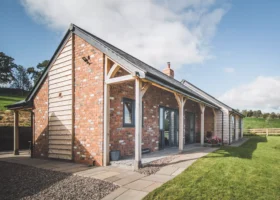
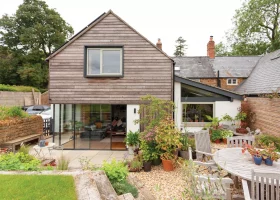
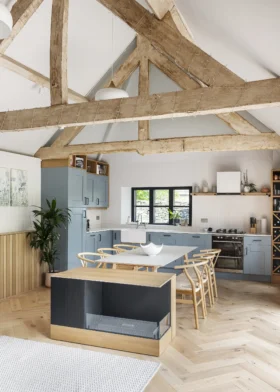
Seeking an accessible, contemporary addition to their home – one that could deliver a new master ensuite bedroom on the living level – the owners of this sandstone barn enlisted Paper Igloo architects to create their vision.
Photo: David Barbour
The original home’s split level layout had grown increasingly difficult to navigate, prompting the need for a space that offered comfort and ease of movement without compromising on design.
Photo: David Barbour
The extension embraces a warm, tactile palette. Bare plaster walls and timber detailing create a calm, natural interior that work in harmony with the building’s bio-based insulation and timber frame construction. Externally, the corten-clad sculptural form provides a bold counterpoint to the original barn. Its stunning silhouette makes a confident architectural statement, while its weathered tones and textured surface allows it to sit comfortably alongside the existing structure.
Victorian terrace home with a small-but-mighty timber addition
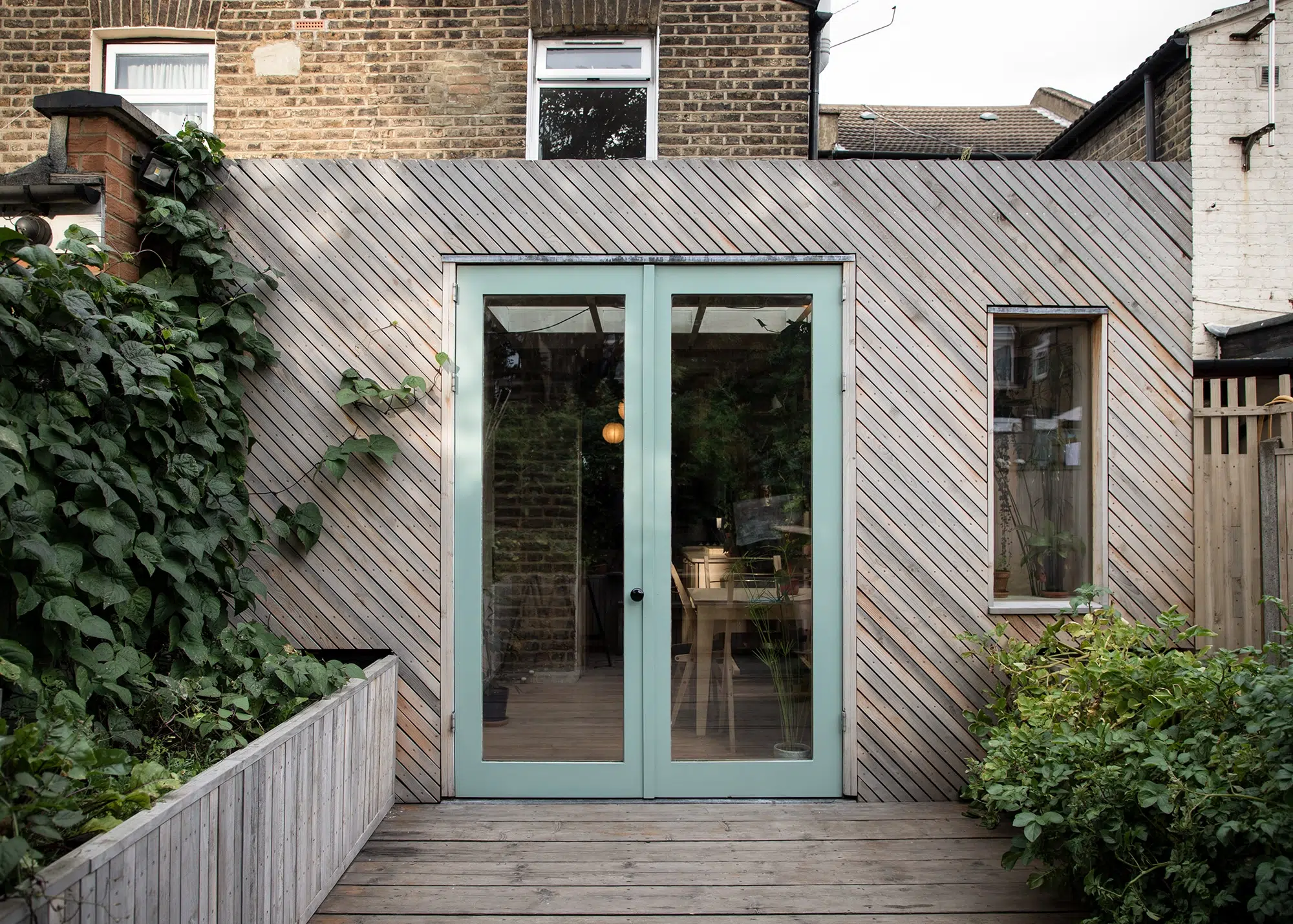
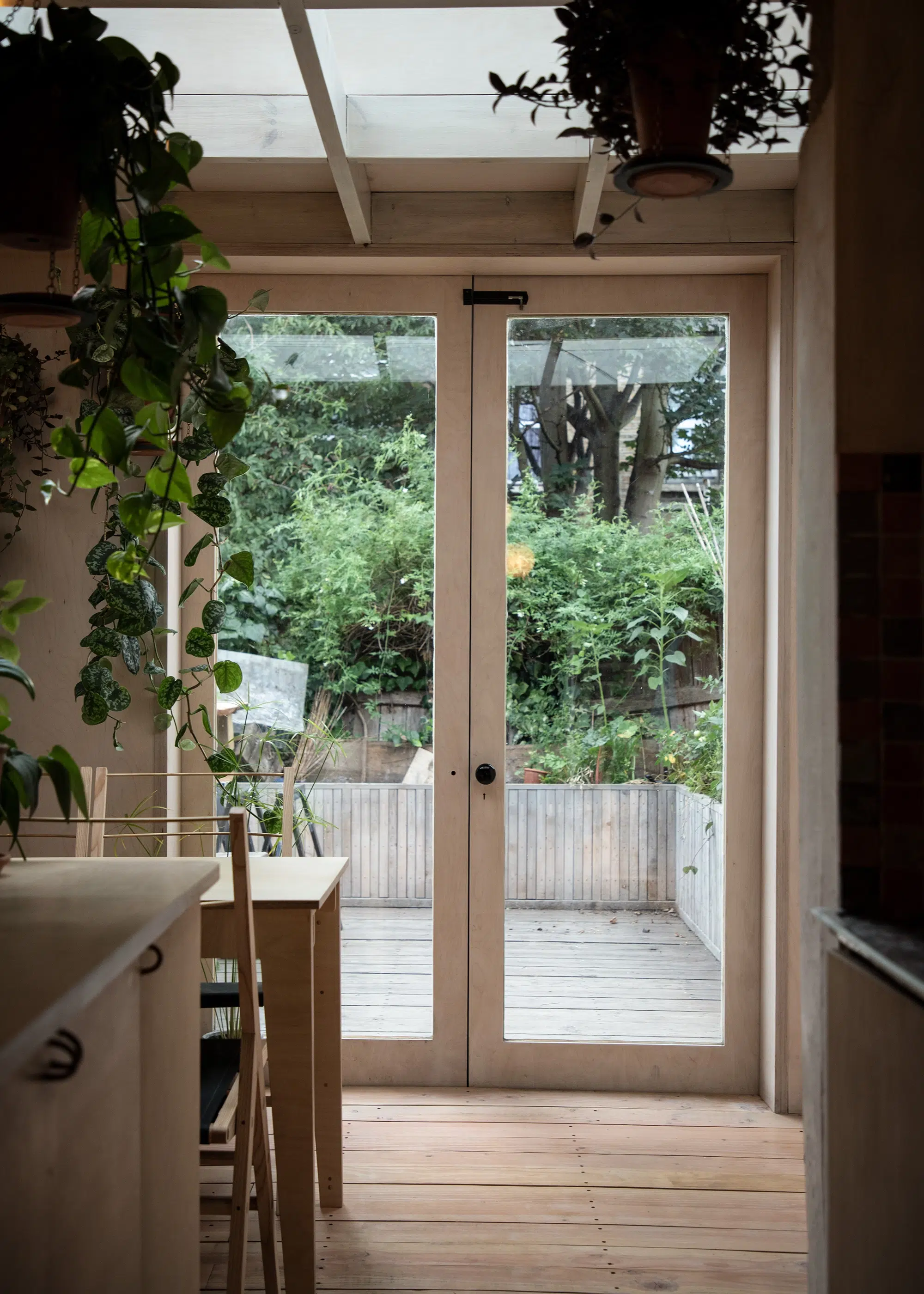
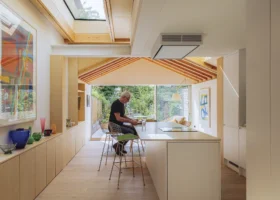
The homeowners of this Victorian mid-terrace wanted a small, low-energy extension that could bring in more daylight and provide flexible space without encroaching on the garden. Studio Bark, working with architect Andre Ford, responded with a compact timber-framed wood box that feels generous despite its modest footprint.
Photo: Studio Bark
A large rooflight and full-height glazed doors pull light deep into the birch-lined interior, creating a calm room that adapts easily for dining, working or everyday family life.
Photo: Studio Bark
Wood fibre insulation, a sedum roof and concealed services ensure stable temperatures and efficient performance throughout the year. UK-sourced Western Red Cedar offcuts and refined lead detailing create a modern external aesthetic.
Open-plan timber frame extension with a colourful interior scheme
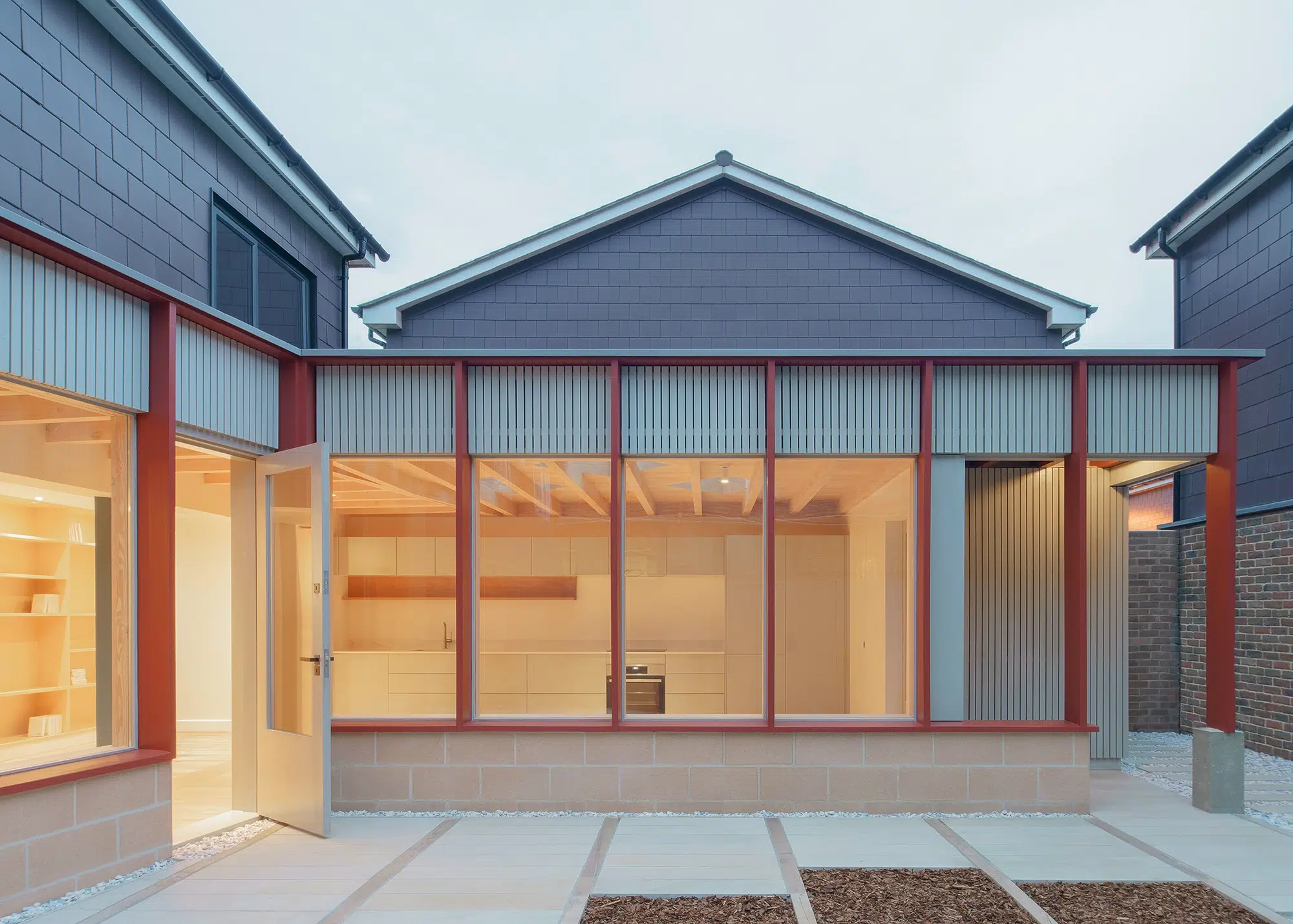
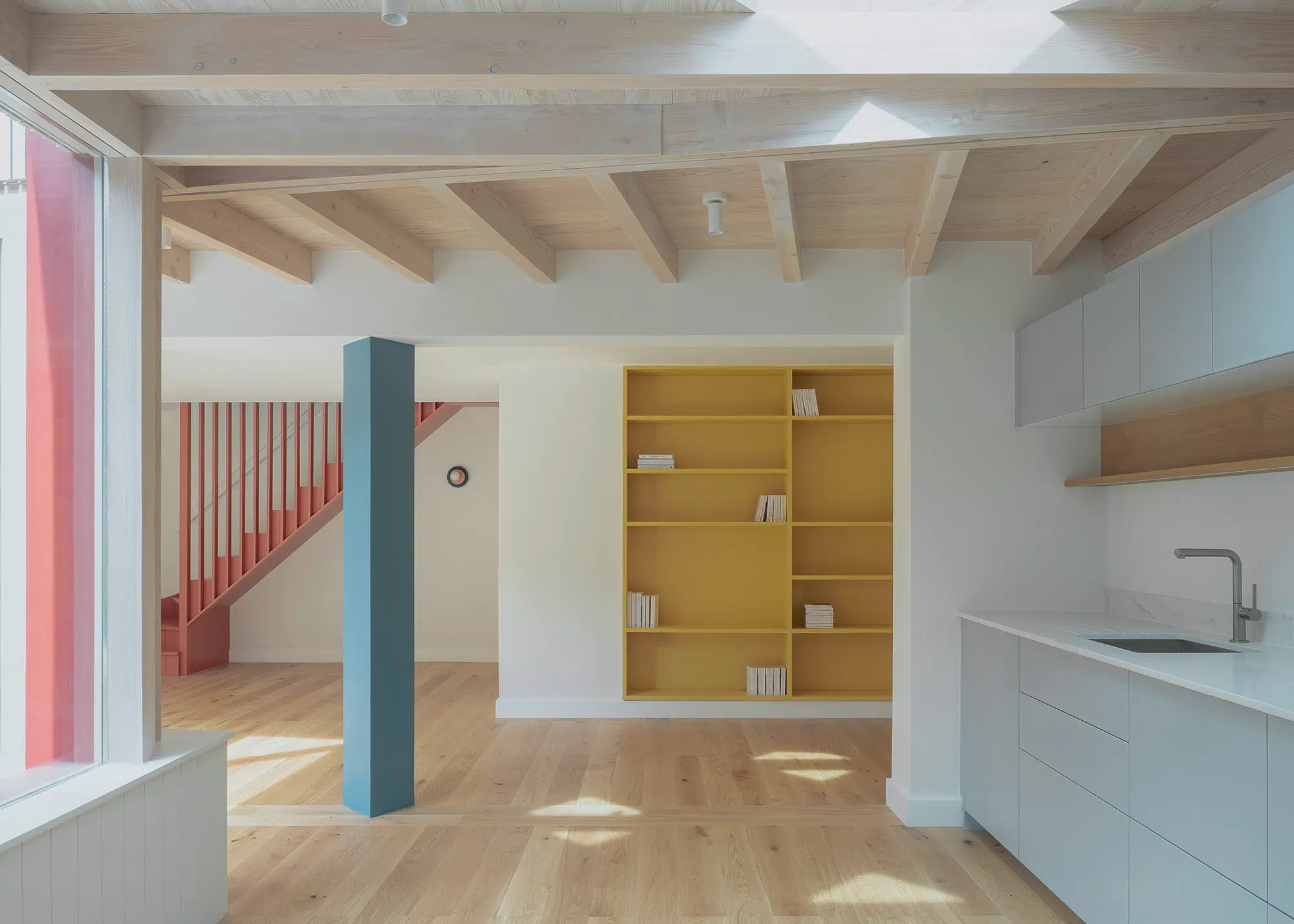
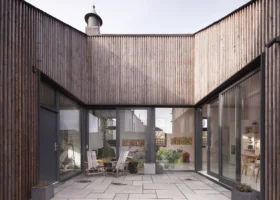
Set in a quiet corner of the Islington Grove Estate, Pirouette House by Artefact is a vivid timber frame extension arranged around a sheltered courtyard. A red cloister of slim timber piers frames the garden, rising from a pigmented blockwork plinth that slips outward to form a practical reading bench.
Photo: Nick Dearden
Inside, exposed Douglas fir beams and columns demarcate the open-plan space that pivots around a striking blue structural column – offering places to cook, study, lounge and play. Diamond rooflights cast shifting patterns across the kitchen, while fine larch boards and colourful bespoke joinery adds warmth and character to the new area.
Photo: Nick Dearden
Guided by cost and carbon awareness, the design uses readily available timber to bring new life to this family home.
Timber extension FAQs
Answered by Kieran Gaffney
Kieran Gaffney is director at Konishi Gaffney Architects, a Scottish architecture practice known for delivering cost-effective, sustainable architecture that balances invention and functionality.
How do I design an extension that complements my existing home?
Blending styles isn’t always the right answer. In fact, with heritage or conservation-area properties, planners often prefer extensions to be clearly contemporary, so the new element can be easily identified as a later addition. That said, aesthetics and proportions are crucial. Try aligning key details such as eaves and window heads, matching or intentionally contrasting materials and using proportion and rhythm to maintain harmony.
Should I embrace the timber look or hide it behind cladding?
I prefer to expose the structure as it can add warmth, character and a sense of craftsmanship. This approach suits informal, airy spaces and works particularly well in vaulted or double-height rooms because it helps give the room scale and improves acoustic performance. The wood and structure modulate and absorb nearby sound, so rooms feel more comfortable.
Hiding the structure behind plasterboard offers a cleaner, minimal interior and gives greater freedom for services and speakers in ceilings. It is often more cost-effective and easier to build, as tolerances are less demanding. Consider adding soft furnishings such as rugs, sofas and curtains to help absorb sound.
What insulation type works best in a timber frame extension?
Wood-fibre insulation has excellent thermal mass, breathability and acoustic performance. It is relatively affordable and locks carbon into the building structure. You can use recycled wool and hemp fibre insulation instead of more common, high-performance PIR insulation, as this isn’t breathable and is an oil based product.
When creating most residential projects, the key is to make sure that the wall is correctly detailed to avoid any cold bridges. Airtightness should also be properly addressed using suitable membranes internally, as this is often the actual determinant of the performance of your project.
What exterior cladding options work best with timber frame?
Timber frame is very flexible and works with practically any cladding type. Timber cladding such as larch, cedar or charred timber is warm and sustainable, plus it can be one of the most affordable external finish on the market.
You can also choose to wrap your extension in brick or stone for a traditional appearance; just make sure there’s a suitable vented cavity. Metal cladding – mainly zinc and aluminium –offers a durable, crisp and lightweight option. It’s excellent for creating a modern contrast.
What interior layouts work best with the timber frame structures?
Timber frame works well for creating light, open-plan spaces. The absence of load-bearing internal walls gives flexibility. However, too much openness can make the room feel undefined. The most common type is kitchen/dining areas that benefit from long spans and generous glazing, usually with an adjacent cosy living space. Organise the space around a central element such as a kitchen island, stove, or a double-height void to give structure and rhythm. Zones can also be defined by furniture or changes in level, maintaining openness while supporting everyday use. And of course, connections to garden/outdoor space – it’s a cliche but bringing-the-outside-in makes interior spaces feel much bigger.
Scarlett Deamer
Scarlett Deamer is Build It's editorial assistant. She joined the team in 2024, with a background in architecture, and researches, collates and writes the magazine's regular news pages. Scarlett is always on the lookout for new, innovative projects and has a keen eye for high-quality house design.















 Login/register to save Article for later