What is a Listed House? A Period Property Expert Explains the Ins & Outs of this Type of Home
Period property expert Alan Tierney explains what it means if your home, or one you’re looking to buy, has listed building status, and how this could impact the property’s development potential
Alan Tierney
In the UK we’re lucky to have inherited an amazing stock of period properties, with almost half a million of these being listed buildings. They range from grand country houses to humble cottages.
Many are the subject of home renovation or refurbishment projects and, in a number cases, listed building consent (LBC) is required for any alterations that might affect their special interest.
While people are generally aware that there are limitations on what work can be done to listed buildings, what does this designation mean in practice? In this listed buildings guide, I’m looking at why these labels exist and how a house’s designation can impact development.
Why are houses listed in the UK?
During the Second World War, many important historic buildings were unfortunately lost to bombing raids, and this catalysed the creation of an official list to record those that survived. This in turn led to moves to protect these buildings for the future, and the first legislation aimed at doing so was passed in 1947.
In other areas of the country, the process has developed slightly differently – and in Scotland, Wales and Northern Ireland, conserving these assets has become the concern of the relevant national heritage bodies. While this article refers to the process in England, the principles involved are broadly the same across the UK.
In England there are three categories of listing:
Grade II buildings that are of special interest, warranting every effort be made to preserve them.
Grade II* important properties that are of more than special interest.
Grade I buildings that are considered to be of exceptional interest.
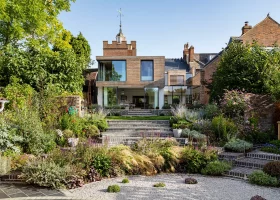
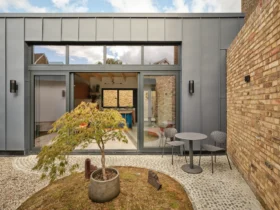
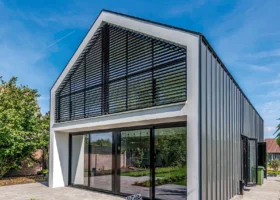
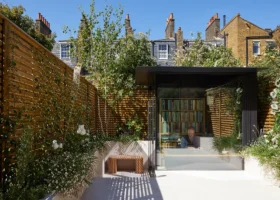
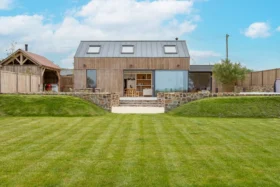
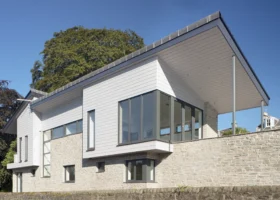
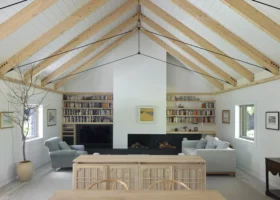
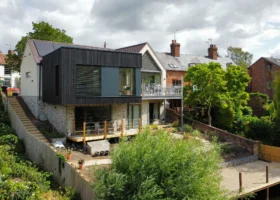
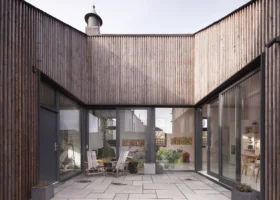
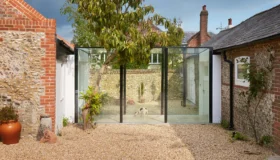
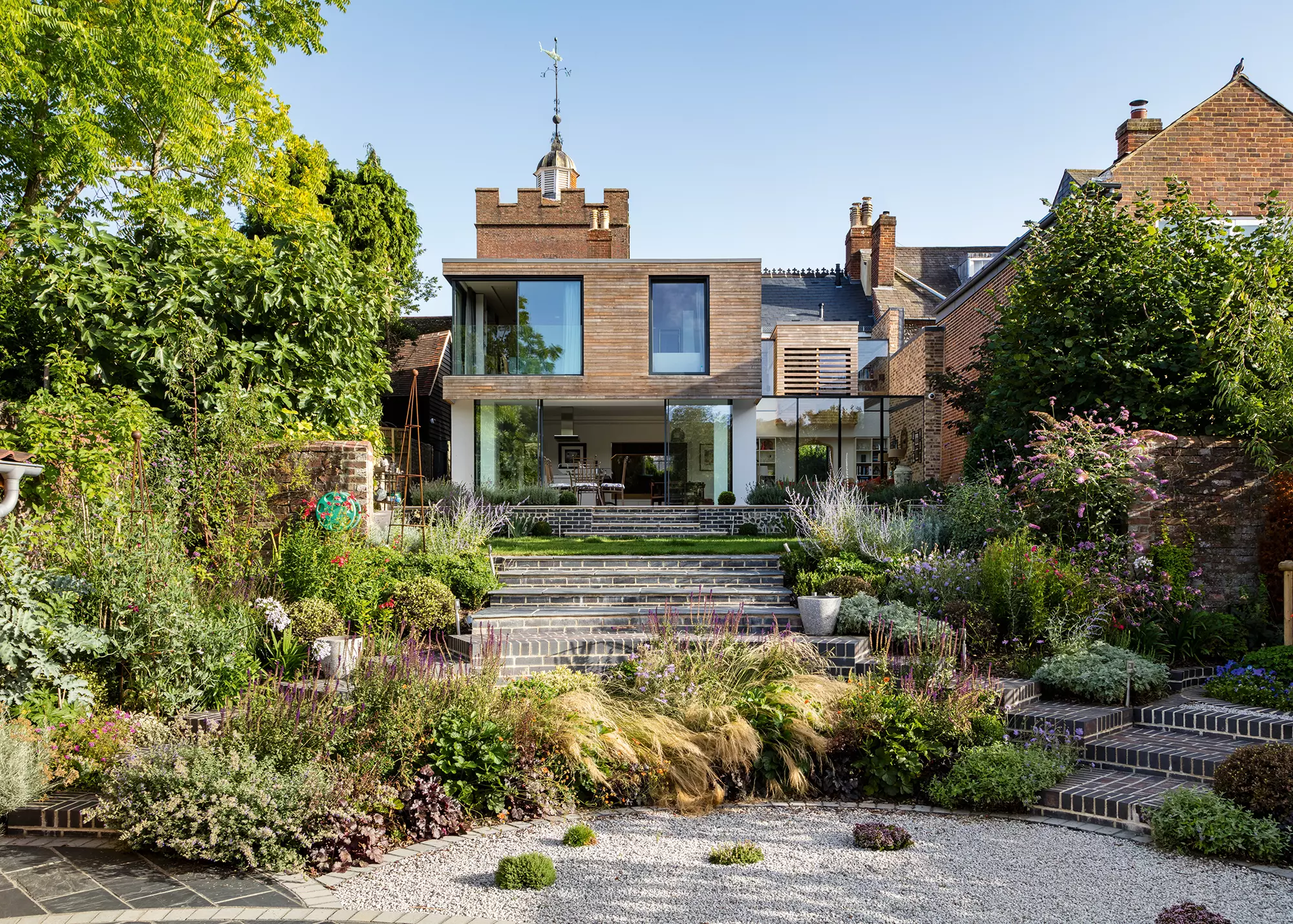
This extension for a listed home, designed by Helyer Davies Architects, is nestled within a void on the site that was previously occupied by a dilapidated conservatory, to take advantage of a historic brick wall. Photo: Matt Smith
Selection is based on architectural or historic value. Only 2% of all listed buildings are considered unique enough to qualify as Grade I, and about half of these are places of worship. The majority of listed properties (92%) are categorised as Grade II, so chances are this will be the status relevant to most people.
The primary qualifying factor for listing is age, with all structures dating from before 1700 – that contain a significant proportion of their original fabric – being listed, as well as most of those built between 1700 and 1840.
After this date the process becomes more selective depending on individual merit, while properties under 30 years old are only listed in exceptional circumstances, such as where they represent a superior example of an architectural style.
Before embarking on any work to a property that may be listed, it is essential to establish its status. It is not safe to rely on estate agents’ particulars or on the previous owner’s account of the situation – lack of knowledge is no defence if unauthorised works are carried out.
The good news is that checking whether a property is listed is relatively straightforward. Local authorities have a database of listed buildings in their area, while Historic England maintains The National Heritage List for England. The equivalent register for Scotland is held by Historic Scotland, for Wales by CADW and Northern Ireland by its Department of the Environment.
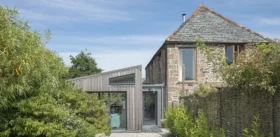
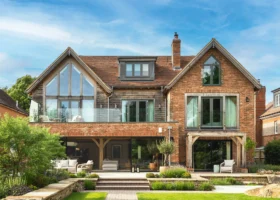
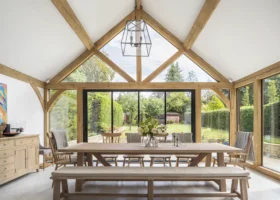
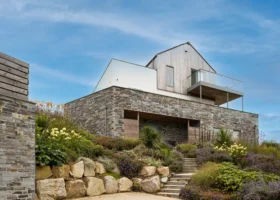
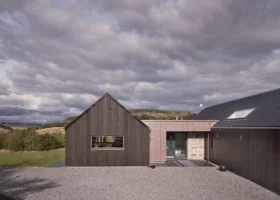
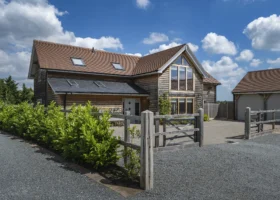
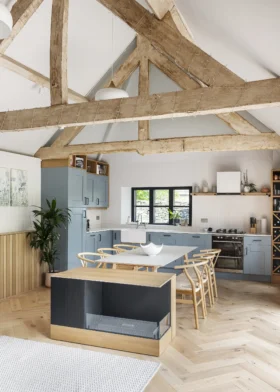
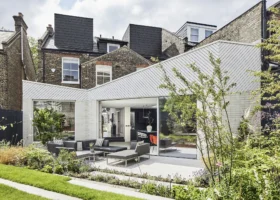
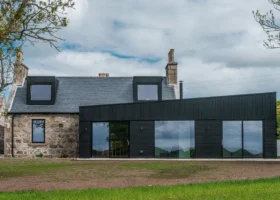
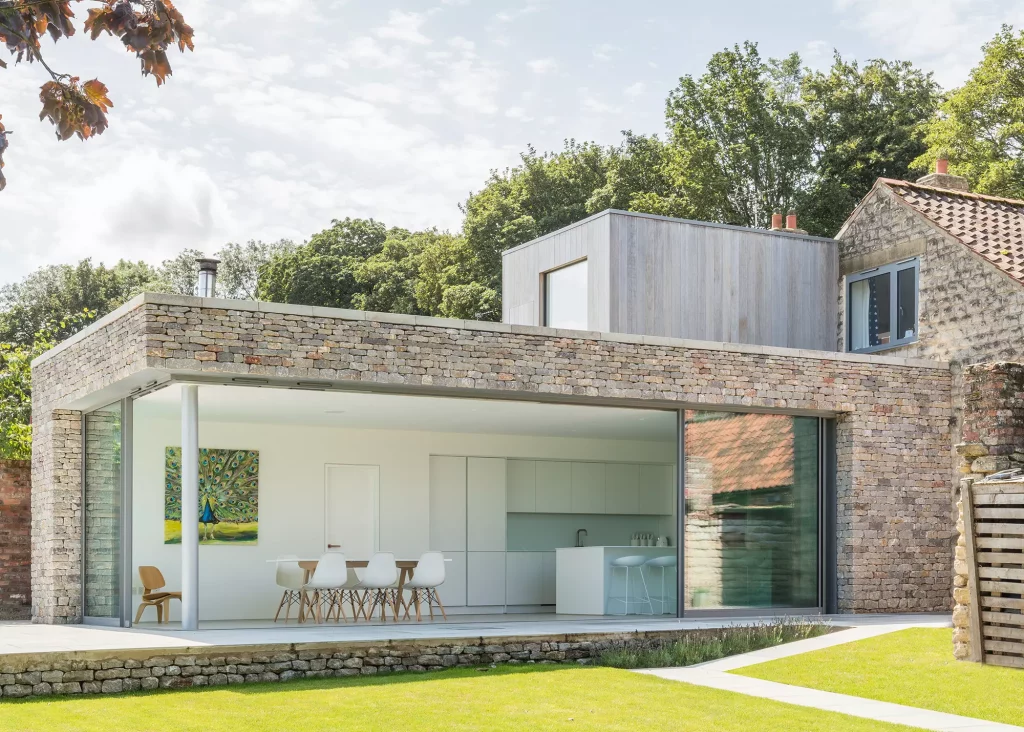
ArkleBoyce Architects have created a spectacular extension as an addition to this grade II listed property that was rebuilt in 1852. The listed home is set within a rural Yorkshire hamlet, designated as both a conservation area and an area of outstanding natural beauty. Photo: Nicholas Worley
Premium Content
Downloadable E-Guide
Looking to make your home more efficient, comfortable and ready for the future? We set out the fundamentals – from upgrading your house’s insulation, through to ventilation, retrofitting heat pumps and accessing funding for a project
How does a house’s listed status impact a renovation or extension project?
You’ll need to obtain listed building consent (LBC) for any alterations that have the potential to affect a property’s special architectural or historic interest (often referred to as its ‘significance’). This doesn’t mean that you can’t make changes, but rather the intention is to enable alterations while protecting what is particularly interesting about the building. In fact, for grade II listings, there is now a presumption in favour of appropriate alteration and adaptation.
Who manages the planning application?
The consent process is managed by the local planning authority, invariably with the involvement of the conservation officer. This is separate from the planning process. So, some projects will require both listed building and planning approval, while some only need one or the other. The good news is that there is no fee for a listed building consent application.
What work requires consent?
Due to each building’s individuality, it is not possible to give a definitive indication of what work will require consent, as the same degree of alteration may have no effect on the significance of one building but a considerable impact on another. Because of this it is always advisable to consult the conservation officer at an early stage to find out both whether work will require consent and whether it is likely to be granted.
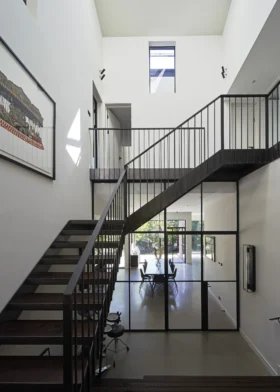
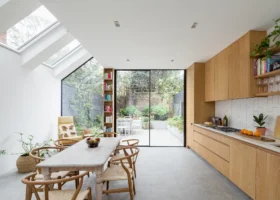
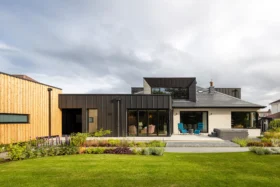
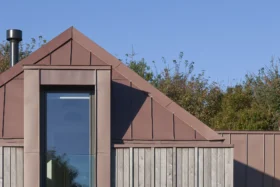
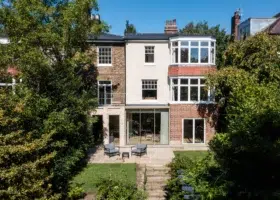
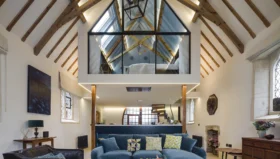
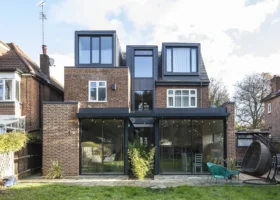
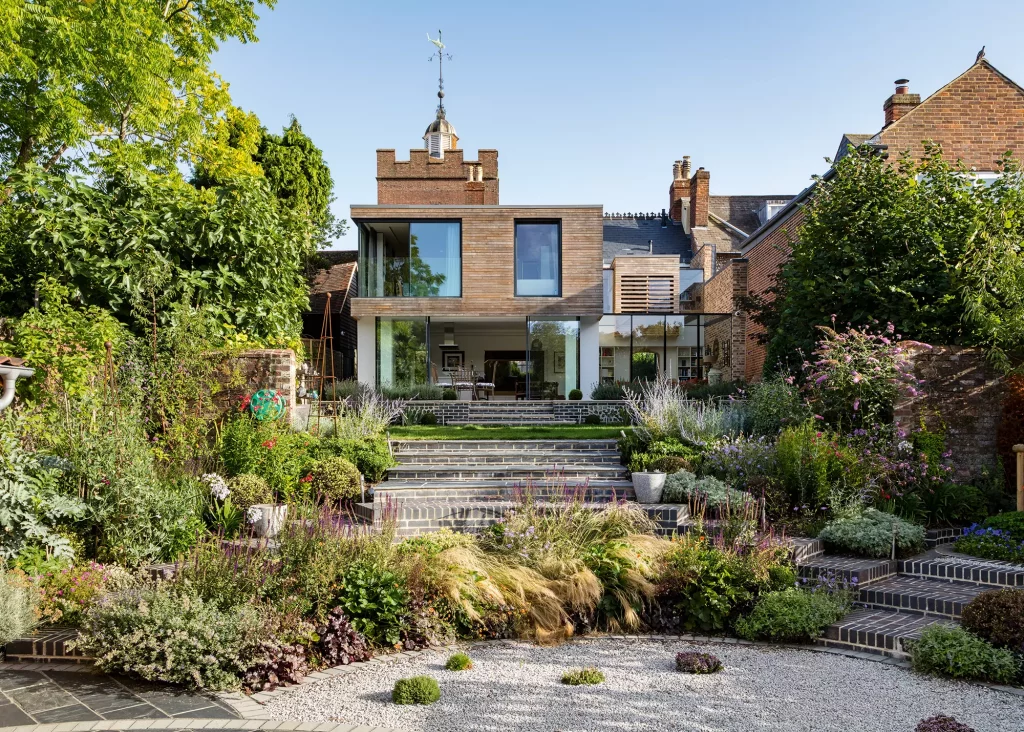
Jim and Deirdre Prower‘s grade II listed home has been totally transformed with an interior reworking and a double-height contemporary extension. The couple worked with Clapham-based Granit Architecture and Interiors, who came up with a clever solution to extending the property, modernising some elements while retaining the historic integrity
What happens if you renovate a listed building without consent?
Breaching the rules protecting listed buildings can have serious consequences. Local authorities are granted extensive powers ranging from enforcement action (eg requiring reinstatement of lost or damaged features or fabric) to resorting to legal measures that can result in large fines or even imprisonment. It is worth noting that these matters are covered by criminal rather than planning law.
What’s included in a house’s listed status & what’s protected?
Every listed building has a description in the statutory register. It is often assumed that this identifies the important elements of the building and so tells you what is protected. However, this is not the case; rather this description is only for the identification of the building.
Once listed, every element is subject to the same degree of protection, and this applies just as much internally as it does externally. Furthermore, everything fixed to the building is protected – as is any structure built before 1948 that is within the curtilage of the property at the date of listing. Curtilage can be quite difficult to define but for most purposes it can be thought of as the building plot.
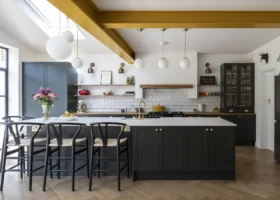
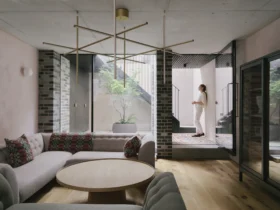
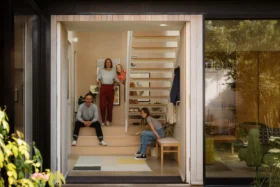
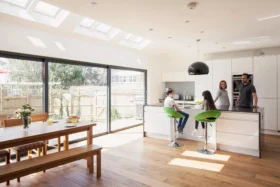
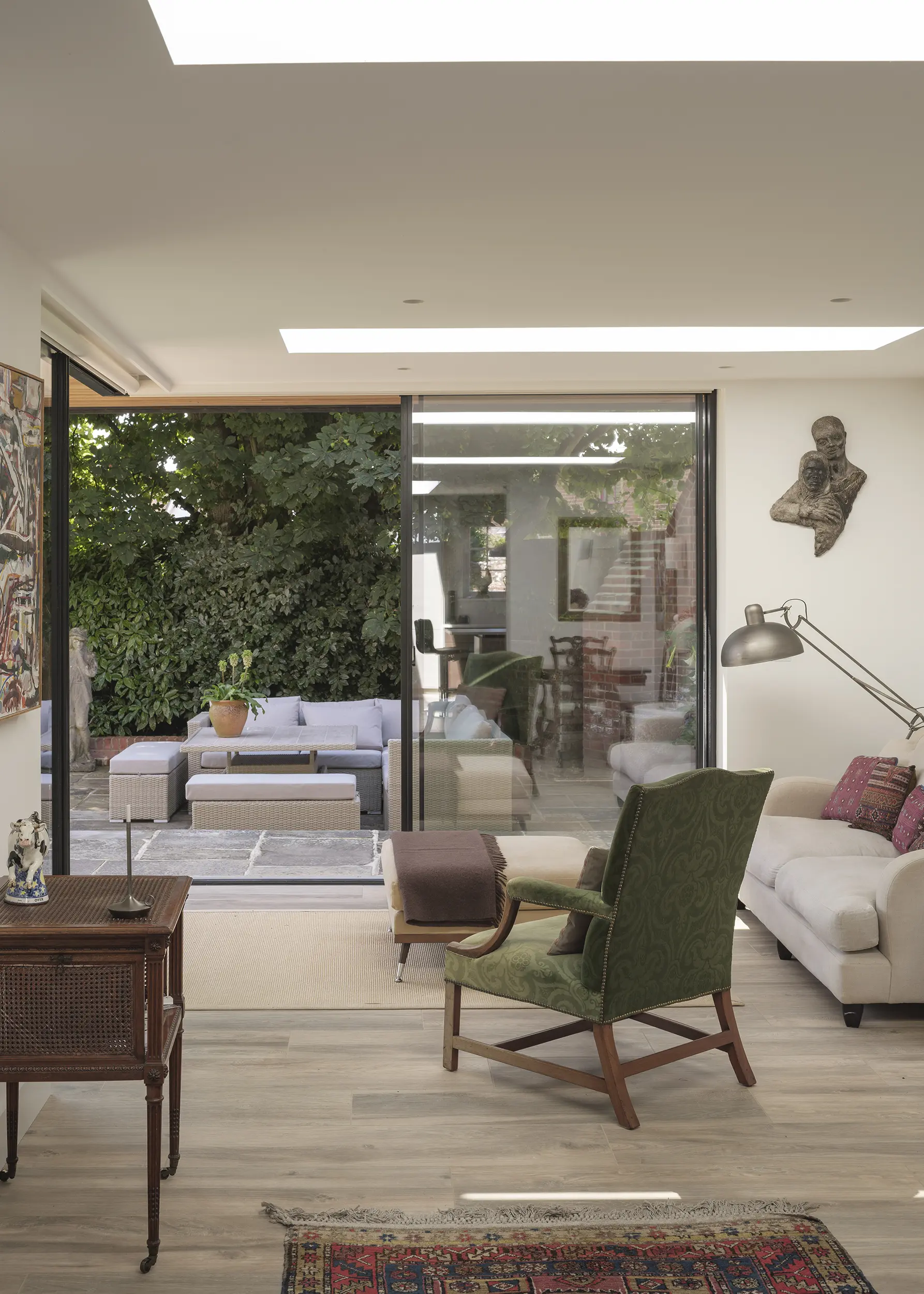
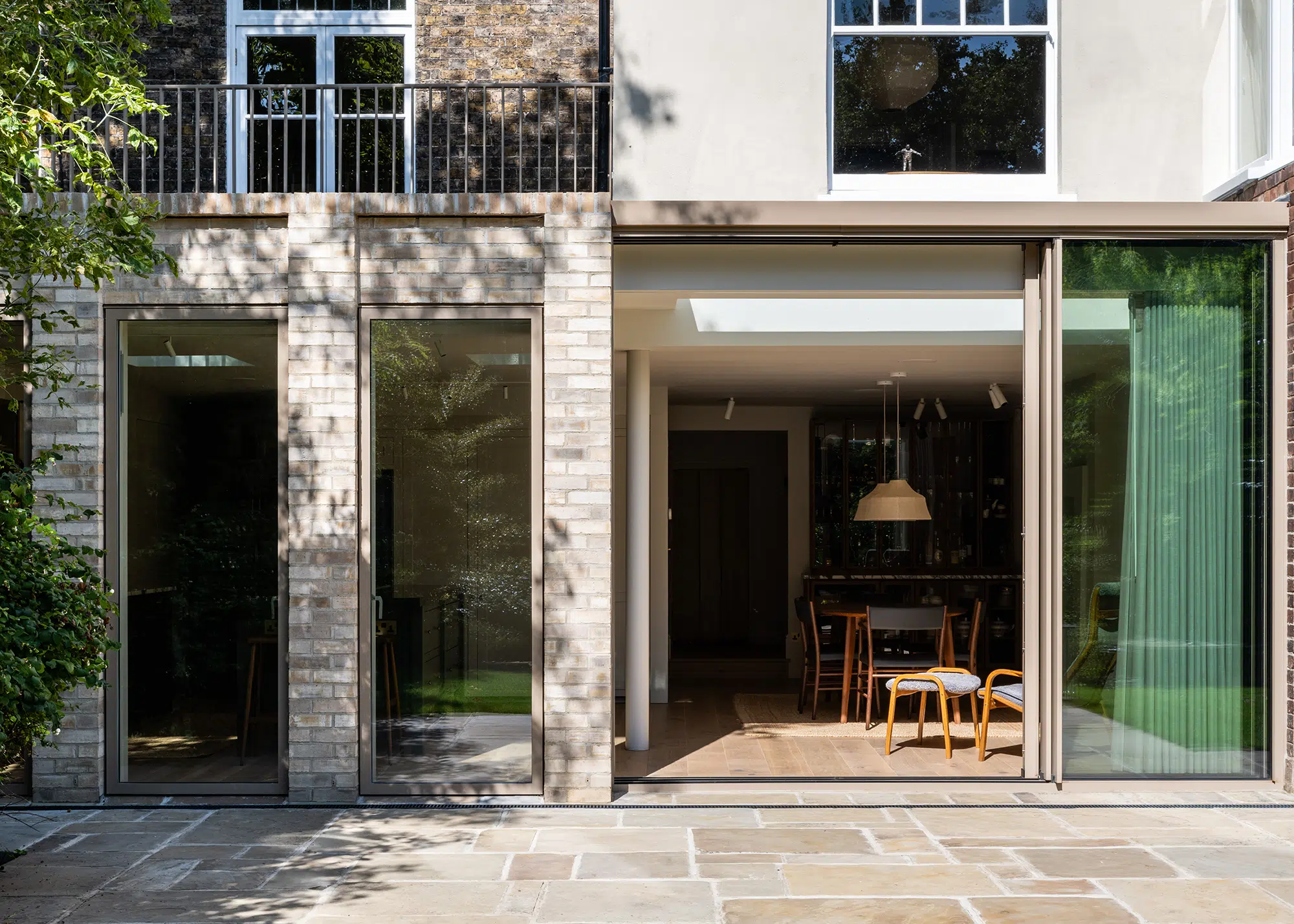
Build It readers Nicole and David Price worked with Archer + Braun Architects to develop a scheme for their listed Georgian house renovation and extension. The subtle addition opens up the rear of the property to the garden, while natural light floods the interiors through glazed sliding doors. Photo: French + Tye
Because of this situation, past alterations to the property are protected in just the same way as the original fabric and features, even if they are not as sympathetic as you might wish them to be. Alterations tell us a lot about the history and development of buildings and how they were used or lived in by former occupants. Hence, they can sometimes be just as important in helping to understand social and architectural history as the original structure.
What’s more, the setting of a heritage asset is also protected within the planning process. So, the effect of any proposed development in the vicinity of a listed building on its setting is a material consideration when deciding on the planning application for that development.
How does the local area impact a house’s status?
Some authorities maintain a local register of important or significant buildings, separate from the statutory list. There is often confusion between these and officially graded buildings. However, while there is no legal safeguard for these properties, they often have a layer of protection that comes through in local planning policy. Sometimes the purpose of this style of listing is just to bring the owner’s attention to their unique character in the hope they will respect this in making any alterations.
Listed home FAQs
What needs to be included when applying for listed building consent?
This type of application requires additional documentation compared to standard planning approvals. This includes a detailed heritage statement that explains the building’s historical significance, assesses the impact of proposed works, and demonstrates how they preserve its character.
You’ll also need precise plans, elevations and drawings showing existing conditions and proposed changes, alongside material specifications and methods to ensure authenticity. Photographs, structural reports and consultation feedback from heritage bodies or conservation officers may also be required to support the application.
Answered by Nicole Guler
Nicole Guler is director and chartered town planner at Urbanist Architecture, a London-based architecture and planning firm specialising in bespoke residential extensions, renovations and new build projects.
Is it typically more expensive to extend a listed building compared to other homes?
Extending a listed building is generally more costly due to the need to ensure you are preserving its historical character. This usually requires specialist materials and construction techniques that match the original structure, which often come at a much higher price.
Obtaining planning for listed buildings can also be more complex and time-consuming; it often is essential to have detailed designs and in-depth consultations with conservation officers or heritage bodies. Additionally, the involvement of qualified and skilled craftspeople who are experienced in historical restoration will further increase costs when it is compared to works on non-listed properties.
Answered by Nicole Guler
Nicole Guler is director and chartered town planner at Urbanist Architecture, a London-based architecture and planning firm specialising in bespoke residential extensions, renovations and new build projects.
How restrictive are the material choices that can be used for an extension to a listed building?
If you are working on the original structure, then you will need to utilise the same traditional and breathable materials that were originally used, so that the works complement the existing property. Materials like lime renders, mortars or washes and breathable natural insulation will often be expected.
If you are replacing the roof then the likes of thatch, slate or clay tiles will be proposed on pitched roofs and lead for original flat roofs. Where you are building a new extension, this can be comprised of new materials and potentially use modern methods of construction, as long as there is some respect shown to the listed property.
Answered by Opinder Liddar
Opinder Liddar is one of Build It’s architectural experts. He is an award-winning architect and a director at Lapd Architects. He is a regular expert at the National Self Build & Renovation Centre as well as the Build It Live exhibitions.
Can environmentally friendly technology and sustainable materials be incorporated into a listed house extension design?
This is a common consideration for clients, and I have found that some authorities are becoming more receptive to these measures. I believe that, if sustainable measures are thoughtfully planned and the placement of equipment does not compromise the setting, it is not only appropriate but perhaps essential to integrate these measures into listed building projects. However, not all conservation officers or local authorities have turned this corner yet, so I expect that you may still face some resistance.
Answered by Opinder Liddar
Opinder Liddar is one of Build It’s architectural experts. He is an award-winning architect and a director at Lapd Architects. He is a regular expert at the National Self Build & Renovation Centre as well as the Build It Live exhibitions.
Should the listed house extension have a modern or traditional look?
I would personally always look to go with a more contemporary design complementing the original building. There is little to be gained in terms of respecting the existing structure or understanding how the building has evolved by adding a pastiche version onto it.
To ensure the structure’s survival for the next few hundred years, we should use materials and construction methods that reflect the best of contemporary architecture. If there is merit in the design, I believe that future generations will then judge if the new addition is as worthy of listing, as the existing property.
Answered by Opinder Liddar
Opinder Liddar is one of Build It’s architectural experts. He is an award-winning architect and a director at Lapd Architects. He is a regular expert at the National Self Build & Renovation Centre as well as the Build It Live exhibitions.
Alan Tierney
Alan Tierney is Build It's period property and conservation expert. He ran a historic building consultancy, offering hands-on advice to the owners of heritage homes, but is now focused on renovating Old Barnstaple House.






















 Login/register to save Article for later










Comments are closed.