How Much Does a Loft Conversion Cost? Here’s What to Budget in 2026
Considering a loft conversion in 2026 and wondering how much you should budget? From the different types of extension through to architectural fees, this UK loft conversion cost guide sets out what you can expect to pay for a project
Scarlett Deamer
A loft conversion can dramatically increase your living space, but the type of extension you choose, its size, architectural design and the scope of works all have a big impact on costs. From simple rooflight conversions to complex L-shaped or mansard designs, prices vary widely depending on the structure and level of finishes you choose – so how much can you expect to budget, and are there any hidden costs to be aware of? In this loft conversion cost guide, I’m looking at how much you can expect to spend on the various elements of a project, from planning fees to staircase installations.
How much do the different types of loft conversions cost?
Rooflight conversion costs
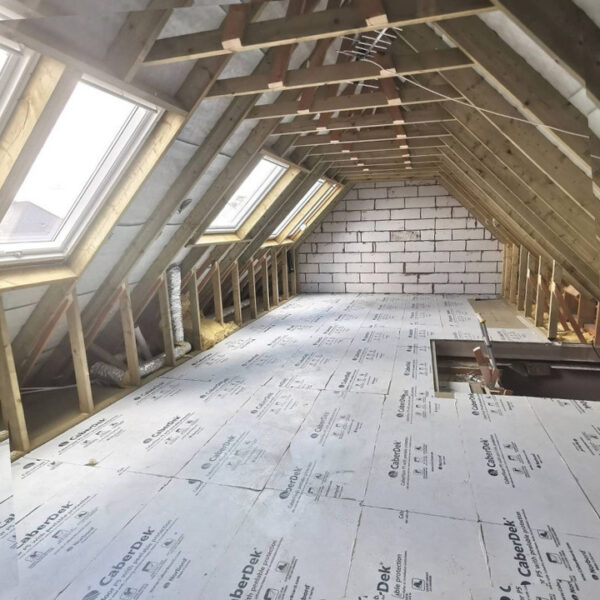
As the name suggests, a rooflight loft conversion (often called a Velux conversion) involves installing overhead glazing to transform an existing loft into a usable room. Usually the most cost-effective and straightforward route to creating habitable loft space, especially where there’s a clear attic void and sufficient headroom. Changes to the roof structure are relatively minor, and all the other works are internal.
Costs: For a small bedroom-only loft conversion (of around 20m²) you would be looking at prices starting from around £25,000.
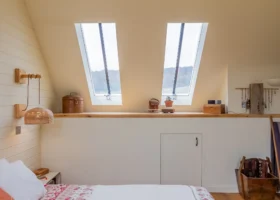
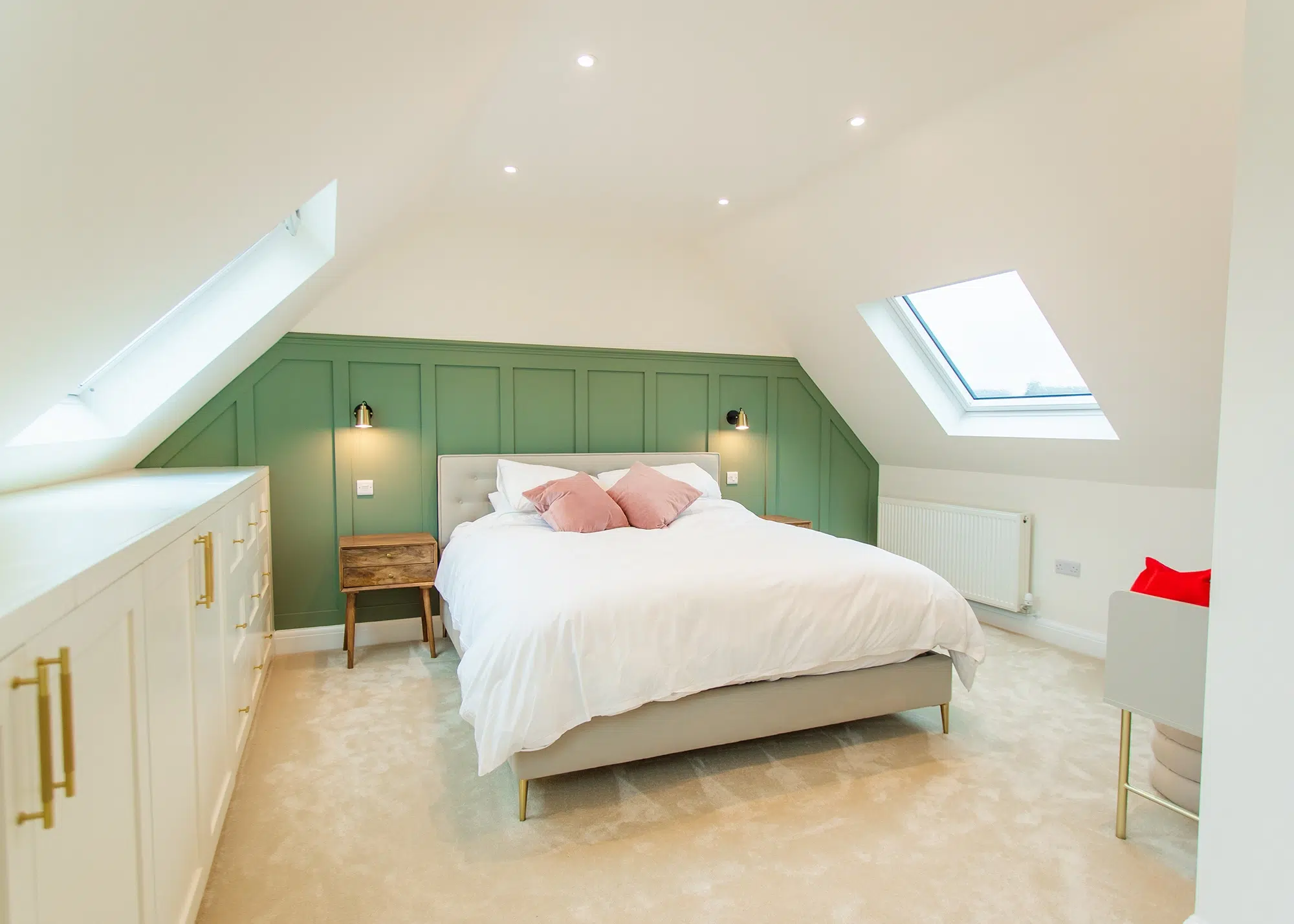
The owners of this Victorian semi-detached home in Bedford transformed their vacant attic into a master bedroom and ensuite with a rooflight conversion designed DJA Moore Lofts
Dormer loft conversion costs
A popular and affordable home improvement and extension option, dormers are built up out of the roof plane to accommodate conventional windows. In doing so, they add more head height – increasing the usability of the loft space and potentially creating a great landing spot for a loft staircase.
Costs: “For a standard rear dormer room with a staircase, expect to spend £55,000-£80,000, with additional bathrooms or bespoke finishes increasing the figures,” says Rob Wood, managing director at Simply Loft.
With this type of conversion, your property’s sloping side roof is rebuilt to form an upright gable end, thus adding more space to your loft. If the existing roof plane and ridge height is maintained, and the extension isn’t too large, the project may not require formal planning consent. A hip-to-gable is often combined with the insertion of large rear dormers to maximise the new living area.
Costs: “A stand-alone hip-to-gable conversion typically ranges from £60,000 -£70,000, rising if combined with a former or if the structural steel work needs to be extensive,” says Rob from Simply Loft.
Featured experts
Rob Wood
Managing director at Simply Loft
Rob Wood is managing director at Simply Loft. He has over 17 years’ experience in creating bespoke residential projects, having set up The Simply Construction Group in 2008.
Premium Content
Downloadable E-Guide
Build It's loft conversion downloadable e-guide takes you through the essential considerations, from costs to an estimated project timeline. Click below to find out more.
This type of conversion involves building out from the existing roof slope, at an angle of around 70°, to create a sizeable living space with plenty of floor to ceiling height. The structure can span the entire width of the building. Dormer windows are inserted to gain natural light.
Costs: “Mansard conversions tend to sit at the higher end of the price spectrum, typically from £60,000-£70,000+,” says Rob from Simply Loft.
The owners of this terraced London home decided it was time for an upgrade. A new mansard loft conversion, designed by Rider Stirland Architects, has transformed a formerly unused attic space into a light‑filled, luxurious new level. Externally, the elevated roofline is finished in dark zinc and carefully positioned aluminium rooflights. Photo: Adam Scott
L-shaped conversion costs
This type of extension increases the loft floorplan in two directions, forming an L-shaped layout that maximises the available roof space. It is typically created by building over the main rear roof slope and extending over the rear addition, producing a large, continuous floor area. The new structure can significantly increase usable head height and allows the space to wrap around the existing roofline.
Costs: You will be looking to spend from around £60,000-£75,000 for this type of loft conversion.
Prefab loft conversion costs
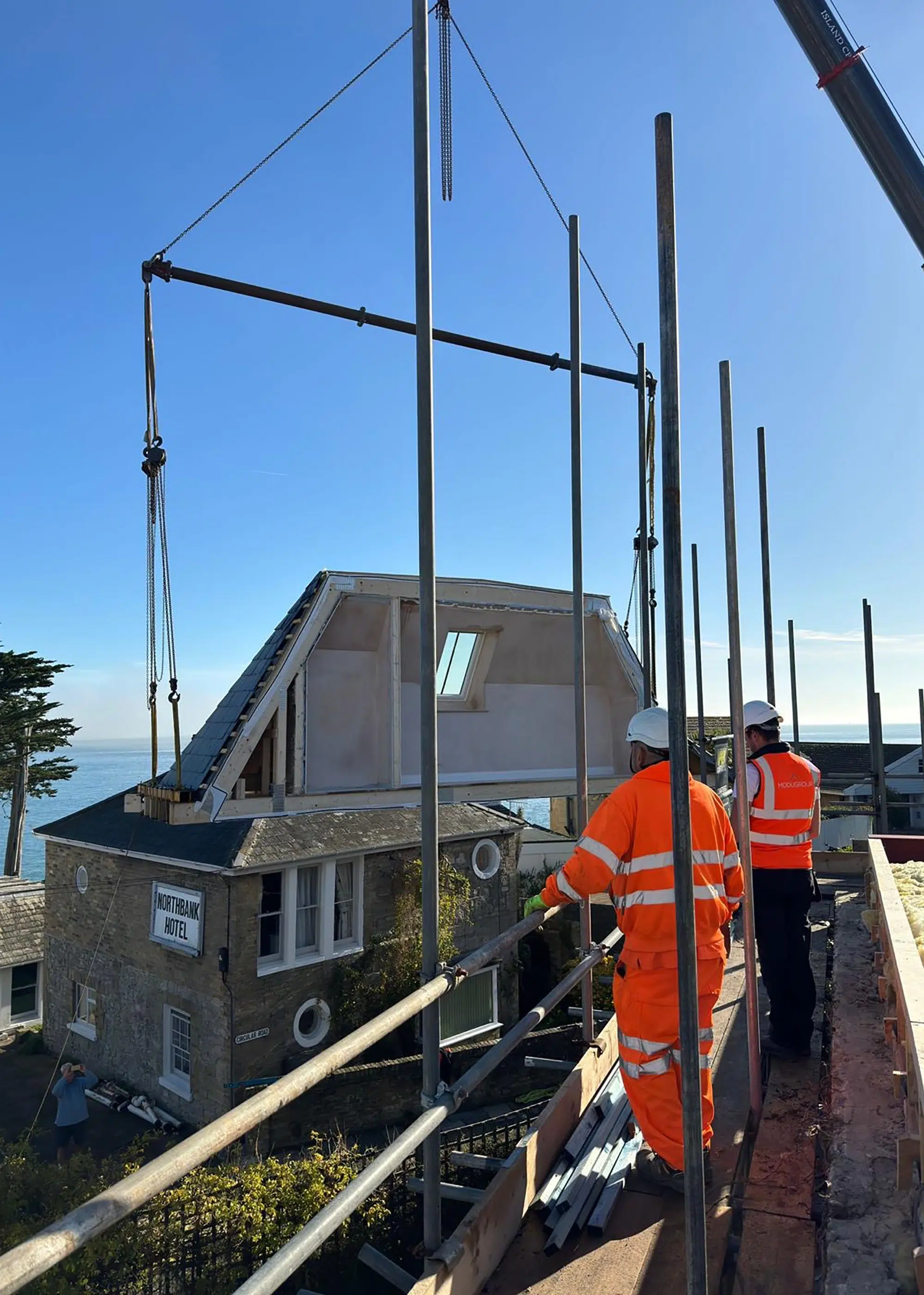
A modular or prefabricated loft conversion is a modern home extension route where the main structure, including the shell, insulation, windows and roof coverings, are all designed, engineered and manufactured in a controlled factory environment. The completed structure is then delivered to site on a lorry, craned into position and installed in a matter of days, allowing the property to be made weathertight quickly. As this route involves a greater level of prefabrication, costs will be higher, but you are paying a singular price for the whole project, completed to a pre-agreed timescale and budget.
Costs: “Modular loft conversions typically range from £95,000-£399,000 + VAT,” says Christian Evans, owner of Moduloft. “This is a fixed priced quote from the outset, so self builders have a specification of each stage and all aspects are covered from build, delivery and installation.”
Lofts from Moduloft are crafted under factory conditions to ensure precision and quality. They are then craned onto the existing building to form a bran new loft addition
Case study 1930s home in London upgraded with a hip-to-gable loft conversion
Mike and Karuna Wood undertook a full renovation of their 1930s double-fronted house in North London. Their goal was to create more functional, light-filled spaces while preserving the character of the property and improving its overall flow. A key part of their design was converting the underused loft into a spacious master suite with a contemporary ensuite and smart storage solutions.
Photo: Adelina Iliev
To maximise headroom and usable space, CASA Architecture and Design reconfigured the existing roof, adding a hip-to-gable extension and zinc-clad dormer windows that face the garden. This opened up the loft considerably, allowing natural light to flood the bedroom, bathroom and central stairwell – transforming what had once been a dark, cramped attic into a bright and airy living area.
Photo: Adelina Iliev
The loft layout was carefully considered around the central staircase, with the sleeping area on one side and the ensuite on the other, complemented by built-in storage to keep the space organised. Finished under permitted development rights, the loft conversion now enhances the home’s functionality, value and sense of openness. See below for a full breakdown of their costs:
Element
Cost per m²
Cost %
Cost
Preliminaries
£80
5%
£15,000
Foundations
£160
9%
£30,000
External walls and windows
£267
15%
£50,000
Roof structure and covering
£214
12%
£40,000
Internal walls
£134
7%
£25,000
Floor, wall and ceiling finishes
£294
17%
£55,000
Joinery and fittings
£107
6%
£20,000
Plumbing and Heating and electrics
£107
6%
£20,000
New bathroom and kitchen
£214
12%
£40,000
Decorating
£54
3%
£10,000
Fees
£80
5%
£15,000
External Works
£54
3%
£10,000
Total
£1,765
n/a
£330,000
*Table indicates cost for the total project, not just the loft conversion
What key elements will impact the cost of a loft conversion?
Loft conversion costs can vary significantly depending on several key factors. One of the most important is the size of the loft and the amount of usable floor space you’re looking to create versus what’s already there. Larger loft projects generally require more materials, insulation and labour, which will increase the overall spend.
The existing roof
The type and condition of the existing roof also plays a major role. Roofs with a simple structure are usually easier and cheaper to convert, while complex roof shapes can make the project more challenging. A complex roof might include multiple slopes, hips and valleys, dormers, or intersecting roof sections rather than a straightforward two-sided pitched roof.
These features often require more detailed design work, additional structural support, and more labour to adapt the space effectively. If the roof structure also needs repairs or alterations, this can further increase costs.
Sara Hamilton and her late husband Steve McMahon undertook a major renovation of their Edwardian villa to create a family-focused home. The loft was opened up to create a bright master bedroom suite with an open-plan shower area. The project cost £380,000. Photo: Lyndon Douglas
In many cases, structural work is necessary, such as installing steel beams to support the new space or strengthening existing floor joists to safely carry additional weight – which will of course increase costs.
The house’s foundations
Reinforcing your house’s foundations is not very common but may be necessary in certain situations. If your project involves a significant increase in weight – such as the addition of a full-width dormer – a structural engineer will need to assess whether your existing foundations can support the added load. Foundation reinforcement might be required if the original foundations are shallow, of poor quality, there’s evidence of subsidence, or if the soil type poses a risk to stability. This will add to your overall budget.
The home’s location
Location is another factor. Building costs in London are typically higher than in the rest of the UK due to increased labour rates and contractor demand – generally 25-30% higher.
Access to the loft
Practical elements such as access and staircase design can also affect pricing. Installing a staircase that fits within the existing layout without major alterations can reduce costs, whereas more complex designs may require additional structural adjustments.
Type of fixtures & finishes
The quality of finishes and fixtures – including the type of flooring, lighting design, bathroom fittings and detailing etc – and the choice of labour or contractor, can significantly influence the final price. High-end luxury finishes, and bespoke designs (such as storage systems), compared to off-the-shelf products, will be more expensive and often require experienced specialists as part of the installation. If you’re looking to save on costs, look for interior features that can be adapted to the space, rather than the other way round.
What should you factor into a budget when working out how much your loft conversion will cost?
Design, architectural drawings & surveys
This stage involves measuring the existing property, creating accurate plans of the current layout and producing architectural drawings that show how the loft conversion will look and function. These drawings are required for planning applications and Building Regulations approval. Measured surveys for residential projects usually cost £500-£1,500, while architectural drawings and design work for a loft conversion can range from around £1,500-£3,500 or more depending on complexity.
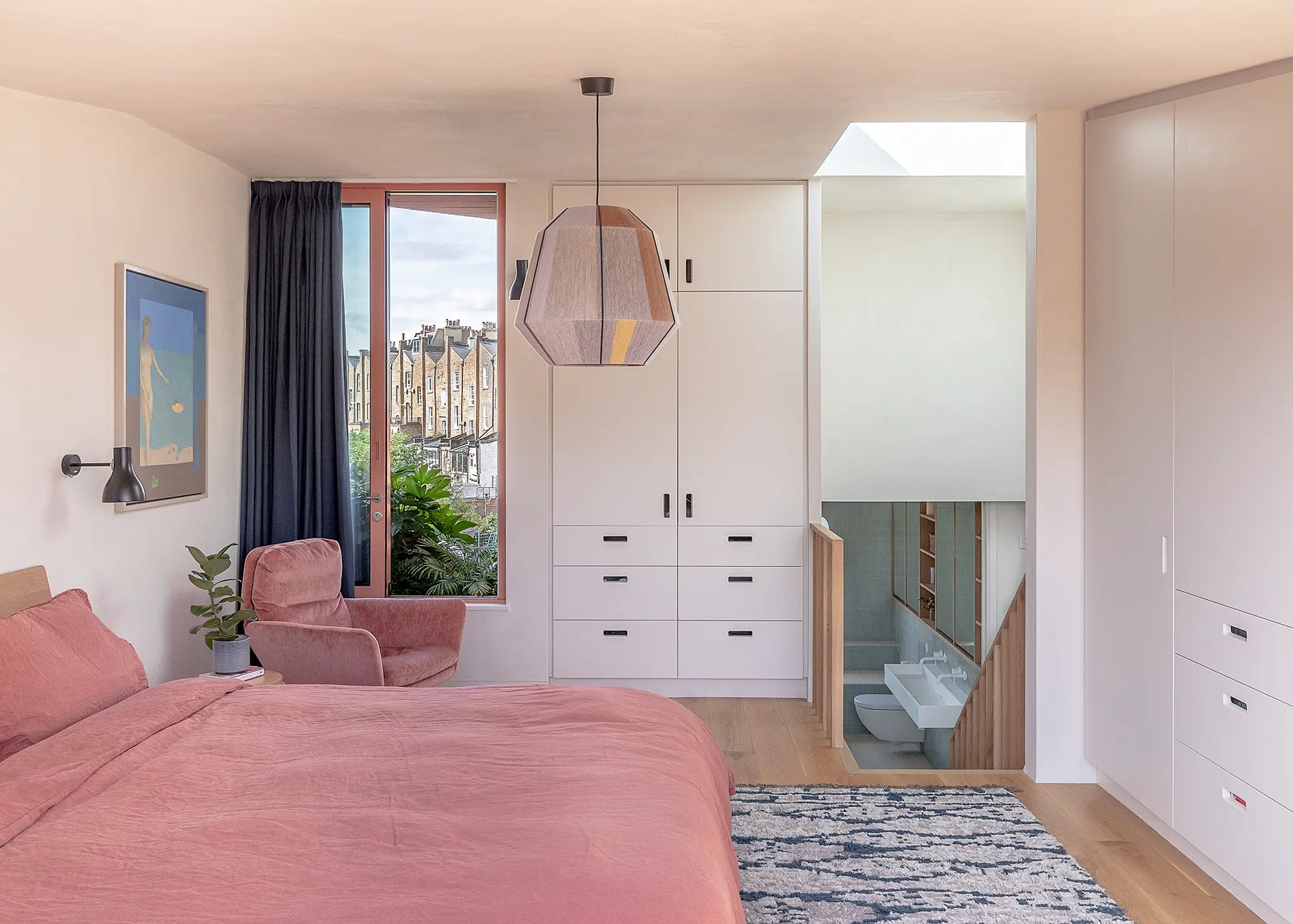
A contemporary rear extension and loft conversion by Emil Eve Architects has completely transformed this family home in east London. Inside, clever integrated wardrobes and drawers make use of the sloping wall space, without eating into the useable floor area. Photo: Taran Wilkhu
Structural calculations & engineering
A structural engineer assesses the property and prepares calculations to confirm that the new loads from the loft conversion can be safely supported. This includes specifying structural elements such as steel beams, floor reinforcements and roof supports, which are submitted to building control for approval. Budget from £500-£1,200+ for this.
Planning permission and building control fees
Planning permission may be required depending on the scale and design of the loft conversion and Building Regulations approval is mandatory to ensure the project meets safety standards such as fire protection, insulation, ventilation and structural stability. Planning and building control costs together typically range from around £600 to £1,200+ for building control. It costs £528 to make a planning application for a loft extension, plus the £85Planning Portal fee.
Structural work
This includes strengthening existing floor joists, installing steel beams (RSJs), modifying the roof structure and creating dormers or other structural changes required to support the new living space. These works form a major part of the construction phase and require skilled labour and materials. Budget from £1,800-£3,600+ for this.
Deciding that their terraced property was in need of a refresh, Andrew Overin and Chris Warner added a modern extension and loft conversion to their London home. The loft was converted into a master bedroom with an ensuite, designed as a rectangular space to make the most of the available head height beneath the sloping roof. The total project cost £108,754. Photo: Bruce Hemming
Insulation
Insulating a loft conversion is essential to meet Building Regulations and improve energy efficiency. This usually involves installing insulation within the roof structure, between rafters or joists, to reduce heat loss and maintain comfortable indoor temperatures throughout the year.
Budget from £13-£17.5 per m² for mineral wood blanket insulation (270mm fibreglass), around £25 per m² for sheep’s wool blanket (250mm), and £10-£12 per m² for cellulose (220mm) or loose-fill insulation.
Labour costs are often included in per-m² installation prices, but where charged separately, expect around £200-£300 per day depending on location and complexity.
Windows & glazing
Adding windows or rooflights provide natural light, ventilation and enhance the overall look of the space. Options range from standard Velux roof windows to custom dormers or larger glazed sections and wraparound glazing. Professional installation ensures the windows are weatherproof and meet Building Regs. Budget from £500-£1,000 for a standard, double-glazed rooflight, all the way up to £5,000+ for larger, bespoke or electric-opening systems.
Staircase installation
Installing a staircase to access a loft is a key part of any conversion and can range from a simple functional design to a high-end bespoke feature. “A basic staircase design with no balustrade (to go between two walls) can be around £350 + VAT,” says Mike Walker, managing director at StairBox. “If you choose a bespoke design which incorporates unique materials and is handcrafted and professionally installed, you can be looking to spend from £10,000,” says Richard McLane, founder and design director at Bisca.
Bradley Van Der Straeten overcame the challenge of a low ceiling height by incorporating sleek plywood stairs, transforming a cramped London home into a spacious, light-filled haven that maximises every inch of space. Photo: French + Tye
Electrical work and lighting
Electrical installation in a loft conversion includes wiring new circuits, installing sockets, lighting fixtures, smoke alarms and ensuring the system meets current electrical safety regulations. Budget from £800-£2,300+.
Plumbing, heating & bathroom fit-out
If the loft includes a bathroom or ensuite, plumbing work is required to run water supply and waste pipes, install sanitaryware such as a toilet, basin and shower and extend the central heating system with radiators or underfloor heating. The final cost depends on the quality of fixtures and how far the plumbing needs to be extended from the existing system. Budget from £5,000-£15,000+.
Plastering, joinery & finishes
Once the structural work and services are installed, you can focus on the internal finishes. This includes installing plasterboard, skimming walls and ceilings, fitting internal doors, skirting boards, architraves and other carpentry elements that shape the final interior of the loft space. Budget from £3,000-£8,000.
Adrian and Maria Pearcey transformed their 1930s semi-detached home with a modern ground floor extension and light-filed loft conversion. They installed a cottage dormer to give them enough headroom for a chic ensuite bathroom and added four large Velux windows into the loft space to create a new master bedroom. The whole project cost £161,487 to complete. Photo: James French
Decoration & flooring
This final stage covers painting and decorating walls and ceilings, finishing woodwork such as skirting boards and doors, and installing flooring such as carpet, laminate, engineered wood or luxury vinyl. The final cost depends on the size of the loft, preparation required and the type of flooring selected. Budget from £60-£180+ per m².
What hidden costs should you be aware of when budgeting for a loft conversion?
Not all loft conversions require planning permission, as many fall under permitted development (PD) rights. However, permission is usually required if the project significantly alters the roof shape, exceeds permitted volume limits, is for a listed building or one that is located in a conservation area. In England, a householder planning application costs £528, plus a Planning Portal service fee of £85. In Wales, the equivalent application costs £230.
If the work qualifies as permitted development, homeowners often apply for a Lawful Development Certificate (LDC) to confirm the work is legal. This typically costs £264 in England (half the planning fee) and around £115 in Wales for a proposed certificate.
Regardless of planning permission, Building Regulations approval is mandatory for loft conversions to ensure structural safety, fire protection, insulation and ventilation standards are met. Building control application and inspection fees commonly range from £300-£900 depending on the local authority, although some councils charge around £700-£1,000 for loft conversion plan checks and inspections.
If the property shares a wall with neighbours, a Party Wall Agreement may be required. Surveyor fees typically range from £700-£1,800 depending on complexity and whether one or two surveyors are appointed.
What does a party wall agreement look like?
You should serve a Party Wall Notice to your neighbours between two months and a year before building work commences. You can serve the notice yourself following specific requirements, or appoint a surveyor to do this. You’ll need to include drawings and details of the works. I’d also advise undertaking a photographic condition survey of your neighbour’s home. This will help to avoid any uncertainty, for example, about whether a crack was there before or whether it’s a result of your renovation works.
Answered by Emma Perkin
Emma Perkin is director at Emil Eve Architects, an award-winning studio based in East London. Established in 2009, Emil Eve creates imaginative and inspiring buildings and spaces.
Additional professional costs may include structural engineer calculations (£500-£1,200), Building Regulations drawings (£650-£950) or surveys for issues such as asbestos before work begins.
Finally, homeowners may need to budget for temporary accommodation if major structural work makes the property difficult to live in during construction. This cost varies widely depending on location and project duration.
Loft conversion FAQs
How can I tell if the existing roof structure is suitable for a conversion?
People often mean different things by roof structure, so the first step is understanding what’s being assessed. If you’re talking about the attic space itself, the first thing to look at is height. If there’s enough headroom, even allowing for new floor structure and insulation, then you’re already most of the way there.
If instead you mean the existing rafters and roof timbers, that’s usually less of a concern. In many loft conversions, those elements are altered or partially replaced anyway, so they’re rarely the deciding factor.
What really matters is the house’s structure underneath. The house’s foundations and the existing floor structure need to be carefully assessed, because they have to carry the extra load of the new space. In many cases the timber elements in the attic are already visible and can be measured and assessed without much disruption.
Occasionally, though, a bit of opening up is needed, and things such as trial pits may be required to understand the foundations properly. It’s not glamorous, but it’s the only way to get clear answers before committing to the build.
Answered by Francesco Pierazzi
Francesco Pierazzi is director at Francesco Pierazzi Architects. Established in 2014, the London-based team is an award-winning design led practice with a rapidly growing and diverse catalogue of completed projects in the UK and internationally.
How much disruption should I expect in the rest of the house during construction?
Disruption to the rest of the house can often be kept to a minimum when converting the loft. In many cases the work can be done from scaffolding, with very little need to access the main house until the moment the new staircase goes in. That part is unavoidable, but it’s usually quick and can be planned carefully.
Disturbance will also depend on the new space’s function. For example, a simple office will cause less disruption compared to a large master bathroom suite. As soon as you introduce plumbing, you add more connections and more interruption below.
It’s also worth remembering that Building Regulations require proper fire separation between the new space and the floors below. That can mean extra work to ceilings and walls, which adds a bit more mess, but it’s essential and shouldn’t avoided.
Answered by Francesco Pierazzi
Francesco Pierazzi is director at Francesco Pierazzi Architects. Established in 2014, the London-based team is an award-winning design led practice with a rapidly growing and diverse catalogue of completed projects in the UK and internationally.
What’s the best use for a compact attic space?
If your current floorplan is fairly restrictive and only allows for specific rooms for their own separate functions, then a multi-use space will be the answer to achieving your goals. These can include home offices that double up as general storage or master bedrooms with a bath and sink integrated into the space.
Answered by Marco Curtaz
Marco Curtaz is director at Curtaz Studio. Marco has over 17 years’ experience in creating bespoke contemporary extensions, renovations, interiors and new builds.
Can the loft's stairs be built or finished offsite to save time & disruption on site?
Absolutely. Many staircases are prefabricated offsite based on precise measurements taken once the loft structure is complete. This offsite preparation means the staircase can be installed quickly and cleanly, minimising disruption and keeping your home as functional as possible throughout the build.
Answered by Rob Wood
Rob Wood is managing director at Simply Loft. He has over 17 years’ experience in creating bespoke residential projects, having set up The Simply Construction Group in 2008.
Is it easy to add a bathroom or ensuite to a mansard loft?
A bathroom often the most transformative element of a loft conversion. Ideally, the bathroom should be stacked above existing bathrooms or service risers, which keeps drainage runs short and neat. Sorting out waste water routes early is key; otherwise, you risk ending up with ugly boxing-out in corners or pipes strapped to the outside of the house.
Answered by Barry Stirland
Barry Stirland is director at Rider Stirland Architects. He has over 17 years’ experience in residential architecture, designing bespoke homes and helping clients navigate complex statutory approvals.
Scarlett Deamer
Scarlett Deamer is a former editorial assistant at Build It, having previously worked as an architectural assistant and technical assistant across CAD design, measured surveys, managing tenders and site visits.



















 Login/register to save Article for later